
Review · KYOTO
Private Kyoto Sushi Cooking Class & Tea Ceremony with Emika
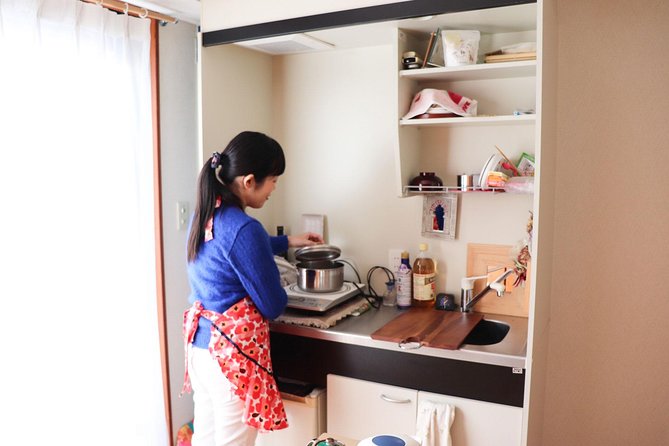
Kyoto has plenty of polished food classes, but this one brings you into Emika’s family home for a meal cooked at the same table where you will eat it. You may prepare sushi, miso soup, vegetables, or even Osaka-style okonomiyaki, depending on the menu arranged before your visit. The lesson is relaxed, practical, and tied to everyday Japanese cooking.
I like the private setting, which gives your group room to ask questions and request a menu that suits you. I also like the use of seasonal produce, including organic vegetables grown by Emika herself. The main consideration is location: you will walk roughly 10 to 15 minutes from Katsura Station through residential streets, and the optional market visit comes after the meal, not before it.
Key points to know before booking
- Cook in Emika’s Kyoto home: This is a private experience, so only your group takes part.
- Choose your main menu: Request sushi or Kyoto-style Obanzai when booking, with other dishes such as okonomiyaki appearing by arrangement.
- Use seasonal local produce: Emika may bring vegetables from her own organic garden into the meal.
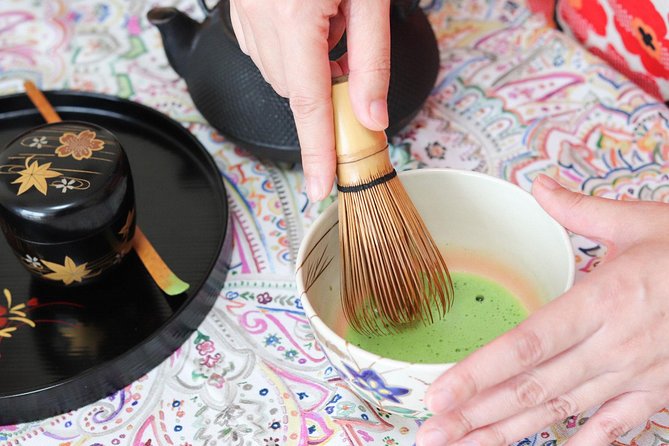
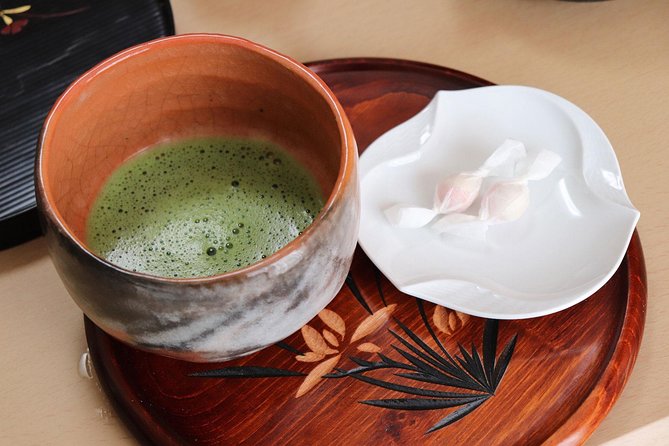
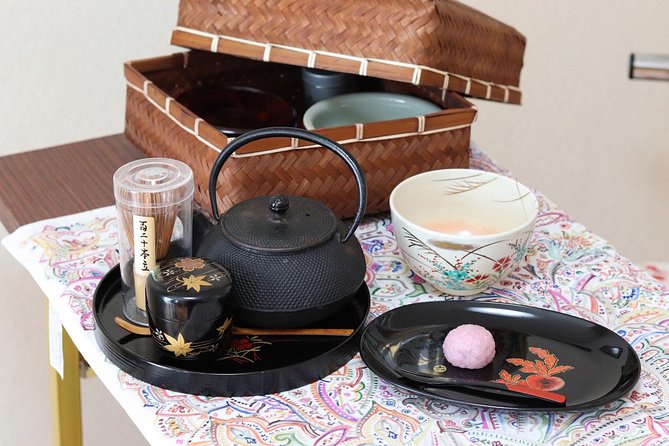
- Finish with matcha: A freshly prepared cup of matcha, made by Emika or her father, is part of the cultural side of the visit.
- Add the market tour: The optional one-hour supermarket and produce-store walk takes place after lunch or dinner.
- Plan around a suburban meeting point: Hotel pickup is not included, and the activity returns to the starting address.
A home kitchen instead of a staged cooking studio
The appeal here is simple: you are not just watching a chef perform. You are sitting in a Kyoto residence, preparing food with Emika, and then eating the meal together. That changes the tone from demonstration to conversation.
Emika welcomes visitors at her home at 31-30 Katsurainariyamacho in Kyoto’s Nishikyo Ward. The setting is reached by public transportation, followed by a walk of about 10 to 15 minutes from Katsura Station. The route runs through winding residential streets, so I would download the address and map before leaving the station. There is no hotel pickup or drop-off.
The private format matters. If you are a couple, family, or small group of friends, you can ask questions without trying to keep up with a large class. Families have found the format easy for children and teenagers, while adults can ask about Japanese table manners, ingredients, and customs as they cook.
English communication may be informal rather than polished. That need not be a problem, since the class is hands-on and the cooking steps are shown directly. Still, if you have complex dietary needs, explain them clearly when booking so Emika can plan the food in advance.
More Sushi and Japanese Classes in Kyoto:
- Ramen Cooking Class at Ramen Factory in Kyoto
★ 5.0 · 1,937 reviews - Sushi Making in Kyoto! Same-day bookings welcome!
★ 5.0 · 713 reviews - Kyoto: Ramen Cooking Class at a Ramen Factory with Souvenir
★ 4.9 · 532 reviews
Matcha, conversation, and the rhythm of the visit
The experience begins or ends with matcha. Emika or her father prepares the tea, giving the class a traditional touch that goes beyond the recipes. You are not simply handed a cup of green tea with dessert. The tea is part of the visit’s cultural frame, either welcoming you into the home or closing the meal.
The food and conversation are closely linked. Emika can explain Japanese customs, cooking habits, and ingredients while you work. This is useful if you want more than a recipe card. You can ask why a particular seasoning is used, how a vegetable is handled, or where to find ingredients in Kyoto.
The listed duration is about three hours. Around an hour may be spent on the cooking itself, followed by the meal and tea ceremony. The exact pace depends on your menu and group. I would avoid scheduling a major attraction immediately afterward, especially if you add the market option.
You can choose a lunch or dinner session. That makes the class easier to fit into a Kyoto itinerary, but it also means you should think of it as a full meal rather than a quick activity between temples.
Choosing sushi, Obanzai, or another menu
When booking, tell Emika if you prefer sushi or an Obanzai menu. Obanzai is associated with home-style Kyoto cooking, often built around vegetables, tofu, miso, and gentle seasoning. It is a good choice if you want to see the food Kyoto residents might prepare at home rather than focus only on raw fish.
A typical Obanzai-style meal can include marinated mushrooms, slow-cooked vegetables, miso soup, and tofu dishes. The class also includes two vegetable side dishes alongside sushi or a traditional main course. Seasonal ingredients give the menu a local feel, and the vegetables may include produce grown in Emika’s garden.
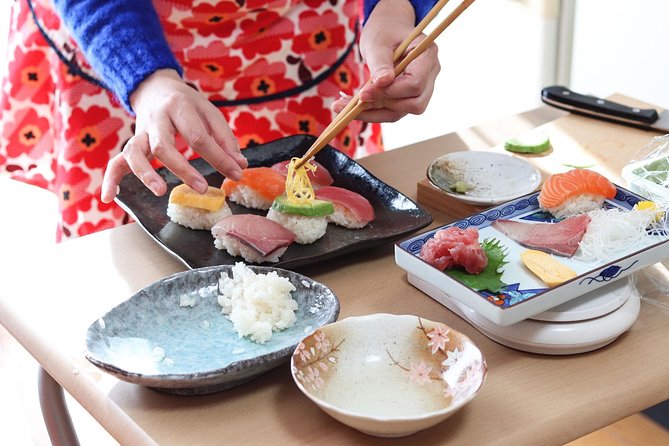
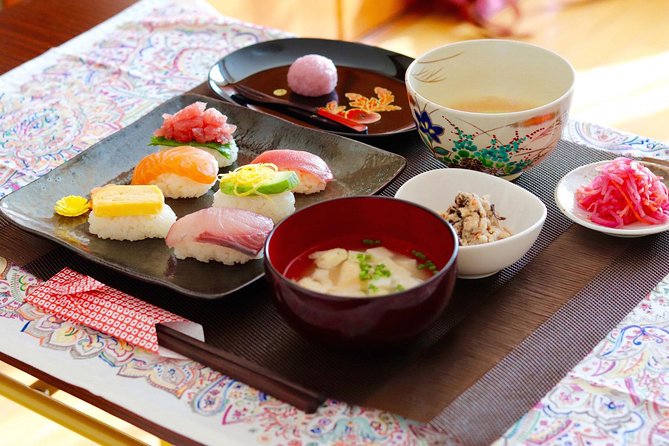
The sushi option is more hands-on than simply assembling a prepared platter. You may learn how to make sushi rice, shape rice by hand, place fish on top, or wrap it with seaweed. The exact sushi style depends on the menu agreed in advance, so it is worth stating what you hope to learn.
The menu is not locked into one narrow pattern. Past class menus have included nigiri sushi, miso soup, seasonal vegetables, and Osaka-style okonomiyaki. That flexibility is helpful for repeat visitors or families with different tastes.
If someone in your party is vegetarian, has an allergy, or follows another dietary plan, mention it before the class. The host has accommodated vegetarian diners and adjusted menus for specific needs. Do not wait until you arrive, since the ingredients need to be selected ahead of time.
What you actually do during the cooking hour
The class is suitable for all skill levels, including people who rarely cook. Emika demonstrates techniques, then lets you try them. You can expect instruction on ingredients, preparation, seasoning, and assembly rather than a lecture about Japanese food.
For sushi, the useful part is learning the small details that are hard to pick up from a restaurant meal. You may work on the rice, the balance of ingredients, and the way sushi is shaped. Emika also shares practical tips and points out special ingredients that are useful if you want to repeat the dishes at home.
For a traditional meal, the focus shifts toward side dishes and everyday cooking. Miso soup, vegetables, tofu, mushrooms, and simmered foods show how Japanese home cooking can be built from modest ingredients. This is one reason I would choose Obanzai if you already plan to eat sushi several times in Kyoto.
The cooking is collaborative. You prepare the food together, then sit down to eat it. That shared meal is the heart of the activity. It also gives you time to ask about Kyoto restaurants, shopping, customs, or places to find ingredients later in your trip.
More Hands-On Workshops in Kyoto:
- Kyoto: Ramen, Gyoza, and Onigiri Cooking Class
★ 5.0 · 445 reviews - The Original Small-Group Sushi Making Class in Kyoto
★ 5.0 · 436 reviews - Kyoto: Japanese Washoku Bento Small Group Cooking Class
★ 5.0 · 380 reviews - Kyoto Ramen and Gyoza Cooking Class with Professional Chefs
★ 5.0 · 282 reviews
Eating what you made, with a Kyoto drink
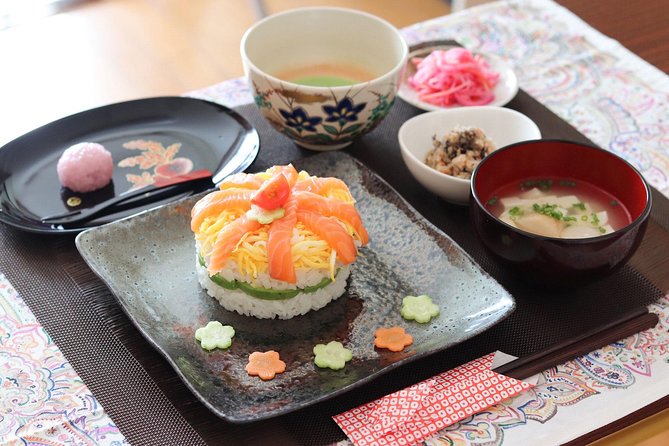
The meal includes one or two glasses of local alcohol. Depending on availability and your choice, this might include nigori sake. Matcha is also part of the experience, so you can enjoy the tea even if you do not drink alcohol.
The drink pairing is a small but useful part of the value. You are not paying only for a cooking lesson, then buying lunch separately. The meal, tea, and included drinks create one complete visit. If you are booking for a family, remember that the alcohol is an inclusion rather than the main point of the activity.
The food should be viewed as a home meal, not a formal restaurant tasting menu. Portions and presentation may reflect a family kitchen rather than a high-end sushi counter. That is exactly the attraction for many people, but visitors seeking advanced knife work or professional chef training may find the class too casual.
The meal is also where the private format pays off. You can slow down for children, ask for another explanation, or spend more time talking about an ingredient. One family found the class especially effective because Emika could involve children directly in the sushi-making process.
The optional market walk comes after lunch
Choose the Market tour option if you want help understanding Japanese supermarket ingredients. After the meal, Emika walks with you for about 10 minutes to a supermarket and produce store used by local residents. The market portion lasts about one hour.
This order is important. The tour happens after cooking and lunch or dinner, not before. If you imagined selecting ingredients with Emika and then returning home to cook, adjust your expectations. The market visit is instead a follow-up lesson about the food you have just prepared.
Emika can point out Japanese seasonings, spices, and food products, and she can help you buy ingredients to take home. This is useful for cooks who want to recreate the meal after returning home. It also adds context to the recipes, since you see how ordinary ingredients are sold and labeled in Japan.
The market option makes the experience longer and more active. If you prefer a slower meal and tea visit, skip it. If you want practical shopping help, especially for sushi supplies or Japanese seasonings, it is likely worth adding.
Is $109 a fair price?
At $109 per person, this is not the cheapest meal you will eat in Kyoto. It is also not just a meal. The price covers a private cooking class, the food you prepare and eat, matcha, one or two local alcoholic drinks, and the tea ceremony. The market and produce-store tour is included only if you choose that option.
The value improves for a small private group because you are paying for direct attention rather than a seat in a large class. Group discounts may also be available. A couple who wants a personal food experience will probably get more from this than from a quick restaurant lunch, while a solo visitor should compare the final price with other private classes.
I see the strongest value in the combination of food and access. You learn recipes, hear about Kyoto life from a resident, visit a real home, and receive shopping advice that can help you cook again. The class is less useful if you only want to eat excellent sushi without preparing it.
The experience is often booked well ahead, around 49 days in advance on average. That is a good reason to reserve early if your Kyoto dates are fixed, especially if you need a vegetarian menu or want a particular lunch or dinner time.
Who will enjoy this Kyoto cooking class?
I would recommend it most strongly to:
- Couples looking for a private cultural activity
- Families with children or teenagers
- Visitors who want to learn Japanese cooking for home use
- Vegetarians or diners with dietary needs who arrange them in advance
- People who prefer conversation and local contact over a large commercial class
- Cooks interested in vegetables, miso, tofu, sushi rice, and Japanese seasonings
It may be less suitable if you want a central Kyoto meeting point, hotel pickup, professional culinary training, or a fast itinerary stop. The walk from Katsura Station is manageable but should be included in your planning. You also need to be comfortable entering a private home and eating a menu planned with the host.
Service animals are allowed, and the activity is near public transportation. Since the tour ends back at the meeting point, you can plan your next stop from there, but you will need to arrange your own transportation.
My call: book it for the personal connection
Book this experience if you want to cook, eat, and talk in a real Kyoto home. Emika’s garden produce, flexible menu, matcha prepared by Emika or her father, and optional shopping walk give the visit more substance than a standard recipe lesson.
I would choose the sushi menu for a first hands-on introduction to Japanese food, especially with teenagers or children. I would choose Obanzai if you want home-style Kyoto cooking, seasonal vegetables, tofu, miso, and dishes you are more likely to repeat at home.
Skip it if you want a central location or a purely professional kitchen class. For everyone else, the private setting and practical instruction make $109 a reasonable price for a three-hour meal, lesson, and cultural visit, especially when shared with a small group.
FAQ
Where does the cooking class take place?
The class takes place at Emika’s home at 31-30 Katsurainariyamacho, Nishikyo Ward, Kyoto, 615-8025, Japan.
How long does the experience last?
The activity lasts approximately three hours.
Is hotel pickup included?
No. Hotel pickup and drop-off are not included. You meet at Emika’s home and return to the same meeting point at the end.
How far is the home from public transportation?
The home is near public transportation. The walk from Katsura Station takes about 10 to 15 minutes.
Can I choose between sushi and Obanzai?
Yes. Tell Emika when booking if you prefer a sushi menu or Kyoto-style Obanzai cuisine.
What food might I prepare?
Possible dishes include sushi, miso soup, marinated mushrooms, slow-cooked vegetables, tofu dishes, and two Obanzai-style vegetable sides. Other menus, including Osaka-style okonomiyaki, may be arranged.
Is the class suitable for beginners?
Yes. All cooking skill levels are welcome.
Are drinks included?
Yes. The experience includes one or two glasses of local alcohol. Matcha is also prepared during the visit.
Is the market tour included?
The supermarket and produce-market tour is included only if you select the Market tour option. It takes place after the cooking class and meal.
Can dietary restrictions be accommodated?
You should tell Emika about allergies, dietary restrictions, or cooking preferences when booking so the menu can be planned accordingly.
Is this a private activity?
Yes. Only your own group participates in the cooking class and tea ceremony.
What is the cancellation policy?
You can cancel up to 24 hours before the experience start time for a full refund. Cancellations or changes made less than 24 hours in advance are not accepted for a refund.
Just added around Kyoto
- Private Cooking Class Udon in Kyoto Japan★ 5.0 · 23 reviews
- Private Plant-Based Japanese Cooking Class – Kyoto Edition★ 5.0 · 15 reviews
- Private Guided Traditional Buddhist Cooking in Japan★ 5.0 · 16 reviews
- Kyoto Wagashi(Japanese sweets) Cooking Class near Fushimiinari★ 5.0 · 60 reviews
- Nishiki Market, Private Sushi class & Sake Tasting in Townhouse★ 5.0 · 6 reviews
- Private Kyoto Cooking Class with Aki in a Beautiful Wooden House★ 5.0 · 12 reviews
- Private Kyoto Market Tour and Authentic Cooking Class with Aki★ 5.0 · 15 reviews
- Kyoto Sushi Making Experience with a Professional Sushi Chef★ 5.0 · 16 reviews
Japanese & Sushi Cooking Classes, compared.
Sushi Making Tokyo Roll and Authentic Japanese Sushi Class
Read our review →
Tokyo: Roll and Authentic Sushi Making Class in Asakusa
Read our review →
Ramen Cooking Class at Ramen Factory in Kyoto
Read our review →
Tokyo: Sushi Making Class in a Happi Coat near a Famous Spot
Read our review →
Sushi Making Tokyo! Popular Maki Sushi & Japanese Sushi(+Recipe!)
Read our review →
Sushi Making Osaka Roll and Authentic Japanese Sushi Class
Read our review →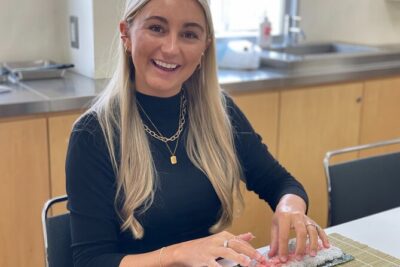
Tokyo Sushi Making Class in Tsukiji with Professional Chef
Read our review →
Ramen & Gyoza Cooking Class in Tokyo with Local Supermarket Visit
Read our review →Browse the lists this tour appears in