
Review · KYOTO
Kyoto: Wagashi (Japanese sweets) Cooking near Fushimiinari
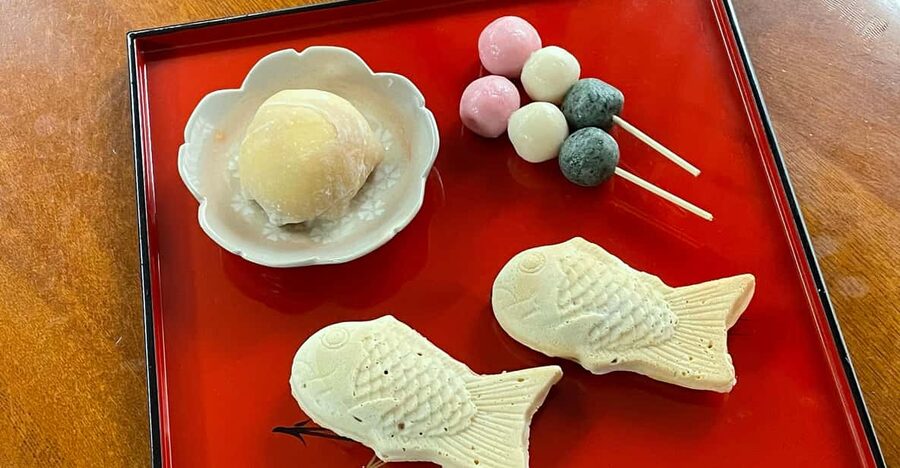
Japanese sweets are small works of edible art, and this class lets you make them rather than simply admire them behind glass. In a traditional Japanese home near Fushimi Inari, Miho guides you through about three wagashi, then serves matcha in a quiet room with a garden view. I like the hands-on cooking and the chance to learn in English from a licensed guide interpreter.
I also like the personal scale. With no more than six people, you can ask questions and get help shaping mochi, dango, or dorayaki. The main consideration is that this is not a sightseeing tour of Fushimi Inari, and the class may feel less useful if you prefer watching rather than cooking. The seasonal menu can change, too.
Key points to know before booking
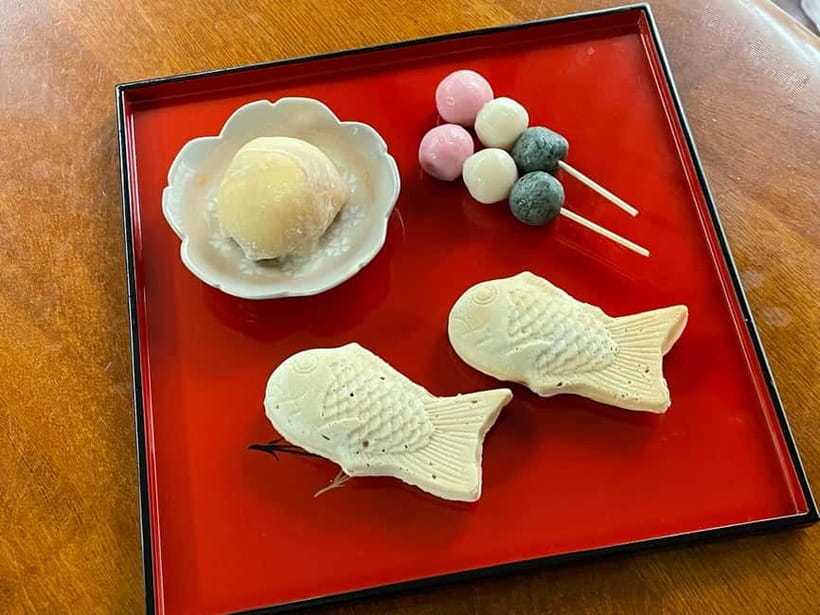
- A real hands-on class: You prepare about three sweets yourself or with a partner after a demonstration.
- A traditional Kyoto setting: You finish with tea and sweets in a washitsu, a Japanese-style room, facing a garden.
- Miho teaches in English: She explains cooking methods, ingredients, matcha, and Japanese culture clearly.
- Small groups matter: The class is limited to six, and solo bookings may sometimes become private lessons.
- Good for families with older children: Children 6 and older can join, while children 12 and below need a guardian.
- Dietary needs can be accommodated: Vegetarians and vegans are welcome, but you should provide food restrictions in advance.
What this wagashi class near Fushimi Inari is really like
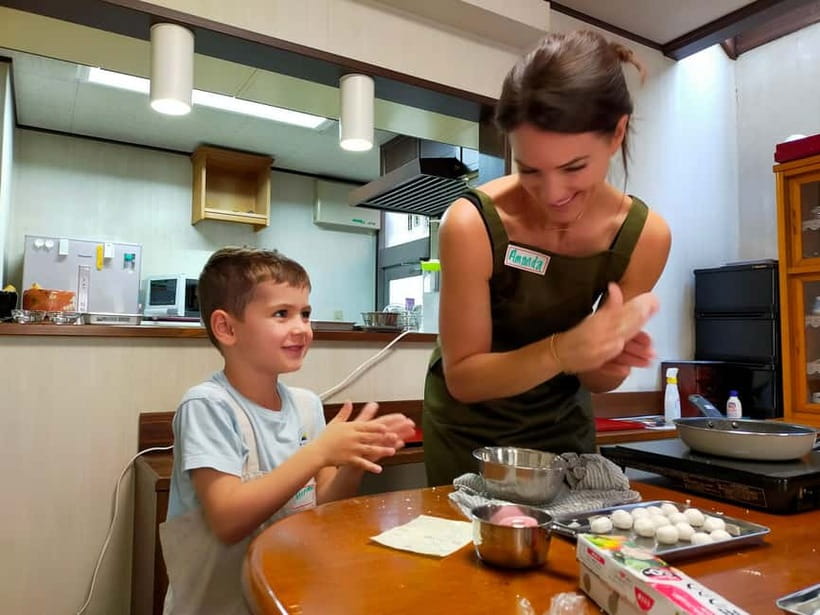
This is a cooking lesson wrapped in a visit to a Japanese home. You do not simply watch a chef prepare sweets, take a few photos, and leave. You work with the ingredients, follow the steps, shape the sweets, and eat what you make with tea.
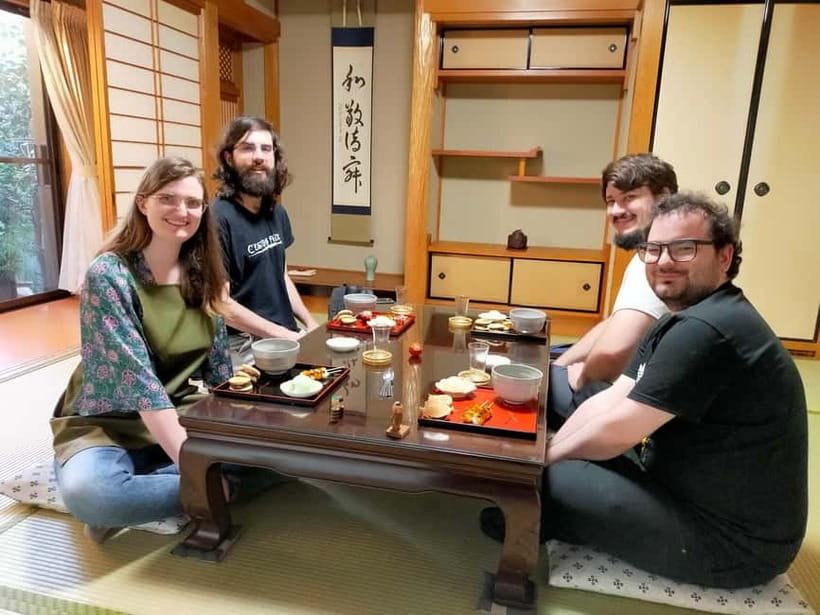
The setting does much of the work. After arriving, you settle into a traditional Japanese room with a garden view. The pace is more relaxed than a busy restaurant class. You get time to look around, ask questions, and enjoy the simple ritual of sitting on the floor in a washitsu.
The class lasts 150 minutes, or two and a half hours. That gives Miho room to explain the food, demonstrate the techniques, let you practice, and finish with matcha. It is long enough to feel substantial without taking up an entire day in Kyoto.
The format is especially good if you have already spent time visiting shrines and temples and want a quieter activity. It also works well on a rainy afternoon, although the class is indoors rather than a substitute for visiting Fushimi Inari itself.
More Sushi and Japanese Classes in Kyoto:
- Ramen Cooking Class at Ramen Factory in Kyoto
★ 5.0 · 1,937 reviews - Sushi Making in Kyoto! Same-day bookings welcome!
★ 5.0 · 713 reviews - Kyoto: Ramen Cooking Class at a Ramen Factory with Souvenir
★ 4.9 · 532 reviews
Entering an authentic Japanese room
The first part is about settling in. You relax in a traditional room and take in the garden before cooking begins. That opening matters because the experience is not only about recipes. You get a small look at how a Japanese home can be used for hospitality, tea, and conversation.
The room gives the class a sense of place that a standard cooking studio cannot easily copy. You are not sitting in a generic classroom with stainless steel counters and a printed worksheet. You are preparing sweets in a home setting, then eating them in a room designed for quiet enjoyment.
You should be ready for a traditional style of seating. The activity is not suitable for wheelchair users, and the information provided does not describe an accessible alternative. If sitting on the floor could be difficult for you, ask before booking.
Tea may be served before the cooking starts. One participant described receiving tea and sweet potato on arrival, though the exact welcome may vary. The important point is that the class begins with hospitality rather than rushing straight into instructions.
Making three Japanese sweets by hand
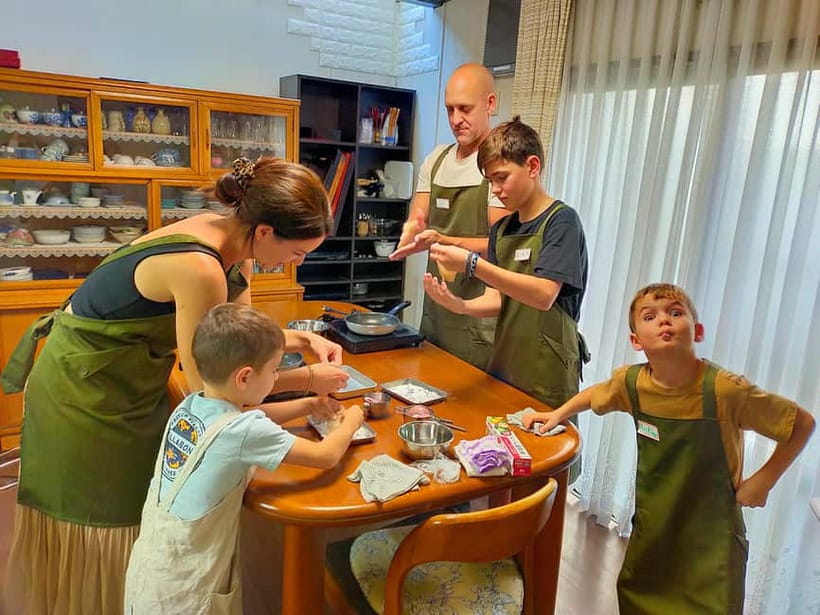
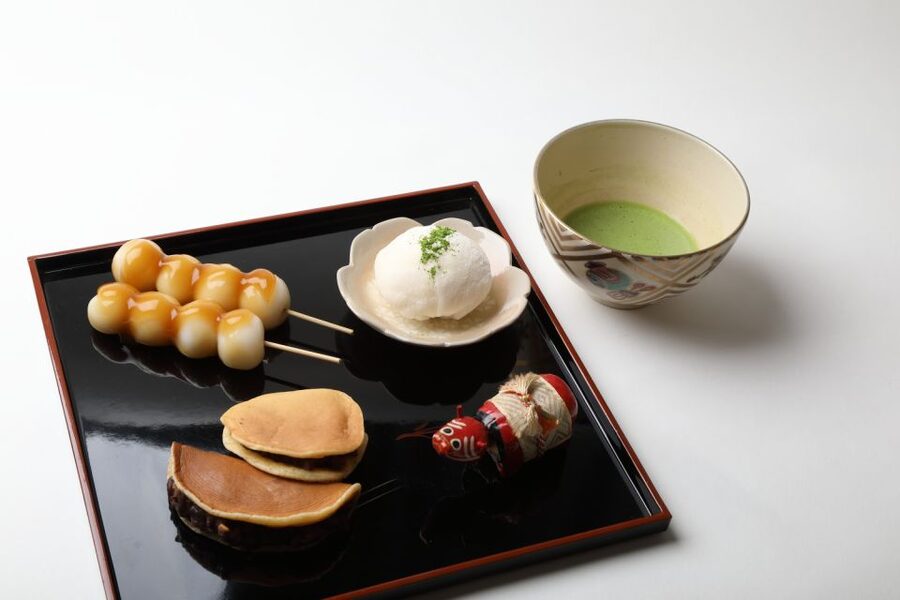
Miho first demonstrates the techniques, then you prepare the sweets yourself or work with a partner. The exact menu changes by season, but examples from the class include mochi, dango, and dorayaki. Some sessions have also included mochi ice cream.
These sweets teach different skills. Mochi gives you practice with a soft, sticky mixture and careful shaping. Dango shows how simple ingredients can become neat, pleasing dumplings. Dorayaki introduces a different style of Japanese sweet, with small pancakes and filling.
The appeal is that the food is approachable. You do not need professional cooking experience, and the class is designed to explain each step in clear English. The point is not to produce perfect confectionery on your first attempt. It is to understand how the ingredients behave and leave with techniques you can try again.
I like that the lesson is genuinely practical. You are not handed a finished sweet at the end and told you helped make it. You mix, shape, and assemble the food yourself. Miho offers guidance while allowing you to do the work, which gives the class more value than a demonstration-only session.
The seasonal menu is both a strength and a small uncertainty. You may get to make something suited to the time of year, but you cannot assume that a specific sweet will be available. If mochi or dorayaki is the main reason you are booking, confirm the current menu in advance.
Learning the parts recipes cannot explain
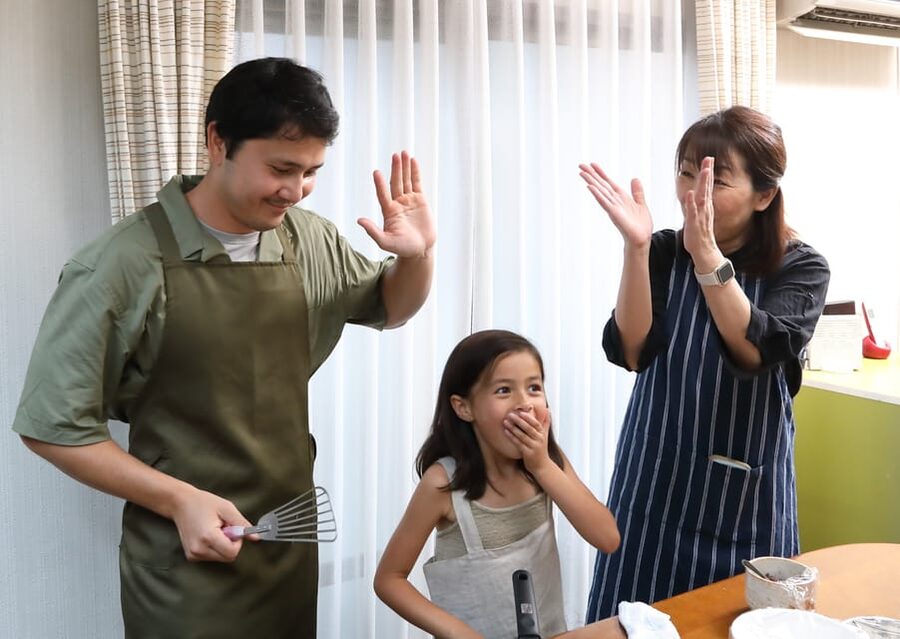
A good cooking class gives you more than a list of ingredients. Miho explains the methods, small adjustments, and practical tips that help you repeat the recipes at home. You can also ask where to buy ingredients and how to find suitable products outside Japan.
The class is conducted in English, and Miho is a licensed guide interpreter. That makes a real difference here because wagashi involves more than stirring and shaping. You can ask about the role of sweets in Japanese culture, the ingredients used, and the way matcha is prepared.
The cultural information stays connected to the activity. You are not sitting through a long lecture on Japanese food. Instead, questions come up naturally while you cook, eat, and talk. That suits me better than a formal presentation because the information has a clear purpose.
Past sessions have included explanations of Japanese culture and quick guidance on making whisked matcha. You may also get useful Kyoto suggestions based on your interests. These personal conversations are one reason a small group works better than a large class.
More Dessert Tours in Kyoto:
- Rome: Pasta Making Class with Wine, Limoncello, and Dessert
★ 4.9 · 3,177 reviews - Mekong Delta 4 Islands, TukTuk, Boat, Try Khot Cake Local Cooking
★ 5.0 · 1,148 reviews - Florence: Handmade Pasta & Dessert Class with Unlimited Wine
★ 4.8 · 788 reviews - Rome Cooking Class: Make Pizza and Pasta with Wine & Dessert
★ 4.5 · 651 reviews
Matcha and the final tea-room tasting
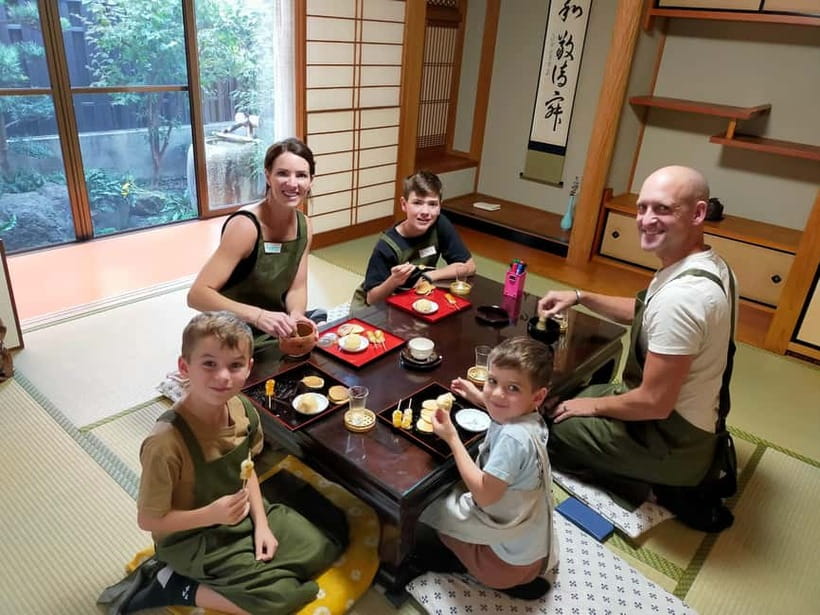
Once the cooking is finished, you arrange your sweets and sit together in the traditional room. You eat what you made with Japanese tea, usually including matcha preparation as part of the experience.
This final stage is not an afterthought. Wagashi is often enjoyed with tea, and the sweetness of the food makes more sense alongside the slightly bitter taste of matcha. Looking into the garden while eating your own sweets gives the class a calm finish.
You may have the chance to whisk matcha yourself, depending on how the session is conducted. Miho has demonstrated the process and prepared matcha for participants. The lesson adds another layer to the class because you learn not just how to make the food, but how it is traditionally enjoyed.
The quantity may be generous enough to take some sweets away. That has happened in previous sessions, but you should not treat takeaway portions as guaranteed. Eat the freshest sweets during the tea portion and ask Miho about anything remaining.
Why the group size is important
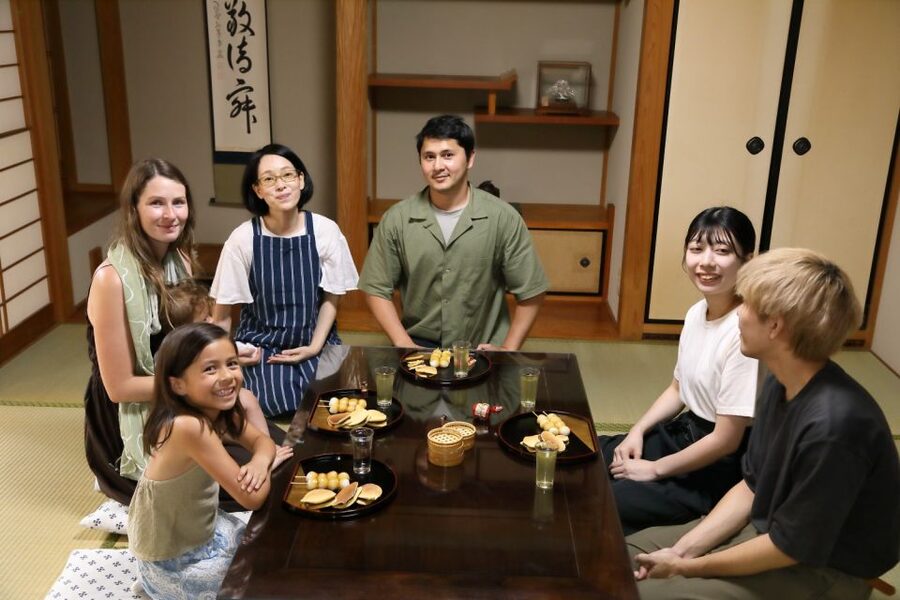
The maximum group size is six. That is small enough for Miho to see what you are doing and help when a mixture becomes sticky or a shape goes wrong.
If you book alone and nobody else joins, the class may become a private lesson. That can let you move at your own pace and spend more time asking questions. It is a pleasant possibility, but it is not something you should book expecting as a guaranteed private experience.
For couples, friends, and families, the class gives everyone a task. A group of five can still take part rather than watching one person cook. Partners can share the work, although you should make sure each person gets time with the ingredients and tools.
The small size also encourages conversation. You can ask about ingredients, Japanese sweets, or places to visit in Kyoto without waiting for a large group to quiet down. If you prefer to keep to yourself, the friendly home setting may feel more social than a self-guided food stop.
Is $84 good value?
At $84 per person, this is not the cheapest way to eat Japanese sweets. You could buy wagashi and tea for much less. The price makes more sense when you treat it as a two-and-a-half-hour lesson, cultural visit, and tea experience rather than a dessert tasting.
The cost includes the ingredients, seasonings, tea, English-speaking instruction, and taxes and fees. You do not need to pay extra for the food prepared during the lesson. Hotel pickup and drop-off are not included, so you handle your own transport to the class.
I think the price is fair for someone who wants to learn a skill and have a personal experience in a traditional home. It is less compelling if you only want to sample sweets or if your Kyoto schedule is already packed with cooking lessons.
The small group improves the value. You are paying for direct guidance, not just access to a kitchen. The chance to repeat the recipes at home also gives the class a longer life than a single meal.
Who should book this Kyoto experience?
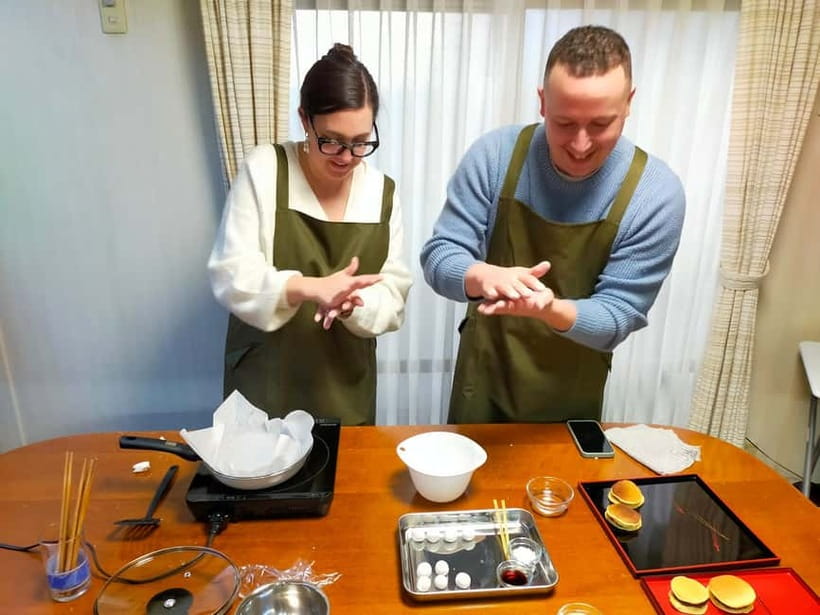
I would choose this class for anyone curious about Japanese sweets, especially if you have seen wagashi in manga or anime and want to understand how they are made. You do not need to be a serious cook. A basic interest in food and a willingness to use your hands are enough.
It suits couples and friends who want a shared activity. It also works well for families with children old enough to follow instructions. Children 6 and older can participate, and anyone 12 or below must join with a guardian. Some of the hands-on tasks make the class engaging for children, but very young children are not allowed.
Vegetarians and vegans are welcome. Give the studio your food restrictions before the class so the ingredients can be checked and the menu adjusted if needed. Since the menu changes with the season, advance notice is especially sensible for allergies or strict dietary requirements.
This is also a good choice if you want English-language instruction. Miho is described as patient, organized, friendly, and clear, and the class is conducted entirely in English. Non-English speakers are also welcome according to the activity information, but the stated instructor language is English.
You may want to skip it if you dislike traditional floor seating, need wheelchair access, or want a fast activity lasting less than an hour. The class takes 150 minutes and asks you to participate rather than simply observe.
Practical details that can affect your decision
You receive free cancellation if you cancel at least 24 hours before the activity. A reserve-now, pay-later option is also available, which helps if your Kyoto plans are still changing.
The class does not include hotel pickup or drop-off. The location is described as being near Fushimi Inari, but the provided information does not give a precise meeting point or transport instructions. Check those details carefully before setting out.
The activity is limited to six people, taught in English, and includes all cooking ingredients and tea. You should tell the provider about dietary restrictions in advance, and remember that the sweets prepared may differ by season.
The activity is not suitable for children under 6 or wheelchair users. Children 12 and below need a guardian. Those rules are easy to overlook when booking for a mixed-age family.
Final call: book it for the setting and the hands-on work
I would book this if you want more than a dessert stop. The strongest reasons are the traditional home, the garden-facing tea service, and the chance to make several sweets with direct help from Miho.
The $84 price is easiest to justify when you value conversation, cultural context, and recipes you can try again. If you only want to eat wagashi, spend less at a shop. If you want a personal Kyoto memory built around food, tea, and a small group, this class is a well-focused choice.
FAQ
How long does the wagashi cooking class last?
The class lasts 150 minutes, or two and a half hours.
Where does the class take place?
It takes place in an authentic Japanese home near Fushimi Inari in Kyoto, with traditional rooms and garden views.
How many people can join?
The class is limited to six participants.
Is the class taught in English?
Yes. The class is conducted entirely in English, and the instructor is a licensed guide interpreter.
Which Japanese sweets will I make?
You prepare about three types of wagashi. The menu changes by season and may include sweets such as mochi, dango, dorayaki, or mochi ice cream.
Is tea included?
Yes. Tea is included, and the experience finishes with your sweets and tea in a traditional Japanese room. Matcha preparation may also be demonstrated or taught.
Can vegetarians and vegans participate?
Yes. Vegetarians are welcome, and the activity is vegan friendly. Tell the provider about food restrictions in advance.
Can children join the class?
Children under 6 cannot participate. Children aged 12 and below must join with a guardian.
Just added around Kyoto
- Kyoto: Sushi Making Class with Sushi Chef★ 4.8 · 64 reviews
- Nishiki Market Food Tour with Cooking Class★ 4.9 · 42 reviews
- Kyoto: Sushi Making Experience in Kawaramachi★ 4.8 · 13 reviews
- Kyoto: Small-Group Authentic Sushi Making Workshop★ 5.0 · 137 reviews
- Kyoto Udon & Tempura Cooking Class with Professional Chefs★ 3.8 · 3 reviews
- Kyoto: Cooking class, learning how to make authentic sushi★ 4.2 · 9 reviews
- Kyoto Home Cooking Class &Supermarket tour near Fushimiinari★ 5.0 · 31 reviews
- Kyoto: Morning Japanese Bento Cooking Class★ 5.0 · 149 reviews
Japanese & Sushi Cooking Classes, compared.
Sushi Making Tokyo Roll and Authentic Japanese Sushi Class
Read our review →
Tokyo: Roll and Authentic Sushi Making Class in Asakusa
Read our review →
Ramen Cooking Class at Ramen Factory in Kyoto
Read our review →
Tokyo: Sushi Making Class in a Happi Coat near a Famous Spot
Read our review →
Sushi Making Tokyo! Popular Maki Sushi & Japanese Sushi(+Recipe!)
Read our review →
Sushi Making Osaka Roll and Authentic Japanese Sushi Class
Read our review →
Tokyo Sushi Making Class in Tsukiji with Professional Chef
Read our review →
Ramen & Gyoza Cooking Class in Tokyo with Local Supermarket Visit
Read our review →Browse the lists this tour appears in