
Review · OSAKA
Well-balanced BENTO (lunch box) Cooking Class
The best part of this Osaka class is that you do not just watch someone prepare Japanese food. You make a complete bento yourself, from traditional dashi broth to two triangular rice balls, then arrange the finished dishes in a lunch box. I especially like the mix of Wagyu beef, shrimp, salmon, egg, vegetables, mushrooms, and squash. It gives you a useful taste of everyday Japanese cooking rather than one narrow specialty.
I also like the small maximum group of eight, which leaves room for help from instructors such as Yumi and Fumi. The class has earned a perfect 5 rating from 35 reviews, with repeated praise for its clear teaching, clean setting, warm English, and well-paced format. The main consideration is price: at $92.24 per person, this is not a cheap meal. You are paying for instruction, ingredients, cultural context, and the hands-on work, not just lunch.
Key points at a glance
- Seven home-style dishes: Prepare Wagyu beef, shrimp, salmon, egg, squash, mushrooms, green vegetables, and rice balls.
- Dashi comes first: Learn how Japanese soup stock forms the base of many dishes.
- Real cooking practice: Use frying, grilling, simmering, and marinating techniques.
- Bento packing matters: Arrange the food with fresh vegetables so it looks appealing as well as tastes good.
- Small-group format: The class accepts no more than eight people, with the possibility of extra attention when attendance is low.
- A full meal at the end: Sit down with your handmade bento and complimentary miso soup.
Making a Japanese lunch box in Kitahorie
The class takes place at Sakura Cook in Osaka’s Nishi Ward, in the Kitahorie area. The stated meeting point is Banix North Horie, at 3-chōme 6-2 in Kitahorie, Osaka 550-0014. It is near public transportation, and the activity returns to this same meeting point when the cooking is finished.
Once you arrive, you choose your favorite lunch box and put on an apron. That small opening choice gives the class a personal touch. You are not simply handed a tray and told where to stand. You begin thinking about the final presentation before the cooking even starts.
The entire session lasts about two hours and 30 minutes. That is long enough to prepare several dishes without turning the class into an all-day commitment. It also means the pace matters. You will be moving from one task to the next, so this suits you if you enjoy active instruction more than a slow demonstration.
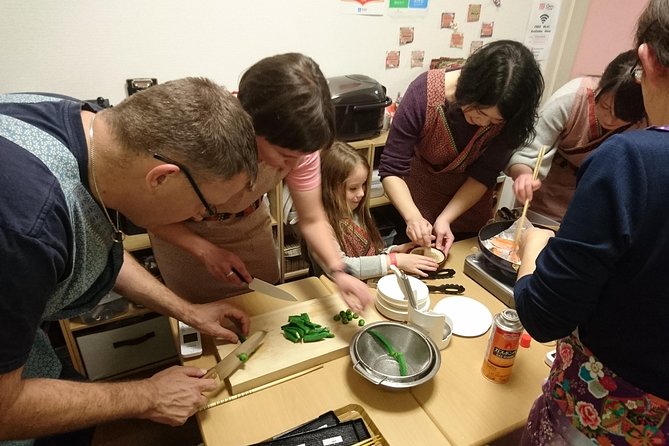
The group can hold up to eight people. That is a useful limit for a cooking class, since you need access to ingredients, tools, and the instructor’s attention. One session had only two participants, giving the instructor extra time to explain each step. You cannot count on having a private class, but the small capacity gives you a better chance of asking questions than a large tourist group would.
More Sushi and Japanese Classes in Osaka:
- Sushi Making Osaka Roll and Authentic Japanese Sushi Class
★ 5.0 · 1,220 reviews - Osaka Sushi Making Experience
★ 5.0 · 400 reviews - Osaka: Ramen and Gyoza Cooking Class in Dotonbori
★ 5.0 · 378 reviews
Starting with dashi, the base of Japanese cooking
Cooking begins with dashi, the traditional Japanese broth. This is one of the most worthwhile parts of the class because dashi appears in many Japanese dishes, yet it can be easy to overlook when you only eat the finished food.
Instructor Yumi has explained both the process and the place of dashi in Japanese cooking. That cultural context gives the lesson more meaning. You learn not only how to make a broth, but why it matters to the flavor of Japanese home cooking.
The class then moves into seven basic dishes often made in Japanese homes. The precise order may vary as the instructor manages cooking times, but you can expect to work with:
- Wagyu beef
- Shrimp
- Salmon
- Egg
- Squash
- Mushrooms
- Green vegetables
- Rice for the triangular rice balls
This is a generous range of ingredients for a two-and-a-half-hour class. You get meat, seafood, eggs, vegetables, rice, and soup rather than a meal built around one main item. The result is a balanced lunch box with different colors, textures, and flavors.
Four cooking methods in one lesson
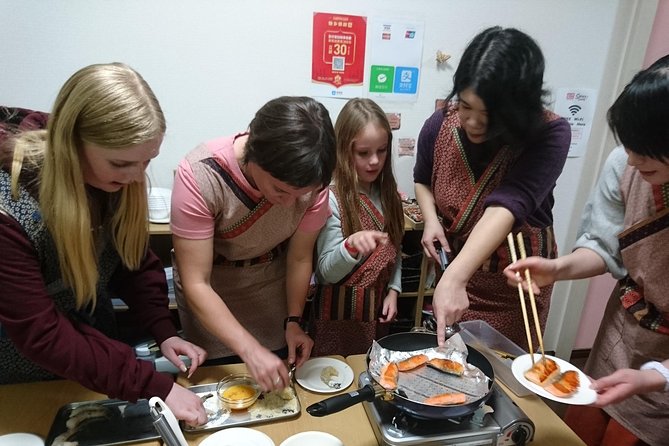
This is not only a recipe class. You practice several basic methods that you can use again at home. The session includes frying, grilling, simmering, and marinating.
Frying teaches you how to handle ingredients that need quick heat and careful timing. Grilling brings a different flavor and texture. Simmering connects back to the gentle, broth-based side of Japanese food, while marinating shows how seasoning can be built into an ingredient before it reaches the pan.
That mix makes the class more useful than a simple follow-along meal. You leave with a better sense of how Japanese cooks treat different ingredients. You also get to see how separate cooking methods can come together in one compact lunch.
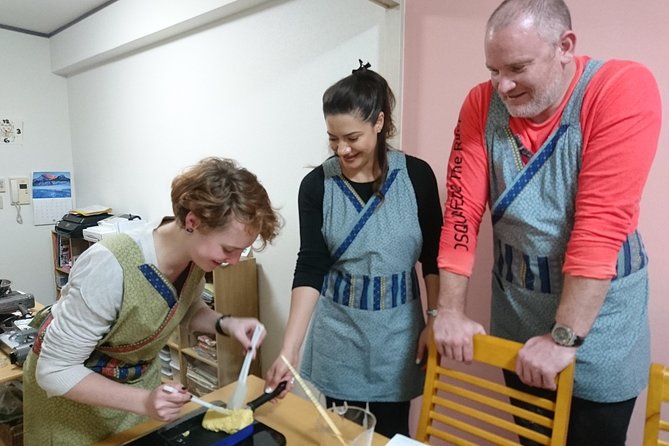
The egg dish may become a favorite for some cooks. One participant enjoyed the omelette enough to decide to buy a frying pan specifically for making it again. That is a good sign for anyone who likes practical lessons that continue after the trip. The class does not just produce food for one afternoon. It may give you a few techniques worth repeating in your own kitchen.
Shaping two rice balls without a struggle
The rice balls are made in a triangular shape, a familiar form in Japanese lunch boxes. Before shaping them by hand, you practice with plastic molds. That is a sensible approach, especially if this is your first attempt.
The mold helps you understand the size and shape before you make the final pieces. You complete two triangular rice balls, which become a clear hands-on part of the lesson rather than a quick demonstration by the instructor.
Rice can be sticky and awkward to handle, so the mold also keeps the process friendly for children and less experienced cooks. A 12-year-old participant was able to follow the class and take part in the dishes, making this a reasonable option for families with children who enjoy cooking.
You should still expect to participate rather than simply observe. The appeal is in making the food yourself, including the parts that might not look perfect on the first attempt.
More Lunch Experiences in Osaka:
- Cooking Class and Lunch at a Tuscan Farmhouse with Local Market Tour from Florence
★ 5.0 · 4,831 reviews - Paris Cooking Class and Lunch with Wine plus Market Visit Option
★ 5.0 · 1,024 reviews - Austrian Apple Strudel Cooking Class including Lunch in Salzburg
★ 5.0 · 929 reviews - Phuket: Elephant Sanctuary Tour, Cooking Class & Lunch
★ 4.9 · 856 reviews
Packing the bento is part of the cooking
After the dishes are finished, you pack them into your chosen lunch box. This is more than putting food into an empty container. The instructor advises you on how to arrange the dishes in an attractive way, using fresh vegetables to add color and shape.
That final arrangement is one of the class’s most distinctive features. A bento is judged by more than taste. Color, spacing, and balance all matter, and the lunch box should look inviting when opened.
You may find this step just as useful as the cooking itself. Many home cooks can prepare a good meal but struggle to make it look organized in a small container. The instructor shows you how to think about the whole box, not just each individual dish.
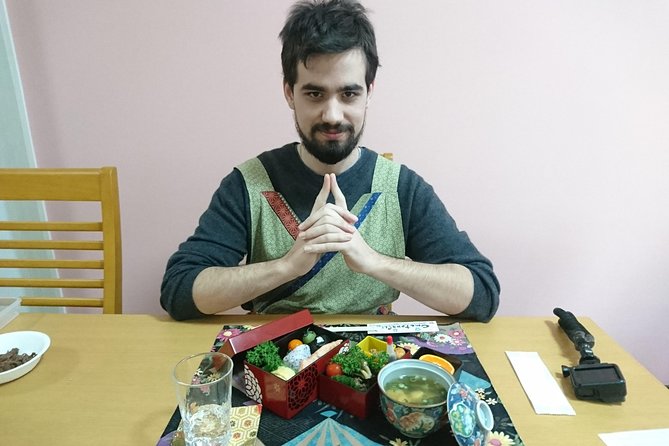
The finished bento should include the dishes you prepared, along with chopsticks. When everything is in place, you begin the meal with Itadakimasu and eat what you made. Complimentary miso soup completes the lunch and brings the dashi lesson back to the table.
What the meal feels like at the end
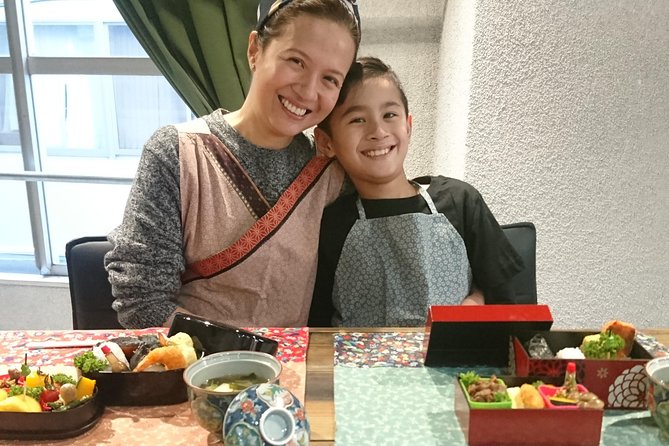
The food is described as delicious and healthy, but the bigger value is the connection between preparation and eating. You have handled the ingredients, learned the techniques, packed the box, and then tasted the result.
That sequence helps you notice details you might miss in a restaurant. You know how the broth was built, how the vegetables were prepared, and why the lunch box was arranged in a particular way. The meal becomes a practical lesson in Japanese food culture.
The menu also works well for people who want variety without a heavy meal. Wagyu and seafood provide richer flavors, while vegetables, rice, egg, and miso soup round out the lunch. You should advise the provider about dietary requirements when booking, since the class uses several animal products and seafood.
The instructors are another important part of the experience. Yumi is described as attentive and clear, with a warm, direct style of English. Fumi has been praised for careful teaching and a graceful approach. A participant who took another class at Sakura Cook also found this session just as enjoyable and useful, particularly for its cooking techniques and ingredients.
Is $92.24 fair for two and a half hours?
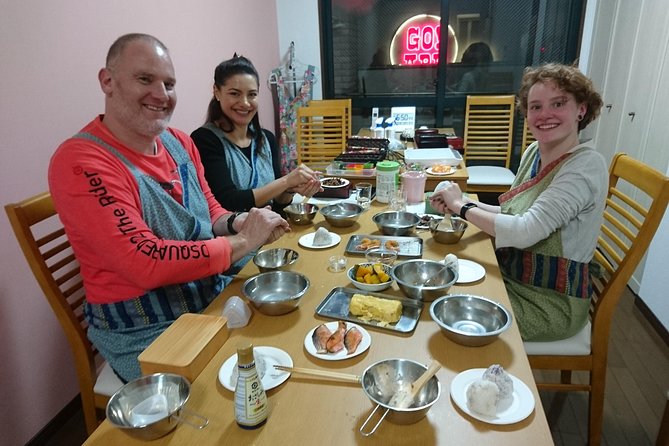
At $92.24 per person, this class costs more than buying a bento from a shop or sitting down for a casual Japanese lunch. That comparison is fair, but it misses what you are buying.
Your fee includes roughly two and a half hours of instruction, a full selection of ingredients, use of cooking equipment, your handmade lunch, miso soup, and cultural guidance. You are also learning methods that can be used after you return home. For a visitor who wants only a quick meal, the price will feel high. For someone who values participation and instruction, it is easier to justify.
The class is strongest value for you if you are already planning food-focused activities in Osaka, enjoy cooking, or want an indoor experience that does not depend on the weather. It also works well as a family activity, provided children are accompanied by an adult.
The small group helps the price make more sense. You are not joining a huge demonstration where you watch from the back. With no more than eight people, you should have a reasonable chance to participate in each dish and ask for help.
Still, do not book this expecting a professional chef school or a long culinary course. The session is a compact introduction to Japanese home cooking. You will learn several useful techniques, but you will not spend an hour perfecting one dish.
Who should book this Osaka cooking class?
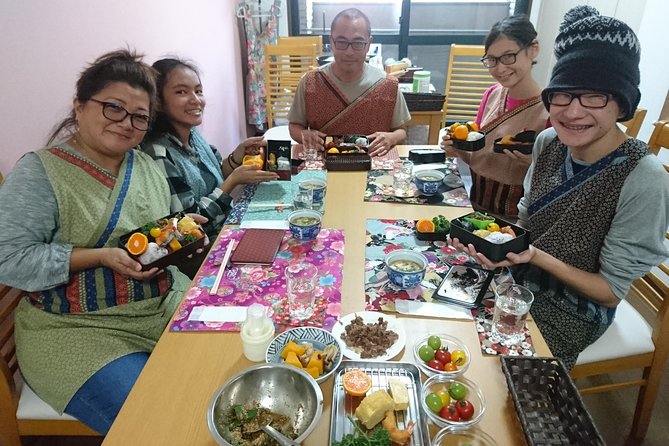
I would choose this class for you if you want to understand Japanese food beyond restaurant menus. It gives you a look at dashi, home-style dishes, rice shaping, and bento presentation in one sitting.
It is particularly suited to:
- First-time visitors who want a cultural activity with a meal included
- Couples or friends who like cooking together
- Families with children who enjoy hands-on food activities
- Cooks who want practical Japanese techniques
- Anyone who wants a break from sightseeing without giving up local culture
The class may be less suitable if you have strict dietary needs that cannot fit the listed ingredients. You are asked to provide those details when booking, but the menu includes Wagyu, shrimp, salmon, egg, and miso soup, so check carefully before committing.
It may also disappoint you if you prefer to eat without working. This is an active class. You will be making food, arranging it, and following instructions throughout the session.
Timing, meeting point, and booking details
The class lasts approximately two hours and 30 minutes and ends at the same location where it begins. The meeting point is Banix North Horie in Kitahorie, Osaka, near public transportation.
Confirmation is sent within 48 hours of booking, subject to availability. Since the class is limited to eight people and is booked an average of 53 days ahead, booking early is sensible if your Osaka dates are fixed.
The mobile ticket makes it easy to keep the booking on your phone. Children must be accompanied by an adult. Free cancellation is available if you cancel at least 24 hours before the local start time. Cancellations or changes made inside that window are not refunded or accepted.
Should you book the Sakura Cook bento class?
Book it if you want more than a meal and would enjoy taking part in every stage of one. The class combines dashi, seven home-style dishes, rice-ball shaping, bento design, and a sit-down lunch in a tidy two-and-a-half-hour format.
I especially recommend it for families, food-minded visitors, and anyone who wants practical skills rather than a passive cultural show. Yumi and Fumi receive strong praise for clear, attentive teaching, and the small group should keep the session personal.
Skip it if $92.24 feels too high for lunch or if you want a relaxed restaurant experience. But if you see the meal as the final chapter of a hands-on lesson, the price is easier to defend. You leave with a full stomach, a better understanding of Japanese home cooking, and techniques you can try again.
FAQ
Where does the bento cooking class take place?
The class takes place at Sakura Cook in Banix North Horie, located at 3-chōme 6-2 Kitahorie, Nishi Ward, Osaka 550-0014.
How long does the class last?
The activity lasts approximately two hours and 30 minutes.
How many people can join the class?
The maximum group size is eight people.
What dishes will I prepare?
You prepare seven basic Japanese dishes using Wagyu beef, shrimp, salmon, egg, squash, mushrooms, green vegetables, and rice for triangular rice balls.
Will I make dashi?
Yes. Cooking begins with making traditional Japanese dashi broth.
Which cooking methods are included?
You practice frying, grilling, simmering, and marinating.
Will I eat the food I prepare?
Yes. After packing your bento, you eat the meal you made. Complimentary miso soup is also provided.
Do I make rice balls during the class?
Yes. You practice shaping rice with plastic molds and complete two triangular rice balls.
Can children join the class?
Yes, but children must be accompanied by an adult.
Can I cancel for a full refund?
You can cancel for a full refund at least 24 hours before the experience start time. Cancellations or changes made less than 24 hours before the start time are not refunded or accepted.
More Hands-On Workshops in Osaka
- Osaka Cooking Class: Okonomiyaki &Japanese cuisines experience
★ 5.0 · 261 reviews - Osaka: Roll and Authentic Sushi Making Class in Dotonbori
★ 4.9 · 239 reviews - Ramen and Gyoza Cooking Class in Osaka
★ 5.0 · 202 reviews - Three Types of Ramen Cooking Class in Osaka
★ 5.0 · 119 reviews
Just added around Osaka
- Traditional Home cooking Experience in Osaka, Japan★ 5.0 · 14 reviews
- Osaka Street Food Festival :Takoyaki&Okonomiyaki for Families★ 5.0 · 13 reviews
- Three Types of Ramen Cooking Class in Osaka★ 5.0 · 119 reviews
- Takoyaki DIY Cooking in the Heart of Osaka★ 5.0 · 7 reviews
- SUSHI Making Experience at Restaurant★ 5.0 · 8 reviews
- Sushi Making Osaka Omakase Cooking Class in Japan★ 5.0 · 4 reviews
- Cooking Class for Ramen and Gyoza in a Quiet Old Osaka House★ 5.0 · 3 reviews
- Sushi and Japnese foods cooking class in Osaka★ 5.0 · 51 reviews
Japanese & Sushi Cooking Classes, compared.
Sushi Making Tokyo Roll and Authentic Japanese Sushi Class
Read our review →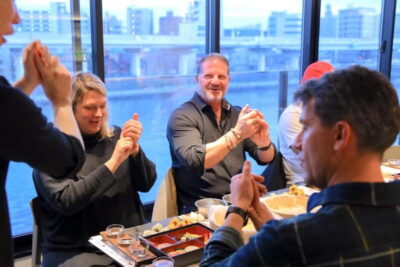
Tokyo: Roll and Authentic Sushi Making Class in Asakusa
Read our review →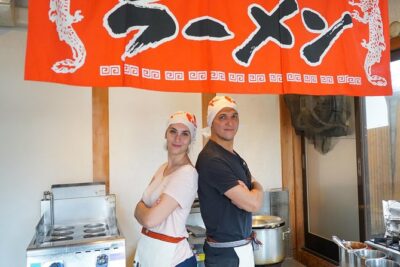
Ramen Cooking Class at Ramen Factory in Kyoto
Read our review →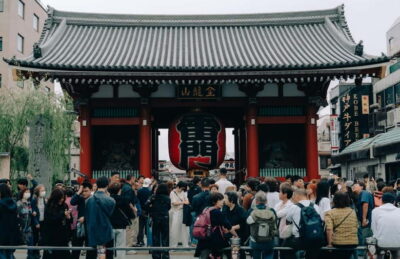
Tokyo: Sushi Making Class in a Happi Coat near a Famous Spot
Read our review →
Sushi Making Tokyo! Popular Maki Sushi & Japanese Sushi(+Recipe!)
Read our review →
Sushi Making Osaka Roll and Authentic Japanese Sushi Class
Read our review →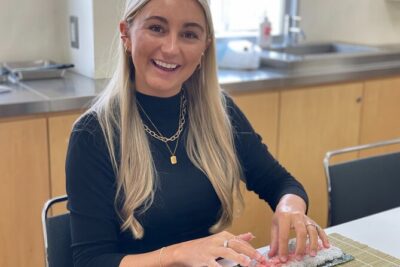
Tokyo Sushi Making Class in Tsukiji with Professional Chef
Read our review →
Ramen & Gyoza Cooking Class in Tokyo with Local Supermarket Visit
Read our review →Browse the lists this tour appears in