
Review · OSAKA
SUSHI Making Experience at Restaurant
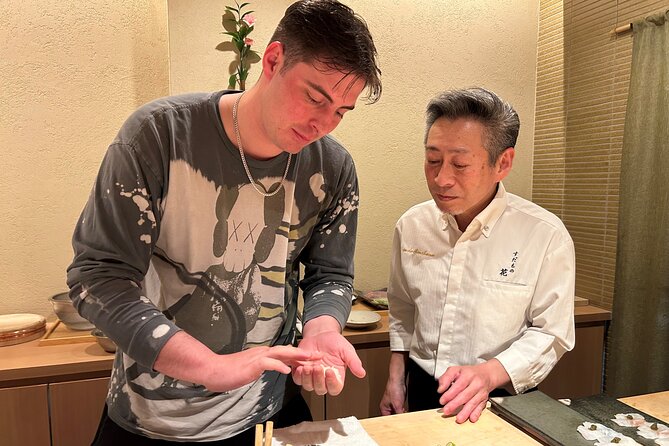
The best part of this Osaka experience is its setting: you learn in a real sushi restaurant from Chef Shinichi Kono, not in a generic cooking studio. He has more than 30 years behind the sushi counter, and the class gives you a calm, personal look at Japanese food traditions.
I like the one-on-one teaching and the fact that the rice, fish, and tools are prepared to a high standard. I also like that you eat what you make, with extra dishes such as sashimi, soup, ramen, mochi, and Japanese egg rolls reported as part of the meal. The main drawback is the price, $195.46 per person, which is a serious splurge for a two-hour activity.
Key points at a glance
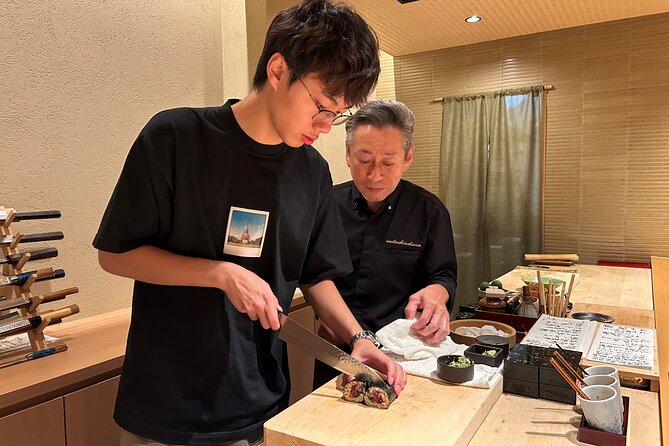
- Chef Shinichi Kono teaches personally: His more than 30 years as a sushi chef give the class a strong sense of craft and tradition.
- You work in a real sushi restaurant: This is not a classroom built only for tourists.
- The class suits beginners: Rice and fish are prepared in advance, letting you start making sushi quickly.
- You make several styles: Expect instruction in nigiri, hand-rolled sushi, sushi rolls, and Japanese egg rolls.
- The food goes beyond your own sushi: The meal may include sashimi, soup, ramen, mochi, and other small dishes.
- It is a private activity: Only your own group takes part, which allows for personal help and questions.
A real restaurant, not a staged cooking room
This class takes place at a sushi restaurant in Osaka’s Chuo Ward, at 1-23-1 Uemachi, near Osaka Castle. That setting matters. You are learning in the kind of working restaurant where sushi is part of daily life, surrounded by the tools, counter, ingredients, and quiet rhythm of a Japanese food business.
The atmosphere is described as calm and traditionally Japanese. That makes this a good choice if you want a slower cultural experience rather than a loud group event. You get to see the equipment and ingredients used for sushi, then handle them under a chef’s direction.
The restaurant is about two miles from Osaka Castle, so it is not right beside the main castle entrance. If you are planning to walk from the castle area, allow extra time. One practical tip is to use a taxi or Uber from a train station if you want to save your legs. The meeting time is 12:00 p.m., and the activity returns to the same meeting point.
More Sushi and Japanese Classes in Osaka:
- Sushi Making Osaka Roll and Authentic Japanese Sushi Class
★ 5.0 · 1,220 reviews - Osaka Sushi Making Experience
★ 5.0 · 400 reviews - Osaka: Ramen and Gyoza Cooking Class in Dotonbori
★ 5.0 · 378 reviews
What happens during the two-hour class
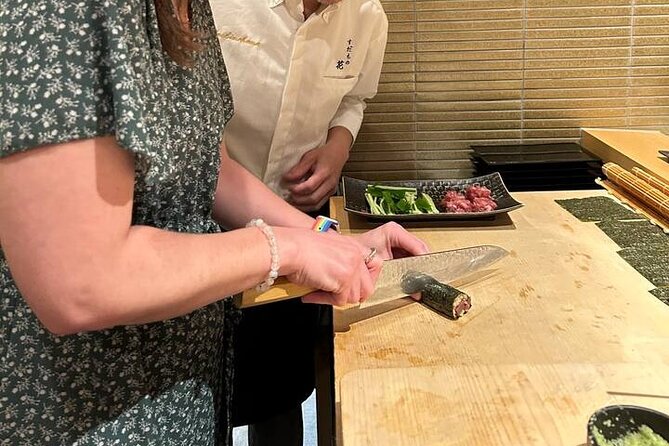
The class is built for people who want to make sushi without first spending hours on basic kitchen preparation. Chef Shinichi prepares the sushi rice and fish cuts ahead of time, so you can begin the hands-on work soon after arriving.
That choice is useful. Traditional sushi preparation includes many steps that are important but not especially enjoyable in a short class, including cooking and seasoning rice, cleaning fish, and preparing individual cuts. Here, the focus is on shaping, assembling, and understanding the finished pieces.
You receive instruction step by step. The chef shows you how to handle the rice and form sushi, then helps you correct your technique. The teaching is personal rather than a one-size-fits-all demonstration. If you have never made sushi before, you are not expected to arrive with knife skills or restaurant experience.
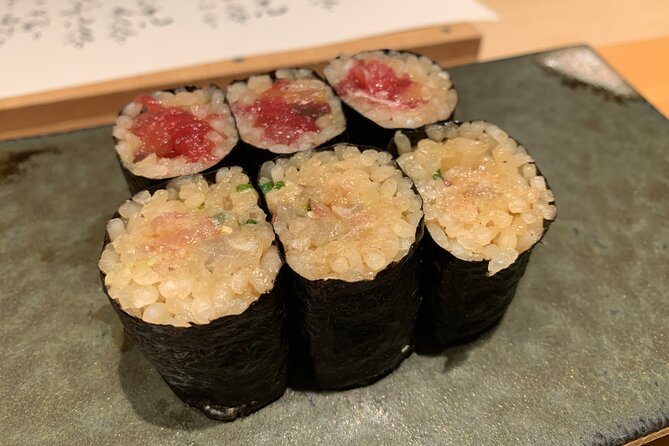
The exact order of dishes can vary, but the experience includes several kinds of sushi. You learn to make nigiri, the familiar hand-shaped sushi topped with fish, along with hand-rolled sushi and a sushi roll. Japanese egg rolls are also included in the practical instruction described for the class.
The meal does not end with the last piece you shape. Extra food may include sashimi, soup, ramen, mochi, and other dishes. This means you should arrive hungry. One useful detail is that food begins early in the experience, so this is not a light demonstration followed by a small tasting.
Learning nigiri, rolls, and Japanese egg rolls
Nigiri is likely to be the most revealing part of the class. It looks simple, but the amount of rice, the pressure of your fingers, and the way the topping sits on the rice all affect the result. A chef with decades of experience can show you the small movements that are difficult to pick up from a written recipe.
Hand-rolled sushi gives you a more relaxed project. Instead of forming a precise rice base for a single topping, you assemble ingredients into a roll. This is familiar food for many people, but making it yourself helps you see how the seaweed, rice, and fillings fit together.
The class also covers sushi rolls and Japanese egg rolls. The egg dish adds a useful contrast because it shows another side of Japanese restaurant cooking. Sushi is not the only skill on display, and the range of dishes makes the class feel like a meal as well as a lesson.
The important point is that you are not simply watching a chef make beautiful food. You are handling the ingredients yourself. Your pieces may not look like the chef’s, and that is part of the value. You leave with a better sense of how much care goes into a polished sushi plate.
Why the chef’s experience matters
Chef Shinichi Kono has more than 30 years of experience as a sushi chef. That does not mean the class is advanced or intimidating. The teaching is aimed at beginners, and the chef provides help one person at a time.
I especially like this combination of serious professional experience and beginner-friendly teaching. You get access to a master chef’s habits without being expected to work at a professional pace. The personal guidance also makes the activity better for a small private group with different levels of cooking ability.
An additional instructor helps with translation and explanation. That matters because sushi technique can be hard to describe across a language barrier. Clear instructions are especially helpful when you are working with movements rather than just listening to a recipe.
Some groups receive personalized menus, which is a thoughtful touch. It also adds to the feeling that the class is arranged for your own party rather than run as a large public demonstration.
More Dining Experiences in Osaka:
- Pasta Making & Wine Tasting with Dinner in Frascati from Rome
★ 5.0 · 1,326 reviews - Rome: Pasta Making with Wine Tasting and Dinner in Frascati
★ 4.9 · 979 reviews - Palermo: Pizza and Gelato Cooking Class with Dinner and Wine
★ 4.9 · 951 reviews - Seville: Spanish Cooking Class with Dinner
★ 4.9 · 900 reviews
A private class makes a difference
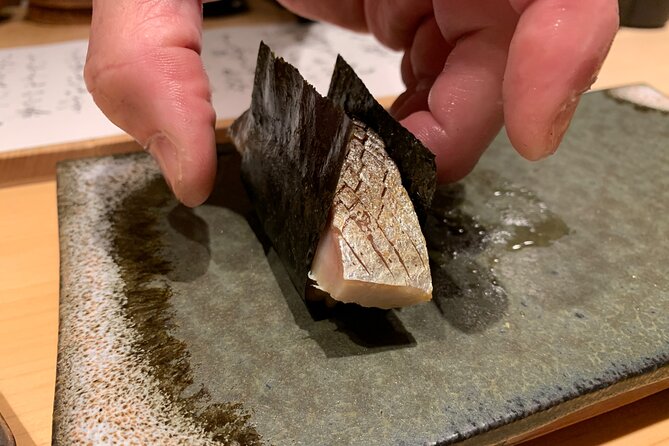
Only your group takes part in this activity. That gives you a quieter setting and more room to ask questions. It also means the pace can be more comfortable for beginners who need a little extra time.
A private format is useful if your group has a shared occasion in mind. One person can ask about sushi rice while another concentrates on shaping nigiri, without holding up a large class. The birthday experience described for this activity also points to its appeal as a special meal rather than just a standard sightseeing stop.
The tradeoff is price. At $195.46 per person, this is not an inexpensive way to eat sushi. You are paying for the chef’s time, private instruction, a restaurant setting, quality ingredients, and a meal that includes more than the sushi you prepare.
For comparison, a cheaper cooking class may teach similar basic shapes in a larger group. This experience makes more sense if you care about the setting and direct contact with an experienced chef. If you only want to eat excellent sushi, a restaurant meal will usually be a simpler choice. If you want to learn and eat in the same sitting, the price becomes easier to justify.
The food you should expect to eat
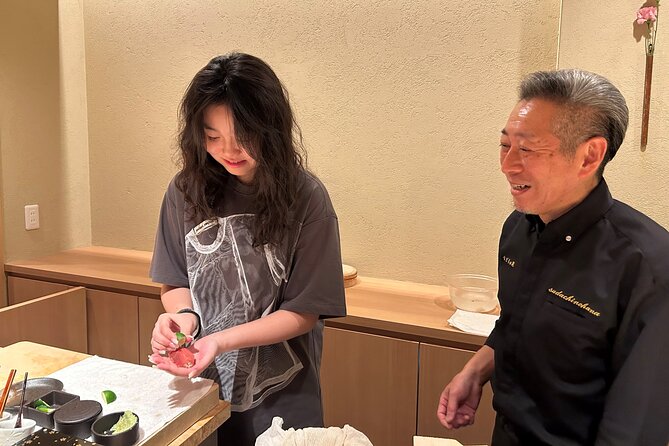
Your own sushi is the center of the class, but the meal can include much more. Sashimi gives you a chance to taste the ingredients without rice or seaweed. Soup adds a warm course, while ramen makes the meal feel more substantial than a short tasting.
Mochi provides a sweet finish. The reported menu also includes Japanese egg rolls and additional small dishes. Because the experience is built around food from start to finish, you should not schedule it after a large lunch.
The quality of the ingredients is presented as an important part of the class. That matters for sushi because fresh fish and properly prepared rice can make a basic piece taste much better. It also gives you a useful point of reference: after working with good ingredients, you can better understand why sushi chefs are so careful with temperature, texture, and presentation.
Menu details may change, and the available ingredients are not listed in full. If you have food allergies or dislikes, tell the provider in advance. This is especially important for a meal involving fish, seafood, rice, soy, and several prepared dishes.
Getting to Uemachi and planning your day
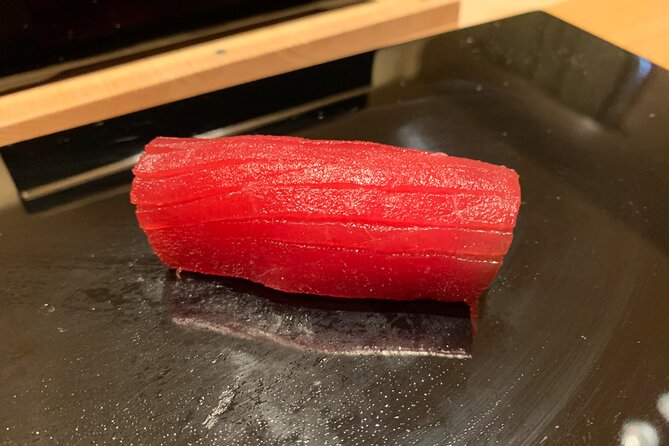
The meeting point is at Eminence Matoba, 1-23-1 Uemachi, Chuo Ward, Osaka, postal code 540-0005. The location is near public transportation, but the restaurant is not immediately beside Osaka Castle.
Plan to arrive with enough time to find the building. The class starts at noon, and the activity ends back at the meeting point after about two hours. That makes it easy to pair with sightseeing later in the afternoon, though you should not assume the class will end early if the meal and instruction take their full time.
If Osaka Castle is on your schedule, you can visit the castle before or after the class. Walking from the castle area may take longer than expected, so a taxi or Uber can be a sensible choice, especially in warm weather or if you are carrying bags.
The activity offers a mobile ticket, and booking confirmation is provided at the time of booking. Keep the confirmation available on your phone when you arrive.
Who will enjoy this experience most
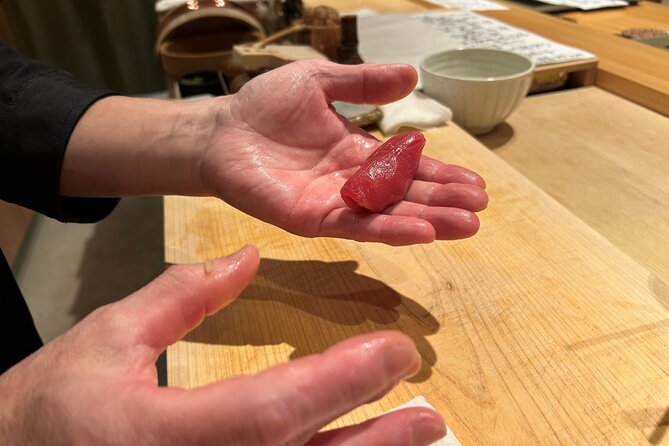
This class is a strong fit for a first-time sushi maker. You do not need professional cooking skills, and the chef’s one-on-one help keeps the process approachable.
It also suits food-focused visitors who want more than a restaurant reservation. You will learn how sushi is shaped, handle the ingredients yourself, and then eat the result. That combination gives the meal a personal connection that a standard sushi dinner cannot provide.
The private format works well for couples, families with older children, and small groups celebrating a birthday or other occasion. Children must be at least 11 years old, so younger children cannot participate.
You should also consider this class if the setting matters to you. Learning in a real restaurant, with an experienced sushi chef and restaurant tools, offers more cultural context than a basic cooking activity in a hotel room or event hall.
This may not be the right pick if you dislike seafood, want a fast and cheap activity, or prefer a broad sightseeing tour. The experience is focused on food and takes place in one location. It does not include transportation, Osaka Castle admission, or a wider tour of the city.
What could be better
The main concern is value. The price is high for roughly two hours, even with private teaching and a substantial meal. You need to care about the lesson itself to make the cost worthwhile.
The location also requires planning. It is off the most direct tourist path, and walking from Osaka Castle can be inconvenient. The activity is near public transportation, but the information provided does not specify the closest station or the easiest route, so check your map before leaving.
The class uses prepared rice and fish. That is sensible for a short lesson, but it means you are not learning the full process from raw ingredients to finished sushi. If your goal is to master sushi rice preparation, fish cutting, or knife work, ask about the exact lesson content before booking.
Finally, the menu can include several dishes, but the complete menu is not fixed in the information provided. If you have allergies or strong dislikes, send those details ahead of time rather than hoping they can be handled on arrival.
Booking and cancellation details
This activity is often booked about 33 days in advance, so reserve early if you need the noon start on a particular date. Confirmation is supplied when you book, and the mobile ticket makes arrival straightforward.
Free cancellation is available if you cancel at least 24 hours before the local start time. Cancellations or changes made within 24 hours are not accepted for a refund. That rule is worth noting because the class involves a private chef and prepared food.
Should you book this Osaka sushi class?
Book it if you want a personal, food-centered experience with a real chef, a private group, and a full meal. Chef Shinichi Kono’s long experience, the one-on-one instruction, and the chance to make several kinds of sushi are the strongest reasons to choose it.
Think carefully if you are watching your budget or want a complete lesson in every part of sushi production. At $195.46 per person, this is a special-occasion activity, not a casual drop-in class.
For the right group, it offers a memorable way to understand Japanese food traditions from the inside: you enter a real restaurant, work with quality ingredients, receive patient instruction, and sit down to eat what you made. Just plan your route to Uemachi, arrive hungry, and tell the provider about any food allergies or dislikes in advance.
FAQ
Where does the sushi-making experience take place?
It takes place at Eminence Matoba, 1-23-1 Uemachi, Chuo Ward, Osaka, Japan, postal code 540-0005.
What time does the activity start?
The start time is 12:00 p.m.
How long does the sushi class last?
The experience lasts approximately two hours.
Is the activity private?
Yes. Only your own group participates in the activity.
What age must children be to join?
Children must be 11 years old or older.
Who teaches the sushi class?
Chef Shinichi Kono teaches the class. He has more than 30 years of experience as a sushi chef.
Do beginners need cooking experience?
No. Beginners are welcome, and the chef provides careful, individual instruction.
What types of food can you learn to make?
The class includes instruction in nigiri, hand-rolled sushi, sushi rolls, and Japanese egg rolls.
Do you eat the sushi you make?
Yes. After making the sushi, you eat it as part of the experience.
What should you do about food allergies or dislikes?
Tell the provider about any food allergies or dislikes in advance.
Is cancellation free?
Yes, if you cancel at least 24 hours before the experience start time. Cancellations made less than 24 hours before the start time are not refunded.
Just added around Osaka
- Three Types of Ramen Cooking Class in Osaka★ 5.0 · 119 reviews
- Osaka Street Food Festival :Takoyaki&Okonomiyaki for Families★ 5.0 · 13 reviews
- Takoyaki DIY Cooking in the Heart of Osaka★ 5.0 · 7 reviews
- Sushi Making Osaka Omakase Cooking Class in Japan★ 5.0 · 4 reviews
- Cooking Class for Ramen and Gyoza in a Quiet Old Osaka House★ 5.0 · 3 reviews
- Sushi and Japnese foods cooking class in Osaka★ 5.0 · 51 reviews
- Ramen and Gyoza Cooking Class in Osaka Dotonbori★ 5.0 · 73 reviews
- Osaka Market Tour & Cooking Class with Local Expert Masato/Shohei★ 5.0 · 7 reviews
Japanese & Sushi Cooking Classes, compared.
Sushi Making Tokyo Roll and Authentic Japanese Sushi Class
Read our review →
Tokyo: Roll and Authentic Sushi Making Class in Asakusa
Read our review →
Ramen Cooking Class at Ramen Factory in Kyoto
Read our review →
Tokyo: Sushi Making Class in a Happi Coat near a Famous Spot
Read our review →
Sushi Making Tokyo! Popular Maki Sushi & Japanese Sushi(+Recipe!)
Read our review →
Sushi Making Osaka Roll and Authentic Japanese Sushi Class
Read our review →
Tokyo Sushi Making Class in Tsukiji with Professional Chef
Read our review →
Ramen & Gyoza Cooking Class in Tokyo with Local Supermarket Visit
Read our review →Browse the lists this tour appears in