
Review · CHENNAI
Traditional Cooking Class in Chennai in a Local Home with Sundari
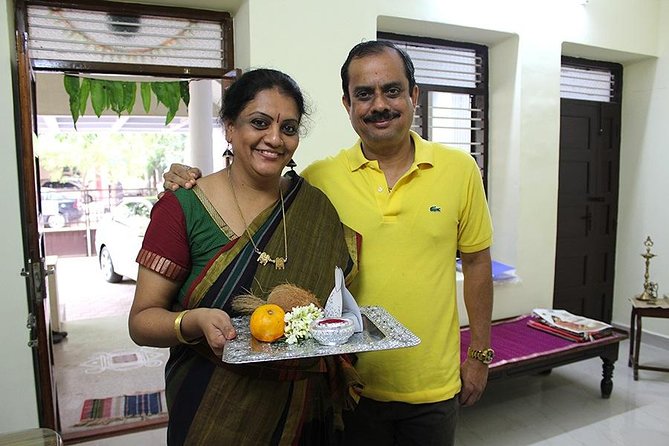
The best part of this Chennai cooking class is that you are not simply shown a recipe and sent on your way. Sundari welcomes you into her home, introduces you to her family’s Tamil Brahmin vegetarian cooking, and has you help prepare a full meal before eating it by hand on a banana leaf.
I like the private setting, where your group can ask questions and work at its own pace. I also like the human touch: Sundari has cooked since she was eight, and dinner or weekend sessions may include her husband, Krishna, who enjoys food and conversation. The main consideration is that the menu changes with the season, so you cannot choose every dish in advance.
At a Glance
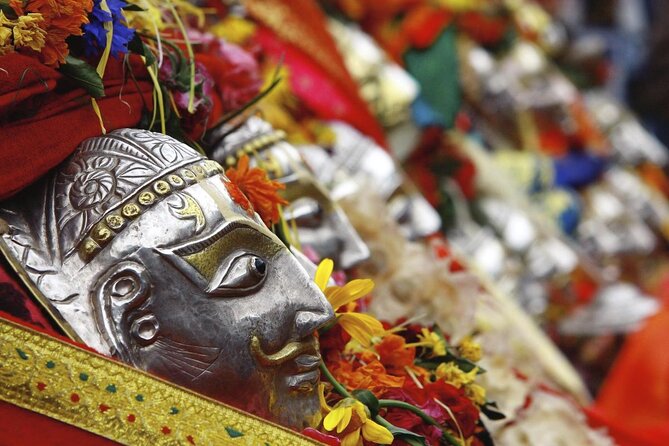
- Cook four or five South Indian dishes in Sundari’s Chennai home, with possible dishes including vegetable curry, sambar, rasam, and dosas.
- Learn Tamil Brahmin vegetarian cooking from a host who follows her family tradition and prepares only vegetarian food.
- Eat in the traditional way, using your hands from stainless steel plates or fresh banana leaves.
- Choose lunch or dinner, with nonalcoholic drinks included.
- Enjoy a private three-hour visit in Adyar, with only your own group taking part.
- Meet Krishna on some sessions, especially at dinner or on weekends, for extra food talk and conversation.
Entering Sundari’s Family Home in Adyar
Your meeting point is in Adyar, a part of Chennai that gives this activity a residential setting rather than a restaurant backdrop. The class begins and ends at the meeting point, so you should allow time to arrange your own way there and back. No transportation is included in the information provided.
Sundari’s home is a converted in-laws’ house surrounded by fruit trees. Traditional artwork and household decoration help set the tone, but the real point is the welcome. You are entering a lived-in family home, not a staged cooking studio.
That difference matters. In a restaurant kitchen, you may watch someone else prepare a dish. Here, you get a closer look at how food fits into a South Indian household and family routine. Sundari begins with a tour of the house and an introduction to the dishes, giving you a sense of the meal before the cooking starts.
This opening also gives you a chance to settle in. If you have questions about ingredients, methods, or the meal’s vegetarian tradition, ask early. Sundari’s teaching style is approachable, and one useful sign of her care is that she has helped sort out a booking problem so a participant was not overcharged. That kind of attention is reassuring when you are dealing with a home-based activity.
More Home Cooking Classes in India
- Indian Cooking Class in an Authentic Local Home – Learn 6 Dishes
★ 5.0 · 195 reviews - Jaipur Market Tour & Vegetarian Rajasthani Home Cooking Class
★ 5.0 · 113 reviews - Interactive Cooking Class with a Local Family in Jaipur
★ 5.0 · 90 reviews
Cooking Four or Five Tamil Brahmin Dishes
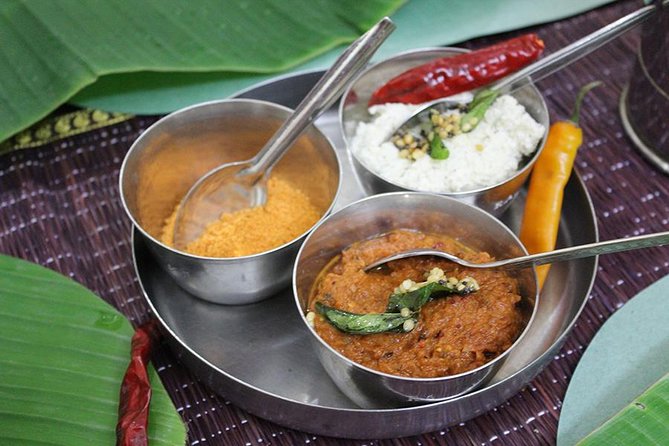
After the house tour, you move into the kitchen and work with Sundari. The food is Tamil Brahmin vegetarian fare, prepared according to her family tradition. The exact menu depends on the season, but the meal may include vegetable curry, sambar, rasam, or dosas.
You should think of this as a meal-building class rather than a single-recipe lesson. Four or five dishes make up a traditional South Indian vegetarian meal, so you get a sense of how several items fit together. The appeal is not only learning what goes into each dish, but seeing how different textures, spices, and cooking methods share the same plate.
Sambar and rasam offer a useful contrast. Sambar is a substantial lentil-based preparation with vegetables, while rasam is generally lighter and more brothy. Vegetable curry adds another texture, and dosas bring a different style of cooking altogether. The supplied menu is only a guide, so do not book this expecting a fixed tasting list.
The hands-on format is important. You are not merely watching Sundari work while standing at a distance. You roll up your sleeves and take part in the preparation. Since the class is private, your group can ask for clarification without competing with a large crowd.
At the same time, a three-hour class has limits. You will learn several dishes, but you should not expect a full professional cooking course or an exhaustive study of South Indian cuisine. The value comes from the focused introduction, the family setting, and the chance to prepare and eat a complete meal.
Why the Vegetarian Focus Matters
Some cooking classes try to cover every famous Indian dish. Sundari’s class takes a narrower and more personal route. She prepares only vegetarian food, honoring her Tamil Brahmin family tradition.
That focus gives the meal a clear identity. You are not moving randomly from one popular dish to another. Instead, the food reflects a particular South Indian household tradition, which makes the class more useful if you want to understand how a regional vegetarian meal is put together.
This is also the right activity for anyone who prefers a meat-free experience. If you have allergies, dietary restrictions, or specific cooking preferences, state them when booking. The host can then consider them in advance. Do not assume every request can be handled at the last minute, especially since the menu depends on the season.
Nonalcoholic drinks are included. Alcohol is not part of the stated experience, so plan on a food-focused visit rather than a meal paired with wine or cocktails.
Eating from a Banana Leaf
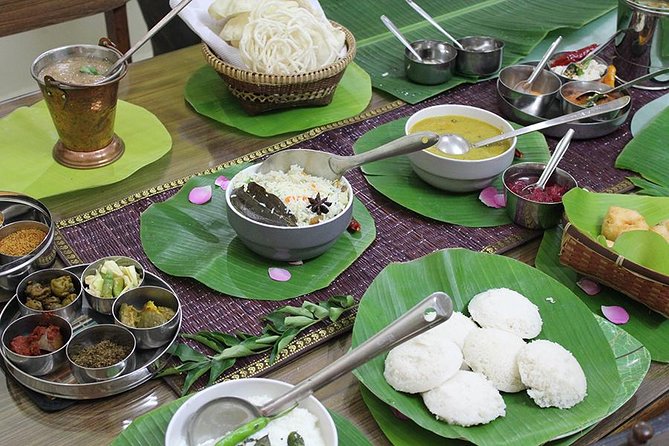
Once the cooking is complete, you sit down with your group to eat what you have prepared. The meal may be served on stainless steel plates or fresh banana leaves, and you are encouraged to eat with your hands in the local way.
If this is new to you, the basic idea is simple. Use your right hand to combine small amounts of food and bring them to your mouth. You can ask Sundari for guidance. There is no need to arrive with perfect technique, and the relaxed home setting makes the lesson part of the experience.
The banana leaf is more than a decorative touch. It changes the feel of the meal and connects the food to a traditional way of serving. You can taste each dish separately, then combine them as you prefer. The meal becomes the final stage of the class, not an unrelated lunch or dinner afterward.
This format also rewards people who enjoy eating slowly and talking. You have prepared the dishes together, so the table naturally becomes a place to discuss what worked, what surprised you, and how the food is eaten at home.
Same place, a different menu:
- Pink City Cooking Class
★ 5.0 · 452 reviews - Five Course Cooking Class & Meal
★ 5.0 · 250 reviews - AI Tour – Cook, Talk, Dine & more with locals at their Delhi Home
★ 5.0 · 238 reviews - Veg and Non veg : Private Cooking Class in Delhi home (7 meal)
★ 5.0 · 226 reviews
Meeting Krishna During Dinner or Weekend Sessions
If you book a dinner session or attend on a weekend, you may meet Sundari’s husband, Krishna. He is described as a food lover who enjoys meeting new people and joining the conversation.
That can give the visit a more social feel, though it is not guaranteed for every session. Lunch guests should not book specifically expecting to meet him. The core activity remains Sundari’s cooking lesson and meal.
For many people, this family contact is part of the value. You get more than instructions about ingredients. You have a chance to hear how food fits into the household and to share a table with the people who live there. If you prefer a quiet, tightly structured class, the home setting may feel less formal than a school kitchen.
The feedback attached to this experience gives it a 4.9 rating from 38 reviews, with 97 percent recommending it. The most consistent praise centers on Sundari’s warmth, hospitality, teaching style, and the feeling of being welcomed into her home. Those points matter here because the host is not a side feature. She is the experience.
Is the $78 Price Fair?
At $78 per person, this is not the cheapest way to eat in Chennai. You can find a filling local meal for far less. The comparison, however, is not really between this class and a restaurant dinner.
You are paying for about three hours of personal instruction, a private activity for your own group, several dishes, drinks, and a meal in a local home. You also receive cultural context that a restaurant menu cannot provide. If you value direct contact, cooking practice, and a traditional meal, the price is reasonable.
The value is weaker if you mainly want a quick meal or a fixed menu. You may also find better value elsewhere if your only goal is to learn one specific dish. This class makes the most sense when you want the full combination: home setting, cooking, conversation, and food.
Because the activity is private, the price may feel more worthwhile for a small group that can share the cost of a tailored session. Solo participants and couples should decide how much they value the personal format.
Who Will Enjoy This Class Most?
I would recommend this class to you if you enjoy food as a way to understand daily life. It suits curious eaters, home cooks, vegetarians, families, and anyone who prefers a personal encounter to a standard restaurant meal.
It is also a good choice if you want a gentler introduction to eating with your hands. Sundari’s home provides a forgiving setting, and you can learn by following her lead rather than trying to master the custom in a busy public dining room.
Families should note that the activity lasts about three hours and includes active kitchen participation. The information does not specify a minimum age, so ask about suitability for young children before booking.
You should think twice if you need a highly fixed schedule or exact dish list. The menu varies with the season, and the family-home format is more informal than a professional cooking school. That is part of its appeal, but it will not suit everyone.
Practical Details Before You Book
The activity is offered for lunch or dinner, and nonalcoholic beverages are included. Dinner and weekend sessions may bring Krishna into the conversation, while the central cooking lesson remains the same.
Tell the provider about allergies, dietary restrictions, or cooking preferences at the time of booking. Confirmation arrives within 48 hours, subject to availability, so do not leave this until the last moment if your Chennai schedule is tight.
The experience starts in Adyar and returns to the same meeting point. It is a private activity, so only your group participates. A mobile ticket is provided.
Free cancellation is available if you cancel at least 24 hours before the local start time. Cancellations or changes made inside that 24-hour window are not refunded or accepted.
Should You Book Sundari’s Chennai Cooking Class?
Book it if you want a personal, home-based food experience rather than a simple restaurant meal. Sundari’s warmth, clear teaching style, vegetarian family tradition, and banana-leaf meal give the class a strong sense of place.
The best reason to choose it is the complete arc: enter a local home, see where you are cooking, prepare several dishes, then sit down and eat them in the traditional way. The main drawbacks are the $78 price, the changing menu, and the lack of stated transport arrangements.
If those points work for you, this is a thoughtful way to spend three hours in Chennai. You will leave with more than a full stomach. You will have seen how a South Indian vegetarian meal comes together in a family setting.
FAQ
Where does the cooking class take place?
The class takes place in Sundari’s home in Adyar, Chennai, Tamil Nadu, India.
How long does the experience last?
The cooking class lasts approximately three hours.
Is the activity private?
Yes. Only your own group participates in the activity.
What type of food will I prepare?
You will prepare Tamil Brahmin vegetarian food. Possible dishes include vegetable curry, sambar, rasam, and dosas, though the menu may change with the season.
Can I choose lunch or dinner?
Yes. Lunch and dinner options are available.
Will I eat the food I prepare?
Yes. After cooking, you sit down with your group and eat the meal. Food may be served on stainless steel plates or fresh banana leaves, and you can eat with your hands.
Are drinks included?
Yes. Nonalcoholic beverages are included.
What should I do if I have an allergy or dietary restriction?
Tell the provider about allergies, dietary restrictions, or cooking preferences when you book.
More Hands-On Workshops in India
- Authentic Indian Cooking Classes at Palolem Beach Road Goa
★ 5.0 · 132 reviews - Cooking Class in Jaipur – Family Experience with Meal & Transport
★ 5.0 · 101 reviews - Spice Knight (Cooking Class -> Meal -> Local Market walk)
★ 5.0 · 59 reviews - Mumbai: Indian Cooking Class & Cultural Delights
★ 5.0 · 38 reviews
Just added around India
- Private Vegetarian Indian Cooking Class in Mumbai★ 5.0 · 17 reviews
- Indian Curry 5-Hour Cooking Classes In Mumbai★ 5.0 · 22 reviews
- Mumbai: Indian Cooking Class & Cultural Delights★ 5.0 · 38 reviews
- Small Group Authentic Mumbai Virtual Cooking Class with Dessert★ 5.0 · 15 reviews
- New Delhi: Traditional Indian Cooking Class & Market Visit★ 5.0 · 32 reviews
- Pondicherry: Indian Cooking Class with Market Visit★ 4.7 · 18 reviews
- Authentic Indian Cooking Classes at Palolem Beach Road Goa★ 5.0 · 132 reviews
- Indian Cooking Class in an Authentic Local Home – Learn 6 Dishes★ 5.0 · 195 reviews
Home Cooking Classes, compared.
Khmer Cooking Class at a Local’s Home in Krong Siem Reap
Read our review →
Local Home Korean Cooking Class & Market Adventure in Seoul
Read our review →
Marrakech: Moroccan Cooking Class with a Local Family
Read our review →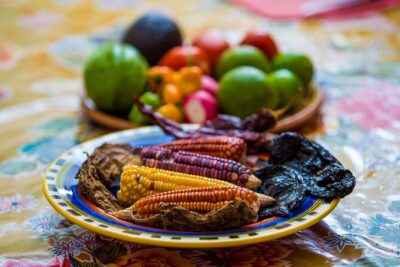
Mexican Cooking from Scratch in a Local Home in Tulum
Read our review →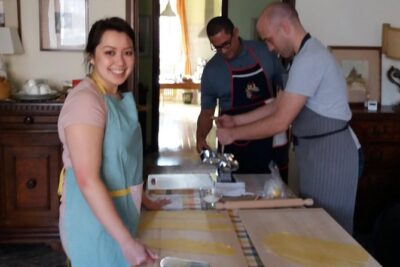
Pastamama, Home Cooking Classes at Grace’s Home
Read our review →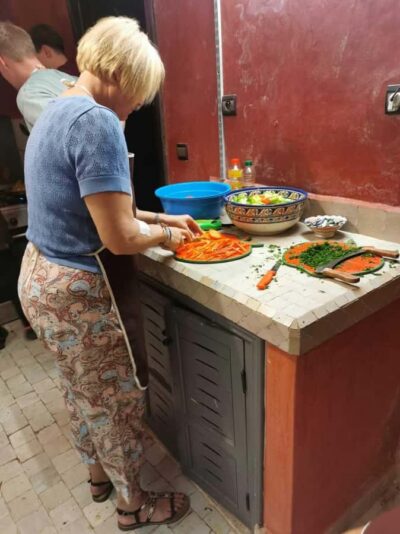
Marrakech: Moroccan Cuisine Cooking Class in Local Home
Read our review →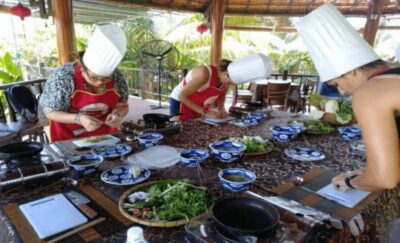
Hoi An: Traditional Cooking Class & meal with Local Family
Read our review →
Browse the lists this tour appears in