
Review · HANOI
Hanoi Cooking Class Learning 5 Dishes including Banh Xeo
Hanoi’s best cooking classes do more than put you beside a stove. This one begins with a visit to the city’s biggest produce market, then turns those ingredients into five Vietnamese dishes, including banh xeo, pho cuon, soup, salad, and dessert or egg coffee.
I like the market-to-table format, since you see the ingredients before learning how they are used. I also like the choice of a full vegetarian menu, not just a plate with the meat removed. The main thing to consider is the small-group class size, which can reach 15 people, so individual cooking time may vary.
- Market visit first: Shop for produce with your guide before the cooking begins.
- Five dishes in one class: Learn banh xeo, noodle soup, fresh spring rolls, salad, and either banana ice cream or egg coffee.
- Vegetarian menu available: The soup, salad, and banh xeo all have meat-free versions.
- Friendly named guides: Bella, May, and Vy have led lively, hands-on sessions.
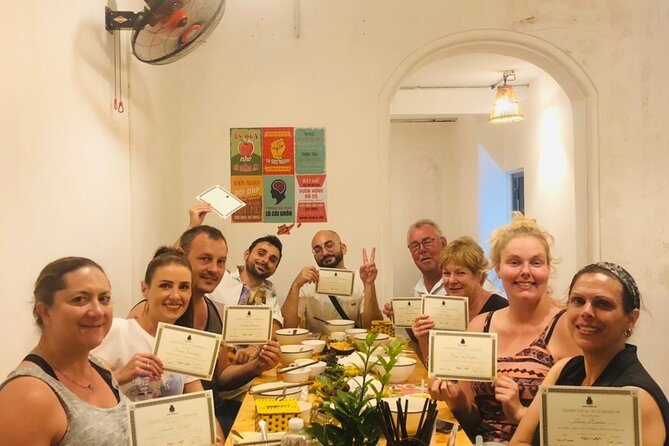
- Good take-home extras: You receive a recipe booklet and certificate.
- Convenient timing: Choose a morning or afternoon class, lasting about 3 hours and 30 minutes.
From Gia Ngu Street to Hanoi’s Produce Market
The class starts at 8 P. Gia Ngư in Hanoi’s Old Quarter. You arrange your own way there, since hotel pickup and drop-off are not included. The activity returns to this same meeting point, which makes the end simple if you plan to keep exploring central Hanoi.
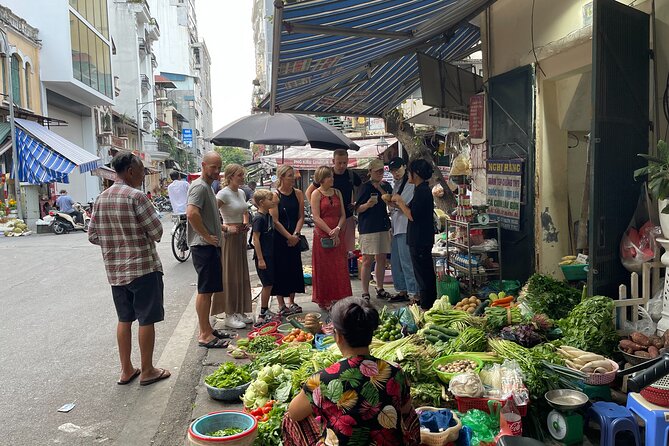
The first part takes you shopping with a local guide. This is more useful than it may sound. Vietnamese cooking depends on fresh herbs, vegetables, noodles, seafood, meat, and sauces, and the market gives you a look at those ingredients before they are cleaned, chopped, and placed in front of you.
You are not simply shown a market and then hurried away. The produce shopping is part of the class flow. It helps connect the food on your plate with the ingredients used in everyday Hanoi cooking. If you have just arrived in Vietnam, this is also a quick way to get your bearings around local produce and familiar dishes.
The market section may be the most sensory part of the experience. It is also the least controlled. Markets can be crowded, noisy, and wet, especially in poor weather. Wear shoes that can handle damp pavement and keep your belongings close. The class does not include transport, so give yourself enough time to reach the Old Quarter meeting point.
Five Vietnamese Dishes, Five Different Skills
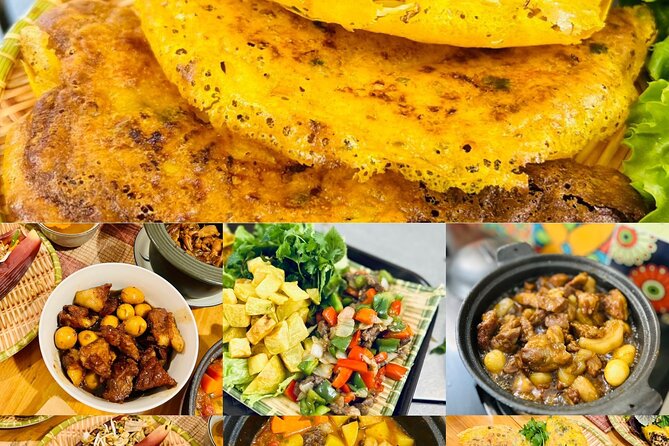
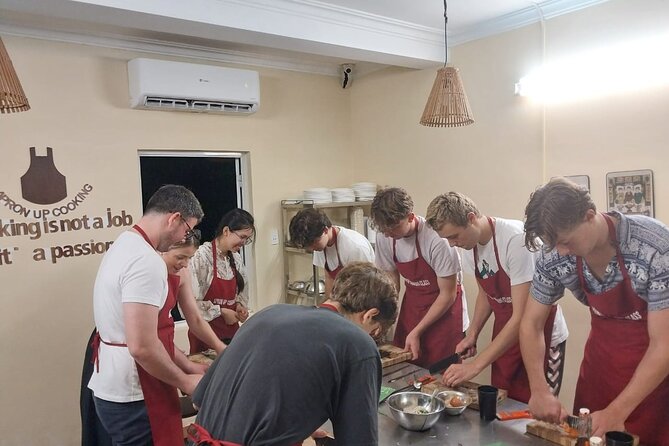
After shopping, the class moves into the cooking portion. You work through five dishes, then sit down to eat what you have prepared. The menu covers several useful Vietnamese techniques rather than repeating the same kind of recipe five times.
The exact dessert choice is listed as banana ice cream or egg coffee. That gives the class a sweet finish, but it also means you should check which option is planned for your session if one matters more to you.
More Hands-On Workshops in Hanoi:
- Hanoi Cooking Class: Culture, Local Market & Meaning CSR Impact
★ 5.0 · 5,147 reviews - 5 Traditional Dishes Hanoi Cooking Class with Market Trip
★ 5.0 · 4,890 reviews - Vietnamese Food Cooking Class in Hanoi with Market Experience
★ 5.0 · 778 reviews
Banh Xeo, the Sizzling Pancake
Banh xeo is the headline dish for many people booking this class. The name refers to the sizzling sound the batter makes as it hits the hot pan. The standard version includes beef and prawns, while a vegetarian version is available.
This pancake is not quite a breakfast crepe in the European sense. It is a crisp, savory shell folded around its filling, and the pleasure comes from the contrast between the hot pancake and fresh accompaniments. The class gives you a chance to learn the basic idea rather than simply order one at a restaurant.
Cooking banh xeo is also a good reason to choose a hands-on class instead of a demonstration. You can see how the batter behaves and how the filling is arranged. Still, cooking space and instructor attention may be shared among up to 15 people, so you may not get a long solo session at the pan.
Bun Suon Chua, Pork Rib Noodle Soup
The menu includes bun suon chua, a sour pork rib noodle soup. It adds a broth-based dish to the class and shows a different side of Vietnamese cooking from the dry noodles and wrapped rolls.
For the vegetarian version, the class teaches a meat-free alternative. The supplied menu information does not specify every ingredient used in that version, so if you have allergies or strict dietary needs, tell the provider in advance and ask what the substitution involves.
Soup is especially valuable in a cooking lesson because the final result depends on balance. You get to see how the components come together instead of tasting only the finished bowl. It also gives you a recipe you can adapt at home, provided you can find comparable ingredients.
Pho Cuon, Fresh Beef Spring Rolls
Pho cuon uses fresh rice noodle sheets wrapped around beef. It is a neat counterpoint to banh xeo: cool, soft, and assembled by hand rather than cooked until crisp.
The dish is useful for learning portion control and rolling technique. Too much filling makes a roll difficult to close, while too little leaves it loose. The menu also has a vegetarian version, so you can learn the same basic format without beef.
These rolls are a good group-class dish because you can work steadily even when the instructor is helping someone else. You may find that the first roll looks less tidy than the last. That is part of the value of making it yourself.
A few more cooking classes around Hanoi worth a look
- Hanoi: 5 Local Dishes Cooking Class with Meal & Market Visit
★ 5.0 · 420 reviews - Hanoi Cooking Class and Market Tour in Ancient House
★ 5.0 · 379 reviews - Rose Kitchen Hanoi: Market, Cooking & Culture Tour + Free PickUp
★ 5.0 · 342 reviews - Hanoi: Cooking Class in a Local Villa with Market Tour
★ 4.9 · 320 reviews
Nom Ga Hoa Chuoi, Chicken and Banana Blossom Salad
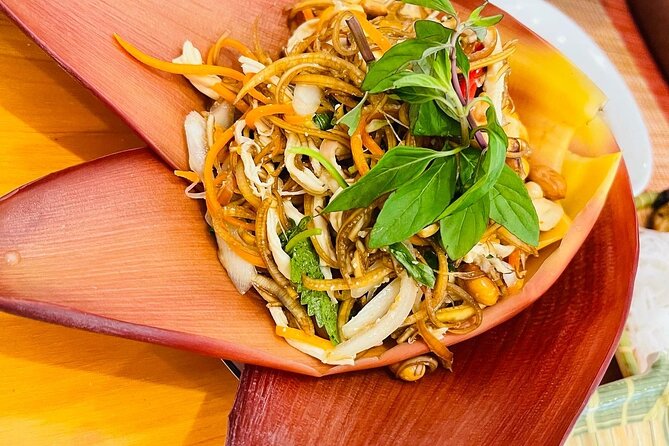
The salad combines chicken with banana blossom. This is one of the more distinctive dishes on the menu, since banana blossom is not an ingredient many home cooks outside Southeast Asia use often.
The vegetarian version keeps the menu broad for people who do not eat meat. The salad gives the meal a fresh, crunchy element beside the warm pancake and soup. It also shows why Vietnamese meals often work best as several contrasting dishes rather than one large main course.
Ingredient names can be unfamiliar, so the market visit helps here. You see some of the raw produce before it appears in prepared form. The recipe booklet is useful after the class, especially for remembering ingredients that you may not recognize later.
Banana Ice Cream or Egg Coffee
The last item is either banana ice cream or Vietnamese egg coffee. Both are a pleasant way to finish, but they offer different experiences.
Banana ice cream keeps the dessert simple and fruit-based. Egg coffee is more of a Hanoi specialty, combining coffee with a rich egg topping. Coffee and tea are included, so the class does not end with the meal alone.
Vietnamese rice liquor is also part of the shared finish. The minimum age for alcohol consumption is 18. If you do not drink, you can simply enjoy the food, coffee, or tea instead.
Why the Market and Cooking Combination Works
A market tour on its own can leave you with plenty of sights but little practical context. A cooking class on its own can feel like a kitchen lesson detached from the city. This experience links the two.
You first see the raw materials, then handle them in a meal. That connection makes the class more useful for anyone who wants to understand Vietnamese food rather than only collect a few attractive photographs.
I especially like the way the five dishes cover different textures and methods. You cook a pancake, soup, rolls, salad, and dessert or coffee. The class does not focus only on pho, the dish most often associated with Vietnam abroad.
The tradeoff is pace. Five dishes in about three and a half hours is a full schedule. You should expect a guided group lesson, not a slow private cooking session where every recipe gets extended attention. The class is a better match for curious beginners than for a serious cook seeking advanced technique.
The Guides and Class Atmosphere
The named instructors associated with the class include Bella, May, and Vy. Bella is described as having a good sense of humor and keeping the class engaging. May led a session that still worked well when rain changed the day’s plans, and Vy is noted for being warm and clear in her explanations.
That matters because cooking classes depend heavily on the instructor. Recipes alone are not enough. You want someone who can explain what to do, keep the group moving, and make mistakes feel manageable.
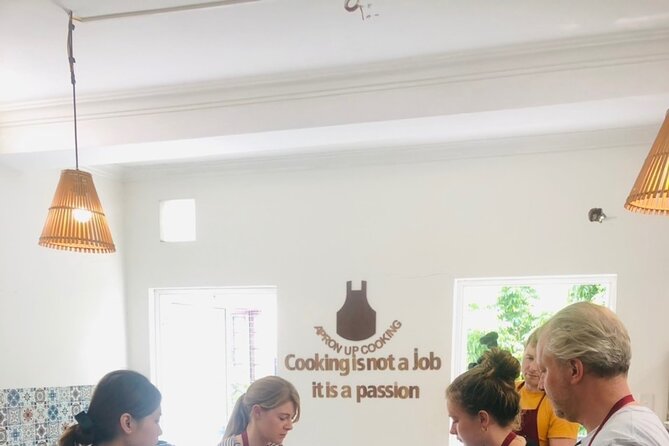
The tone appears relaxed rather than formal. You cook, eat together, and receive refreshments along the way. The class has a maximum of 15 people, which keeps it smaller than a large demonstration but does not guarantee a private lesson.
If you want the most personal help, choose a time when you are comfortable sharing the work. Ask questions as you go. In a group setting, waiting quietly can mean missing the chance to have a technique explained again.
Vegetarian Cooking Is a Real Option
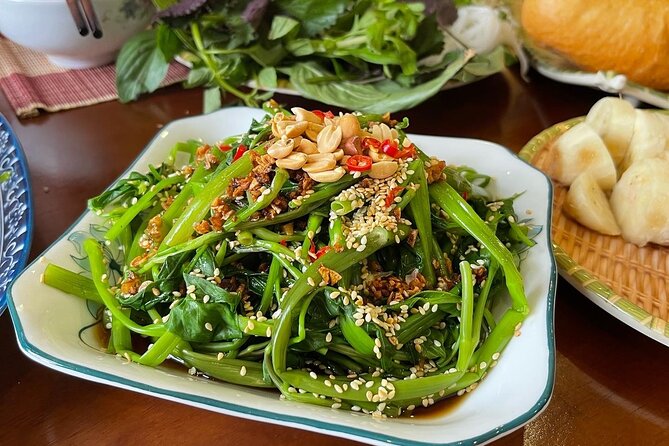
Many cooking classes say they offer vegetarian choices but provide only one altered dish. Here, the menu includes vegetarian versions of the soup, salad, and banh xeo, along with the other recipes adapted as needed.
That makes the class more suitable for vegetarians who want the full experience rather than a separate side plate. You should still communicate your dietary needs when booking, especially if you avoid fish sauce, eggs, shellfish, or other ingredients beyond meat.
The available information confirms a full vegetarian menu, but it does not provide a list of substitutions or allergen controls. If you have a serious allergy, contact Apron Up Cooking Class before committing and ask for exact ingredient details.
What the $50 Price Gets You
At $50 per person, the cost is not just for a meal. You are paying for about three and a half hours of instruction, a market visit, five dishes, a local guide, light refreshments, coffee or tea, and the food you prepare.
You also receive a recipe booklet and a certificate. The booklet is the more useful of the two after your trip. A certificate is a fun keepsake, while the recipes give you a chance to recreate the meal at home.
The value is strongest if you enjoy active experiences and want more than restaurant dining. Five dishes provide enough range to make the class feel substantial, and the market visit adds local context. If you mainly want to eat Vietnamese food without cooking, $50 may feel high compared with a normal Hanoi meal.
The class is often booked about eight days ahead. That suggests you should reserve before your preferred morning or afternoon slot fills, especially if your Hanoi schedule is tight. Free cancellation is available up to 24 hours before the start time, which gives you some flexibility. Changes or cancellations inside that window are not refunded.
Morning or Afternoon, Which Works Better?
The choice of morning or afternoon makes this easy to fit around Hanoi sightseeing. A morning class can leave the rest of the day open. An afternoon class may work better if you want a relaxed morning or have another activity planned earlier.
The provided details do not specify the exact start times, so confirm your chosen slot when booking. Since the class begins at a fixed meeting point and does not include hotel transport, consider the time needed to reach Gia Ngu Street.
Weather is worth keeping in mind. The cooking lesson can still go ahead in rain, as shown by a class that became a last-minute rainy-day plan. The market visit may be less comfortable in wet conditions, so pack light rain protection if the forecast looks uncertain.
Who Will Enjoy This Hanoi Cooking Class?
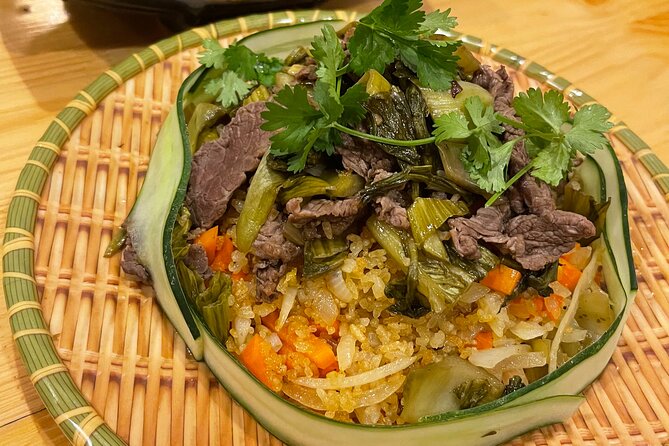
I would recommend it to first-time visitors who want a practical introduction to Vietnamese food. It also suits couples, families with older children, solo visitors who enjoy group activities, and vegetarians seeking a menu that takes their needs seriously.
It is a good pick if you want to learn several dishes in one sitting. The recipe booklet means the experience can continue after you leave Hanoi, at least for ingredients you can source at home.
You may want something else if you dislike group cooking, have strict allergies that have not been confirmed, or want hotel-to-hotel convenience. The meeting point is central, but you handle your own transport. And with up to 15 people, the class may not offer constant one-on-one instruction.
Should You Book It?
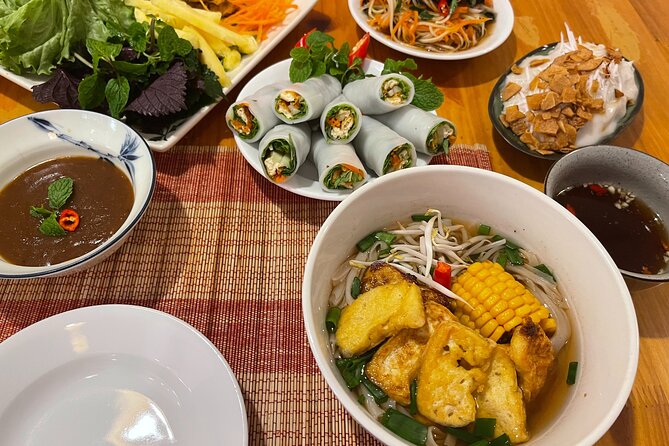
Book this class if you want to connect Hanoi’s markets with the food on your plate. The strongest reasons are the market visit, the five-dish menu, the proper vegetarian alternatives, and the chance to eat what you make.
The class offers good value for active food lovers at $50, especially with the recipe booklet, refreshments, certificate, and rice liquor included. Just allow for a group setting, arrange your own transport to Gia Ngu Street, and confirm dietary details in advance. For a first taste of Vietnamese cooking with a practical souvenir to take home, it is a sensible choice.
FAQ
Where does the Hanoi cooking class begin?
The class begins at 8 P. Gia Ngư, Hàng Bạc, Hoàn Kiếm, Hanoi, Vietnam.
Where does the activity end?
The activity ends back at the meeting point where it begins.
How long does the cooking class last?
The experience lasts approximately 3 hours and 30 minutes.
Is hotel pickup included?
No. Hotel pickup and drop-off are not included, so you must make your own way to the meeting point.
How many people can join the class?
The activity has a maximum of 15 participants.
Are vegetarian dishes available?
Yes. A full vegetarian menu is available, including vegetarian versions of the soup, salad, and banh xeo pancake.
Which dishes are included?
The menu includes banh xeo with beef and prawns, bun suon chua pork rib noodle soup, pho cuon beef fresh spring rolls, nom ga hoa chuoi chicken and banana blossom salad, and either banana ice cream or egg coffee. Vegetarian versions are available.
Are drinks included?
Light refreshments, coffee or tea, and Vietnamese rice liquor are included. The minimum age for alcohol consumption is 18.
Can I cancel the booking for a refund?
Yes. You can cancel up to 24 hours before the experience start time for a full refund. Cancellations or changes made less than 24 hours before the start time are not accepted for a refund.
Just added around Hanoi
- Chef Duyen’s Home Cooking Classes and Market Tours★ 4.5 · 7 reviews
- Hanoi Private Trip: Explore local culture, monument, cooking class & puppet show★ 4.5 · 3 reviews
- Hanoi Tour in a Bike with Cooking Class Included★ 5.0 · 8 reviews
- Mini Hanoi Coffee Workshop: Pick Any Signature Coffee You Like★ 5.0 · 160 reviews
- 3-Day Cruise on Ha Long Bay with Kayaking, Swimming, Cooking Class,…★ 4.5 · 18 reviews
- Hanoi Vegan Cooking Class: A Vietnamese Culinary Adventure★ 4.8 · 5 reviews
- Hanoi: Vegan Vietnamese Cooking Class in a Local Villa★ 5.0 · 42 reviews
- Hanoi Farm Tour and Cooking Class with Local Family★ 4.9 · 14 reviews
Cooking Classes, compared.
Half-Day Thai Cooking Class at Organic Farm in Chiang Mai
Read our review →
Florence: Pasta Cooking Class with Unlimited Wine
Read our review →
3 in 1 Cooking Class near Navona: Fettuccine, Ravioli & Tiramisu
Read our review →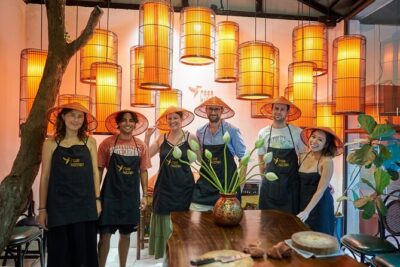
Hanoi Cooking Class: Culture, Local Market & Meaning CSR Impact
Read our review →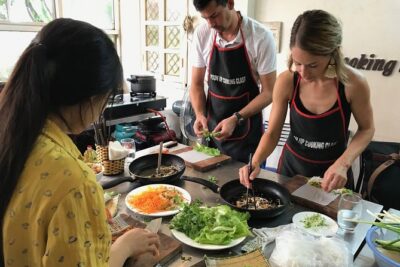
5 Traditional Dishes Hanoi Cooking Class with Market Trip
Read our review →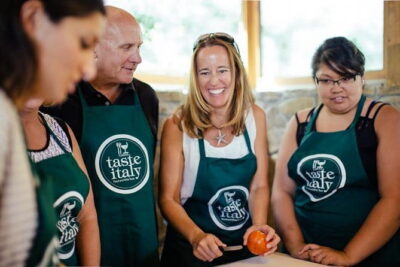
Cooking Class and Lunch at a Tuscan Farmhouse with Local Market Tour from Florence
Read our review →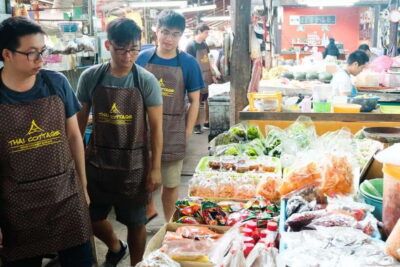
Chiang Mai: Cooking Class, Market & Thai Herbs Garden Tour
Read our review →Browse the lists this tour appears in