
Review · HANOI
Vietnamese Bread & Brew: Banh Mi Baking Class & Specialty Coffee
Hanoi’s most useful food class focuses on two local staples you can actually recreate at home: banh mi from scratch and Vietnamese specialty coffee. You knead baguette dough, pickle vegetables, prepare fillings and sauces, then make egg, salt, or coconut coffee in a local home kitchen.
I like the careful, shared work. Each person gets a role, and the methodical instruction makes a long recipe feel manageable. I also like the cultural link between the French-style baguette and its Vietnamese street-food filling. The main consideration is the four-hour length, which may feel long if you want only a quick cooking demonstration.
Key points
- Baguette dough from scratch: Knead and shape the bread rather than simply assembling a sandwich.
- Three coffee directions: Learn about egg coffee, salt coffee, and coconut coffee, with the exact tasting choice depending on the class.
- Meat or tofu fillings: The class includes savory fillings and gives you a choice suited to your meal.
- Small-group format: The maximum is 15 people, with hands-on roles for the group.
- Home-kitchen setting: You cook with an English-speaking local chef instead of watching a polished restaurant show.
- Useful extras: Ingredients, equipment, a digital recipe booklet, a certificate on request, homemade wine tasting, and up to two days of luggage storage are included.
Why This Four-Hour Class Works
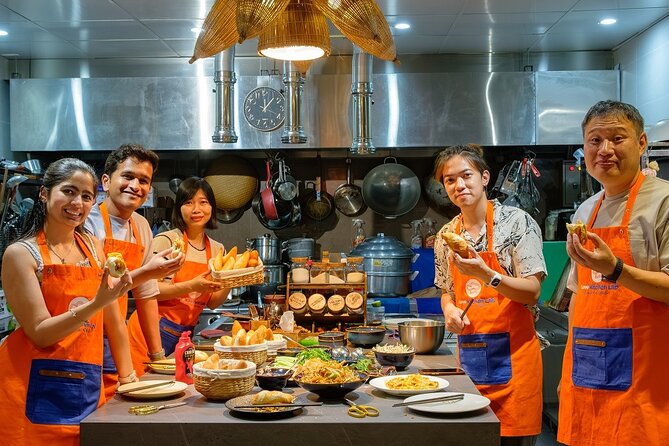
Banh mi looks simple when you buy one from a Hanoi street stall. A crisp roll, a few slices of meat or tofu, pickled vegetables, herbs, and sauce can be assembled in minutes. Making the whole thing is another matter.
This class takes you behind that quick street meal. You learn how the bread is prepared, how the sharp pickles balance the savory filling, and how sauces pull the sandwich together. Coffee is part of the lesson rather than an afterthought, giving you a second dish to understand and repeat at home.
I like this pairing because it reflects how food works in Hanoi. The banh mi shows French influence adapted to Vietnamese tastes. The coffee lesson points to a separate local habit, where strong coffee becomes creamy, salty, or coconut-sweet. For $34, you get about four hours of instruction, food, drinks, equipment, and recipes. That is solid value if you want participation rather than a quick taste.
The class has a maximum of 15 people. That is not a private lesson, but it is small enough for a shared kitchen activity to work well. One useful detail from the class feedback is that each person had a role and purpose. That matters here, since a group can otherwise leave one person kneading while everyone else watches.
More Baking Classes in Hanoi:
- Lisbon: Pastel de Nata Baking Class
★ 4.9 · 2,106 reviews - Group Tour: Garni, Symphony of Stones, Geghard, Lavash Baking
★ 5.0 · 1,042 reviews - Paris Croissant Small-Group Baking Class with a Chef
★ 5.0 · 910 reviews
Starting at Love Kitchen Lab in Tay Ho
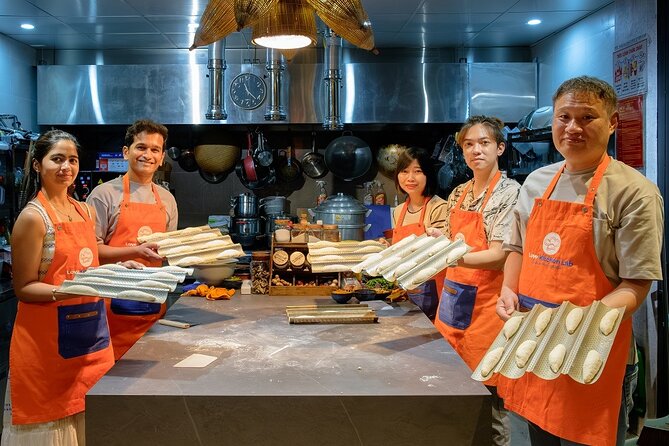
The class begins at Love Kitchen Lab, at 519 Đ. Âu Cơ in Nhật Tân, Tây Hồ, Hanoi. The activity ends at the same meeting point, so you do not need to arrange a second pickup point at the end.
The address is near public transportation, but transport to the class is not listed as included. Give yourself enough time to reach the kitchen, since the start point is in the Tay Ho area rather than a general meeting spot in Hanoi’s old center.
You receive confirmation when booking, and mobile tickets are accepted. The maximum group size is 15. Group discounts may also be available, which makes this worth checking if you are booking with family or friends.
The setting is an intimate home kitchen. That is important to understand before you book. This is not a large culinary school with rows of stainless-steel workstations. You are there to cook with a local host, share tasks, and eat together at the end.
The Banh Mi Story Comes Before the Dough
The class begins with the story of banh mi. You learn how the French baguette became part of Vietnamese food, then changed into the sandwich now associated with Hanoi and Vietnam.
That short explanation gives the cooking a useful frame. The bread is not simply a European item placed on a plate. Vietnamese cooks made it their own through fillings, pickles, herbs, sauces, and local taste. The result depends on contrast: crisp bread against soft filling, salty meat or tofu against sour vegetables, and rich sauce against fresh ingredients.
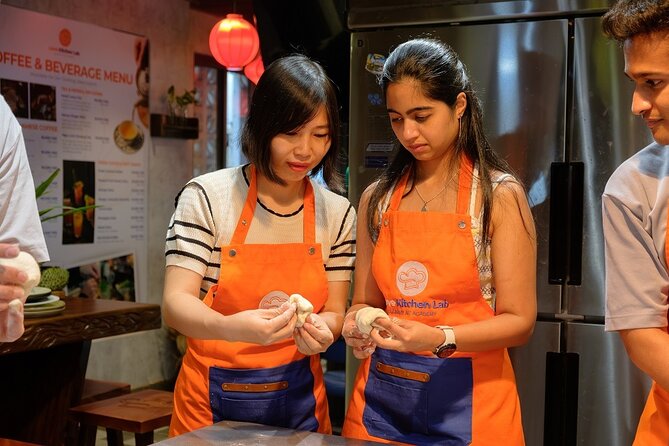
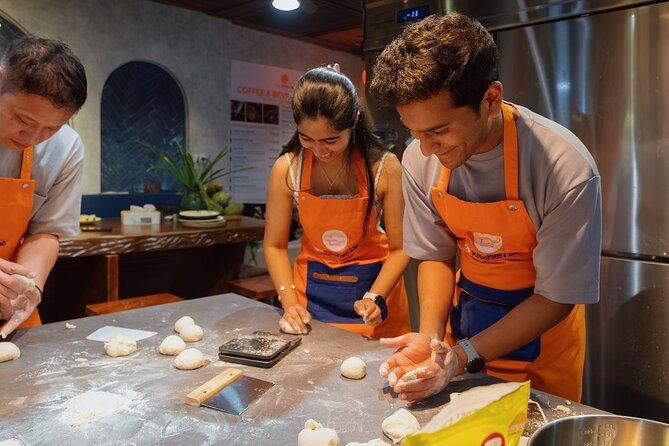
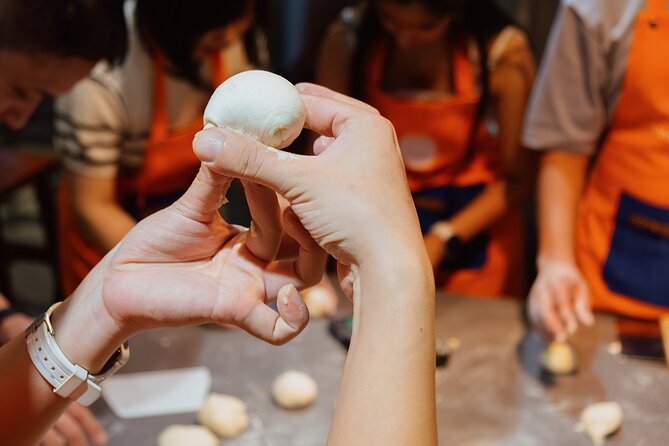
You then move into the practical work. The class covers baguette dough from scratch, so you are not just cutting open a finished roll. You knead the dough, follow the method step by step, and take part in preparing the bread that supports the meal.
The instruction is described as methodical and easy to follow. That is a useful trait for bread-making, where small steps can affect the final result. You will want to pay attention rather than treat this part as a casual demonstration.
Kneading, Pickling, Filling, and Saucing
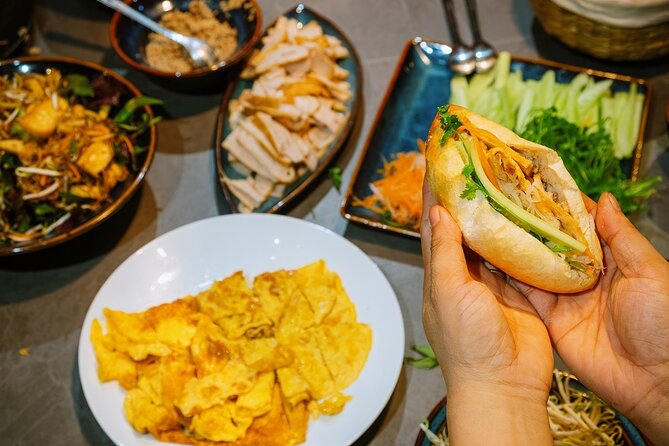
The hands-on portion covers the parts that give banh mi its character.
Kneading the dough gives you a feel for the bread before it becomes a sandwich. Since the class works from basic ingredients, you gain a better sense of the effort behind the crisp roll served by street vendors.
Pickling the vegetables is another key step. The sour, lightly sharp vegetables keep the sandwich from becoming heavy. You prepare them yourself, which helps you understand why a banh mi can taste balanced even when the filling and sauce are rich.
Preparing the filling gives you either meat or tofu as a savory base. The supplied information does not specify a fixed meat type or promise a separate vegetarian class, so confirm your needs when booking if that matters to you. Still, the inclusion of tofu makes the class more flexible than a strictly meat-based lesson.
Mixing the sauces completes the flavor structure. This is where a plain bread roll becomes a proper banh mi. You learn the parts individually, then bring them together for the final meal.
The group format can be an advantage here. One person may be handling dough while another works on vegetables or filling, and the class gives everyone a role. The result is a shared meal, but you are still involved in the process instead of waiting for a chef to finish.
More Vietnamese Cooking Classes in Hanoi:
- Vietnamese Food Cooking Class in Hanoi with Market Experience
★ 5.0 · 778 reviews - Hanoi Cooking Class: Pho/Bun Cha/Banh Xeo…+Free Egg/Salt Coffee
★ 5.0 · 267 reviews - Vietnamese Vegetarian Cooking Class in Hanoi
★ 5.0 · 69 reviews - Hanoi: Vegan Vietnamese Cooking Class in a Local Villa
★ 5.0 · 42 reviews
Egg, Salt, and Coconut Coffee
The second half of the experience turns to Vietnamese coffee culture. The class includes specialty coffee, with egg coffee, salt coffee, or coconut coffee featured in the program.
Egg coffee is the best-known option of the three. It is built around strong Vietnamese coffee and a creamy egg mixture. Salt coffee takes a different route, using salt to sharpen and balance the coffee. Coconut coffee brings a sweeter, cooler direction. The exact combination served may vary, so do not assume you will make all three in one session.
The value here is not just the drink. You learn traditional brewing methods and the ideas behind each preparation. Coffee becomes another small lesson in local taste: strong, sweet, creamy, salty, or coconut-rich rather than simply black with sugar.
I like that coffee is paired with the banh mi instead of being offered as a token refreshment. The two parts make the class feel like a look at everyday food habits rather than a single recipe lesson. You finish with a meal and a drink you can try to reproduce later.
Eating What You Made
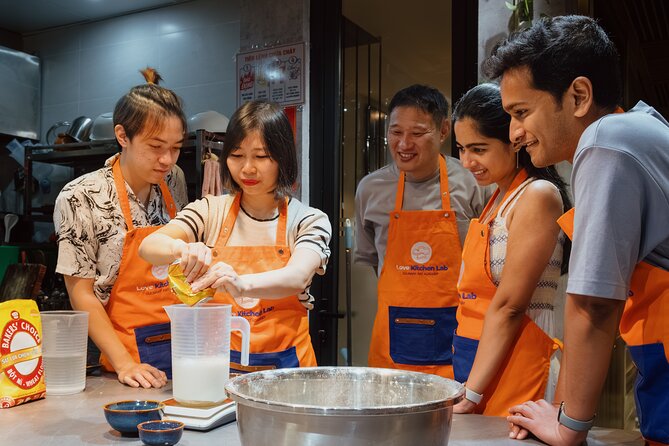
At the end, you eat your handmade banh mi alongside your coffee, the hosts, and the rest of the group. That final meal gives the earlier work a clear purpose.
A sandwich assembled from your own bread and pickles also lets you judge the balance for yourself. Is the bread crisp enough? Does the filling need more sauce? Are the vegetables sharp enough to cut through the savory flavors? Those are useful questions when you want to repeat the dish at home.
The class includes free homemade wine tasting as well. This is an extra rather than the focus, and soda or other pop beverages are not included. Personal drinks, tips, and costs not specifically listed are also outside the price.
The food is prepared with fresh, top-grade ingredients, and the class states that never-used oil is used for hygiene and safe consumption. That gives you some practical reassurance, though you should still tell the host about dietary needs before the cooking begins.
What the $34 Price Really Covers
At $34 per person, this is priced above a simple Hanoi meal but below many private culinary experiences. The comparison depends on what you want.
If your goal is only to eat banh mi and drink coffee, you can spend far less at local food stalls and cafés. If your goal is to learn several connected techniques, the price makes more sense. Four hours of guided cooking includes dough, pickles, fillings, sauces, coffee, ingredients, equipment, and the meal you prepare.
You also receive a digital recipe booklet, and a cooking certificate is available on request. These are modest extras, but the recipe booklet is the more useful one. It gives you a chance to try the dishes again after returning home, when the details of the method may otherwise fade.
Luggage storage for up to two days is included. That can help if you have a late departure or are changing accommodation, though you should confirm the handover details with Love Kitchen Lab before relying on it. Group discounts may improve the value for couples, families, or friends booking together.
The Small Drawbacks to Consider
The four-hour duration is the clearest drawback. It is suitable if you want a full food activity, but not if you are trying to squeeze in a quick lesson between sightseeing stops. Banh mi involves several stages, and bread-making takes time, so the length is connected to the hands-on format.
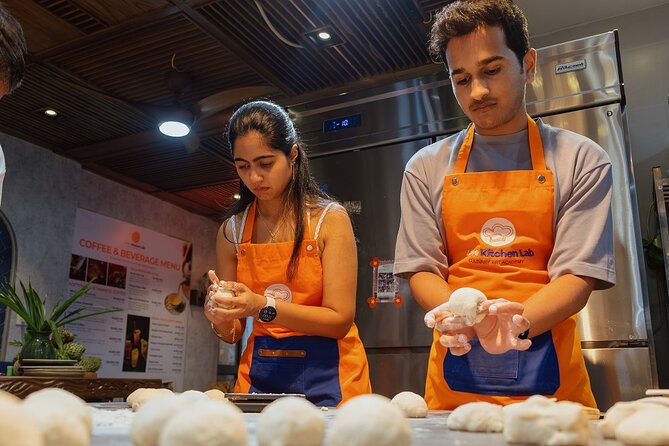
The maximum of 15 people is reasonable, but it is not the same as a private class. You will share the kitchen and the work with others. The good news is that the structure gives each person a role, which helps prevent the class from turning into a demonstration for a few active participants.
The meeting point may also require planning. The activity starts and ends at Love Kitchen Lab in Tay Ho, and transport is not listed as part of the package. Check your route in advance, especially if you are staying away from Tây Hồ.
Finally, the coffee selection is presented as egg, salt, or coconut coffee, but the information does not promise every style for every booking. If one particular coffee is your main reason for booking, ask which preparation will be taught on your date.
Who Will Enjoy This Most
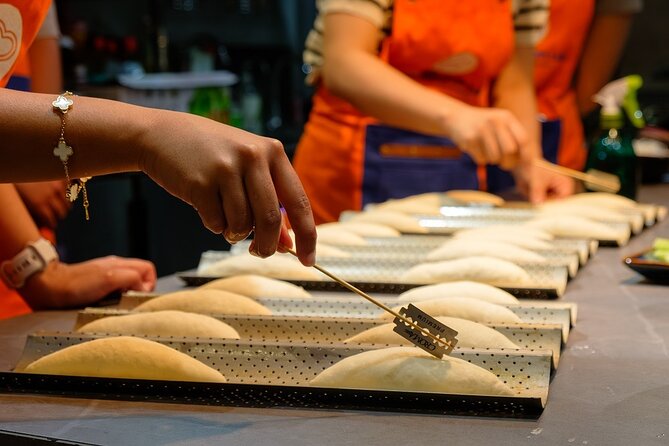
I would choose this class for anyone who wants a practical Hanoi food memory rather than another restaurant meal. It suits home cooks, curious eaters, couples, small groups, and anyone who likes learning a dish by doing each part.
It is also a good fit if you want a vegetarian-friendly option, since tofu is included among the possible fillings. Still, confirm the exact arrangement in advance if you have strict dietary rules or allergies.
Families and groups may appreciate the shared roles and the group discount. The class can give everyone something to do, from dough work to pickling and sauce preparation.
I would be less likely to recommend it to someone who dislikes group activities, has limited time, or wants a polished chef demonstration with no kitchen work. The appeal is the participation. You are expected to knead, prepare, mix, and follow the process.
Booking and Cancellation Details
Free cancellation is available if you cancel at least 24 hours before the start time. Cancellations made within 24 hours are not refunded, and changes inside that period are not accepted. The cut-off follows Hanoi local time.
That policy is fairly flexible if your schedule is set, but keep the deadline in mind during a fast-moving Vietnam itinerary. Confirmation arrives at booking, and the activity accepts a mobile ticket.
One guest who became ill could not attend. Jane offered to move the booking to the next day, but the person had already left Hanoi, so Jane sent gifts by courier instead. That is not something you should expect as part of the standard package, but it does show a thoughtful approach to an unfortunate missed booking.
Should You Book Vietnamese Bread and Brew?
Book it if you want to understand banh mi beyond the finished sandwich. The class gives you bread, pickles, filling, sauce, coffee, and the cultural link between them. The $34 price is fair for four hours of instruction and a meal, especially when you value recipes and hands-on work.
Skip it if your Hanoi schedule is tight or if you would rather spend the same money eating at several street stalls. You should also think twice if a group kitchen is not your style.
For most food-focused visitors, this is a useful choice because the skills travel well. You leave with more than a full stomach: you have a recipe booklet, a better sense of Vietnamese flavor balance, and a method for making banh mi and specialty coffee again at home.
FAQ
Where does the banh mi and coffee class begin?
The class begins at Love Kitchen Lab, Đào Tạo Nghề Quốc Tế, 519 Đ. Âu Cơ, Nhật Tân, Tây Hồ, Hanoi 10000, Vietnam.
Where does the activity end?
The activity ends back at the same meeting point, Love Kitchen Lab.
How long does the experience last?
The class lasts approximately four hours.
How many people can join the class?
The activity has a maximum of 15 travelers.
Is the class taught in English?
Yes. Guidance is provided by a professional English-speaking home chef.
What food and drinks do you make?
You learn to make banh mi from scratch, including baguette dough, pickled vegetables, savory meat or tofu fillings, and sauces. The coffee portion features egg coffee, salt coffee, or coconut coffee.
What is included in the price?
The price includes ingredients, cooking equipment, English-speaking chef guidance, the hands-on banh mi and coffee lesson, homemade wine tasting, luggage storage for up to two days, and a digital recipe booklet. A cooking certificate is available on request. Soda, tips, personal expenses, and anything not specified are not included.
More Hands-On Workshops in Hanoi
- Hanoi Cooking Class: Culture, Local Market & Meaning CSR Impact
★ 5.0 · 5,147 reviews - 5 Traditional Dishes Hanoi Cooking Class with Market Trip
★ 5.0 · 4,890 reviews - Hanoi: Handcrafted Wood Carving Workshop with Local Artisan
★ 5.0 · 733 reviews - Hanoi: 5 Local Dishes Cooking Class with Meal & Market Visit
★ 5.0 · 420 reviews
More Coffee Experiences in Hanoi
- Mini Hanoi Coffee Workshop: Pick Any Signature Coffee You Like
★ 5.0 · 160 reviews - Hanoi Cooking Class: Market Tour, Free Liquor & Coffee Tasting
★ 5.0 · 86 reviews - 3 Dishes cooking + Egg Coffee bonus & Local Market Tour
★ 5.0 · 14 reviews - Hanoi Cooking Class: Pho/Bun Cha/Nem + Free Egg/ Salt Coffee
★ 4.9 · 11 reviews
Just added around Hanoi
- Hanoi Market & Villa Cooking Class: Free Old Quarter Transfer★ 5.0 · 20 reviews
- Hanoi Cooking Class in Hidden Villa with Free Pick-Up★ 5.0 · 9 reviews
- Hanoi Cooking Class and Market Tour with Chef Tien★ 5.0 · 35 reviews
- Vietnamese Home Cooking Class in Hanoi★ 5.0 · 7 reviews
- Authentic Cooking Class in Hanoi with a Vietnamese Grandmother★ 5.0 · 11 reviews
- Local Market Tour and Private Cooking Class★ 5.0 · 104 reviews
- Hanoi Cooking Class: Market Tour, Free Liquor & Coffee Tasting★ 5.0 · 86 reviews
- Private cooking class and rural market visit with chef★ 5.0 · 31 reviews
Baking & Bread Classes, compared.

Group Tour: Garni, Symphony of Stones, Geghard, Lavash Baking
Read our review →
Paris Croissant Small-Group Baking Class with a Chef
Read our review →
Garni & Geghard Small-Group Day Trip with Lavash Baking
Read our review →
Vienna: Gerstner KuK Hofzuckerbäcker Baking Show & Tasting
Read our review →
Yerevan: Garni, Geghard, Symphony of Stones & Lavash Baking
Read our review →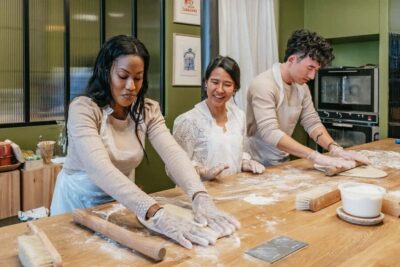
Paris: French Croissant Baking Class with a Chef
Read our review →
Laugarvatn Fontana: Geothermal Bread-Baking Experience
Read our review →Browse the lists this tour appears in