Review · COOKING CLASSES
Malaysia Cooking Classes With Local
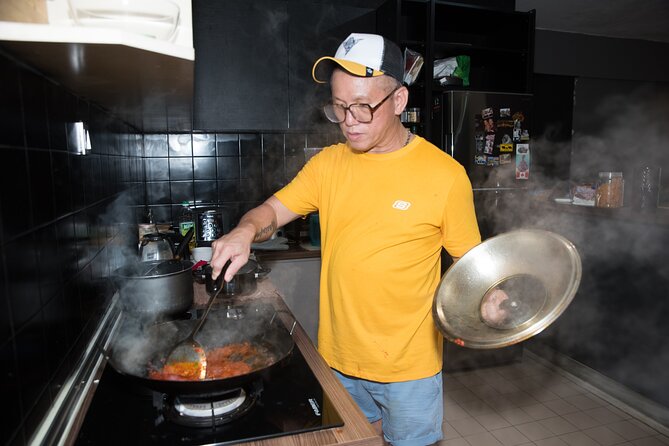
The best part of this Kuala Lumpur cooking class is the setting. You enter Fizah’s home, work with recipes passed down from her mother, and sit down together to eat what you prepared. This feels more personal than a cooking school with rows of identical stations.
I like the small private-group format, which gives you room to ask questions and get help with chopping, seasoning, and presentation. I also like the chance to learn the logic behind nasi lemak, from coconut milk rice to sambal, anchovies, peanuts, and eggs, rather than simply watching someone cook it.
The main point to check is the kitchen setup. You have your own place to cut and prepare ingredients, but the cooking is shared rather than done at separate individual stoves. The class is also for ages 12 and up, and the meeting point is in a residential part of Kuala Lumpur rather than a central sightseeing district.
Key Points to Know
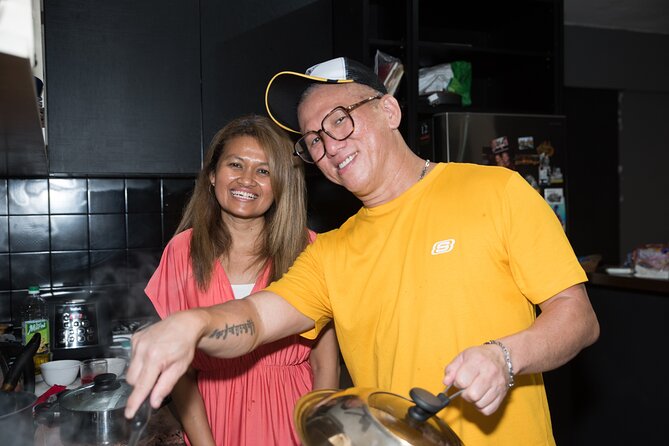
- Cook in Fizah’s home: The class takes place at Awana Puri Condominium in Taman Mutiara Barat, giving you a direct look at home-style Malaysian cooking.
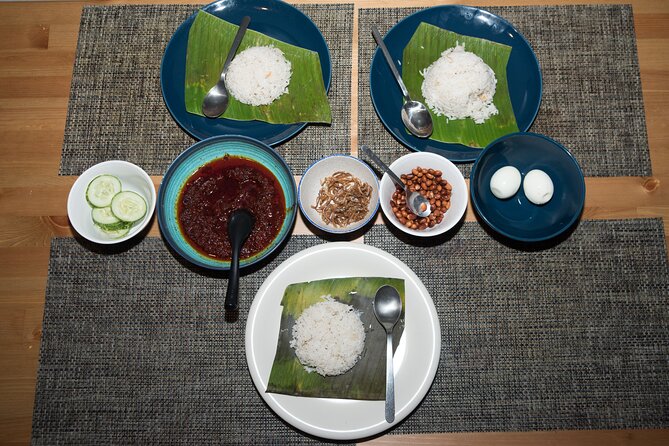
- Nasi lemak is the main lesson: Prepare coconut rice, sambal, peanuts, anchovies, eggs, and the other parts that make up Malaysia’s best-known dish.
- A dessert is included: The class also teaches a local sweet, with examples including kuih gula Melaka and kuih ketayap.
- Menu choices may be available: Fizah contacts you before class so you can select dishes from available options. Nasi lemak is a central choice, but other classes have included laksa and mee goreng.
- Plan on shared cooking space: Preparation is hands-on, but the cooking stage is shared rather than completely individual.
- Allow about three hours: That includes instruction, cooking, conversation, and eating your finished meal.
What the Three-Hour Class Is Really Like
The class begins at Awana Puri Condominium, Jalan 15/119, in Taman Mutiara Barat. The address matters because this is a home-based experience, not a restaurant or a cooking studio in the middle of Kuala Lumpur’s main hotel zone.
You should arrange your journey with the residential location in mind. The activity is near public transportation, and the class ends back at the same meeting point. Your mobile ticket is useful for getting through the day, but you still need to allow time to reach the condominium before the start time.
Before the class, Fizah may contact you about the dishes you want to prepare. That is a helpful feature because it lets you shape the lesson around your interests. The advertised focus is nasi lemak with a local dessert, but menu choices have also included laksa, mee goreng, and different kuih.
Do not assume every possible dish is available at every booking. Ask what is offered for your date, especially if one particular recipe matters to you. If you want the classic Malaysian experience, nasi lemak is the safest choice because it is the signature dish described for the class.
Once you arrive, expect a relaxed home kitchen rather than a formal demonstration room. Fizah introduces the ingredients and walks you through the process. The lesson is designed for beginners, but experienced home cooks can still ask about technique, substitutions, and ways to adjust the recipe.
More Hands-On Workshops in the world:
- Half-Day Thai Cooking Class at Organic Farm in Chiang Mai
★ 5.0 · 19,087 reviews - Florence: Pasta Cooking Class with Unlimited Wine
★ 4.9 · 10,285 reviews - 3 in 1 Cooking Class near Navona: Fettuccine, Ravioli & Tiramisu
★ 5.0 · 7,376 reviews
Building Nasi Lemak From Separate Parts
Nasi lemak looks simple on the plate, but the meal depends on several components working together. The rice is cooked in coconut milk, then served with sambal, peanuts, anchovies, eggs, and other accompaniments.
Fizah’s approach is useful because it treats the meal as a set of techniques, not one single recipe. You learn how the rice is prepared, how the chili paste is made, and how the side dishes are handled. That gives you a better chance of reproducing the meal at home than a class where you only watch a chef finish a plate.
The sambal is likely to be the most instructive part for many home cooks. It supplies the heat and much of the dish’s character, yet it can be adjusted to suit your taste. The class also gives you a chance to ask how to balance the spicy paste with the creamy rice and salty garnishes.
The accompaniments add texture as well as flavor. Peanuts bring crunch, anchovies add salt and savoriness, and eggs make the plate more filling. By preparing each part yourself, you see why nasi lemak is more than coconut rice with a few extras placed on top.
You also learn about presentation. The final stage includes plating your meal, so the class connects kitchen work with the way the dish is served. This is a small detail, but it helps you understand the complete meal instead of leaving with only a shopping list.
A Dessert With Local Character
The second dish is a local dessert, and this gives the class a useful change of pace after the savory cooking. Specific examples from the available menu include kuih gula Melaka and kuih ketayap.
Kuih gula Melaka uses the distinctive palm sugar known as gula Melaka, while kuih ketayap is a Malaysian sweet pancake filled with coconut. The exact recipe depends on the menu choice, but both examples introduce ingredients and methods you may not meet in a standard Western cooking lesson.
Dessert also gives you something practical to take home. Main dishes can require several separate ingredients, while a simple kuih recipe may be easier to repeat for family and friends. Fizah provides the recipes after the class, so you can try both the savory dish and the sweet course later.
The lesson is not only about following steps. Fizah explains how her mother taught her certain methods, which adds a family connection to the cooking. That kind of detail is difficult to get from a printed recipe alone.
How Hands-On Is the Cooking?
This is a genuinely participatory class, but it is worth understanding what hands-on means here. You prepare and cut ingredients at your own station, then share the main cooking area.
That arrangement works well for a small group because everyone can contribute without needing a full kitchen setup for each person. You can ask questions while working, and Fizah can give personal guidance as you go.
The tradeoff is that you may not control every step from start to finish at your own burner. If you want a class where each person cooks a completely separate portion, this may not be the best match. If you prefer working together and learning by doing, the shared format feels more like cooking with a friend or family member.
You will also have waiting periods while rice, sambal, or other ingredients cook. Those pauses are used for conversation and questions rather than treated as dead time. Previous sessions have included discussion about Malaysian food, daily life, places to visit, and practical suggestions for spending time in the country.
A few more cooking classes around the world worth a look
- Florence: Pasta & Tiramisu Cooking Class with Unlimited Wine
★ 4.9 · 6,708 reviews - Florence: Pasta Cooking Class with Unlimited Wine
★ 5.0 · 6,413 reviews - Hanoi Cooking Class: Culture, Local Market & Meaning CSR Impact
★ 5.0 · 5,147 reviews - 5 Traditional Dishes Hanoi Cooking Class with Market Trip
★ 5.0 · 4,890 reviews
The Meal at the End Is Part of the Class
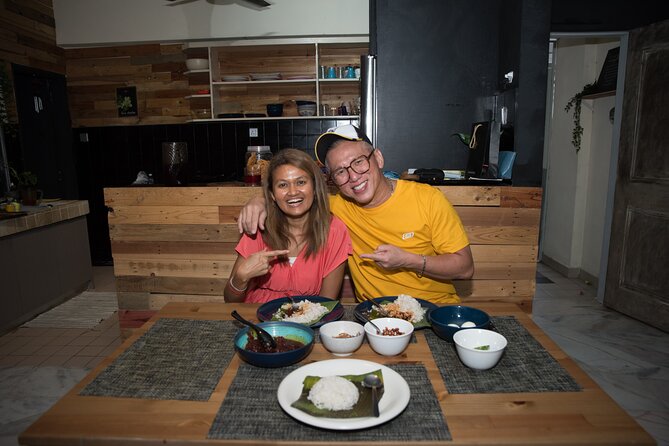
After cooking, you eat the finished food together at home. This is not a quick tasting while standing beside a counter. The meal gives you time to see how the parts work together and to talk through anything you would change when cooking it again.
The shared meal is one reason the experience can feel more personal than a standard food activity. You are not simply collecting a recipe and leaving. You have time to talk with Fizah, and her partner Roman may also join the meal and offer local suggestions.
Food quality depends on the preparation, and the class uses fresh ingredients selected for the recipes. You should still expect home cooking rather than restaurant-level presentation. That is part of the appeal, but anyone looking for a polished culinary-school setting should set expectations accordingly.
If you have allergies, tell Fizah before the class. She has accommodated allergy concerns and can pay close attention to ingredients, but advance notice is the sensible way to protect yourself. The provided details do not promise that every dietary restriction can be handled, so ask before booking if your needs are complex.
The Home Setting and Group Size
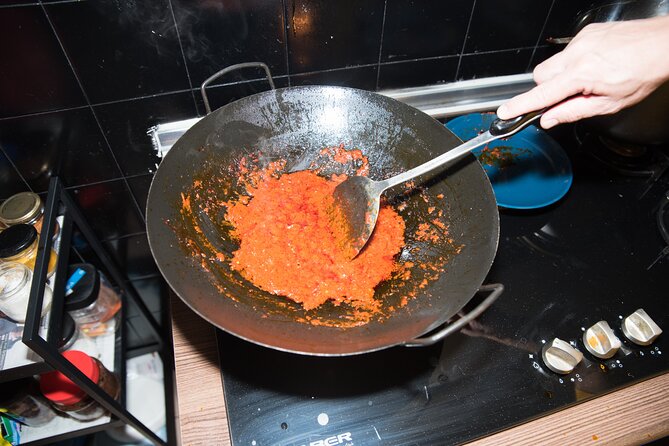
The activity is private, meaning only your group participates. The usual size is small, with sessions described as accommodating up to four people. One group of five was accepted, but you should not count on that exception.
Small numbers matter in a kitchen. You have more opportunity to ask why a particular spice is used, how finely to cut something, or how to change the level of heat. Fizah can also give more direct feedback than an instructor managing a large class.
The home setting comes with ordinary home-setting limits. Space may be more compact than in a purpose-built classroom, and the shared cooking area means you will sometimes work alongside the rest of your group. Some sessions have also included household cats, which may matter if you have allergies or simply enjoy an informal home atmosphere.
The class is not suitable for children under 12. Older children and teenagers can take part if they are comfortable with kitchen work, but the activity is structured as a cooking lesson rather than a children’s entertainment program.
Is $59.99 a Fair Price?
At $59.99 per person, the price is reasonable if you value instruction, a full meal, a dessert, and personal contact with a local cook. You are paying for about three hours, not just for a plate of nasi lemak.
The value improves if you want to recreate the dishes at home. You receive the recipes, learn preparation methods, and can ask questions about ingredients and technique. That is more useful than a one-off food tasting, especially if you already cook and want a Malaysian dish in your regular rotation.
The price is less compelling if you only want to eat nasi lemak. Kuala Lumpur has many inexpensive places to try the dish, and a restaurant meal will cost much less. This class earns its price through the instruction and home visit, not through the amount of food alone.
For couples, families with children over 12, and small groups of friends, the private format adds value. Solo participants may also fit well, though the social side depends on who else is in the private booking. Since the activity is private, you are not automatically placed with a larger public group.
The experience has a 5.0 rating based on 87 reviews and is recommended by 99 percent of participants. Those figures suggest a consistently strong experience, but your best reason to book should be that you want to cook and talk, not simply collect a high-rated activity.
Who Will Enjoy This Most?
I would choose this class if you want a personal introduction to Malay home cooking. It suits you especially well if you enjoy asking questions, trying unfamiliar ingredients, and eating a meal that you helped prepare.
It is also a strong choice for a couple or small family. The relaxed setting gives everyone a task, and the meal at the end creates a natural break from Kuala Lumpur’s busy sightseeing schedule.
Food-focused visitors will get the most from the class, but you do not need advanced cooking skills. The instruction is intended for all levels, and the step-by-step format makes it accessible to beginners.
I would hesitate if you want a highly structured culinary workshop, a separate cooking station, or a central Kuala Lumpur location. I would also check the menu in advance if you have your heart set on something other than nasi lemak.
Practical Details Before You Book
The class lasts approximately three hours and begins and ends at Awana Puri Condominium, Jalan 15/119, Taman Mutiara Barat, Kuala Lumpur. It is near public transportation, but you should still allow enough time to find the residential meeting point.
Confirmation is provided at booking, and the ticket is mobile. The activity is private, and children under 12 are not permitted.
Free cancellation is available if you cancel at least 24 hours before the start time. Cancellations or changes made within 24 hours are not accepted for a refund, and the cut-off follows Kuala Lumpur local time.
Contact Fizah about allergies and menu preferences before the day. Her communication before class has been a useful part of the experience, particularly when choosing between available main dishes and desserts.
Should You Book Malaysia Cooking Classes With Local?
Book it if you want to cook Malaysian food inside a local home, learn recipes linked to Fizah’s family, and sit down afterward for a shared meal. The strongest parts are the personal teaching, small group, flexible menu choices, and useful recipes you can try again at home.
Skip it if you only want a cheap meal, dislike shared kitchen work, or need a fully individual cooking station. For most food-minded visitors, the $59.99 price is justified by the three-hour lesson and the cultural conversation around it.
Choose nasi lemak if this is your first Malaysian cooking class. It gives you the clearest introduction to coconut rice, sambal, salty garnishes, and the balance of a classic Malay plate. Then ask which local dessert is available, and arrive ready to chop, stir, taste, and learn.
FAQ
Where does the cooking class take place?
The class takes place at Awana Puri Condominium, Jalan 15/119, Taman Mutiara Barat, 56000 Kuala Lumpur, Malaysia.
How long does the experience last?
The cooking class lasts approximately three hours.
What dish will I learn to cook?
The main focus is nasi lemak, including coconut milk rice, sambal, peanuts, anchovies, eggs, and other accompaniments.
Is a dessert included?
Yes. The experience includes a local dessert. Available examples have included kuih gula Melaka and kuih ketayap.
Can I choose what to cook?
Fizah may provide several dish options before the class. Nasi lemak is the advertised main dish, while other available sessions have included laksa and mee goreng. Ask which choices are available for your booking.
Is the class private?
Yes. Only your group participates in the activity.
Are children allowed to join?
Children under 12 years old are not permitted to join.
What is the cancellation policy?
You can cancel for a full refund up to 24 hours before the experience start time. Cancellations or changes made less than 24 hours in advance are not accepted for a refund.
Just added around the world
- Sushi – Authentic Japanese Cooking Class – the best souvenir from Kyoto!★ 5.0 · 93 reviews
- Traditional Balinese Cooking Class with Ubud Tour★ 5.0 · 6 reviews
- Cooking Class in Ephesus Selcuk Town★ 5.0 · 9 reviews
- Chef Bagus Balinese Indonesian Food Cooking Class★ 5.0 · 89 reviews
- Cycling and Cooking Class in Ubud★ 5.0 · 5 reviews
- Private Ephesus Tour & Cooking Class in Village★ 5.0 · 24 reviews
- Balinase Cooking Class and Private Ubud Day Tour★ 5.0 · 3 reviews
- New Malaysian Kitchen Cooking Class and Garden Tour★ 5.0 · 54 reviews
Cooking Classes, compared.
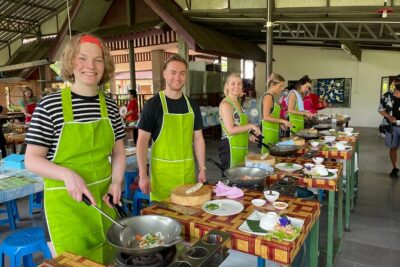
Half-Day Thai Cooking Class at Organic Farm in Chiang Mai
Read our review →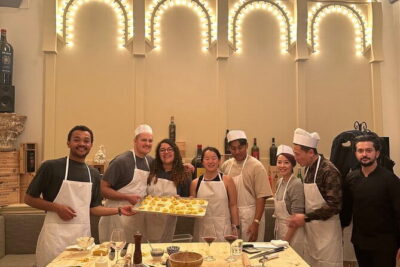
Florence: Pasta Cooking Class with Unlimited Wine
Read our review →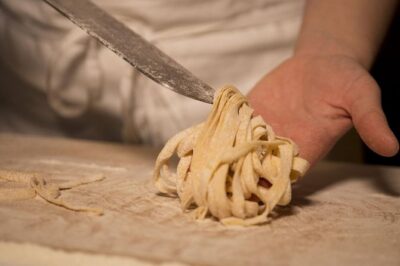
3 in 1 Cooking Class near Navona: Fettuccine, Ravioli & Tiramisu
Read our review →
Hanoi Cooking Class: Culture, Local Market & Meaning CSR Impact
Read our review →
5 Traditional Dishes Hanoi Cooking Class with Market Trip
Read our review →
Cooking Class and Lunch at a Tuscan Farmhouse with Local Market Tour from Florence
Read our review →