

Review · COOKING CLASSES
Cook and enjoy African meals with Moreen
Kenyan cooking is at its best when it starts with a market bag and ends around a family dining table. With Moreen, you shop for ingredients in Nairobi, then head to her home to prepare dishes such as ugali, pilau, sukuma wiki, and chapati.
I like the market visit because it gives you a practical look at everyday food shopping, not a staged food display. I also like the warm family setting, where Moreen, her husband, and family may help turn a cooking lesson into a shared meal.
The main drawback is transport: it is not included, even though the experience involves a car ride from the meeting point to the market and then to the host’s home. The activity also is not suitable for wheelchair users or people with mobility impairments.
Key points at a glance

- Market-first format: Meet Moreen in Nairobi, then choose and buy the ingredients for your meal at a local market.
- Cooking in a real home: The lesson takes place at Moreen’s house, rather than in a commercial cooking school.
- Kenyan menu: Possible dishes include ugali, pilau, sukuma wiki, and chapati.
- Family welcome: Moreen’s husband and family may be part of the meal and conversation.
- Practical inclusions: Cooking instruction, water, soda, and fruit are included.
- Plan for transport: Your price does not include transportation, so confirm how you will reach the meeting point and move between stops.
Starting at a Nairobi market with Moreen

Your day begins at a central meeting point in Nairobi, where you meet Moreen, the local host. From there, the experience moves into a local market, where you select the produce and other ingredients needed for the meal you choose.
This is a useful way to begin a cooking experience. Instead of arriving at a kitchen with every ingredient already measured, you see where the food begins. You can look at the produce, help decide what goes into the meal, and see the ordinary shopping side of Kenyan food culture.
The market is in Nairobi’s Kayole district, according to the detailed experience description. That gives the outing a more local feel than a class held only in a tourist area. You should expect a working neighborhood market, not a polished food hall designed for visitors.
Moreen accompanies you while you shop. She can explain the ingredients and help shape the meal around what you choose. If you have a particular dish in mind, or a food preference, it is sensible to raise it early. The host has accommodated special requests, but the available menu will depend on the shopping and the cooking plan.
Other cooking classes people book around the world:
- Half-Day Thai Cooking Class at Organic Farm in Chiang Mai
★ 5.0 · 19,087 reviews - Florence: Pasta Cooking Class with Unlimited Wine
★ 4.9 · 10,285 reviews - 3 in 1 Cooking Class near Navona: Fettuccine, Ravioli & Tiramisu
★ 5.0 · 7,376 reviews
Choosing ingredients for ugali, pilau, and more
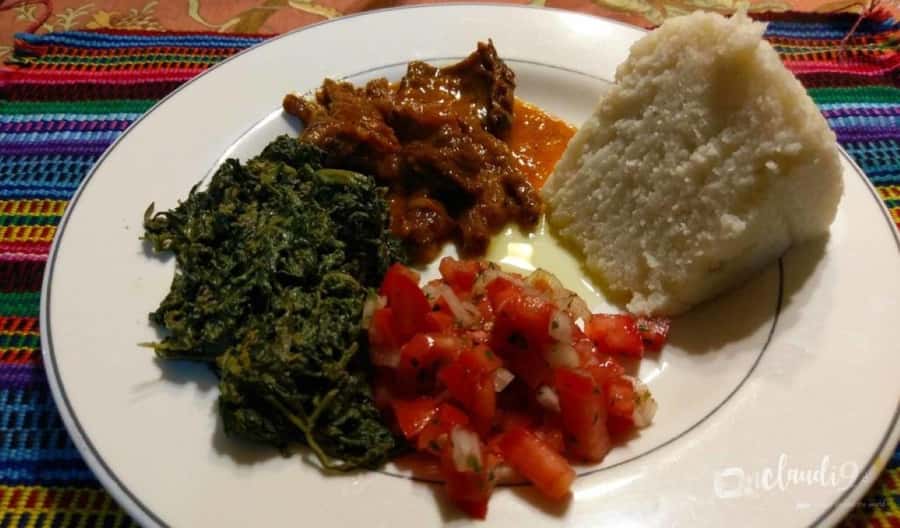
The meal can include a selection of familiar Kenyan dishes. Ugali is a staple made from maize flour and is often served as a firm accompaniment to other foods. Pilau brings rice and seasoning into the meal, while sukuma wiki adds cooked leafy greens. Chapati gives you a chance to work with dough and cooking technique.
These dishes make a good teaching menu because they cover several parts of Kenyan home cooking. You are not only watching one recipe. You may handle grains, greens, spices, and dough, with each item requiring a different approach.
The food also gives Moreen room to explain where dishes and ingredients come from. The experience includes background about the food as you prepare it, so the lesson is about more than following steps. You can ask questions in English or Swahili.
Do not expect a formal culinary-school course with professional equipment or a printed syllabus. The appeal is the home setting and the chance to participate at your own level. You can help with the preparation and cooking whenever you want, then sit down to eat what you made.
From the market to Moreen’s family home
After shopping, you travel to Moreen’s home for the cooking session. A car ride is part of the movement between the market and the house, but transportation is not included in the $59 price. This distinction matters. Before booking, confirm the meeting point, how the transfer will work, and what transport costs you should allow for.
The cooking takes place in a homely environment. That setting is central to the experience. You are not simply attending a demonstration from a distance. You are entering a family space, helping with the meal, and sharing food at the end.
For many people, this will be the most memorable part of the day. Cooking in a private home can create more natural conversation than a standard class. Moreen’s husband and family may join in, and the atmosphere can feel closer to visiting friends than attending a scheduled attraction.
That informality also means you should be comfortable with a less polished format. The pace may follow the meal rather than a strict timetable. A home kitchen is practical and personal, but it may not offer the space, tools, or smooth production line of a professional cooking studio.
How hands-on the cooking lesson is
Moreen guides you through the preparation and explains the background of the dishes as you work. You are free to help with the cooking, which makes this a better match for people who want to take part rather than watch a host do everything.
The level of hands-on work may depend on the meal and your own interest. You might help prepare ingredients, work with dough for chapati, assist with the rice and vegetables, or learn how ugali is prepared. The supplied details do not promise a fixed list of tasks, so ask Moreen what you will be making if a particular technique is important to you.
The lesson is conducted in English or Swahili. English-speaking visitors should find communication straightforward, while Swahili speakers have another way to connect with the host and family.
I like this kind of food class because the explanations have a clear purpose. When you learn about an ingredient while preparing it, the information is tied to something you can smell, touch, and eat. You are likely to leave with a better sense of how the dishes fit together as a Kenyan meal.
Same place, a different menu:
- Florence: Pasta & Tiramisu Cooking Class with Unlimited Wine
★ 4.9 · 6,708 reviews - Florence: Pasta Cooking Class with Unlimited Wine
★ 5.0 · 6,413 reviews - Hanoi Cooking Class: Culture, Local Market & Meaning CSR Impact
★ 5.0 · 5,147 reviews - 5 Traditional Dishes Hanoi Cooking Class with Market Trip
★ 5.0 · 4,890 reviews
Sharing the finished meal at the dining table
Once the cooking is done, you eat together at Moreen’s home. The meal can include the dishes you prepared, along with fruit, soda, and water. The shared table is not an extra detail. It is the point where the market visit, cooking, and conversation come together.
The menu described by Felix included ugali, pilau, sukuma wiki, and chapati, and Moreen was happy to consider special requests. That combination gives you a broad taste of everyday Kenyan food, though you should confirm the exact dishes when arranging the experience.
The family welcome is one of the strongest reasons to choose this activity. You may spend time with Moreen’s husband and other family members, not just with the host during a short lesson. If you enjoy personal contact and relaxed conversation, this can feel much more meaningful than eating a prepared meal in a restaurant.
At the same time, a family-home experience is not designed for complete privacy. You should expect conversation and interaction with the household. That is a benefit for many people, but it may not suit someone looking for a quiet, tightly scheduled class.
What the $59 price gets you
At $59 per person, the price covers the local host, cooking lessons, water, soda, and fruit. The value comes from the combination of activities: a market visit, ingredient selection, cooking instruction, and a shared meal in a family home.
You are paying for access to a personal setting as much as for the food itself. A restaurant meal might cost less, but it would not give you the same role in choosing ingredients or preparing the dishes. A formal cooking school might offer more equipment and structure, but it may not provide the family connection.
Transportation is the main extra cost to keep in mind. It is specifically excluded, even though you will need to move between the meeting point, market, and home. Ask about the transport arrangement before you commit so the final cost does not surprise you.
The included drinks and fruit are useful, but they are not the main reason to book. If you want a hands-on introduction to Kenyan food and a personal meeting with a local family, the price is easier to justify. If you only want a meal, there are likely simpler options.
Who will enjoy this Nairobi food experience
This activity suits you if you like learning through conversation, want to see a local market, and are happy to spend time in a family home. Couples, solo visitors, and small groups who enjoy taking part in food preparation should find the format appealing.
It is also a good choice if you want to try several Kenyan staples in one sitting. Ugali, pilau, sukuma wiki, and chapati each offer a different taste and texture, and Moreen can explain how the dishes and ingredients fit into Kenyan cooking.
You should be reasonably comfortable moving between the market and the house. The activity is not suitable for wheelchair users or people with mobility impairments. It is also listed as unsuitable for people over 95 and, separately, people over 70, so anyone in that age range should confirm the policy before booking. The two age limits are inconsistent, and the stricter limit may be the practical one.
This is not the best match if you need a fully accessible venue, fixed professional kitchen facilities, or transportation included in the advertised price. It is also less suitable if you prefer to avoid household interaction.
Practical planning before you book
The experience is offered with reserve-and-pay-later flexibility, so you can hold a place without paying on the day of booking. Cancellation is allowed up to 24 hours in advance for a full refund.
Wear comfortable clothing suitable for cooking and moving through a market. The supplied information does not give a dress code or a precise start time, so ask for those details before the day begins.
Tell Moreen about food preferences or special requests as early as possible. She has shown flexibility with the menu, but the best time to discuss changes is before shopping, when ingredients can still be chosen.
Sharp objects and weapons are not allowed, smoking indoors is prohibited, and explosive substances are forbidden. Those rules are straightforward, but they matter when you are visiting a private home.
The advertised rating is 5 out of 5 from three published ratings. That is a small sample, so I would treat it as a sign of strong satisfaction rather than a guarantee that every part will suit you. The praise centers on the same features that define the activity: Moreen’s welcome, the food, the family setting, and the chance to shop and cook together.
Should you book Cook and Enjoy African Meals with Moreen?
Book it if you want a personal Nairobi food experience with real participation. The market visit gives the day a useful starting point, the menu introduces several Kenyan staples, and the family meal adds a human side that a standard cooking class may lack.
Before booking, sort out transportation and check the accessibility and age restrictions. If you are comfortable with a home setting and want conversation as much as cooking, the $59 price offers good value. If you need a wheelchair-friendly venue, included transfers, or a formal culinary lesson, choose a different activity.
FAQ
Where does the experience take place?
The activity takes place in central Nairobi and includes a visit to a local market in the Kayole district, followed by cooking and dining at Moreen’s home.
Who hosts the cooking experience?
The experience is hosted by Moreen Imari. Her husband and family may also be part of the home visit and shared meal.
What food might I prepare?
The meal may include Kenyan dishes such as ugali, pilau, sukuma wiki, and chapati. You can discuss special requests with Moreen.
Is the market visit included?
Yes. The experience begins with shopping for meal ingredients at a local market.
Is transportation included in the price?
No. Transportation is not included, even though the experience involves a car ride to the market and travel to the host’s home.
What does the $59 price include?
The price includes local host services, cooking lessons, soda, fruit, and water.
Which languages are available?
The experience is offered in English and Swahili.
Is the activity suitable for wheelchair users?
No. It is listed as unsuitable for wheelchair users and people with mobility impairments.
Can I cancel for a full refund?
Yes. You can cancel up to 24 hours in advance for a full refund.
Just added around the world
- Nara: Cooking class, learning how to make authentic sushi★ 5.0 · 5 reviews
- Naxos: Family Farm-table Cooking, Kouros Tour & Live Music★ 5.0 · 26 reviews
- Naples: Pizza Making Class with Neapolitan Chef and drink★ 4.6 · 25 reviews
- Naples: 3 Recipes Cooking Class at Local’s Home★ 4.8 · 5 reviews
- Naples: Pizza making class with a local pizza chef★ 4.8 · 4 reviews
- Naples: Pasta and Gelato Cooking Class★ 4.9 · 8 reviews
- Naples: Pasta and Tiramisu Cooking Class with Local Chef★ 4.9 · 50 reviews
- Naples: Traditional Italian Food Cooking Class at Restaurant★ 4.8 · 106 reviews