
Review · PALERMO
Sicilian Cooking Class
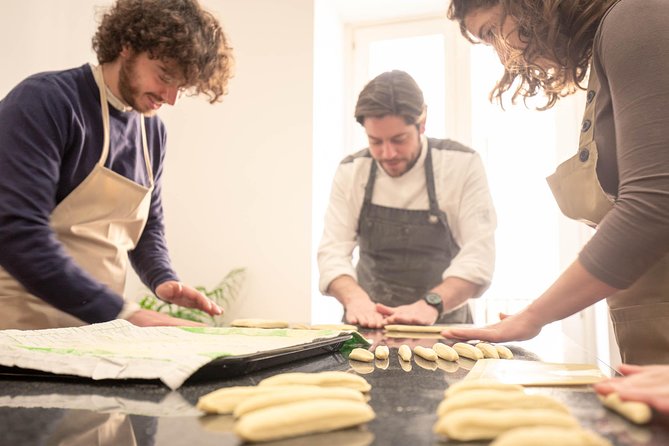
Palermo’s best cooking lessons begin before you reach the kitchen. This one starts at Capo Market, where Chef Michael selects fresh ingredients and explains how Sicilians shop, cook, and make the most of simple food. You then walk to his nearby studio and prepare a four-course meal, from panelle and fresh pasta to cannoli, cassata, or almond granita.
I like the small group size, capped at eight, and the fact that you do real work rather than watch a chef perform. I also like the local focus: the menu may include pasta con le sarde, swordfish, fried artichokes, or involtini, not the usual tourist trio of pizza, gelato, and tiramisu. The main consideration is the stair access to the apartment kitchen, plus the chance that rain or market hours could limit what you see at Capo.
Key points
- Capo Market comes first: Shop for the ingredients in Palermo’s old town before cooking.
- Chef Michael leads in clear English: His teaching covers what you are making, why it matters, and how to prepare it.
- You cook a full meal: The class includes a starter, pasta, main course, and dessert.
- The menu changes with the season: Fresh market ingredients guide the day’s dishes.
- Wine and homemade liqueurs are included: The meal ends with coffee and house-made drinks.
- The group stays intimate: A maximum of eight people makes it easier to get hands-on help.
Starting at Palermo’s Capo Market
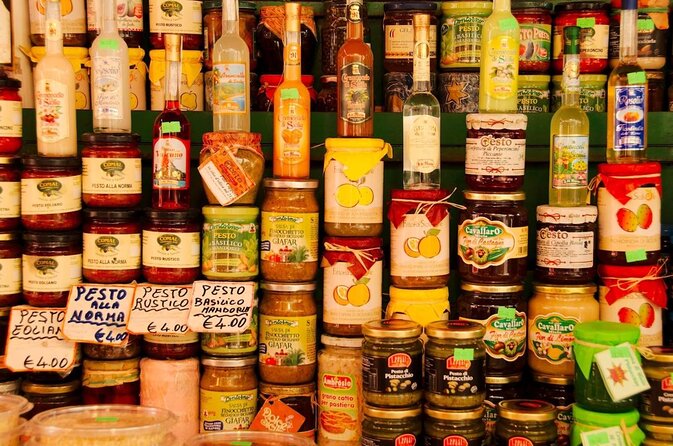
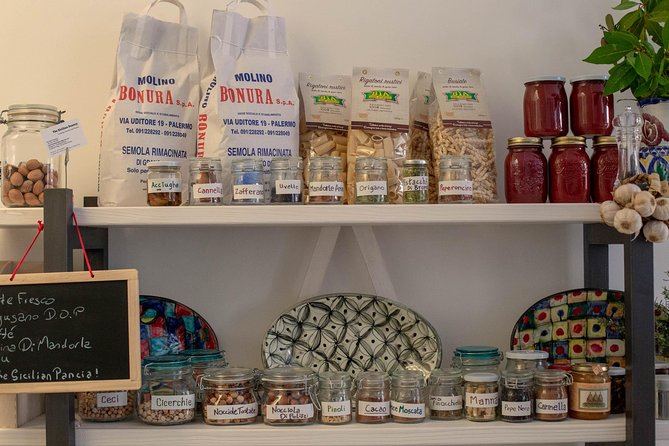
The meeting point is at Parcheggio Orlando, at Piazza Vittorio Emanuele Orlando 49, near Porta Carini. That puts you beside one of Palermo’s most characterful markets, Mercato del Capo, so you are not wasting the first part of the morning in a classroom.
The market visit is more than a shopping errand. Chef Michael uses it to introduce ingredients, explain what looks good, and show you how the day’s menu takes shape. You might see the produce and seafood that will become a sauce, a pasta dish, or a main course a short time later.
This is where the class feels tied to Palermo rather than copied from a generic Italian cooking course. The market helps you understand the food before you cook it. You see the raw ingredients, learn how they are chosen, and then handle them again in the kitchen.
Market conditions can vary. One wet-weather class found many stalls closed because Palermo’s market activity slows in the rain. That is not a flaw in the cooking lesson itself, but it is worth knowing if the market walk is the part you most want. On a clear day, it should be a lively and useful introduction to the meal.
More Italian Cooking Classes in Italy:
- Cooking Class and Lunch at a Tuscan Farmhouse with Local Market Tour from Florence
★ 5.0 · 4,831 reviews - Naples: Neapolitan Pizza and Tiramisù Making Class
★ 4.8 · 839 reviews - Tuscan Cooking Class and Dinner in Florence
★ 4.5 · 732 reviews
From market ingredients to a four-course meal
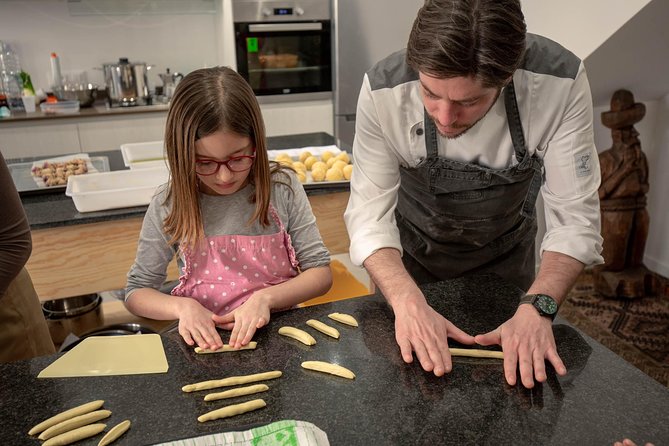
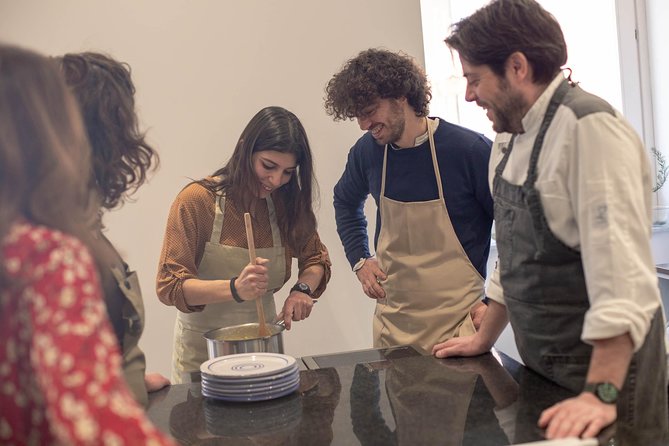
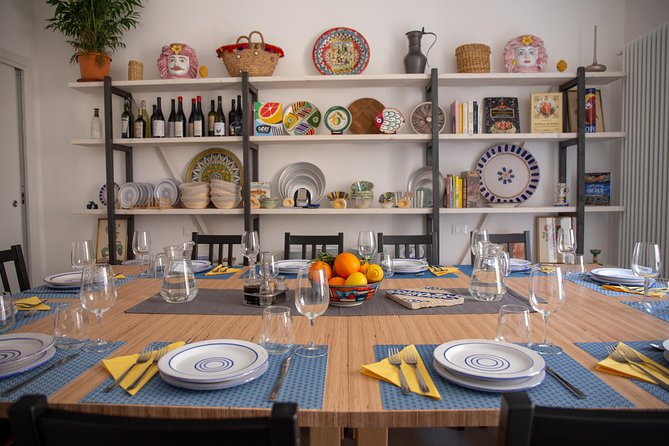
After shopping, you walk to an air-conditioned cooking studio. That cooling matters in Palermo, especially when you are frying, boiling pasta, and working around a busy kitchen. The setting is described as a quaint apartment-style space with a large kitchen and dining area, rather than a formal culinary school.
Chef Michael leads the preparation with help from assistants such as Elena or Melissa. The class is hands-on, but it is not designed to make you feel as if you are competing on a television cooking show. You receive instruction, take part in the steps, and have time to ask questions.
That balance is one of the experience’s strongest features. You may learn how to use a knife and scraper correctly, prepare vegetables, shape pasta, mix fillings, or assemble a dessert. Michael also explains the reasons behind the methods, including how seasonal availability affects the menu.
The class usually lasts about four and a half hours, beginning at 10 a.m. That makes it a substantial half-day activity. Plan to keep the rest of your day fairly open, since the market, cooking, and shared meal are all part of the experience rather than separate timed segments.
What might appear on your Sicilian menu
The menu is seasonal, so you should not expect every listed dish on one particular day. That is a benefit, not a problem. A fixed menu could ignore what is freshest at the market, while this class lets the ingredients guide the meal.
Panelle, arancine, and fried artichokes
The starter course may include panelle, Palermo’s famous chickpea fritters. They are made from chickpea flour, fried, and served with lemon. This is a modest dish with a lot of local character, and it shows how Sicilian cooking turns inexpensive ingredients into satisfying street food.
You might also prepare arancine al burro, saffron rice balls filled with ham and cheese, then breaded and fried. The shape, filling, and name of arancine can vary around Sicily, but this Palermo-style version gives you a useful taste of the city’s market food.
Fresh artichokes may be cleaned, quartered, breaded, and fried as carciofi fritti. That preparation gives you a practical lesson in handling an ingredient that many home cooks avoid because it looks fussy. The class helps turn it into a crisp starter rather than an intimidating vegetable.
More Hands-On Workshops in Italy:
- Florence: Pasta Cooking Class with Unlimited Wine
★ 4.9 · 10,285 reviews - 3 in 1 Cooking Class near Navona: Fettuccine, Ravioli & Tiramisu
★ 5.0 · 7,376 reviews - Florence: Pasta & Tiramisu Cooking Class with Unlimited Wine
★ 4.9 · 6,708 reviews - Florence: Pasta Cooking Class with Unlimited Wine
★ 5.0 · 6,413 reviews
Fresh pasta and pasta con le sarde
Making fresh pasta is one of the most appealing parts of the class. You get to work the dough yourself and learn a southern Italian style of preparation, then serve it with fresh tomato sauce.
Another possible pasta dish is pasta con le sarde, a classic Palermitan combination of sardines, wild fennel, saffron, currants, and pine nuts. Toasted breadcrumbs finish the dish. The ingredients tell you a lot about Sicilian cooking: seafood, dried fruit, nuts, herbs, and spice all meet in one bowl.
You may also work with a special sauce prepared by Michael. One class included a sauce he makes only once a year, which shows how the menu can contain elements beyond the basic recipe list. You should think of the sample dishes as a guide to the cooking style, not a promise that every item will appear.
Meat rolls and swordfish
Involtini di carne consists of thin meat rolls filled with cheese, breadcrumbs, currants, and almonds. They are skewered, breaded, and roasted. The dish has the feel of home cooking, with a filling that reflects Sicily’s love of combining sweet and savory ingredients.
Pesce spada panato offers a seafood alternative. Slices of swordfish are coated with olive oil and seasoned breadcrumbs flavored with parsley, mint, and lemon zest. It is a straightforward preparation, but it depends on good ingredients and careful seasoning, which makes the market visit especially relevant.
The class can also adapt the main course when needed. A vegetarian participant had a menu adjustment without requiring the rest of the group to lose its dishes. Still, you should contact the provider in advance with dietary requirements, particularly if you have a severe food allergy. The experience is not recommended for severe allergies.
Cannoli, cassata, and almond granita
Dessert may be cannoli, with crisp fried pastry shells filled with sweet ricotta and finished with candied orange and Bronte pistachios. It is a good chance to see that the dessert is more than a pastry tube and a filling. The garnish and texture matter.
Cassata is another possible choice. This rich Sicilian cake combines sponge cake, sweet ricotta, almond paste, and candied fruit. It takes more assembly than a simple dessert, so it can be a memorable part of the lesson even if you have eaten cassata in a bakery.
On a warmer day, the class may prepare granita di mandorle, an almond granita made from water, sugar, and almonds. The recipe is simple, but the result depends on getting the balance and texture right. It also makes sense in Palermo’s climate, where a cold almond dessert can finish a long cooking session nicely.
Why Chef Michael’s teaching matters
A good cooking class gives you recipes. A great one also gives you a way to think about food. Michael’s approach appears to focus on the second part: he explains what you are doing, why the dish is made that way, and how the ingredients fit into Sicilian cooking.
His English is described as excellent, so you should be able to follow instructions without constantly translating. That matters when the class involves timing, knife work, frying, and several dishes in progress at once.
The teaching style is friendly and organized. You are not left to guess what happens next, but you also do not spend four hours standing with your hands behind your back. People who want to learn practical techniques, ask questions, and take ideas home will get more from this than someone seeking only a restaurant meal.
The assistants add another helpful layer. Elena and Melissa have both been part of classes, helping with preparation and keeping the mood relaxed. Exact staffing may vary, but the format allows for conversation and assistance while Michael keeps the meal moving.
Sitting down to eat what you made
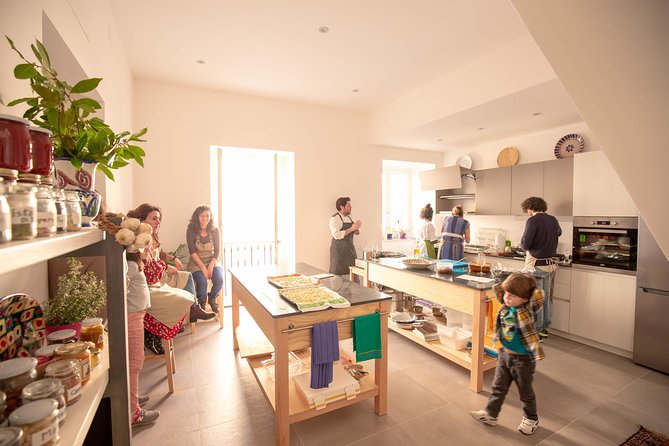
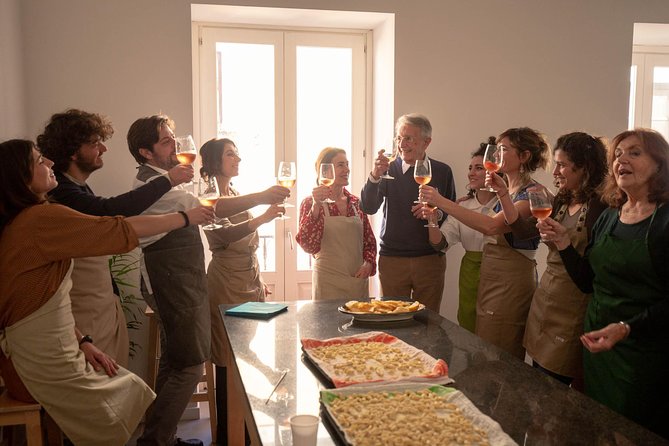
After the cooking, everyone sits together for the meal. This is not a quick taste at the counter. You eat the starter, pasta, main course, and dessert as a proper shared lunch, with Sicilian wines served along the way.
I like this part because it gives the class a clear reward, but it also has practical value. You taste the finished dishes after handling the ingredients yourself, so you can connect the technique to the result. If the panelle needs more lemon or the pasta needs a different texture, you understand that through your own work.
The meal is paired with wine, then followed by coffee and homemade liqueurs. Orange liqueur has been served, and other house-made drinks may vary. Alcohol is part of the stated experience, so anyone who does not drink should make that preference clear, even though the food and instruction remain the central features.
The shared table also suits solo visitors and couples who want an easy social setting. You meet the other people in the group at the start, cook together, and then eat together. Since the maximum is eight, the meal should feel more like a dinner with a few new acquaintances than a large group event.
Price, timing, and practical value
The price is $118.56 per person. For four and a half hours in Palermo, that is not a budget activity, but it covers more than a demonstration: the market visit, ingredients, instruction, a four-course meal, wine, coffee, and homemade liqueurs are all part of the package.
I would judge the price against the amount of time and the quality of the participation. A restaurant meal could cost less, but it would not teach you how to make panelle, fresh pasta, or granita. A shorter cooking demonstration might cost less too, but it would not give you the same amount of time to handle the ingredients and eat a complete meal.
The class is often booked about 77 days ahead, so do not leave it until the last moment if your Palermo dates are fixed. Confirmation is provided when you book, and the experience offers a mobile ticket.
The start time is 10 a.m., and the activity returns to the meeting point. It is near public transportation, though you should allow time to locate Parcheggio Orlando and Porta Carini before the start.
The cooking studio has a steep flight of stairs. That is an important detail for anyone with mobility concerns. Service animals are allowed, but the stair access and the kitchen setting may still affect comfort.
Free cancellation is available until 24 hours before the local start time. Inside that window, the amount paid is not refunded, and late changes are not accepted.
Who will enjoy this class most
I would choose this experience if you want Palermo food with context and participation. It suits curious cooks, families with older children, couples, solo visitors, and anyone who likes to bring home skills rather than only photographs.
It also works well for people who have already eaten plenty of standard Italian food. The menu can take you toward chickpea fritters, sardines with fennel and saffron, meat rolls with currants and almonds, and almond granita. Those dishes show a more specific side of Sicily.
The class may be less suitable if you dislike shared meals, do not want to handle raw ingredients, or prefer a tightly fixed menu. It is also not the right pick for severe food allergies, and the steep stairs could be a serious concern.
For families, the hands-on format can work well. A 13-year-old participant took part successfully, but the class still requires attention around knives, hot oil, and cooking equipment. Parents should decide if their children are ready for that setting.
Should you book the Sicilian Cooking Class?
I would book it if you want a small, local food experience that combines a market walk, practical cooking, and a long shared meal. Chef Michael’s clear English, relaxed teaching, and focus on why the food is made give the class more value than a simple recipe lesson.
The strongest reasons to choose it are the Capo Market start, the maximum of eight people, and the chance to prepare four courses from seasonal ingredients. Keep the stair access, possible market disruption in bad weather, and allergy limits in mind.
If you have only one free morning in Palermo and enjoy food, this is a strong use of it. You leave with a full meal in you and, more importantly, a better sense of how Sicilian cooking works at home.
FAQ
Where does the Sicilian cooking class meet?
Meet at Parcheggio Orlando, Piazza Vittorio Emanuele Orlando 49, Palermo, near Porta Carini and the Capo Market.
What time does the experience start?
The class starts at 10 a.m.
How long does the class last?
The experience lasts about four hours and 30 minutes.
Is the class conducted in English?
Yes. The experience is offered in English, and Chef Michael is described as speaking excellent English.
How many people can join the class?
The maximum group size is eight people.
Does the experience include a market visit?
Yes. You visit Capo Street Market to select the fresh ingredients used for the cooking lesson.
What food will I prepare?
The four-course meal includes a starter, pasta, main course, and dessert. Possible dishes include panelle, arancine, fried artichokes, fresh pasta, pasta con le sarde, involtini di carne, swordfish, cannoli, cassata, and almond granita. The menu changes with the season.
Are drinks included?
Yes. The meal includes a selection of Sicilian wines, followed by coffee and homemade liqueurs.
Can dietary requirements be accommodated?
You should contact the provider with dietary requirements before the class. The experience is not recommended for people with severe food allergies.
Is the cooking studio accessible for people with mobility issues?
The cooking studio has a steep flight of stairs, so it may not suit people with mobility limitations. Service animals are allowed.
Just added around Italy
- Verona: Pasta and Tiramisu Cooking Class with Fine Wine★ 4.8 · 633 reviews
- Siena: Small group Cooking Class in Chianti Farmhouse★ 5.0 · 162 reviews
- 3-hour Tuscan Cooking Class with Wine & Oil Tasting★ 4.5 · 36 reviews
- Italian Cooking Class and Wine Tasting in Tuscany★ 5.0 · 30 reviews
- Truffle Hunting and Cooking Class★ 4.5 · 26 reviews
- Cooking Class in a Secret Courtyard – Culurgiones (Sardinian Pasta)★ 4.5 · 55 reviews
- Cagliari Cooking Class: Sardinian Ravioli, Wine & Local Flavors★ 5.0 · 20 reviews
- Alghero Home Cooking Pasta Class at a Farmhouse with Wine★ 5.0 · 130 reviews
Italian Cooking Classes, compared.
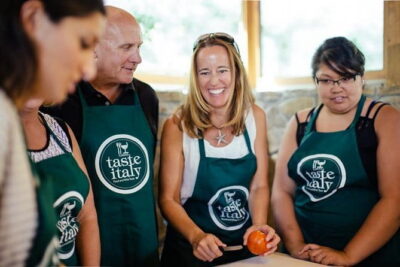
Cooking Class and Lunch at a Tuscan Farmhouse with Local Market Tour from Florence
Read our review →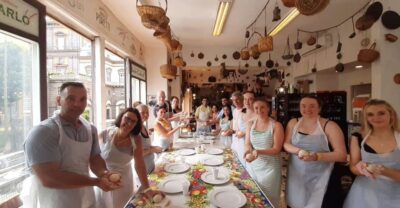
Naples: Neapolitan Pizza and Tiramisù Making Class
Read our review →
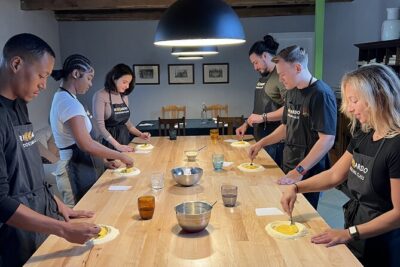
Rome Pasta Making Class with Italian Sauces and Wine Included
Read our review →
Milan: Italian Cooking Class with Food and Wine
Read our review →
Florence: Cooking Class at a Tuscan Farm & Local Market Tour
Read our review →
Browse the lists this tour appears in