
Review · POSITANO
Cesarine: Home Cooking Class & Meal with a Local in Positano
Positano’s best food experience may be the one that takes you away from the restaurant tables and into a local home. This roughly three-hour class has you prepare fresh pasta, seasonal starters, and a southern Italian dessert, then eat the meal with wine and coffee.
I like the small scale, with no more than 10 people, and the chance to hear about family recipes from hosts such as Rocco and Carla. I also like that the meal is not just a cooking lesson. You sit down together and taste what you made.
The main caution is that the hands-on work may vary. One guest found the class more watch-and-follow than active instruction, and the home became extremely hot without air conditioning. If you need a polished professional kitchen, this may not be your ideal match.
Key points to know before booking
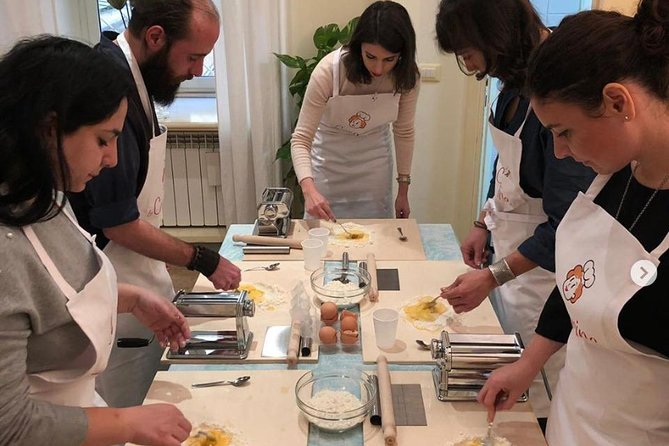
- A meal in a Positano home: You cook and eat with a local host rather than simply watching a chef work.
- Three parts to the menu: The class covers seasonal starters, pasta made from scratch, and a classic southern Italian dessert.
- Rocco and Carla may host you: Their warm manner and family stories add a personal side to the lesson.
- About three hours: The timing gives you enough room to cook, sit down, and enjoy wine and coffee without turning the experience into a full-day commitment.
- Small group limit: The activity accepts a maximum of 10 people, though the word private suggests a more personal setting than a large demonstration.
- A real comfort tradeoff: The home may not have air conditioning, which matters during Positano’s hot months.
Cooking in a Positano home instead of a restaurant
This experience is built around a simple idea: Italian food makes more sense when you prepare it with the people who cook it at home. You meet your host at the Positano starting point, enter a local home, and work through a meal that reflects southern Italian cooking.
That setting changes the tone. You are not just being handed a plate and told what is on it. You see the ingredients being handled, learn how the dishes come together, and hear about recipes passed through a family. The class is designed for connection as much as technique.
The information provided does not name the exact home or give a street address, so you should confirm the precise meeting instructions when you book. The starting point is in Positano, and the activity ends back at the meeting point. It is also listed near public transportation, which helps, though Positano’s steep streets still make sensible footwear a good idea.
The group limit is 10 people. That is small enough to feel more personal than a large culinary demonstration, but it does not guarantee that everyone will have equal time at the work surface. If hands-on practice is your top priority, ask how the class is organized before committing.
More Cooking Classes with Lunch in Italy
- Pasta Making & Wine Tasting with Dinner in Frascati from Rome
★ 5.0 · 1,326 reviews - Palermo: Pizza and Gelato Cooking Class with Dinner and Wine
★ 4.9 · 951 reviews - Authentic Cooking with Locals: Meal, Wine & Scenic Views
★ 5.0 · 396 reviews
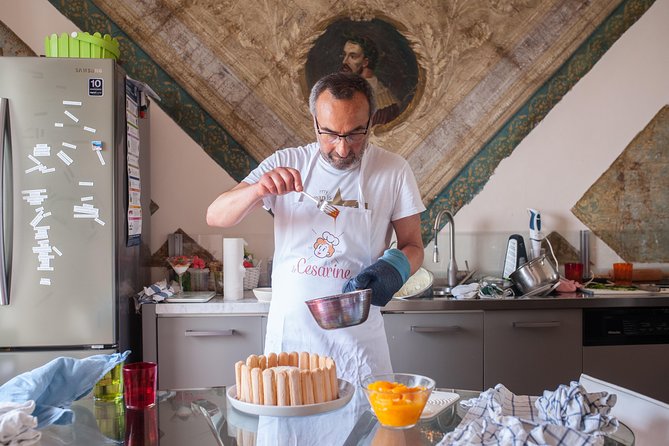
The first course: seasonal starters
The meal begins with seasonal starters. This is a useful part of the class because it shows you how southern Italian cooks build a meal before the pasta arrives.
The exact starter is not specified, and that is likely intentional. Seasonal cooking changes with the produce available at the time of your visit. You may find that the lesson focuses less on a fixed recipe and more on how a local cook uses what is fresh.
Pay attention to small decisions here: how ingredients are cut, when seasoning is added, and how a simple starter is made ready for a shared table. Those details often matter more than a long ingredient list.
For you, the value is practical. A starter made from familiar ingredients can be easier to repeat at home than a complicated restaurant dish. You also get a sense of how the meal is paced, with a first course prepared before the main pasta dish.
Do not expect a formal lecture on regional food. The experience is described as a home cooking class, so the teaching is likely to happen as you work. That can feel natural and friendly, but it may also mean that you need to ask questions rather than wait for a structured explanation.
Making pasta from scratch
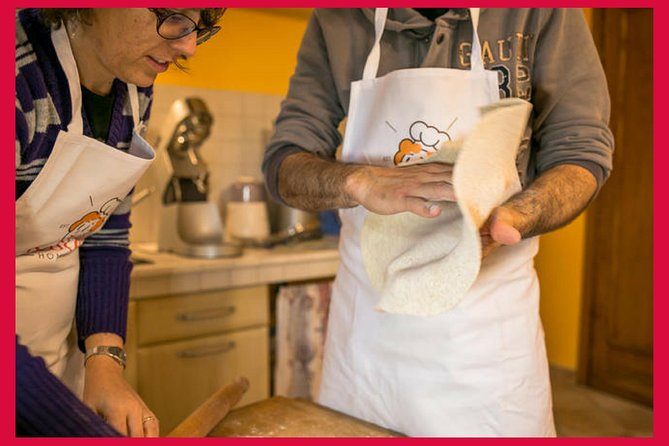
Fresh pasta is the heart of the lesson. You learn the basic process from the host, then help prepare the pasta that will become part of your meal.
The appeal here is clear. Dried pasta is easy to cook, but fresh pasta teaches you how flour, dough, texture, and timing work together. Even a short lesson can give you a better feel for the process than reading a recipe at home.
The class description promises tips for making pasta from scratch, but it does not specify the pasta shape or the exact sauce. That keeps the experience tied to the host’s own recipe rather than a fixed menu advertised in advance. If you have a particular pasta shape in mind, do not assume it will be included.
This is also the portion most affected by how the host teaches. One guest felt the class was more oversight than instruction and not as hands-on as expected. That is important. You may be invited to help with key steps while the host handles others, instead of making every part yourself from start to finish.
I would approach this as a chance to learn a home cook’s method, not as a professional training session. Ask to repeat a step if you want more practice. A friendly host may be happy to explain, but the format may not provide a formal turn for every person.
A southern Italian dessert to finish the cooking
The third dish is a classic southern Italian dessert. The name and recipe are not provided, so you should treat this as a regional sweet chosen by the host rather than a guaranteed, named specialty.
That uncertainty is not necessarily a weakness. A home meal often ends with the dessert the family actually makes, not the one that looks best on a printed menu. You may learn how a familiar local dish is put together with simple methods and ingredients.
The dessert also gives the class a complete shape. You prepare something to begin the meal, make the pasta, then finish with a sweet course. You are not paying for a single pasta demonstration followed by a quick sample.
Because the class lasts about three hours, the cooking and meal need to share the available time. Expect a focused introduction to the dessert rather than a long pastry workshop. The point is to understand the meal as a whole and enjoy it together.
More Home Cooking Classes in Italy
- Pastamama, Home Cooking Classes at Grace’s Home
★ 5.0 · 521 reviews - Traditional Home Cooking Experience in Venice
★ 5.0 · 377 reviews - Catania: Pistachio Ravioli, Pasta Home Cooking Class w/ Wine
★ 4.7 · 204 reviews - 3-Recipe Italian Cooking Class in Como – Cesarine Best NYT Hosts
★ 5.0 · 186 reviews
Sitting down for the meal, wine, and coffee
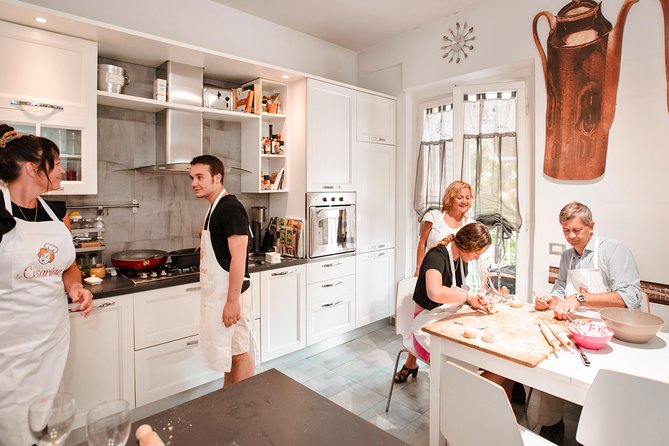
After the cooking, you sit down for a family-style tasting of the dishes you prepared. This is where the class becomes more than a kitchen lesson. You get to eat the starters, pasta, and dessert as one meal, with a glass of local wine and coffee included.
I like this format because the food has a story attached to it. You know what you worked on, and you can compare the finished dish with the steps you just followed. The shared table also creates room for conversation about life on the Amalfi Coast and the family recipes behind the menu.
The hosts are a major part of that experience. Rocco and Carla are described as warm, gracious, friendly, and excellent teachers. One especially positive account credits the family connection and conversation with making the meal the most memorable part of a Positano visit.
Keep your expectations grounded. This is not described as a wine tasting, and the wine service is simply part of the meal. Coffee is included at the end, but no larger beverage program is promised. The focus is food, hospitality, and time with the host.
The phrase private cooking class may also need a little interpretation. The class takes place in a local home, and the maximum group size is 10. That is intimate compared with a large commercial class, but you should not assume you will have the home entirely to yourself unless your booking details confirm it.
What the three-hour schedule means for your day
Three hours is a good length for this kind of activity. You have time to prepare several dishes and eat them, but the class does not take up an entire morning or afternoon.
You should avoid placing it too close to another fixed appointment. Cooking times can shift, and a shared meal is better when you are not checking the clock. Since the exact start time is not provided here, choose a slot that leaves breathing room before and after.
The activity begins and ends in Positano. That makes it easier to fit into a stay in town, especially if you do not want to arrange a separate transfer to a distant cooking school. The listing notes that the meeting point is near public transportation, but it does not provide a detailed transport plan.
Positano is built on steep hills, so the walk to and from the meeting point may matter more than the phrase near public transportation suggests. The information does not specify the home’s exact elevation, stair count, or accessibility. If those details affect your plans, confirm them before booking.
Heat, comfort, and the home setting
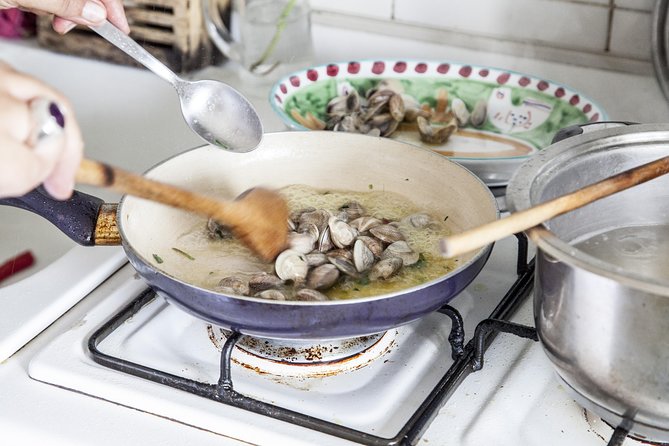
The home environment is one of the experience’s strengths, but it is also the clearest practical concern. A local house can feel personal and genuine in a way a purpose-built cooking studio cannot. It may also be warmer, tighter, and less controlled.
One guest found the room extremely hot and noted that the home lacked air conditioning. That issue may be most important in July and August, or on any unusually warm day. Cooking near a stove for several hours can make heat feel stronger.
I would bring water, wear light clothing, and avoid assuming that the room will have restaurant-level climate control. The available information does not say that water is supplied, so this is simply a sensible comfort measure rather than a promised feature.
The setting may suit you if you value conversation, family life, and a less polished atmosphere. It may not suit you if you want a cool, spacious kitchen with every participant working at an individual station.
Is the $207.07 price good value?
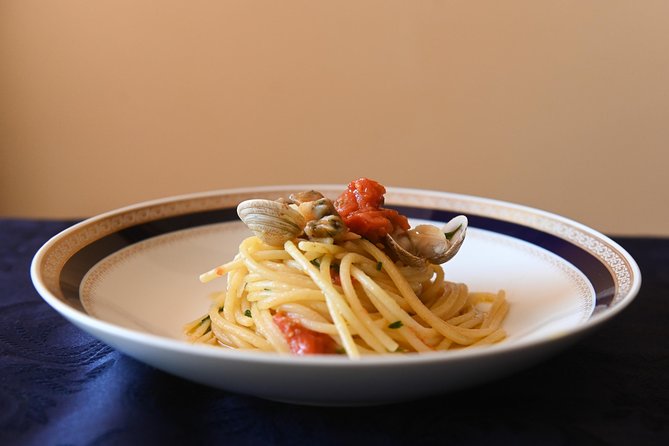
At $207.07 per person, this is not a cheap meal. The price needs to be judged as a package: about three hours of instruction, three prepared courses, a home visit, wine, coffee, and time with a local host.
For two people, the cost becomes a substantial part of a Positano day. You are paying for the setting and personal contact as much as for the food. If you only want to eat fresh pasta, a restaurant meal will likely cost less. If you want to learn a family method and share the table with the people who prepared it, the comparison changes.
The value is strongest for couples, food-focused visitors, and people who see a cooking class as one of the main cultural activities of their trip. It is less convincing for someone who wants a technical lesson with guaranteed individual practice.
The small maximum group helps support the price, though the number of people in your actual session is not stated. The most praised part of the experience is the warmth of the hosts and the chance to learn about their life on the Amalfi Coast. That personal element is what you are really buying.
The experience is booked, on average, 19 days ahead. That suggests you should not wait until the last moment if your dates are fixed, especially during busy periods. Confirmation is provided at booking, and a mobile ticket is accepted.
Who will enjoy this most?
I would recommend this class to you if you want food and conversation in equal measure. It suits people who like learning by watching, trying, asking questions, and eating with their host.
It is also a good fit for visitors who want a break from Positano’s restaurants. You still get the pleasure of a prepared meal, but you take part in making it and hear the personal stories behind it.
Families may enjoy the shared format, though the information does not give an age minimum or child policy. Couples and small groups can also appreciate the private-home setting, especially if they prefer a personal encounter to a formal group tour.
I would be more cautious if you need guaranteed accessibility, air conditioning, or a fully hands-on station for every dish. Those details are not promised, and the heat and teaching style may affect how much you enjoy the class.
Free cancellation is available if you cancel at least 24 hours before the local start time. Cancellations made inside that window are not refunded, and late changes are not accepted. That policy gives you some flexibility, but you should still choose your date carefully.
Should you book the Positano home cooking class?
Book it if you want a warm, personal food experience and you are happy with a home setting that may be informal. The strongest reasons are the family connection, the full three-course meal, and the chance to make fresh pasta with a local cook.
Think twice if your main goal is rigorous culinary training. The teaching may be more guided observation than continuous hands-on work, and the room may be uncomfortable in hot weather.
For the right person, this is a memorable way to spend three hours in Positano. Go for the local table, the stories, and the meal you help create. Do not book it expecting a cool professional studio or a guaranteed turn at every step.
FAQ
Where does the cooking class take place?
The class takes place at a local home in Positano, Italy, on the Amalfi Coast.
How long does the experience last?
The activity lasts approximately three hours.
What food will I prepare?
You will prepare seasonal starters, fresh pasta, and a classic southern Italian dessert.
Is a meal included?
Yes. You will eat the dishes prepared during the class in a family-style meal.
Are wine and coffee included?
Yes. The meal includes local wine and coffee.
Who may host the class?
Hosts named for the experience include Rocco and Carla.
How many people can join?
The activity has a maximum of 10 travelers.
Where does the experience end?
The activity ends back at the meeting point in Positano.
Can I cancel for a full refund?
Yes, if you cancel at least 24 hours before the experience’s start time. Cancellations made less than 24 hours in advance are not refunded.
More Hands-On Workshops in Italy
- Florence: Pasta Cooking Class with Unlimited Wine
★ 4.9 · 10,285 reviews - 3 in 1 Cooking Class near Navona: Fettuccine, Ravioli & Tiramisu
★ 5.0 · 7,376 reviews - Florence: Pasta & Tiramisu Cooking Class with Unlimited Wine
★ 4.9 · 6,708 reviews - Florence: Pasta Cooking Class with Unlimited Wine
★ 5.0 · 6,413 reviews
Just added around Italy
- Portofino Boat and Walking Tour with Pesto Cooking & Lunch★ 5.0 · 121 reviews
- Rada Rooftop Cooking Class in Positano★ 5.0 · 8 reviews
- Cooking lesson: tagliatelle, mozzarella and tiramisu★ 5.0 · 11 reviews
- Hands-on Pasta Making Class near the Amalfi Coast with Rosanna★ 5.0 · 3 reviews
- Pompeii: guided tour of the ruins and cooking class fresh pasta★ 5.0 · 8 reviews
- Pompeii Tour and Cooking Class with Mamma★ 5.0 · 34 reviews
- Pasta Cooking class in Pompeii★ 5.0 · 4 reviews
- Italian Cooking Class with Local Mamma★ 5.0 · 7 reviews
Home Cooking Classes, compared.
Khmer Cooking Class at a Local’s Home in Krong Siem Reap
Read our review →
Local Home Korean Cooking Class & Market Adventure in Seoul
Read our review →
Marrakech: Moroccan Cooking Class with a Local Family
Read our review →
Mexican Cooking from Scratch in a Local Home in Tulum
Read our review →
Pastamama, Home Cooking Classes at Grace’s Home
Read our review →
Marrakech: Moroccan Cuisine Cooking Class in Local Home
Read our review →
Hoi An: Traditional Cooking Class & meal with Local Family
Read our review →
Browse the lists this tour appears in