
Review · ROME
Typical Dining & Cooking Demo at Local’s Home in Rome
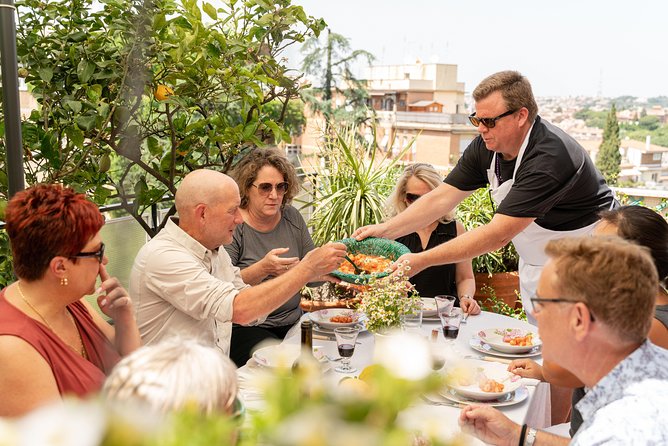
The best part of this Roman experience is the setting: you eat inside a private local home, not a restaurant built for tour groups. A Cesarine host prepares family recipes, explains the food, and serves a meal that may include fresh pasta, Saltimbocca alla romana, Roman tripe, or a traditional dessert.
I like the small maximum of 10 people, which gives this meal a more personal feel. I also like the choice of an afternoon or evening visit, since you can fit it around a day of sightseeing or make dinner the main event. The main drawback is practical: the exact home address is not released before booking, so you must read the voucher carefully for the final meeting instructions.
Key points to know before booking
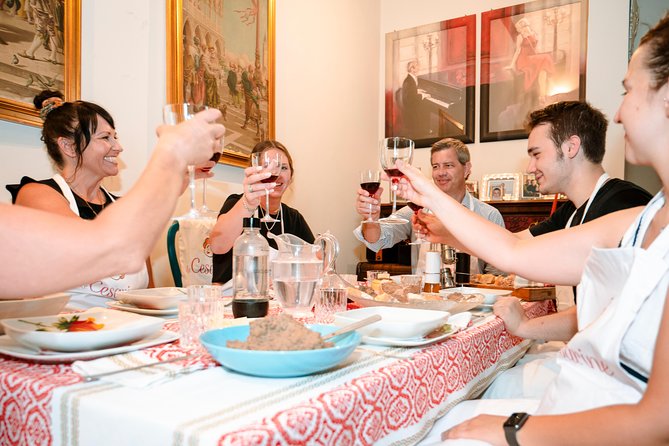
- A meal inside a Roman home: The experience takes place in a private residence rather than a public cooking school or restaurant.
- Fresh pasta is central: You may see rigatoni, bucatini, or gnocchi prepared as part of the demonstration and meal.
- Classic Roman dishes appear on the menu: Possible choices include Saltimbocca alla romana, Coda alla vaccinara, trippa alla romana, and lamb ribs.
- Afternoon and evening options: You can choose the time that best fits your Rome plans.
- A small group of up to 10: This is better suited to conversation and questions than a large commercial class.
- Exact address comes after booking: The listed location is a general area in the Province of Rome, while the private-home address is provided in the voucher.
A Roman meal begins at the family table
Rome has no shortage of restaurants, but a private-home meal gives you a different view of Roman food. You are not simply ordering pasta from a menu. You are watching a local prepare dishes tied to family cooking, then sitting down to eat them in the same setting.
That matters because Roman cuisine is often simple in its ingredients but precise in its methods. The difference between good pasta and memorable pasta can come down to timing, texture, and the way a sauce clings to each piece. A home cooking demonstration lets you pay attention to those small choices.
The host works from recipes described as being passed down through Italian families. You can expect explanations of how Italians eat and drink, along with practical cooking tips you can try at home. The meal is as much about habits and hospitality as it is about the food itself.
You should think of this as a social meal with a cooking lesson, not a formal culinary course. The supplied details do not promise that each participant will prepare every dish personally. Instead, the focus is on show cooking, conversation, tasting, and learning from the host.
More Home Cooking Classes in Italy
- Testaccio: Home Cooking Cacio e Pepe, Amatriciana, Carbonara
★ 4.9 · 57 reviews - Pastamama, Home Cooking Classes at Grace’s Home
★ 5.0 · 521 reviews - Traditional Home Cooking Experience in Venice
★ 5.0 · 377 reviews
What happens during the cooking demonstration
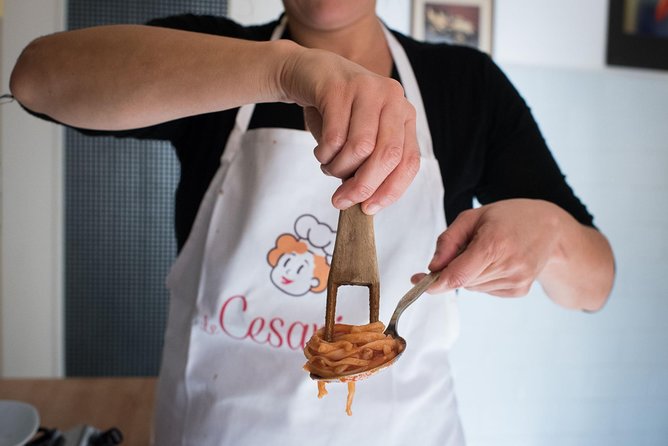
The exact order may vary, but the experience centers on a seasonal starter, fresh pasta, a Roman main course, and dessert. The host prepares the food while explaining the recipes and techniques used in a Roman household.
The pasta portion is likely to be the most useful for home cooks. Possible shapes include rigatoni, bucatini, and gnocchi, each with a different texture and purpose. Rigatoni gives a sauce plenty of room to cling to its ridges. Bucatini, with its hollow center, makes a more distinctive mouthful. Gnocchi brings a soft, tender contrast to dried pasta.
The value is not only in learning a recipe. You also get to see how a local cook judges texture, handles ingredients, and brings several courses together. Those are the parts of Italian cooking that are difficult to pick up from a recipe card alone.
You may also encounter a traditional second course such as Saltimbocca alla romana. This Roman specialty is generally associated with tender meat, prosciutto, and sage, though the exact preparation can vary. Another possible dish is Coda alla vaccinara, a slow-cooked oxtail preparation with deep flavor and a more rustic character.
The menu also lists trippa alla romana and Costine di agnello alla scottadito as possible second courses. These are worth noting because they are not the safest choices for every palate. Trippa is tripe, so its texture and flavor can be unfamiliar. Lamb ribs are a more direct choice, but the name scottadito refers to eating them while hot enough to burn your fingers, so they are meant to be enjoyed fresh from cooking.
Since the menu is seasonal and examples are not guarantees, you should not book this expecting one exact dish. Book it for the chance to taste Roman home cooking across a range of traditional recipes.
The menu, course by course
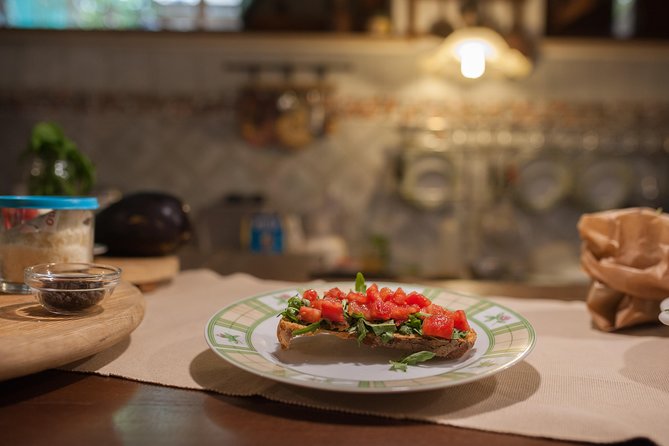
The meal begins with a seasonal starter. Because no fixed starter is named, it may change according to the time of year and what the host is preparing. This is a good sign for freshness, but it also means you should not assume a particular appetizer will be served.
The main part of the meal combines fresh pasta with a second course. That makes the meal more substantial than a short pasta lesson followed by a small tasting. You get a chance to see how pasta fits into a full Roman meal, rather than treating it as the entire event.
Dessert brings another taste of Roman home cooking. Possible sweets include ricotta and cherry tart, Roman tiramisu, chocolate shortbread, or tiramisu. The wording allows for similar typical desserts, so the final choice can vary.
I like this menu structure because it reflects a proper meal: starter, pasta, main course, and something sweet at the end. It also gives you several ways to judge the cooking. You can pay attention to pasta texture, the balance of a savory main dish, and the lighter or sweeter finish.
The possible dishes are not all equally familiar. If you are a cautious eater, ask about the menu when you arrive. The available information does not state that dietary substitutions are offered, so you should not assume the host can adjust every course.
Why the private home setting matters
A private home changes the tone. You are meeting local people in a personal setting, with the meal shaped around hospitality rather than table turnover. That can make the evening feel more relaxed and conversational than dinner in a busy central restaurant.
The home setting also explains one important booking detail. For privacy reasons, the exact address is not shared before the reservation. The public meeting information gives the Province of Rome and a general location, while the final address appears in the voucher.
This is the one point that requires extra care. Do not rely only on the general map pin in the booking app. After reserving, open the voucher and check the precise instructions. Keep the address available on your phone, especially if you have limited access to email or mobile service while in Rome.
One earlier booking problem involved a guest reaching the general location without finding a guide or clear direction. The host explained that private-home addresses are withheld until booking and that the voucher contains the needed information. The practical lesson is simple: confirm the exact address before setting out, and save it offline if possible.
More Home Cooking Classes in Rome:
- Khmer Cooking Class at a Local’s Home in Krong Siem Reap
★ 5.0 · 2,731 reviews - Local Home Korean Cooking Class & Market Adventure in Seoul
★ 5.0 · 1,024 reviews - Marrakech: Moroccan Cooking Class with a Local Family
★ 4.9 · 668 reviews - Mexican Cooking from Scratch in a Local Home in Tulum
★ 5.0 · 585 reviews
Afternoon or evening: choosing the better time
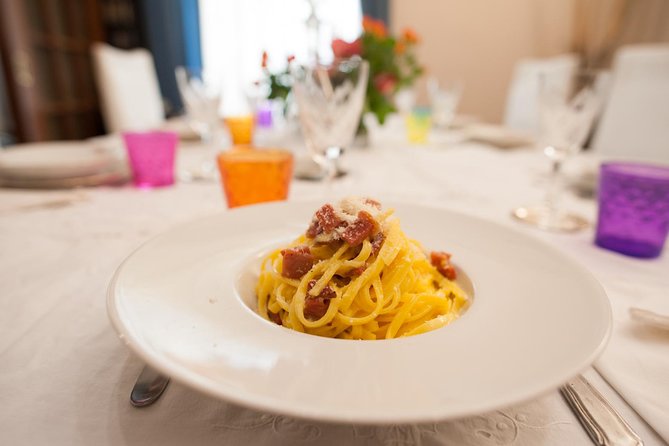
The experience is offered in both afternoon and evening formats. An afternoon visit can work well if you want a substantial meal before a later stroll or evening activity. It may also suit you if you prefer not to navigate an unfamiliar area late at night.
The evening option makes sense if you want the meal to serve as your main dinner plan. It gives the activity a natural rhythm: cooking, conversation, several courses, and dessert. You should leave enough flexibility around it, since the experience is not presented as a quick stop.
No exact duration is provided, so avoid scheduling another fixed activity immediately afterward. A private meal can move at a more natural pace than a timed restaurant reservation, particularly when conversation and cooking are part of the evening.
Group size and the social side
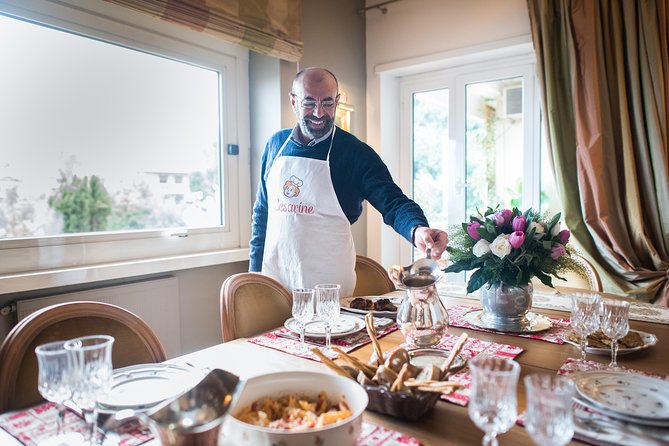
The maximum group size is 10 people. That is small enough for the host to speak with the group rather than make a speech to a crowd. You can ask questions about the dishes, watch the preparation closely, and share the meal with a manageable number of people.
This format suits people who enjoy meeting others over food. It may be especially appealing if you want to understand daily Italian eating habits instead of collecting another sightseeing stop.
The setting is not ideal if you want complete independence or a silent meal. The social element is built into the experience. You are visiting a private home, learning from a local host, and eating as part of a group.
Is the $102.25 price good value?
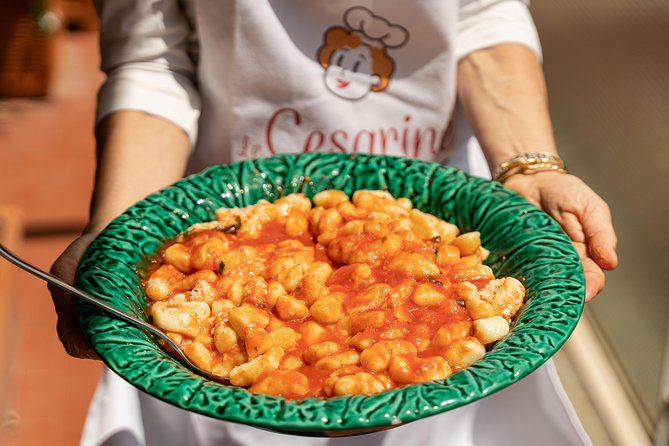
At $102.25 per person, this costs more than buying a plate of pasta in Rome. That comparison misses what is included, though. You are paying for a hosted cooking demonstration, a multi-course meal, access to a private home, and time with a local cook.
The value depends on how much you want from a meal. If you only need dinner, a Roman trattoria will give you more choice and probably a lower bill. If you want food instruction, conversation, and a personal setting, the price is easier to justify.
The small group also matters. A cheaper class with a large number of participants may offer less contact with the host. Here, the group limit makes the cooking demonstration more useful because you should have a better view and more room to ask questions.
The experience is particularly good value for someone who already plans to eat out several times in Rome and wants one meal with a different character. It is less compelling for a strict budget traveler, a person who dislikes unfamiliar dishes, or anyone who wants a hands-on class with guaranteed recipes and ingredients.
Who will enjoy this Roman cooking experience?
I would recommend it most strongly to people who:
- Enjoy food as a way to understand local life
- Want a meal in a private home rather than a standard restaurant
- Like learning practical cooking methods
- Are comfortable with a menu that can change
- Prefer small groups to large organized classes
- Want an afternoon or evening activity with a social element
Families may also find the format appealing, though the available information does not give a specific minimum age or child policy. Anyone with strict dietary needs should ask before booking, since the listed menu includes meat, dairy, pasta, and dishes that may be difficult to alter.
Service animals are allowed, and the experience is near public transportation. Most people can participate, but the details do not specify the layout of the private home or the exact accessibility arrangements. If you have mobility concerns, ask for clarification before reserving.
Booking details that can save you trouble
Confirmation is provided at the time of booking. The experience accepts mobile tickets, so you can keep the voucher on your phone rather than printing it.
The activity is offered in English. No individual host name is provided in the available details, so you should not expect to select a particular cook. The provider is Cesarine, a cooking-class and home-dining service.
The activity ends back at the meeting point. Since that point is connected to a private home, use the final voucher instructions rather than relying on the general Province of Rome location.
Free cancellation is available until 24 hours before the local start time. If you cancel or request changes inside that 24-hour window, you should expect no refund and no change to the reservation.
My verdict: book it for the home, not just the pasta
Book this experience if you want a personal Roman meal, a small group, and a look at family-style cooking that goes beyond ordering carbonara in a restaurant. The combination of fresh pasta, traditional second courses, dessert, and local conversation gives you a fuller picture of how food fits into Roman life.
Skip it if you need a fixed menu, a guaranteed hands-on lesson, a clearly published street address, or the lowest-cost dinner in Rome. The private-home arrangement is part of the appeal, but it also requires careful attention to the voucher.
For the right person, this is a worthwhile food experience: less about mastering a professional recipe and more about learning how Roman cooking works at home, one course at a time.
FAQ
Where does the cooking and dining experience take place?
It takes place in a private home in the Province of Rome, in Lazio. The exact address is provided in the voucher after booking because the home is private.
What food may be served?
The meal may include a seasonal starter, fresh pasta, a second course, and a Roman dessert. Possible dishes include rigatoni, bucatini, gnocchi, Saltimbocca alla romana, Coda alla vaccinara, trippa alla romana, lamb ribs, tiramisu, ricotta and cherry tart, or chocolate shortbread.
Is the menu fixed?
No. The menu is seasonal, and the listed dishes are examples. Similar typical Roman desserts or other seasonal dishes may be served.
Is this a cooking class or a meal?
It includes both a cooking demonstration and a private dining experience. You watch the host prepare the food, learn cooking tips, and then eat the meal.
Can I choose an afternoon or evening visit?
Yes. Afternoon and evening options are available.
How many people can join?
The activity has a maximum of 10 participants.
Is the experience offered in English?
Yes. It is offered in English.
How do I receive my ticket?
The experience accepts a mobile ticket, and confirmation is provided at the time of booking.
Is the activity near public transportation?
Yes. It is listed as being near public transportation.
Can I cancel for a refund?
Yes, you can receive a full refund if you cancel at least 24 hours before the local start time. Cancellations or changes made less than 24 hours before the start are not accepted for a refund.
More Dining Experiences in Rome
- Homemade pasta Cooking Class & Home Restaurant in Rome
★ 5.0 · 5 reviews - Palermo: Pizza and Gelato Cooking Class with Dinner and Wine
★ 4.9 · 951 reviews - Seville: Spanish Cooking Class with Dinner
★ 4.9 · 900 reviews - Greek Cooking Class in Athens Including Rooftop Dinner with Acropolis View
★ 5.0 · 826 reviews
More Dinner Experiences in Rome
- Pasta Making & Wine Tasting with Dinner in Frascati from Rome
★ 5.0 · 1,326 reviews - Rome: Pasta Making with Wine Tasting and Dinner in Frascati
★ 4.9 · 979 reviews - Rome: Pizza-Making Course with Dinner
★ 4.8 · 96 reviews - Authentic Cooking Class in Rome with Lunch or Dinner
★ 4.0 · 80 reviews
Just added around Rome
- Gluten-Free Roman Feast Cooking Class with Chef Christian★ 5.0 · 36 reviews
- Authentic Pasta and Tiramisu Cooking Course in Spanish Steps★ 5.0 · 28 reviews
- Gelato and Fettuccine Pasta Cooking Class in Rome Piazza Navona★ 5.0 · 143 reviews
- Gnocchi Cooking Class in Rome – Piazza Navona★ 5.0 · 83 reviews
- Focaccia and Pesto Cooking Class in the Roman Countryside★ 4.5 · 14 reviews
- Trionfale Market Tour and Gnocchi Cooking Class with a Masterchef★ 5.0 · 5 reviews
- Gelato & Pizza Cooking Class in Rome★ 4.5 · 29 reviews
- From Rome: Pasta Fresca Cooking Class in a Farmhouse with a Local★ 5.0 · 62 reviews
Home Cooking Classes, compared.
Khmer Cooking Class at a Local’s Home in Krong Siem Reap
Read our review →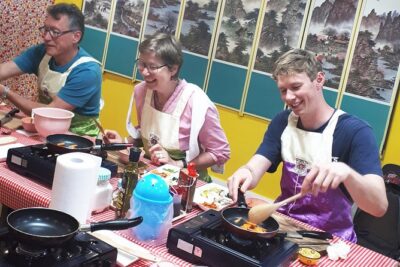
Local Home Korean Cooking Class & Market Adventure in Seoul
Read our review →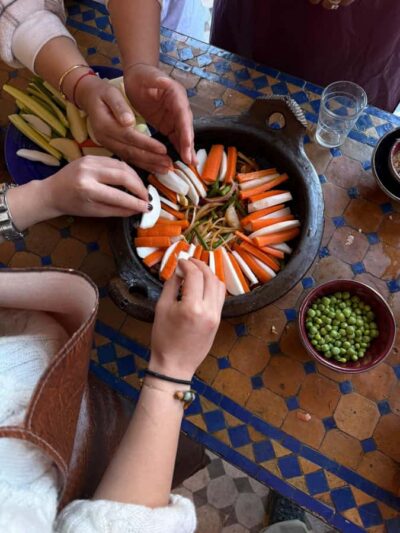
Marrakech: Moroccan Cooking Class with a Local Family
Read our review →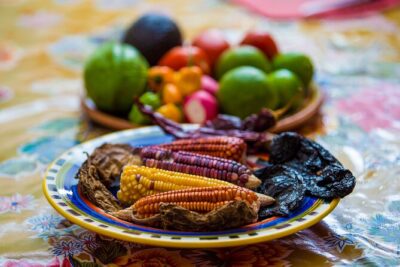
Mexican Cooking from Scratch in a Local Home in Tulum
Read our review →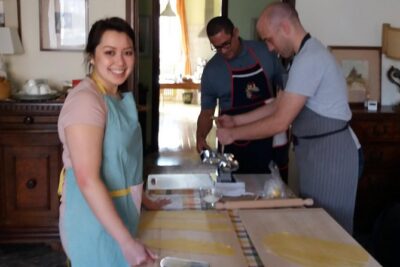
Pastamama, Home Cooking Classes at Grace’s Home
Read our review →
Marrakech: Moroccan Cuisine Cooking Class in Local Home
Read our review →
Hoi An: Traditional Cooking Class & meal with Local Family
Read our review →
Browse the lists this tour appears in