
Review · ROME
From Rome: Pasta Fresca Cooking Class in a Farmhouse with a Local
The best part of this outing is not simply learning to roll pasta. It is reaching Zagarolo, a rural town about 30 minutes from Rome by train, then cooking in Claudia and Bruno’s home with ingredients picked from their garden. You may make ravioli, fettuccine, fried zucchini blossoms, vegetables, a main course, and dessert, depending on the season.
I like the mix of hands-on cooking and family hospitality. I also like that the meal is built around local produce, farm eggs, flour from a local mill, homemade olive oil, and wine made on the property. The main thing to consider is the travel beyond Rome and the variable menu. You need to allow about three and a half hours, plus your train journey, and confirm pickup details before setting out.
Key points to know before booking
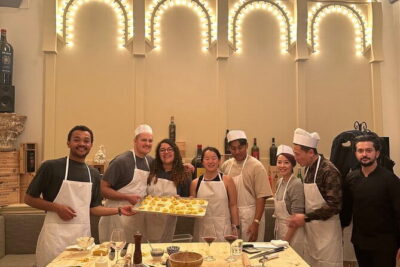
- Small group setting: The class accepts no more than eight people, so you get real time at the counter rather than a quick demonstration from across a room.
- Claudia leads the cooking: She teaches fresh pasta, sauces, seasonal sides, desserts, and practical kitchen techniques.
- Bruno adds the local welcome: He may meet you at Zagarolo station, show you the area, pour homemade wine, and play piano or sing during the meal.
- The menu changes: Summer may bring sorbet or ice cream, while winter can mean stuffed pasta and sfogliatelle.
- A full Roman lunch follows: You do not just prepare one dish. The class can include starters, pasta, a second course, vegetables, and dessert.
- The countryside is part of the day: Expect a garden, olive trees, a small vineyard, fresh herbs, and views over the surrounding rural area.
Leaving Rome for a farmhouse kitchen
Rome has no shortage of pizza lessons and pasta workshops. This one takes a different route. You leave the city for Zagarolo, where the cooking happens in a private family home surrounded by a garden, olive trees, fruit trees, and a small vineyard.
That change of setting matters. The class is not built around a polished demonstration kitchen designed for large groups. You may walk outside to gather herbs, vegetables, cherries, mulberries, or other produce in season. You may see where the family makes wine and taste olive oil made from olives grown on the property.
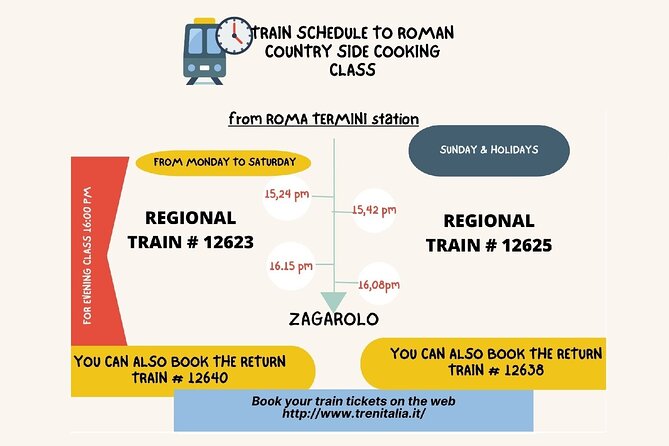
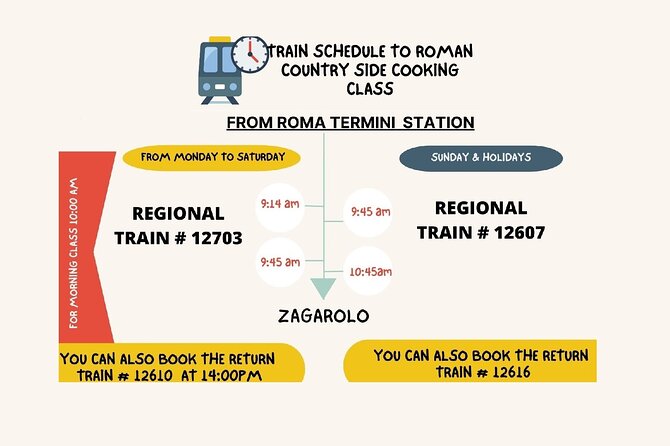
The meeting point is in Zagarolo, in the Metropolitan City of Rome Capital. Several people who took the class used the train from Roma Termini and were collected at Zagarolo station by Bruno. The ride is described as taking about 30 minutes. Because transport arrangements can vary, contact the host before the day and make sure you know the exact train and pickup plan.
The short trip gives you a useful break from Rome’s crowds and hard pavement. It also adds a little planning. This is not a central Rome activity you can reach on foot from your hotel, and the total outing is longer than the stated three hours and 30 minutes once train time is included.
More Farm Cooking Classes in Italy
- Cooking Class in Rome’s Countryside
★ 5.0 · 271 reviews - Exclusive cooking class in Roman countryside with local chef
★ 4.2 · 23 reviews - Mazzano Romano: Cooking Lesson and Lunch in the Countryside
★ 5.0 · 15 reviews
Meeting Claudia, Bruno, and the family
Claudia is the main cooking teacher. She has been featured by major newspapers, including The Guardian and The Wall Street Journal, and her kitchen is the heart of the visit. Bruno often handles the welcome, transport from the station, local orientation, wine, and entertainment.
The tone is informal. You might be greeted with coffee and biscuits, meet a family dog, or receive a quick look around the village before heading to the house. Bruno has also played keyboard and sung during cooking and lunch. That music is not the focus of the booking, so you should treat it as a possible bonus rather than a promised performance.
Other family members or friends may help on the day. Names appearing in descriptions of the experience include Angela, Julia, Jules, and Hugo, but Claudia and Bruno are the consistent hosts. The small group limit of eight helps keep the cooking personal. If only a few people book on your date, the class can feel closer to a private lesson.
What you actually cook in three and a half hours
The meal follows the spirit of a traditional Italian Sunday lunch. You do not just mix dough, eat a plate of pasta, and leave. The class can cover several courses, with the exact selection based on the season and available ingredients.
A typical session may include:
- Vegetable fritters or a savory strudel
- Crostini with vegetables and cheese
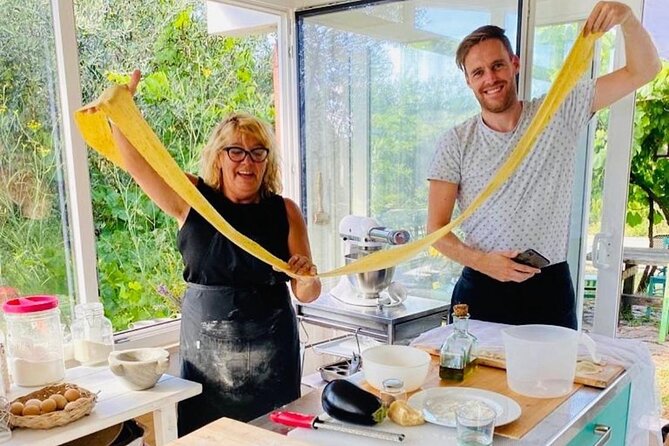
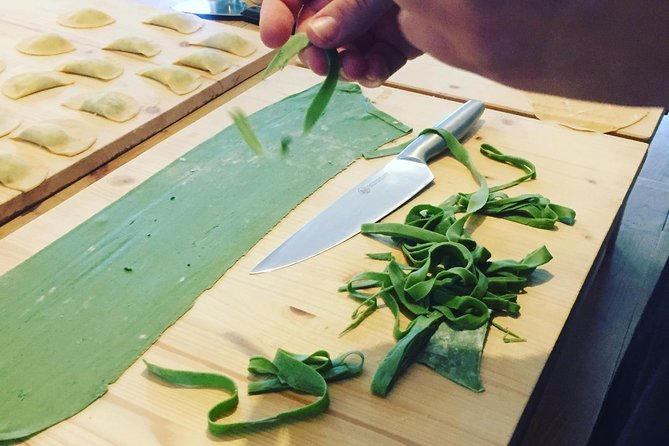
- Fresh ravioli, lasagne, or fettuccine
- A sauce for the pasta
- A second course such as meat rolls or saltimbocca
- A vegetarian alternative
- A tart, parfait, sorbet, ice cream, or another dessert
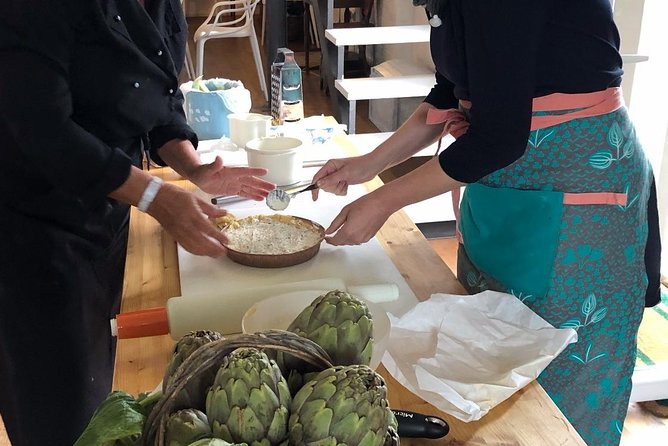
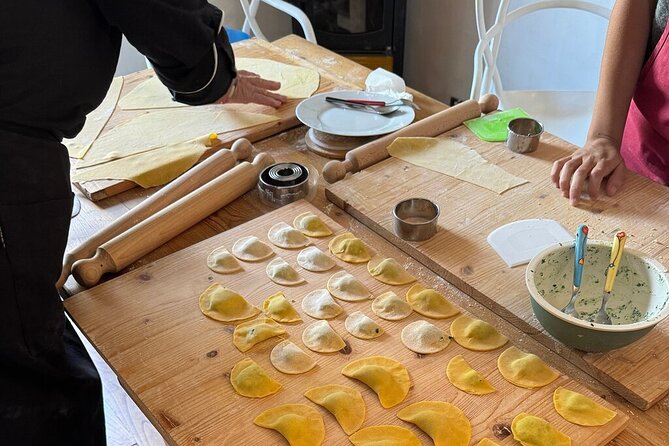
Specific classes have included spinach pasta carbonara, pumpkin ravioli, spinach and ricotta ravioli, fettuccine Amatriciana, stuffed zucchini, fried zucchini blossoms, fried sage leaves, fried artichokes, grilled eggplant, and rolled beef with prosciutto, cheese, and herbs.
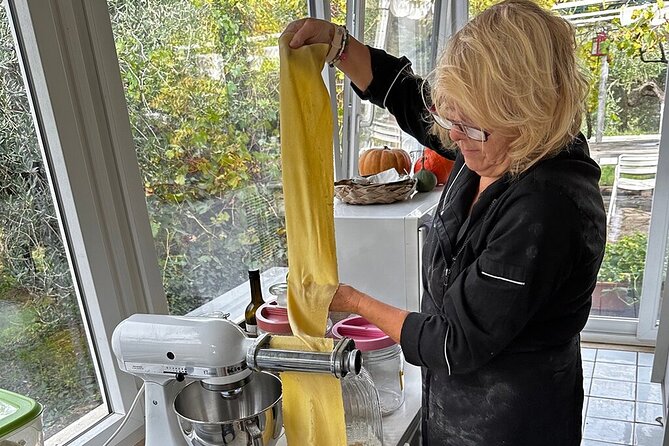
That variety is one of the strongest reasons to choose this class. You leave with more than one recipe and a better sense of how an Italian meal is built. Claudia explains the steps, demonstrates techniques, and lets you take part in the preparation. You can ask why a dough feels right, how to shape ravioli, or how to use vegetables in several ways.
The ingredients are part of the lesson. The pasta uses flour from a local mill and eggs supplied by the farmer. Garden herbs and vegetables may go directly from the soil into the kitchen. Olive oil comes from the family’s own olives, and the homemade wine is made on the property.
Do not expect the identical menu shown in a photograph or remembered from another visit. This is a seasonal kitchen. In summer, dessert may be sorbet or ice cream, while colder months can bring sfogliatelle and stuffed pasta. That flexibility is more interesting than a fixed menu, but it means you cannot book this for one exact dish unless the host confirms it.
The garden, olive grove, and homemade ingredients
A walk around the property gives the class a sense of place. You might pick rosemary, other herbs, berries, cherries, or vegetables before returning to the kitchen. The garden is not just decoration. It supplies ingredients for the food you are preparing.
The olive trees and vineyard add another layer. You can see where some of the oil and wine come from, then taste them at lunch. For me, this is more useful than a formal food lecture because the connection is immediate: you see the plants, help gather ingredients, and then eat the finished dishes.
The setting is rustic rather than resort-like. That is part of its appeal, but it also means you should come ready for a working home kitchen and outdoor paths. The experience is about participation and conversation, not a staged photo stop.
More Pasta Making Classes in Rome
- 3 in 1 Cooking Class near Navona: Fettuccine, Ravioli & Tiramisu
★ 5.0 · 7,376 reviews - Rome: Pasta Making Class with Wine, Limoncello, and Dessert
★ 4.9 · 3,177 reviews - Rome Cooking Class: Make Pasta and 3 Spritz Cocktails
★ 5.0 · 2,937 reviews - Rome: 3-in-1 Fettuccine, Ravioli, and Tiramisu Cooking Class
★ 4.9 · 2,704 reviews
Sitting down for the Roman Sunday lunch
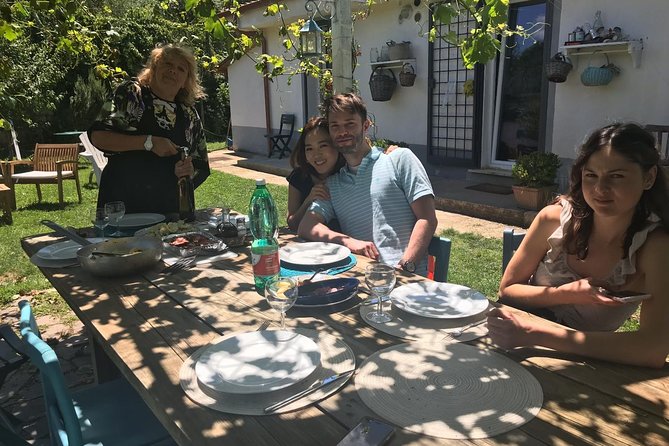
After the cooking, everyone sits down to eat. Depending on the weather, lunch may take place in the garden or in the home’s romantic living room, with views across the property.
You may taste several courses made during the lesson, along with homemade wine and olive oil. The meal can feel like a family gathering, especially when Bruno joins in with music and other family members appear. That warmth is central to the experience. You are not only learning a recipe; you are being welcomed into someone’s home for a long meal.
This is also where the timing can stretch. A three-hour-30-minute estimate includes a lot: garden time, cooking several dishes, sitting down to eat, and possibly coffee or conversation. Do not schedule a tight museum reservation immediately afterward. Give yourself breathing room for the train back to Rome.
Why the price can make sense
At $119.48 per person, this costs more than a basic pasta class in central Rome. The price needs to be judged against what is included in the day, not just the amount of pasta you take home.
You are paying for a small group of up to eight, a hands-on lesson, several courses, a meal, wine, time in a rural home, and possibly station pickup. You also get the setting, the garden, family stories, and a menu that may include five or more dishes. If you mainly want to learn one pasta shape in a central studio, cheaper choices may suit you better.
For someone who values food, personal contact, and a change of pace, the price is easier to justify. The class has a 4.9 rating from 62 ratings, with 98 percent recommending it. Those numbers point to strong consistency, though one serious practical warning should not be ignored: one booking ended in a no-show after unanswered messages and an unsuccessful attempt by the booking service to reach the host.
That appears to be an exception among the supplied feedback, but it is still worth protecting yourself. Confirm the meeting time and train details shortly before departure. Keep all communication in writing, and do not assume station pickup unless it has been clearly arranged.
Who will enjoy this most
This outing suits you if you want a slower, more personal day beyond Rome. It is especially good for couples, families, honeymooners, food lovers, and anyone who would rather share a meal than collect another sightseeing ticket.
It also works well if you want to learn techniques you can use at home. Claudia’s approach includes practical instruction, and the food is varied enough to give you several ideas for your own kitchen. People with dietary needs may be able to receive adjustments. Gluten-free pasta and other substitutions have been arranged before, but you should ask in advance rather than expect a change on arrival.
The class is less suited to anyone who dislikes flexible plans, rural travel, or group cooking. The menu is not fixed, and you may spend a long stretch standing, preparing food, and eating. If your Rome schedule is packed from morning to night, the extra train time may feel like work.
Planning the day without stress
The activity is offered in English and includes a mobile ticket. Confirmation is provided when you book. It is listed as ending back at the meeting point, which means you should plan for the return to Zagarolo station or the agreed local meeting place before heading back to Rome.
Wear clothes that can handle flour, sauce, and garden work. Comfortable shoes are sensible because the day may include walking around the property and village. The listing does not provide detailed accessibility information, so ask the provider directly if you have mobility concerns.
Cancellation is free up to 24 hours before the start time. Cancellations or changes made inside that window are not refunded or accepted. Since the class is often booked about 45 days ahead, reserve early if your dates are fixed, then confirm the practical details closer to departure.
My take on the cooking itself
The strongest feature is the amount of food you help prepare. Making two types of pasta, a starter, vegetables, a main course, and dessert gives you a fuller picture of Italian home cooking than a single-dish lesson.
I also like the balance between instruction and social time. Claudia handles the technical side, while Bruno brings humor, music, local context, and wine. The result can feel more like a Sunday at an Italian home than a formal class.
The tradeoff is that the experience depends on the people and the day. A small group can be wonderfully personal, but it can also mean that the pace follows the hosts and the meal. The menu changes, extra family activity may appear, and the music is informal. Book this for warmth and flexibility, not for a tightly scripted production.
Should you book this Zagarolo cooking class?
Yes, if you want an authentic countryside day and you care as much about meeting people as learning pasta. Claudia’s instruction, Bruno’s hospitality, garden ingredients, homemade wine, and the full Roman lunch make this far more substantial than a quick pasta workshop.
I would skip it if you need a guaranteed dish, a central Rome location, or a perfectly fixed schedule. Before paying, confirm the train, pickup, dietary requests, and expected menu. If those details work for you, this is one of the better ways to turn a Rome food lesson into a real day in the Italian countryside.
FAQ
Where does the cooking class take place?
The class takes place in Zagarolo, in the Metropolitan City of Rome Capital, at Claudia and Bruno’s home and farmhouse.
How long does the activity last?
The cooking experience lasts approximately three hours and 30 minutes. You should also allow time for the train journey between Rome and Zagarolo.
How do I reach Zagarolo from Rome?
The class information identifies Zagarolo as the meeting location. Several arrangements described for the experience use a train from Roma Termini, with Bruno meeting participants at Zagarolo station. Confirm the exact train and pickup plan before the day.
What food will I prepare?
The menu can include starters, handmade ravioli, lasagne, fettuccine, sauces, a second course, vegetables, and dessert. The dishes change with the season and the ingredients available.
Is the cooking class taught in English?
Yes. The experience is offered in English.
Is the class private?
The experience includes a private instructor and has a maximum of eight participants. The exact group size depends on the date you book.
Is wine included?
Homemade wine is served with the meal. Non-alcoholic or dietary arrangements are not specified, so ask the host if you need a particular alternative.
Can dietary requirements be accommodated?
Dietary adjustments have been made for some participants, including gluten-free preferences and vegetarian dishes. Contact the host in advance to discuss your needs.
What is the cancellation policy?
You can cancel for a full refund up to 24 hours before the experience starts. Cancellations or changes made less than 24 hours before the start time are not accepted or refunded.
More Hands-On Workshops in Rome
- Rome: Fettuccine Pasta Cooking Class in Rome’s City Center
★ 4.8 · 2,414 reviews - Fettuccine & Tiramisù: Cooking Class with Wine & Limoncello
★ 4.9 · 2,103 reviews - Pasta Cooking Class Near the Colosseum with 3 Spritz Cocktails
★ 5.0 · 1,686 reviews - Rome: Pasta & Tiramisu Cooking Class near the Spanish Steps
★ 4.8 · 1,395 reviews
More Farm Cooking Classes in Rome
- Focaccia and Pesto Cooking Class in the Roman Countryside
★ 4.5 · 14 reviews - Half-Day Thai Cooking Class at Organic Farm in Chiang Mai
★ 5.0 · 19,087 reviews - Cooking Class and Lunch at a Tuscan Farmhouse with Local Market Tour from Florence
★ 5.0 · 4,831 reviews - Chiang Mai: Authentic Cooking Class with Market & Farm Visit
★ 4.9 · 4,546 reviews
Just added around Rome
- Gluten-Free Roman Feast Cooking Class with Chef Christian★ 5.0 · 36 reviews
- Authentic Pasta and Tiramisu Cooking Course in Spanish Steps★ 5.0 · 28 reviews
- Gelato and Fettuccine Pasta Cooking Class in Rome Piazza Navona★ 5.0 · 143 reviews
- Gnocchi Cooking Class in Rome – Piazza Navona★ 5.0 · 83 reviews
- Focaccia and Pesto Cooking Class in the Roman Countryside★ 4.5 · 14 reviews
- Trionfale Market Tour and Gnocchi Cooking Class with a Masterchef★ 5.0 · 5 reviews
- Gelato & Pizza Cooking Class in Rome★ 4.5 · 29 reviews
- 4 Hour Traditional Italian cooking Experience★ 5.0 · 14 reviews
Pasta Making Classes, compared.
Florence: Pasta Cooking Class with Unlimited Wine
Read our review →
3 in 1 Cooking Class near Navona: Fettuccine, Ravioli & Tiramisu
Read our review →
Rome: Pasta Making Class with Wine, Limoncello, and Dessert
Read our review →
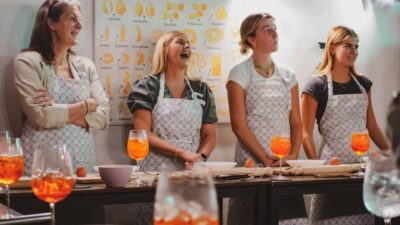
Rome Cooking Class: Make Pasta and 3 Spritz Cocktails
Read our review →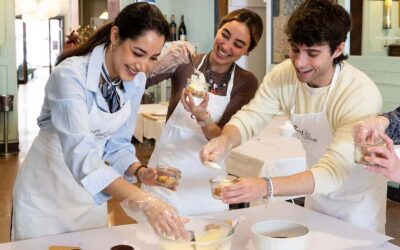
Rome: 3-in-1 Fettuccine, Ravioli, and Tiramisu Cooking Class
Read our review →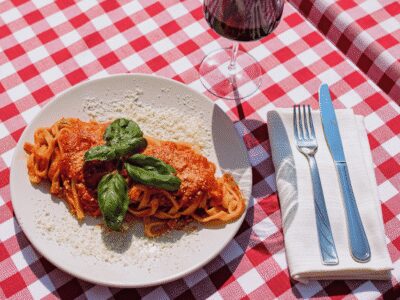
Rome: Fettuccine Pasta Cooking Class in Rome’s City Center
Read our review →Browse the lists this tour appears in