
Review · ROME
Exclusive cooking class in Roman countryside with local chef
The best part of this outing is that it takes you beyond Rome’s crowded center and into a real home in Zagarolo, where Claudia teaches you to make an Italian Sunday lunch from scratch. You may prepare handmade pasta with local flour, fresh eggs, seasonal vegetables, a main course, and dessert, then sit down to eat it with Claudia and Bruno.
I like the small group of no more than eight, which gives the class a personal feel, and I like the station pickup, since you do not need to find a country house on your own. The main drawback is the meeting point: you must reach Zagarolo Station independently, and the train instructions deserve careful attention before you leave Rome.
Key things to know before booking
- Meet Bruno at Zagarolo Station: He waits in the square in a gray car and drives you to Claudia’s home.
- Cook a full Sunday lunch: The menu can include bruschette, vegetable fritters, handmade pasta, a second course, and dessert.
- Menus change with the season: Summer may bring sorbets and ice cream, while winter can mean stuffed pasta and sfogliatelle.
- Eat what you make: Your three-course meal comes with bottled water and alcoholic drinks, including homemade wine.
- Enjoy a country setting: You can eat in the garden under the pergola or in the romantic living room, depending on the day.
- Allow about 3.5 hours: The activity begins and ends at Zagarolo Station, not in central Rome.
Leaving Rome for a home-cooked Sunday lunch
Roman sightseeing can be tiring. After churches, ruins, traffic, and packed cafés, a half-day in the countryside offers a welcome change of pace. This class takes you to Zagarolo, a town between two valleys southeast of Rome, for a meal built around the Italian Sunday tradition.
Sunday lunch in Italy is more than a plate of food. It is a long social meal, often made at home and shared around a family table. Here, you get to take part in that rhythm rather than simply watch someone prepare a dish in front of you.
The experience is hosted by Claudia, the chef, and Bruno, who handles the station pickup and return transfer. You meet Bruno at Zagarolo Station, then ride to their home for the cooking session. At the end, he brings you back to the same station.
That arrangement makes the countryside visit fairly simple, but it also means the train connection matters. For the morning option, the instructions give a train from Rome Termini at 9:14, with arrival at Zagarolo after about 25 minutes. A return train is listed at 14:05, though you should check the current Trenitalia schedule before booking because train times can change.
More Farm Cooking Classes in Italy
- Cooking Class in Rome’s Countryside
★ 5.0 · 271 reviews - Mazzano Romano: Cooking Lesson and Lunch in the Countryside
★ 5.0 · 15 reviews - Cooking Class and Lunch at a Tuscan Farmhouse with Local Market Tour from Florence
★ 5.0 · 4,831 reviews
What happens in Claudia’s kitchen
The class begins with an apron and practical work. You are not simply watching a demonstration. You help prepare several parts of the meal, starting with the first course and working through pasta, the main dish, and dessert.
The exact menu changes by season. That is a good sign for a home-based cooking class because Italian cooking is tied closely to what is available at the time of year. In summer, you might make sorbets or ice cream. In winter, the class may focus on sfogliatelle or stuffed pasta.
The opening dishes can include vegetable fritters or savory strudel, along with bruschette topped with vegetables and cheese. These are useful recipes to learn because they work well as casual starters at home and do not require elaborate equipment.
The pasta is made by hand with flour from a local mill and eggs supplied by a farmer. You may prepare lasagne, ravioli, or fettuccine, depending on the class menu. This is the heart of the lesson, and it gives you a chance to learn the feel of pasta dough rather than only memorizing a recipe.
You also prepare the sauce for the pasta. The supplied information does not name a fixed sauce, so do not expect one guaranteed recipe every time. The changing menu is part of the appeal, but it also means you should ask about the planned dishes if you have a particular pasta preference.
For the main course, the options can include rolls or saltimbocca. Vegetarians are offered a special dish, but you must tell the host about dietary needs in advance. That point matters because this is a complete meal, not a single pasta demonstration.
Dessert completes the work. The class may include a parfait or a tart made together with the group. After several hours of chopping, mixing, shaping, and cooking, dessert gives you one more recipe to take home and try again.
Eating the meal you prepared
The meal is the payoff, but it is also another part of the lesson. You can taste the difference between a dish you watched someone make and one you shaped with your own hands.
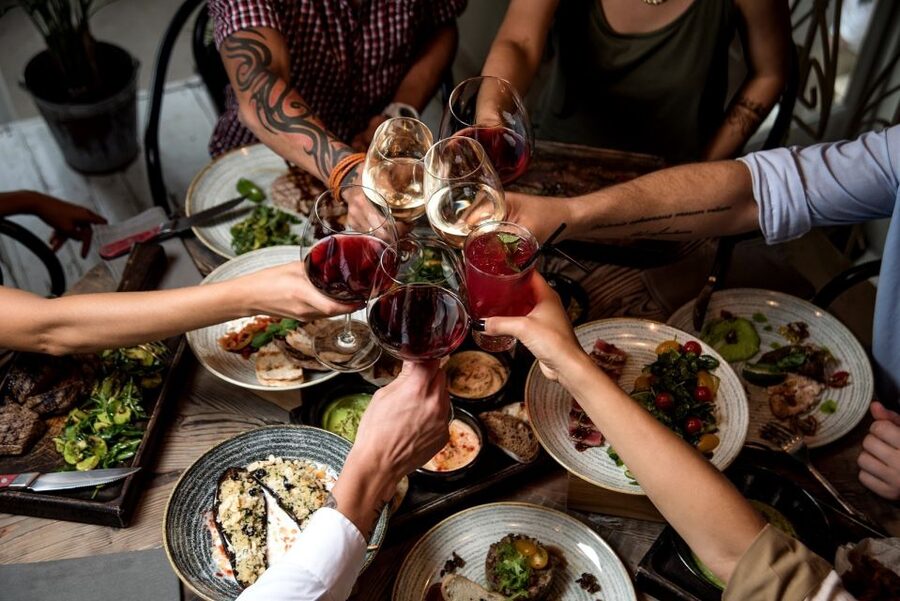
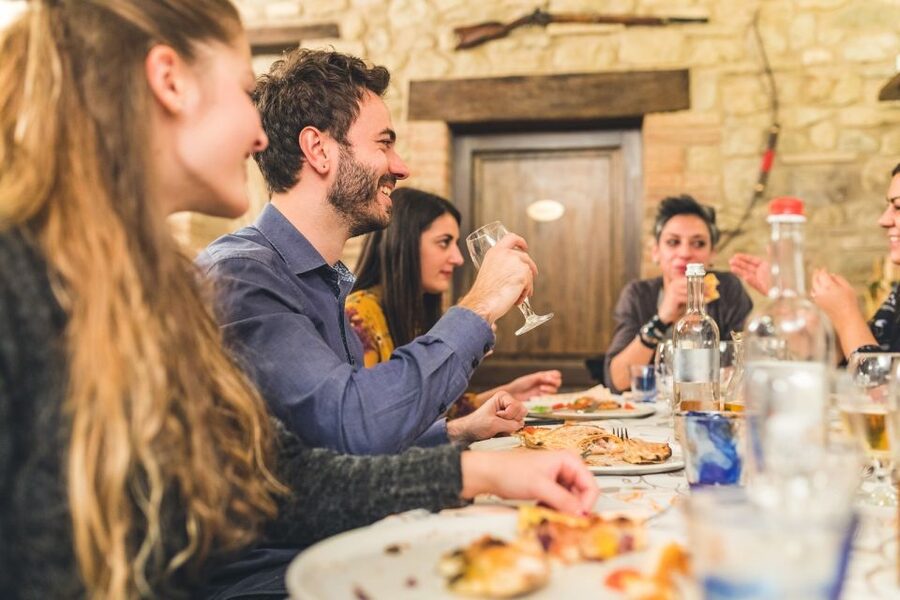
Lunch or dinner includes three courses, bottled water, and alcoholic beverages. Homemade wine is part of the convivial table setting. If you do not drink alcohol, the included drinks should not affect your decision, but it is worth remembering that the meal is built around wine and shared dining.
The setting can be especially pleasant. You may eat in the garden under the pergola, with views across the countryside, or inside in the romantic living room. The outdoor option depends on the season and conditions, so you should not treat it as guaranteed.
The household atmosphere is central to the outing. Claudia teaches from her own kitchen, and you may pick fresh herbs from the garden for the meal. She can explain how the herbs look and smell as you gather them, turning a simple ingredient into part of the lesson.
Bruno adds a different touch. One account describes him playing a keyboard and singing while the meal was prepared. That musical welcome will not appeal to everyone, but it fits the warm, family-style setting and gives the afternoon a personal character that a formal school may not offer.
Why the small group matters
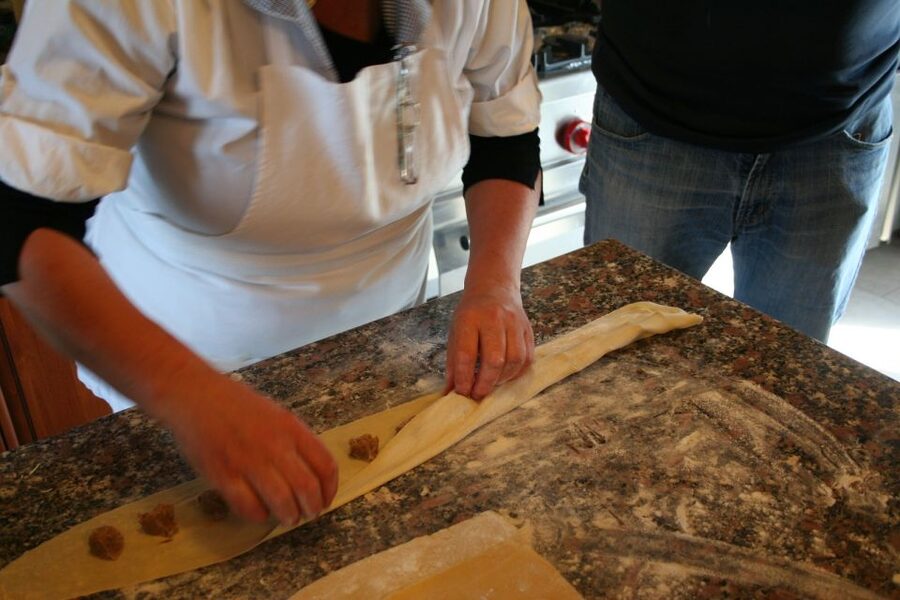
The group is limited to eight people. That is small enough for you to get involved without waiting through a long line of cooks, yet large enough to create a social table at mealtime.
A small group also helps with questions. You can ask about pasta texture, sauces, seasonal ingredients, or how to repeat a dish at home. The experience includes recipes to take with you, so the class has value beyond the meal itself.
The personal format can also feel less polished than a large cooking school. You may find the instructions informal, and the day depends on the hosts’ home routine. If you want exact measurements, a strict timetable, and restaurant-style presentation, this may feel loose.
If you prefer meeting local people and learning in a lived-in setting, the informality is a strength. The emphasis is on making food together, not putting on a carefully staged show.
More Farm Cooking Classes in Rome:
- Half-Day Thai Cooking Class at Organic Farm in Chiang Mai
★ 5.0 · 19,087 reviews - Chiang Mai: Authentic Cooking Class with Market & Farm Visit
★ 4.9 · 4,546 reviews - Ubud: Balinese Cooking Class at an Organic Farm
★ 5.0 · 1,786 reviews - From Ubud: Authentic Cooking Class in a Local Village
★ 4.9 · 1,325 reviews
Getting to Zagarolo from Rome
You are responsible for reaching Zagarolo Station. The meeting point is not a central Rome hotel or a major tourist sight, so plan this part before the day of the class.
The morning instructions specify a train from Termini Station at 9:14. The ride takes about 25 minutes, and Bruno waits in the station square in a gray car. The host then drives you to the home, removing the need to arrange a taxi for the final stretch.
Buy your return ticket in advance through Trenitalia if possible. The instructions state that you do not need to validate the ticket at the station, which is useful because Italian rail procedures can be confusing. Still, check the current instructions and schedule when you book.
The listed return train is at 14:05. Since the activity lasts about 3.5 hours, the timing may be tight for the morning version. Confirm the exact start and end times, especially if you have another Rome booking later that afternoon.
Evening, weekend, and holiday trains may follow different schedules. The activity information includes a timetable image for those options, but you should still verify the connection before setting out.
Price and what you receive for $112.15
At $112.15 per person, this is not a cheap meal, but it is more than a meal. The price covers a hands-on class, a three-course lunch or dinner, bottled water, alcoholic drinks, recipes, and transfers between Zagarolo Station and the chef’s home.
The transfer is important to the value. You are not paying for a class in central Rome, where rent and restaurant overhead shape the price. Instead, you are paying for a half-day outing that includes the train journey on your own, a private home setting, instruction, food, drinks, and local transport at the destination.
The class also gives you several recipes rather than one finished dish. If you cook from the recipes later, the value continues after your trip. Handmade pasta, a simple bruschetta topping, a seasonal dessert, or a vegetable starter can all become useful additions to your home kitchen.
I would compare this price with the cost of a standard Rome cooking class plus lunch. The better comparison is not only the amount of food. It is the countryside setting, the small group, the hosts’ home, the station pickup, and the chance to take part in an Italian Sunday meal.
The value is weaker if you mainly want a quick cooking demonstration close to your hotel. In that case, the train ride and countryside transfer add time without solving your main need.
Dietary needs and the changing menu
Dietary restrictions can be accommodated when you notify the host in advance. Vegetarians are specifically offered a special main course.
You should share restrictions at booking rather than waiting until you arrive. Because the class involves several courses and ingredients are prepared ahead of time, advance notice gives Claudia a fair chance to adjust the menu.
The seasonal format means you should keep an open mind. You may not receive the exact pasta or dessert you imagined, but you get a menu shaped by the time of year. That is closer to how many Italian home kitchens actually work.
The experience is best for people who enjoy trying several dishes. If you have a long list of restrictions, ask for confirmation before paying so you know the complete meal can be adapted.
Who will enjoy this cooking class most
I would recommend this outing to you if you want a slower, more personal side of Lazio. It suits couples, families, and small groups who like food, conversation, and time in a private home more than a polished restaurant lesson.
It is also a good choice if you have already seen Rome’s major sights and want a change of scenery. Zagarolo gives you a reason to leave the city without committing to a full-day excursion.
You should be comfortable with a hands-on activity. You may be standing, handling dough, preparing ingredients, and working through several recipes. The supplied information does not give detailed accessibility guidance, so ask the provider if you have mobility concerns.
Children may enjoy the food preparation, but the activity details do not set a minimum age or describe special arrangements for young participants. Ask before booking if your group includes children.
This is less suited to you if you dislike shared meals, do not want to take a train, or need a precise return time. The relaxed household format is part of the appeal, but it also means the day may not move with the exact speed of a commercial kitchen.
Booking details worth checking
The experience lasts about 3.5 hours and is offered in a small group of up to eight people. English and Italian are available.
You can cancel up to 24 hours before the activity for a full refund. You can also reserve now and pay later, which helps if your Rome schedule is still changing.
Check the available start times carefully. The morning option has a clear train plan from Termini, but evening, weekend, and holiday connections need separate attention.
The activity ends back at Zagarolo Station after Bruno drives you from the house. From there, you continue to Rome by train on your own.
Should you book it?
Book this class if you want home cooking, personal hosts, and a countryside setting rather than a quick lesson in central Rome. Claudia’s seasonal menus, handmade pasta, garden herbs, and shared meal give the outing a real connection to daily Italian food traditions.
The strongest reasons to go are the small group, the station transfer, the recipes, and the chance to eat what you prepare. Bruno’s music and the garden setting can add a warm family feel, though neither should be treated as the main reason to book.
Skip it if you need a city-center meeting point, a fixed menu, or a tightly timed schedule. For everyone else, $112.15 is a fair price for a half-day that combines instruction, food, drinks, transport at the destination, and a genuine look at an Italian Sunday table.
FAQ
Where does the cooking class take place?
The class takes place at Claudia’s home in Zagarolo, in the Roman countryside between two valleys.
Where do I meet the hosts?
You meet Bruno at Zagarolo Station. He waits in the square in a gray car and drives you to the chef’s home.
How do I reach Zagarolo Station from Rome?
The morning instructions give a train from Rome Termini at 9:14, with arrival at Zagarolo after about 25 minutes. Check Trenitalia for current train times before leaving.
How long does the activity last?
The cooking class and meal last about 3.5 hours. The activity ends back at Zagarolo Station.
What food will I prepare?
The menu can include vegetable fritters or savory strudel, bruschette, handmade lasagne, ravioli or fettuccine, a main course such as rolls or saltimbocca, and a parfait or tart. Dishes vary by season.
Are drinks included?
Yes. Bottled water and alcoholic beverages are included, including homemade wine.
Can dietary restrictions be accommodated?
Yes, dietary restrictions can be accommodated when you notify the host in advance. A special main course is available for vegetarians.
How many people can join the class?
The activity is limited to eight participants. The hosts speak English and Italian.
More Hands-On Workshops in Rome
- 3 in 1 Cooking Class near Navona: Fettuccine, Ravioli & Tiramisu
★ 5.0 · 7,376 reviews - Rome: Pasta Making Class with Wine, Limoncello, and Dessert
★ 4.9 · 3,177 reviews - Rome Cooking Class: Make Pasta and 3 Spritz Cocktails
★ 5.0 · 2,937 reviews - Rome: 3-in-1 Fettuccine, Ravioli, and Tiramisu Cooking Class
★ 4.9 · 2,704 reviews
Just added around Rome
- Rome: Pizza and Tiramisu Cooking Class Near the Colosseum★ 5.0 · 134 reviews
- Rome: Pasta Cooking Class in a Professional Pasta Laboratory★ 4.9 · 157 reviews
- Rome: Pasta Making Workshop with Lunch★ 4.8 · 11 reviews
- Gnocchi Cooking Class in Rome – Piazza Navona★ 4.6 · 75 reviews
- Rome: pasta and tiramisu cooking class in the city center★ 4.8 · 28 reviews
- Rome: Pasta Fettuccine, Ravioli & Tiramisu Cooking Class★ 5.0 · 6 reviews
- Rome: Pasta Cooking Class with Wine, Coffee, and Limoncello★ 5.0 · 7 reviews
- Rome: Hands-On Pizza Making Class near the Vatican with Wine★ 4.8 · 102 reviews
Farm & Countryside Cooking Classes, compared.
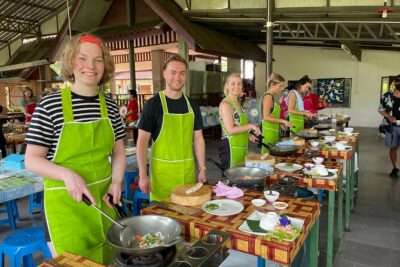
Half-Day Thai Cooking Class at Organic Farm in Chiang Mai
Read our review →
Cooking Class and Lunch at a Tuscan Farmhouse with Local Market Tour from Florence
Read our review →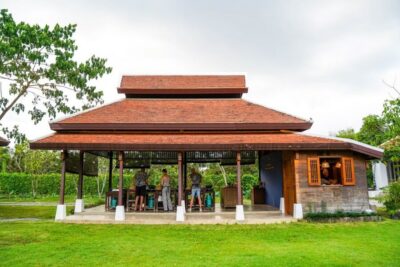
Chiang Mai: Authentic Cooking Class with Market & Farm Visit
Read our review →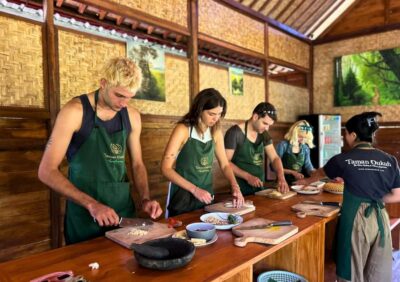
Ubud: Balinese Cooking Class at an Organic Farm
Read our review →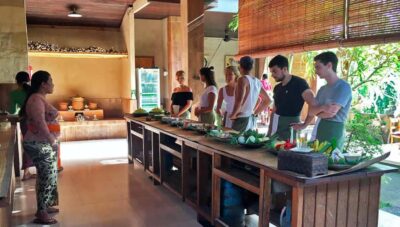
Ubud: Authentic Cooking Class in a Local Village
Read our review →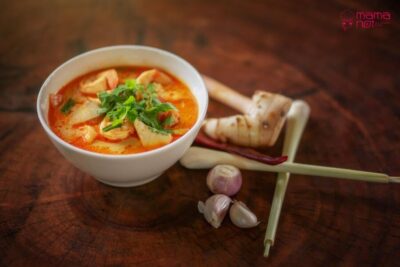
Chiang Mai: Cooking Class with Organic Farm at Mama Noi
Read our review →

Hands-On Cooking Class & Farmhouse Tour on the Amalfi Coast
Read our review →Browse the lists this tour appears in