
Review · GREECE
Crete: Cooking classes. Based on Cretan cuisine
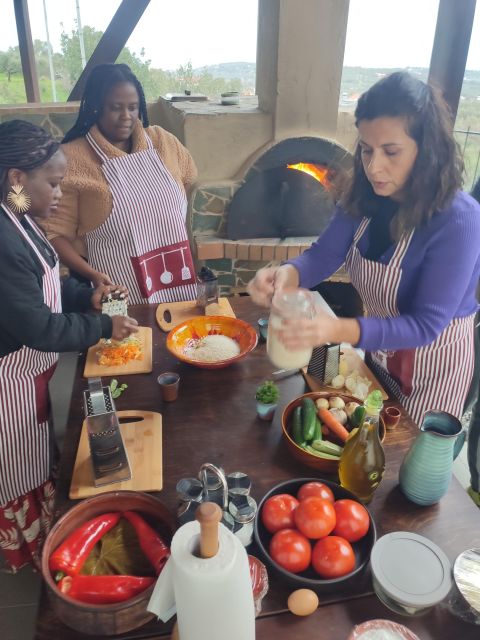
The heart of this Cretan cooking class is not a polished restaurant lesson. It is a chance to work with the food of an everyday household, from garden vegetables and wild greens to sheep and goat milk, olive oil, and dishes cooked in a wood-fired oven. Host Chrysoula leads the session in English or Greek, and the meal you make becomes the meal you share.
I like the personal welcome, especially the raki or Greek coffee and the relaxed feel of cooking with Chrysoula. I also like the outdoor setting, with an olive grove below and produce coming straight from the garden. The main consideration is transport: it is not included, and the meeting point is on the road, so you need to arrange your own way there or request a transfer quote.
Key points
- Chrysoula’s warm, family-style hosting: You cook and chat together rather than simply watching a demonstration.
- A full Cretan menu: Make pies, tzatziki, Greek salad, dolmadakia, moussaka, giouvetsi, and dessert.
- Seasonal local ingredients: Expect greens, herbs, fruit, fresh milk, meat, garden produce, and plenty of olive oil.
- Wood-fired cooking: Rooster with orzo is prepared in an olive wood-fired oven.
- A meal at the end: The dishes are not just samples. You sit down and enjoy what you have prepared.
- Useful practical details: The class lasts 3.5 hours, costs $153 per person, and allows cancellation up to 24 hours before the start.
A Cretan kitchen instead of a cooking show
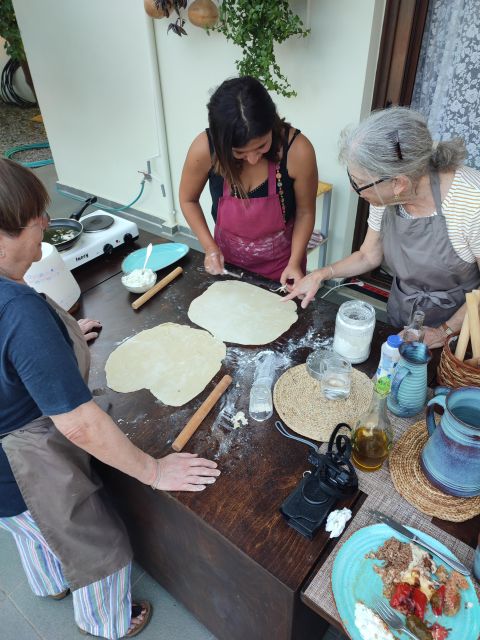
Many cooking classes are built around a short demonstration followed by a quick taste. This one gives you a fuller picture of Cretan food. You prepare several dishes, hear about the local diet, and then eat the entire spread together.
That matters because Cretan cooking is less about complicated technique than about good ingredients and patient preparation. The food described here uses few extra spices or flavor enhancers. Olive oil, herbs, fresh produce, cheese, and careful cooking do most of the work.
I would choose this class if you want to understand how a traditional meal fits together. You are not making one fashionable dish and leaving. You are working through pies, salads, stuffed leaves, a main course, and dessert, with enough food to feel like a proper meal.
The tone is also important. Chrysoula’s role appears to be part instructor and part welcoming host. The cooking is social, and the reviews describe the atmosphere as similar to visiting a beloved aunt. That gives the class a more personal feel than a formal culinary school lesson.
More Hands-On Workshops in Greece:
- Athens: Classic Cooking Class with Market Visit and Wine
★ 5.0 · 1,101 reviews - Athens: Food Market Visit and Cooking Class with Wine
★ 4.9 · 1,087 reviews - Greek Cuisine Cooking Class in Santorini with Recipes and Wine
★ 5.0 · 969 reviews
Meeting Chrysoula near Rethymno
The activity takes place in the Rethymno area, at the meeting point marked 9H27+M8. The stated meeting location is on the road, where Chrysoula waits to meet you and direct you to the cooking site.
You should pay attention to this detail when planning your day. Transportation is not included, and the activity does not provide a tour guide or standard pickup in the listed price. The provider can be contacted about transfer services, but that cost is separate.
The meeting arrangement sounds simple once you arrive, but the road-side location means you should not treat it like a clearly marked city-center restaurant. Confirm the directions before setting out, especially if you are unfamiliar with the area.
The class is wheelchair accessible, which is useful information for anyone checking access in advance. Starting times vary, so you need to check availability for your chosen date.
The welcome: raki, coffee, and cheese
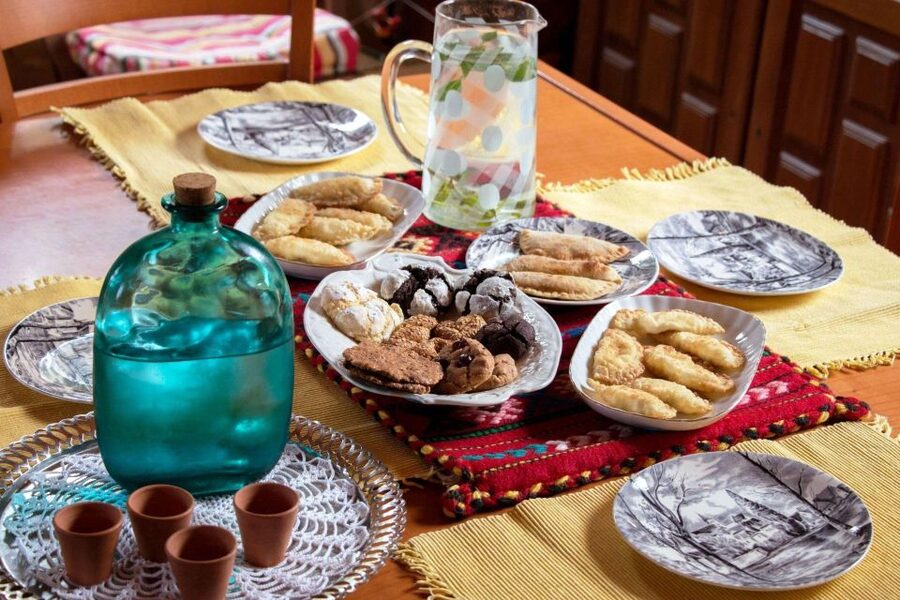
The session begins with a Cretan welcome. You are offered raki or Greek coffee, along with cheese and small pies made with homemade cheese and honey.
Raki is a well-known local drink, but you can choose Greek coffee instead. That choice is practical if you do not drink alcohol or want to stay focused during the cooking. The opening bite gives you an early taste of the ingredients that will shape the rest of the meal.
The small cheese pies with honey bring together two familiar Cretan ideas: fresh dairy and something sweet. They are not just a snack to fill time. They introduce the balance of savory cheese, local dairy, and natural sweetness that appears again at dessert.
This opening also gives you time to settle in. With English and Greek spoken during the activity, you can ask questions and follow the work at your own pace.
Greens, herbs, and the logic of Cretan food
A useful part of this class is the explanation of the Cretan diet. The cooking centers on seasonal greens, herbs, fruit, wild greens, fresh milk, fresh meat, and olive oil. These are not presented as rare specialty products. They are described as ingredients tied to daily life and older family recipes.
That focus makes the class worthwhile even if you already know Greek food. You get a better sense of why Cretan dishes can taste full without a long list of seasonings. The method relies on produce, herbs, good oil, and the time needed to bring them together.
The reference to wild greens is especially interesting. Chortopites, or pies filled with different wild greens, show how local cooking makes use of what grows around the island. The exact greens can vary with the season, so you should expect the menu to reflect what is available rather than a fixed restaurant-style formula.
I like this approach because it connects the finished food to the land without turning the lesson into a lecture. You are preparing dishes while learning why these ingredients matter.
A few more cooking classes around Greece worth a look
- Naxos: Half-Day Cooking Class at Basiliko Family Tavern
★ 5.0 · 887 reviews - Greek Cooking Class in Athens Including Rooftop Dinner with Acropolis View
★ 5.0 · 826 reviews - Greek Small-Group Athens Cooking Class & Dinner
★ 5.0 · 574 reviews - Exclusive Cooking Experience in our Cave Home by Petra Kouzina
★ 5.0 · 572 reviews
Making chortopites and cheese pies
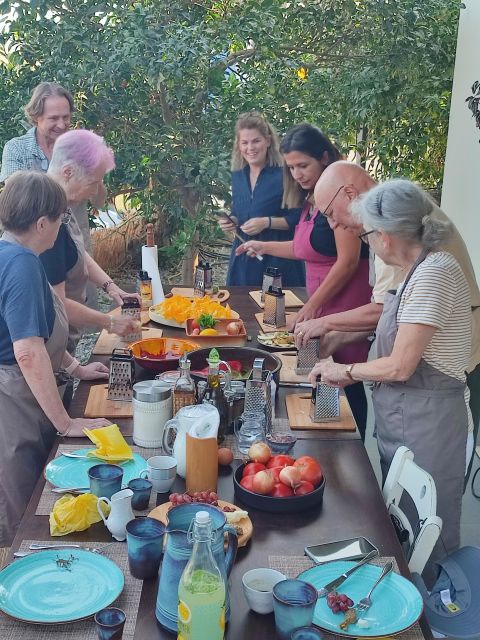
The pie portion gives you two different looks at Cretan pastry. The cheese pies are small and served with honey, while the chortopites are filled with a mix of wild greens.
The contrast is helpful. One pie leans toward creamy and sweet, while the other depends on greens and herbs. You can see how the same basic idea changes with the filling.
Homemade cheese is also part of the menu, made from fresh sheep and goat milk. That is a specific detail worth noting if dairy is one of your reasons for taking a local food class. You are not simply being served packaged cheese alongside bread. The activity presents cheese as part of the work and food culture of a Cretan household.
Because the full class lasts 3.5 hours, there is time for several preparations. Still, the exact amount of hands-on work for each dish is not specified. If you want a highly technical pastry lesson, this may not be the right choice. If you want to make and eat a wide range of home-style dishes, it fits better.
Tzatziki and a proper Greek salad
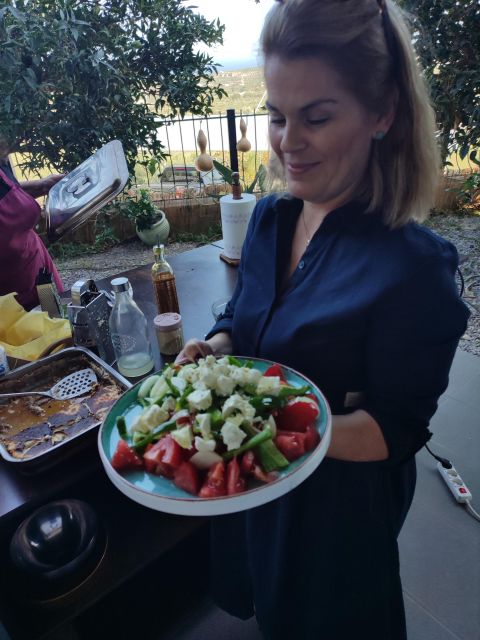
The cold dishes are simple, but they help you understand how much depends on balance. Tzatziki combines strained yogurt, cucumber, garlic, and olive oil. The Greek salad includes tomatoes, cucumber, green pepper, onion, capers, olives, and homemade barley rusk, with plenty of olive oil.
The barley rusk is an important local touch. It gives the salad more substance than a bowl of vegetables alone, and it reflects the use of sturdy grain products in Cretan cooking.
You can also see why the oil matters. It is used in the tzatziki, salad, stuffed vegetables, and cooked dishes. The class describes Cretan olive oil as a central ingredient, not a finishing detail added at the table.
I would pay close attention here if you want ideas to use at home. These recipes are not dependent on unusual equipment or difficult sauces. The challenge is using fresh ingredients well and keeping the flavors clear.
Dolmadakia and stuffed zucchini flowers
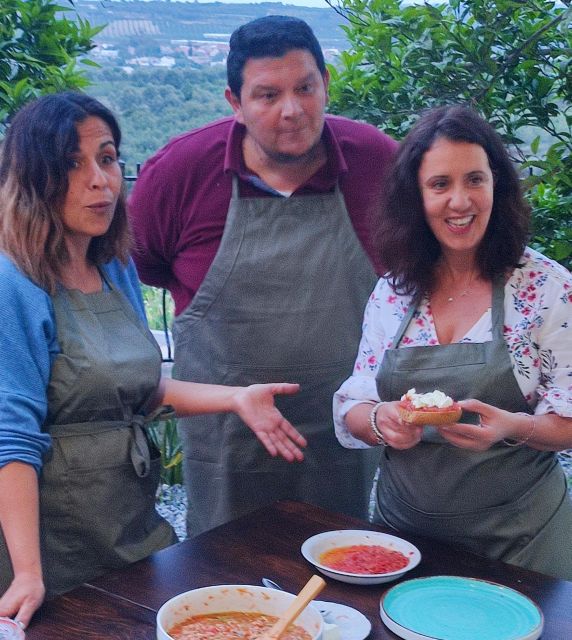
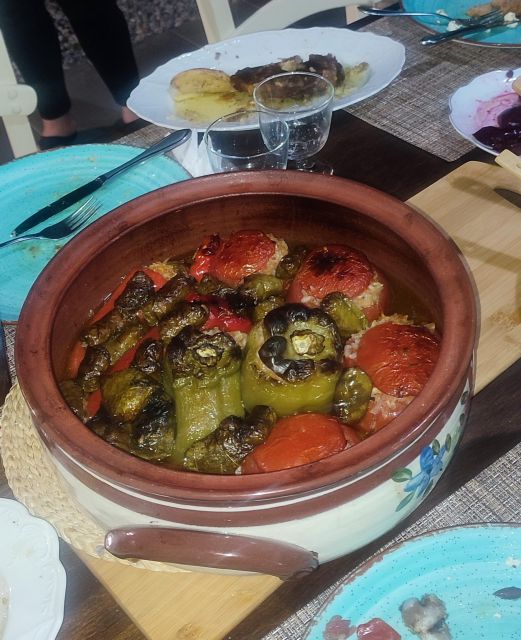
The stuffed dishes are dolmadakia, or vine leaves filled with rice, vegetables, herbs, and olive oil. Zucchini flowers are also stuffed with a similar mixture.
This is one of the more hands-on parts of the menu. Stuffed leaves and flowers require preparation, filling, and careful handling. They also show how Cretan cooking makes a meal from vegetables, rice, herbs, and oil rather than treating meat as the only main attraction.
The menu does include meat later, but these dishes give the meal variety. You get soft vegetables, fragrant herbs, and a filling that works as a small plate or side dish.
The information provided does not specify how many participants attend or how much individual instruction each person receives. If you are booking because you want private, one-to-one coaching, ask about the group format first. The class is clearly participatory, but the exact level of personal attention is not stated.
Moussaka and giouvetsi from the oven
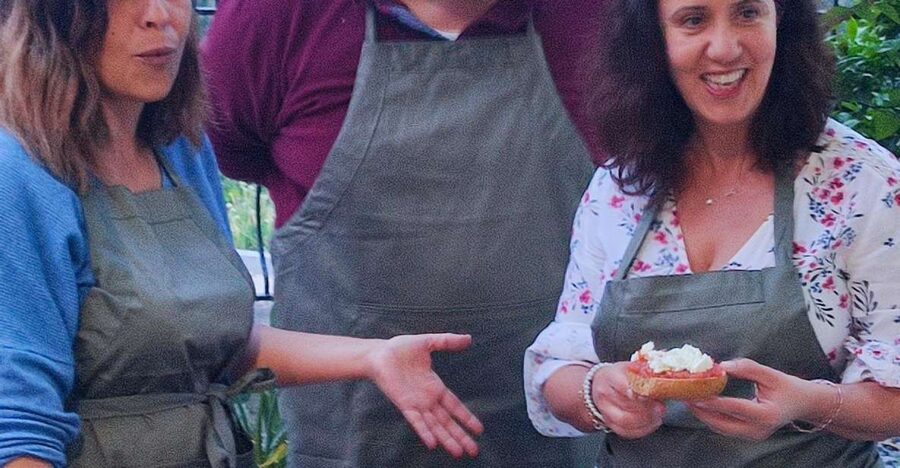
The two main dishes bring the meal into more familiar Greek territory. Moussaka is prepared with potatoes, zucchini, aubergines, minced meat in tomato sauce, and béchamel. Giouvetsi features rooster with orzo, cooked in an olive wood-fired oven.
Moussaka is a useful dish to make in a class because it has several parts. You can see how the vegetables, meat sauce, and béchamel come together instead of meeting the finished dish only at a restaurant table. The recipe also makes clear that this version is not limited to aubergine. Potatoes and zucchini are part of the preparation.
Giouvetsi gives the menu a stronger Cretan character through rooster and the wood-fired oven. Cooking in an olive wood-fired oven adds a traditional element, although the available details do not promise that every participant will operate the oven themselves.
The two main dishes also mean you should arrive hungry. This is not a light tasting menu. Along with the pies, cheese, salad, stuffed vegetables, and dessert, the meal is designed to be generous.
Sitting down to eat what you made
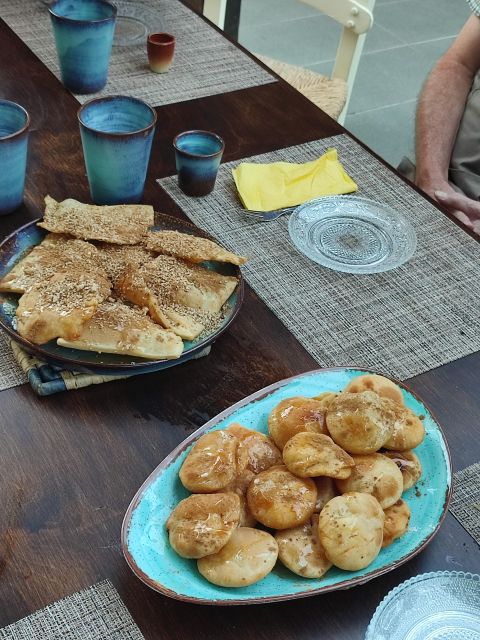
At the end, you share the dishes prepared during the class. Red or white wine is included, along with dessert: strained Greek yogurt or homemade ice cream with homemade fruit sweet.
This final meal is a strong part of the value. You are not paying only for instruction. The price also covers a substantial spread of food and drinks, plus the social time of sitting down together.
The dessert options continue the same plain, ingredient-led style. Strained yogurt is familiar and straightforward, while homemade ice cream with fruit sweet gives you a different finish. The exact dessert served may depend on what is prepared that day.
The shared meal is also where the class becomes more than a list of recipes. You have handled the ingredients, watched the dishes come together, and can connect each plate with the work behind it.
What $153 gets you
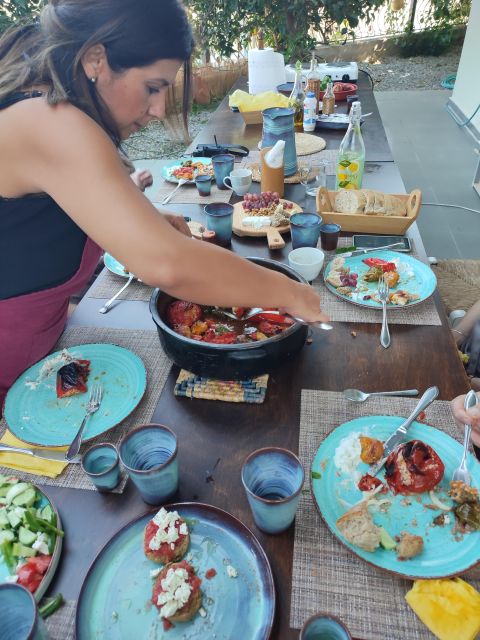
At $153 per person, this is not a budget meal or a quick market snack. The value depends on how much you want from a cooking class.
You are paying for 3.5 hours, instruction in English or Greek, an aperitif, a wide menu, wine, dessert, and the meal itself. Homemade cheese, wild greens, stuffed vine leaves, moussaka, and wood-fired giouvetsi give the session more range than a class focused on one recipe.
I think the price makes better sense for people who value food, conversation, and a full meal as one experience. If you only want to learn how to make one inexpensive Cretan dish, it may feel costly. If you want an afternoon built around local cooking and a generous table, the package is easier to justify.
Transport is the key extra cost to remember. It is not included, and you may need to arrange a transfer. Ask for the price before booking if you do not have your own transport.
Who should book this class
I would recommend it to couples, families, and small groups who enjoy eating together and want a personal look at Cretan food. It suits someone who likes practical recipes, local ingredients, and a relaxed host more than someone seeking a formal chef-led masterclass.
It is also a good fit if you want a break from restaurant meals. You are not just ordering dishes from a menu. You are learning how a collection of simple ingredients becomes a complete Cretan spread.
People with strong food restrictions should ask for details before booking. The menu includes dairy, meat, yogurt, wine, and several wheat-based dishes, and no information is provided about substitutions.
Bring a camera if you want to record the setting and finished dishes. The cooking takes place in an outdoor kitchen, with an olive grove below and a garden supplying some of the ingredients. Those details give you something more memorable to photograph than a standard indoor classroom.
Practical details before you reserve
The class lasts 3.5 hours and returns to the same general meeting point. English and Greek are the listed activity languages, and the class is wheelchair accessible.
You can cancel up to 24 hours before the start for a full refund. You can also reserve now and pay later, which helps if your Cretan schedule is still changing.
The activity has a perfect five-star rating from three verified bookings, with comments praising the welcome, the cooking, the outdoor kitchen, and the amount of food prepared. I would treat that as encouraging but still remember that three ratings are a small sample.
The clearest repeated strength is Chrysoula’s manner. She is described as warm, friendly, and easy to be around, with the cooking feeling like time spent with family. The setting and the shared meal receive just as much attention as the recipes.
Should you book it?
Book this class if you want a warm, food-centered afternoon in the Rethymno area and you enjoy taking part rather than watching from the side. Chrysoula’s friendly hosting, the outdoor kitchen, garden ingredients, olive wood-fired oven, and generous final feast give the experience a clear sense of place.
Think twice if you need included transportation, a tightly timed professional lesson, or a menu built around dietary substitutions. For everyone else, $153 buys much more than a recipe demonstration: it buys time at a Cretan table, with the meal made together and eaten together.
FAQ
How long does the Cretan cooking class last?
The cooking class lasts 3.5 hours, including the preparation, cooking, and shared meal.
Where does the activity take place?
It takes place in the Rethymno area. The meeting point is listed as 9H27+M8, on the road, where the hostess waits to meet you and direct you.
Is transportation included?
No. Transportation is not included in the activity price. You can contact the provider about transfer services and ask for a separate price.
Who leads the cooking class?
The host is Chrysoula. The activity is offered in English and Greek.
What food will I prepare?
The menu includes cheese pies with honey, chortopites with wild greens, homemade cheese, tzatziki, Greek salad with barley rusk, dolmadakia, stuffed zucchini flowers, moussaka, and giouvetsi with rooster and orzo.
Are drinks included?
Yes. The welcome includes raki or Greek coffee, and the meal includes red or white wine.
Is the activity wheelchair accessible?
Yes. The activity is listed as wheelchair accessible.
Can I cancel for a refund?
Yes. You can cancel up to 24 hours in advance for a full refund. Reserve now and pay later is also available.
Just added around Greece
- Dining In Rethymno: An Evening Of Cretan Cooking★ 4.9 · 12 reviews
- Crete: Sightseeing Day Trip with Cooking Lesson and Lunch★ 4.8 · 77 reviews
- Corfu: Greek Cooking Class & Olive Oil Tasting★ 5.0 · 178 reviews
- Cooking Lesson in Heraclion by Baxes★ 5.0 · 14 reviews
- Chania Area: Cooking Class at a Farm in Stylos Village★ 5.0 · 15 reviews
- Athens: Cooking Class, Market Visit & Lunch at Local Tavern★ 4.9 · 27 reviews
- Cooking Class & Greek Night Experience★ 5.0 · 3 reviews
- Cook like a Greek in a cooking Class in the heart of Athens★ 5.0 · 12 reviews
Cooking Classes, compared.
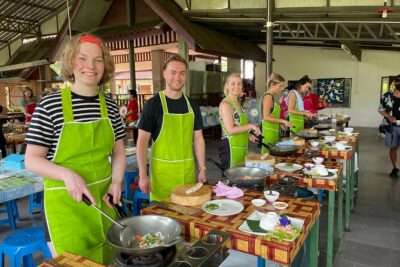
Half-Day Thai Cooking Class at Organic Farm in Chiang Mai
Read our review →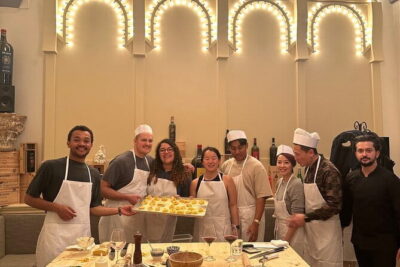
Florence: Pasta Cooking Class with Unlimited Wine
Read our review →
3 in 1 Cooking Class near Navona: Fettuccine, Ravioli & Tiramisu
Read our review →
Hanoi Cooking Class: Culture, Local Market & Meaning CSR Impact
Read our review →
5 Traditional Dishes Hanoi Cooking Class with Market Trip
Read our review →
Cooking Class and Lunch at a Tuscan Farmhouse with Local Market Tour from Florence
Read our review →
Chiang Mai: Cooking Class, Market & Thai Herbs Garden Tour
Read our review →Browse the lists this tour appears in