Review · CROATIA
Split Cooking Class
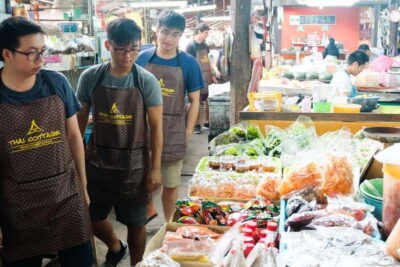
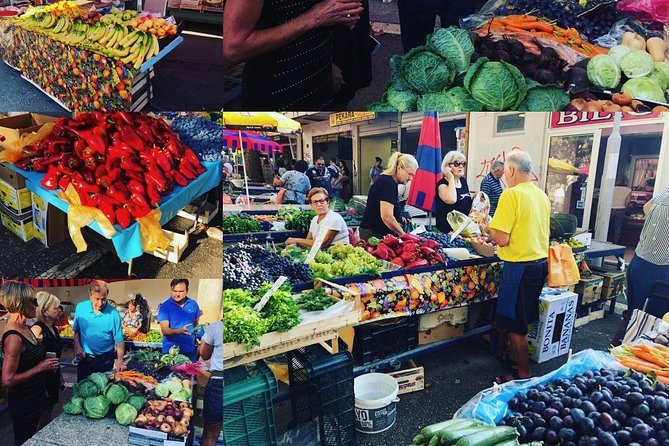
Split’s best cooking lesson starts before you reach the kitchen. At 9:00 a.m., you meet near the Old Town and walk through the Green Market and Split Fish Market, choosing produce and seafood with your chef. Then you turn those ingredients into a generous Croatian meal, with wine and conversation along the way.
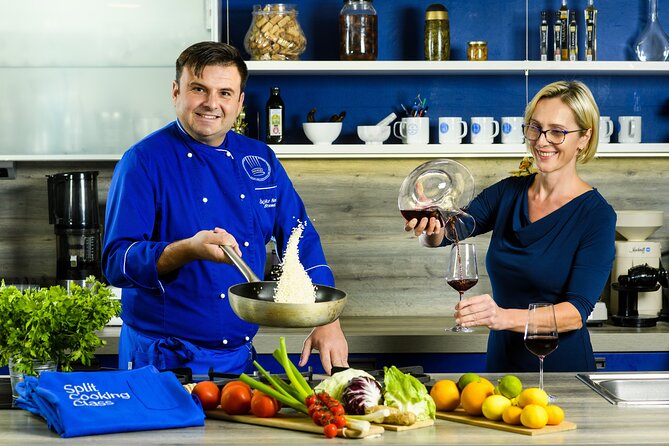
I like the market shopping because it gives the food a clear local setting, and I like that the class is genuinely hands-on. Chefs including Marin, Željko, and Drago have restaurant experience and guide you through practical jobs such as cleaning fish, making bread, preparing sauces, and cooking risotto.
The main consideration is the price: at $211.72 per person, this is a serious splurge for a five-hour activity. You also need to be comfortable walking a little, working in the kitchen, and spending much of the morning around fish and other seafood.
Key points to know before booking
- Market-first format: The morning option includes Split’s Green Market and Fish Market, where you help select the ingredients.
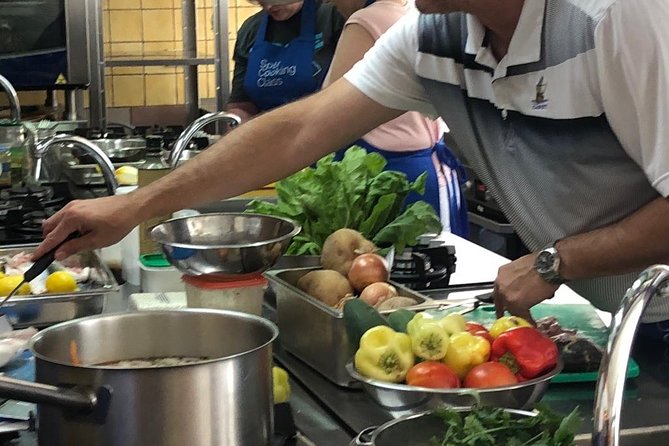
- Real kitchen work: You may clean fish, prepare vegetables, make bread, build sauces, and help with dessert rather than simply watch a demonstration.
- Professional instruction: Chefs such as Marin, Željko, and Drago bring restaurant experience and explain both technique and local food customs.
- A full meal at the end: Snacks, drinks, wine, coffee or tea, lunch, and the food you prepare are included.
- Small-group setting: The class has a maximum of 12 people, with many sessions forming smaller working groups.
- Good for mixed skill levels: Beginners receive guidance, while confident home cooks can still pick up fish-preparation and Dalmatian cooking skills.
Split’s markets are the real opening act
The meeting point is at Hrvojeva 4, close to Split’s Old Town and the Palace area. From there, the morning class heads first to the Green Market, where local produce supplies the vegetable side of the meal.
This is not just a quick look at market stalls. Your chef explains how the market works and helps choose ingredients for the class. The selection changes with the season, so the walk gives you a better sense of what people in Dalmatia cook at different times of year.
The market visit also adds a short local orientation. As you walk between the stalls and the cooking school, your instructor may explain parts of Split and its food customs. That makes the class useful even if you are new to Croatian cuisine, since you get context before the chopping begins.
Next comes the Fish Market. This is the more distinctive stop for many people, especially if your home market offers little fresh seafood. You learn about the fish being used and take part in preparing it. Fish cleaning and filleting are practical skills, not theatrical flourishes, so expect to handle the ingredients yourself.
That hands-on approach is one of the strongest reasons to choose this class over a standard demonstration. You do not simply watch a chef turn raw ingredients into lunch. You help transform the market haul into the meal you will later eat.
There is a small amount of walking between the markets and the school. If you would rather skip that portion, a cooking class without the vegetable and fish market tours is also available. Be sure to choose the right version when booking, since the market visit is central to the morning format.
More Hands-On Workshops in the world:
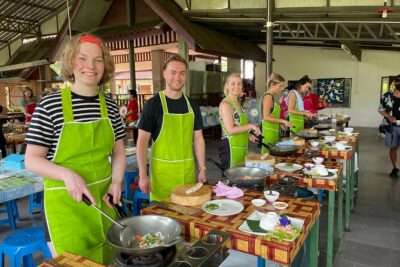
- Half-Day Thai Cooking Class at Organic Farm in Chiang Mai
★ 5.0 · 19,087 reviews - Florence: Pasta Cooking Class with Unlimited Wine
★ 4.9 · 10,285 reviews - 3 in 1 Cooking Class near Navona: Fettuccine, Ravioli & Tiramisu
★ 5.0 · 7,376 reviews
A professional academy, not a staged restaurant show
The cooking takes place in a professional cooking academy with modern facilities. The setting matters because it gives the class enough room and equipment for several dishes, rather than reducing the lesson to one recipe at a small demonstration counter.
The teachers have worked in some of Croatia’s top restaurants. The named instructors in the available information include Marin, Željko, and Drago, and the teaching style appears warm but practical. You are expected to cook, not simply stand nearby while someone else does the work.
A typical session may involve several small jobs shared around the group. You might clean fish, prepare vegetables, work on a sauce base, bake bread, or help with dessert. The exact menu can vary, but the class is built around traditional Croatian and Dalmatian food rather than generic European cooking.
Risotto receives particular praise, and seafood is a major theme in the morning format. Past menus and class accounts also include bread, desserts, sauces, and side dishes such as Swiss chard with potatoes and garlic. These are useful dishes to learn because they rely on technique and good ingredients rather than hard-to-find equipment.
The chef also explains why a dish is made in a certain way and how it fits local food culture. That extra explanation is valuable. You leave with more than a list of steps, since you also understand how market ingredients become a Mediterranean-style lunch.
What the five-hour morning feels like
The scheduled start is 9:00 a.m., and the complete experience lasts about five hours. Allow the whole morning and part of the early afternoon. One useful tip is not to place a tight sightseeing appointment immediately afterward.
The beginning is active and outdoors, with the market walks and ingredient selection. Once you reach the academy, snacks and drinks are available before the cooking gets underway. Wine, water, coffee, and tea are included, so this is not a class where you need to wait until lunch for refreshments.
The cooking then unfolds at a relaxed pace. Your group may divide into smaller teams for different parts of the meal. In one session, the fish and vegetable work may be more hands-on, while bread and dessert may include more observation. That balance can change depending on the group and the menu.
The class has a maximum of 12 people. That is small enough for personal help, though the exact amount of individual attention depends on attendance and how many dishes are being prepared. Smaller off-season groups can feel especially conversational, while a full class will have more people to share the kitchen with.
At the end, everyone sits down to eat what the group has prepared. This shared lunch is an important part of the experience. You have worked with the ingredients together, and the final meal becomes a natural time to talk about Split, Croatia, and the food you have just made.
The food is the point, but the skills are the souvenir
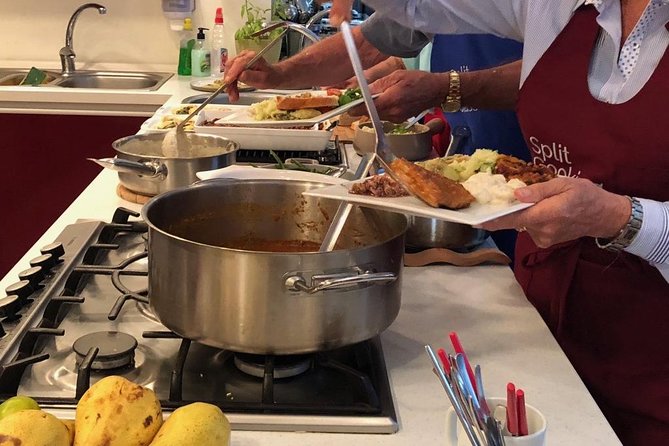
A good cooking class should send you home with something more useful than a pleasant memory. This one offers several skills you can repeat in your own kitchen.
Fish preparation is a major benefit if you do not often buy whole fish. The teacher walks you through cleaning and preparing it, with patience for beginners. If you already cook seafood, you can still learn a different approach to handling local fish.
Risotto is another strong point. The class gives you time to see how the dish develops, rather than presenting a finished bowl with no explanation. One particularly enthusiastic account described the risotto as the best ever tasted, but the more useful takeaway is that the technique can be repeated at home.
Bread and dessert add variety. They keep the lesson from becoming a seafood-only session and give you different kinds of kitchen work. You also learn about sauce bases and side dishes, which helps you understand the meal as a whole rather than as a single signature recipe.
The cooking is suitable for all skill levels. Beginners can follow the chef’s instructions step by step, while experienced home cooks can focus on local ingredients and methods. You should still expect to participate. This is not the best choice if you want a passive food tasting with little kitchen work.
A few more cooking classes around the world worth a look
- Florence: Pasta & Tiramisu Cooking Class with Unlimited Wine
★ 4.9 · 6,708 reviews - Florence: Pasta Cooking Class with Unlimited Wine
★ 5.0 · 6,413 reviews - Hanoi Cooking Class: Culture, Local Market & Meaning CSR Impact
★ 5.0 · 5,147 reviews - 5 Traditional Dishes Hanoi Cooking Class with Market Trip
★ 5.0 · 4,890 reviews
Why the market option is worth the extra time
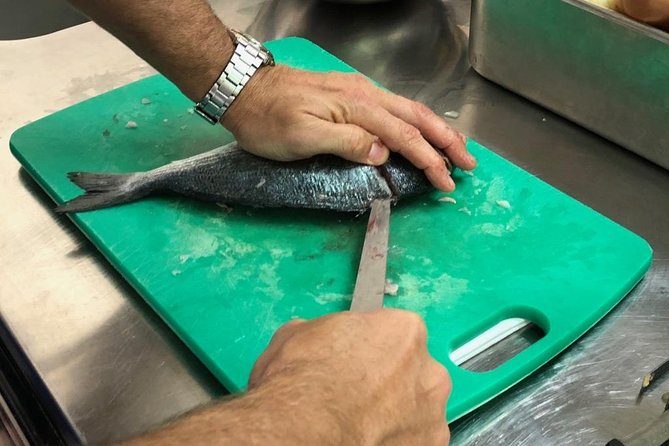
The market walk adds cost in the form of time and energy, but it also gives the class its strongest sense of place. You see the raw ingredients before they are cleaned, chopped, seasoned, and cooked.
That connection helps explain why local food tastes the way it does. A discussion of fish is more useful when you have just seen the day’s selection. A lesson on vegetables carries more meaning when the produce came from a real Split market rather than a prepacked classroom basket.
The market also makes the menu feel less fixed. Seasonal produce and seafood shape what appears on the table. You may not receive the exact same combination of dishes as another group, but the food should remain rooted in Croatian cooking.
If you have limited mobility or simply do not want the outdoor walk, the no-market version may suit you better. The activity notes that only a small amount of walking is involved, but the market tour still requires moving through two food markets and walking to the academy.
Food restrictions and group comfort
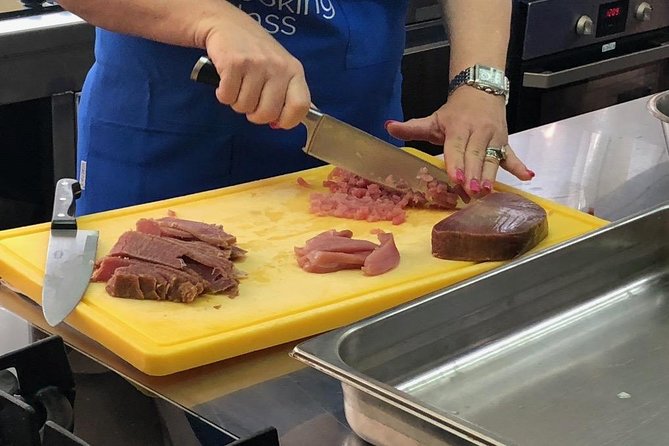
Tell the provider about dietary requirements when you book. A vegetarian option is available, but it must be requested in advance. The same applies to allergies and other food restrictions.
This point matters because seafood can feature prominently in the morning class. If you do not eat fish, or if you want a menu built around vegetables, make that clear before arrival rather than expecting the chef to redesign the meal on the spot.
The class includes wine tasting and other beverages. That adds to the social feel, but you can also enjoy coffee, tea, and water. The experience is designed for friendly conversation, so it works well for couples, families, and solo visitors who like meeting people around food.
The atmosphere is relaxed, yet you should come ready to help. The kitchen may involve shared tasks, timing, and group cooperation. If you want a private lesson, confirm the available booking option before paying, since the standard activity allows up to 12 people.
Is $211.72 a fair price?
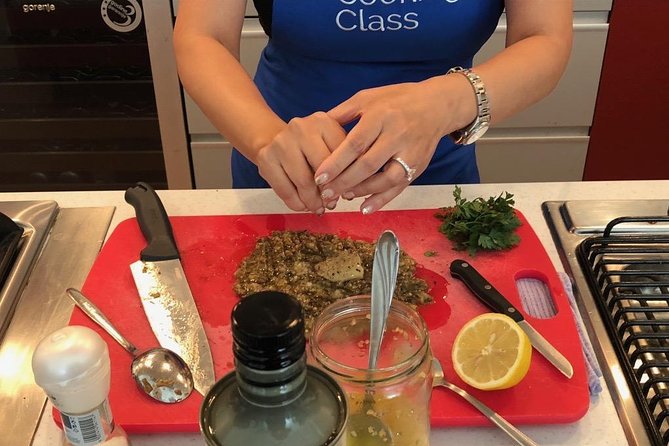
At $211.72 per person, this is not a budget lunch. The value depends on what you want from the morning.
You are paying for about five hours of activity, market visits, instruction from professional chefs, use of a cooking academy, snacks, lunch, drinks, wine tasting, and the chance to prepare multiple dishes. Hotel pickup and drop-off are included only if you select that option, so check the price and details for your chosen package.
The class makes more sense as a combined food tour, cooking lesson, and long lunch than as a simple recipe workshop. If you would otherwise book a market tour and a restaurant meal separately, the package becomes easier to justify. It also gives you skills and recipes to use after Croatia.
The price is harder to defend if you mainly want to eat local food without cooking. Split has many less expensive meals, and a short tasting walk will cost less. You should book this for the activity and instruction, not just for the final plate.
The perfect audience is a food-focused couple, a family with older children, a group of friends, or a solo cook who enjoys learning by doing. It is also a smart rainy-day choice, since much of the experience takes place indoors at the academy after the market walk.
Practical details that affect your morning
Confirmation arrives when you book, and the experience is offered in English. The meeting point is Hrvojeva 4, 21000 Split, Croatia, with the activity ending back at the meeting point.
The start time is 9:00 a.m. Morning is the better choice if you want the market visit, since you will see the food stalls while shopping for the class. If you select a version without the market tour, the schedule and meeting details may differ, so check the option carefully.
The activity is often booked well ahead, with an average booking lead time of about 49 days. If your dates are fixed, especially during a busy season, reserve early.
Free cancellation is available up to 24 hours before the start time for a full refund. Changes or cancellations made inside that 24-hour window are not accepted for a refund. The class also requires a minimum number of participants, and if the provider cancels because that minimum is not met, you will be offered another date or experience, or a full refund.
Should you book the Split Cooking Class?
Book it if you want to understand Croatian food by handling the ingredients yourself. The market visit, fish preparation, professional kitchen, shared lunch, and local wine make this more than a standard cooking demonstration.
I would especially recommend it to people who enjoy seafood, home cooks who want practical new skills, and anyone who values a slow morning with food and conversation. Marin, Željko, and Drago are highlighted as warm, capable instructors, and the class has earned a perfect five-star rating from 142 ratings with 100 percent recommendation.
Skip it if $211.72 feels too high for a meal and class, if you need a very short activity, or if you want to avoid fish and kitchen work. For everyone else, the market-to-table format gives you a useful, memorable way to meet Split through its food.
FAQ
Where does the Split Cooking Class begin?
The class begins at Hrvojeva 4, 21000 Split, Croatia.
What time does the class start?
The stated start time is 9:00 a.m.
How long does the experience last?
The class lasts approximately five hours.
Does the class include a market visit?
The morning class includes visits to Split’s Green Market and Fish Market. Classes without the vegetable and fish market tours are also available.
What food and drinks are included?
The experience includes lunch, snacks, beverages, wine tasting, and coffee or tea. Hotel pickup and drop-off are included only when that option is selected.
Is a vegetarian option available?
Yes. Request the vegetarian option when booking.
Can I advise the provider about allergies or dietary needs?
Yes. You should provide all specific dietary requirements at the time of booking.
How many people can join the class?
The activity has a maximum of 12 participants.
What is the cancellation policy?
You can cancel at least 24 hours before the start time for a full refund. Cancellations or changes made less than 24 hours before the start time are not accepted for a refund.
Just added around the world
- A Coruña: Local Market Shopping and Cooking Workshop★ 5.0 · 16 reviews
- Vegan/Vegetarian Ramen and Gyoza by Bentoya cooking★ 5.0 · 59 reviews
- Traditional Zanzibar Cooking Class including Spice Tour★ 4.5 · 14 reviews
- Verona: Pasta and Tiramisu Cooking Class with Fine Wine★ 4.8 · 633 reviews
- NGO Lifted Strong – Traditional Tanzanian Cooking Class★ 5.0 · 39 reviews
- 5 Hours Private Cooking Classes in Langadas Thessalonikis★ 5.0 · 14 reviews
- Thessaloniki: Greek Cooking Class, Market visit and Lunch★ 5.0 · 15 reviews
- Traditional Albanian Cooking Class in Tirana with Raki Tasting★ 5.0 · 125 reviews
Cooking Classes, compared.
Half-Day Thai Cooking Class at Organic Farm in Chiang Mai
Read our review →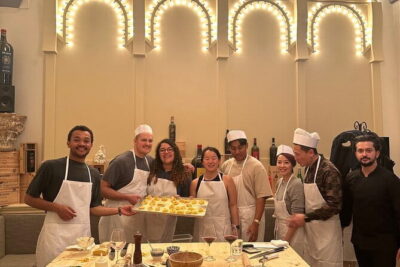
Florence: Pasta Cooking Class with Unlimited Wine
Read our review →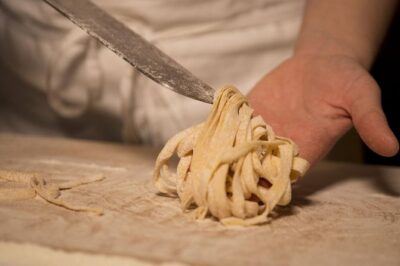
3 in 1 Cooking Class near Navona: Fettuccine, Ravioli & Tiramisu
Read our review →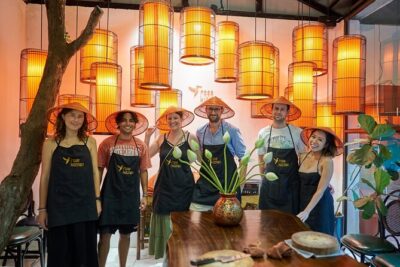
Hanoi Cooking Class: Culture, Local Market & Meaning CSR Impact
Read our review →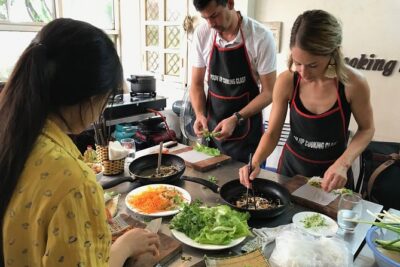
5 Traditional Dishes Hanoi Cooking Class with Market Trip
Read our review →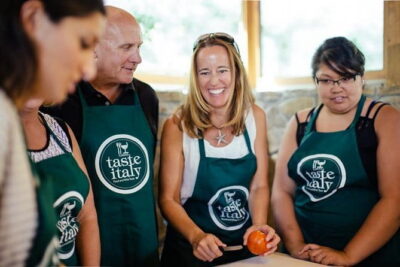
Cooking Class and Lunch at a Tuscan Farmhouse with Local Market Tour from Florence
Read our review →