

Review · INDIA
Private Cooking Class in Jodhpur With Pick Up & Drop Off
The best part of this Jodhpur cooking class is that you leave the restaurant scene behind and cook in Dakshika’s family home. You’ll make a traditional vegetarian meal, usually including dal, rice or khichdi, a vegetable dish, flatbread, and chai. I especially like the hands-on chapati lesson and the chance to ask questions in a private setting.
I also like the practical touch: Dakshika shares recipes and preparation notes after class, so the meal does not end when you leave Jodhpur. The main consideration is the compact home kitchen. It suits two to four people best, and ingredients are prepared ahead of time, so this is a cooking lesson rather than a market visit or full ingredient-preparation workshop.
Key points at a glance

- Cook in a family home: Dakshika teaches in her clean, well-kept home kitchen rather than in a large tourist school.
- Practice chapati from scratch: You roll, shape, and cook the bread, with time to repeat the process until it feels manageable.
- Learn more than one curry: Classes have included dal, khichdi, paneer masala, okra, cauliflower, potato, onion, and vegetable rice dishes.
- Start with homemade chai: Ginger masala chai or a seasonal chai recipe often begins the session.
- Ask for adjustments: Gluten-free chapati, food allergies, and dish preferences can be discussed in advance.
- Ride to and from the class: Ray handles transport from selected hotels and can arrange pickup from the airport, railway station, or bus station.
A Jodhpur cooking class built around home food
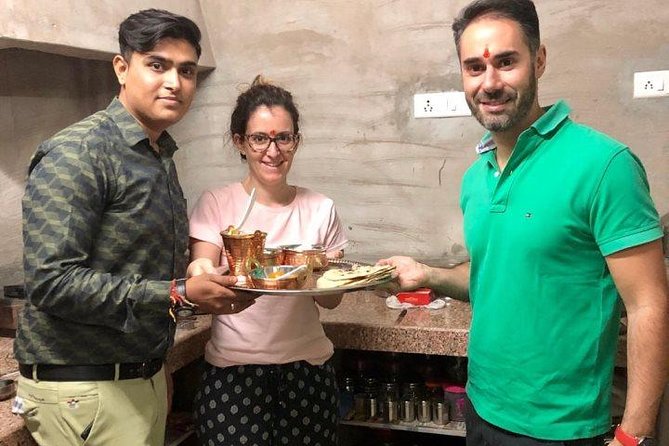
Many cooking lessons in India are held in purpose-built kitchens, with a set menu and a large group moving through the same steps. This experience takes a more personal route. Dakshika welcomes you into her home, introduces the ingredients, and guides you through a vegetarian Rajasthani meal at an unhurried pace.
That setting matters. You see the scale of a real home kitchen, watch how the food is organized, and learn recipes meant for ordinary household cooking. The class is not presented as a restaurant performance. You work alongside the instructor, ask questions as they arise, and eat the food at the end.
The class lasts about three hours and can be scheduled for lunch or dinner. Morning, afternoon, and evening starting times are offered, subject to availability. That flexibility is useful in Jodhpur, where you may want to visit Mehrangarh Fort or the old city before cooking rather than spend your best sightseeing hours indoors.
More Hands-On Workshops in India:
- Pink City Cooking Class
★ 5.0 · 452 reviews - Five Course Cooking Class & Meal
★ 5.0 · 250 reviews - Veg and Non veg : Private Cooking Class in Delhi home (7 meal)
★ 5.0 · 226 reviews
The ride to Dakshika’s home
Pickup is included from selected hotels, and transport may also be arranged from the airport, railway station, or bus station. Ray, Dakshika’s husband, handles many of the transfers. The ride has been described as taking place in a licensed car or tuk-tuk, depending on the arrangement.
If your hotel sits on a narrow old-city lane, the vehicle may not be able to reach the door. In that case, you meet at the nearest practical point, often around the Clock Tower. The listed meeting point is opposite Pal Haveli, so confirm the exact pickup location and time before class.
This is a small detail, but it can save you a muddled start. Jodhpur’s older streets are not always easy for cars, and a clear meeting point is better than expecting a driver to find a hotel hidden down a lane. A contact number is provided after booking for coordination.
A warm welcome in a working family home
On arrival, you are welcomed into Dakshika’s home and shown the kitchen. Some classes include a traditional Hindu tilak blessing, and the family may spend time talking with you about Indian life, food, and customs.
The kitchen is compact, so do not expect a wide demonstration island or several separate workstations. That is part of the character of the experience, but it also explains why two to four people is the ideal group size. A larger private party could feel crowded when everyone is rolling bread or working near the stove.
Cleanliness is a repeated strength. The kitchen has been described as spotless, neatly arranged, and fully equipped for the class. That should reassure anyone who is careful about food preparation. The atmosphere is informal, and the family’s hospitality is a major part of the afternoon or evening.
Chai first, then the spice cupboard
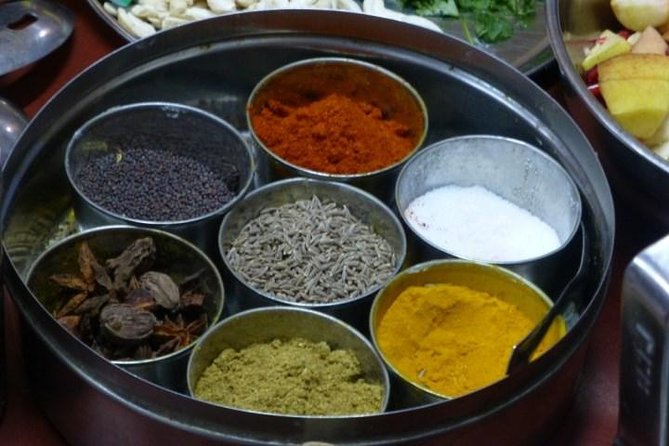
The class often starts with ginger masala chai or a special seasonal chai. This is more than a drink to pass the time. It gives you an early lesson in how Indian cooks build flavor from tea, milk, ginger, and spices.
You may prepare the chai from scratch before moving into the main dishes. Some people find this the most memorable recipe because it is simple enough to repeat at home but still tastes very different from a teabag-and-hot-water version. Ask Dakshika about the spice balance if you prefer a stronger ginger flavor or a milder cup.
The ingredient discussion is practical. You learn what goes into each dish, how the spices are combined, and what changes during cooking. The class is conducted in English, and the instruction is step by step.
A few more cooking classes around India worth a look
- Private South Indian Tamil Cooking Class in Chennai with Srividya
★ 5.0 · 24 reviews - Agra: Indian Food Private Cooking Class
★ 4.6 · 21 reviews - Private Vegetarian Indian Cooking Class in Mumbai
★ 5.0 · 17 reviews - PRIVATE Authentic Balinese Cooking Class in Ubud at Putu’s Home
★ 5.0 · 644 reviews
What you actually cook
The exact menu can vary, but the classes described include several familiar Rajasthani and North Indian home dishes:
- Dal or another lentil preparation
- Khichdi or a vegetable rice dish
- Potato and onion curry
- Okra, cauliflower, paneer, or another seasonal vegetable dish
- Chapati, roti, or paratha
- Ginger masala chai
You usually make three main dishes along with the bread and tea. One class included dal, khichdi, okra curry, and chapati. Another prepared lentils, paneer masala, cauliflower, and chai. A further menu featured vegetable biryani and potato with spring onion.
This variety gives you a useful picture of a home meal. You are not learning one elaborate restaurant curry and calling it dinner. You are building a combination of lentils, vegetables, rice, and bread that can be repeated in your own kitchen.
The food is vegetarian, and most dishes have been vegan apart from the chai in some sessions. If you avoid dairy, eggs, gluten, or particular ingredients, contact the host before arriving. One participant requiring gluten-free chapati received special care, and serious food allergies were taken carefully. Still, you should explain your needs ahead of time rather than wait until cooking begins.
The chapati lesson is the hands-on highlight
Making chapati looks easy until you try to roll a neat circle and cook it properly. Dakshika lets you practice rather than simply watch. You shape the dough, roll it out, cook it on the hot surface, and see the bread puff over the flame.
This is the part where patience helps. Your first chapati may be oddly shaped, too thick, or unevenly cooked. Dakshika’s teaching style allows you to try again, and you can repeat the process until you understand how the dough should feel.
Depending on your questions, the lesson may also cover roti or paratha. One participant asked about paratha and received an extra demonstration during the bread portion. That is a good example of why a private class is more useful than a fixed group lesson. You can follow your own interests instead of staying on a preset script.
A private class means room for questions
The private format is one of the strongest reasons to book this experience. You can ask why a spice is added at a particular stage, how to replace an ingredient, or how to make the recipe milder. You can also ask for help with techniques that look simple but take practice.
Dakshika has been praised for clear explanations, a relaxed pace, and patience with beginners. The lesson is not aimed only at confident home cooks. If you have little experience with Indian food, the step-by-step format should feel approachable.
The class can also become a cultural conversation. Dakshika has discussed family life, regional food, Indian customs, and wedding traditions. A video about an Indian wedding has been part of one visit, and henna has occasionally been offered after cooking. These extras are not the central promise of the class, so think of them as possible additions rather than guaranteed features.
Eating the meal you made
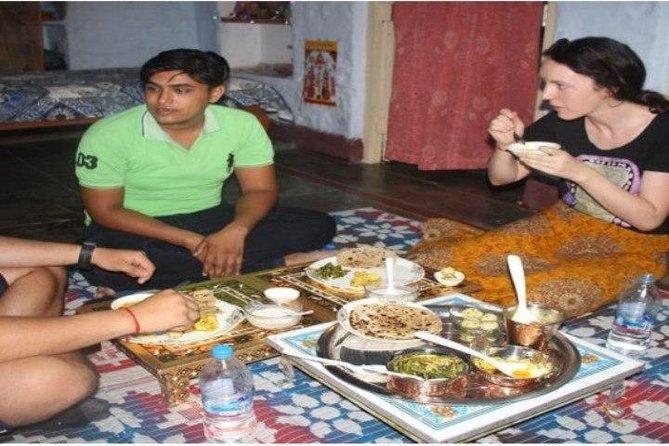
After the cooking, you move to the dining area and eat the meal together. This is when the work pays off. Dal, rice, vegetables, bread, and chai make a filling meal, and you get to taste how the separate parts work together.
The setting is informal and home-like rather than polished or formal. That suits the experience. You are not being served a dish prepared in the back while you watch from a distance. You have helped make the food, and the meal gives you a chance to compare your results with Dakshika’s guidance.
Water is provided, along with coffee or tea. Alcohol is not included, though alcoholic drinks may be available to purchase. The meal is part of the class price, so you should not need to budget separately for lunch or dinner.
What is not included in the three hours
A useful point is that the vegetables and other ingredients are usually bought and prepared before you arrive. This keeps the class focused on cooking technique, seasoning, and timing. It also makes it possible to finish the meal within three hours.
If you want a market tour, vegetable shopping, chopping practice, or a lesson in planning the grocery list, this is not the right format. You will still learn about the ingredients, but the class begins with the cooking work ready to go.
That trade-off is sensible for a short private lesson. You get more time at the stove and less time walking through a market. Just know what you are booking: it is a home cooking session, not a market-to-table excursion.
Price and overall value at $20
At $20 per person, this is a strong-value experience if you want both a meal and a practical skill. The price includes the private class, food, chai or coffee, bottled water, and pickup and drop-off from selected locations.
The value is not only in the amount of food. You are paying for personal instruction, use of the home kitchen, transport, and recipes you can take away. A private lesson at this price is especially appealing for couples, families, or friends who want a quieter experience than a large group class.
The compact kitchen limits the ideal group size, but that also helps keep the teaching personal. For a solo visitor, the price may feel less economical than it does for two people booking together. Still, the private attention and transport add useful value.
Timing, transport, and small practical details
Plan on three hours from the start of the lesson, not counting any confusion caused by a hard-to-reach hotel. Confirm whether pickup will be at your hotel entrance or at a nearby point such as the Clock Tower.
The class is available at different times of day, so you can choose lunch or dinner. An evening session is a good fit if you prefer sightseeing during daylight. A daytime class may work better if you want a relaxed meal before heading out later.
Wear something comfortable and suitable for cooking. The provided information does not specify an apron or a dress code, so avoid assuming one will be supplied. If you have allergies, celiac disease, or strict dietary rules, contact Dakshika before the class and explain exactly what you need.
Cancellation is flexible up to 24 hours before the start for a full refund, and you can reserve without paying immediately under the pay-later option. Check the current booking page for availability and the final pickup details.
Who should book this Jodhpur experience
I would recommend this class to anyone who wants to bring home a usable part of Rajasthan rather than only a few food photographs. It suits beginners, couples, families, and small groups who enjoy conversation and active participation.
It is also a good choice for people with a strong interest in vegetarian cooking. The menu centers on lentils, vegetables, rice, flatbreads, and chai, so you get a broad introduction to everyday Indian food.
You may want to choose another activity if you want a large, highly equipped teaching kitchen, a market visit, or a cooking school with many fellow participants. The home setting is personal and genuine, but the workspace is small and the ingredients are prepared before you arrive.
Should you book the class?
Book it if you want a warm, practical introduction to Indian home cooking and like the idea of eating a meal you helped prepare. Dakshika’s patient bread instruction, clear English, recipe notes, clean kitchen, and willingness to answer questions make this more useful than a simple demonstration.
I would especially choose it for a two-person booking, an evening in Jodhpur, or a traveler who wants an activity with local contact. Confirm dietary needs and the pickup point in advance, then arrive ready to practice chapati more than once. At $20, the class offers a lot: transport, instruction, dinner or lunch, and recipes you can use after Rajasthan.
FAQ
How long does the Jodhpur cooking class last?
The cooking class lasts three hours.
Is the class private?
Yes. It is offered as a private cooking session for a private group.
What food do you prepare?
Menus can include dal, khichdi, paneer masala, okra, cauliflower, potato and onion dishes, vegetable rice, chapati, roti, paratha, and masala chai. The exact combination may vary.
Is the food vegetarian?
Yes. The class focuses on vegetarian cooking. Some sessions have included vegan dishes apart from chai.
Is hotel pickup included?
Pickup and drop-off are included from selected hotels. Transport may also be arranged from the airport, railway station, or bus station. Hotels on narrow streets may use a nearby meeting point, often around the Clock Tower.
Where is the meeting point?
The listed meeting point is opposite Pal Haveli. If your hotel is accessible by vehicle, pickup may be arranged there. Confirm the exact location with the provider.
Is the class taught in English?
Yes. The instructor teaches in English.
Can you cancel the booking?
Yes. You can cancel up to 24 hours in advance for a full refund. A reserve-now, pay-later option is also available.
Just added around India
- Jodhpur Desert Camel Safari With Cooking Class With Sumer★ 5.0 · 5 reviews
- Jodhpur 9 Dishes Cooking Class Experience pickup and drop★ 5.0 · 56 reviews
- Jodhpur 11 Dishes Cooking Class With REKHA Pick Up & Drop OF★ 5.0 · 24 reviews
- Jaipur: Traditional cooking class and storytelling session★ 5.0 · 48 reviews
- Jaipur: Interactive Cooking Class with a Local Family★ 4.9 · 58 reviews
- Jaipur Home Cooking Experience with Authentic Lunch/Dinner★ 4.9 · 10 reviews
- Jaipur: Cooking Class with a Local Family★ 5.0 · 28 reviews
- Indian Cooking & Market Tour in Pondicherry with Manisha Ray★ 5.0 · 12 reviews
Cooking Classes, compared.
Half-Day Thai Cooking Class at Organic Farm in Chiang Mai
Read our review →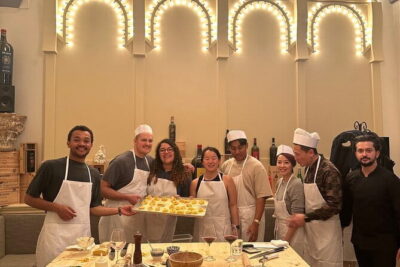
Florence: Pasta Cooking Class with Unlimited Wine
Read our review →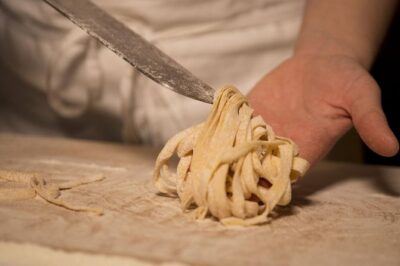
3 in 1 Cooking Class near Navona: Fettuccine, Ravioli & Tiramisu
Read our review →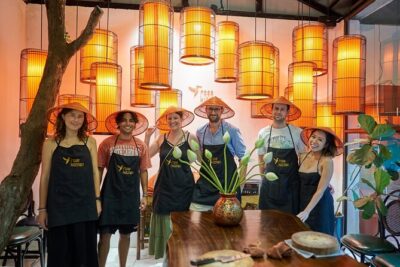
Hanoi Cooking Class: Culture, Local Market & Meaning CSR Impact
Read our review →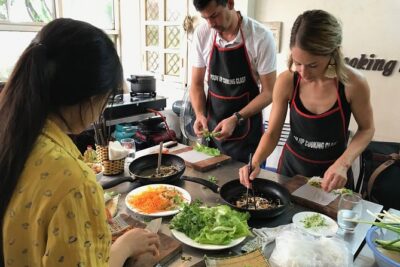
5 Traditional Dishes Hanoi Cooking Class with Market Trip
Read our review →
Cooking Class and Lunch at a Tuscan Farmhouse with Local Market Tour from Florence
Read our review →
Chiang Mai: Cooking Class, Market & Thai Herbs Garden Tour
Read our review →Browse the lists this tour appears in