Review · VALENCIA
Seafood paella cooking class, tapas and visit to Ruzafa market.
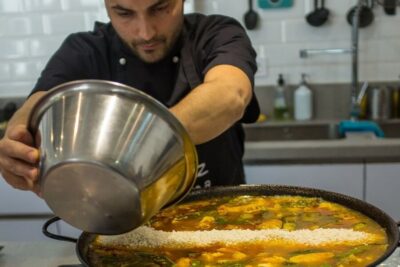
Valencia’s paella is not just a dish to order. It is a social ritual, a market lesson, and a careful bit of timing. This three-and-a-half-hour class lets you buy ingredients at Ruzafa Market, prepare seafood paella with a chef, and sit down to eat the result with salad, wine, dessert, and coffee.
I like two things right away: you see where the ingredients come from, and you take part in nearly every stage of cooking. The sangria workshop, tapas, and lively teachers such as Ana, Jose, Cristina, and Valentin turn the lesson into a social afternoon, not a silent demonstration.
The main drawbacks are practical. The market-to-kitchen walk takes about eight minutes but can feel longer for anyone with limited mobility, and the meeting point near San Valero Parish has not always been easy to identify. The market is also closed on Sundays.
Key points to know before booking
- Ruzafa Market comes first: You shop for seafood and produce while learning about Valencian food customs.
- You cook the paella yourself: The class divides tasks among participants, with chefs guiding preparation and cooking.
- Sangria and tapas set the tone: Patatas bravas, ham, cheese, mussels, olives, beer, wine, and other drinks arrive before the main meal.
- The meal is generous: Seafood paella comes with tomato salad, seasonal fruit, Valencian cake, sweet wine, coffee, and mistela.
- The group can reach 20 people: Many sessions are smaller, but the exact size varies.
- Sunday requires a plan: Ruzafa Market is closed that day, so this experience is not offered in its usual form.
Why paella makes a good Valencia cooking class
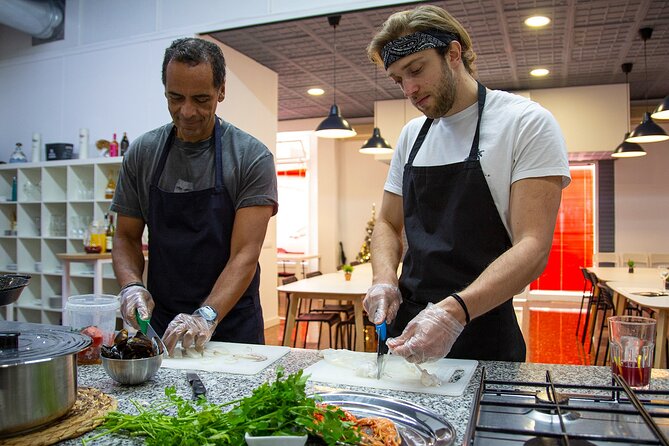
Paella is a useful dish to learn because it rewards attention more than fancy technique. You do not need a long list of rare skills. You need to understand the order of the ingredients, the stock, the rice, the heat, and the point at which to stop stirring and let the pan do its work.
That makes this class a good fit if you want more than a restaurant meal. You hear about the dish’s Valencian roots while handling the same kind of ingredients used in local kitchens. The lesson also puts paella in its proper setting: shared around a table, with conversation and a glass of something cold.
The seafood version is the focus described here, though the cooking session may run several paellas at once. Past sessions have included seafood, traditional Valencian, meat, and vegetable versions. That can be useful because you may see how the method changes from one pan to another.
It also means the experience is not a private lesson built around one pan and one chef. Two or three instructors may oversee several paellas. That setup creates a cheerful group feel, though someone wanting constant one-to-one instruction should keep the format in mind.
More Market Tour Cooking Classes in Spain
- Barcelona: Paella Cooking Experience & Boqueria Market Tour
★ 4.8 · 3,661 reviews - Barcelona Paella Cooking Class with Market Visit, Tapas & Sangria
★ 5.0 · 2,531 reviews - Paella Cooking Class, Wine Tasting & Central Market in Valencia
★ 5.0 · 1,150 reviews
Meeting at San Valero Parish and finding the group
The meeting point is at the door of San Valero Parish, Carrer del Pare Perera, 6, in Valencia’s L’Eixample district. The start time is 11 a.m., and the activity ends back at the meeting point.
Allow extra time to locate the exact door. The address is clear on paper, but one person had trouble matching the general address with the actual meeting spot and had to ask a nearby shopkeeper. I would arrive early, stand near the church entrance, and keep your booking confirmation available on your phone.
The group then heads into Ruzafa together. The nearby setting is part of the appeal. You are not being driven to an out-of-town cooking school. You begin in a real neighborhood and move through the same food-shopping routine that gives the meal its purpose.
The class is offered in English, but a multilingual guide may also speak Spanish or Russian. Children must be accompanied by an adult. The maximum group size is 20, although several sessions described by participants had around 12 people or fewer.
Ruzafa Market: the best local-food lesson
Ruzafa Market is more than a place to collect ingredients. It gives you a quick look at how a Valencian meal begins, with seafood, vegetables, fruit, ham, and other products selected before the cooking starts.
Your guide explains what you are buying and connects the food to local customs and the history of paella. The market portion is not a long formal tour, so set your expectations correctly. It is a focused shopping visit tied to lunch rather than a full market history lesson.
That focus works well. You can see the ingredients, ask questions, and understand why freshness matters before you start chopping. Some sessions also include small tastes along the way. The guides have been praised for taking time to explain seafood, produce, and the role of the market in daily life.
The group is asked to move carefully through the market. That matters. Ruzafa is a working food market, not a stage set for a tour. You may be split into smaller clusters so you do not block stalls or shoppers. I appreciate that approach because it lets you learn about local food without treating the market like a show put on for outsiders.
Do not plan this experience for Sunday. Ruzafa Market is closed then, and the market visit cannot happen as described. If the market is a key reason you are booking, choose another day.
The eight-minute walk to the cooking kitchen
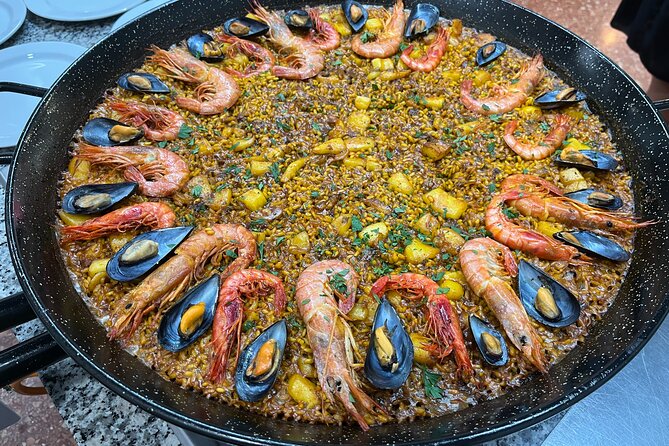
After shopping, you walk about eight minutes to the kitchen. The distance is modest, but the class is not suited to anyone who finds walking or standing difficult unless they have checked the arrangements in advance.
One person described the walk as a bit of a hike, while another found the meeting point and market route easy. That difference probably comes down to pace, weather, and mobility. The practical point is simple: wear comfortable shoes and do not expect a ride between the market and kitchen.
The walk also gives the class a natural rhythm. You start with the city and its food stalls, then shift into cooking and conversation. By the time you reach the kitchen, you have already seen the raw materials that will appear on your plate.
More Paella and Spanish Classes in Spain:
- Barcelona Interactive Spanish Cooking Experience
★ 4.5 · 2,155 reviews - Spanish Cooking Class Paella Tapas and Sangria in Madrid
★ 5.0 · 1,340 reviews - Paella Cooking Class in Madrid with Bottomless Wine Pairing
★ 5.0 · 985 reviews - Seville: Spanish Cooking Class with Dinner
★ 4.9 · 900 reviews
Sangria, tapas, and the social start
The chef greets the group with sangria and a spread of tapas. The listed starters include patatas bravas with sojanesa, jamón serrano, Manchego cheese, steamed mussels, and olives. Beer, water, soft drinks, wine, and more sangria are also included.
This is one of the most praised parts of the experience, and I can see why. The food comes before the technical lesson, so people have time to settle in and talk. You are not thrown straight into a work station with a knife in your hand.
The sangria workshop adds a small hands-on lesson before the paella. It is a good warm-up, especially if you are traveling alone or want to meet people quickly. The atmosphere is intentionally relaxed, with humor, drinks, and plenty of interaction.
There is a fair amount of alcohol in the experience. That is part of the social style, but it may not suit everyone. You can choose water, soft drinks, or beer instead of wine and sangria, and you should pace yourself because the session lasts several hours and includes drinks before, during, and after the cooking.
Cooking seafood paella with the chefs
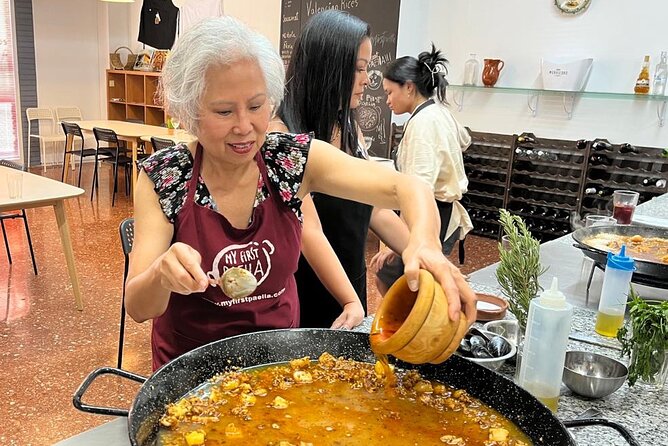
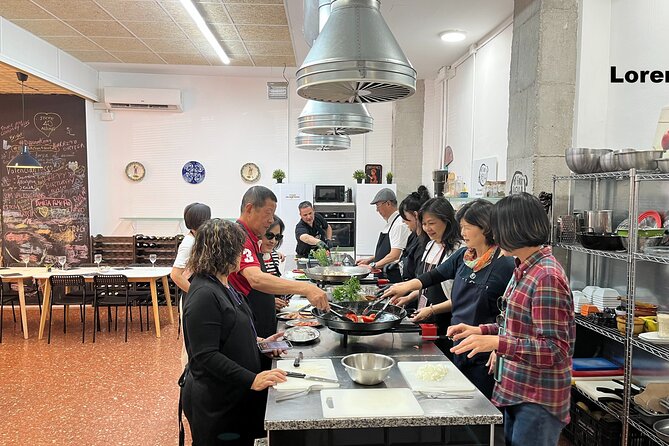
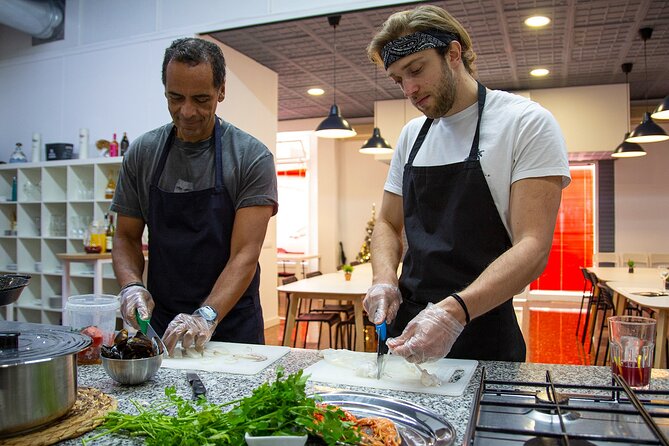
Once the tapas are underway, the group divides into cooking teams. The chefs explain the process step by step, from preparing ingredients to building the paella. You are not simply watching a chef cook a finished dish. Participants are given jobs and take turns helping with the preparation and cooking.
The exact chef lineup changes, but Ana, Jose, Cristina, Christine, and Valentin are among the instructors praised for their warmth, humor, and teaching. Guillermo has also led the market portion. The names matter less than the teaching style: this is a lively class where questions are welcome and the instructors keep the pace moving.
The best part is the practical correction. Paella can look simple, but small choices affect the final texture and flavor. The class helps you understand why each step happens when it does. You also get a better sense of how much work goes into a pan that may arrive at a restaurant looking effortless.
If the class is running seafood and other paellas side by side, you may see several methods at once. That is interesting, but it can slightly reduce the amount of direct time with one chef. One account described two chefs handling three paellas and felt another chef for each pan would have been ideal.
Still, the shared setup has a benefit. You see how different ingredients change the cooking process, and you meet people who are learning alongside you. The mood is cooperative rather than competitive. By the end, the cooking teams often feel like one table.
Sitting down to eat what you made
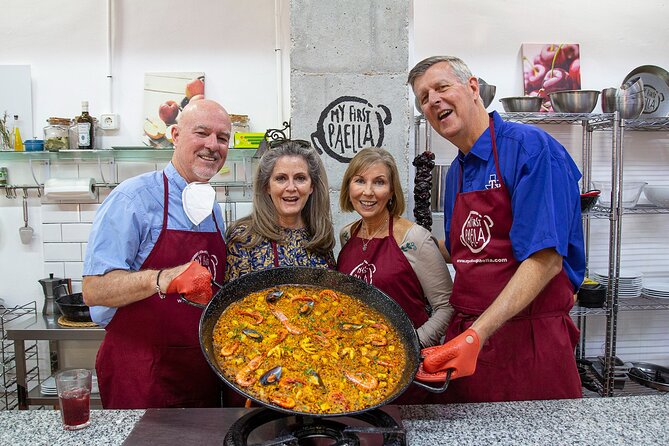
After cooking, you sit down to eat the paella with a Valencian tomato salad. Valencia wines accompany the meal, followed by seasonal fruit, Valencian sponge cake, sweet wine, coffee, and mistela.
The meal is a strong part of the value. At $78.64 per person, you are paying for a market visit, instruction, ingredients, equipment, tapas, a full paella meal, dessert, coffee, and drinks. It is not a cheap cooking demonstration, but it replaces several separate food expenses and adds the social and educational parts that a restaurant cannot provide.
The seafood paella is the payoff. You have watched the ingredients arrive from the market, worked on the pan, and learned the reason behind the method. That connection makes the meal feel more satisfying than simply ordering paella from a menu, even if you already ate a good version the night before.
The side dishes also prevent the meal from feeling like a single-course class. Patatas bravas, mussels, Manchego, ham, salad, cake, fruit, and drinks create a long, generous sitting. You should arrive hungry, but not so hungry that you skip the tapas while waiting for the paella.
What the class teaches about Valencian culture
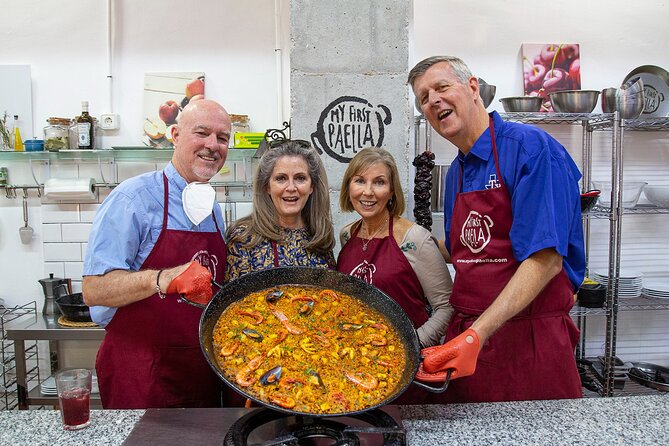
The cultural value is not delivered as a long lecture. It comes through the market, the ingredients, and the way the meal is shared. You hear about the origin of paella and local customs while doing something practical.
The instructors also explain paella as food connected to family and community. That is useful context because the dish is often reduced to a tourist symbol. Here, you see the work behind it and the reason it matters at the table.
The class makes a clear effort to respect the market as a place used by local people. Groups are guided carefully, and the shopping has a purpose rather than being a photo stop. For me, that is one of the strongest reasons to book this instead of a generic cooking class in a studio kitchen.
Price, group size, and overall value
The $78.64 price is reasonable if you value food, instruction, and a social afternoon together. Included are the market ingredients, equipment, tapas, sangria, wine, beer, soft drinks or water, tomato salad, dessert, coffee, and mistela.
A group of up to 20 is not especially small, so do not book expecting a private chef experience. Many sessions are smaller, and reports of groups around 8 to 12 suggest that the class can feel personal on quieter dates. Even in a larger group, the shared paella format gives you a clear role.
The experience is usually booked about a month ahead, with an average of 31 days. That is a useful clue for planning. If you are visiting during a busy period, reserve early, especially if you need a particular date.
Free cancellation is available up to 24 hours before the start time. Cancellations made later are not refunded, and changes inside that window are not accepted. There has also been at least one cancellation caused by chef illness when only one booking was present, with alternative arrangements offered. That appears unusual, but it is worth keeping in mind if this is the main reason for your trip to Valencia.
Who should book this experience
I would recommend it to you if you want a hands-on food activity, enjoy meeting people from other countries, and like learning through doing. It works particularly well early in a Valencia visit because the market and cultural background give you useful context for later meals.
Solo visitors can fit in easily because the food and cooking create instant conversation. Couples and friends get a shared project rather than a class where one person watches the other cook. Families can book too, but children need adult supervision and the long meal, walking, and kitchen time may not suit very young children.
You should think twice if you want a quiet, tightly structured lesson or a private kitchen. The drinks, jokes, and group interaction are central to the format. You should also reconsider if you have trouble walking, standing, or navigating a market, since the route includes the market and an eight-minute walk to the kitchen.
Should you book My First Paella?
Yes, if you want Valencia on a plate and prefer participation to sightseeing from the sidelines. The market visit, sangria, tapas, seafood paella, local wine, and dessert make this a full afternoon rather than a short recipe lesson.
Book it for a weekday or Saturday, arrive early at San Valero Parish, wear comfortable shoes, and keep your drinking pace sensible. I would choose this class for its mix of practical cooking, local food shopping, and easy social contact. I would skip it only if you need a private lesson, have limited mobility, or are visiting on Sunday when Ruzafa Market is closed.
FAQ
How long does the seafood paella class last?
The experience lasts approximately three hours and 30 minutes, beginning at 11 a.m.
Where does the activity start?
It starts at the door of San Valero Parish, Carrer del Pare Perera, 6, in L’Eixample, Valencia.
Where does the activity finish?
The activity ends back at the meeting point near San Valero Parish.
Is the Ruzafa Market visit included?
Yes. The group visits Ruzafa Market together to buy the fresh ingredients needed for the paella and learn about Valencian food customs.
Is food and drink included?
Yes. The inclusions cover tapas, tomato salad, paella ingredients, sangria, wine, beer, soft drinks or water, dessert, coffee, and mistela.
Is the class offered in English?
Yes. The experience is offered in English, and the guide may also be multilingual in English, Russian, and Spanish.
How many people can join the class?
The maximum group size is 20 people. The actual group may be smaller.
Can I cancel for a full refund?
Yes, if you cancel at least 24 hours before the local start time. Cancellations made less than 24 hours before the experience are not refunded.
More Hands-On Workshops in Spain
- Barcelona: Paella Cooking Class with Market Visit and More
★ 4.9 · 711 reviews - Málaga: Spanish Cooking Workshop with Paella and Sangria
★ 4.9 · 613 reviews - Paella Cooking Class with Professional Chef: Four Course Dinner
★ 5.0 · 561 reviews - Taste of Spain: Tapas Cooking Class with Bottomless Wine Pairing
★ 5.0 · 414 reviews
More Shopping Trips in Spain
- Valencian paella cooking class, tapas and visit to Ruzafa market.
★ 5.0 · 828 reviews - Spanish Cooking Class & Triana Market Tour in Sevilla
★ 5.0 · 760 reviews - Seville: 3.5-Hour Spanish Cooking Class & Triana Market Tour
★ 4.9 · 751 reviews - Valencia: Paella Cooking Class with Central Market Tour
★ 5.0 · 721 reviews
Just added around Spain
- A Coruña: Local Market Shopping and Cooking Workshop★ 5.0 · 16 reviews
- San Sebastian: Authentic Basque Cooking Class★ 4.9 · 102 reviews
- Authentic Basque Cooking Class in San Sebastian Old Town★ 4.5 · 87 reviews
- Basque Cooking Experience: Market Tour & Hands-On Class English★ 5.0 · 144 reviews
- Local Cooking Class in San Sebastian★ 5.0 · 44 reviews
- Sevilla: Rooftop Paella Cooking Class & 30-minute expert Q&A★ 5.0 · 198 reviews
- Paella Cooking Class in Malaga★ 5.0 · 209 reviews
- La Boqueria Market and Paella Cooking Class in Barcelona★ 5.0 · 229 reviews
Spanish & Paella Cooking Classes, compared.
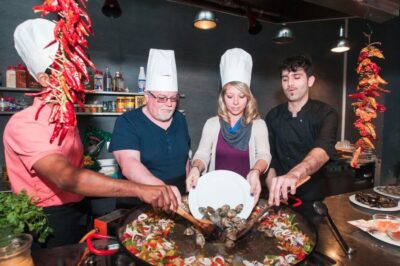
Barcelona: Paella Cooking Experience & Boqueria Market Tour
Read our review →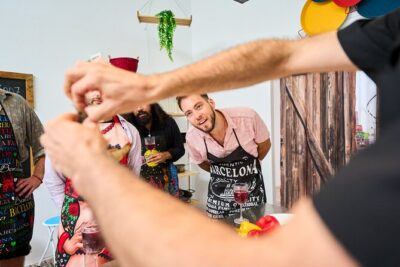
Barcelona Paella Cooking Class with Market Visit, Tapas & Sangria
Read our review →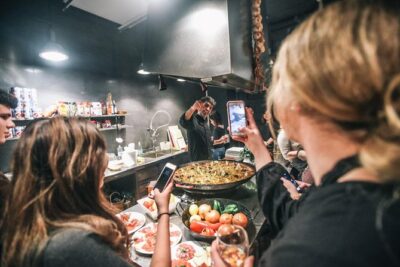
Barcelona Interactive Spanish Cooking Experience
Read our review →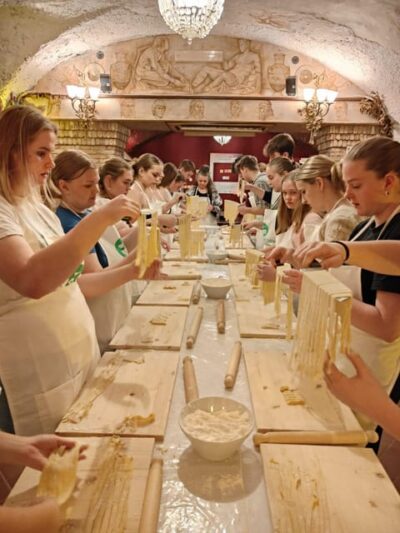
Rome: Pasta & Tiramisu Cooking Class near the Spanish Steps
Read our review →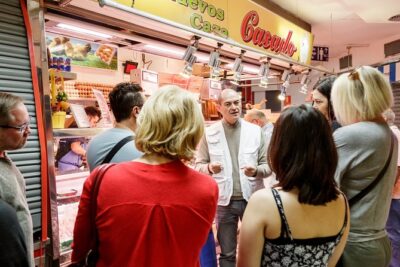
Spanish Cooking Class Paella Tapas and Sangria in Madrid
Read our review →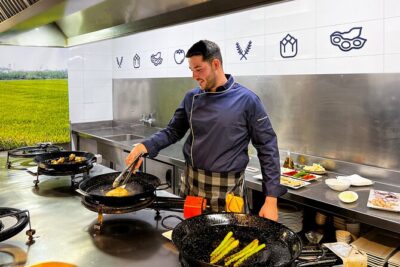
Paella Cooking Class, Wine Tasting & Central Market in Valencia
Read our review →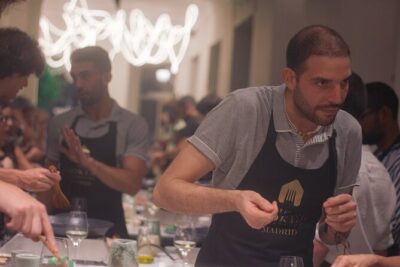
Paella Cooking Class in Madrid with Bottomless Wine Pairing
Read our review →