
Review · BOLOGNA
Gelato Making Class in Bologna City center Cooking School
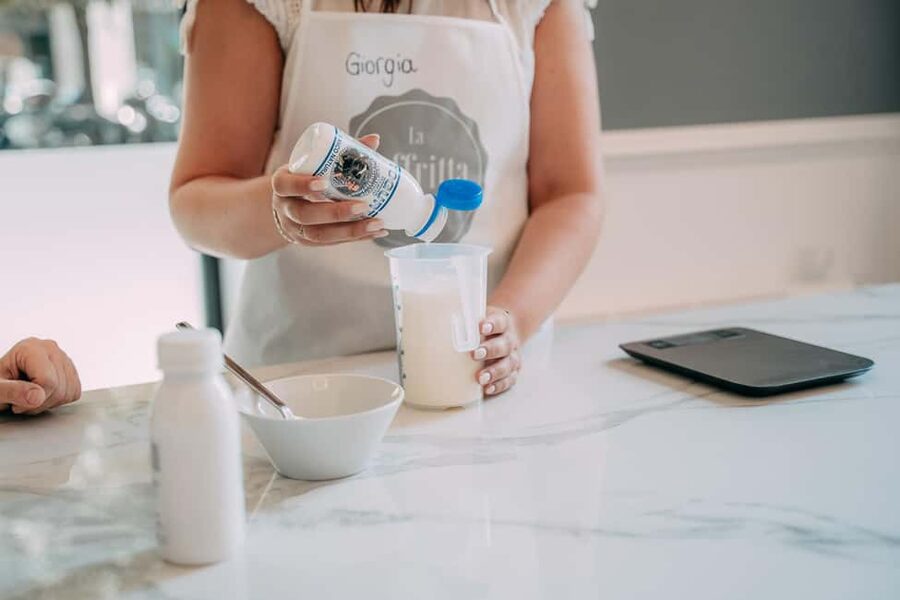
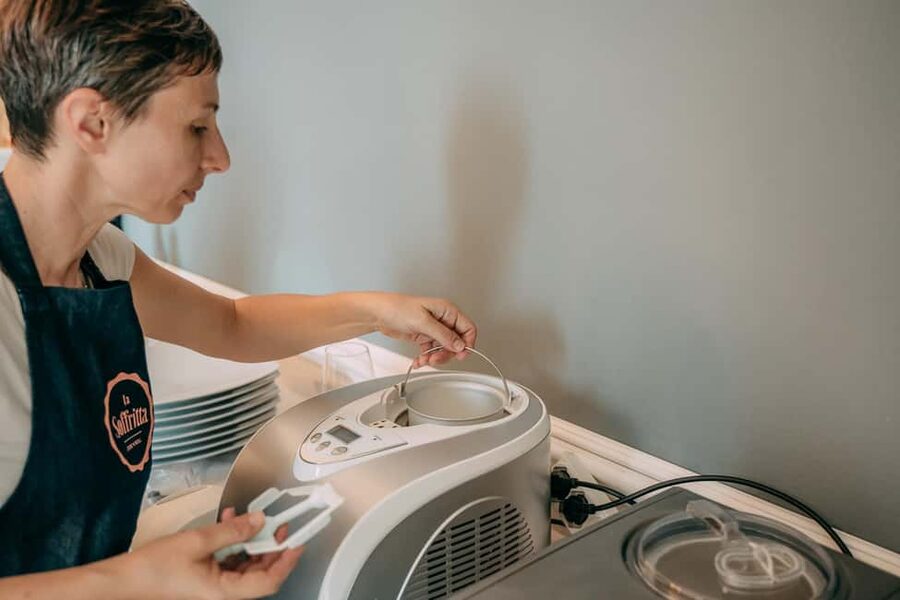
Bologna’s gelato class is less about watching a chef perform magic and more about learning why good gelato works. Inside La Soffritta cooking school, an English-speaking chef walks you through ingredients, bases, mixing, churning, freezing, and flavor pairings. Monia has led several sessions, and parents say she is especially good at giving children small jobs.
I like the chance to compare several styles in one sitting, including cream, chocolate, yogurt, and sorbet. I also like the practical recipes and tips, which are meant for home kitchens and do not require a gelato machine. The main caution is that the class can feel more like a demonstration than a fully hands-on workshop, and some sessions finish earlier than expected.
Key points at a glance
- Four gelato bases may be prepared: Cream, chocolate, yogurt, and sorbet give you a useful look at how recipes change.
- Monia is a popular instructor: She explains the process clearly and offers creative topping ideas, including cherries and balsamic vinegar.
- You taste the finished work: The class ends with your group sampling the gelato with different toppings.
- The setting is central: La Soffritta is inside the Falcone and Borsellino Gallery, making this easy to fit into a day in Bologna.
- It works for families: Children can take part with an adult, and an eight-year-old participant was given small tasks throughout the session.
- Hands-on time varies: You may help with the process, but expect some watching and explanation rather than constant stirring and churning.
What this Bologna gelato class is really like
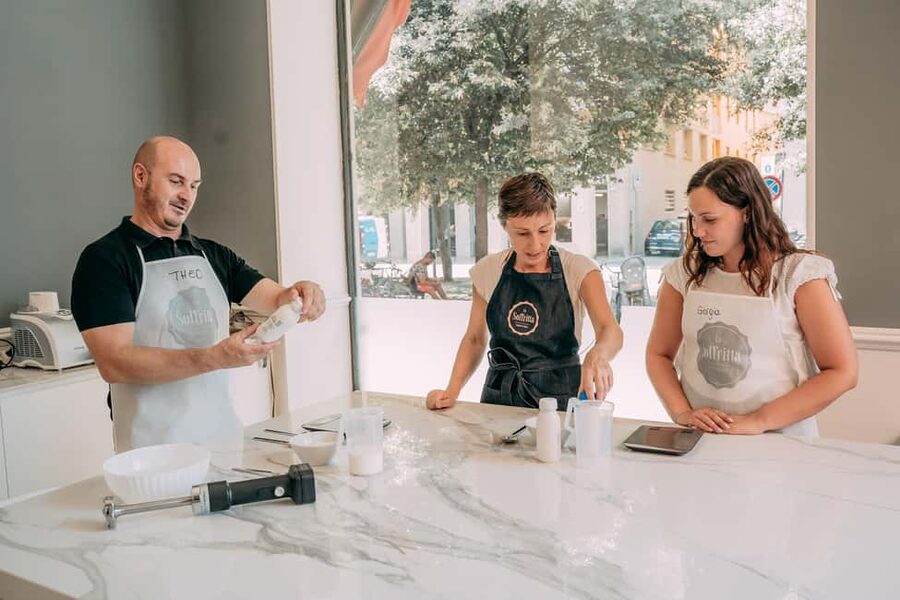
The class lasts about 90 minutes to two hours. That is enough time to learn the basic method, prepare several flavors, and taste the finished results without giving up half a day of sightseeing.
You meet the chef inside La Soffritta cooking school. The school is located inside the Falcone and Borsellino Gallery in central Bologna. You should arrive 10 minutes early, since finding the correct entrance and getting settled takes a little time.
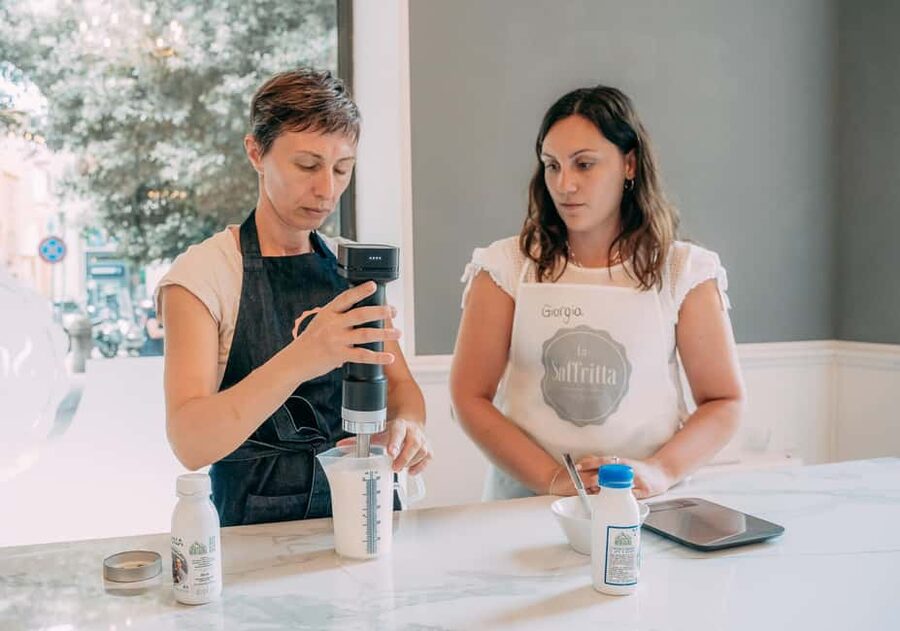
The instruction is in English. The chef begins with the building blocks of gelato: ingredients, proportions, texture, and the difference between a creamy base and a fruit-based sorbet. You then move through the main steps, including mixing, churning, and freezing.
The word gelato covers a wide range of styles. A cream base behaves differently from a sorbet, and chocolate brings its own balance of sweetness and texture. The value of this class is that you do not just taste one finished flavor. You see how several bases are made and how seasonal ingredients can change the result.
More Dessert Classes in Bologna
- Bologna: Pasta Cooking Class, Ragu, Spritz, Wine & Gelato
★ 4.9 · 775 reviews - Bologna Local Pasta Cooking Class, Ragu, Spritz, Wine & Gelato
★ 5.0 · 527 reviews - Bologna: Pasta and Tiramisu Cooking Class with Wine
★ 4.7 · 507 reviews
Four bases, several ways to understand gelato
The most useful part of the class is the comparison between different mixtures. Sessions have included cream, chocolate, yogurt, and sorbet bases. Other descriptions mention three types of dessert, so the exact number may vary by class, ingredients, or group size.
A cream gelato gives you the classic smooth, dairy-based style. It is a good starting point because you can see how a creamy mixture becomes dense and soft after churning.
Chocolate is often the crowd favorite. The chocolate gelato has received especially strong praise, and one participant called it one of the best chocolate flavors of an entire Italy trip. That makes this a useful choice for anyone who wants more than a basic fruit sorbet.
Yogurt brings a lighter, tangier profile. It helps show how flavor balance works, especially when sweet toppings are added. Sorbet is the dairy-free option and gives you a clear lesson in using fruit, sugar, and cold temperature without relying on cream.
The chef may also work with fresh fruit, nuts, spices, and other seasonal ingredients. The exact flavors can change, which is part of the appeal. You are learning a method rather than memorizing a fixed menu.
From ingredients to finished scoop
You will hear about selecting good ingredients before the actual preparation begins. That sounds simple, but it matters. Fresh fruit, quality chocolate, nuts, and spices can make a bigger difference than a complicated recipe.
The chef explains the order of the steps and the reasons behind them. You may help prepare mixtures and take part in parts of the process, but the amount of physical work can vary. Some sessions give participants a role in nearly every step. Others are closer to a guided demonstration, with the chef handling more of the technical work.
That distinction matters if you are booking because you want to spend the whole time measuring, stirring, and operating equipment. I would not expect a professional kitchen apprenticeship. I would expect clear instruction, a chance to participate, and a practical look at how gelato is made.
The equipment and ingredients are included, along with an apron. You do not need to bring cooking tools. The recipe booklet also lists what you prepared and adds more ideas for experimenting at home.
The tasting is the payoff
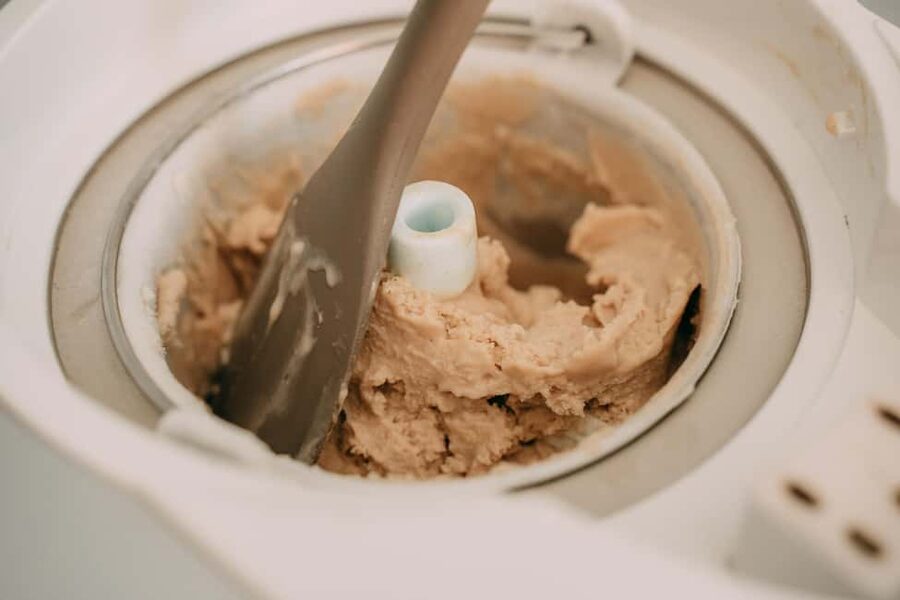
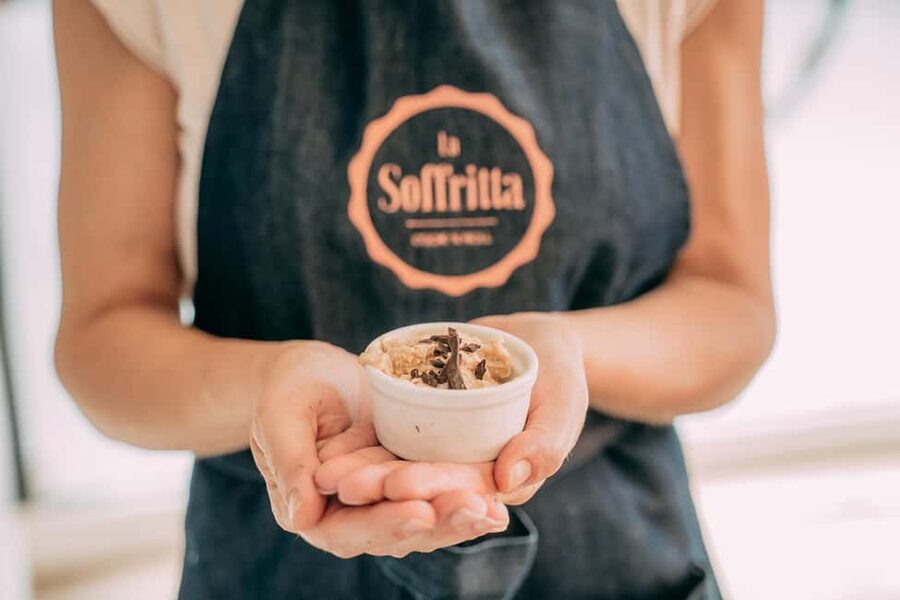
At the end, you sit down with the group and taste the gelato you have made. Toppings are part of the fun. Cherries were a favorite with one participant, while balsamic vinegar turned out to be an unexpectedly good match with gelato.
That kind of pairing is useful because it changes the class from a basic dessert lesson into a small lesson in Italian flavor combinations. You may find that a sharp, fruity, or savory note works better with sweet gelato than you expected.
The tasting also lets you compare the bases side by side. A creamy flavor, a bold chocolate, a tangy yogurt gelato, and a fruit sorbet offer four different textures and levels of sweetness. You leave with a better sense of what you like and what you might try at home.
Portion details are not specified, so I would think of the tasting as a chance to sample the creations rather than a substitute for a full meal. Schedule it as a food activity between other Bologna plans, not as lunch.
Same place, a different menu:
- Pastamama, Home Cooking Classes at Grace’s Home
★ 5.0 · 521 reviews - Bologna: Pasta and Tiramisu Small Group Cooking Class with Wine
★ 5.0 · 409 reviews - Bologna on the plate, Cooking Class with Alessia
★ 5.0 · 260 reviews - Bologna: Pasta Tagliatelle al Ragu Cooking Class with Wine
★ 4.7 · 225 reviews
Why the chef matters
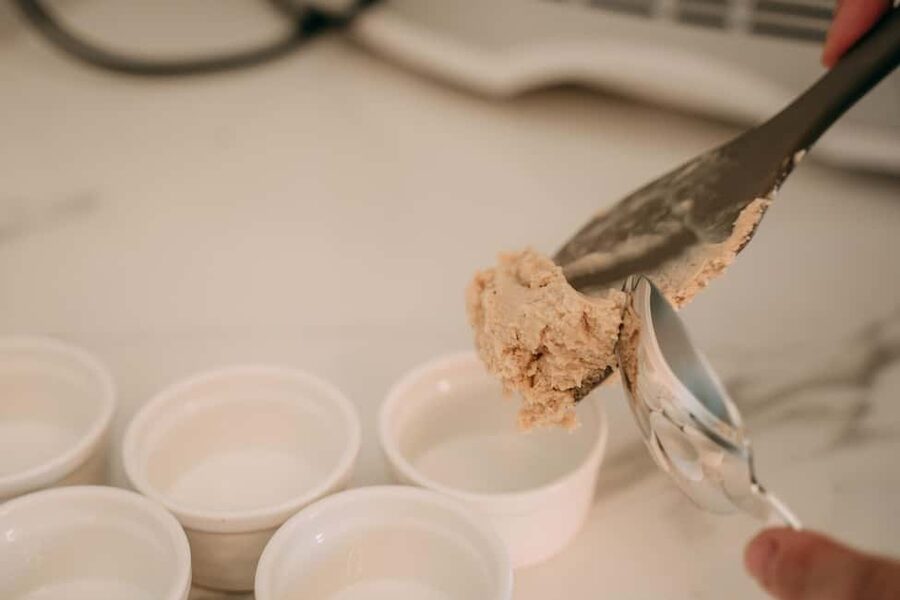
The strongest part of the experience depends on the instructor. Monia has been singled out for clear explanations, useful tips, and creative topping suggestions. She also appears comfortable working with mixed groups, from adult food lovers to children.
That family skill matters. One class was booked for an eight-year-old’s birthday, and the child was given small tasks that kept him involved. Minors must attend with an adult, but the format can work well for families who want an activity beyond sightseeing.
The teaching style is friendly and direct. You learn the basics of gelato production, not advanced pastry science. That is a good fit if you want practical knowledge you can use at home rather than a formal culinary qualification.
A small group can make the experience feel personal. Some sessions have had only one booking party or even one participant. That may mean more room for questions, but it can also make the class feel less lively than a full group.
How hands-on should you expect to be?
This is the main point to consider before booking. The activity is described as hands-on, and you do participate in the process. But several comments point out that the experience is not as hands-on as some other cooking classes.
If your ideal class has every participant weighing ingredients, running machines, and making an individual batch, this may feel light. The chef needs to manage the recipes, equipment, and timing, so some stages are likely to be shown rather than assigned to every person.
I see that as a mixed point rather than a deal breaker. A demonstration can be useful when the goal is to understand technique. You get to watch the chef control the texture and timing, then ask questions that might be harder to handle in a chaotic kitchen.
Still, the description of the class should be understood honestly: it is a guided gelato lesson with hands-on elements, not nonstop practical work. If you want more physical involvement, ask about the format when booking and tell the provider about your expectations.
A good use of time in central Bologna
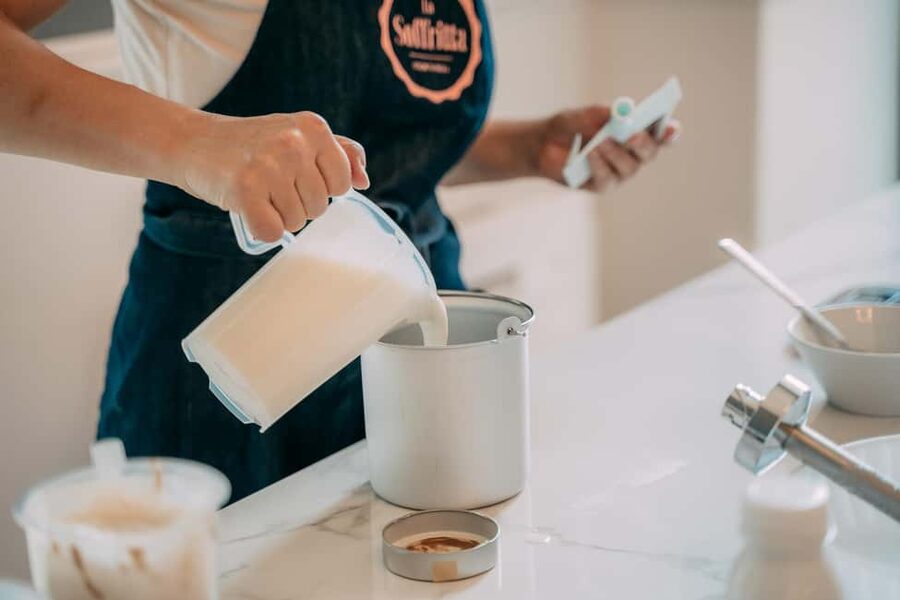
The central location makes this easy to add to a Bologna day. You do not need hotel pickup or drop-off, so you arrange your own way to the cooking school. The meeting point is inside La Soffritta, within the Falcone and Borsellino Gallery.
Use the map link provided with your booking and arrive 10 minutes early. The school may be easy to reach once you are in the gallery, but a central indoor location can still take a few minutes to locate.
The 90-minute to two-hour length works well near the middle or end of a sightseeing day. One participant used the class as the last activity of a one-day visit to Bologna. That is a sensible plan: the class gives you a relaxed food experience after walking through the city, and you do not need to reserve a full day for it.
Because start times depend on availability, check the schedule before arranging meals or other timed activities. The finish can come earlier than the advertised maximum, so avoid placing an important reservation immediately afterward.
Is $76 a fair price?
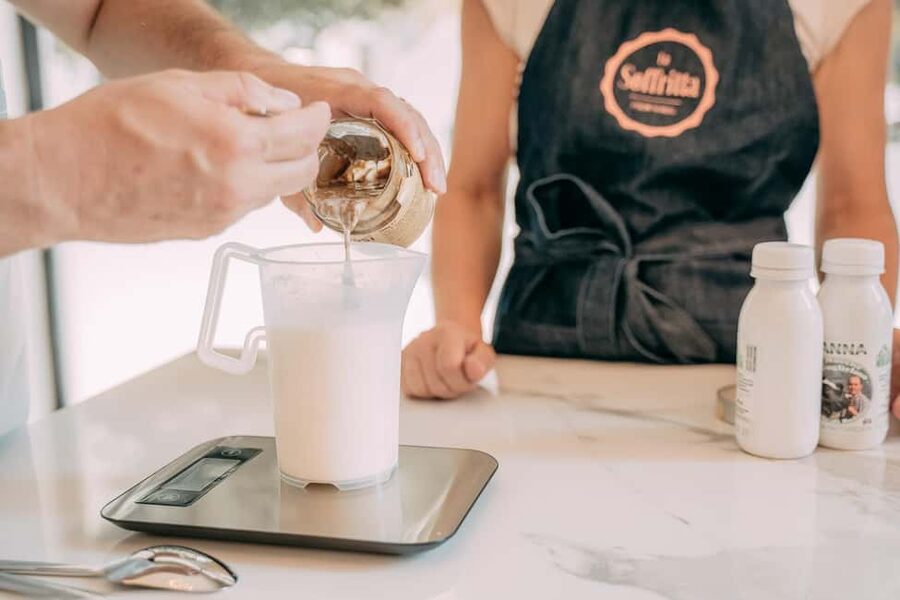
At $76 per person, this is not the cheapest way to eat gelato in Bologna. You can buy several scoops for far less. The price pays for the chef, the cooking school, ingredients, equipment, apron, instruction, tasting, and recipe booklet.
The value depends on what you want. If you mainly want dessert, skip the class and visit a gelateria. If you want to understand how gelato is built and take the method home, the price is more reasonable.
I think the value is strongest for visitors who enjoy food experiences and will actually use the recipes. The booklet gives the class some life after your holiday. You can try the techniques again with fruit, chocolate, nuts, or spices in your own kitchen.
The value is weaker for someone expecting a long, highly practical workshop. At 90 minutes to two hours, the activity is compact. Some sessions have ended early, and the amount of participant work is not always as extensive as expected. That is why I would compare it with other cooking classes before booking if hands-on time is your main priority.
Who should book this experience?
I would recommend it to first-time gelato makers, couples, families with children, and anyone who wants a food activity in central Bologna. You do not need previous cooking experience. Curious beginners can follow the process, while more experienced home bakers can pick up ideas about flavor balance and toppings.
It is particularly suitable for a parent and child. The class gives children a simple way to take part, and the tasting keeps the reward close at hand. Minors cannot attend alone, so an adult must stay with them.
It also suits solo visitors. If attendance is small, you may receive more direct attention from the chef and have more time for questions. The tradeoff is that a very small class may feel quieter and less social.
I would be more cautious if you use a wheelchair or have reduced mobility. The activity is not considered suitable for wheelchair users, and some parts of the school may not be easy to access for people with disabilities. Contact the provider before booking if you are unsure.
Food allergies and dietary needs should be shared in advance. The class uses dairy, fruit, chocolate, nuts, and other ingredients depending on the recipes, so clear communication matters.
Booking details that matter
The activity is offered in English. Pets are not allowed. Hotel transportation is not included, and you make your own way to the school.
You can cancel up to 24 hours before the activity for a full refund. The reserve-now-and-pay-later option lets you hold a place without paying at the time of booking, which is useful when your Bologna schedule is still shifting.
The class requires at least two participants to operate. If you are booking alone, check that your chosen date is confirmed. Small groups are possible, but a minimum of two people is needed for the activity to go ahead.
Should you book the Bologna gelato class?
Book it if you want to learn the basics, taste several styles, and leave with recipes you can use at home. The central location, English instruction, family-friendly approach, and strong chocolate gelato make it an appealing short activity.
Do not book it expecting a full pastry workshop where you control every stage. The class can lean toward demonstration, and some sessions finish before the full two-hour window. At $76, you should value the chef’s guidance and the cooking-school setting, not just the amount of gelato you eat.
For a food-loving visitor with limited time in Bologna, I think it is a good choice. For a serious home cook seeking intensive practice, ask how much participant work is planned before paying.
FAQ
Where does the gelato class take place?
The class takes place at the Cooking School La Soffritta, located inside the Falcone and Borsellino Gallery in central Bologna.
How long does the activity last?
The stated duration is between 90 minutes and two hours. The exact timing depends on availability and the session.
What language is the class taught in?
The instruction is in English.
What is included in the price?
The price includes the chef, gelato-making class, gelato tasting, ingredients, equipment, an apron, and a recipe book with tips.
Is hotel transportation included?
No. Hotel pickup and drop-off are not included.
Can children join the class?
Yes, children can join with an adult. Minors cannot attend without an adult.
Do I need previous cooking experience?
No. The class is suitable for curious beginners as well as people who already enjoy cooking.
Can I attend if I have food allergies or dietary requirements?
You should tell the provider about food allergies or dietary requirements before the class.
Can wheelchair users join the activity?
The activity is listed as not suitable for wheelchair users. Some parts may also be difficult for people with reduced mobility or other disabilities, so contact the provider if you need more details.
More Hands-On Workshops in Bologna
- Authentic Bologna Home Cooking Class: Tagliatelle & Tortellini
★ 4.5 · 136 reviews - Bologna: Pasta Cooking Class, Ragu & Wine with Local Host
★ 4.9 · 113 reviews - Cesarine: Home Cooking Class & Meal with a Local in Bologna
★ 5.0 · 75 reviews - Bologna: Pasta & Tiramisu Cooking Class at a Local’s Home
★ 4.9 · 67 reviews
Just added around Bologna
- Funny cooking class with chef Antonino★ 4.7 · 26 reviews
- Felsina Culinaria – The Bolognese Cooking Class★ 5.0 · 3 reviews
- Bologna: Pasta Secrets Cooking Class with Local Expert★ 4.1 · 8 reviews
- Bologna: Pasta & Tiramisu Cooking Class at a Local’s Home★ 4.9 · 67 reviews
- Bologna: Pasta Cooking Class, Ragu & Wine with Local Host★ 4.9 · 113 reviews
- Bologna: Market, Cooking Demo and Meal at a Local’s Home★ 5.0 · 3 reviews
- Bologna: Pasta & Tiramisu Cooking Class at a Local’s Home★ 4.9 · 54 reviews
- Bologna : Pasta Making With Local Chef + Wine★ 3.5 · 4 reviews
Tiramisu & Dessert Classes, compared.
3 in 1 Cooking Class near Navona: Fettuccine, Ravioli & Tiramisu
Read our review →
Rome: Pasta Making Class with Wine, Limoncello, and Dessert
Read our review →
Rome: 3-in-1 Fettuccine, Ravioli, and Tiramisu Cooking Class
Read our review →
Florence: Cooking Class Pasta & Tiramisu Making Unlimited Wine
Read our review →
Fettuccine & Tiramisù: Cooking Class with Wine & Limoncello
Read our review →
Florence Cooking Class The Art of Making Gelato & Authentic Pizza
Read our review →
Rome: Pasta & Tiramisu Cooking Class near the Spanish Steps
Read our review →Browse the lists this tour appears in