
Review · FRANCE
Aix-en-Provence: Croissant Baking Class
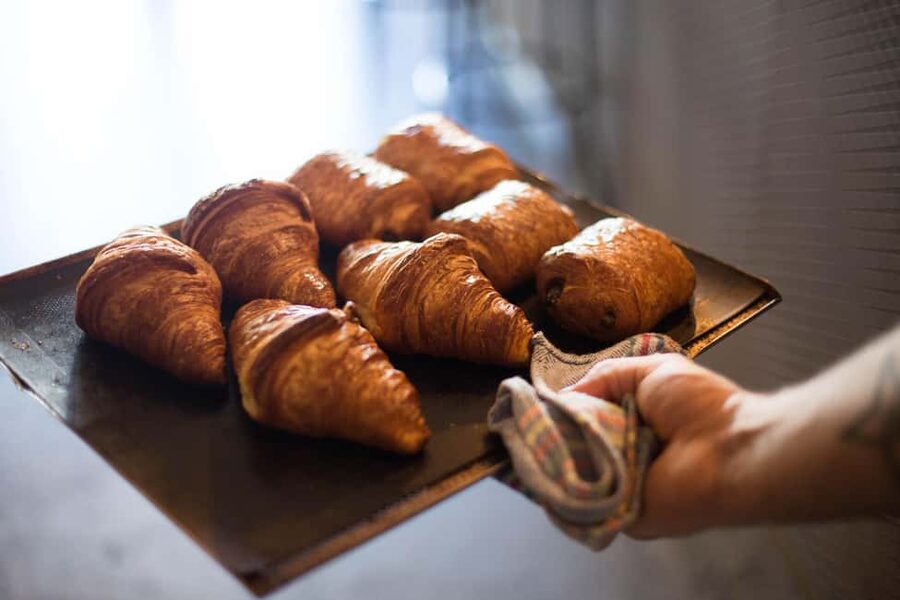
A French croissant is built from dough and butter folded into about 55 delicate layers, and this three-hour Aix-en-Provence class lets you take part in that process instead of simply eating the finished pastry. You work in a small group of no more than eight, with a local pastry chef guiding each stage in English or French.
I like the hands-on format and the clever timing. You handle the dough, laminate it, shape it, and bake it, but the class is arranged so you do not sit around waiting through the full proving period. I also like the useful takeaway: two croissants, two pains au chocolat, and a recipe with a technical sheet for making them again at home.
The main consideration is that this is an express beginner class, not an advanced pastry course. The three-hour schedule gives you a satisfying taste of the craft, but experienced bakers may want a longer, more technical session. Gluten and lactose intolerance are also clear concerns, since both flour and butter are central to the class.
Key points at a glance
- Small group of up to eight: You get a close look at the dough and room to ask questions without joining a large cooking crowd.
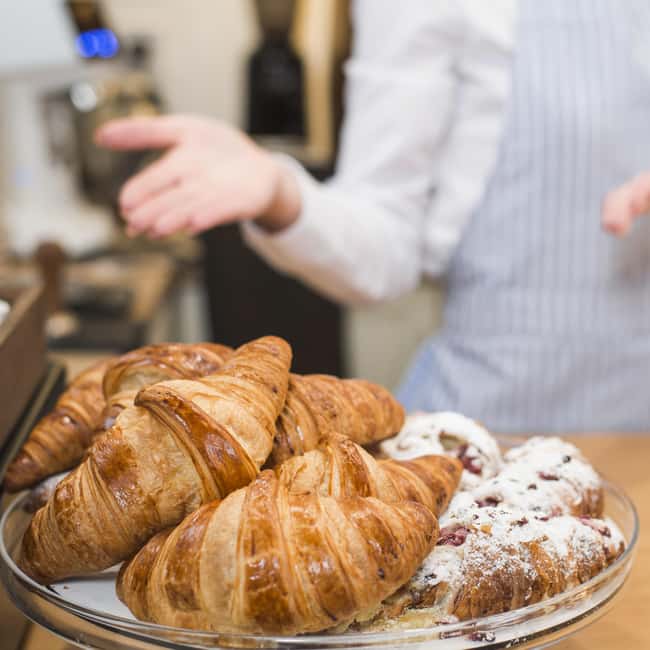
- Four pastries to make: The class covers two croissants and two pains au chocolat, giving you practice with both classic shapes.
- A smart three-hour schedule: The workshop includes the main stages of pastry making without making you wait for the full proving period.
- Central Aix location: Ma Cuisine is at number 4 Rue Constantin, on a quiet pedestrian street close to the main squares, cafés, and restaurants.
- Useful take-home material: You receive the croissant recipe and a technical sheet, not just the pastries you bake in class.
- Beginners are welcome: The chef explains kneading, laminating, shaping, and baking step by step.
The appeal of making a French icon in Aix
Aix-en-Provence is an easy place to pair food with sightseeing. The workshop takes place in the historic center, on Rue Constantin, a quiet pedestrian street just minutes from the main squares and café areas. You can fit the class into a morning or afternoon in town without arranging transport across the city.
The setting matters because this is not a bus tour or a demonstration where you watch someone else work. You enter a working workshop hosted by Ma Cuisine and spend the session at the counter with ingredients, tools, and dough in front of you. That makes the activity feel tied to everyday French food culture, even though the class is designed for visitors.
The central location also makes the class easy to combine with a walk through Aix. You can plan coffee, lunch, shopping, or a stroll through the old center before or after the lesson. Since the exact starting times depend on availability, check the schedule before building the rest of your day around it.
More Baking Classes in France
- Paris Croissant Small-Group Baking Class with a Chef
★ 5.0 · 910 reviews - Paris: French Croissant Baking Class with a Chef
★ 4.9 · 712 reviews - Paris: Baking Insider Experience
★ 4.7 · 397 reviews
What the three-hour class actually covers
The class begins with an introduction to the process and the ingredients. Croissants are made with French wheat flour, butter, and milk, and the workshop uses ingredients selected for the class. Coffee or tea is available during the session, along with a carafe of fresh drinking water.
The first practical work is the dough. You learn the basic technique for making it and see how the flour, milk, and butter come together. This is a useful stage for beginners because the final pastry can look simple, while the dough requires careful handling from the start.
Next comes lamination, the folding process that creates alternating layers of dough and butter. This is the heart of a croissant. The famous flaky texture is not produced by a single trick or a special filling. It comes from building those thin layers and keeping the butter and dough in the right condition as you work.
The chef then guides you through cutting and shaping. You make two croissants and two pains au chocolat, so you get to work with the curved crescent form as well as the rectangular pastry wrapped around chocolate. That small difference is useful. You are not repeating one shape four times, and you leave with a better sense of how the same dough becomes two familiar French pastries.
The final stage is baking. You see the pastries change from shaped dough into golden, buttery breakfast treats. The schedule is described as an express format, optimized for three hours. That means the class is structured so you experience the key steps without waiting for the full hour and a half of proving time that traditional croissant production can require.
This is a practical compromise. You get to take part in the work and eat the results during the visit, but the class is not designed to teach every timing variation used in a professional bakery. If you already bake often, you may find the pace and level too basic. For a first attempt, the shorter format keeps the experience focused.
Why the small group matters

The maximum group size is eight. That is large enough to create a social class, but small enough for the chef to keep an eye on the dough and shaping work. Croissant dough can be less forgiving than ordinary bread dough, so access to clear instructions matters.
The class is taught in English and French. The language information is useful if you are visiting from abroad, but the practical nature of the work also helps. You can watch the chef demonstrate a fold or shape, then copy it with your own dough.
The small-group setup is especially helpful if you are attending alone. One solo participant described the experience as successful and recommended it highly, while another praised the friendly hosts and the group of eight. You do not need to arrive with a partner or family group to take part.
The atmosphere is intended to be welcoming rather than formal. An espresso has been offered at the start of a class, and coffee or tea is included. That small touch helps the session feel like a morning in a French kitchen instead of a purely technical lesson.
The pastries you take home, and what you eat there
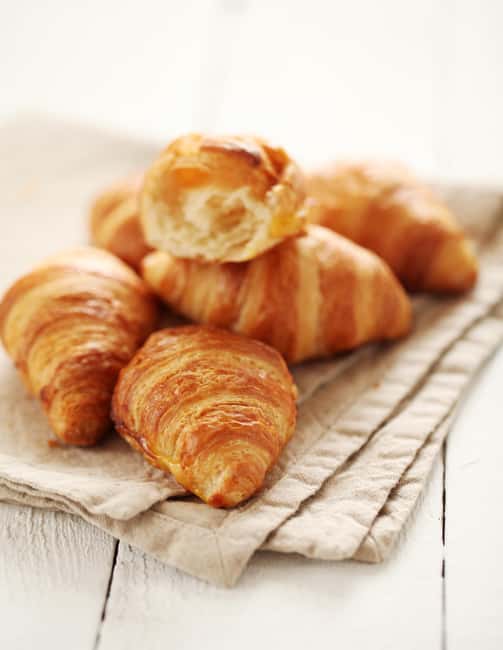
You make two croissants and two pains au chocolat. The most immediate reward is eating the pastries after baking, while they are still fresh from the workshop. One useful detail is that you are not just watching a chef produce a tray of pastries for display. Your own work becomes the finished food.
The class also gives you a way to judge your progress. The final croissant may not have the exact shape of a pastry from a professional boulangerie, and that is part of the value. You can see how careful folding, shaping, and baking affect the result.
Several comments about the class focus on the taste and the finished appearance. One participant said the result was a beautiful croissant and pain au chocolat. Another appreciated eating the pastries right after the course and looking forward to trying them at home.
You should keep expectations sensible. The ingredients are described as top quality, but the class cannot remove the difficulty of pastry making. Butter temperature, dough handling, and baking all affect the result. The recipe and technical sheet give you a much better starting point than memory alone, but your first home attempt may still need practice.
Same place, a different menu:
- Paris Cooking Class and Lunch with Wine plus Market Visit Option
★ 5.0 · 1,024 reviews - Paris Cooking Class: Learn How to Make Macarons
★ 5.0 · 634 reviews - Paris: French Macaron Culinary Class with a Chef
★ 4.9 · 591 reviews - Paris Evening Cooking Class French Dinner and Market Visit Option
★ 5.0 · 430 reviews
Value at $125 per person
At $125 per person, this is not a cheap breakfast. You are paying for three hours of instruction, the ingredients, equipment, an apron, drinks, and the chance to make four pastries in a central Aix workshop.
The value depends on what you want from a food activity. If you only want to eat a croissant, a bakery will cost far less. If you want a guided skill-based experience that connects food with French daily life, the price is easier to justify.
You also receive something that lasts beyond the morning or afternoon: a recipe and technical sheet. Those materials matter because laminated pastry is hard to reproduce from a vague recollection of the steps. The written instructions give you a reference for repeating the method at home.
The small class helps the price. With only eight people, the chef can spend time demonstrating and correcting the process. A larger group could lower the cost, but it might also leave you trying to follow a pastry technique from the back of the room.
I would consider this a good-value choice for someone who enjoys cooking, wants a food memory with real participation, and plans to try the recipe again. It is less appealing if you are mainly looking for a quick tasting, a luxury bakery visit, or a professional-level pastry course.
Who should book this workshop
This class suits beginners and casual home bakers. You do not need previous pastry experience, and the work is explained step by step. Comfortable shoes are the only specific item you need to bring. Light clothing is suggested in summer.
It can work well for a solo participant, a couple, or a small family group. Children are welcome only if they are at least 12 and can follow instructions throughout the class. If you are unsure how a child will manage three hours of careful kitchen work, a private family class is suggested instead.
The class is not a good fit for people with gluten or lactose intolerance. Croissants here are made with wheat flour, butter, and milk. You may still join if others in your group are happy to take the extra pastries, but you should not book this expecting an adapted recipe.
Experienced bakers should also think twice. The class is explicitly designed as an express introduction. If you already understand dough mixing, lamination, shaping, and proving, you may prefer an advanced pastry or bakery session.
Practical details for a smooth visit
Plan to arrive on time, but not much earlier. You do not need to arrive more than five minutes before the class because the kitchen may still be preparing for the session.
Look for the Ma Cuisine workshop at number 4 Rue Constantin. The street is pedestrian, and the location is close to Aix’s main squares, cafés, and restaurants. Since the workshop is in the historic center, allow enough time to walk there from wherever you finish your previous activity.
Wear comfortable shoes. You will be working in a kitchen for three hours, and comfort matters more than dressing up. In summer, light clothing is the sensible choice.
An apron and the necessary tools are supplied. Coffee or tea is included, and drinking water is available throughout the class. The language options are English and French, so check that the available instructor matches your preference when booking.
The booking terms are flexible: you can reserve now and pay later, and cancellation is free up to 24 hours in advance for a full refund. Those terms are useful if your Aix plans are still shifting.
Should you book the Aix croissant class?
Book it if you want more than a pastry stop. The best parts are the small group, the direct work with dough, the chance to make both croissants and pains au chocolat, and the written instructions you can use at home. The high 4.9 rating from 11 reviews also fits the experience’s strongest points: friendly teaching, a professional setting, tasty results, and a well-managed schedule.
Skip it if you need gluten-free or lactose-free food, dislike hands-on kitchen work, or already have strong pastry skills. You should also know that the express format favors a satisfying introduction over a full professional study of fermentation and proving.
For most beginners, this is a pleasant way to spend three hours in central Aix. You leave with warm pastries, a new technique, and a better understanding of why a good croissant takes more work than its simple shape suggests.
FAQ
How long does the croissant class last?
The class lasts three hours.
Where does the workshop take place?
It is hosted by Ma Cuisine at number 4 Rue Constantin, on a pedestrian street in the historic center of Aix-en-Provence.
How many people can join the class?
The group is limited to eight participants.
Is the class taught in English?
Yes. The instructor languages are English and French.
What pastries will I make?
You will make two croissants and two pains au chocolat.
Are beginners allowed to join?
Yes. Beginners are welcome, and the chef guides you through kneading, laminating, shaping, and baking.
Is the class suitable for people with gluten or lactose intolerance?
No. The croissants contain French wheat flour, butter, and milk, so the class is not suitable for people with gluten or lactose intolerance.
More Hands-On Workshops in France
- Paris French Cuisine Small Group Cooking Class with Lunch
★ 4.5 · 418 reviews - Paris Macarons Small-Group Baking Class with a Chef
★ 5.0 · 316 reviews - Paris: Macaron Baking Class for Families and Kids
★ 4.7 · 270 reviews - Amazing Sweet Crêpe Cooking Class Paris
★ 5.0 · 233 reviews
Just added around France
- Six day French Cooking Course in Brittany★ 5.0 · 30 reviews
- Plant-based French Cooking Class in Historic Bordeaux Apartment★ 5.0 · 9 reviews
- Experience Baking Canele and Madeleine in Bordeaux★ 5.0 · 8 reviews
- Bordeaux Private Baking Class : A Journey Into French Pastry★ 4.5 · 8 reviews
- Cooking workshop with an exceptional chef in Avignon★ 4.5 · 88 reviews
- Cooking Classes in Provence at La Belugue★ 5.0 · 4 reviews
- Cooking lessons★ 5.0 · 41 reviews
- Private Market Tour and Cooking Class in Annecy with a Local★ 5.0 · 34 reviews
Baking & Bread Classes, compared.

Group Tour: Garni, Symphony of Stones, Geghard, Lavash Baking
Read our review →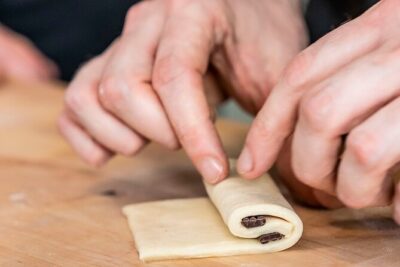
Paris Croissant Small-Group Baking Class with a Chef
Read our review →
Garni & Geghard Small-Group Day Trip with Lavash Baking
Read our review →
Vienna: Gerstner KuK Hofzuckerbäcker Baking Show & Tasting
Read our review →
Yerevan: Garni, Geghard, Symphony of Stones & Lavash Baking
Read our review →
Paris: French Croissant Baking Class with a Chef
Read our review →
Laugarvatn Fontana: Geothermal Bread-Baking Experience
Read our review →Browse the lists this tour appears in