
Review · TURKEY
Antalya: Kunefe Cooking Class with Local Chef in Old Town
Kunefe is not a dessert you simply order and forget. This Antalya workshop shows you how the crisp kadayıf, stretchy cheese, butter, syrup, and pistachios come together over a low flame. You cook your own portion, then eat it warm with Turkish tea.
I like the small group of up to six, which gives you room to handle the ingredients and ask questions. I also like the cultural side: the chef explains where kunefe comes from, how it changes by region, and why it matters in Turkish food culture.
The main drawback is the price. At $65 per person for 90 minutes, this is not a cheap snack. You are paying for instruction, conversation, and a hands-on activity, not just a plate of kunefe. Transportation to the kitchen is also not included.
Key points to know before booking
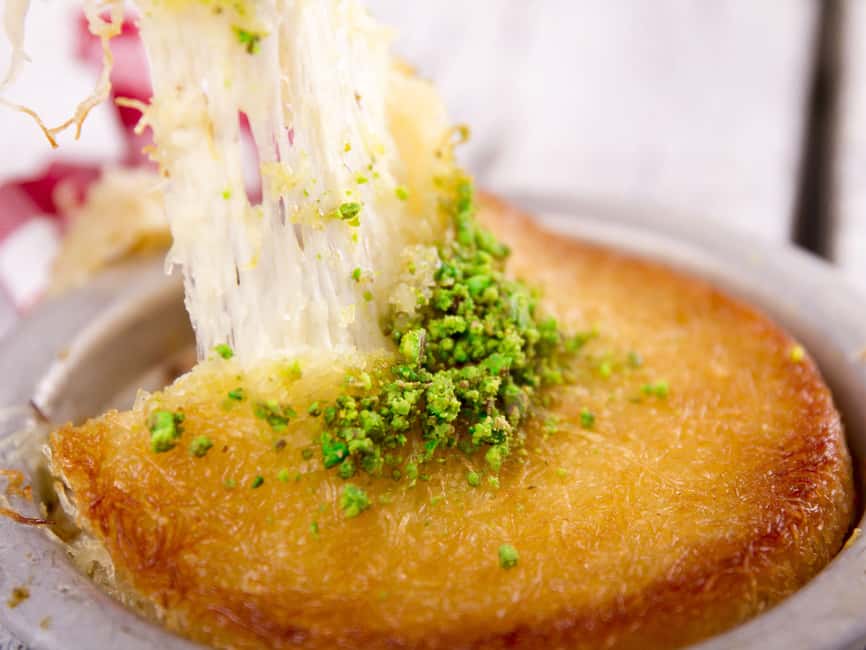
- You make the kunefe yourself, from buttering and layering kadayıf to controlling the flame.
- The class takes place in a cozy central Antalya kitchen, making it easy to pair with Old Town sightseeing.
- A local chef explains the dessert’s origins, regional variations, and role in Turkish culture.
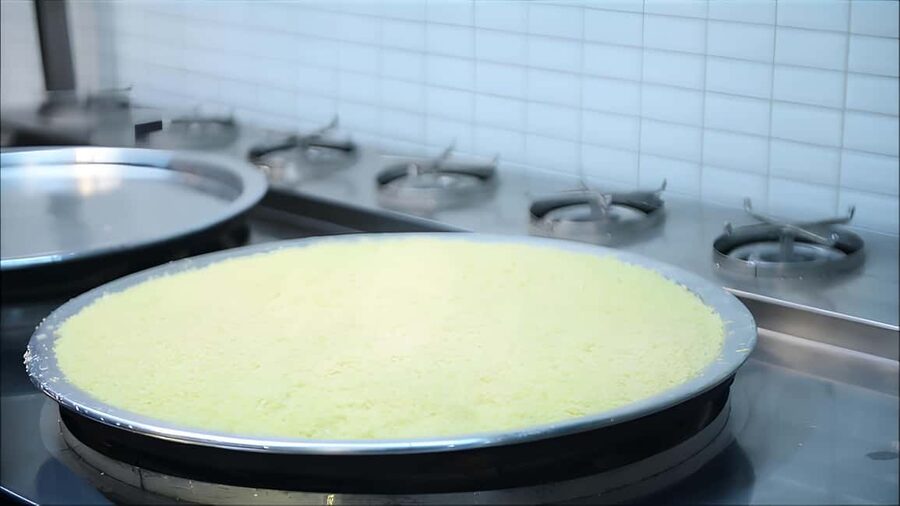
- The dessert cooks on a traditional round tray, with careful turning for an even golden crust.
- The group is limited to six people, a useful size for a practical cooking lesson.
- You finish with warm kunefe, pistachios, and Turkish tea, rather than carrying your creation away.
Why making kunefe in Antalya is different from ordering it
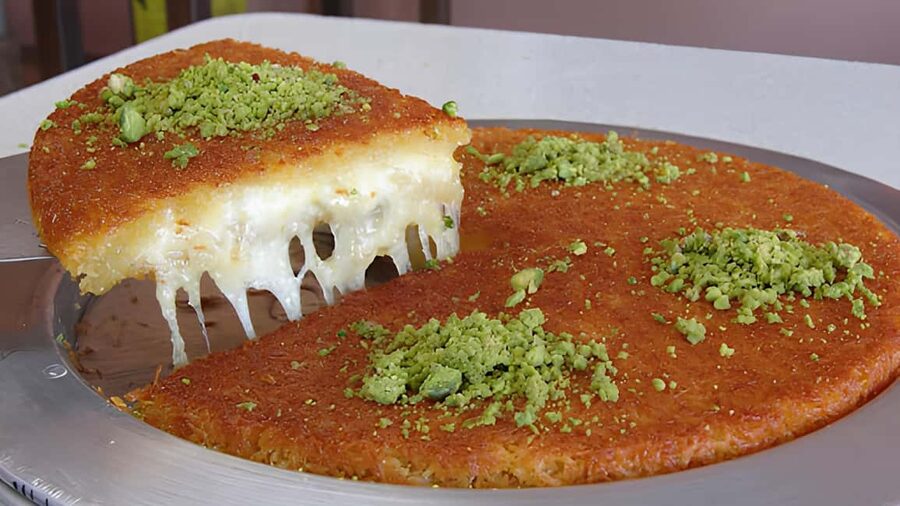
Kunefe is best understood while it is still hot. The outside should be crisp and buttery, while the cheese inside stays soft and stretchy. Warm syrup sinks into the pastry, and pistachios add color, crunch, and a slightly earthy taste.
At a restaurant, you get the finished result. Here, you see why small details matter. Too much butter can make the pastry heavy. Too little can leave dry patches. The syrup must be warm and ready when the kunefe comes off the heat. The cheese needs to soften without turning the base soggy.
That makes this a good choice if you enjoy food with a bit of technique behind it. You are not watching a polished chef perform from a distance. You are guided through the work, including the parts that can go slightly wrong. That hands-on quality is the reason to book.
The setting also helps. The class takes place in a welcoming kitchen in central Antalya, in or near the Old Town area described for the activity. It is a more personal setting than a large culinary studio, and the small group keeps the mood social without turning the lesson into a crowd.
More Hands-On Workshops in Turkey:
- Farmers Market visit & Turkish Cooking Class
★ 5.0 · 60 reviews - Bodrum: Market Visit and Cooking Class
★ 4.9 · 41 reviews - Cooking Class in Authentic Etrim Village
★ 4.5 · 23 reviews
Starting with Turkish tea and the story of the dessert
The session begins with traditional Turkish tea and an introduction from the local host. This is a sensible opening. You get a chance to settle in, meet the other participants, and learn what you are about to cook before reaching for the pastry.
The chef explains kunefe’s origins and how versions differ from one part of Turkey to another. The information is tied to the food in front of you, so it should feel useful rather than like a long history lecture. You learn why kunefe has a place in Turkish culinary culture and why the ingredients are chosen as they are.
This cultural background is one of the stronger parts of the experience. A short cooking class can easily become a recipe demonstration with a few tourist-friendly comments added on. Here, the story of the dish is part of the lesson. You begin to understand that kunefe is not simply sweet cheese and pastry. It reflects regional cooking habits, local ingredients, and the Turkish custom of sharing food and conversation.
The tea matters, too. It gives the class a natural rhythm. Turkish tea is not just a drink served at the end. It sets the tone for sitting together and talking, which is central to the social side of the activity.
Learning the ingredients: kadayıf, cheese, butter, and syrup
The chef introduces the main ingredients before the cooking begins. You work with kadayıf, the fine shredded pastry that forms the crisp layers. You also learn about the cheese used inside, clarified butter known as tereyağı, homemade syrup, and pistachios for the topping.
The cheese lesson is especially practical if you plan to make kunefe at home. The proper cheese may be difficult to find outside Turkey, so the chef explains possible substitutions. That information adds value beyond the class itself. A recipe is much more useful when it tells you how to adapt it to the ingredients available in your own kitchen.
Kadayıf also rewards careful handling. The strands need to be separated and coated properly with butter so the finished pastry cooks evenly. You learn that the goal is not simply to pile pastry into a tray. The butter must reach the layers, and the pastry must be arranged so the top and bottom can become crisp.
The homemade syrup is another key element. Kunefe is soaked after cooking, not drowned before it reaches the heat. Timing affects the final texture, so the chef explains how the warm syrup completes the dessert without wiping out its crisp surface.
Building the kunefe by hand
The most practical part of the class is the assembly. You butter the pastry, arrange a layer on the round tray, add the cheese, then cover it with more kadayıf. The work is simple enough for a first-time cook, but it still demands care.
This is where a six-person limit makes sense. You can watch the chef demonstrate, then copy the movements with help nearby. In a larger group, you might spend most of the lesson standing behind someone else. Here, the format is designed for participation.
You should expect a little mess. Fine pastry strands cling to buttered fingers, and the layers need to be pressed into place. That is part of the point. You are learning by touch as well as by explanation.
The chef also shows you how to create a balanced result. The cheese should be spread evenly, and the pastry should cover it fully. Gaps can let the cheese leak or cause parts of the dessert to cook faster than others. These are small details, but they are the difference between a good homemade kunefe and a sweet, uneven pastry.
A few more cooking classes around Turkey worth a look
- Traditional Home Cooking with a Local in İstanbul City Center
★ 5.0 · 82 reviews - Traditional Home Cooking with a Local in İstanbul Center
★ 4.9 · 78 reviews - Authentic Turkish Cooking at a Local’s Home in Istanbul
★ 4.9 · 24 reviews - Istanbul: Turkish Cooking Class with a Professional Chef
★ 4.8 · 23 reviews
Cooking on the traditional round tray
Once assembled, the kunefe cooks over a low flame on a traditional round tray. This gives you a more direct connection to the cooking process than an oven-based demonstration.
Low heat is important. The pastry needs time to turn golden while the cheese warms inside. If the flame is too strong, the bottom can darken before the middle is ready. If the heat is too gentle, the crust may not become properly crisp.
You learn to rotate the tray and watch the color. The movement helps the kunefe cook evenly, and the chef guides you in judging when it is ready. This is a useful skill because the color and texture tell you more than a fixed timer can.
The cooking stage is likely to be the most engaging part for anyone who likes practical activities. You have something at stake: the dessert in front of you must be watched, turned, and finished at the right moment. It is not a passive cooking show.
There is also a small limitation. A 90-minute class does not leave room for a long recipe workshop with several attempts. You will learn one dessert in a focused session, not master every variation of kunefe. For most people, that is the right balance for a sightseeing day, but serious home cooks may want more time.
Warm syrup, pistachios, and the first bite
When the kunefe is cooked, the chef adds warm syrup. This is the moment when the crisp pastry becomes the finished dessert. Pistachios go on top, adding a familiar Turkish touch and a pleasant contrast to the soft cheese.
You then sit down to eat what you made with Turkish tea and conversation. The final serving is not an extra add-on. It completes the lesson by letting you judge the result yourself. You can taste the crust, the cheese, the syrup, and the pistachios together.
This shared ending is also where the cultural exchange feels most natural. The activity is built around food and conversation rather than a quick demonstration followed by a hurried departure. The host has time to talk with you, answer questions, and share more about Turkish cuisine.
The food itself is rich. Kunefe combines butter, cheese, syrup, and pastry, so a small portion can feel satisfying. If you prefer lightly sweet desserts, you may find it heavy. That is not a flaw in the class, but it is worth knowing before you book. The point is to experience a classic Turkish sweet as it is traditionally prepared.
The chef, group size, and language
The activity is led by a local chef who speaks English and Turkish. No individual chef name is provided, but the teaching style is described as friendly, passionate, and focused on sharing Turkish food and culture.
The limit of six participants is one of the clearest advantages. You can ask about ingredients, watch the heat closely, and get help with the pastry. It also makes the tea-and-conversation ending feel more like a shared table than a scheduled presentation.
English and Turkish are both available, but the information does not specify whether every part of the class is delivered in both languages at the same time. If language support is central to your decision, confirm the details when booking.
Children under 10 are not suitable for this activity. That makes sense for a class involving a hot tray, an open flame, and a focused cooking lesson. Older children may enjoy it, especially if they like food preparation, but the experience is aimed at participants who can follow the chef’s instructions carefully.
Alcohol and drugs are not allowed. That is a straightforward rule for a kitchen-based activity.
Is $65 a fair price for 90 minutes?
At $65 per person, this costs more than buying a serving of kunefe at a café. If your only goal is to taste the dessert, order a plate and spend the rest of your money elsewhere.
The value changes if you want a personal food activity. The fee includes Turkish tea, instruction, the ingredients, hands-on preparation, cooking on the round tray, the finished kunefe, and time with the chef. You are also getting the practical information about cheese substitutions and cooking technique.
The small group improves the value. With no more than six participants, the class has a better chance of feeling personal rather than mass-produced. You are paying for access to the process and the host’s attention, not just the food.
I would call it fair for couples, solo visitors, and food-focused visitors who want one memorable activity in Antalya. It is less convincing for anyone on a strict budget or anyone who has already taken several cooking classes in Turkey.
Fitting the workshop into an Antalya day
The 90-minute length makes this easy to pair with time in central Antalya. Because transportation is not included, you need to make your own way to the workshop. The activity takes place in a central kitchen, but the exact meeting point and starting times should be checked before booking.
You can use it as a break from sightseeing. Old Town walks can involve plenty of heat, steps, and busy streets, while this class gives you a quiet indoor pause. The tea and dessert at the end also make it a natural afternoon activity.
Starting times vary, so check availability for the date you want. The duration is short enough to fit around other plans, but you should still allow time to reach the kitchen and find the meeting point.
Free cancellation is available up to 24 hours before the activity for a full refund. You can also reserve and pay later, which helps if your Antalya plans are still changing.
Who should book this kunefe class?
I would recommend it to you if you enjoy learning how a local dish is made, prefer small groups, and want more than a standard restaurant meal. It is particularly good for visitors curious about Turkish food traditions and for anyone who wants a recipe they can try again at home.
It also suits people who like meeting local hosts. The strongest praise for the activity focuses on the chef’s friendly manner, clear explanations, and enthusiasm for Turkish cuisine. The teaching is not treated as a mechanical list of steps. The human exchange is a major part of the appeal.
You may want to skip it if you dislike rich desserts, have very little time in Antalya, or only want a quick taste of kunefe. The price is high for a snack, and the class is not designed for children under 10.
Should you book it?
Book this class if you want to understand kunefe from the inside out. You will learn the ingredients, handle the pastry, manage the heat, and eat the result while talking with a local chef. That gives the dessert a story and a technique, not just a sweet finish to dinner.
Skip it if your budget is tight or if you would rather spend $65 on several meals. For food lovers, though, the small group, central setting, practical instruction, and warm tea-table conversation make this a worthwhile 90-minute addition to an Antalya visit.
FAQ
How long does the kunefe cooking class last?
The activity lasts 1.5 hours, or 90 minutes.
Where does the class take place?
It takes place in a cozy kitchen in central Antalya, in the Old Town area described for the activity.
How much does the experience cost?
The price is $65 per person.
What is included in the price?
The experience includes traditional Turkish tea, an introduction to kunefe’s origins, hands-on preparation, cooking on a traditional round tray, and kunefe served with tea and conversation.
Is transportation included?
No. Transportation to the workshop is not included.
What languages are available?
The instructor speaks English and Turkish.
How many people can join the class?
The group is limited to six participants.
Can children take part?
The activity is not suitable for children under 10 years old.
Can I cancel for a full refund?
Yes. You can cancel up to 24 hours in advance for a full refund. You can also reserve now and pay later.
Just added around Turkey
- Farmers Market visit & Turkish Cooking Class★ 5.0 · 60 reviews
- Bodrum Cooking Class with Local Couple★ 5.0 · 6 reviews
- Cooking Class in Authentic Etrim Village★ 4.5 · 23 reviews
- Bodrum Cooking Class★ 5.0 · 3 reviews
- Turkish Cuisine Cooking Class at Local Home with Family★ 5.0 · 9 reviews
- Istanbul: Turkish Cooking Class with a Professional Chef★ 4.8 · 23 reviews
- Istanbul: Vegan/Vegetarian Cooking Class with Locals at Home★ 5.0 · 8 reviews
- Bodrum: Market Visit and Cooking Class★ 4.9 · 41 reviews
Cooking Classes, compared.
Half-Day Thai Cooking Class at Organic Farm in Chiang Mai
Read our review →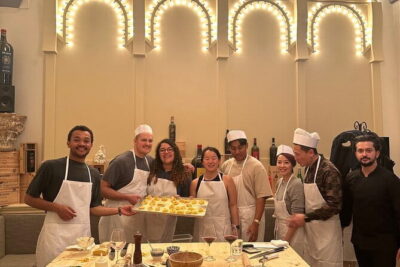
Florence: Pasta Cooking Class with Unlimited Wine
Read our review →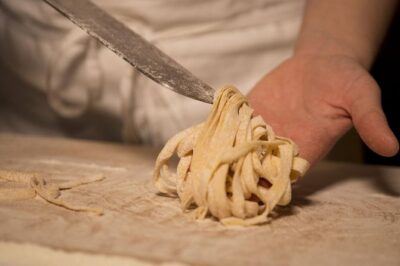
3 in 1 Cooking Class near Navona: Fettuccine, Ravioli & Tiramisu
Read our review →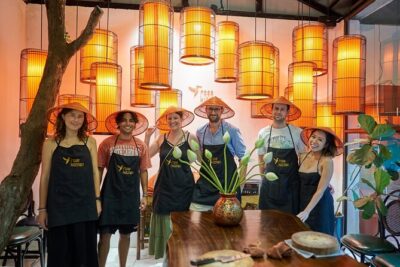
Hanoi Cooking Class: Culture, Local Market & Meaning CSR Impact
Read our review →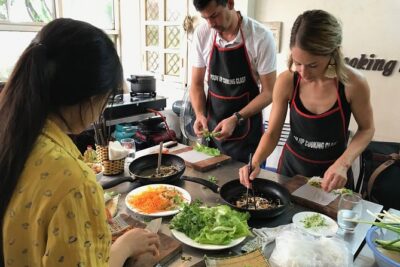
5 Traditional Dishes Hanoi Cooking Class with Market Trip
Read our review →
Cooking Class and Lunch at a Tuscan Farmhouse with Local Market Tour from Florence
Read our review →
Chiang Mai: Cooking Class, Market & Thai Herbs Garden Tour
Read our review →Browse the lists this tour appears in