
Review · HOME
Antigua: Cooking Class with Local Family
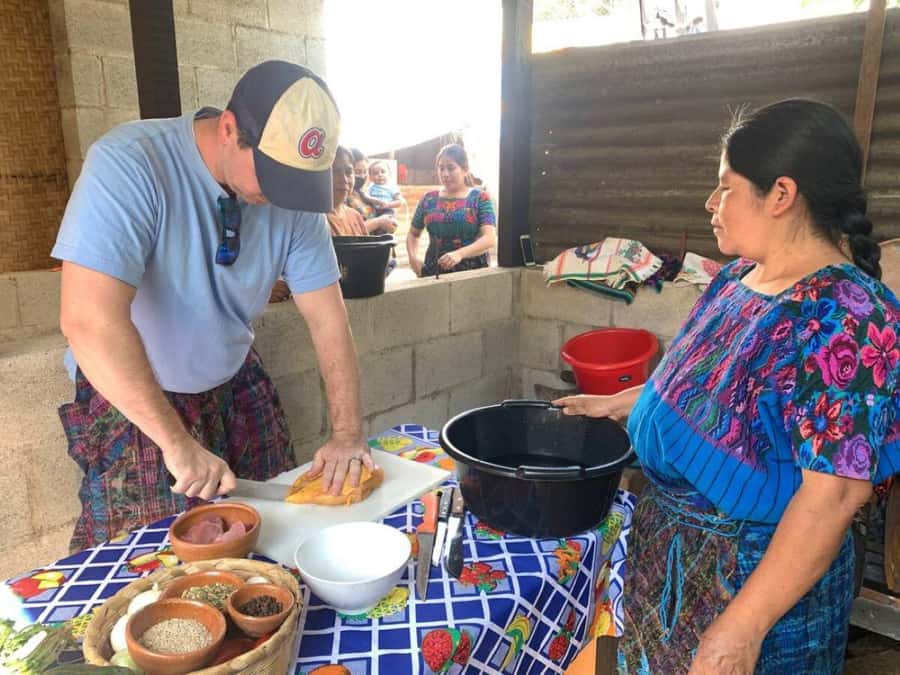
The most memorable part of this Antigua cooking class is the work done by hand. You grind corn, seeds, and spices on a pedernal stone, following a method linked to Maya cooking for more than 4,000 years. This is not a quick demonstration where you watch someone else do the hard work. You help turn raw ingredients into lunch.
I like two things here. First, the class takes place with a local family, so the meal comes with conversation and a look at daily Guatemalan foodways. Second, you learn useful techniques, not just a recipe card. The possible drawback is that transport and the exact menu can vary, and four hours of cooking may feel long if you want only a short food tasting.
Key points to know
- Hand-ground seasonings: Use a traditional pedernal stone to crush corn, seeds, and spices.
- Family cooking: Prepare a Guatemalan meal alongside a local host family, with English or Spanish guidance.
- Market connection: Some sessions begin with a market visit to choose fresh ingredients.
- Classic dishes: The menu may include Pepián, Jocón, Kak’ik, or a vegetarian alternative.
- Small private setting: Groups are limited to 10, and the activity is private to your party.
- Practical value: Ingredients, snacks, bottled water, transport, and local guidance are included.
Starting at the market, when the schedule allows
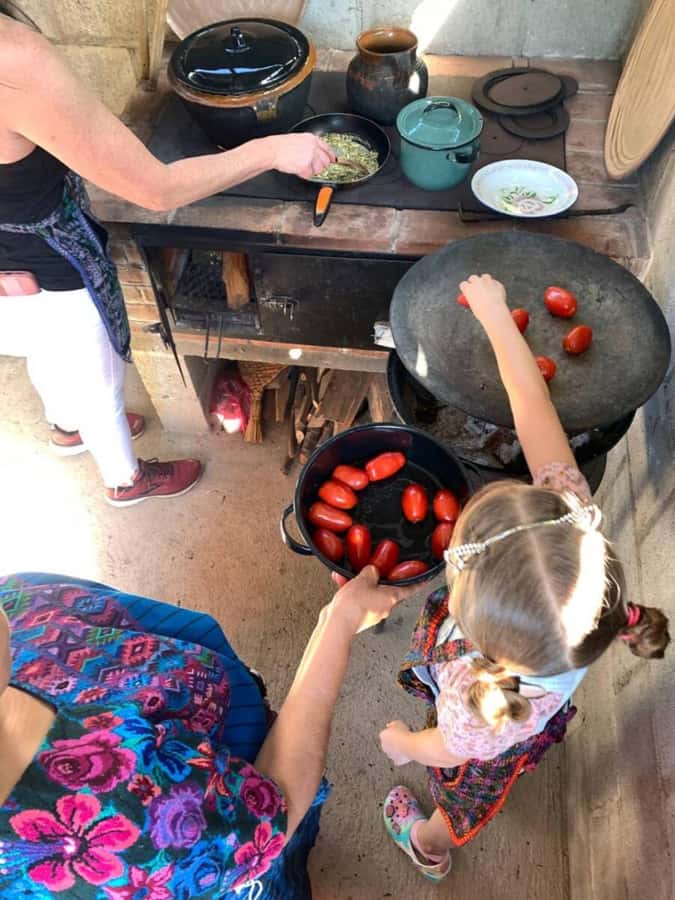
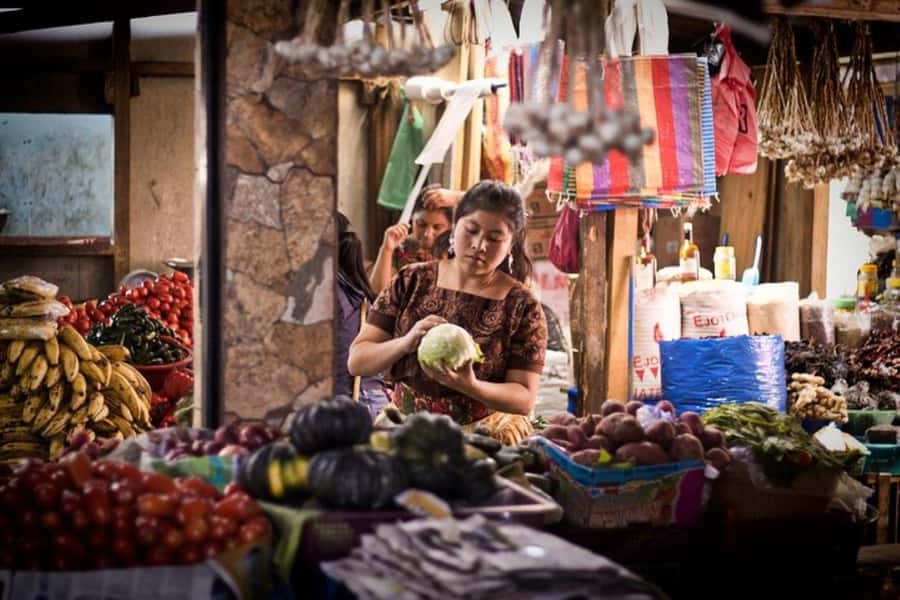
A market visit can give the class a useful opening scene. Instead of meeting the finished meal on a plate, you see some of the ingredients being selected before cooking begins. In one reported itinerary, Maritza met her participant outside a hotel, visited the market, and then continued to her home for the meal.
That market stop matters because Guatemalan cooking depends on combinations of produce, seeds, chilies, herbs, and spices. You may not learn the name of every ingredient, but you begin to see that dishes such as Pepián are built in layers. The class is less about following a fixed Western-style recipe and more about understanding how ingredients become a sauce or stew.
Do not assume every session follows the same transport pattern. The available details mention private transportation, while past sessions have included a chicken bus or tuk tuk. That difference may reflect the host family, location, or day’s arrangements. If the way you get to the family home matters to you, ask for the planned transport when booking.
The market is also a practical place to tell your host about food restrictions. You must report allergies, dietary limits, and physical or medical restrictions in advance. The menu can be adjusted, including a vegetarian option and a special infant menu.
More Home Cooking Classes in the world:
- Khmer Cooking Class at a Local’s Home in Krong Siem Reap
★ 5.0 · 2,731 reviews - Local Home Korean Cooking Class & Market Adventure in Seoul
★ 5.0 · 1,024 reviews - Marrakech: Moroccan Cooking Class with a Local Family
★ 4.9 · 668 reviews
Grinding corn and spices on the pedernal stone
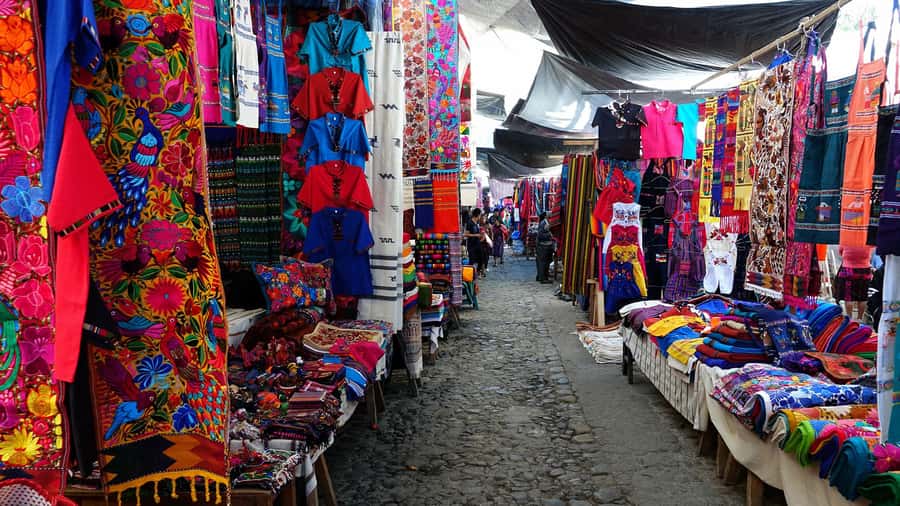
The hands-on work is the heart of the class. You grind corn, seeds, and spices with a traditional pedernal stone, using a method associated with Maya communities for thousands of years. The stone is not just a prop for a photograph. It changes the pace of cooking and makes you feel the effort behind the food.
I like this kind of lesson because it explains flavor through action. You notice the texture of the ingredients as they break down. You also see why these dishes take time. A sauce made from ground ingredients has a different character from one assembled from a packet or blender.
The class uses heritage utensils and traditional ingredients. That makes the lesson useful at home, though you may not own the same tools. Your host can still show you the technique and help you adapt it to an ordinary kitchen. The goal is not to turn you into a professional cook. It is to help you understand the steps well enough to make the dish again.
Expect real participation. You may crush, mix, shape, and cook rather than simply stand near the stove. If you have limited strength, mobility concerns, or a medical condition, mention it before the activity. The experience is wheelchair accessible, but the physical demands of hand grinding and cooking are still worth discussing.
Preparing Pepián, Jocón, Kak’ik, or a meat-free meal
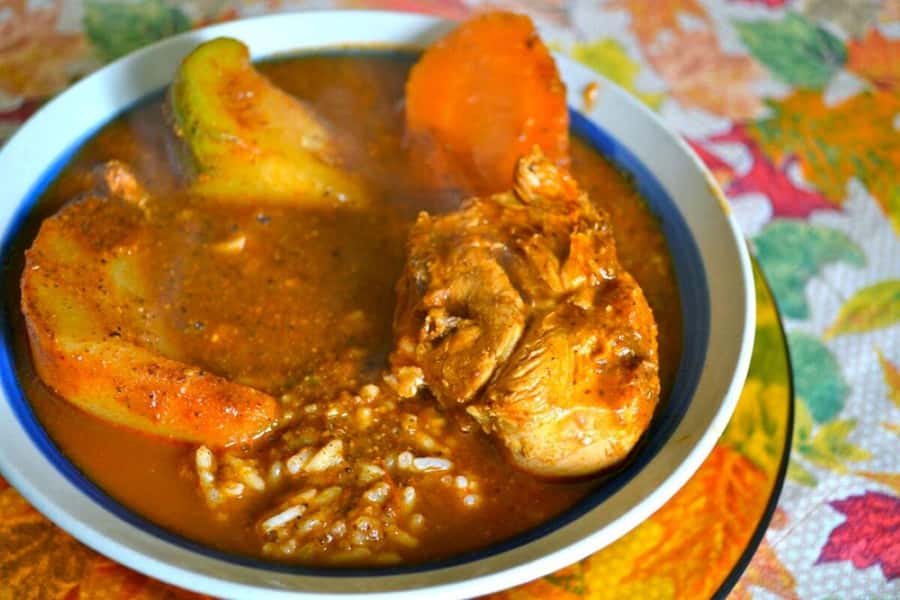
The menu can vary by region and season. Possible dishes include Pepián, Jocón, Kak’ik, or a vegetarian preparation. This flexibility is a benefit because it allows the food to reflect local practice rather than forcing every group through the same fixed menu.
Pepián is the dish featured in the clearest cooking account. The preparation included making the sauce, cooking the meal, and shaping tortillas. If this is your menu, you should expect a dish with several ingredients and a process that rewards patience.
Jocón and Kak’ik offer other possible paths through Guatemalan cooking. The supplied details do not promise one specific recipe, spice level, or meat choice on every date, so ask what your group will prepare. Seasonal changes can affect the menu as well.
Vegetarians should not be left guessing. A vegetarian option is available, but you need to give advance notice so the family can plan the ingredients. The same advice applies to allergies. Do not wait until you arrive, especially if you need a strict kitchen setup rather than a simple substitution.
Making tortillas and eating what you cooked
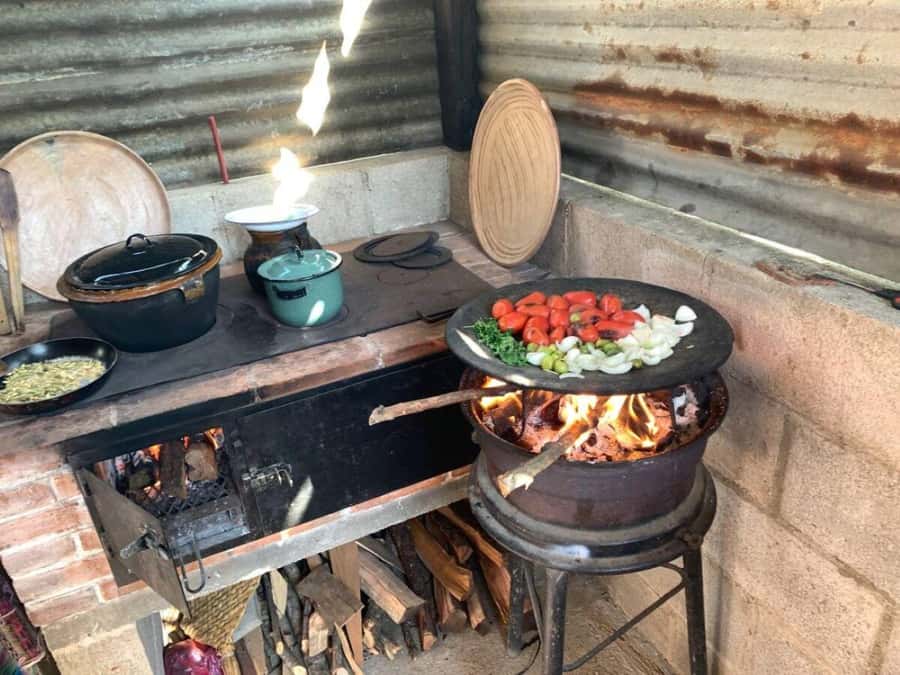
Tortilla making is a small task with a big payoff. In Maritza’s class, the cooking included making tortillas by hand, giving participants a chance to shape part of the meal from scratch. You may find the first few tortillas uneven. That is part of the fun, and it is also a useful lesson in how much practice a familiar food can require.
The meal is not rushed into a restaurant setting. You prepare it, sit down, and enjoy your own work with the host family. That shared table is what separates this from a standard cooking demonstration. You are not only collecting food facts. You are spending time with people who cook these dishes as part of ordinary life.
Snacks and bottled water are included. One session included homemade chips with beans and cheese, along with Rosa de Jamaica, the hibiscus drink often called Jamaica. Alcohol is not included, so plan on a nonalcoholic meal unless you make other arrangements.
The family setting may be especially appealing if you want personal contact rather than a large culinary studio. Groups are limited to 10, and the activity is described as private to your party. Still, the exact family you meet can vary, since the provider works with more than 10 local families.
More Hands-On Workshops in the world:
- Half-Day Thai Cooking Class at Organic Farm in Chiang Mai
★ 5.0 · 19,087 reviews - Florence: Pasta Cooking Class with Unlimited Wine
★ 4.9 · 10,285 reviews - 3 in 1 Cooking Class near Navona: Fettuccine, Ravioli & Tiramisu
★ 5.0 · 7,376 reviews - Florence: Pasta & Tiramisu Cooking Class with Unlimited Wine
★ 4.9 · 6,708 reviews
What the four hours feel like
Four hours gives the class room to move at a human pace. You can travel to the market if that is part of your schedule, choose or review ingredients, reach the family home, prepare the food, and eat the finished meal. It is long enough for hand grinding and tortilla making without treating them as quick photo stops.
That length can also be the main consideration. If you have only a short visit in Antigua or prefer to sample several restaurants, this may take more of your day than expected. Cooking is active, and the experience is not designed as a brief tasting.
The four hours are more appealing if you want to remember the process. You will have time to ask questions, watch how ingredients are handled, and repeat a technique when the first attempt does not work. English and Spanish guidance are available, which helps if you want explanations rather than silent observation.
Starting times depend on availability. Confirmation is provided when you book, and the reserve-now, pay-later option lets you hold a place without paying at once. Cancellation is free up to 24 hours before the activity for a full refund.
The value of a $75 cooking class
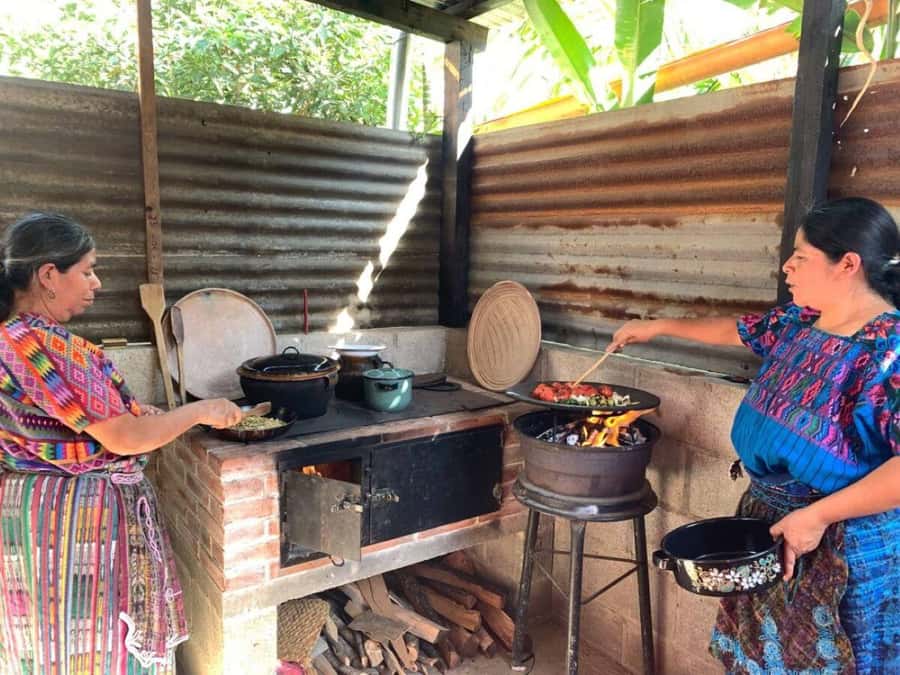
At $75 per person, this costs more than buying a Guatemalan lunch. That comparison misses the point, though. The price includes four hours, all ingredients, snacks, bottled water, local guidance, transportation, and taxes and fees. You are paying for instruction and time with a local family, not only for the plate you eat.
The value is strongest if you intend to cook the dishes again. You leave with recipes and techniques that can be repeated at home, even if you replace the traditional stone with kitchen equipment you already own. The class also gives you a practical way to support local families and the local economy.
The value is weaker if you mainly want a quick meal or a polished restaurant-style lesson. The menu is not fully fixed, and the setting may be more personal and informal than a cooking school. That is a strength for some people and a mismatch for others.
I would also check the transport details before booking. Private transportation is listed as included, but past sessions have used a chicken bus or tuk tuk. These can be part of the local character, yet some people will prefer a clearly arranged vehicle from start to finish.
Who will enjoy this most
I would choose this class if you like food with a story and prefer learning by doing. It suits couples, families, and small groups that want time with local people rather than another standard Antigua excursion.
It is also a good fit for anyone curious about Maya cooking methods. The pedernal stone, heritage utensils, grinding work, and tortilla making give the class a stronger cultural focus than a lesson built around premeasured ingredients.
Families should ask about the special infant menu and any physical needs before booking. The activity is wheelchair accessible, but you should still confirm how the specific host home and cooking area will work for your party.
This may not suit you if you dislike shared meals, have severe food allergies that require a tightly controlled kitchen, or want to choose every dish in advance. The host family and seasonal menu shape the day, so some flexibility helps.
A personal class with a changing menu
One advantage of working with more than 10 families is that the experience can feel connected to real homes rather than a single staged venue. One disadvantage is that the atmosphere, route, and menu may differ depending on your host.
Maritza received especially warm praise in the available accounts. Her sessions included the market visit, homemade snacks, Jamaica, Pepián, tortillas, and tuk tuk transport. If Maritza is assigned to your group, you can expect a host-led day built around those kinds of personal touches, but her name should not be treated as a guarantee for every booking.
The strongest part of the experience is the welcome around the food. A family class gives you room for simple exchanges that do not fit neatly into a formal tour script. You might learn how a dish is adjusted at home, how a tortilla should feel before it reaches the heat, or why a certain ingredient matters to the finished meal.
Do keep your expectations grounded. This is not presented as a technical chef certification course. It is a home-style cultural and cooking experience, with the pleasure coming from working together, eating together, and carrying the method back to your own kitchen.
Should you book the Antigua family cooking class?
I would book it if you want a four-hour, small-group activity with real participation and a local family connection. The hand grinding, market possibility, tortilla making, and meal preparation give you more to remember than a standard restaurant lunch.
The $75 price is fair when you count the transport, ingredients, snacks, guidance, and private setting. It becomes an even better deal if you use the recipes at home after your trip.
Before confirming, send your dietary restrictions, allergies, medical needs, and preferred menu information in advance. Ask how transport will work and which family will host you. If you are comfortable with a changing menu and an informal home setting, this is a strong choice for seeing Guatemala through its cooking.
FAQ
How long does the Antigua cooking class last?
The activity lasts four hours. Starting times depend on availability.
What dishes can I prepare?
Possible dishes include Pepián, Jocón, Kak’ik, and a vegetarian option. The menu may change by region or season.
Is the class suitable for vegetarians or people with food allergies?
A vegetarian option is available. You must provide information about allergies and dietary restrictions in advance so the menu can be adjusted.
Is transportation included?
Yes. Private transportation is included in the listed experience. Past sessions have also used transport such as a chicken bus or tuk tuk, so ask about the planned arrangements for your date.
Is the activity wheelchair accessible?
Wheelchair-accessible options are available. You should also inform the provider about any physical or medical restrictions before booking.
What languages are available, and how large is the group?
The activity is offered in English and Spanish. Groups are limited to 10 participants, and the activity is private to your party.
Just added around the world
- Cooking Class and Wine Pairing in Capri★ 5.0 · 57 reviews
- Private Cape Malay Cooking Class in Cape Town with a Local Family★ 5.0 · 24 reviews
- Private Moroccan Cooking Class in Casablanca with a Local Expert★ 5.0 · 12 reviews
- South African Cooking in Cape Town with Local Chef Richard★ 4.5 · 10 reviews
- Langa Township and Bokaap Cooking Class Half Day Tour★ 5.0 · 4 reviews
- Private Authentic Mexican Cooking Class in Cancun with Alberto★ 5.0 · 3 reviews
- Private Authentic Cape Malay Cooking Class in Manenberg with Locals★ 5.0 · 5 reviews
- Cape Town Shore Excursion| South African Cooking & Port Transfers★ 5.0 · 3 reviews
Home Cooking Classes, compared.
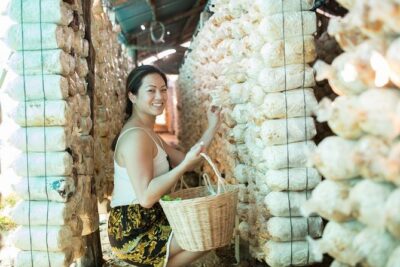
Khmer Cooking Class at a Local’s Home in Krong Siem Reap
Read our review →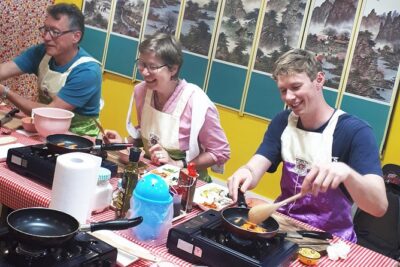
Local Home Korean Cooking Class & Market Adventure in Seoul
Read our review →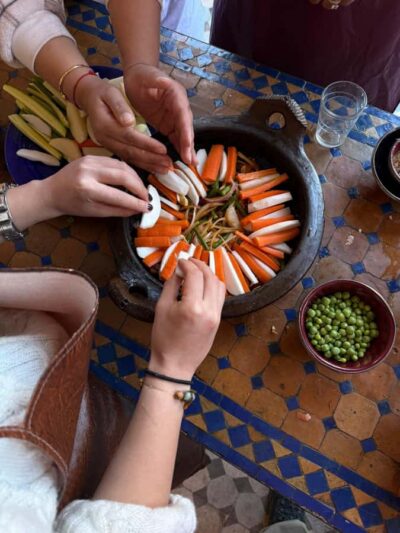
Marrakech: Moroccan Cooking Class with a Local Family
Read our review →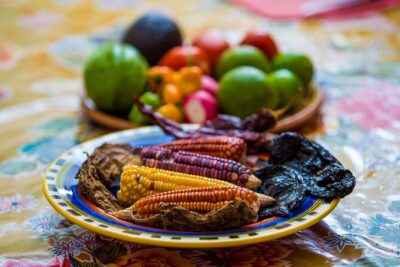
Mexican Cooking from Scratch in a Local Home in Tulum
Read our review →
Pastamama, Home Cooking Classes at Grace’s Home
Read our review →
Marrakech: Moroccan Cuisine Cooking Class in Local Home
Read our review →
Hoi An: Traditional Cooking Class & meal with Local Family
Read our review →
Browse the lists this tour appears in