
Review · ATHENS
Athens: Kerameikos Stone House Cooking Class
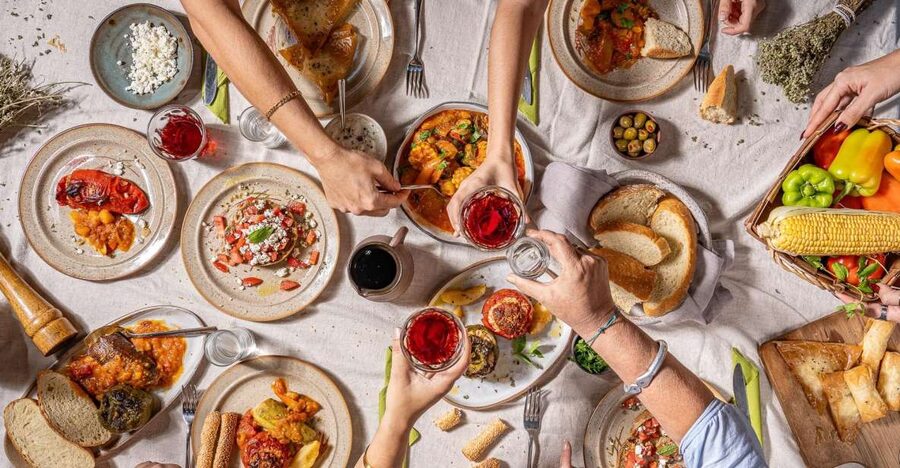
The best part of this Athens cooking class is that it feels more like being welcomed into a family kitchen than attending a formal lesson. At Mama’s Roots, a restored 1920s stone house in Kerameikos, you prepare six Greek dishes, then sit down in the garden to eat what you made.
I like the short market visit on Tuesdays, when you help choose fresh ingredients right outside the house. I also like how practical the recipes are: tzatziki, tomato-based eggs, spinach pies, salad, stuffed vegetables, and loukoumades are dishes you can repeat at home. The main consideration is the pace. Six dishes in three to three and a half hours means some elements, especially dessert, may be prepared partly in advance.
Key points at a glance
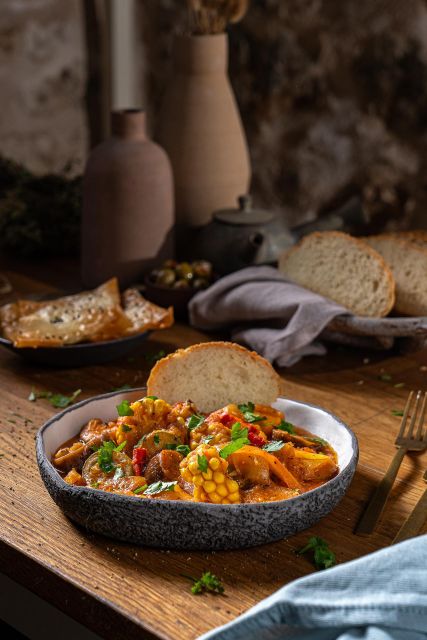
- A real neighborhood setting: Mama’s Roots occupies a traditional stone house in Kerameikos, an area known for its bars and restaurants.
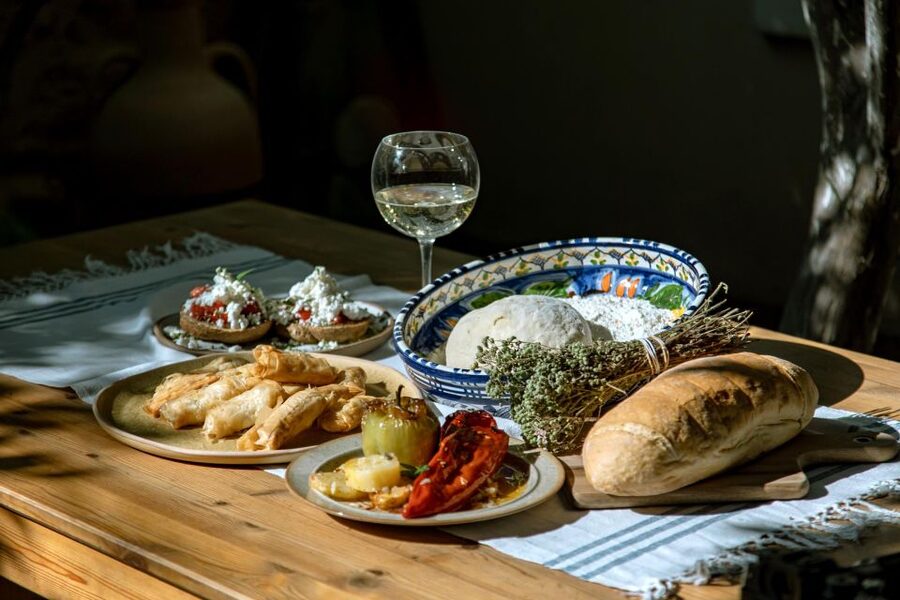
- Six dishes in one sitting: The menu includes stuffed tomatoes and peppers, spinach cheese rolls, Cretan salad, kagiana, tzatziki, and loukoumades.
- Tuesday market stop: You spend about 15 minutes shopping for produce and other ingredients at the farmers’ market in front of the house.
- Hands-on cooking: Guides such as Elena, Kostas, and Vasilis give everyone tasks rather than simply demonstrating from a distance.
- A social meal afterward: You eat together in the courtyard or garden with wine from local producers.
- Useful take-home value: Recipes are supplied digitally, often through a QR code, so you can recreate the meal later.
Cooking Greek family recipes in Kerameikos
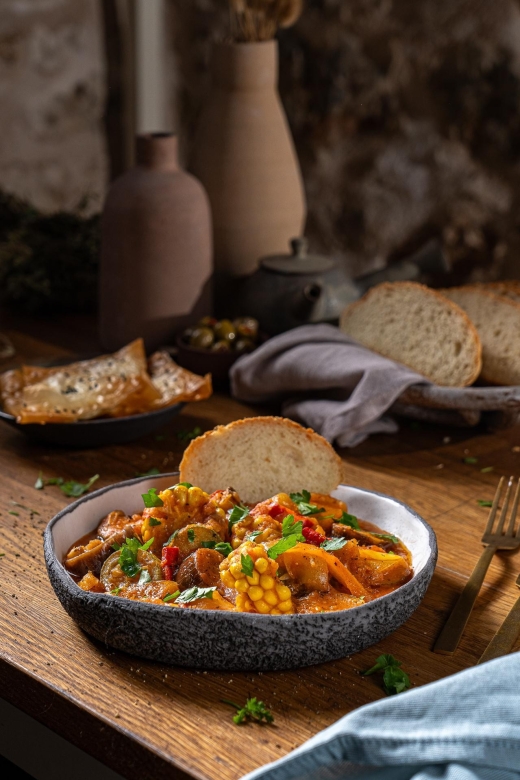
Kerameikos gives this class a useful sense of place. It is central Athens, but the experience takes you away from the big archaeological sights and into a neighborhood with local restaurants, bars, workshops, and older homes. The house itself is part of the appeal, with a kitchen area opening toward a garden and courtyard.
You meet at Mama’s Roots, where the cooking is shaped by family recipes connected to Crete and the Peloponnese. That matters because the class is not built around restaurant tricks or complicated chef techniques. The food is home cooking, the kind of meal designed to feed a family well with fresh vegetables, herbs, olive oil, cheese, and simple seasoning.
The tone is warm and informal. Guides have included Elena, her mother Gianna, Kostas, and Vasilis, also called Billy. The instructor can vary, but the teaching style is consistent: explain the ingredients, show the method, then bring you into the work. You might chop, mix, fill, roll, season, or shape the food yourself.
This works well for beginners. You do not need advanced cooking skills to keep up, and the recipes are simple enough to make useful after your trip. Experienced home cooks may find the techniques familiar, but the local ingredients and family context still make the class worthwhile.
More Hands-On Workshops in Athens:
- Athens: Classic Cooking Class with Market Visit and Wine
★ 5.0 · 1,101 reviews - Athens: Food Market Visit and Cooking Class with Wine
★ 4.9 · 1,087 reviews - Greek Cooking Class in Athens Including Rooftop Dinner with Acropolis View
★ 5.0 · 826 reviews
The Tuesday market adds a local touch
On Tuesdays, the farmers’ market takes place directly in front of Mama’s Roots. The group usually spends around 15 minutes there picking up fresh ingredients for the meal.
This is a short stop, not a full market tour, so keep your expectations in check. You will not spend an hour wandering through every stall or receive a detailed food history lecture. Still, the visit gives you a better sense of how ingredients reach the kitchen and lets you see the food before it is washed, chopped, and cooked.
The market also gives the class a natural beginning. Instead of arriving to find every ingredient measured into bowls, you take part in the shopping. You see the vegetables, herbs, and other products that will become your lunch or dinner, then carry them back into the house.
If you book a day other than Tuesday, the market portion may not be part of your class. The cooking itself remains the main event, but this is one reason Tuesday is especially appealing.
Six dishes, from stuffed vegetables to loukoumades
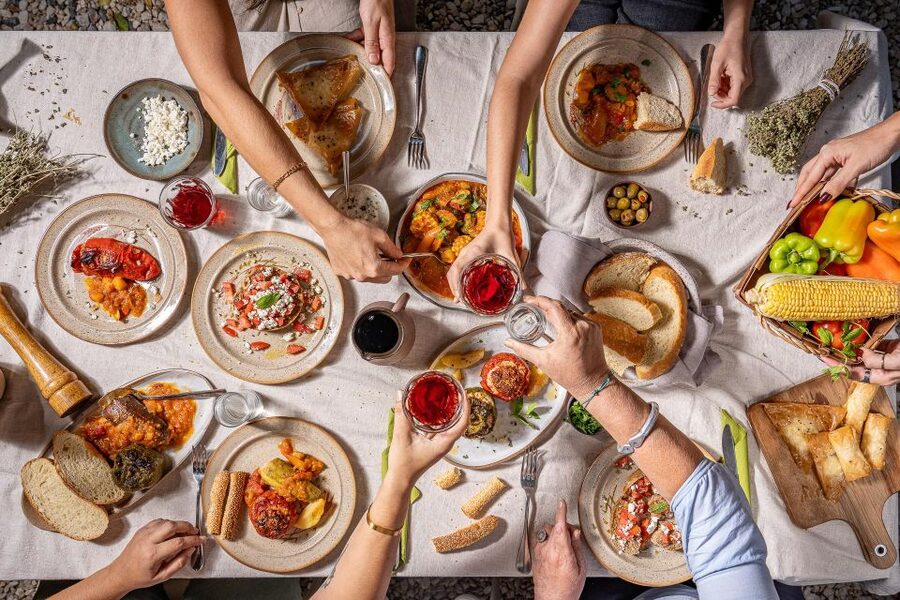
The menu is subject to seasonal availability, but the advertised lineup gives you a clear idea of the meal. It is traditionally Greek and vegetarian in the examples provided, making the class especially suitable for people who want a meat-free cooking activity.
Yemista
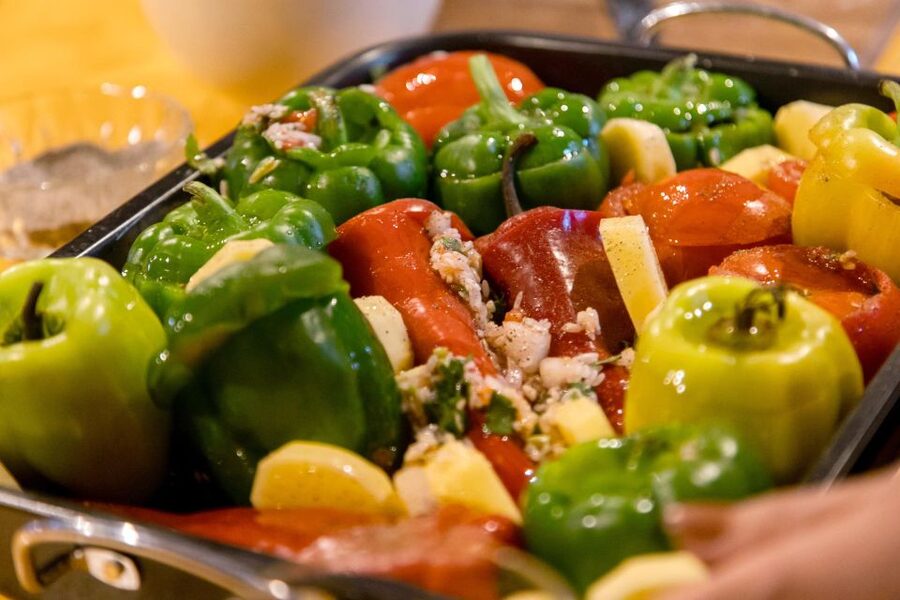
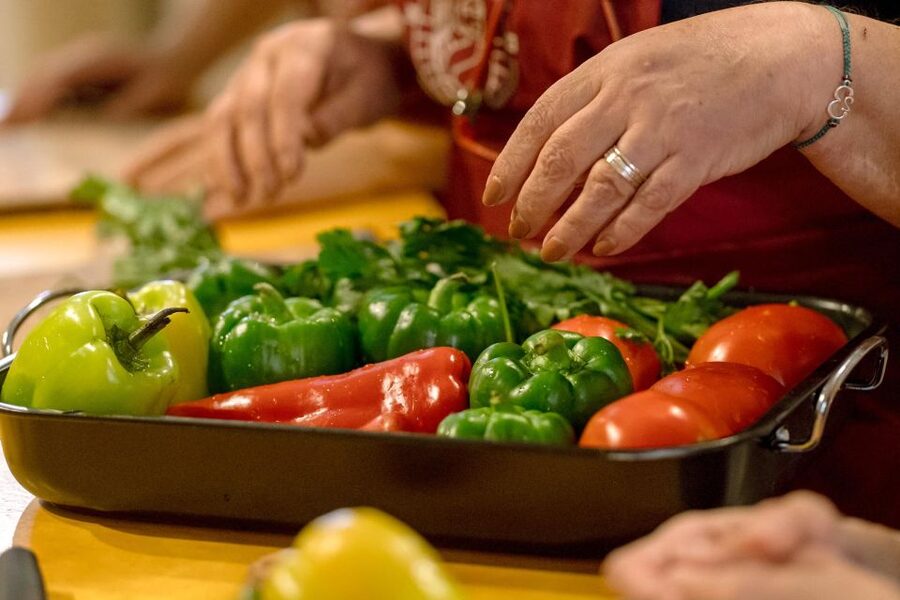
Yemista are tomatoes and peppers stuffed with rice, vegetables, herbs, and extra virgin olive oil, then baked. This dish shows how Greek cooking can turn inexpensive produce into something filling and fragrant.
You learn the basic logic behind the dish rather than simply watching a finished tray come from the oven. The vegetables need time to cook, so they may be prepared early in the class and served later with the other dishes.
A few more cooking classes around Athens worth a look
- Greek Small-Group Athens Cooking Class & Dinner
★ 5.0 · 574 reviews - Athens: Greek Cooking Class & Dinner on a Rooftop
★ 5.0 · 383 reviews - Athens: Greek Cuisine Cooking Class and 3-Course Dinner
★ 4.8 · 270 reviews - Traditional Greek cooking class and lunch or dinner with an Acropolis view
★ 5.0 · 250 reviews
Spinach cheese rolls
These small pies combine fresh spinach, feta cheese, and herbs in phyllo dough. The pastry is baked until crisp, and it was a favorite for many people who took the class.
Phyllo can seem intimidating at home, but the class gives you a chance to handle it with guidance. This is also one of the most rewarding dishes to recreate because the result feels special while the ingredients remain easy to find.
Cretan ntakos salad
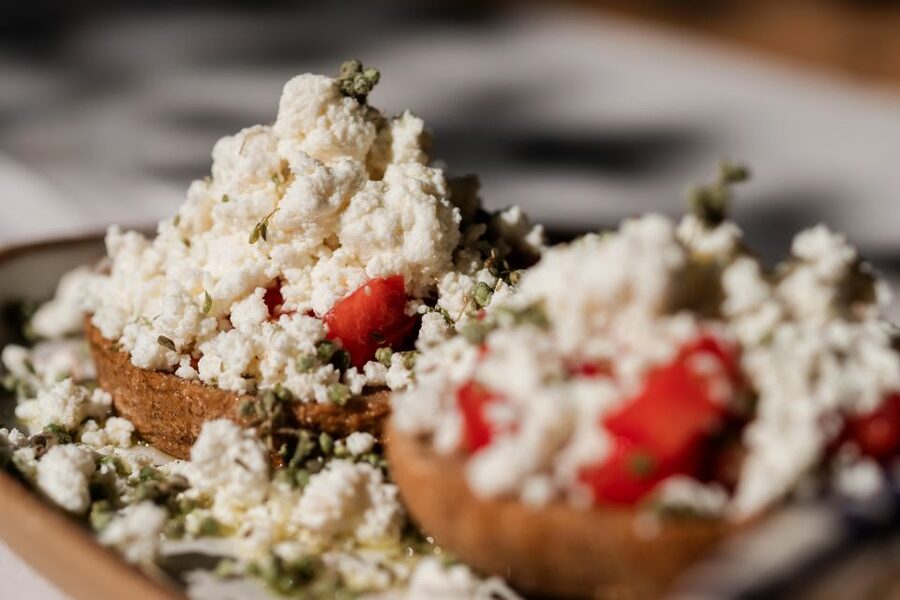
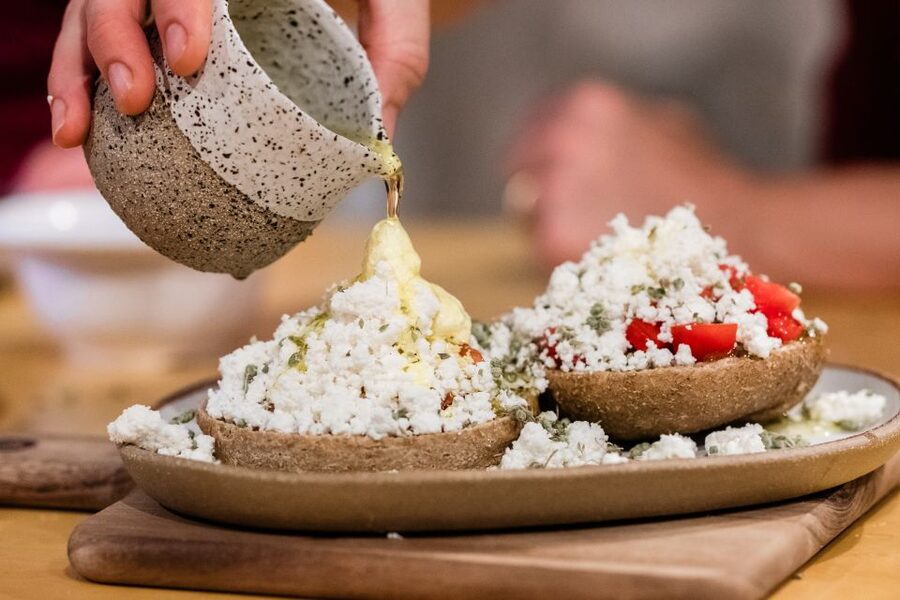
Ntakos is made with crunchy barley rusks, olive oil, diced tomato, capers, oregano, and sour mizithra cheese. It is a good example of Cretan cooking, where a few strong ingredients do most of the work.
The rusks give the salad a firm texture, while the tomato and olive oil soften them. It is not the same as a standard Greek salad, and learning this variation adds some regional range to the meal.
Kagiana
Kagiana is a Greek egg dish made with grated tomatoes, peppers, and feta cheese. It is quick, comforting, and easy to repeat in your own kitchen.
This may become one of your most useful take-home recipes. The ingredients are ordinary, the method is manageable, and the dish works well for breakfast, lunch, or a light dinner.
Tzatziki
The class also covers tzatziki, the familiar mixture of yogurt, cucumber, garlic, and herbs. You learn how a few details affect the final texture and flavor.
This is a good class choice for anyone who has bought packaged tzatziki and wondered why it never tastes quite right. The homemade version takes only a short time to prepare, and the recipe can become a regular part of your meals at home.
Loukoumades
Loukoumades are small round doughnuts served with honey and cinnamon. They finish the meal on a sweet note and provide a simple introduction to a classic Greek treat.
One practical point: the dessert may not always be shown from start to finish while you are cooking and eating the savory dishes. If loukoumades are a major reason you want to attend, ask the instructor how that part will be handled on your date.
The cooking is genuinely hands-on
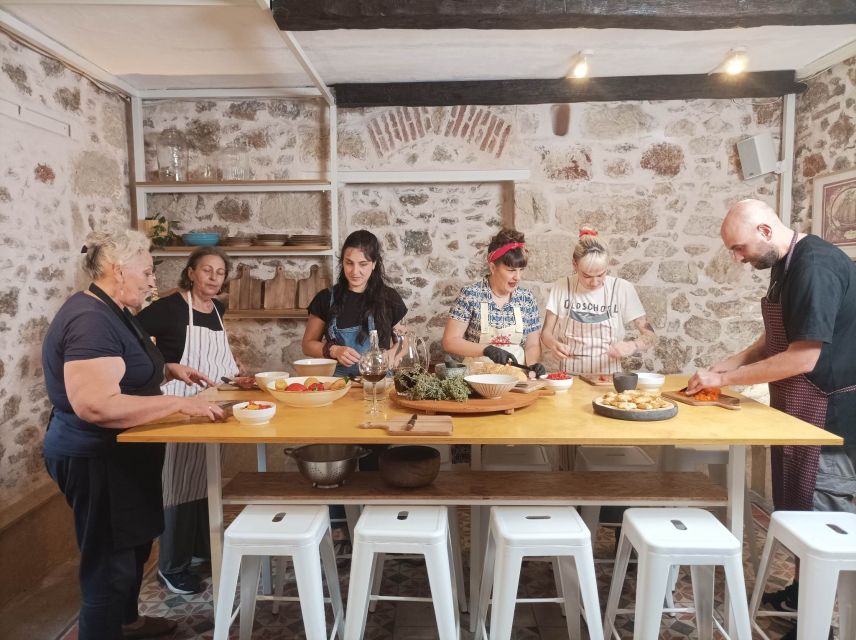
The strongest feature of this experience is participation. You are not seated at a demonstration counter while an instructor does everything. The class is arranged so people can share the preparation, and the instructor helps each person take part.
That makes a difference in a small group. With around seven people in one reported class, there was enough room for everyone to work and talk without feeling lost in a crowd. Group size can vary, but the experience is specifically offered in a small-group format.
The instructors focus on more than measurements. They explain ingredients, textures, techniques, and the reasons behind different steps. Elena, in particular, has been described as patient and careful about explaining where ingredients come from and how they are used in different parts of Greece.
You also get stories about food, family, and local customs. This gives the recipes a little more meaning. A stuffed pepper becomes more than a sequence of instructions, and a salad becomes a way to understand Cretan habits and ingredients.
The class is conducted in English. A few practical demonstrations are worth more than perfect culinary vocabulary, so the setting suits people who want to learn without feeling tested.
A garden meal with Greek wine
After the cooking, you eat the dishes together in the courtyard or garden. The outdoor setting is a major part of the experience, with shade, greenery, and a quieter mood than you would find at a busy central restaurant.
On hot days, eating indoors with air conditioning may be possible, according to the experience details shared by participants. That flexibility matters in Athens, especially during the warmest months. The garden is lovely, but comfort should come first.
Wine from local producers is included with the meal. It helps turn the class into a shared social occasion, not just a lesson followed by a quick bite. You will likely spend time talking with the instructor and the other people in the group, which can be a pleasant way to meet visitors from different countries.
The amount of food is generous. Since you prepare six dishes, you may not finish everything at the table. If you cannot eat it all, ask about packing leftovers. Some instructors have helped people take food with them, which is handy if you have a full afternoon of sightseeing ahead.
What the setting adds to the experience
The stone house is not a large cooking school with a polished commercial feel. Its appeal comes from the sense of a private home adapted for teaching, with the kitchen, garden, and small shop area creating a personal atmosphere.
Mama’s Roots also sells handmade pottery, jewelry, and art from local makers. If you like useful souvenirs, allow a little time to browse before leaving. One practical note: payment options for these items are not specified, so carrying some cash is sensible.
The location is convenient for a central Athens day. One participant found it about a 20-minute walk from Monastiraki, though your walking time will depend on your starting point and route. Since the meeting point is in Kerameikos, it can fit well with an afternoon or evening in the neighborhood.
The area is known for bars and restaurants, so you can continue exploring after class. Just remember that a six-dish meal can leave you very full. Plan an easy walk rather than a demanding activity immediately afterward.
Is $106 a fair price?
At $106 per person, this is not a cheap cooking demonstration. It is also more than you might spend on a simple Greek meal. The value comes from what is bundled into the three to three and a half hours: a hands-on lesson, six dishes, wine, a garden meal, an English-speaking instructor, and digital recipes.
The class is particularly good value for people who want more than dinner. You are paying for instruction, social time, and a cultural activity that continues after your trip through the recipes. If you only want to eat Greek food, a restaurant will be simpler and faster.
The comparison changes when you consider the amount of food. Six shared dishes can serve as a substantial meal, and some people leave with leftovers as well as recipes. For couples, families, and small groups who enjoy cooking together, the price feels easier to justify.
The ability to reserve now and pay later adds flexibility, and cancellation is allowed up to 24 hours before the activity for a full refund. Starting times vary, so check the schedule before planning other Athens sights around it.
Who should book this class?
I would choose this for anyone who enjoys food, conversation, and practical activities. It suits couples, families, solo visitors who want an easy way to meet people, and first-time visitors looking for something beyond ancient monuments.
It also works well for children and mixed-age groups. One class accommodated a group ranging from age seven to fifty, with everyone taking part. Keep in mind that young children may need help around hot ovens, sharp tools, and busy preparation areas.
Vegetarians should pay close attention to this option. The listed dishes are vegetarian, and one couple who attended was pleased to find the class fully vegetarian. If you have allergies or strict dietary needs, ask before booking because the menu can change with the season and no allergy policy is provided here.
I would hesitate only if you want a highly technical chef lesson, a long market tour, or a fixed menu guaranteed months in advance. This is home-style Greek cooking, not a professional culinary course.
Final verdict: book it for the recipes and the welcome
I recommend the Kerameikos Stone House Cooking Class if you want to spend part of your Athens visit doing something social, useful, and rooted in local food. The market stop on Tuesday, the old stone house, the garden meal, and the six easy recipes give the experience more substance than a standard tasting.
Book it especially if spinach pies, homemade tzatziki, and Greek family cooking sound better to you than another formal sightseeing stop. Choose another activity if you dislike group participation or prefer a tightly scripted lesson.
Before you leave, scan the QR code or confirm how the recipes will be delivered. That small step turns a pleasant afternoon into something you can bring home and use.
FAQ
Where does the cooking class take place?
The class meets at Mama’s Roots in the Kerameikos neighborhood of central Athens. It takes place in a traditional 1920s stone house with a cooking area and garden or courtyard.
How long does the experience last?
The class lasts approximately three to three and a half hours. Starting times vary, so check availability for your chosen date.
Is the class taught in English?
Yes. The instructor language is English.
What dishes are included?
The menu includes six traditional Greek dishes, such as yemista, spinach cheese rolls, Cretan ntakos salad, kagiana, tzatziki, and loukoumades. The menu can change based on seasonal availability.
Is the food vegetarian?
The listed menu is vegetarian, and the class has been described as fully vegetarian on some dates. Ask the provider about your specific dietary needs before booking.
Is a market visit included?
On Tuesdays, the farmers’ market takes place in front of Mama’s Roots, and the group usually spends about 15 minutes selecting fresh ingredients. The market visit is tied to the Tuesday schedule.
Are drinks and recipes included?
Wine from local producers is included with the meal, and recipes are provided in digital form. A QR code may be used to access them after the class.
Just added around Athens
- Greek Phyllo and Pie Cooking Class in Athens★ 5.0 · 4 reviews
- Greek Cooking Class with Acropolis View★ 4.9 · 51 reviews
- Athens: Cooking Class, Market Visit & Lunch at Local Tavern★ 4.9 · 27 reviews
- Cook like a Greek in a cooking Class in the heart of Athens★ 5.0 · 12 reviews
- Athens: Greek Cooking Class with Meal and Drinks★ 4.9 · 171 reviews
- Athens: Traditional Greek Cooking Class with Full Meal★ 4.8 · 26 reviews
- Athens: Greek Souvlaki Pita Gyros Cooking Class with a Local★ 5.0 · 38 reviews
- Athens Market Tour and Cooking Class in a Beautiful Garden★ 5.0 · 8 reviews
Cooking Classes, compared.
Half-Day Thai Cooking Class at Organic Farm in Chiang Mai
Read our review →
Florence: Pasta Cooking Class with Unlimited Wine
Read our review →
3 in 1 Cooking Class near Navona: Fettuccine, Ravioli & Tiramisu
Read our review →
Hanoi Cooking Class: Culture, Local Market & Meaning CSR Impact
Read our review →
5 Traditional Dishes Hanoi Cooking Class with Market Trip
Read our review →
Cooking Class and Lunch at a Tuscan Farmhouse with Local Market Tour from Florence
Read our review →
Chiang Mai: Cooking Class, Market & Thai Herbs Garden Tour
Read our review →Browse the lists this tour appears in