Review · COOKING CLASSES
Authentic Ghanaian Cooking Lessons and Take Out Services.
The best part of this Accra cooking class is that you do not simply watch someone prepare Ghanaian food. You work through the meal from start to finish, then sit down to eat it. Cecilia guides you through the kitchen, explains the background of each dish, and shares substitute ingredients you can find at home.
I like two things here: the flexible menu, and the useful take-home food. You can choose two complete meals with a side dish or dessert, and the class can also become a meal-order service if you would rather buy specific Ghanaian dishes than cook them yourself. Two packed leftovers give you a second taste after the lesson.
The main point to consider is time. Four hours can pass quickly when several dishes are made from scratch, so do not plan a tight appointment afterward. The class has a relaxed, social feel, but it is not a quick demonstration.
Key points to know before booking
- Cook from scratch: You take part in the preparation from the first step through the finished meal.
- Choose your food: Packages include two complete meals with either a side dish or dessert, and specific dishes may also be ordered.
- Meet Cecilia: Cecilia, also called Ceccy or Cece, leads the lesson and explains the cultural background of the food.
- Eat and take away: Lunch is included, along with two packaged leftovers.
- Bring your questions: You can ask about Ghanaian culture, cooking methods, and ingredient substitutions.
- Plan for four hours: The pace is hands-on and unhurried, with music, games, and conversation.
What makes this Accra cooking class different
Many food activities give you a taste of local cooking. This one asks you to do the work. That matters because Ghanaian food depends on a chain of small decisions: how ingredients are combined, how seasoning is adjusted, and how each part of the meal is brought together.
You are not expected to arrive with cooking equipment. The necessary utensils are provided, and the ingredient cost is included in the $25 price. That makes the experience simple to arrange, especially if you are staying in Accra and want a practical activity that does not require a separate market visit or restaurant booking.
The lesson is also designed for use beyond Ghana. If a local ingredient is hard to find where you live, Cecilia can suggest a substitute. That is one of the most useful parts of the class. You leave with more than a pleasant afternoon. You leave with a better chance of repeating the meal in your own kitchen.
More Hands-On Workshops in the world:
- Half-Day Thai Cooking Class at Organic Farm in Chiang Mai
★ 5.0 · 19,087 reviews - Florence: Pasta Cooking Class with Unlimited Wine
★ 4.9 · 10,285 reviews - 3 in 1 Cooking Class near Navona: Fettuccine, Ravioli & Tiramisu
★ 5.0 · 7,376 reviews
Entering the kitchen on Diabase Street
The activity begins on Diabase Street in Accra and finishes at the same meeting point. Public transportation is nearby, but private transportation is not included, so you need to arrange your own way there.
The setting is intended to feel informal and welcoming. Music, games, and conversation are part of the experience, so this is not a silent technical lesson. You can ask questions as you go, take pictures, and record memories of the session.
The group size is limited to 10 people. That is large enough for a social mood, but small enough that the hands-on format should remain manageable. If you prefer a quiet, private cooking lesson, confirm the group arrangement when booking. The provided information does not promise a private class.
Your booking confirmation arrives at the time of booking, and the activity uses a mobile ticket. The experience is booked, on average, about 13 days ahead, which suggests that planning early is sensible if your Accra schedule is fixed.
Choosing two Ghanaian meals
The food selection is one of the strongest reasons to book. You can choose a package built around two complete meals, with either a side dish or dessert. The exact dishes are not fixed in the information provided, so ask about the available menu when arranging your appointment.
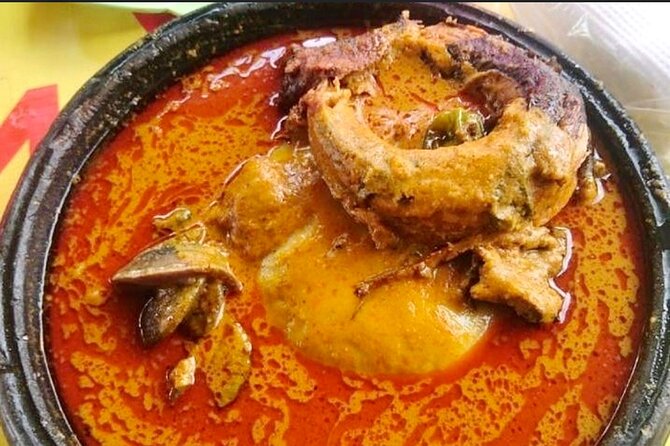
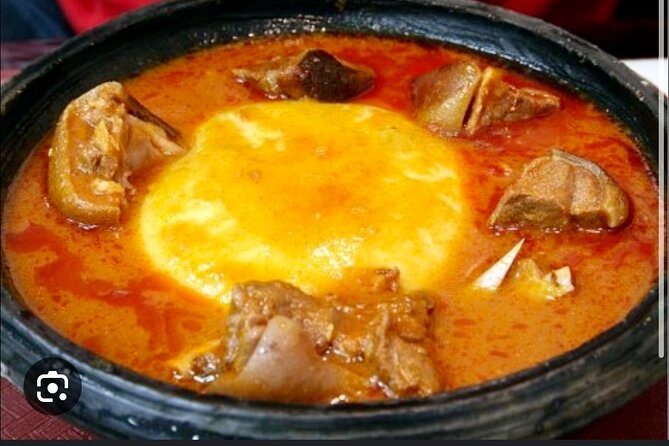
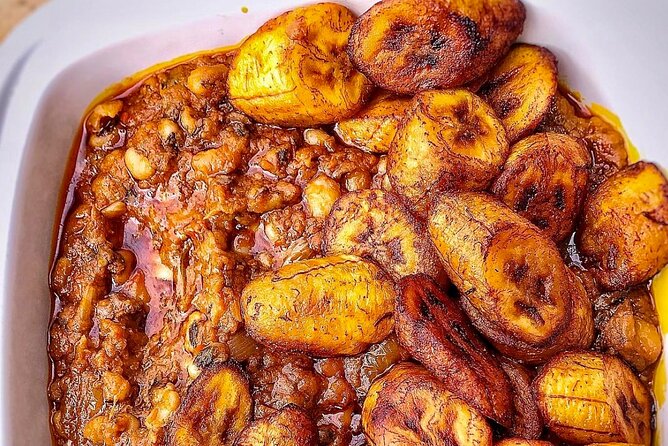
Past menu combinations have included jollof rice, chicken groundnut soup, fried chicken, plantain, and vegetables. Another class produced four different Ghanaian dishes, with jollof rice singled out as a favorite. These examples give you a useful sense of the range, but they should not be treated as a guaranteed menu for every date.
This flexibility is helpful if you already know what you want to learn. You might choose a meal that introduces you to a familiar Ghanaian staple, or select dishes that are completely new to you. If you have dietary concerns, mention them before the class. Allergies are considered when ingredients are combined.
You can also replace the cooking lesson with an order for specific meals at the same fee. That option suits you if you care more about eating Ghanaian food than learning the preparation. It also makes the experience useful for someone traveling with a companion who does not want to cook.
From first preparation to finished lunch
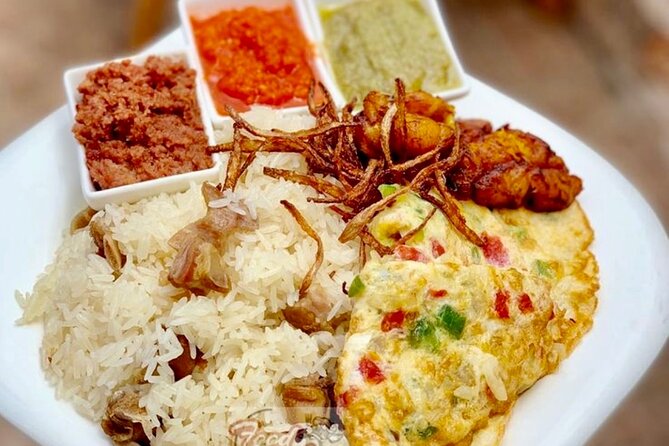
The lesson covers the full process, not just the final cooking stage. You take part in preparing the ingredients, combining them, and completing the dishes. The exact sequence depends on the menu you choose.
This end-to-end format is especially useful for beginners. Instead of seeing only a polished finished dish, you can ask why a step is needed and how to handle it at home. Cecilia’s patient, encouraging manner is repeatedly emphasized in the supplied feedback, which matters when you are learning unfamiliar techniques.
The class can also suit people who already cook. You can ask about seasoning, ingredient swaps, and the cultural place of a dish. The value is not limited to learning basic kitchen skills. It is also a chance to understand why particular foods are prepared and how they connect with Ghanaian life.
Do not expect a rushed demonstration with a printed recipe handed over at the end. The class is built around conversation and participation. If you want to take notes, record useful substitutions, or film parts of the process, you are allowed to take pictures and videos.
A few more cooking classes around the world worth a look
- Florence: Pasta & Tiramisu Cooking Class with Unlimited Wine
★ 4.9 · 6,708 reviews - Florence: Pasta Cooking Class with Unlimited Wine
★ 5.0 · 6,413 reviews - Hanoi Cooking Class: Culture, Local Market & Meaning CSR Impact
★ 5.0 · 5,147 reviews - 5 Traditional Dishes Hanoi Cooking Class with Market Trip
★ 5.0 · 4,890 reviews
Jollof rice, groundnut soup, and the menu in practice
The dishes described in the experience give you a useful picture of Ghanaian home cooking. Jollof rice is a familiar West African favorite, and preparing it yourself lets you pay attention to the seasoning and cooking process rather than treating it as a restaurant side dish.
Chicken groundnut soup brings a different style to the table. The name points to the use of groundnuts, or peanuts, in the soup base. Fried chicken, plantain, and vegetables add contrast to the meal, giving you a mix of textures and flavors rather than one large pot of food.
The menu examples also show why it is worth discussing your choices before the appointment. A class built around rice, soup, fried food, plantain, and vegetables may feel like a substantial meal. If you want to focus on a particular technique or dish, say so early and ask what can be arranged.
The provider also accepts larger food orders at a reasonable additional fee if you want to share meals with friends or donate portions to an orphanage. The base experience includes two packaged leftovers, while larger quantities need to be arranged separately.
The stories behind each dish
Food here is linked to culture, not treated as a set of isolated recipes. Cecilia shares the history behind each indigenous meal and answers broader questions about Ghanaian culture.
That conversation is valuable because it gives context to the ingredients and preparation. You can ask about a dish while you are making it, when the answer has a direct connection to what is on the counter. The format feels more personal than reading a short description on a restaurant menu.
You have plenty of room to guide the conversation. Ask about foods you have already tried, dishes you saw elsewhere in Ghana, or ingredients that are unfamiliar to you. The class is designed to welcome questions beyond the meal itself.
I would especially recommend this part to you if food is your way into a culture. You may remember the cooking steps, but you are also likely to remember the stories and the conversations around the table.
Lunch, leftovers, and the value of $25
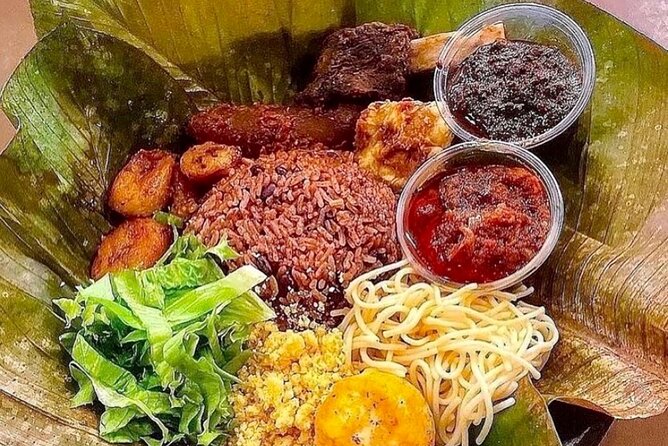
At $25 per person, the price includes the ingredients, cooking utensils, lunch, and all fees and taxes. You can eat the prepared meals at the end or take them away in packed form. Two additional packaged leftovers are included.
That is good value for a four-hour activity, particularly because the class combines instruction, food, and cultural conversation. You are not paying only for a meal. You are also paying for the chance to practice the preparation and learn how to repeat it later.
The value depends partly on your goal. If you want the cheapest possible lunch, a cooking class is not the right comparison. If you want a meal, a lesson, take-home portions, and personal guidance in one booking, the price is easier to justify.
The lunch portion may also be generous for some people, especially if you select several substantial dishes. Take-home food solves that problem. You can enjoy a portion later instead of trying to finish everything at once.
A relaxed pace, with music and conversation
The class includes entertainment such as music and games. These details signal that the experience is social rather than strictly instructional. You can expect the kitchen to be a place for conversation, not just a sequence of commands.
That atmosphere will suit you if you like meeting people and learning through informal discussion. It may be less suitable if you want a highly structured lesson with exact timings for every stage. The available information does not promise a formal culinary-school format.
A practical tip is to keep the rest of your day open. The advertised duration is about four hours, and the full process may feel slow if you are eager to get to the eating stage. The slower pace is part of the appeal, but it also means you should not schedule an important appointment immediately afterward.
Cecilia’s role is central to the experience. She is described as kind, patient, welcoming, and attentive to the comfort of the people in her kitchen. That is important for visitors who may not be used to the ingredients or cooking methods.
Allergies, substitutions, and repeat practice
Tell Cecilia about allergies before ingredients are combined. Allergies are taken into account, but you should still be clear about your needs when booking and again at the start of the lesson.
Ingredient substitutions are another practical strength. You learn what can be used if a Ghanaian ingredient is not available where you live. This makes the class more useful after your trip, especially if you want to recreate the food in another country.
You can also book the kitchen again for further practice at a reasonable fee. That option is worth knowing about if you want more time with a difficult dish or would like to repeat the process without starting from memory.
The extra practice arrangement is not described in detail, so ask about availability, timing, and cost directly. Still, the chance to return gives this experience more lasting value than a one-time demonstration.
Who should book this experience
I would recommend this class to you if you enjoy food, small-group activities, and direct contact with local culture. It is a good match for couples, friends, families, and solo visitors who are happy to share a kitchen setting with other people.
It also works well for several kinds of food lovers:
- Beginners who want clear, hands-on guidance
- Confident cooks who want Ghanaian recipes and ingredient advice
- Visitors with limited time who want a meal and cultural activity together
- People who want food to take back to their accommodation
- Anyone interested in learning how to repeat Ghanaian dishes at home
You may want to choose another activity if you dislike cooking, have only an hour or two available, or need a guaranteed private class. You should also confirm the menu in advance if you have strict dietary requirements or want to focus on one particular dish.
Booking and cancellation advice
The activity offers free cancellation up to 24 hours before the start time for a full refund. Canceling within 24 hours does not qualify for a refund, and changes made inside that period are not accepted.
The cut-off follows Accra local time. That detail matters if you are booking from another country or changing plans across time zones.
Since the experience is often arranged around two weeks ahead, book once your schedule is reasonably firm. Use the mobile ticket for arrival, and remember that private transportation is not part of the price.
Should you book Authentic Ghanaian Cooking Lessons?
Book it if you want to do more than eat Ghanaian food. The hands-on preparation, cultural explanations, and take-home portions make this a practical experience rather than a simple lunch stop.
The strongest reasons to choose it are the friendly guidance from Cecilia, the freedom to discuss menu choices, the ingredient substitutions for cooking at home, and the useful amount of food included for $25. The main caution is the four-hour commitment and the relaxed pace.
If your Accra plans allow the time, I think this is a worthwhile choice for learning, eating, and asking the questions that rarely get answered in a restaurant. If you are short on time, you can use the meal-order option, but you will miss the best part: making the food yourself.
FAQ
Where does the cooking experience begin and end?
It begins on Diabase Street in Accra, Ghana, and ends back at the same meeting point.
How long does the activity last?
The experience lasts about four hours.
What is included in the price?
The $25 price includes ingredients, cooking utensils, lunch, all fees and taxes, and two packaged leftovers.
Can I choose the dishes?
Yes. You can choose a package with two complete meals and either a side dish or dessert. You can also ask to order specific meals instead of taking part in the cooking lesson.
Are cooking utensils provided?
Yes. The utensils needed for preparing the meals are provided, so you do not need to bring your own.
What is the cancellation policy?
You can cancel at least 24 hours before the start time for a full refund. Cancellations and changes made within 24 hours are not accepted for a refund.
Just added around the world
- Private Moroccan Cooking Class in Casablanca with a Local Expert★ 5.0 · 12 reviews
- Cooking Class and Wine Pairing in Capri★ 5.0 · 57 reviews
- Private Cape Malay Cooking Class in Cape Town with a Local Family★ 5.0 · 24 reviews
- South African Cooking in Cape Town with Local Chef Richard★ 4.5 · 10 reviews
- Langa Township and Bokaap Cooking Class Half Day Tour★ 5.0 · 4 reviews
- Private Authentic Mexican Cooking Class in Cancun with Alberto★ 5.0 · 3 reviews
- Private Authentic Cape Malay Cooking Class in Manenberg with Locals★ 5.0 · 5 reviews
- Cape Town Shore Excursion| South African Cooking & Port Transfers★ 5.0 · 3 reviews
Cooking Classes, compared.
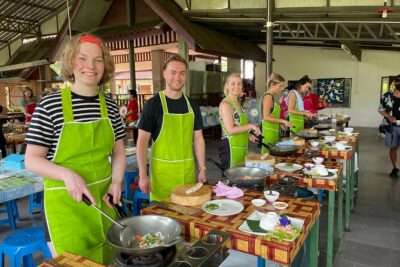
Half-Day Thai Cooking Class at Organic Farm in Chiang Mai
Read our review →
Florence: Pasta Cooking Class with Unlimited Wine
Read our review →
3 in 1 Cooking Class near Navona: Fettuccine, Ravioli & Tiramisu
Read our review →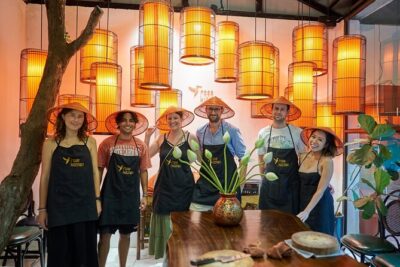
Hanoi Cooking Class: Culture, Local Market & Meaning CSR Impact
Read our review →
5 Traditional Dishes Hanoi Cooking Class with Market Trip
Read our review →
Cooking Class and Lunch at a Tuscan Farmhouse with Local Market Tour from Florence
Read our review →