
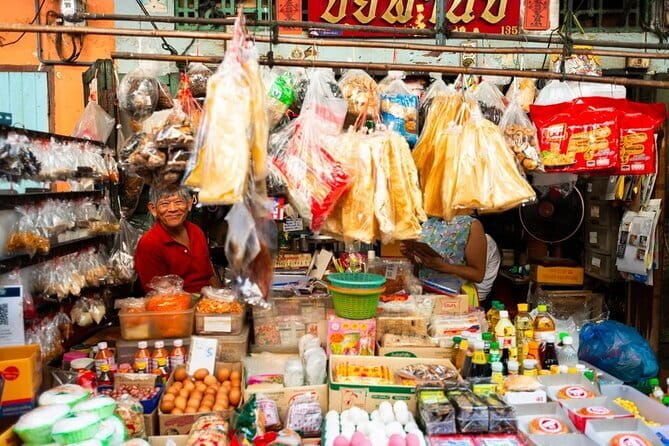
Review · BANGKOK
Backstreet Bangkok Exploring the Cradle of Thai Cooking
Bangkok’s food story begins in its old neighborhoods, and this walking tour follows those roots through markets, food stalls, restaurants, factories, and shopping arcades. You get more than a succession of dishes: the streets around Wang Burapha, Rattanakosin, Phahurat, and Chinatown help explain how Thai cooking took shape.
I like the small maximum group of seven, which gives guides room to adjust the pace and answer questions. I also like the generous food plan, with dinner, snacks, bottled water, and alcoholic drinks included. Guides Anna, Lek, and Annie are specifically praised for their care and command of Bangkok’s food and culture.
The main thing to clarify is the schedule. The listing gives a 9:00 am start, while the description calls this an afternoon-into-evening outing. The itinerary also mentions evening food stops. Confirm the exact start time before booking, and arrive ready to walk and eat for roughly five hours.
Key points at a glance
- Bangkok’s old quarters provide the setting: Wang Burapha, Rattanakosin, Little India, and Chinatown connect food with the city’s past.
- A small group keeps the walk personal: The maximum is seven people, and some departures may be even smaller.
- Food is built into the price: Dinner, snacks, bottled water, and alcoholic drinks are included.
- Lek and Anna are strong guide names to request: Their warmth, local knowledge, and attention to pacing receive especially high praise.
- Markets are central to the experience: Phahurat and Sampeng bring textiles, spices, food, and neighborhood commerce into the story.
- Plan for walking, not a ride: Private transportation is not included, and the tour returns to its starting point.
Why this Bangkok food walk feels different
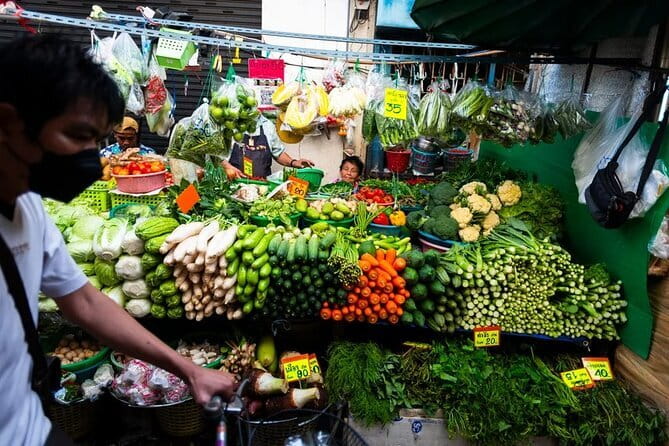
Many Bangkok food tours focus on a few famous dishes. This one takes a broader view. You move through parts of the old city where Indian, Chinese, Thai, and royal influences meet, then connect those places to what appears on the table.
That matters because food in Bangkok is rarely just food. A market can explain migration. A narrow lane can show how wholesale trade shaped a district. A temple can place the neighborhood in time. A restaurant or factory can reveal how a dish moved from home cooking into everyday city life.
The route is especially useful if you want context without signing up for a formal history walk. You will see temples, markets, commercial streets, and food businesses in one outing. The result should feel less like a restaurant crawl and more like an introduction to how Bangkok eats.
The five-hour length gives the guide enough time to tell those connections. It also means you should not treat this as a quick snack break between major sights. You are committing a good part of your day, so schedule it when you can give the food and walking your full attention.
More Thai Cooking Classes in Bangkok:
- Bangkok: Hands-on Thai Cooking Class and Market Tour
★ 4.9 · 1,614 reviews - Bangkok: Tingly Thai Cooking School Half-Day Cooking Class
★ 4.9 · 1,191 reviews - Bangkok: Maliwan Thai Cooking Class with Market Tour
★ 4.9 · 1,133 reviews
Starting beside Wat Ratchaburana
The meeting point is Sam Yot MRT station, Exit 3, at 111 Thanon Unakan, in Wang Burapha Phirom. The address is written in the booking information as Exit 3111 Thanon Unakan, so check the exact exit wording when you receive your confirmation.
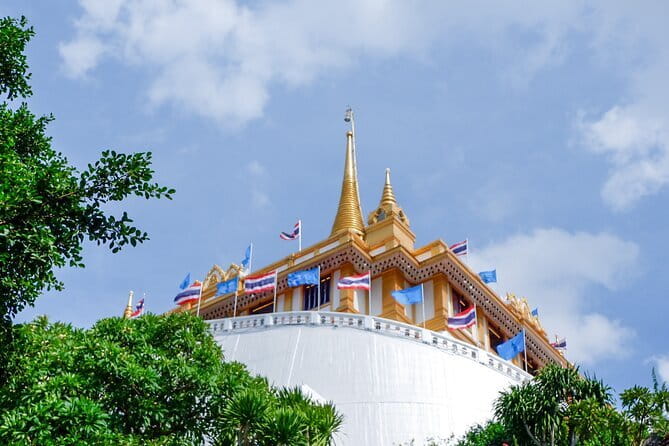
The first named stop is Wat Ratchaburana Ratchaworawihan, an old temple built in the 15th century. Its architecture and setting near Wang Burapha establish the age of the area before the tour turns toward food.
I like beginning here because it gives you a visual anchor. You are not simply told that Bangkok has old neighborhoods. You see an actual place that has occupied this part of the city for centuries, then begin reading the surrounding streets with that in mind.
The temple stop is listed as one hour, with no admission fee. Dress and behave as you would at any Thai temple, and allow time for the guide’s explanation rather than rushing straight toward the next bite. The supplied information does not specify temple dress rules, so ask your guide if you are unsure.
Rattanakosin and the old city’s main story
Rattanakosin Island is the historic core of Bangkok. The area includes major landmarks such as the Grand Palace, Wat Phra Kaew, and Wat Pho, and it sits close to Wang Burapha.
The tour does not list admission to those major sights, and the stops here are marked free. That makes this more of a neighborhood and cultural orientation than a Grand Palace visit. If you want full interior visits to the palace or temples, plan those separately.
This part of the walk helps explain why the surrounding food culture developed as it did. Royal, religious, and commercial life all gathered in the old city. As you move between these spaces, the guide can connect the built environment to ingredients, cooking practices, and the people who carried them into Bangkok.
The Rattanakosin stop is listed as one hour. That is enough time for a meaningful introduction, but not enough for a detailed tour of every landmark. I would see it as useful background for the food stops, not a substitute for a dedicated temple tour.
Phahurat Market, Bangkok’s Little India
Phahurat Market is often called Little India. It is known for Indian culture, textiles, jewelry, and food, and it gives the route a wider view of Bangkok’s cooking traditions.
This is one of the most interesting parts of the experience because it shows that Thai food did not develop in isolation. Bangkok has long absorbed flavors, products, and cooking ideas from communities that settled and traded here. A market also makes that exchange easier to understand than a lecture would.
The stop is planned for about an hour. You may see colorful cloth, food products, and small shops packed into a busy commercial setting. The available information does not promise a shopping allowance or specific purchases, so think of the market mainly as a place to taste, observe, and learn.
If you enjoy browsing textiles and food stalls, this stop may be a highlight. If you dislike crowded market lanes, keep in mind that the route is designed around working markets, not quiet museum rooms. Stay close to the guide and wear shoes that are comfortable for a long walk.
A few more cooking classes around Bangkok worth a look
- Hands on Thai Cooking Class and Market Tour
★ 5.0 · 660 reviews - Tingly Thai Cooking Class with Morning Market Tour
★ 5.0 · 589 reviews - Hands-on Thai Cooking Class & Market Tour in Sukhumvit
★ 5.0 · 571 reviews - Pink Chili – Thai Cooking Class and Market Tour in Bangkok
★ 5.0 · 416 reviews
Sampeng Market and Chinatown’s narrow lanes
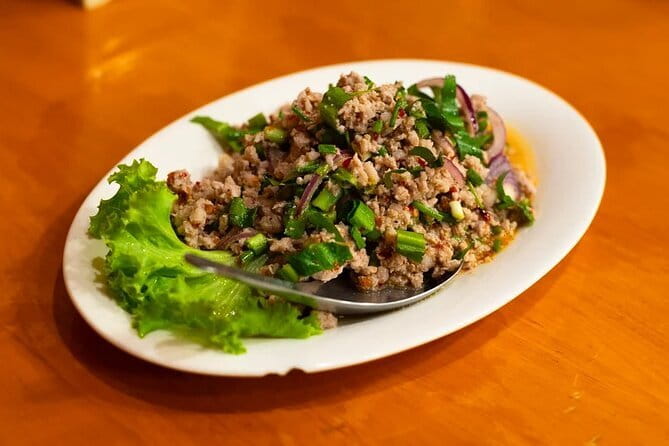
Sampeng Market occupies a narrow alley within the Chinatown market district. It sells a wide mix of goods, from textiles to electronics, and has a long commercial connection to the area.
The listed visit lasts 30 minutes, shorter than the other main stops. That makes sense for a tight wholesale lane where the point is to get a feel for the trade and movement rather than browse every shop.
Sampeng adds another layer to the food story. Chinatown is one of Bangkok’s key food districts, but this stop also shows the commercial machinery behind it. Goods move through the lanes, shops serve local businesses, and food culture sits beside ordinary trade.
Do not expect a slow, scenic stroll here. Narrow market lanes can require patience, especially when you stop for explanations. The reward is a close look at an active district that feels connected to everyday Bangkok rather than designed for sightseeing.
Food stalls, restaurants, and more than one kind of bite
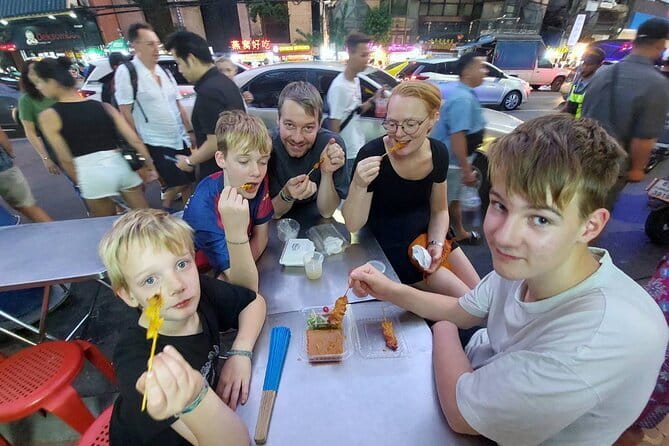
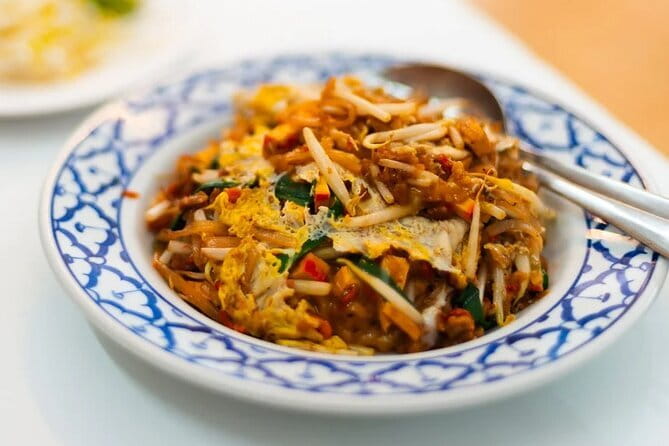
The route description includes food stalls, restaurants, factories, a mall, and other stops beyond the four named locations. The exact dishes and businesses are not listed, which is worth noting if you want to choose a tour based on a particular specialty.
What is clear is that the meal plan is substantial. Dinner, snacks, bottled water, and alcoholic drinks are included in the $125 price. One visitor specifically described eating a great deal, with the guide encouraging them to keep trying more. That suggests you should arrive hungry, but not so hungry that you eat a heavy meal just before meeting the group.
I like the way this format can introduce you to places you might pass without entering. A guide who knows the area can make ordering easier and explain unfamiliar foods. Several guide comments point to trying new dishes and visiting restaurants that would be difficult to choose independently.
Still, the amount of food can be a challenge. Pace yourself from the first tasting. Small portions add up quickly, particularly when snacks, dinner, and drinks are all part of the same outing.
Alcoholic drinks are included, but the available information does not say how many or what kinds. If you do not drink, the listing does not explain whether a replacement is offered. Ask before booking if that detail matters to you.
Guides who shape the experience
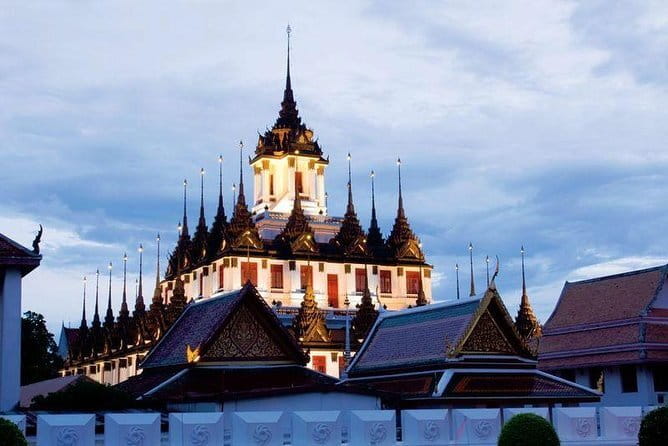
The strongest names attached to this walk are Lek, Anna, and Annie. Lek is described as a long-time Bangkok resident of Thai descent, with a strong grasp of the city’s food, culture, and past. That local connection is valuable on a route where the meaning of a place matters as much as the flavor.
Anna is praised for showing guests a wide range of stops and encouraging them to keep eating in a warm, generous way. Annie has also joined an early outing with Lek, helping care for the group and share the route.
The maximum group size is seven. One departure became a private experience when only one booking party attended, while other departures included more than one guide. You should not count on a private tour, but the small cap gives you a better chance of conversation than a large bus-based food tour.
The guide makes or breaks a route like this. You are not only following directions between stalls. You are asking why a neighborhood looks the way it does, how a dish fits into local life, and what is worth trying. The available guide feedback suggests this operator puts real weight on those explanations and on making sure you eat comfortably.
Is $125 a fair price?
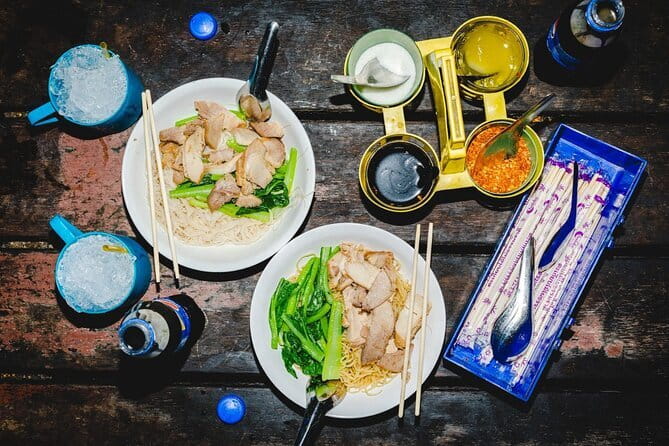
At $125 per person, this is not the cheapest way to eat in Bangkok. You can buy individual street dishes for very little. The comparison, however, is not simply between $125 and the price of noodles from a stall.
Your fee covers about five hours with a licensed guide, a planned route through several old districts, dinner, snacks, bottled water, and alcoholic drinks. It also buys access to local context and the confidence to try places you might otherwise skip. For a first visit, that combination can be good value.
The price is easier to justify if you value food education and neighborhood history. It is less attractive if you mainly want the largest possible number of dishes for the lowest cost, or if you already know Bangkok’s old markets well and prefer to explore alone.
Private transportation is not included. You will need to reach Sam Yot MRT station yourself, and the activity ends back at the meeting point. That is a practical advantage for visitors using the city rail system, but it also means you should plan your route to and from the start rather than expect hotel pickup.
Who should book this walk?
I would choose this for a first or second visit to Bangkok, especially if you want a useful orientation to the old city before exploring on your own. It also suits repeat visitors. One person who had been to Bangkok many times still found new places and foods along the route.
Food lovers will get the most from it, but you do not need to be an expert. The format is designed to introduce unfamiliar tastes while explaining the setting around them. If you enjoy asking questions and trying dishes outside your usual routine, you are likely to appreciate the guide-led approach.
The walk may not suit you if you want a fixed menu published in advance, a private vehicle, or a relaxed sightseeing pace with little eating. The exact food lineup is not provided, and the route uses active markets and city streets.
You should also consider the five-hour commitment. The information says most people can participate, but it does not provide a detailed accessibility assessment. If you have mobility, dietary, or other participation concerns, contact the provider before booking.
Practical details before you book
Confirmation is provided when you book, and the experience offers a mobile ticket. It is near public transportation, with Sam Yot MRT station as the meeting point.
The start time is listed as 9:00 am, but the description also refers to an afternoon-into-evening schedule. That conflict deserves a quick message to the provider. The food sequence and daylight conditions could be quite different depending on the actual departure.
Free cancellation is available if you cancel at least 24 hours before the local start time. Cancellations or changes made inside that window are not refunded or accepted. The experience also needs a minimum number of participants, and if that minimum is not reached, you are offered another date, another experience, or a full refund.
Should you book Backstreet Bangkok?
Book it if you want Bangkok explained through food, neighborhoods, and people rather than through a list of famous sights. The strongest reasons are the small group, the generous food inclusions, and guides such as Lek and Anna, who bring local understanding and personal attention to the walk.
I would be more cautious if you need a precise dish list, private transport, or a fully confirmed afternoon schedule. Check the start time first, then decide if $125 fits the way you like to travel.
For most visitors who want an informed introduction to Bangkok’s old quarters and enjoy trying plenty of food, this is a worthwhile half-day choice.
FAQ
How long does Backstreet Bangkok last?
The experience lasts approximately five hours.
What time does the tour start?
The booking information lists a 9:00 am start time. The description also refers to an afternoon-into-evening tour, so confirm the exact time with the provider before booking.
Where does the tour meet?
It starts at Sam Yot MRT station, Exit 3, on Thanon Unakan in Wang Burapha Phirom, Bangkok. The address is displayed as Exit 3111 Thanon Unakan in the supplied details.
Where does the tour finish?
The activity ends back at the meeting point.
What food and drinks are included?
Dinner, snacks, bottled water, and alcoholic beverages are included.
Is transportation included?
Private transportation is not included. The meeting point is near public transportation.
How large is the group?
The maximum group size is seven people. A departure may occasionally be smaller, but a private tour is not guaranteed.
Can I cancel for a full refund?
Yes. You can cancel at least 24 hours before the experience start time for a full refund. Cancellations or changes made less than 24 hours before the start are not accepted or refunded.
Just added around Bangkok
- Bangkok Market Tour & Thai Cooking Class with Boat Ride with Aoy★ 5.0 · 57 reviews
- Silom Thai Cooking School with Fresh Market Tour★ 5.0 · 73 reviews
- Homies Thai Cooking Experience★ 5.0 · 6 reviews
- May Kaidee Thai Cooking Class at Bangkok with Pickup★ 5.0 · 4 reviews
- Scenic Boat Ride & Private Thai Cooking Class in Bangkok with Aoy★ 5.0 · 5 reviews
- Silom Thai Cooking Experience with Market Visit★ 5.0 · 7 reviews
- Thai Cooking Class with Market Tour in Sathon Bangkok★ 5.0 · 77 reviews
- Blue Elephant Sathorn Bangkok Cooking School with Michelin Guide★ 5.0 · 6 reviews
Thai Cooking Classes, compared.
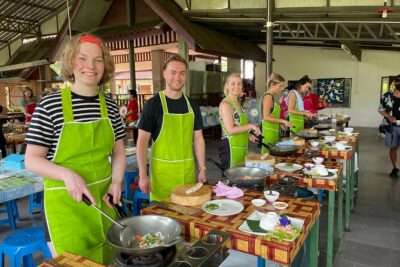
Half-Day Thai Cooking Class at Organic Farm in Chiang Mai
Read our review →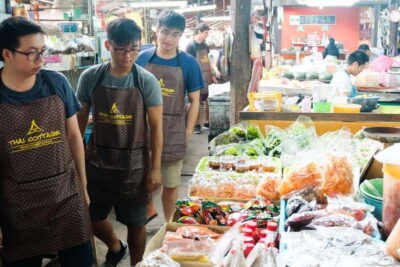
Chiang Mai: Cooking Class, Market & Thai Herbs Garden Tour
Read our review →
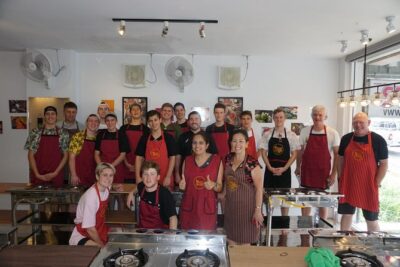
Phuket Thai Cooking Class with Market Tour Option
Read our review →
Bangkok: Hands-on Thai Cooking Class and Market Tour
Read our review →
Bangkok: Tingly Thai Cooking School Half-Day Cooking Class
Read our review →
Bangkok: Maliwan Thai Cooking Class with Market Tour
Read our review →
Browse the lists this tour appears in