
Review · MEXICO CITY
Baking Delicious Traditional Mexican Bread
Mexico City’s San Cosme Market gives this baking class a better start than a standard kitchen lesson. You first walk through San Rafael, see an important cinema called the Opera House, and stop at Mexico’s only Michelin-starred taqueria before heading to Verónica’s home to bake.
I like the market visit because you are not simply handed ingredients in a polished cooking studio. I also like the small group, limited to six people, which gives the class a personal feel. The main thing to consider is the two-and-a-half-hour schedule: the neighborhood walk, market stop, and baking lesson leave little room for a slow, extended meal.
Key points
- San Cosme Market visit: Begin in one of Mexico City’s emblematic markets and see the local setting where the ingredients are bought.
- Michelin-starred taqueria stop: Pass by the only taqueria in Mexico with a Michelin star as part of the neighborhood walk.
- San Rafael culture: See the Opera House and the colony of architects, linked with artists such as Remedios Varo.
- Hands-on Mexican baking: Prepare conchas or pan de muerto with Verónica in her home kitchen.
- Oaxacan chocolate pairing: Make chocolate brought directly from Oaxaca to serve with the bread.
- Small-group format: No more than six people join, and you take the recipes home afterward.
San Cosme Market is the right place to begin
The experience starts at Mercado de San Cosme, at C. Gabino Barreda 18 in the San Rafael neighborhood of Cuauhtémoc. That matters because the market is not just a meeting point. It sets the tone for the afternoon and gives you a look at a working part of Mexico City before you begin baking.
You shop for ingredients during the market visit, so the food lesson has a clear connection to the neighborhood. You are not only mixing flour in isolation. You are seeing where part of the preparation begins, then carrying that sense of place into Verónica’s kitchen.
The market visit is also useful if you enjoy food with a local frame. You can expect the guide to point out details about the area while you walk, though the information provided does not give a fixed list of vendors or a detailed shopping menu. Keep that in mind if you want a full market tour. This is a short food-focused stop, not a long market study.
The starting point is near public transportation, which makes the meeting location practical. Private transportation is not included, so you will need to make your own way to San Cosme Market.
More Baking Classes in Mexico:
- Learn to Cook Mexican Bread
★ 5.0 · 4 reviews - Lisbon: Pastel de Nata Baking Class
★ 4.9 · 2,106 reviews - Group Tour: Garni, Symphony of Stones, Geghard, Lavash Baking
★ 5.0 · 1,042 reviews
A neighborhood walk with food and film
After meeting at the market, you walk through San Rafael. The neighborhood portion adds more than a few facts before the class begins. You see the Opera House, described as one of Mexico City’s important cinemas, and enter the area known as the colony of architects.
That architectural connection gives the walk a cultural angle. The area was home to artists including the surrealist painter Remedios Varo, so you get a link between the streets, the buildings, and Mexico City’s art life. The tour does not promise a formal museum visit or an extended art lecture, but the reference helps you see San Rafael as more than a route between the market and the kitchen.
The taqueria stop is another strong detail. This is the only taqueria in all of Mexico with a Michelin star, and it adds a sharp food note to the walk. You should not assume that a full taco meal is included. The experience lists snacks, coffee or tea, and the baking food, but it does not list a taco tasting or separate lunch. Think of the taqueria as a notable stop and talking point rather than a guaranteed meal.
This section works best for you if you like learning about a city through ordinary streets and food places. It is less suitable if you want to spend most of the time kneading dough. The walk takes up part of the 2-hour-30-minute experience.
Verónica’s kitchen brings the lesson home
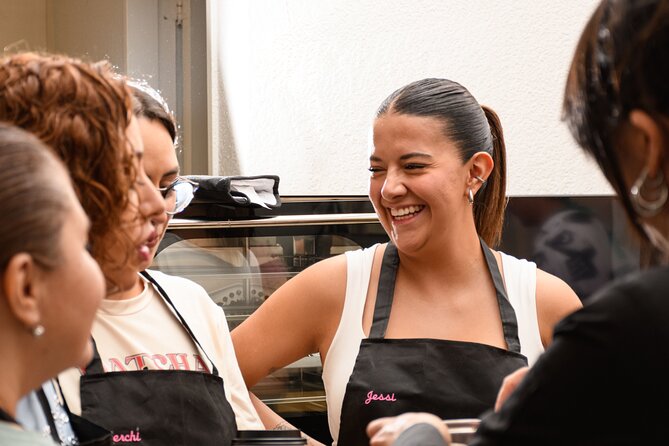
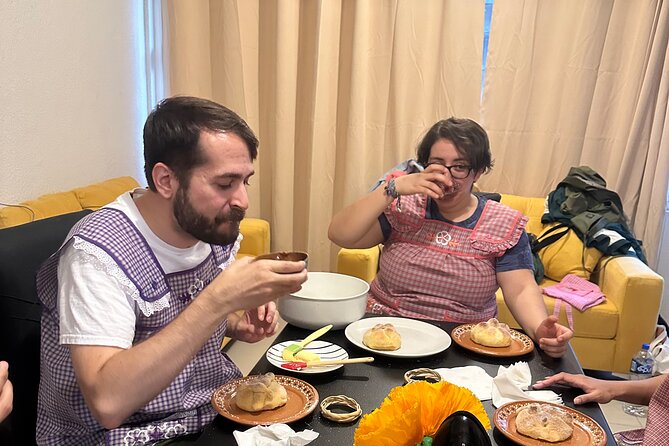
The baking class takes place at Verónica’s house. That home setting is a major part of the experience’s character. Instead of a large commercial kitchen, you learn in a more personal space, with equipment provided and a guide working directly with a very small group.
Verónica teaches the recipes and leads the preparation. The experience is offered in English, which helps if you want to follow instructions closely while working with dough. Four published ratings give the activity five stars, and the most consistent praise is for Verónica’s warmth, clear teaching, and ability to make the class comfortable for different skill levels.
That point is worth stressing. You do not need to be an experienced baker. One participant joined with a teenage granddaughter, and both found the session enjoyable. Another described it as suitable for all experience levels, while a separate account singled out Verónica’s friendly manner and clear understanding of Mexican baking.
You should still expect to take part rather than watch a demonstration. The appeal is making the bread yourself, learning the process, and taking the recipes home. If you prefer a formal professional kitchen with individual workstations, this home format may feel less structured. If you like the feeling of cooking with a local host, it is likely to suit you well.
Conchas or pan de muerto: choose your baking goal
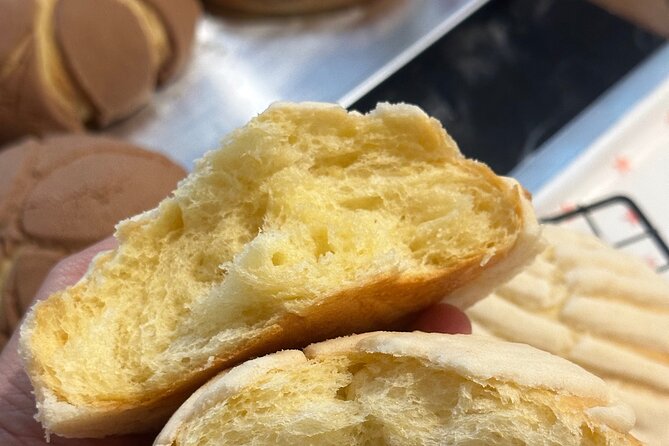
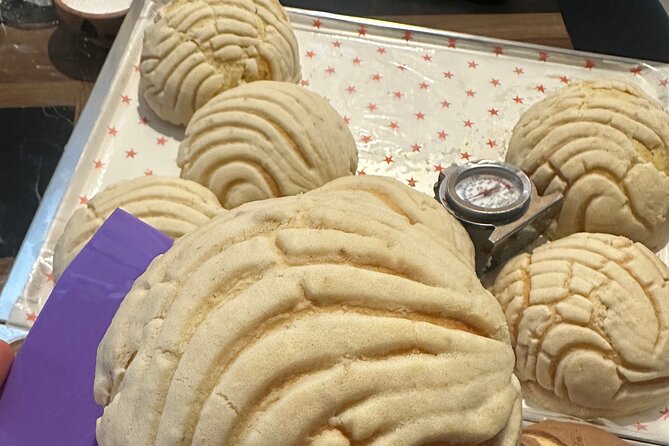
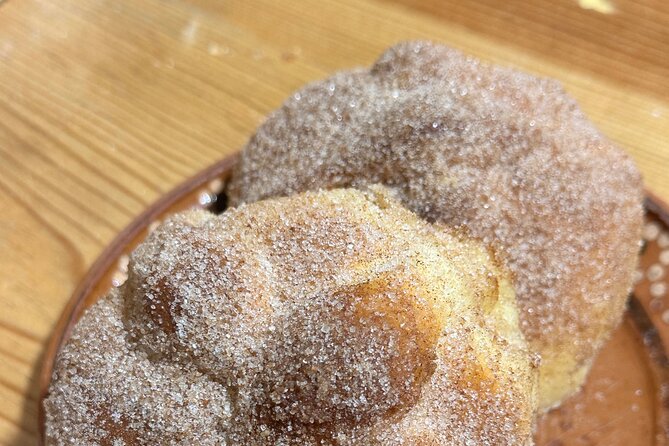
The class focuses on traditional Mexican bread, with conchas or pan de muerto named as the main options. Conchas are the familiar sweet breads with a shell-like topping. Pan de muerto is associated with the Day of the Dead season and is a particularly useful choice if you have wanted to learn how to make it yourself.
The information does not specify how the bread selection is made, so you should confirm the available option when booking or contacting the host. The class does not promise that you will prepare both breads in the same session. The published details say you will learn to prepare conchas or pan de muerto.
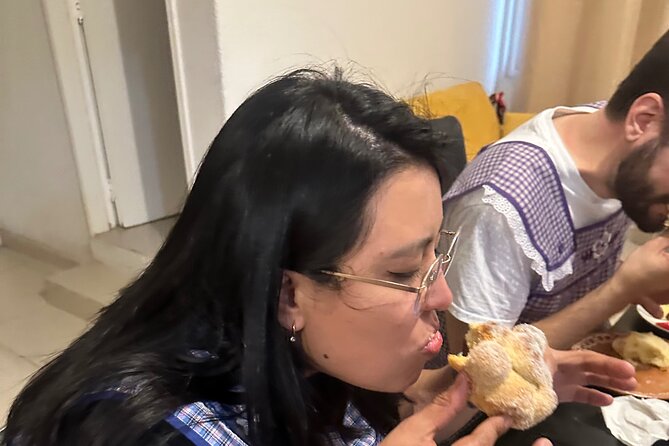
That distinction matters for anyone booking with a particular recipe in mind. If pan de muerto is your priority, ask ahead rather than assume. One participant specifically wanted to learn this bread and found the process easier and quicker than expected. The finished loaf was described as light and soft, which gives you a useful sense of the result without promising that every batch will come out exactly the same.
The class also gives you something useful beyond the food eaten that afternoon. You take the recipes home, so the experience can continue in your own kitchen. That adds value, especially if you are choosing between a one-time tasting and a class that teaches a repeatable skill.
More Mexican Cooking Classes in Mexico:
- Cabo San Lucas Mexican Cooking Class Experience and Local Markets
★ 5.0 · 915 reviews - Mexican Cooking from Scratch in a Local Home in Tulum
★ 5.0 · 585 reviews - Authentic Mexican Legacy Cooking Class in Cabo San Lucas
★ 5.0 · 530 reviews - Mexican Cooking Class with Food Market Visit in Mexico City
★ 5.0 · 506 reviews
Oaxacan chocolate makes the bread feel complete
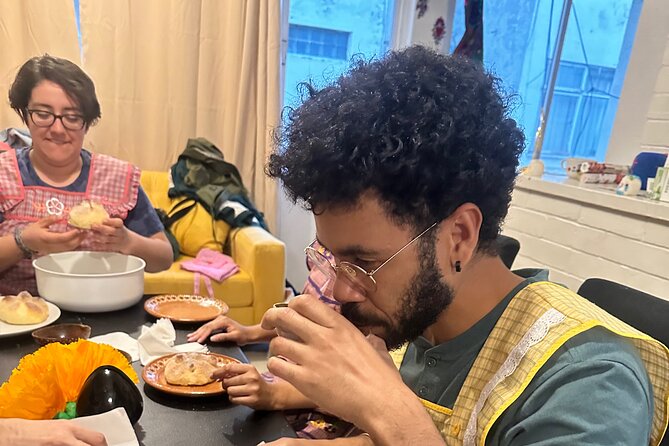
The bread is paired with hot chocolate made from Oaxacan chocolate brought directly from Oaxaca. You prepare the chocolate during the session, then combine its flavor and texture with the freshly made bread.
This is a small but important part of the class. Mexican bread is not presented as a stand-alone pastry. The chocolate gives you a traditional pairing and helps explain how the food works together at the table. Coffee or tea is also included, but the Oaxacan chocolate is the more distinctive drink in the experience.
The wording does not promise a full chocolate-making workshop or a visit to Oaxaca. You are preparing the drink as an accompaniment using chocolate sourced from there. Still, it adds a regional ingredient and gives the baking lesson a clear finish.
If you have a sweet tooth, this may be the most enjoyable portion of the afternoon. If you do not care for sweet bread or hot chocolate, the experience has less to offer, since both are central to the class.
What the two-and-a-half-hour schedule really means
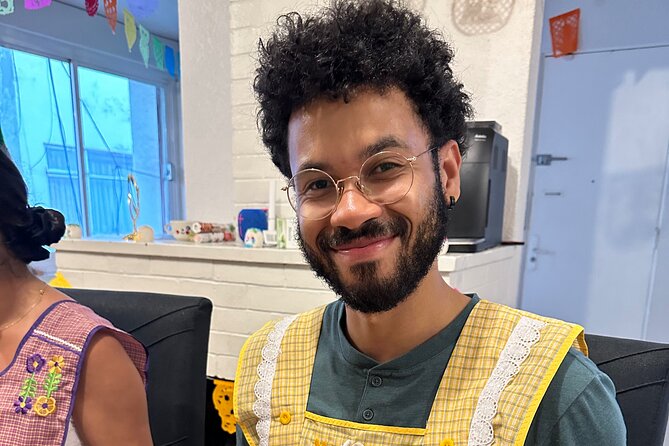
The listed duration is approximately 2 hours and 30 minutes. That is enough time for a compact neighborhood walk, the market visit, and a practical baking lesson, but it is not a relaxed half-day food tour.
You will need to arrive ready to move from the meeting point to the home kitchen. The activity ends back at the original meeting point, so you do not need to arrange a separate return from the class. The supplied details do not state the exact walking distance or the order of every stop, so leave room for normal changes in timing.
The small maximum of six participants is a real advantage. A group this size should make it easier to follow the dough preparation, ask questions, and work directly with Verónica. It also keeps the home setting from feeling crowded.
The experience is offered in English and includes kitchen equipment, snacks, coffee or tea, and a guide. Private transportation is not included. Mobile tickets are accepted, and booking confirmation is received at the time of booking.
Because the activity is often booked about 23 days ahead, you should reserve early if your Mexico City schedule is fixed. That timing is especially useful to know for a small-group class, where only six places are available.
Is the $70 price fair?
At $70 per person, this is not the cheapest way to eat bread in Mexico City. You are paying for more than the food, though. The price covers a guided neighborhood walk, the market visit, the taqueria stop, the home baking class, kitchen equipment, snacks, coffee or tea, Oaxacan chocolate, and recipes to use later.
The value depends on what you want from the afternoon. If you only want to taste conchas or pan de muerto, you can spend far less at a bakery. If you want a short cultural walk combined with a hands-on lesson and a personal host, the price is easier to justify.
The recipes make the cost more useful over time. You leave with a method you can repeat, rather than only a pastry that disappears before dinner. The small group also matters. Six people or fewer gives the class a more direct feel than a large demonstration where you might spend much of the time watching from the back.
I would consider the price reasonable for visitors who value food instruction and local contact. I would hesitate if your main goal is a long market meal, a full taco tasting, or a broad sightseeing tour. Those are not what this experience promises.
Who will enjoy this Mexico City baking class?
This is a good fit for several kinds of visitors:
- First-time Mexico City visitors who want a neighborhood introduction tied to food.
- Families with older children or teenagers who can take part in the baking.
- Home bakers who want Mexican recipes to recreate after the trip.
- Couples and small groups who prefer a host-led activity rather than a large class.
- Food-focused visitors interested in conchas, pan de muerto, and Oaxacan chocolate.
- Art and architecture fans who like adding the colony of architects and Remedios Varo to a market walk.
It may be less suitable if you dislike sweet foods, need private transportation, or want a long and detailed tour of Mexico City’s architecture. It is also not the right pick if you expect a complete lunch at the Michelin-starred taqueria. The taqueria is part of the route, but a separate taco meal is not listed.
Practical details before you book
Meet at Mercado de San Cosme, C. Gabino Barreda 18, in San Rafael, Cuauhtémoc. The activity ends at the same meeting point. Since private transportation is not included, plan your route to the market before the start time.
The class is offered in English, accepts mobile tickets, and has a maximum of six participants. Confirmation arrives when you book.
You can cancel for a full refund if you do so at least 24 hours before the local start time. Cancellations or changes made less than 24 hours before the start are not accepted for a refund.
Should you book Baking Delicious Traditional Mexican Bread?
Book it if you want a small, personal food experience that connects a Mexico City neighborhood with hands-on baking. The combination of San Cosme Market, San Rafael’s cultural sights, a Michelin-starred taqueria stop, Verónica’s home kitchen, and Oaxacan chocolate gives the afternoon more range than a standard cooking class.
The best reason to choose it is the teaching. Verónica’s friendly approach, the small group, and the recipes you take home make the experience useful as well as enjoyable. Choose pan de muerto if that is your main goal, but confirm the bread option in advance since the class may focus on conchas or pan de muerto.
Skip it if you want a full meal, private transport, or a long sightseeing tour. For everyone else, especially families, couples, and food lovers, $70 buys a compact afternoon with a clear local flavor and a skill you can use after Mexico City.
FAQ
Where does the experience begin?
It begins at Mercado de San Cosme, at C. Gabino Barreda 18, San Rafael, Cuauhtémoc, 06470 Ciudad de México, CDMX, Mexico.
Where does the activity end?
The activity ends back at the original meeting point.
How long does the experience last?
It lasts approximately 2 hours and 30 minutes.
How much does the experience cost?
The price is $70 per person.
Is the activity offered in English?
Yes. The experience is offered in English.
How many people can join?
The group has a maximum of six participants.
Is transportation included?
No. Private transportation is not included, although the meeting point is near public transportation.
What bread will I learn to make?
The class focuses on traditional Mexican bread, with conchas or pan de muerto listed as the preparation options.
What drinks and food are included?
The experience includes snacks, coffee or tea, and Oaxacan chocolate prepared to accompany the bread.
Do I receive the recipes afterward?
Yes. You take the recipes home so you can prepare the bread later.
Can I cancel for a full refund?
Yes. You must cancel at least 24 hours before the experience start time for a full refund. Changes or cancellations made less than 24 hours before the start are not accepted for a refund.
Just added around Mexico
- Private Home Cooking Experience in Mexico City with Alex and Ale★ 5.0 · 13 reviews
- Mastering Mexican Salsas Cooking Class and Market Tour★ 5.0 · 35 reviews
- Learn How To Cook Mexican Food★ 5.0 · 32 reviews
- Mexico City Vegan & Veggie Market Explorer plus Cooking Lesson★ 5.0 · 11 reviews
- Medellín Market Tour, Cooking Class and 3-course Mexican Feast★ 5.0 · 26 reviews
- Mexican Fiesta Cooking Class (Roma Norte)★ 5.0 · 21 reviews
- Mexican Cooking Class & Cocktails in Mexico City★ 5.0 · 134 reviews
- Ride Horses, Learn to Cook with Locals in Mexico City★ 5.0 · 11 reviews
Baking & Bread Classes, compared.
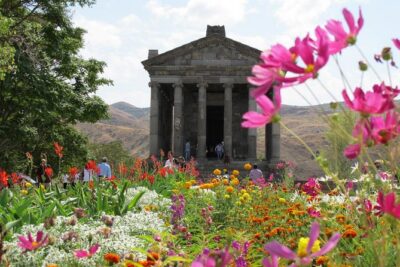
Group Tour: Garni, Symphony of Stones, Geghard, Lavash Baking
Read our review →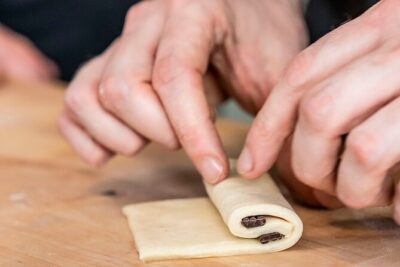
Paris Croissant Small-Group Baking Class with a Chef
Read our review →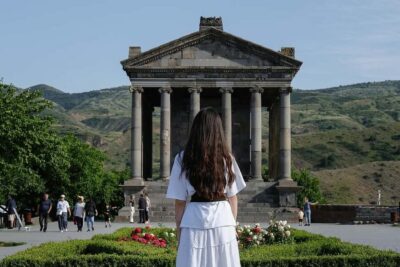
Garni & Geghard Small-Group Day Trip with Lavash Baking
Read our review →
Vienna: Gerstner KuK Hofzuckerbäcker Baking Show & Tasting
Read our review →
Yerevan: Garni, Geghard, Symphony of Stones & Lavash Baking
Read our review →
Paris: French Croissant Baking Class with a Chef
Read our review →
Laugarvatn Fontana: Geothermal Bread-Baking Experience
Read our review →Browse the lists this tour appears in