
Review · MEXICO CITY
Learn to Cook Mexican Bread
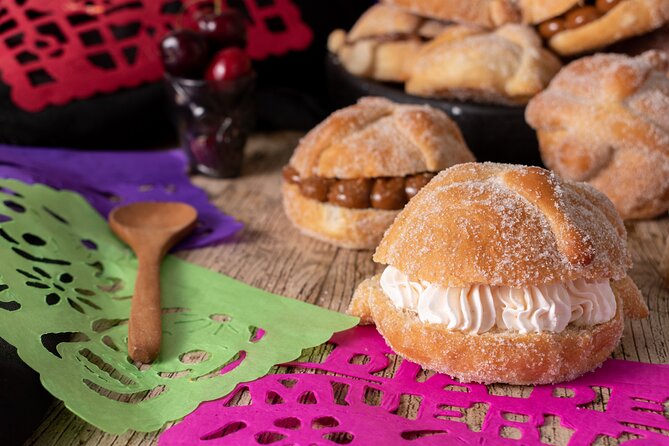
Pan de Muerto is more than a sweet loaf. Its orange and anise flavors, round shape, and bone-like decorations connect it to Mexico’s Day of the Dead traditions. This three-hour class begins at Parroquia San Gabriel Arcangel in Tacuba, then turns those symbols into something you can bake and eat.
I like the small group, limited to 10 people, and the chance to work with local hosts such as Veronica and Natalia. I also like that the class includes high-cacao hot chocolate, recipes, equipment, snacks, and your finished bread. The main drawback is simple: this is not gluten-free, and the exact language or host may vary if more than one language is used at the same time.
Key points to know
- Start at an ancient church in Tacuba: Meet at Parroquia San Gabriel Arcangel, a useful cultural setting rather than a generic cooking studio.
- Learn Pan de Muerto from scratch: The class covers ingredients, kneading, shaping, bone decorations, and baking.
- Taste orange, anise, and cacao together: Your bread is paired with hot chocolate made with high-cacao chocolate.
- Small groups keep it hands-on: The maximum group size is 10, so you should have room to participate.
- Take home recipes and bread: You leave with your own Pan de Muerto and instructions to make it again.
- Plan around the restrictions: The class is not gluten-free, and private transportation is not included.
Why Pan de Muerto makes a fine Mexico City cooking class
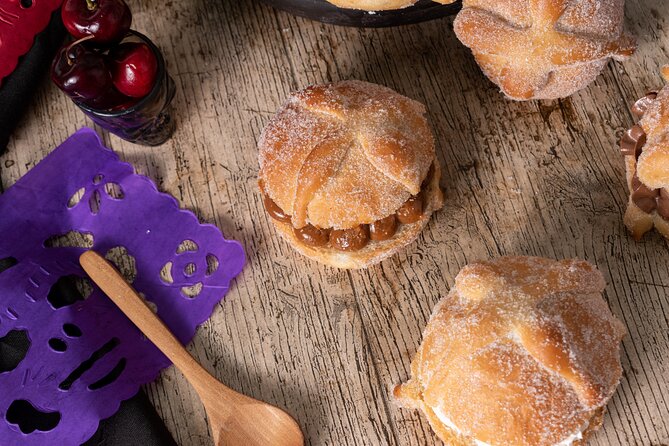
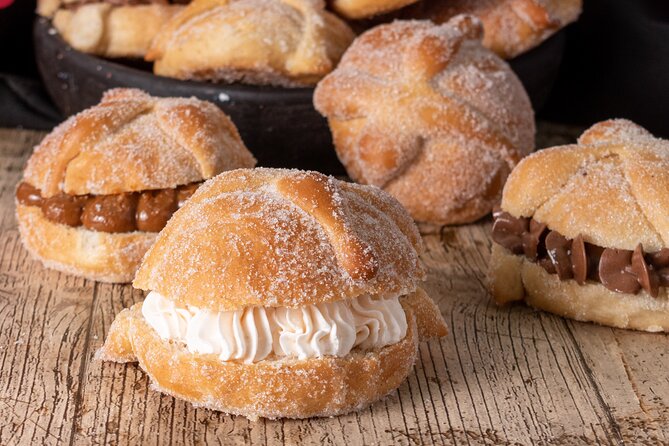
Many cooking classes teach a dish. This one gives you a food with a clear place in Mexican culture. Pan de Muerto is closely linked with Day of the Dead celebrations, and the class explains the meaning behind its bone-shaped decorations while you prepare the dough.
That context matters. You are not simply mixing flour and sugar, then carrying home a loaf. You learn why the bread looks the way it does and how its flavor profile works. The orange adds a fragrant citrus note, while anise gives the bread a soft, distinctive spice.
The class also suits you if Mexican food is new territory. The format is an easy introduction because the focus stays on one traditional item rather than asking you to prepare a long menu. You can spend time learning the feel of the dough, the shape of the decorations, and the timing needed for baking.
The cooking itself is practical. You work from the ingredients through kneading, shaping, and baking, rather than watching a demonstration from the sidelines. That makes the class useful after you return home. The recipe gives you a way to repeat the experience for a future Day of the Dead celebration or simply for a weekend baking project.
More Baking Classes in Mexico:
- Baking Delicious Traditional Mexican Bread
★ 5.0 · 4 reviews - Lisbon: Pastel de Nata Baking Class
★ 4.9 · 2,106 reviews - Group Tour: Garni, Symphony of Stones, Geghard, Lavash Baking
★ 5.0 · 1,042 reviews
Meeting at San Gabriel Arcangel Church in Tacuba
The experience begins at Parroquia San Gabriel Arcangel on Calz México-Tacuba in Tacuba, Miguel Hidalgo. The church is described as ancient, with a history reaching back before the Spanish arrived in the Americas. That gives the opening of the class a sense of place that a hotel meeting room would not provide.
You should allow enough time to reach the church and get your bearings. The meeting point is near public transportation, but private transportation is not included. The activity ends back at the same meeting point, which keeps the plan fairly straightforward.
Tacuba is an especially fitting setting for a class centered on tradition. The church provides a historical starting point, then the food carries the lesson into everyday Mexican life. You are introduced to culture through a familiar local activity: baking and sharing bread.
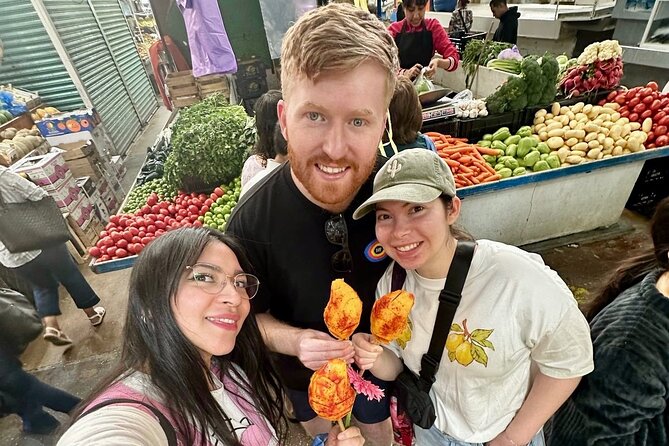
The available information does not promise a full walking tour of Tacuba. One account does refer to a market visit, with local vendors showing their goods, but you should not book this class expecting an extensive market itinerary unless that detail is confirmed before your visit. If a market stop is part of your scheduled format, it would add a useful look at local commerce and ingredients.
Meeting Veronica or Natalia, your local baking hosts
The class may be led by Veronica or Natalia, and the descriptions of their teaching styles point to a warm, personal experience. Veronica is noted for explaining and demonstrating each step clearly, while Natalia is described as welcoming and enthusiastic about baking.
That matters in a hands-on class. Bread dough can feel confusing if instructions move too fast or if the teacher does every task for you. Clear demonstrations help you understand what the dough should feel like, how to work it, and how to shape the decorations.
The hosts also connect the class with local commerce. Your booking supports a small local food experience rather than only a large sightseeing operation. You get direct contact with people who care about Mexican cuisine, and your spending helps keep that kind of activity available.
The experience can be held in more than one language at the same time. If language is important to you, ask ahead about the language arrangement for your date. A bilingual class can be helpful, but explanations may take longer when two languages are being used.
Mixing the dough and learning the essential technique
The first practical stage covers the ingredients and the method for making the bread. You learn how to select the right ingredients, combine them, knead the dough, and prepare it for shaping.
The value here is not just the final recipe. Bread depends on technique, and the class gives you a chance to see each stage in real time. Kneading is especially useful to practice under guidance because the dough’s texture tells you a great deal about its progress.
You should expect to take part rather than simply observe. Cooking equipment is included, so you do not need to bring special tools. Snacks are also included, with Pan de Muerto and an optional filled version listed as part of the food provided.
The optional filled bread adds a little variety, though the exact filling is not specified. Do not assume it is part of the main baking task or that you will take home a filled loaf unless the host confirms that detail.
More Mexican Cooking Classes in Mexico:
- Cabo San Lucas Mexican Cooking Class Experience and Local Markets
★ 5.0 · 915 reviews - Mexican Cooking from Scratch in a Local Home in Tulum
★ 5.0 · 585 reviews - Authentic Mexican Legacy Cooking Class in Cabo San Lucas
★ 5.0 · 530 reviews - Mexican Cooking Class with Food Market Visit in Mexico City
★ 5.0 · 506 reviews
Shaping the bones and understanding the symbolism
After the dough is prepared, the class turns to shaping. The signature decoration consists of bone-shaped pieces placed on the loaf. This is one of the most memorable parts of the experience because the design is both decorative and symbolic.
You learn to create those elements instead of receiving a finished loaf from the kitchen. That gives you a better sense of why Pan de Muerto looks as it does and makes the bread easier to recognize when you see it in bakeries or markets around Mexico.
The symbolic explanation adds purpose to a task that could otherwise feel like simple pastry decoration. It also gives you a story to share when you make the bread at home. The class ties food, family tradition, and Day of the Dead customs together without requiring prior cooking experience.
Do not expect every loaf to look perfect. Handmade bread has character, and the point is to learn the technique. Your finished loaf may show the marks of your first attempt, which is part of the value of a class like this.
Baking Pan de Muerto and pairing it with cacao
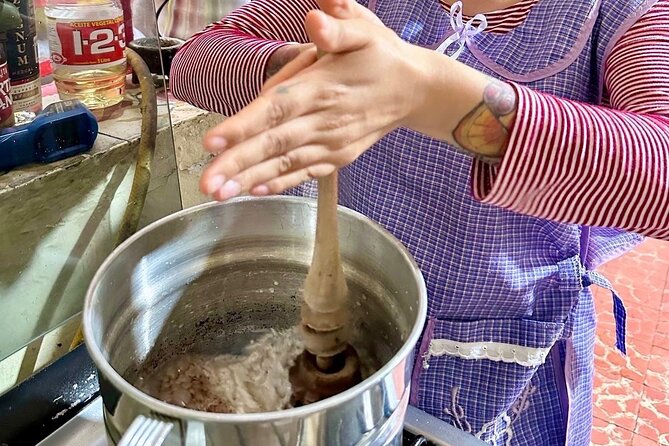
The flavor combination is a strong part of the experience. Pan de Muerto brings sweetness, citrus, and anise, while the hot chocolate provides a darker cacao note and a warm drink to match the bread.
The class prepares hot chocolate with high-cacao chocolate. This is not just an extra drink added to the schedule. It gives you a traditional pairing and shows how Mexican cacao flavors can balance a sweet bread.
You should have time to enjoy the results of your work during the class. The finished Pan de Muerto is yours to take home, and recipes are included so you can repeat the process. That combination makes the experience more useful than a tasting alone.
The bread is not gluten-free, and no gluten-free alternative is listed. If you have celiac disease, a gluten allergy, or a strict dietary requirement, this class is not a suitable choice based on the information available.
What the $65 price includes
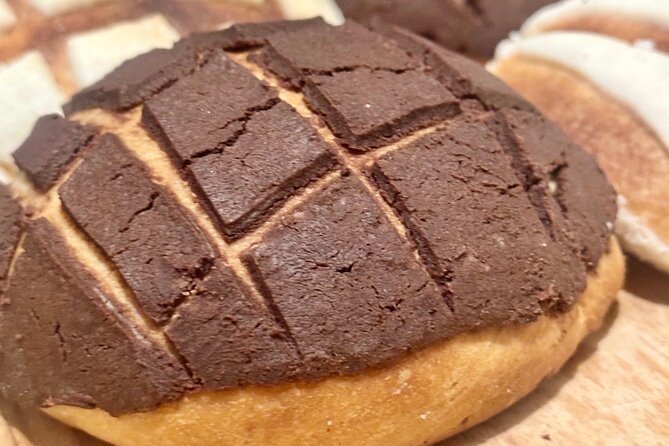
At $65 per person, the price is reasonable if you value instruction and participation rather than simply eating Mexican bread. You receive about three hours of activity, cooking equipment, snacks, Pan de Muerto, an optional filled version, high-cacao chocolate, recipes, and your own finished bread.
The value improves if you plan to use the recipe at home. A cooking class has a longer life than a single meal when the instructions are clear enough to repeat. You also pay for the setting, the host’s time, and the chance to ask questions while you work.
The price does not include private transportation. Since the class starts and ends at the church, you need to arrange your own way to Tacuba. The meeting point is near public transportation, which helps keep the total cost under control.
The group limit of 10 is another practical advantage. A very large class can turn baking into a demonstration. With fewer people, you have a better chance to see the technique and receive help with your dough.
Who will enjoy this class most
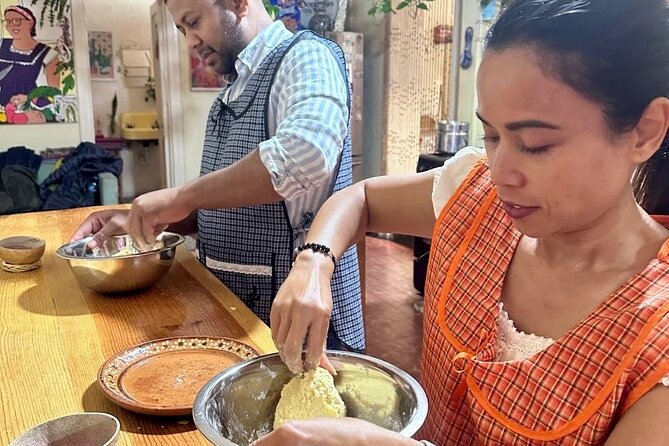
I would recommend this experience to you if you enjoy food with a cultural story. It is a good fit for first-time visitors who want an approachable introduction to Mexican cuisine, as well as repeat visitors looking for an activity that connects with local life.
Families and small groups may also find the format appealing, though the available information does not specify a minimum age. Ask before booking if you are planning to bring children. Anyone who likes hands-on activities should get more from this class than someone who prefers a passive tasting.
It also suits people who want a modest group size and a personal host. The class is not designed as a broad Mexico City food tour. Its focus is one seasonal bread, the techniques behind it, and the cultural meaning attached to it.
You should skip it if you need gluten-free food, private transportation, or a fully private class. You should also confirm the host, language, schedule, and any market component if those details matter to your plans.
Timing, language, and cancellation details
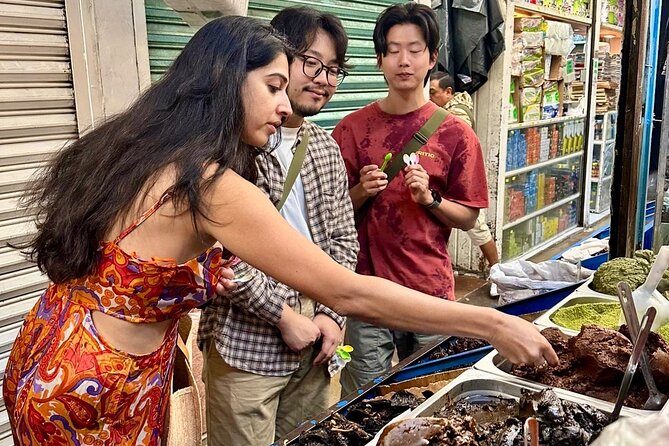
The class lasts about three hours. That is long enough for a real cooking session without taking up an entire day of sightseeing. You can book a different time or day by arrangement if the standard schedule does not work for you.
Confirmation normally arrives at booking. If you book within one hour of the start time, confirmation is provided as soon as possible and depends on availability. The experience allows service animals and is near public transportation.
You can cancel for a full refund up to 24 hours before the local start time. Cancellations or changes within 24 hours are not refunded or accepted. The activity may also be canceled because of poor weather or because the minimum number of participants is not reached. In either case, you are offered another date or experience, or a full refund.
The weather rule may seem unusual for a cooking class, but the activity may involve conditions outside the kitchen or travel to the meeting point. Check the forecast and keep your schedule flexible if possible.
Should you book Learn to Cook Mexican Bread?
Book this class if you want a small, practical food experience with a clear Mexican tradition behind it. The strongest reasons are the historic Tacuba meeting point, the hands-on Pan de Muerto lesson, the orange and anise flavors, the bone-shaped decorations, and the hot chocolate pairing.
The $65 price makes sense when you count the three hours, food, equipment, recipes, instruction, and bread you take home. It is less appealing if you only want to sample Mexican pastries or if you are looking for a large food tour around Mexico City.
Before paying, confirm whether Veronica or Natalia will host, which language will be used, and whether a market stop is part of your date. If you are comfortable with the gluten restriction and can reach Tacuba on your own, this is a friendly way to learn a traditional recipe while supporting local commerce.
FAQ
Where does the Pan de Muerto class begin?
The class begins at Parroquia San Gabriel Arcangel, located at Calz México-Tacuba S/N, Tacuba, Miguel Hidalgo, 11490 Ciudad de México, CDMX, Mexico.
Where does the activity end?
The activity ends back at the meeting point at Parroquia San Gabriel Arcangel.
How long does the experience last?
The experience lasts approximately three hours.
What is included in the price?
Cooking equipment, Pan de Muerto snacks, an optional filled Pan de Muerto, high-cacao hot chocolate, recipes, and your finished bread are included.
Is the class gluten-free?
No. The activity is not gluten-free.
How many people can join the class?
The maximum group size is 10 participants.
Is transportation included?
Private transportation is not included. The meeting point is near public transportation.
Can I cancel for a full refund?
Yes. You can cancel at least 24 hours before the local start time for a full refund. Cancellations within 24 hours are not refunded.
Just added around Mexico
- Private Home Cooking Experience in Mexico City with Alex and Ale★ 5.0 · 13 reviews
- Learn How To Cook Mexican Food★ 5.0 · 32 reviews
- Mexico City Vegan & Veggie Market Explorer plus Cooking Lesson★ 5.0 · 11 reviews
- Mastering Mexican Salsas Cooking Class and Market Tour★ 5.0 · 35 reviews
- Medellín Market Tour, Cooking Class and 3-course Mexican Feast★ 5.0 · 26 reviews
- Mexican Fiesta Cooking Class (Roma Norte)★ 5.0 · 21 reviews
- Mexican Cooking Class & Cocktails in Mexico City★ 5.0 · 134 reviews
- Ride Horses, Learn to Cook with Locals in Mexico City★ 5.0 · 11 reviews
Baking & Bread Classes, compared.
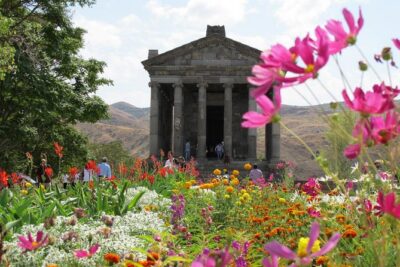
Group Tour: Garni, Symphony of Stones, Geghard, Lavash Baking
Read our review →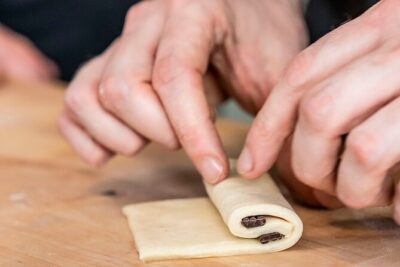
Paris Croissant Small-Group Baking Class with a Chef
Read our review →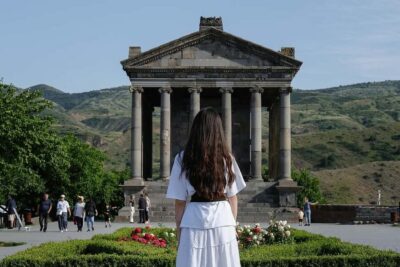
Garni & Geghard Small-Group Day Trip with Lavash Baking
Read our review →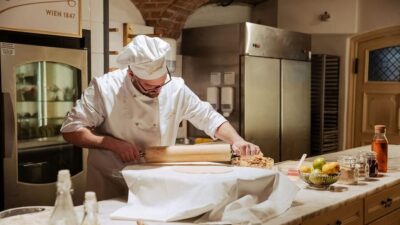
Vienna: Gerstner KuK Hofzuckerbäcker Baking Show & Tasting
Read our review →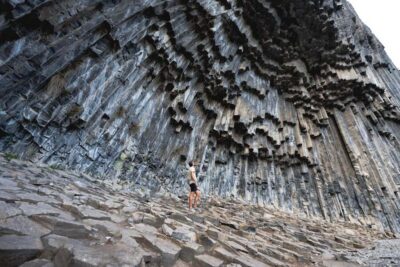
Yerevan: Garni, Geghard, Symphony of Stones & Lavash Baking
Read our review →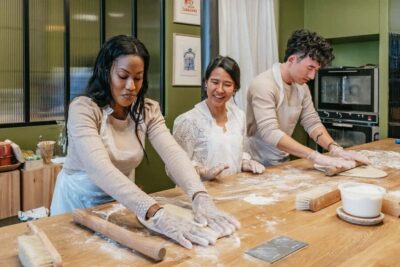
Paris: French Croissant Baking Class with a Chef
Read our review →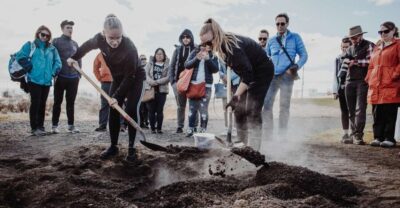
Laugarvatn Fontana: Geothermal Bread-Baking Experience
Read our review →Browse the lists this tour appears in