
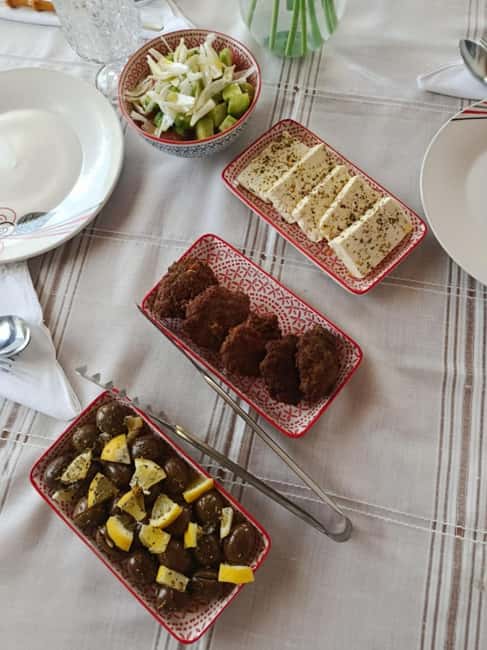
Review · ALBANIA
Berat: Traditional Cooking Class with Wine Tasting
The best part of this Berat experience is that the cooking happens around a family table, not in a polished demonstration kitchen. You help prepare three Albanian dishes, share the finished meal, and hear the stories that give each recipe its meaning. I especially like the hands-on cooking and the chance to taste regional wine and homemade raki in the same setting.
The small group, limited to 10 people, keeps the class personal. Recent sessions have involved Xhulia, her mother, and other family members, with relatives helping guests communicate in English. The main consideration is that the exact menu depends on the day, so you may prepare byrek and meatballs, or dishes such as stuffed peppers, tavë kosi, fërgesë, or lakror.
Key points to know before you book
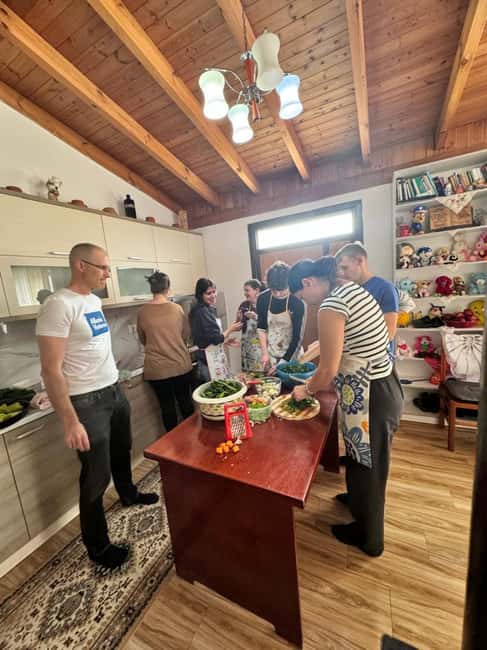
- Three dishes, not just a cooking demonstration: You take part in preparing the food and learn the cultural story behind each recipe.
- A family setting in Berat: The class can feel more like an evening at someone’s home than a formal lesson.
- One wine and two rakis: The tasting includes local wine plus raki made from grapes, plums, or mulberries.
- A small English-speaking group: The experience is limited to 10 participants, with live guidance in English.
- Recipes and a photo afterward: You leave with practical recipes and a keepsake image from the activity.
- Pickup can be flexible: Meet at the Qato Tours office, or ask about pickup from your Berat hotel or guesthouse.
Cooking Albanian food with a Berat family
Berat is a particularly good place for a food experience because the city is more than a pretty collection of Ottoman-era houses. Food here gives you a direct way into daily Albanian life. Recipes are built around familiar ingredients, family habits, and patient preparation rather than restaurant theatrics.
This class begins at the Qato Tours office, unless you arrange pickup from your hotel or guesthouse in Berat. From there, the cooking portion takes about three and a half hours, with the whole activity lasting roughly four hours. You return to the Qato Tours office at the end.
The setting is one of the experience’s strongest features. Instead of simply watching a chef prepare food while you stand at a distance, you work alongside a local host and family members. You may roll, fill, mix, shape, or season the dishes, depending on the menu of the day.
That matters because Albanian home cooking is often about technique that is passed from one person to another. A recipe may look simple on paper, but the useful details are in the feel of the dough, the balance of herbs, the way a filling is handled, or the point at which a dish is ready. You get a better sense of those small decisions when you are working beside the person who makes the food.
More Cooking Classes with Wine Tasting in Albania:
- Tirana: Traditional Cooking Class with Wine & Raki Tasting
★ 5.0 · 284 reviews - Florence: Pasta Cooking Class with Unlimited Wine
★ 4.9 · 10,285 reviews - Florence: Pasta & Tiramisu Cooking Class with Unlimited Wine
★ 4.9 · 6,708 reviews
Three traditional dishes, with the menu changing by day
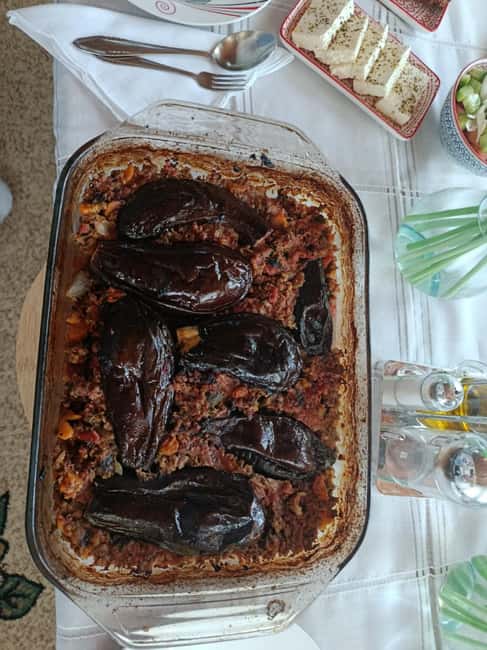
The class includes three traditional Albanian dishes. The possible choices include byrek, meatballs, stuffed peppers, tavë kosi, fërgesë, and lakror.
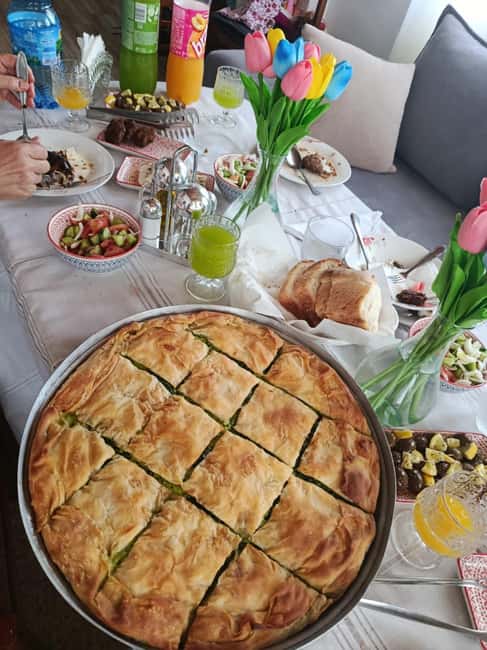
Byrek is one of the most familiar foods in Albania, made with pastry and a savory filling. The preparation can show you why the dish is more than a quick snack. The pastry, filling, and folding or layering all affect the final result.
Lakror is another pastry-based specialty, and it gives you a useful comparison with byrek. The two dishes may look related, but the preparation and local style can differ. If either appears on your menu, pay attention to how the host handles the dough and filling.
Tavë kosi is a baked Albanian dish traditionally associated with lamb and a yogurt-based topping. It is a good example of food that turns a few basic ingredients into something substantial and comforting.
Fërgesë is a cooked dish that commonly combines peppers, tomatoes, and cheese, though the precise preparation can vary. It reflects the appeal of Albanian food at its best: simple produce, strong flavor, and a dish designed for sharing.
Stuffed peppers and meatballs are familiar to many people, but the value here is seeing the Albanian version prepared in a family setting. The host also explains the cultural background of the recipes, so the class is not just about following steps. You learn why the dishes matter and how they fit into local eating traditions.
The menu is not fixed. That is useful if you enjoy a spontaneous meal, but less ideal if you have your heart set on one particular dish. Ask about dietary needs when booking, since the available information does not specify vegetarian, vegan, gluten-free, or other substitutions.
The meal is part of the lesson
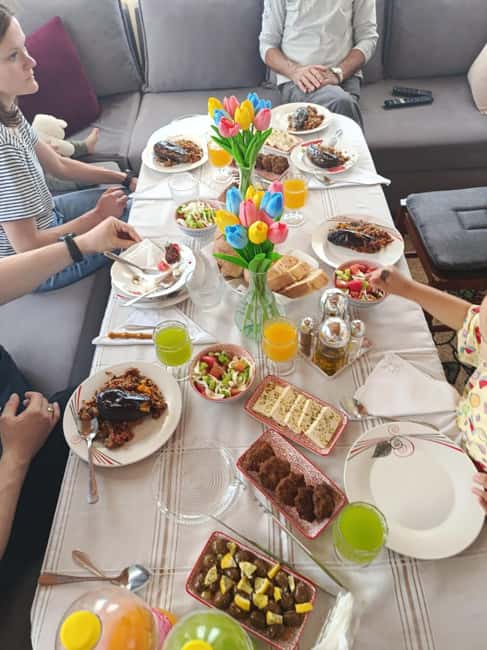
When the food is ready, you eat together. This shared meal is a key part of the experience, not an optional extra tacked onto the end.
A number of sessions have taken place in the family home, where participants were welcomed by several generations. That family involvement helps explain why the activity feels different from a standard cooking class. The conversation, laughter, and time at the table are part of what you are paying for.
I also like that the meal gives you a chance to taste the food immediately after helping prepare it. You can connect the finished dish with the work behind it. Food often tastes more memorable when you have seen the ingredients come together and understand the method.
The pace is unhurried. While the dishes cook, the focus shifts to the drinks tasting, conversation, and stories. You may also receive tips about restaurants and bars in Berat, based on the experience offered by the family and Qato Tours.
Local wine from Berat and one taste of raki
The tasting includes one local wine and two rakis. The wines may feature native Albanian grapes such as Puls, Shesh i Zi, Shesh i Bardhë, or Kallmet, depending on the menu and available selection.
You do not need to be a wine expert to enjoy this part. The host explains how local varieties fit with Albanian food and how the wine’s character works alongside the dishes you have prepared. Since the tasting is guided, you get more than a glass placed on the table without context.
The tasting also gives you a useful introduction to Albania’s grape-growing traditions. Berat is a strong setting for this because local wine is closely tied to the region and its food culture. The exact wine served is not guaranteed, so treat the grape list as a guide rather than a fixed promise.
Then comes raki, Albania’s famous fruit spirit. You taste two varieties, which may be made from grapes, plums, or mulberries. Raki is often served as a social drink, and the class explains the customs and stories connected with it.
The raki tasting deserves a little caution. Even small pours can be strong, and the activity includes two rakis as well as wine. Eat the meal, pace yourself, and do not assume that a tasting means the drinks are weak. You should also tell the host about allergies or restrictions before the tasting begins.
More Food and Drink Tours in Albania:
- Cooking Classes and Traditional food tasting in Tirana
★ 5.0 · 282 reviews - Traditional Albanian Cooking Class in Tirana & Raki Tasting
★ 5.0 · 266 reviews - Traditional Albanian Cooking Class in Tirana with Raki Tasting
★ 5.0 · 125 reviews - Small Group Cooking Class & Market Food Tour in Florence
★ 5.0 · 1,574 reviews
What the four-hour schedule feels like
The timing gives you enough room to cook, talk, eat, and taste without turning the activity into a rushed checklist.
You begin at the Qato Tours office or with arranged pickup in Berat. The cooking class then takes approximately three and a half hours. During that period, you prepare the dishes, learn about the ingredients and traditions, and wait for the food to cook.
The tasting takes place while the dishes are simmering or baking. That is a sensible use of time, since you are not left standing around waiting for the meal. The session then ends with the shared meal, recipes, a photo from the activity, and return to the Qato Tours office.
Four hours is long enough to make this a main activity for an afternoon or evening. It is not a quick stop that you squeeze between major sights. Plan to give it a clear block in your Berat schedule.
Start times vary, so check availability when you book. Comfortable clothing and shoes are sensible choices. You are taking part in food preparation, and this is not the place for delicate clothing or footwear that makes it hard to stand and move around.
Small groups and communication
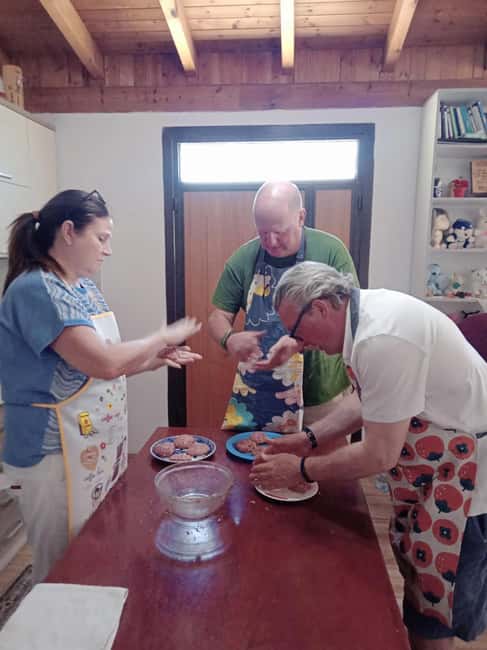
The group is limited to 10 participants, and the live tour language is English. A group of this size should give you a reasonable chance to ask questions and take part in the preparation.
The family format also helps with communication. In sessions hosted by Xhulia and her mother, other family members have helped translate and keep the conversation moving. That can make the experience feel relaxed, especially when several generations are involved.
Still, this is a social cooking class, not a technical culinary school. You should expect conversation, shared preparation, and cultural explanation rather than precise professional instruction about every measurement or cooking temperature.
The family atmosphere is a major reason to book, but it also means the experience may vary slightly from one date to another. The exact host, dishes, and wine selection may depend on the day. If you prefer a tightly scripted class with a guaranteed recipe list, this may feel less predictable.
Wheelchair access and practical arrangements
The activity is listed as wheelchair accessible. If you use a wheelchair or have specific mobility needs, it is sensible to confirm the exact pickup and cooking location before the day, since the experience may take place in a private family setting and the available information does not describe every surface or room.
The meeting point is the Qato Tours office, with flexible pickup offered from a hotel or guesthouse in Berat. That option is useful if you are staying outside the central meeting point or simply want to avoid finding the office after a long day of sightseeing.
Free cancellation is available up to 24 hours before the activity for a full refund. You can also reserve now and pay later, which helps if your Albania plans are still shifting.
Is $45 a fair price?
At $45 per person, this is good value if you want more than a meal. The price covers the cooking class, preparation of three dishes, one wine tasting, two raki tastings, the shared food experience, recipes, and a photo.
You are also paying for time with a local family and for the cultural explanations that come with the recipes. A restaurant meal could cost less, especially if you order simply, but it would not give you the same participation or the chance to learn how the food is made.
The value is strongest for people who enjoy social experiences. You are not buying a private chef lesson with a detailed professional syllabus. You are buying a warm, participatory food experience where the meal, conversation, drinks, and family welcome all belong together.
The five-star feedback attached to this activity reflects the parts that matter most: the kindness of the family, the fun of cooking together, the quality of the meal, and the sense of being welcomed into a home. Those strengths appear consistently in the experience itself, but you should still keep the changing menu and informal format in mind.
Who should book this experience?
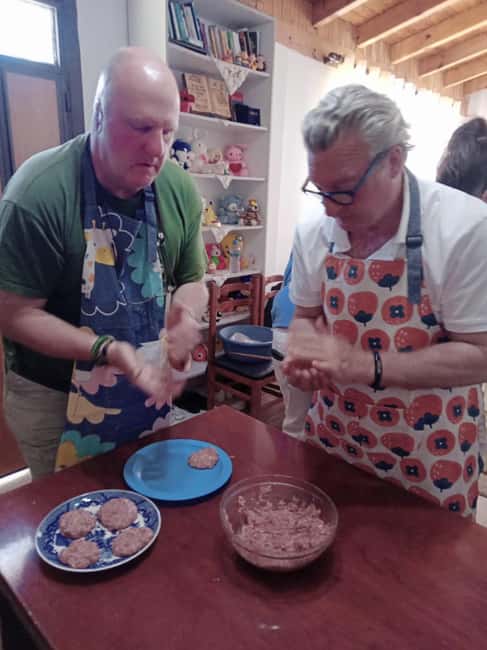
I would recommend it to couples, families, solo visitors, and small groups who want a personal look at Albanian food. It is also a good choice if you have already seen Berat’s main sights and want an evening that connects the city to everyday life.
Food lovers will appreciate the variety of possible dishes and the chance to receive recipes afterward. The recipe handout means you can try to repeat at least part of the meal once you return home.
It suits people who enjoy conversation and do not mind some uncertainty about the exact menu. The family setting is the main appeal, so you should be comfortable taking part, asking questions, and sharing a table with people you have just met.
I would hesitate only if you need a guaranteed menu, have strict dietary requirements that have not been confirmed, or want a short activity with no alcohol. The wine and raki tasting is central to the experience, though you can ask the host about your needs before booking.
Should you book the Berat cooking class?
Book it if you want Albanian food explained by people who actually cook and eat it at home. The strongest reasons are the hands-on preparation, the shared family meal, and the mix of local wine and raki.
The activity is especially worthwhile during a longer stay in Berat, when you can give it a relaxed afternoon or evening rather than trying to squeeze it between monuments. At $45, the combination of food, instruction, drinks, recipes, photo, and local contact makes it a solid choice for an authentic cultural experience.
If you do book, wear comfortable clothes, arrive ready to participate, and ask about the day’s menu and any dietary concerns in advance.
FAQ
How long does the cooking class last?
The full activity lasts about four hours. The cooking class itself takes approximately three and a half hours, including preparation, tasting, conversation, and the shared meal.
Where does the experience begin and end?
You can begin at the Qato Tours office in Berat. Pickup from your Berat hotel or guesthouse may also be arranged, and the activity returns to the Qato Tours office.
How many people can join the group?
The experience is a small-group activity limited to 10 participants.
What food will I prepare?
You prepare three traditional Albanian dishes. Possible dishes include byrek, meatballs, stuffed peppers, tavë kosi, fërgesë, and lakror. The exact menu depends on the day.
What is included in the wine and raki tasting?
The tasting includes one local wine and two rakis. The raki may be made from grapes, plums, or mulberries, while the wine selection may include Albanian varieties such as Puls, Shesh i Zi, Shesh i Bardhë, or Kallmet.
Can I cancel the booking?
Yes. You can cancel up to 24 hours in advance for a full refund. The activity also offers a reserve now and pay later option.
More Hands-On Workshops in Albania
- Berat Cooking Class
★ 4.9 · 131 reviews - Tirana Cooking Class – Traditional Albanian Recipes
★ 5.0 · 33 reviews - The secrets of Albanian cuisine: cooking lesson in Tirana
★ 5.0 · 21 reviews - Berat: Discover Albania with Cooking Class w/ Drink Tastings
★ 5.0 · 19 reviews
Just added around Albania
- Family Mandarin Farming Tour with Traditional Cooking Lunch★ 4.5 · 9 reviews
- Gourmet Lunch Farm Tour with Cooking Class★ 4.5 · 8 reviews
- The secrets of Albanian cuisine: cooking lesson in Tirana★ 5.0 · 21 reviews
- Tirana Cooking Class – Traditional Albanian Recipes★ 5.0 · 33 reviews
- Gjirokastër: Traditional Albanian Vegetarian Cooking Class★ 4.4 · 17 reviews
- Cook Like a Local – Authentic Cooking Class in Gjirokastra★ 3.2 · 4 reviews
- Berat: Discover Albania with Cooking Class w/ Drink Tastings★ 5.0 · 19 reviews
- Berat: Farm-to-Table Cooking Class with Local Family★ 5.0 · 6 reviews
Cooking Classes with Wine Tasting, compared.
Florence: Pasta Cooking Class with Unlimited Wine
Read our review →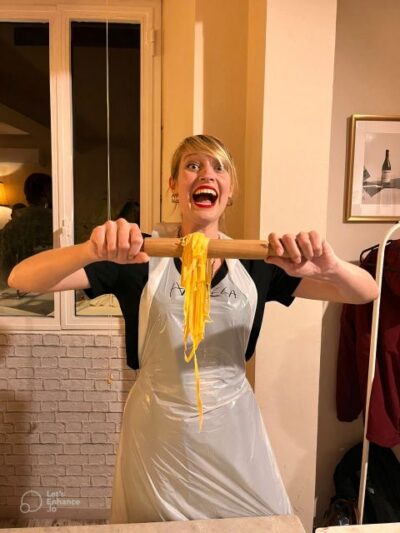
Rome: Pasta Making Class with Wine, Limoncello, and Dessert
Read our review →
Florence: Cooking Class Pasta & Tiramisu Making Unlimited Wine
Read our review →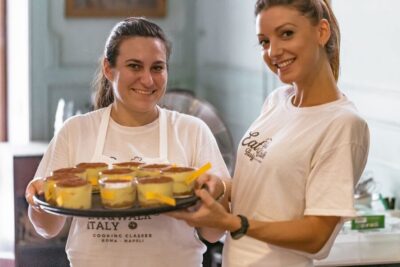
Fettuccine & Tiramisù: Cooking Class with Wine & Limoncello
Read our review →
Pasta Making & Wine Tasting with Dinner in Frascati from Rome
Read our review →
Rome Cooking Class: Make Pasta, Dine & Drink Wine With Local Chef
Read our review →
Rome: Combo Pizza and Pasta Cooking Class with Wine
Read our review →Browse the lists this tour appears in