
Review · ALBANIA
Berat: Discover Albania with Cooking Class w/ Drink Tastings
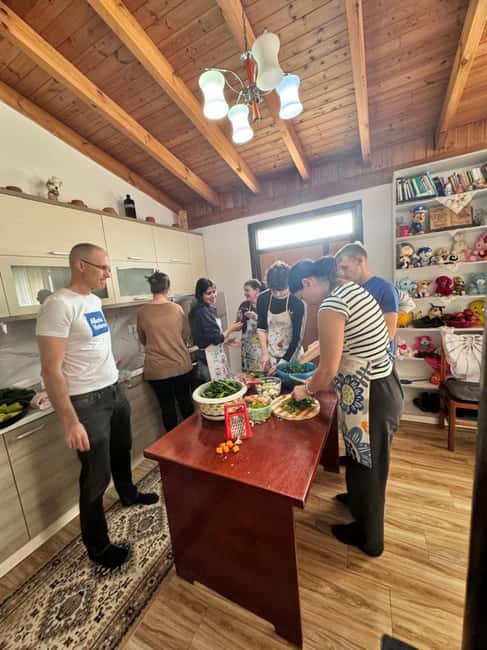
The most memorable part of this Berat outing is not the recipe sheet. It is walking into a family home, helping prepare lunch or dinner with the people who live there, then sitting down to eat together. You will make several Albanian dishes, taste local drinks, and hear personal stories about food, family, and custom.
I especially like the hands-on cooking and the generous welcome from hosts including Edisson, Jimmy, and their family. I also like that the drink tasting explains Albanian grapes and raki traditions rather than treating the alcohol as a simple tasting flight. The main consideration is that this is a social home-based activity, not a polished cooking school, and the dishes vary by season and group.
Key points
- Cook three seasonal Albanian dishes: Possible recipes include byrek, meatballs, stuffed peppers, tavë kosi, fërgesë, lakror, and gliko.
- Meet a local family at home: The setting gives the meal a personal, everyday feel that a restaurant class cannot easily copy.
- Taste native grape varieties: Try Shesh i Bardhë white wine and Shesh i Zi red wine when available.
- Compare two kinds of raki: The tasting includes grape raki and raki with walnuts.
- Plan for four hours: Cooking, eating, stories, wine, and raki make this a relaxed half-day activity.
- Good value at $45: The fee includes instruction, the shared meal, wine and raki tastings, cultural stories, recipes, and photos.
Cooking Albanian food in a village home
This class gives you a useful way to understand Albanian food: you make it with the people who know it from everyday life. The setting is a village home near Berat, reached from the QATO TOURS office, a cooking-class meeting point, or by pickup from your hotel in Berat if arranged.
That setting matters. In a standard cooking studio, you might learn technique and leave. Here, the meal is tied to the household and to the customs around welcoming people with food and drink. You are not just watching someone prepare a plate. You are rolling, mixing, filling, tasting, and then sharing the result at the same table.
The family involved may include Edisson, his wife, daughters, parents, and Jimmy. Names in the available descriptions vary slightly, but the consistent point is that you should expect several members of a welcoming local family to take part. That can make the activity feel warm and informal, though it also means the exact rhythm depends on the household and the group.
More Hands-On Workshops in Albania:
- Tirana: Traditional Cooking Class with Wine & Raki Tasting
★ 5.0 · 284 reviews - Cooking Classes and Traditional food tasting in Tirana
★ 5.0 · 282 reviews - Traditional Albanian Cooking Class in Tirana & Raki Tasting
★ 5.0 · 266 reviews
What you may cook: byrek, tavë kosi, and more
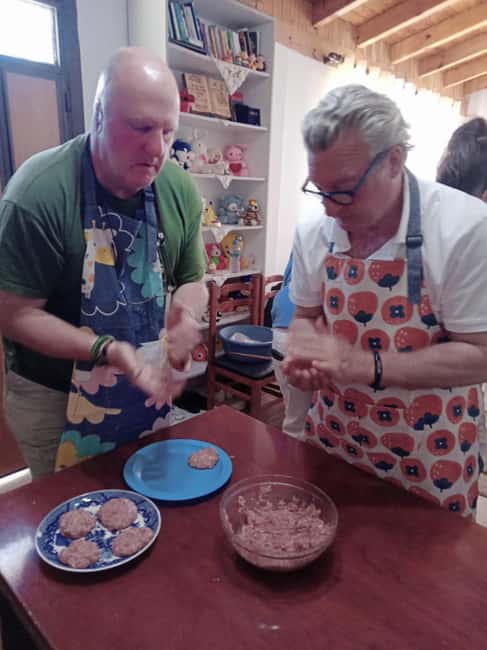
The class covers three traditional dishes, with the exact menu changing according to the season and the group. Possible choices include byrek, meatballs, stuffed peppers, tavë kosi, fërgesë, lakror, and gliko, a type of sweet preserve.
Byrek is a particularly useful dish to learn because the pastry takes patience and a light touch. One participant specifically enjoyed making a spinach pie and wondered if the thin layers could be repeated at home with a Norwegian rolling pin. That is a fair warning: getting the dough thin enough may take practice, but the process is part of the fun.
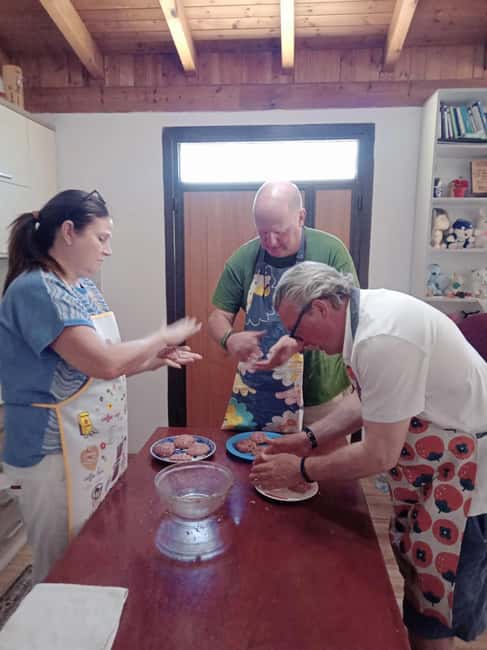
You may also prepare meatballs or stuffed peppers, both familiar foods with an Albanian home-cooking character. Tavë kosi is a baked dish associated with Albanian cooking, while fërgesë uses a simple combination of ingredients in a comforting, hearty style. Lakror is another pastry-based specialty. If your group makes gliko, you will see the sweeter side of Albanian food and how fruit preserves fit into local hospitality.
The wording three classic dishes should not make you expect three elaborate restaurant courses. This is a practical class in which you help with several preparations and then eat what the group has made. The value is in learning the method, handling the ingredients, and understanding how these foods fit into a family meal.
Recipes are sent after the activity, along with photos. That is useful if you want to recreate the meal at home, especially the byrek, whose pastry technique is easier to remember when you have both written instructions and a picture of the process.
The shared meal is part of the lesson
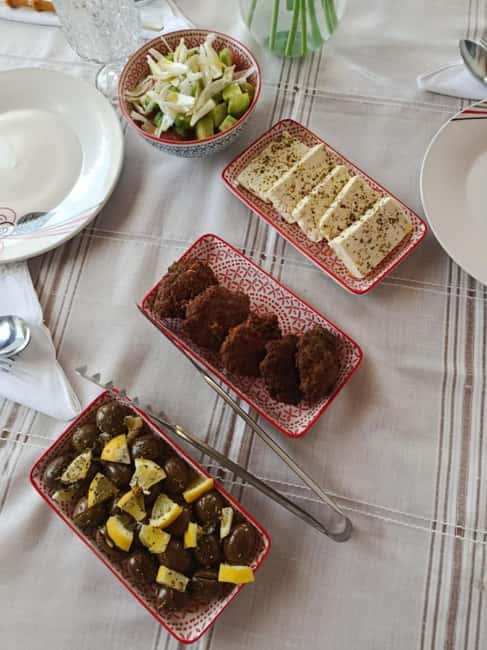
After cooking, you sit down with the group and the family to eat. This is not an add-on rushed into the final ten minutes. The shared meal is one of the reasons to choose a home visit instead of a short demonstration.
You get to taste the dishes at their proper endpoint, rather than sampling a bite from a pan while the host does all the work. You can also compare how the different recipes fit together as a complete Albanian meal. Several participants appreciated the generosity of the family, the food, the drinks, and the stories.
I would book this outing if you enjoy conversation as much as instruction. The activity is suited to people who like asking questions, sharing a table with strangers from different countries, and learning through ordinary household routines. If you prefer a quiet, tightly timed class with a fixed menu, the flexible home setting may feel less predictable.
The minimum age is 12. That makes sense for an activity involving kitchen work, a long shared meal, wine, and raki. Children under 12 cannot join.
Wine from Shesh grapes
The drink portion introduces you to Albanian wine and to grape varieties that may be new to you. The tasting includes one type of wine and two types of raki. Possible wines are Shesh i Bardhë, a white wine, and Shesh i Zi, a red wine.
The presentation also explains how the drinks are made, their place in local life, and the customs linked to them. That context is worthwhile because Albanian wine can be unfamiliar outside the country. Instead of simply listing a grape name, the host connects the bottle to local production and drinking habits.
The tasting is not described as a large winery visit or a formal sommelier session. You should expect a small, conversational introduction at a local venue after the cooking and meal. The compact format works well after several hours in the kitchen, but wine enthusiasts looking for many vintages or detailed technical analysis should choose a dedicated winery tour instead.
The order is also worth noting. You cook and eat first, then go to the local venue for wine and raki. That makes the tasting feel like a continuation of the meal rather than a separate commercial stop.
A few more cooking classes around Albania worth a look
- Berat Cooking Class
★ 4.9 · 131 reviews - Traditional Albanian Cooking Class in Tirana with Raki Tasting
★ 5.0 · 125 reviews - Tirana Cooking Class – Traditional Albanian Recipes
★ 5.0 · 33 reviews - The secrets of Albanian cuisine: cooking lesson in Tirana
★ 5.0 · 21 reviews
Grape raki and walnut raki
Raki is a central part of Albanian hospitality, and this activity gives it more attention than many standard food tours do. You taste grape raki and raki with walnuts, then hear about production, history, and customs.
The two versions offer a simple comparison. Grape raki shows the traditional spirit in its most direct form, while walnut raki gives you a different flavor and a clear reminder that homemade spirits can vary widely from one household or producer to another. The purpose is not to rush through shots. It is to understand why raki carries social meaning in Albania.
The hosts can also explain how native grapes connect wine and spirits. Shesh i Bardhë and Shesh i Zi are presented as local varieties, while grape raki shows another use of the fruit. You leave with a better sense of how one ingredient can appear in different forms at the table.
You should be comfortable with alcohol before booking. The activity includes wine and two types of raki, and the class is not designed as a nonalcoholic food workshop. The supplied details do not specify nonalcoholic alternatives, so ask QATO TOURS before booking if that matters to you.
Four hours that pass at a relaxed pace
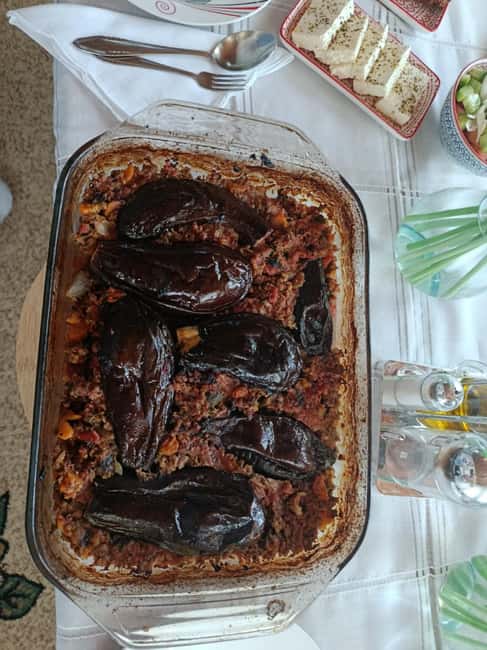
The full activity lasts four hours, beginning from QATO TOURS and returning there at the end. You can also meet at the cooking-class location, and hotel pickup in Berat may be arranged. The precise starting time depends on availability, so check the schedule before you commit to another tour that day.
Four hours is a sensible length for this plan. You need time to reach the home, prepare several dishes, eat, listen to stories, and complete the wine and raki tasting without turning the class into a race. Still, it is a substantial block of your day. I would avoid placing a major museum visit or a fixed departure immediately afterward.
Comfortable shoes and clothes are the only listed items to bring. That advice is practical for kitchen work and a village-home setting. Wear something you can move in and do not mind wearing during food preparation.
The guides speak English and Italian. The activity works best when you can follow kitchen instructions and take part in conversation, so choose the language that lets you ask questions comfortably.
Is $45 a good price?
At $45 per person, this is strong value if you want more than a meal. The fee includes the traditional cooking class, the food you prepare, the shared meal, wine tasting, raki tasting, cultural stories, and the recipes and photos sent afterward.
A restaurant meal alone might cost less, but it would not give you the cooking instruction, family setting, or explanation of local drinks. A professional cooking school could cost more while offering a more controlled setup. Here, your money covers several connected parts of the day.
Value depends on your interests. If you do not drink alcohol, dislike group meals, or want a formal class with a fixed menu, you may not get the full benefit. If you enjoy local food, personal contact, and a meal you helped make, the price is reasonable.
You can reserve now and pay later, which helps if you are still arranging your Berat schedule. Free cancellation is available up to 24 hours before the activity for a full refund. Those terms make it easier to hold a place while your Albania plans take shape.
What the strongest praise tells you
The most consistent praise centers on the welcome. The family is described as generous, friendly, and eager to make people feel at home. That is the key feature to focus on when deciding if this is right for you.
The food also receives specific approval, especially the spinach pie. Participants enjoyed learning new techniques rather than simply being handed finished dishes. Jimmy is noted for sharing facts and stories about Albania, which adds a cultural layer to the cooking.
Another useful detail is the mixed international group. You may cook and eat with people from several countries, which can make the evening more social. That is a benefit for solo visitors and couples who want company, but it may be less appealing if you want a private family meal.
The family setting can also bring small uncertainties. The exact menu, host lineup, and pace are not fixed in the same way as they would be at a commercial school. I see that as part of the character, but you should book with an open mind.
Who should book this Berat activity?
I would recommend it to food lovers, couples, solo visitors, and small groups who want a personal introduction to Albanian home cooking. It is especially good for people who enjoy learning by doing and who want conversation with local hosts rather than a lecture from a guide.
It also suits repeat visitors to Berat who have already seen the main sights and want a closer look at daily culture. The cooking, family meal, local wine, and raki tasting create a fuller picture of Albania than sightseeing alone.
I would think twice if you need a fully private setting, have strict dietary requirements that have not been confirmed, or want an alcohol-free outing. The available information does not list menu substitutions or special dietary arrangements, so contact QATO TOURS before booking if food restrictions are important.
Should you book the cooking class?
Book it if you want to cook Albanian dishes in a real family home, eat with the people who helped you prepare them, and understand why wine and raki matter at the table. At $45, the combination of instruction, food, drinks, stories, recipes, and photos gives you plenty for a four-hour activity.
Skip it if your main goal is a formal culinary course, a large wine selection, or a quick tasting with no social element. For most visitors who value warmth and participation, this is one of the more personal ways to spend an afternoon or evening in Berat.
FAQ
How long does the cooking and tasting activity last?
The activity lasts four hours, including the cooking class, shared meal, cultural stories, wine tasting, and raki tasting.
What dishes might I learn to cook?
The menu depends on the group and the season. Possible dishes include byrek, meatballs, stuffed peppers, tavë kosi, fërgesë, lakror, and gliko.
What drinks are included?
The tasting includes one type of wine and two types of raki. Possible samples include Shesh i Bardhë white wine, Shesh i Zi red wine, grape raki, and walnut raki.
Where do I meet the host?
You can meet at the QATO TOURS office or at the cooking-class location. Pickup from your hotel in Berat may also be arranged, and meeting details can be sent through WhatsApp.
Which languages are available?
The live tour guide is available in English and Italian.
Can children join the activity?
Children under 12 are not permitted to join. The activity includes kitchen work, wine, and raki tasting.
Just added around Albania
- Family Mandarin Farming Tour with Traditional Cooking Lunch★ 4.5 · 9 reviews
- Gourmet Lunch Farm Tour with Cooking Class★ 4.5 · 8 reviews
- The secrets of Albanian cuisine: cooking lesson in Tirana★ 5.0 · 21 reviews
- Tirana Cooking Class – Traditional Albanian Recipes★ 5.0 · 33 reviews
- Gjirokastër: Traditional Albanian Vegetarian Cooking Class★ 4.4 · 17 reviews
- Cook Like a Local – Authentic Cooking Class in Gjirokastra★ 3.2 · 4 reviews
- Berat: Traditional Cooking Class with Wine Tasting★ 5.0 · 5 reviews
- Berat: Farm-to-Table Cooking Class with Local Family★ 5.0 · 6 reviews
Cooking Classes, compared.
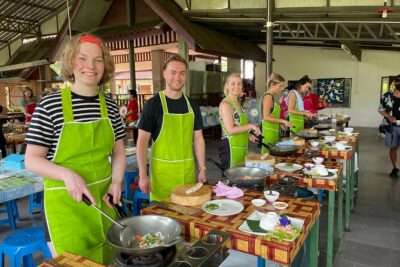
Half-Day Thai Cooking Class at Organic Farm in Chiang Mai
Read our review →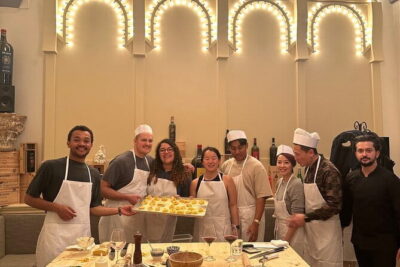
Florence: Pasta Cooking Class with Unlimited Wine
Read our review →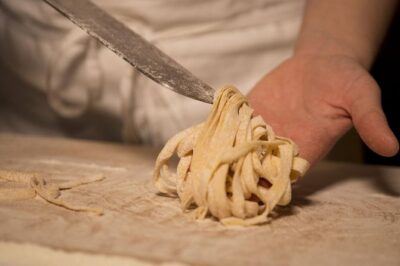
3 in 1 Cooking Class near Navona: Fettuccine, Ravioli & Tiramisu
Read our review →
Hanoi Cooking Class: Culture, Local Market & Meaning CSR Impact
Read our review →
5 Traditional Dishes Hanoi Cooking Class with Market Trip
Read our review →
Cooking Class and Lunch at a Tuscan Farmhouse with Local Market Tour from Florence
Read our review →
Chiang Mai: Cooking Class, Market & Thai Herbs Garden Tour
Read our review →Browse the lists this tour appears in