
Review · TIRANA
Traditional Albanian Cooking Class in Tirana & Raki Tasting
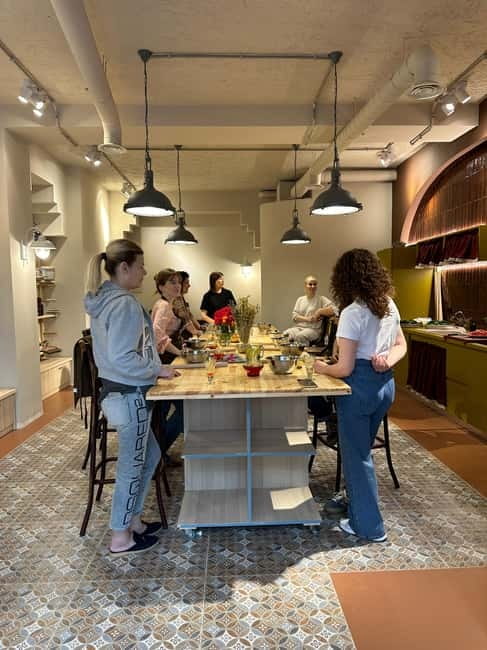
Albanian cooking is built for sharing, and this four-hour class in Tirana takes that idea seriously. You make burek, village chicken with pershesh, and sheqerpare, then sit down to eat with seasonal meze, homemade wine, and a guided raki tasting. I especially like the hands-on pace and the way the class connects recipes with Albanian customs. Dervis, Marius, and the other local hosts are praised for clear instruction, humor, and generous hospitality.
I also like that you do not need to be an experienced cook. The class breaks each dish into manageable steps, and solo visitors are paired with others so conversation comes easily. The main consideration is the four-hour commitment, plus the steady flow of food, wine, and raki. Arrive hungry, and take it easy with the drinks if you want to stay sharp through dessert.
Key points to know before booking
- Three traditional dishes: Learn to prepare burek, village chicken with pershesh, and sheqerpare.
- A generous table: Appetizers include olives with oregano, fried peppers, cream cheese, fresh bread, jams, and gliko.
- Local hosts: Dervis and Marius lead the cooking with stories about Albanian food, etiquette, and daily life.
- Social by design: Shared cooking, wine, music, and spontaneous dancing make this a good choice for solo visitors and couples.
- Dietary flexibility: Vegetarian, vegan, pescatarian, halal, and lactose-intolerant diets can be accommodated when noted at booking.
- Good practical terms: The class lasts four hours, runs in English, costs $44 per person, and allows cancellation up to 24 hours before the activity for a full refund.
Why Albanian food makes a good Tirana introduction
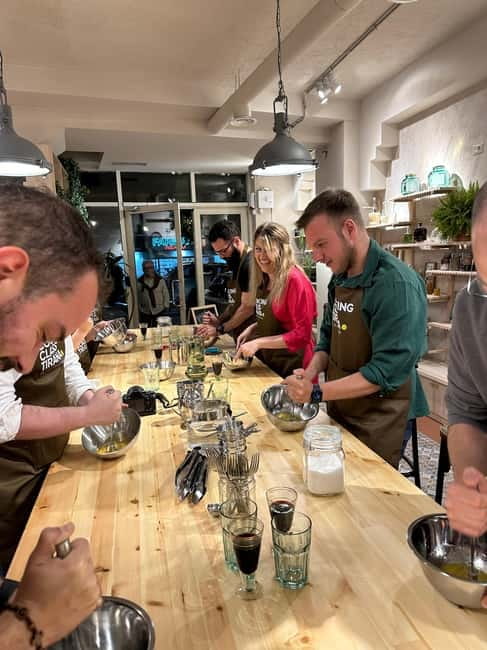
Food gives you a useful way into Albania. You are not simply watching someone prepare a meal. You are handling dough, seasoning food, tasting local preserves, and hearing why certain ingredients and table habits matter.
That cultural context is one of the strongest parts of the class. Dervis is especially good at explaining the small details, including cooking methods, the use of olive oil, and even how salt is sprinkled. These may sound minor, but they turn a recipe into something you can remember and recreate at home.
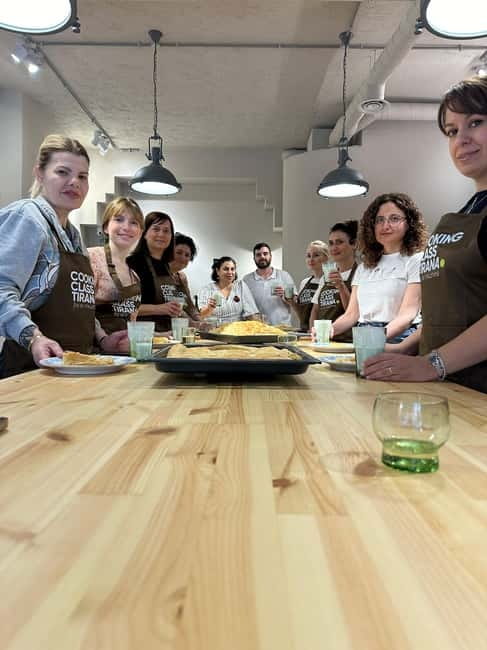
The class also presents Albanian hospitality in a practical way. The table fills before the main dishes are finished, and the meal keeps going after the cooking ends. In the Albanian tradition described throughout the evening, sending people home with extra food is part of making them feel welcome. Some participants have taken leftover dessert or other food with them.
I would book this early in a Tirana stay. It gives you a basic understanding of local flavors, introduces you to people from different countries, and may help you recognize dishes in restaurants later. It also makes a friendly first-night activity, especially if you are traveling alone.
More Food and Drink Tours in Albania:
- Tirana: Traditional Cooking Class with Wine & Raki Tasting
★ 5.0 · 284 reviews - Cooking Classes and Traditional food tasting in Tirana
★ 5.0 · 282 reviews - Traditional Albanian Cooking Class in Tirana with Raki Tasting
★ 5.0 · 125 reviews
Arriving to a warm kitchen and a clear plan
The experience begins with a welcome from the local team in a cozy cooking setting. Your chef introduces the dishes, explains the flow of the class, and talks about the place of fresh ingredients in Albanian food.
You are not left guessing what happens next. The recipes are outlined before work begins, then the chef demonstrates the techniques step by step. The instruction is in English, and the pace is designed for people with different levels of cooking experience.
That matters because this is a group activity, not a private lesson. Some people may be confident in the kitchen, while others may be making burek for the first time. The class aims to keep everyone involved without turning the evening into a test.
The atmosphere is informal. You can ask questions, chat while preparing ingredients, and learn from the host’s stories about Albania and Tirana. Many of the most useful details are not written on a recipe card. They come from watching how the chef handles dough, seasons the food, and explains the reason behind each step.
Rolling burek dough by hand
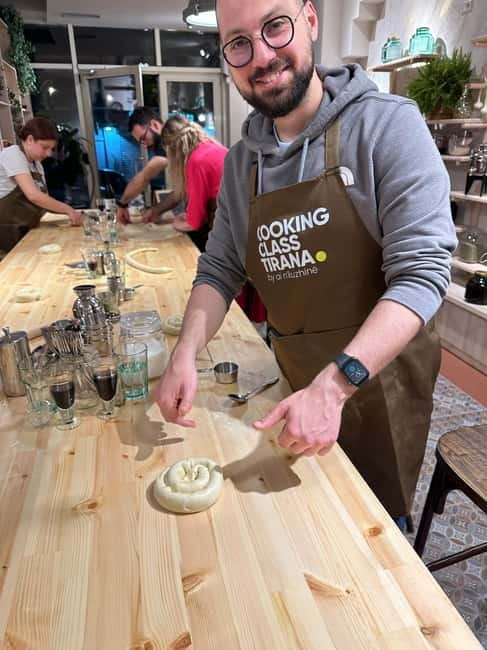
Burek is one of the best choices for a cooking class because the process is both simple to understand and satisfying to do. You work with dough, filling, and folding or rolling techniques, rather than merely watching a finished pastry come out of the oven.
The sample menu uses cottage cheese for the filling. It is a familiar dish in the Balkans, but the class gives you a closer look at the Albanian version and the care needed to get the texture right.
This is likely to be one of the more active sections of the evening. You roll the dough, follow the chef’s method, and learn how to season and assemble the dish. The class is structured so that you can work alongside other people, which turns a technical task into a social one.
If you cook at home, burek may be the recipe you are most likely to repeat. It uses techniques that can be adapted to other fillings, and the lesson gives you a clear sense of how much work is involved. If you prefer a polished demonstration with little participation, this part may feel messy. That is also its charm.
Preparing village chicken with pershesh
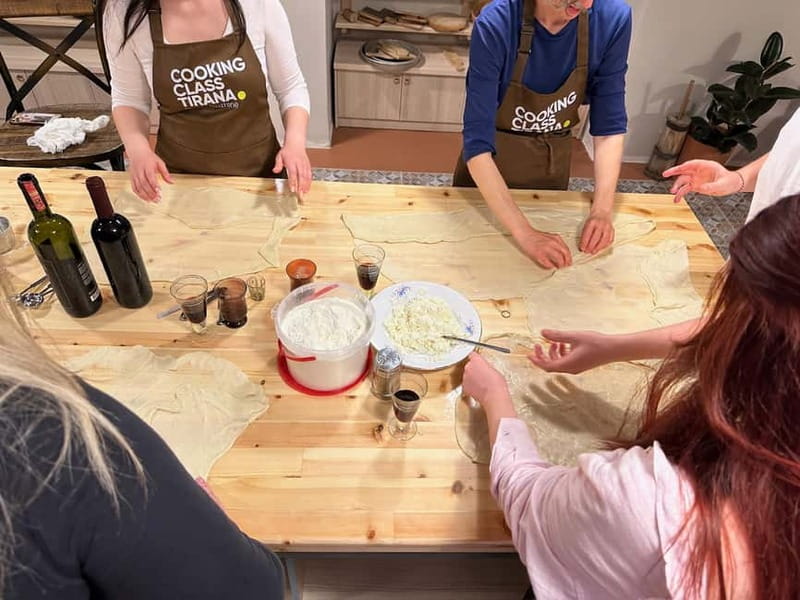
The main savory dish is village chicken with pershesh. The menu connects the chicken with a traditional bread-based preparation, giving you a chance to see how Albanian home cooking turns basic ingredients into a filling communal meal.
The chef guides you through seasoning and preparation rather than assuming you already know the method. This is where the cultural explanation adds value. The class is not only about producing dinner. It shows how food, family customs, and hospitality meet around the table.
Dietary needs are taken seriously, but you must state them when booking. A vegetarian participant was served zucchini in place of chicken for the pershesh and kulac, which shows that substitutions can be thoughtful rather than an afterthought. The activity also states that vegan, pescatarian, halal, and lactose-intolerant diets can be accommodated.
You should still provide exact information in advance. The published details say restrictions can be handled, but they do not list a fixed alternative menu for every diet. Ask clearly if you have several restrictions or a serious allergy.
More Hands-On Workshops in Albania:
- Berat Cooking Class
★ 4.9 · 131 reviews - Tirana Cooking Class – Traditional Albanian Recipes
★ 5.0 · 33 reviews - The secrets of Albanian cuisine: cooking lesson in Tirana
★ 5.0 · 21 reviews - Berat: Discover Albania with Cooking Class w/ Drink Tastings
★ 5.0 · 19 reviews
Finishing with sheqerpare
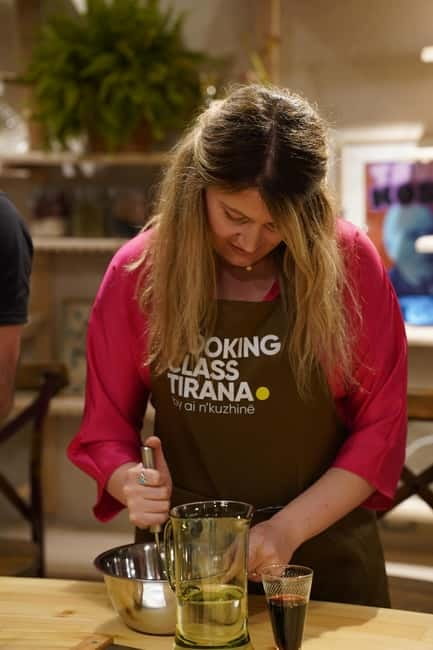
Dessert is sheqerpare, a traditional Albanian sweet. It gives the class a proper ending and helps round out the meal with a recipe that is different from the savory dishes.
The dessert also adds a nice practical touch. Some people have been able to take extra portions home because the meal is so generous. You should not count on leftovers, but the quantity served is clearly more than a small tasting menu.
This is not a class where you leave after sampling two bites of each dish. The food is intended to become a full dinner. That makes the experience particularly useful if you have an evening free and want one activity to cover cooking, dining, and social time.
The one drawback is obvious: pace yourself. Appetizers arrive before the dishes you prepare, and the wine and raki are available throughout. It is easy to fill up before the final course if you treat every early plate as the main event.
The appetizer table tells its own story
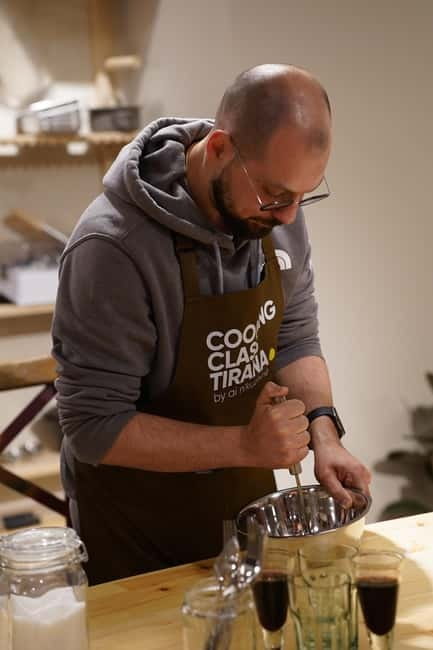
The food you prepare is only part of the meal. The class includes olives with oregano, fried peppers, cream cheese, fresh bread, seasonal appetizers, and meze. You also taste traditional Albanian jams and gliko, a type of preserved fruit sweet.
These extras are valuable for two reasons. First, they let you try several flavors beyond the three recipes you cook. Second, they show how an Albanian table is built around sharing, with small plates appearing before and alongside the main meal.
Fresh bread, dairy, vegetables, olives, and preserves create a broad introduction without making you commit to a full restaurant order of unfamiliar dishes. You can ask questions as you taste, and the host can explain what you are eating and how it fits into local food customs.
The menu may change with the season. The activity promises seasonal appetizers rather than a fixed list of every small dish, so you should expect some variation. That is a good thing for a cooking experience, though it means the exact table may not match the sample menu word for word.
Wine and raki are part of the evening
Water and homemade wine are included, and the class includes a guided raki tasting. Raki is a strong Albanian spirit, so the tasting is a cultural element as much as a drink service.
The host helps set the context, making this more useful than simply being handed a shot. You can taste, ask questions, and compare the raki with the wine served during the meal. The drinks help create a relaxed mood, but they are not essential to enjoying the class.
I would treat the unlimited wine wording with some caution in practical terms. It means you can enjoy wine during the experience, not that you should drink quickly or heavily. The class involves cooking, hot food, conversation, and a later meal. A measured approach will make the evening more comfortable.
Water is included, so use it. If you do not drink alcohol, the cooking, food, and cultural instruction still form the core of the activity. The supplied information does not describe a separate nonalcoholic tasting, so ask the host about alternatives if that matters to you.
A social evening rather than a quiet lesson
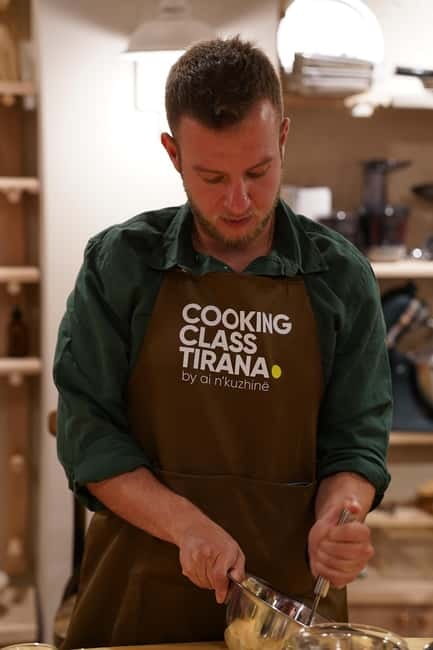
The group setting is a major part of the appeal. You cook beside other participants, share ingredients and tasks, and sit together at the end. Solo visitors can be paired with another person, which helps avoid the awkwardness that can come with arriving alone.
The mood is often lively. Music, entertainment, and spontaneous dancing may become part of the evening, and the hosts use humor to keep the room relaxed. Dervis is repeatedly praised for making people feel at home, while Marius is also singled out as a warm and capable host.
This is a good match for people who like meeting others while traveling. It can work for couples, friends, families, and solo visitors. The class has also handled a wide age range, from teenagers to people in their seventies.
It is less suitable if you want a quiet, highly formal lesson or a private chef experience. The size and mix of the group can shape the evening, and conversation is part of the value. You are choosing a shared table, not a silent workshop.
What the $44 price buys you
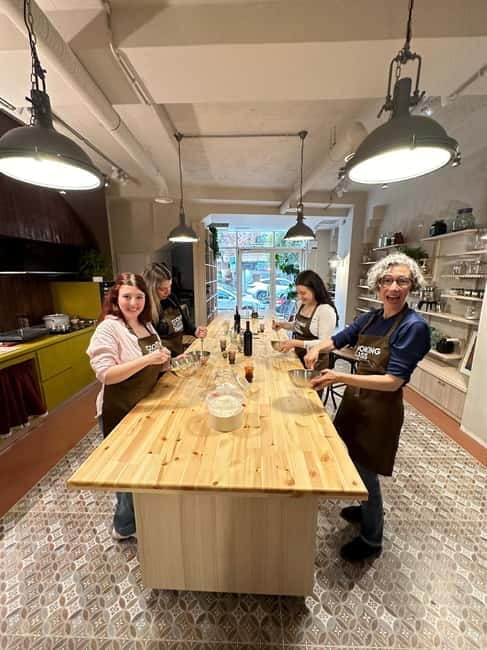
At $44 per person, the price is strong for a four-hour activity that includes instruction, a full meal, appetizers, water, wine, raki tasting, jams, and entertainment. You are not paying only for three recipes. You are paying for an evening that combines a class, a cultural talk, and dinner.
The generous food matters most. You could spend a similar amount on a restaurant meal in Tirana, but that would not include the cooking lesson or the chance to ask a local host about technique and custom. The class also gives you recipes and methods to try again at home.
The value is best for people who plan to participate fully. If you skip the cooking and only want to eat, a restaurant may be simpler. If you enjoy learning by doing, the four-hour length gives the price real weight.
The activity has a 5 out of 5 rating from 266 ratings, and the praise is notably consistent around the food, host, atmosphere, and amount included. The most useful takeaway is not the number itself. It is that the experience appears to deliver the same central promise repeatedly: clear cooking instruction followed by a generous, social meal.
Practical details that affect your choice
The class lasts four hours, so plan it as a full evening rather than a quick stop between sightseeing. Starting times vary, and you should check availability for the date you want.
English is the stated language of instruction. The activity is wheelchair accessible. If you have dietary restrictions, write them in your booking request instead of waiting until you arrive.
Cancellation is free up to 24 hours in advance for a full refund. You can also reserve and pay later, which is useful if your Tirana plans are still shifting.
For larger groups, contact the provider directly. The available information does not give a fixed maximum group size, so ask before booking if you are arranging a substantial party.
Who should book this cooking class?
I would choose this experience if you want food to do more than fill an evening. It gives you practical recipes, local explanations, a full meal, and a natural way to meet people.
It suits you especially well if you:
- Want a friendly first-night activity in Tirana
- Enjoy hands-on cooking more than formal sightseeing
- Travel solo and like shared group experiences
- Want to try Albanian food beyond a restaurant menu
- Appreciate generous portions and a relaxed table
- Are curious about raki, homemade wine, preserves, and meze
- Need a class that can adapt to several dietary requirements
You may want another activity if you avoid alcohol, dislike group dining, or prefer a short and quiet demonstration. The class includes nonalcoholic water, but wine and raki are part of the advertised atmosphere. The social energy is a feature for many people, but it may not suit everyone.
Should you book it?
Yes, if you want an accessible and sociable introduction to Albania through food. The best parts are the clear instruction, the generous table, and the hosts’ ability to connect recipes with customs without making the lesson feel academic.
Book it near the start of your Tirana stay if possible. You will learn dishes you can recognize later, pick up useful food vocabulary, and meet people while you are still getting settled.
Just arrive hungry, mention dietary needs in advance, and pace yourself with the wine and raki. At $44, this is a particularly good choice for a full evening of cooking, dining, and Albanian hospitality rather than a quick tasting stop.
FAQ
How long does the Albanian cooking class last?
The experience lasts four hours. Check the available starting times when choosing your date.
How much does the cooking class cost?
The price is $44 per person.
Which dishes will I cook?
The sample menu includes village chicken with pershesh, burek with cottage cheese, and sheqerpare, a traditional Albanian dessert.
Is food included beyond the dishes I prepare?
Yes. The experience includes appetizers and meze such as olives with oregano, fried peppers, cream cheese, fresh bread, seasonal items, Albanian jams, and gliko.
Are wine and raki included?
Yes. Water and homemade wine are included, along with a guided raki tasting.
Can dietary restrictions be accommodated?
Yes. Vegetarian, vegan, pescatarian, halal, and lactose-intolerant diets can be accommodated. State your requirements when booking.
What language is the class taught in?
The instructor language is English.
Is the activity wheelchair accessible?
Yes, the activity is listed as wheelchair accessible.
Can I cancel for a full refund?
Yes. You can cancel up to 24 hours in advance for a full refund.
Can I reserve now and pay later?
Yes. The activity offers a reserve now and pay later option.
Just added around Albania
- Family Mandarin Farming Tour with Traditional Cooking Lunch★ 4.5 · 9 reviews
- Gourmet Lunch Farm Tour with Cooking Class★ 4.5 · 8 reviews
- The secrets of Albanian cuisine: cooking lesson in Tirana★ 5.0 · 21 reviews
- Tirana Cooking Class – Traditional Albanian Recipes★ 5.0 · 33 reviews
- Gjirokastër: Traditional Albanian Vegetarian Cooking Class★ 4.4 · 17 reviews
- Cook Like a Local – Authentic Cooking Class in Gjirokastra★ 3.2 · 4 reviews
- Berat: Discover Albania with Cooking Class w/ Drink Tastings★ 5.0 · 19 reviews
- Berat: Traditional Cooking Class with Wine Tasting★ 5.0 · 5 reviews
Cooking Classes, compared.
Half-Day Thai Cooking Class at Organic Farm in Chiang Mai
Read our review →
Florence: Pasta Cooking Class with Unlimited Wine
Read our review →
3 in 1 Cooking Class near Navona: Fettuccine, Ravioli & Tiramisu
Read our review →
Hanoi Cooking Class: Culture, Local Market & Meaning CSR Impact
Read our review →
5 Traditional Dishes Hanoi Cooking Class with Market Trip
Read our review →
Cooking Class and Lunch at a Tuscan Farmhouse with Local Market Tour from Florence
Read our review →
Chiang Mai: Cooking Class, Market & Thai Herbs Garden Tour
Read our review →Browse the lists this tour appears in