Review · COOKING CLASSES
Caribbean Cooking Class in Aruba
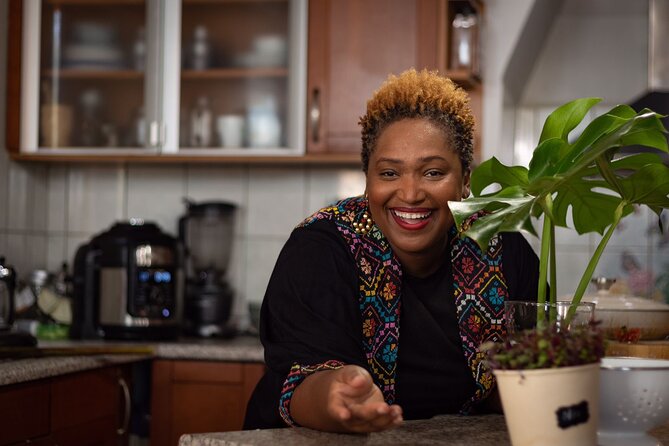
The most memorable part of this Aruba experience is not simply the food. It is the chance to enter Chef Kari Heron’s home, work beside her in the kitchen, and share a meal in a setting normally kept for family. You help prepare the dishes rather than watching a demonstration, then sit down together once the cooking is done.
I like the small group limit of 10, which gives the evening a warm, social feel without turning the kitchen into a crowd. I also like that mocktails, ingredients, and the meal are included, so the $250 price covers more than a short cooking lesson.
The main consideration is that this is a home-based experience, not a polished restaurant event. The music, pace, menu, household setting, and amount of food may feel personal and informal. Guests with allergies need to speak up in advance, and this is not a nut-free home.
Key points to know before booking
- You cook inside Chef Kari’s home in Noord, with direct access to a family kitchen rather than a commercial cooking school.
- The class runs about two and a half hours, beginning with a mocktail, Caribbean music, and an introduction to the food traditions behind the menu.
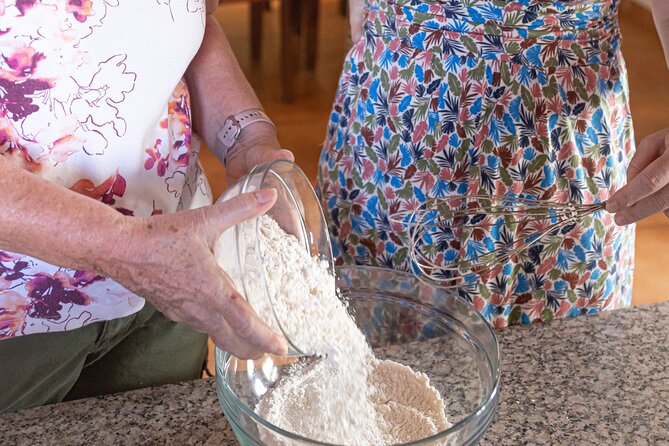
- You take on real cooking tasks, such as chopping, seasoning, stirring, smashing, and preparing several dishes with the group.
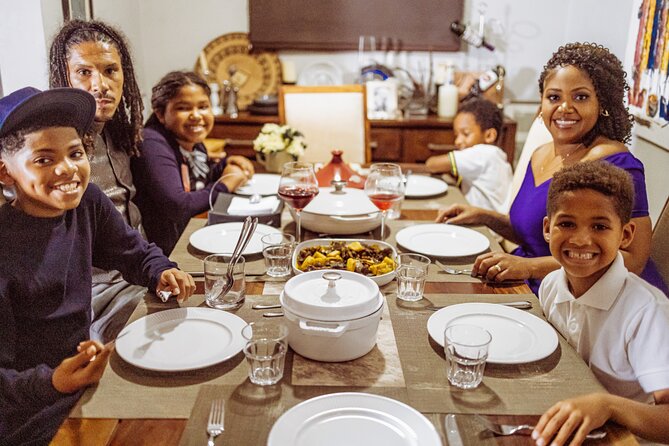
- The meal is served family style, giving you time to eat, talk, and meet the other people in your group.
- The group can include up to 10 people, though smaller sessions may feel more personal and give you more time with Kari.
- Allergies and dietary needs matter, including the option to request Caribbean keto dishes when booking.
Entering Chef Kari’s Noord kitchen
The class begins at Chef and Steward, at Noord Bona Vista 36 in Noord, Aruba. The meeting point is also where the activity ends, so you do not need to arrange a second pickup point after dinner.
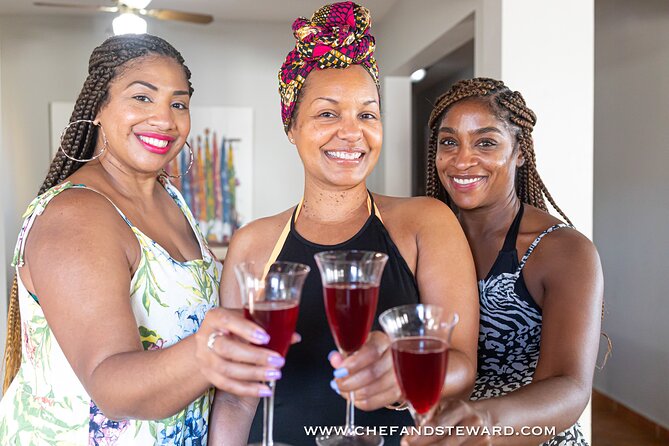
You arrive at a private home and are greeted with a refreshing mocktail. Caribbean music plays in the background while you gather around the kitchen island. This opening sets the tone: you are not being ushered into a formal classroom with rows of workstations. You are joining a home gathering where cooking, conversation, and hospitality are all part of the evening.
Kari introduces herself and gives a short account of Caribbean food traditions, including connections between Aruba and Jamaica. That context matters because the class is about more than following a recipe. You learn how ingredients, seasoning, family habits, and regional influences shape the food.
The home setting is the central appeal, but it also requires the right expectations. You should be comfortable entering someone’s personal space, working in a shared kitchen, and accepting an atmosphere that may change with the household. One session included a sick child in the home, which one participant found distracting, while Kari explained that the child’s allergies were not contagious. This is a useful reminder that a home-based class has a human, lived-in quality that a restaurant kitchen does not.
More Hands-On Workshops in the world:
- Half-Day Thai Cooking Class at Organic Farm in Chiang Mai
★ 5.0 · 19,087 reviews - Florence: Pasta Cooking Class with Unlimited Wine
★ 4.9 · 10,285 reviews - 3 in 1 Cooking Class near Navona: Fettuccine, Ravioli & Tiramisu
★ 5.0 · 7,376 reviews
Cooking instead of watching
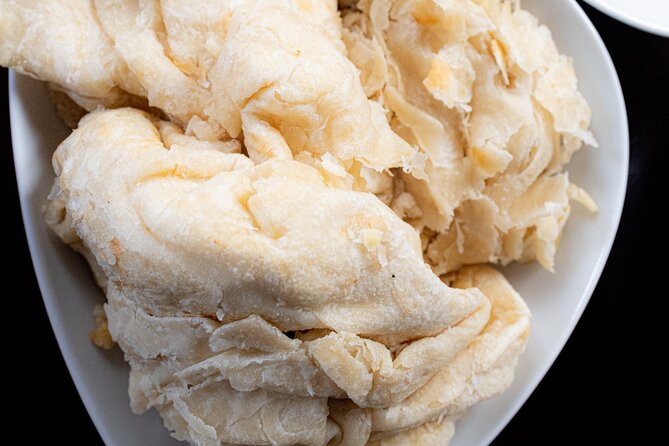
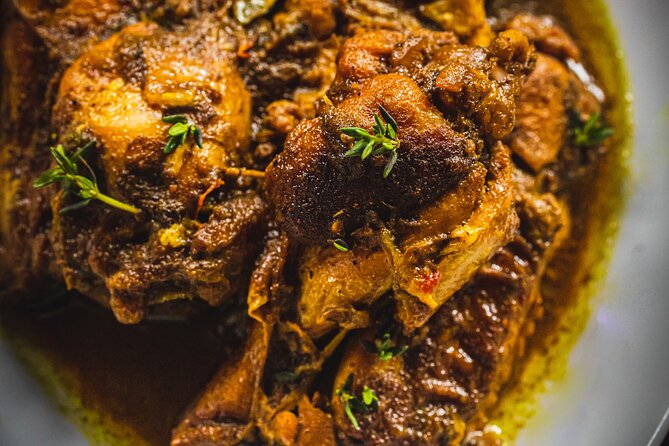
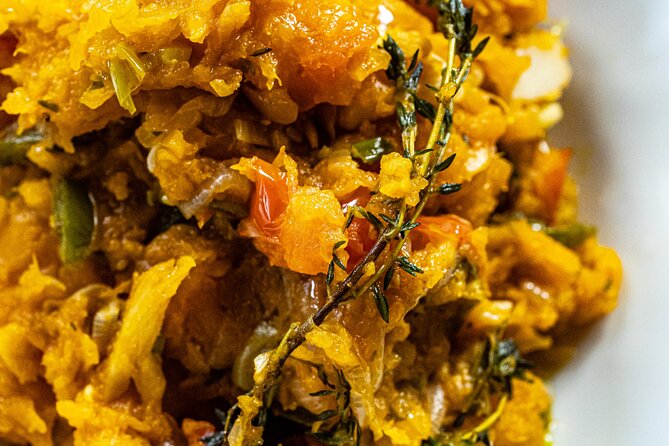
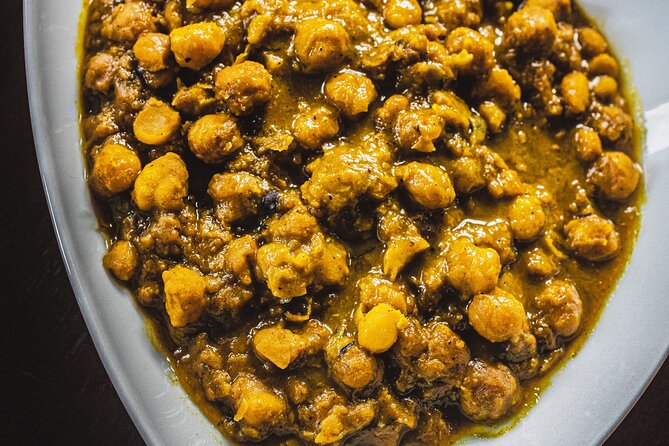
After the introduction, the group divides up the work. Kari assigns different tasks so everyone can contribute to preparation and cooking. The exact menu can vary, but the food prepared in past sessions has included Caribbean chicken, jerk chicken wings, curried chickpeas, fried or green plantains, pumpkin, tomato salsa, smashed potatoes, and coconut rice.
You may be chopping, dicing, seasoning, stirring, smashing, or searing. The hands-on work is important because you learn how the food comes together through touch, smell, timing, and taste. Kari encourages participants to sample spices and pay attention to aromas as they cook, rather than simply measuring ingredients and moving on.
This is particularly useful if you want to take Caribbean cooking home with you. A printed recipe packet is not described as part of the standard class, but Kari provides access to recipes and other resources through her website. If you want to recreate a dish, ask for the recipe link before leaving or follow up soon afterward.
The class appears suitable for a range of cooking abilities. People with little experience can follow Kari’s guidance, while confident home cooks can focus on seasoning, technique, and the food’s cultural background. You will not be left to figure out a dish alone, but you should expect to participate rather than sit back.
One practical point: the class is designed around shared tasks, so the amount of time you personally spend at the stove may depend on the group size and the evening’s menu. With only a few participants, you may receive more direct attention. With 10 people, the atmosphere can be livelier, but each person may handle a smaller part of the preparation.
The menu and the flavors
The food is the reason many people will book this experience, and the menu offers a useful introduction to several Caribbean ingredients and techniques. Plantains, pumpkin, chickpeas, curry, jerk seasoning, tamarind, ginger, coconut, and chicken can appear in different combinations.
A sample meal included jerk chicken wings, a pumpkin side dish, curried chickpeas, fried plantains, tomato salsa, and a ginger-tamarind drink. Another session featured Caribbean chicken and coconut rice. These are not bland, isolated samples. They are dishes designed to be eaten together, with sweet, savory, earthy, spicy, and tangy notes sharing the table.
The food also gives you a window into the difference between restaurant preparation and home cooking. Restaurant dishes are usually portioned and plated for appearance. Here, the food is prepared for sharing, and large serving dishes can be placed in the center of the table. That family-style approach may be more valuable to you than a formal presentation if your goal is to understand how Caribbean meals work at home.
At the same time, do not book this expecting a long tasting menu or a separate dessert course. One participant found the meal too minimal for the price, while other sessions included generous quantities and leftovers. The amount served can depend on the group and menu, but dessert is not a standard part of the class. If you are marking a birthday or anniversary, ask in advance about any special arrangement.
From kitchen work to dinner together
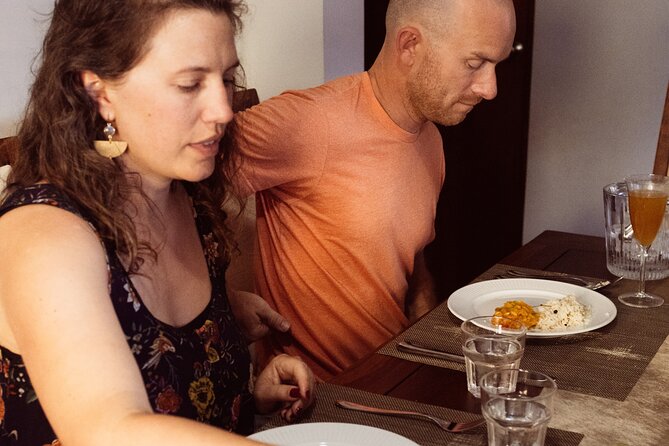
Once the cooking is complete, everyone sits down and eats the meal. This is where the class becomes a social evening rather than a simple lesson. You have already worked together, so conversation tends to come naturally. People share stories, compare cooking habits, and talk about Aruba, the Caribbean, and their own homes.
The group size makes a big difference here. A session with three or six people can feel almost like a private dinner with a local host. A full group of 10 has more energy and more chances to meet people, but it may be less quiet and personal.
Kari’s son Elijah has also joined some meals and spoken about food. His presence is part of the home setting, not a scheduled performance, so the household atmosphere can vary from one date to another.
Music is another part of the evening. Caribbean and African music may play while you cook and eat. One participant preferred a more neutral dinner soundtrack and found the Christian worship music used that evening unsuitable. Kari explained that religious music is part of Caribbean culture and that the playlist can vary. If music matters to you, remember that you are entering a private home with its own character and traditions.
You can bring a bottle of wine to enjoy with dinner, based on the experience described by one party. Still, alcohol is not listed as an included feature, so plan to confirm any drink arrangements before you arrive. Mocktails are provided, and a fresh juice may also be part of the menu.
A few more cooking classes around the world worth a look
- Florence: Pasta & Tiramisu Cooking Class with Unlimited Wine
★ 4.9 · 6,708 reviews - Florence: Pasta Cooking Class with Unlimited Wine
★ 5.0 · 6,413 reviews - Hanoi Cooking Class: Culture, Local Market & Meaning CSR Impact
★ 5.0 · 5,147 reviews - 5 Traditional Dishes Hanoi Cooking Class with Market Trip
★ 5.0 · 4,890 reviews
What the $250 price means
At $250 per person, this is an expensive food activity. You are paying more than you would for a basic group cooking lesson or an ordinary dinner in Aruba. The value depends on what you want from the evening.
The price includes the ingredients, mocktails, instruction, cooking activities, cultural background, and the shared meal. It also buys access to a private home, which is the feature you cannot easily reproduce through a restaurant reservation. If you want a casual dinner with a local feel and a chance to cook, the package has real appeal.
I would not choose it for the food alone. You can find Caribbean dishes elsewhere, and the class does not promise a formal multi-course dinner, dessert, printed biography, or restaurant-level service. I would choose it if the combination of food, conversation, personal hosting, and home access matters to you.
The price also makes group size important. A small class gives you more contact with Kari and more room to ask questions, while a full group can make the experience feel more like a party. Since the maximum is 10, ask about the expected group size if that information is available when you book.
The activity is often reserved well ahead, with bookings averaging 41 days in advance. That suggests you should not wait until the last evening of your trip if this is important to your plans.
Dietary needs, allergies, and comfort
Tell Kari about allergies or dietary restrictions when you book. This is not a nut-free home, so anyone with a serious nut allergy should discuss the situation carefully before committing.
Caribbean keto dishes can be prepared if requested at booking. The experience can also accommodate different preferences among meat eaters, seafood lovers, and vegetarians, based on the menus and descriptions provided. Do not assume a last-minute change will be possible. The class depends on advance preparation and purchased ingredients.
You should also be ready for the normal unpredictability of a private home. Children, household needs, and a changing playlist may be part of the setting. That is not necessarily a problem, but it is different from a professional cooking studio built entirely around visitors.
Finding the house and planning the evening
The meeting point is Chef and Steward, Noord Bona Vista 36. The address is easy to use, but mapping apps may not all guide you in the same way. Some people have found Apple Maps accurate, while Google Maps or Waze have caused confusion. It is wise to check the route before leaving your hotel and allow a little extra time.
If you take a taxi, keep the taxi company’s phone number so you can arrange the ride back after the class. The experience ends at the same house, but you are responsible for getting onward transportation unless separate arrangements have been made.
The class lasts about two hours and 30 minutes. That is long enough for an introduction, hands-on cooking, and a shared meal, but not so long that it takes over an entire day. An evening booking works well after time at the beach or sightseeing, though you should avoid arriving rushed or hungry enough to become impatient during the cooking stage.
Mobile tickets are accepted, and confirmation is provided when you book. Free cancellation is available if you cancel at least 24 hours before the start time. Changes or cancellations inside that window are not refunded. The class can also be canceled if the minimum number of participants is not reached or if weather affects the activity, in which case you are offered another date or a full refund.
Who will enjoy this Aruba cooking class
I would recommend this to you if you like meeting people, trying local food, and learning through participation. It is especially well suited to couples, families, solo visitors who enjoy social settings, and anyone who wants an evening away from the hotel restaurant.
It is also a good choice if you value personal contact more than polish. The strongest part of the experience is the feeling of being welcomed into a real home and included in a shared meal. The class can turn a group of strangers into a temporary dinner table, which is difficult to arrange on your own during a short stay.
You may want to skip it if you prefer a formal cooking school, exact restaurant service, quiet dining, or a guaranteed menu with fixed courses and dessert. The $250 cost will feel hard to justify if you only want to eat Caribbean food. You also need to be comfortable with the food safety and privacy questions that naturally come with a home-based class.
Should you book Chef Kari’s class?
Book it if you want a personal Caribbean evening, not merely a meal. You will cook with other people, hear about Aruba and Jamaican food traditions, share mocktails, laugh and talk around the kitchen island, and sit down to eat what you helped prepare.
I would treat the class as a cultural home visit with cooking at its center. Go in expecting warmth, conversation, and some household informality. Tell Kari about allergies and dietary needs early, check the address carefully, ask about the recipe link before you leave, and confirm the group size if you want a quieter session.
At 4.8 out of 5 from 44 ratings, with 93 percent recommending it, the experience has been very well received overall. The few serious complaints point to the same lesson as the practical details: this is personal and home-based. That is precisely its appeal for the right person, and precisely what may disappoint someone expecting a polished restaurant-style event.
FAQ
Where does the Caribbean cooking class take place?
The class takes place at Chef and Steward, Noord Bona Vista 36 in Noord, Aruba. The activity ends back at the same meeting point.
How long does the class last?
The experience lasts approximately two hours and 30 minutes.
How many people can join the class?
The maximum group size is 10 participants. Some sessions may be smaller.
Are ingredients included?
Yes. The ingredients needed for the cooking class are provided, along with mocktails.
Can I tell the host about allergies or dietary restrictions?
Yes. You should provide this information when booking. The home is not nut-free, and Caribbean keto dishes can be prepared if requested in advance.
Is the meal included?
Yes. After preparing the food, you sit down and eat the meal together in a family-style setting.
Do I need to bring anything?
The experience provides the ingredients and mocktails. One group brought a bottle of wine to enjoy with dinner, but alcohol is not listed as an included feature.
What is the cancellation policy?
You can cancel at least 24 hours before the start time for a full refund. Cancellations or changes made less than 24 hours before the experience are not refunded. If the class is canceled because of weather or because the minimum number is not reached, you are offered another date or a full refund.
Just added around the world
- Private Cape Malay Cooking Class in Cape Town with a Local Family★ 5.0 · 24 reviews
- Private Moroccan Cooking Class in Casablanca with a Local Expert★ 5.0 · 12 reviews
- Cooking Class and Wine Pairing in Capri★ 5.0 · 57 reviews
- South African Cooking in Cape Town with Local Chef Richard★ 4.5 · 10 reviews
- Langa Township and Bokaap Cooking Class Half Day Tour★ 5.0 · 4 reviews
- Private Authentic Mexican Cooking Class in Cancun with Alberto★ 5.0 · 3 reviews
- Private Authentic Cape Malay Cooking Class in Manenberg with Locals★ 5.0 · 5 reviews
- Cape Town Shore Excursion| South African Cooking & Port Transfers★ 5.0 · 3 reviews
Cooking Classes, compared.
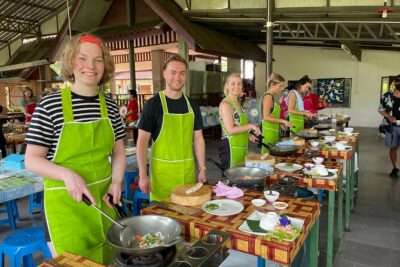
Half-Day Thai Cooking Class at Organic Farm in Chiang Mai
Read our review →
Florence: Pasta Cooking Class with Unlimited Wine
Read our review →
3 in 1 Cooking Class near Navona: Fettuccine, Ravioli & Tiramisu
Read our review →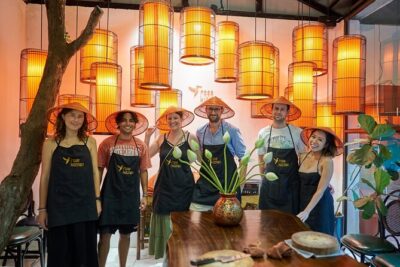
Hanoi Cooking Class: Culture, Local Market & Meaning CSR Impact
Read our review →
5 Traditional Dishes Hanoi Cooking Class with Market Trip
Read our review →
Cooking Class and Lunch at a Tuscan Farmhouse with Local Market Tour from Florence
Read our review →