
Review · COLOMBO
Colombo Cooking Experiance with Explore Market
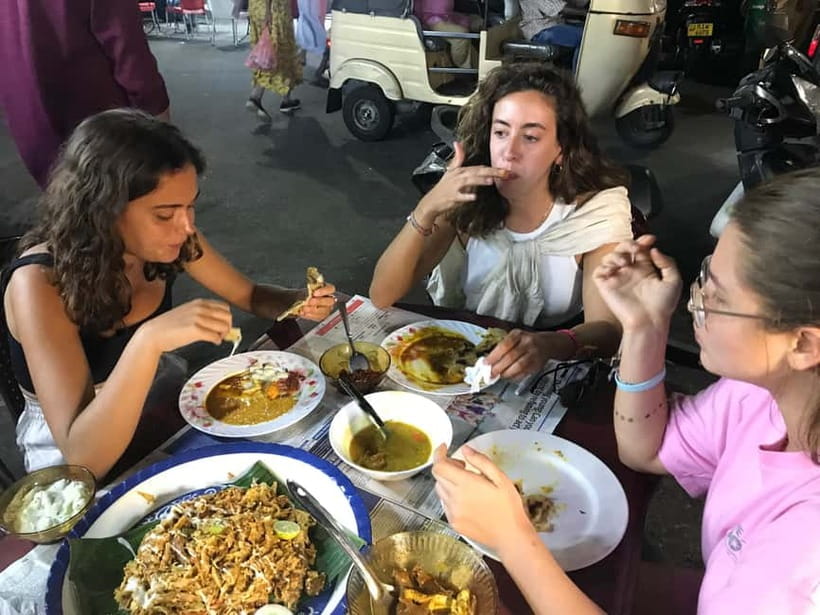
The best part of this Colombo experience is that you do not simply sit down to eat Sri Lankan food. You help choose the ingredients, cook the dishes, and share the meal in a local home with hosts Pradeep and Bobby. The market visit gives the meal a useful beginning, especially when you are learning what all those fruits, spices, vegetables, and dried fish are for.
I like the hands-on cooking, where you can try the techniques instead of watching a chef work alone. I also like the relaxed meal afterward, with Lion beer or fresh juice, homemade dessert, and the chance to ask about everyday Sri Lankan food. The main drawback is that the market can feel quieter and less interesting on public holidays, and one guest found that the cooking work was not always divided into individual stations.
Quick takeaways
- A market-to-table afternoon: Choose fresh ingredients in a Colombo market before cooking them at a local family home.
- Pradeep and Bobby host the experience: Expect friendly guidance, food talk, and help with meeting points or pickup arrangements.
- You cook traditional dishes yourself: The class is designed for beginners, with step-by-step demonstrations and plenty of chances to take part.
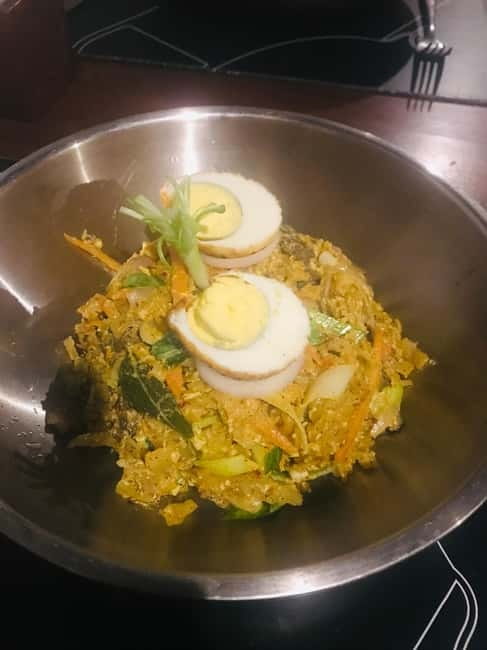
- The meal is part of the experience: Sit down with the food you prepared, Lion beer or fruit juice, and a homemade dessert.
- Good value at $35: The price includes transport within Colombo, the market visit, cooking session, and meal.
- Bring dietary information early: Food allergies and restrictions should be shared before the activity.
Why this Colombo cooking class feels personal
This is not a polished cooking show in a commercial kitchen. The cooking takes place at a local home, which gives the afternoon a more ordinary and personal feel. You see how Sri Lankan food is made in the setting where it is eaten, rather than in a restaurant designed for visitors.
That difference matters. Sri Lankan cooking can look complicated from a restaurant table, with several curries, sambols, rice, vegetables, and side dishes arriving together. Here, you can watch each step and ask why a spice is used, how a curry is built, or how a family handles ingredients at home.
Pradeep is the main host named in the experience, with Bobby helping at the market and during the cooking session. Their approach appears friendly and flexible. One solo participant had trouble at the meeting point but still found Bobby patient and kind, which is useful if you are arriving alone or navigating Colombo for the first time.
The experience is also social without requiring you to be a confident cook. The class suits beginners, and the cooking is described as easier than expected. You can take part at your own level, ask questions, and focus on learning a few useful techniques instead of trying to master an entire national cuisine in one afternoon.
More Market Tour Cooking Classes in Sri Lanka
- Market Tour and Hands-On Cooking Class Colombo
★ 5.0 · 140 reviews - Galle: Cooking Class at a Local Home and Market Tour
★ 5.0 · 47 reviews - Vegan Cooking Class Colombo with Market Tour
★ 5.0 · 9 reviews
Starting at the market in Colombo
The activity begins with pickup in Colombo, followed by roughly 15 minutes of transport to the market. You may also go directly to the meeting location, but confirm the details before setting out. Pickup is available from hotels, and arrangements can also be made for an airport, railway station, cruise terminal, or port. Transport beyond 8 kilometers may cost extra.
The market visit is more than a shopping stop. Pradeep introduces you to the ingredients used for the cooking class, including fresh fruit, vegetables, spices, and dried fish. You receive advice on choosing produce and can help select ingredients according to your preferences.
This is where the class gains much of its local value. A plate of curry tells you very little about the ingredients unless someone points them out. At the market, you can see them in their original form, compare unfamiliar produce, and learn how Sri Lankan cooks think about freshness and flavor.
The market experience can change with the day. On New Year’s Day, there may be fewer sellers and less activity, so the visit could feel underwhelming. If you have a choice, a regular market day should give you more to look at. The point is not simply to buy food quickly. Allow time to notice the items you would likely miss on your own.
You should also remember that personal shopping is not included. The ingredients for the class are covered, but anything you purchase for yourself is your own expense. If you want to take spices or other goods home, ask before buying and pack them with care.
A short ride to a family home
After the market, you travel to the home where the cooking takes place. The standard itinerary describes about 15 minutes of transport, although one participant enjoyed making the short trip in a colorful tuk-tuk. Transport details may vary, so treat the ride as part of the local setting rather than a guaranteed tuk-tuk tour.
The move from market to home is a strength. You begin with raw ingredients and then see them become a meal in a family kitchen. That simple progression makes the food easier to understand, especially if you have already eaten Sri Lankan curry but never seen how it is prepared.
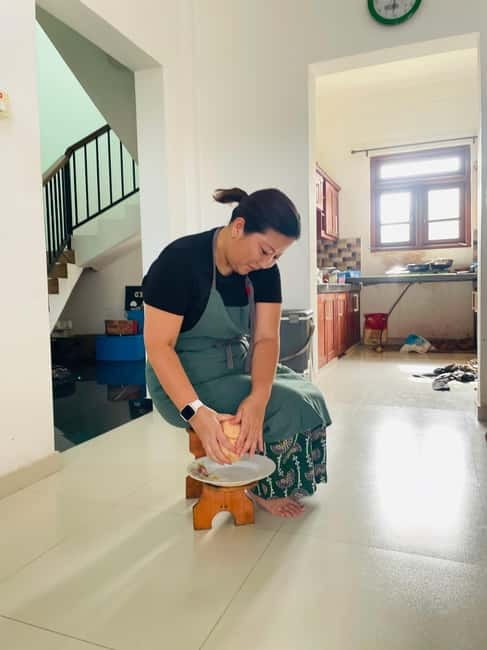
Do not expect a restaurant kitchen with a separate workbench for every person. The home setting is more informal. One participant wished for individual cooking stations so everyone could be involved more evenly. If you want constant hands-on work, ask the host how tasks will be shared at the beginning.
For many people, though, the home setting will be the appeal. It gives you a chance to talk with the hosts about food, family habits, and daily life while the meal comes together. You are not only learning recipes. You are seeing the pace and setting of a normal home meal.
Learning Sri Lankan dishes step by step
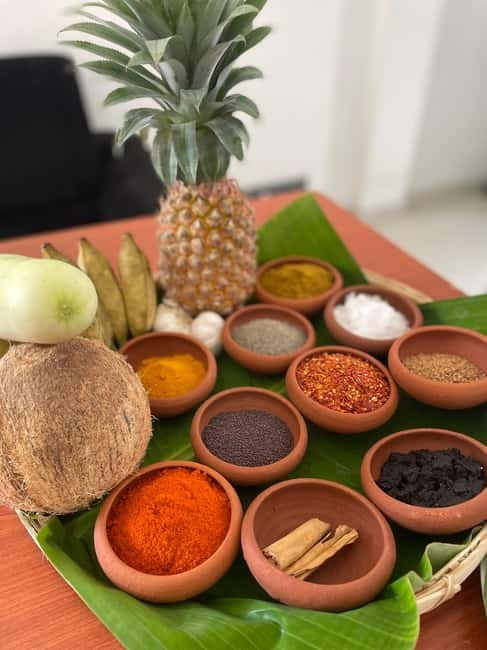
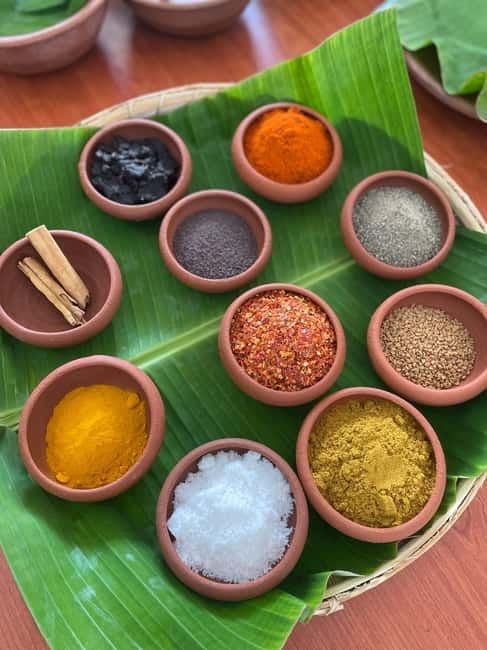
The cooking session lasts about three hours, including food tasting and the meal. Pradeep demonstrates the dishes step by step, then gives you opportunities to try the techniques yourself. The focus is on traditional Sri Lankan food and the homegrown spices used by the family.
The class is especially useful if you want to recreate the food later. A recipe book is provided, and spices can be purchased if you want to continue cooking at home. One participant recorded the recipes and planned to make them again, which is a good sign for anyone who wants more than a pleasant lunch.
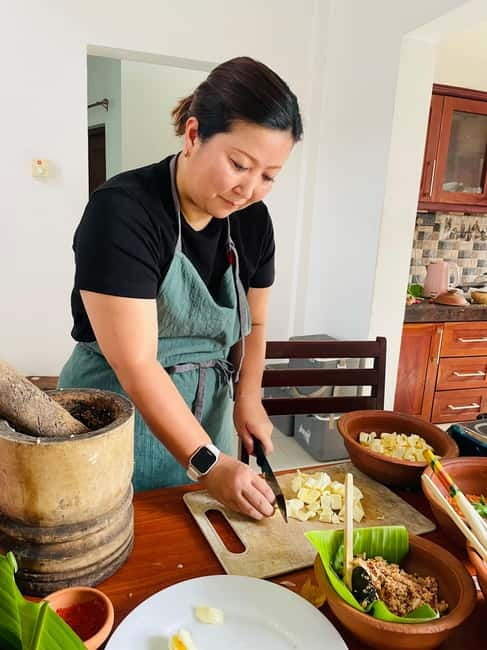
You can expect to handle ingredients rather than simply watch. The available feedback points to a class that works for both experienced cooks and people who rarely cook. You may learn how spices are combined, how vegetables are prepared, and how several dishes are coordinated for one meal.
The experience does not promise a fixed menu in the supplied information. That can be a benefit, since the meal is built around fresh market ingredients and personal preferences. It also means you should ask in advance if you need a certain dish or want to avoid a particular ingredient.
Sri Lankan food often includes heat, but the information provided does not give a fixed spice level. Tell the host about your preferences and any allergies or dietary restrictions before the class. This is important because you will be preparing and eating the food as part of the group meal.
Same place, a different menu:
- Ella: Traditional Sri Lankan Cooking Class
★ 4.9 · 788 reviews - Organic cooking class sigiriya (kumara & family)
★ 5.0 · 650 reviews - Sri Lanka Cooking Class with Granny
★ 5.0 · 587 reviews - Kandy Village Cooking Class
★ 5.0 · 536 reviews
Eating what you helped prepare
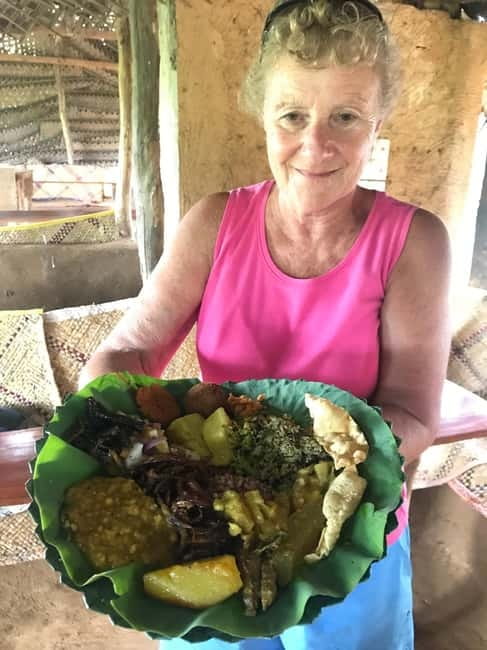
After cooking, you sit down to eat the dishes you made. The meal includes a Lion beer or fresh fruit juice, and the experience ends with homemade dessert. This closing meal is not an afterthought. It gives you time to taste the finished food and compare it with what you expected when the ingredients were still in the market.
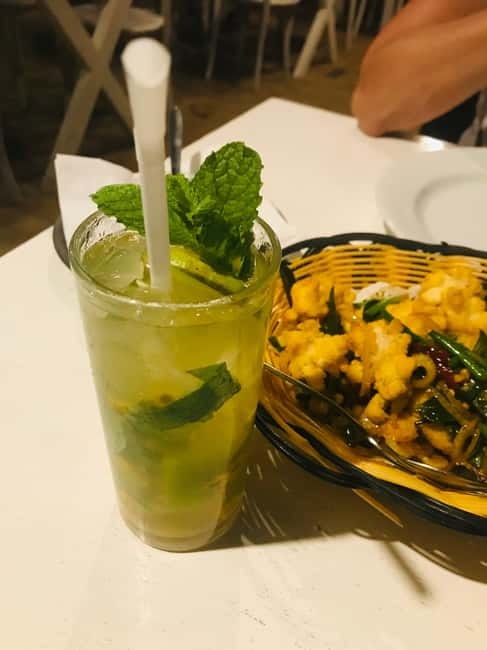
A cold Lion beer fits the setting well, but juice is available if you do not drink alcohol. Guests have also tried wood apple juice and a fruit platter, showing that the drinks and extras can include local flavors beyond the main meal.
I like this part because it turns a class into a shared afternoon. You can talk with Pradeep and Bobby, ask last questions, and enjoy the food without being rushed through a restaurant bill. The hosts have been described as welcoming and generous, with homemade touches such as fruit and dessert.
Still, keep your expectations practical. This is a local home, not a formal dining room. You may have a more relaxed meal and a less standardized setup. For me, that is the tradeoff worth making if your priority is contact with local home cooking rather than polished service.
What the $35 price really covers
At $35 per person, the experience offers good value if you use all its parts. The fee includes a private or group cooking session, hotel pickup within Colombo, the market ingredient visit, the cooked meal, Lion beer or fresh juice, and homemade dessert.
You are getting about three and a half hours of activity, not just a short demonstration. The market and transport add context, while the cooking and meal give you something practical to take home. The recipe book and chance to buy spices add value for anyone who wants to repeat the dishes.
The price is less compelling if you only want to eat Sri Lankan food. Colombo has many restaurants where you can order a curry for less time and effort. This experience earns its price through participation, conversation, transport, and access to a family home.
Extra costs are limited but worth noting. Personal market shopping is not included, and transport beyond 8 kilometers may incur a charge. The provided details also list drop-off as not included, so confirm your return arrangements before booking. The standard plan returns you to Colombo after another roughly 15-minute ride, but the exact drop-off should be clear.
Free cancellation is available up to 24 hours before the start for a full refund, and you can reserve now and pay later. Those terms help if your Colombo schedule is still shifting.
Who should book this experience
I would choose this class if you want to understand Sri Lankan food through people and process. It suits solo visitors, couples, families, and small groups who enjoy talking with local hosts and trying something practical.
It is also a good match for people who are not skilled cooks. The demonstrations are step by step, and the session is meant to be approachable. Experienced cooks should still find value in the spices, market ingredients, and home techniques, especially if Sri Lankan food is new to them.
You should be comfortable with a home setting and some flexibility. The class is not built around a rigid restaurant timetable or personal workstation for every participant. If you want a highly polished class with exact menus and professional equipment, this may not be your best choice.
The activity is listed as wheelchair accessible, but you should still confirm the transport and home arrangements for your specific needs. Comfortable clothing is sensible, since you will be cooking. Bring a reusable water bottle, and do not forget to share allergies or dietary restrictions before the day.
Languages listed for the host or greeter are English, German, Spanish, and French. That gives you useful flexibility, though you should confirm which language will be available for your chosen date.
Practical tips for a better afternoon
- Wear clothes that are easy to cook in and that you do not mind exposing to food smells or splashes.
- Tell the host about allergies, restrictions, and strong food preferences before the class.
- If you want to shop at the market, carry extra money, since personal purchases are not included.
- Ask for pickup details if you are staying outside central Colombo.
- Confirm whether your hotel drop-off is included, since the conditions distinguish pickup from drop-off.
- If market activity matters to you, avoid public holidays when possible.
- Bring a phone or notebook if you want to save recipe details, though a recipe book is provided.
- Choose juice instead of Lion beer if you prefer a nonalcoholic meal.
The final call: is it worth booking?
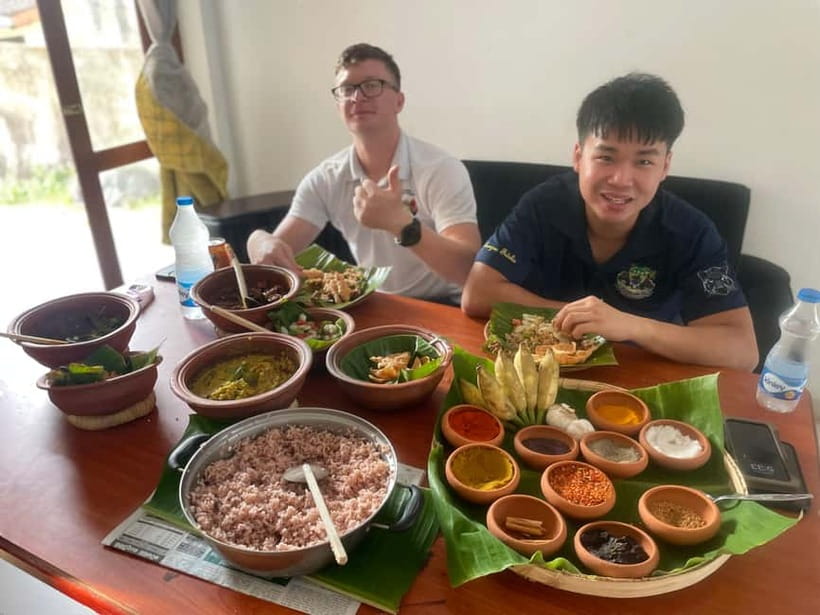
Yes, if you want a friendly, hands-on introduction to Sri Lankan home cooking rather than a simple restaurant meal. The combination of market visit, family kitchen, practical instruction, and shared lunch makes the $35 price fair.
The strongest reasons to book are Pradeep and Bobby’s personal hosting, the chance to cook instead of only watch, and the recipe book and spices that help you continue at home. The main cautions are the informal setup, possible limits on individual cooking space, and a quieter market on public holidays.
Book this if you like food experiences with conversation and a local setting. Skip it if you want a fixed menu, private professional kitchen, or a quick tasting with no cooking. For most visitors with three and a half hours in Colombo, it offers a useful and memorable way to understand what is behind the curry on your plate.
FAQ
How long does the Colombo cooking experience last?
The experience lasts about three and a half hours. The schedule includes roughly 15 minutes of transport to the activity, about three hours for the market, cooking, and meal, followed by roughly 15 minutes back to Colombo.
Is hotel pickup included?
Hotel pickup is included for locations within Colombo. Pickup can also be arranged from an airport, railway station, cruise terminal, or port. Transport beyond 8 kilometers may cost extra.
What food and drinks are included?
You eat the dishes prepared during the class, along with a Lion beer or fresh fruit juice. Homemade dessert is also included.
Can I take recipes or spices home?
A recipe book is provided, and you have the opportunity to purchase local spices. Personal shopping at the market is not included in the activity price.
Can I join if I have food allergies or dietary restrictions?
Yes, but you should notify the host about allergies or dietary restrictions in advance. The menu is based on the ingredients selected for the cooking session.
Is the experience suitable for wheelchair users?
The activity is listed as wheelchair accessible. You should still contact the provider in advance to discuss your transport and home-kitchen arrangements.
More Shopping Trips in Sri Lanka
- Kandy: Village Cooking Class 12 Dishes with Market Tour
★ 5.0 · 6 reviews - Colombo: Local Market Tour & Cooking Demo with Lunch
★ 4.6 · 3 reviews - Hanoi Cooking Class: Culture, Local Market & Meaning CSR Impact
★ 5.0 · 5,147 reviews - 5 Traditional Dishes Hanoi Cooking Class with Market Trip
★ 5.0 · 4,890 reviews
Just added around Sri Lanka
- cooking lesson★ 5.0 · 7 reviews
- Sri Lankan Cookery with Nilu★ 5.0 · 34 reviews
- Sri Lanka: Cooking Class★ 4.4 · 6 reviews
- Private Traditional Sri Lankan Cooking Class in Kandy★ 5.0 · 7 reviews
- Private cooking class – Personalized classic menu★ 5.0 · 5 reviews
- Nilaveli: Sri Lankan Cooking Class with a Local Family★ 5.0 · 16 reviews
- Mirissa: Cooking Class with Beer and Meal★ 3.3 · 4 reviews
- Kandy: Village Cooking Class 12 Dishes with Market Tour★ 5.0 · 6 reviews
Cooking Classes with a Market Tour, compared.
Hanoi Cooking Class: Culture, Local Market & Meaning CSR Impact
Read our review →
5 Traditional Dishes Hanoi Cooking Class with Market Trip
Read our review →
Cooking Class and Lunch at a Tuscan Farmhouse with Local Market Tour from Florence
Read our review →
Chiang Mai: Cooking Class, Market & Thai Herbs Garden Tour
Read our review →
Chiang Mai: Authentic Cooking Class with Market & Farm Visit
Read our review →
Barcelona: Paella Cooking Experience & Boqueria Market Tour
Read our review →
Cooking Class Hoi An:Local Market, Basket Boat, Fishing & Cooking
Read our review →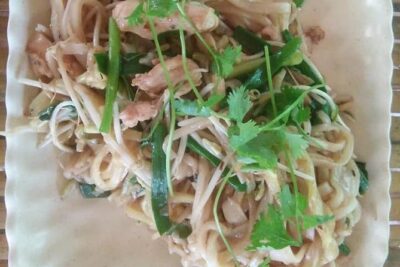
Hoi An Cooking Class(Market,BasketBoat Crabfishing&Cooking Class)
Read our review →Browse the lists this tour appears in