
Review · KANDY
Kandyan Hut Cooking Class
The best part of the Kandyan Hut Cooking Class is that you do not simply watch someone cook Sri Lankan food. You work with fresh produce and local spices, then sit down to eat the meal you helped prepare. The class covers favorites such as egg hoppers, kottu roti, dhal curry, coconut sambol, and rice with curry.
I like the private format, since your group can ask questions without competing with a large crowd. I also like the friendly teaching team, including Anu, Upul, and Asha, who are praised for patient instruction and a warm welcome. The main consideration is time: at about two and a half hours, this is a focused class, not a full-day food tour, and the market visit is an option rather than a guaranteed part of every booking.
Key points at a glance
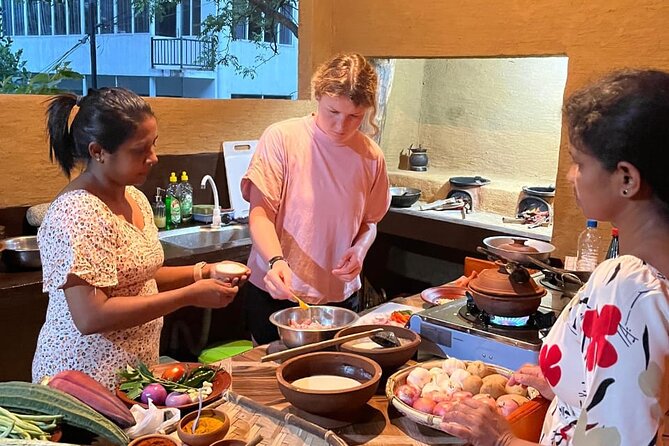
- Hands-on Sri Lankan cooking: Prepare egg hoppers, kottu roti, dhal curry, coconut sambol, and other traditional dishes.
- Optional local market visit: Select this option to shop for seasonal vegetables and learn how ingredients fit into Sri Lankan cooking.
- Private experience: Only your own group takes part, making it easier to ask questions and work at a comfortable pace.
- Traditional-style kitchen: The class takes place at Kandyan Hut on Peradeniya Road in Kandy.
- Meal included through your own cooking: You eat the dishes prepared during the session, along with traditional tea and local sweets.
- Useful take-home value: Recipes and cooking skills help you recreate Sri Lankan flavors after returning home.
What makes this Kandy cooking class worth your time
Sri Lankan food can look simple on the plate, but its flavor comes from careful use of spices, coconut, fresh vegetables, and cooking methods passed through families. This class gives you a practical way to understand those ingredients instead of treating the cuisine as something mysterious or overly complicated.
I like that the experience is built around cooking and eating, not a long talk followed by a small sample. You take part in the work, hear the background of each recipe, and finish with a proper meal in a home-style setting.
At $22 per person, the class offers good value if you want more than a restaurant meal. You are paying for about two and a half hours of instruction, ingredients, the meal you prepare, tea, sweets, and recipes to use later. The value is strongest for couples, families, and small private groups who enjoy shared activities.
The price is less compelling if you mainly want to taste Sri Lankan food quickly. In that case, a local restaurant may cost less and take less time. This class earns its price through the participation and cultural context.
More Hands-On Workshops in Kandy:
- Sri Lanka Cooking Class with Granny
★ 5.0 · 587 reviews - Kandy Village Cooking Class
★ 5.0 · 536 reviews - Private Traditional Sri Lankan Cooking Class in Kandy with Hotel Transfers
★ 5.0 · 115 reviews
Arriving at Kandyan Hut on Peradeniya Road
The class begins at Kandyan Hut Cooking Class, at No. 662/3A Peradeniya Road, Kandy 20000. The meeting point is near public transportation, which is useful if you are staying in or around central Kandy and prefer not to arrange a private transfer.
You return to the same place at the end. That simple start and finish matters. You do not need to work out a second meeting point after eating, and the cooking session can fit neatly into a morning or afternoon plan.
The listed operating hours are 9:00 AM to 10:00 PM, Monday through Sunday, for the period from July 18, 2025, through November 26, 2026. The exact class time depends on your booking, so check the selected start time carefully.
A mobile ticket is accepted, and confirmation is provided at booking. I would save the meeting address and booking confirmation on your phone before setting out, particularly if you are using a taxi or tuk-tuk and need to show the exact location.
The optional market visit and why it matters
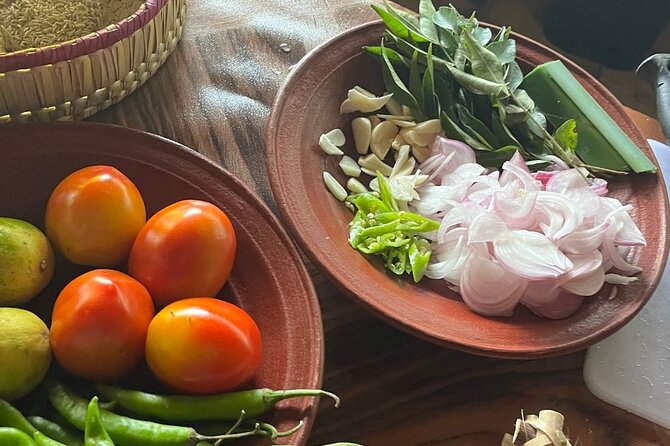
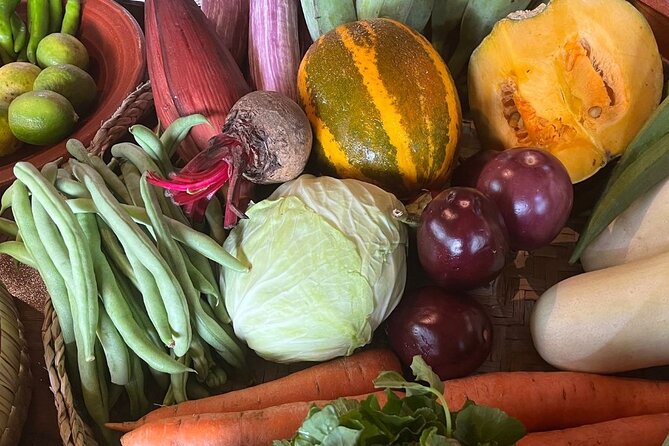
If you choose the market visit option, your host takes you to a local market before cooking begins. You select seasonal produce and learn about the ingredients used in everyday Sri Lankan meals.
This is a useful addition because it connects the finished dish with the ingredients you see at the start. You get a better sense of how vegetables, spices, and other basics are chosen, rather than meeting them only after they have been washed, chopped, and placed in bowls.
The market portion also adds a cultural layer to the class. Food shopping is part of daily life, and learning about local produce helps explain why Sri Lankan cooking changes with availability and season.
There is one practical point to keep in mind: the market visit is described as an option. If visiting the market is important to you, select the appropriate version when booking rather than assuming it is included in every class.
The provided details do not specify the market’s exact name, distance, or length of time spent there. I would not plan the rest of your day around a precise market schedule unless the operator confirms it directly.
Learning spices, coconut, and fresh ingredients
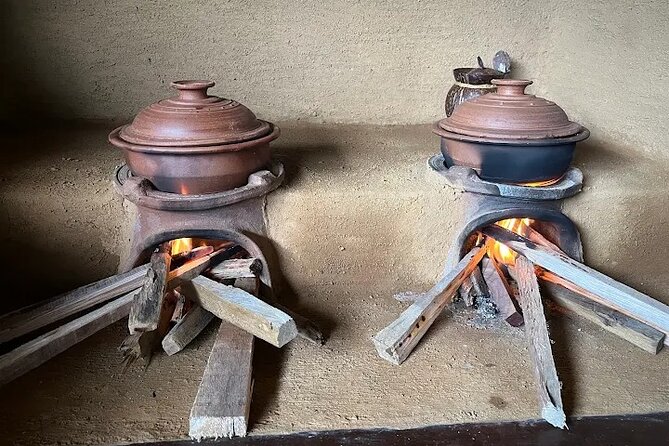
Back at Kandyan Hut, you enter a traditional-style kitchen and begin with an introduction to the ingredients that shape Sri Lankan cooking. The emphasis is on real local spices and fresh produce, not prepackaged shortcuts.
This is where the class should help you most at home. Sri Lankan dishes often depend on balance: the warmth of spices, the creaminess of coconut, the sharpness of sambol, and the texture of rice or bread. Seeing and handling the ingredients gives you a better chance of repeating the flavors later.
The teaching is step by step. That suits beginners who might feel unsure about cooking with unfamiliar spices. It also gives confident home cooks a chance to ask why a particular ingredient is used and how a dish fits into a larger Sri Lankan meal.
Anu is specifically praised for patient, kind instruction. Upul and Asha are also part of the friendly team associated with the class. The available information does not assign each person a separate cooking role, so you should think of them as the local hosts and instructors rather than expect one named chef to lead every stage.
A few more cooking classes around Kandy worth a look
- Cooking With Village Family
★ 5.0 · 104 reviews - Kandy Cooking Class with Granny
★ 4.9 · 95 reviews - Private Kandy Authentic Cooking Class
★ 5.0 · 65 reviews - Srilankan Cooking class by FFL kandy
★ 5.0 · 50 reviews
Cooking egg hoppers and classic Sri Lankan dishes
Egg hoppers are one of the most appealing parts of the menu. These bowl-shaped pancakes are a familiar Sri Lankan specialty, and preparing them gives you a chance to work with a dish that feels both distinctive and approachable.
The class also includes kottu roti, a famous Sri Lankan street-food dish made by chopping and mixing ingredients on a hot cooking surface. It is a lively contrast to the quieter preparation of curries and sambol. You learn that Sri Lankan food is not only about spice level. Texture, sound, heat, and the order in which ingredients meet the pan all matter.
Dhal curry brings another basic to the table. It is a useful dish for home cooks because lentils are easy to find in many countries, and the method can become part of a regular meal plan. You also prepare coconut sambol, which adds freshness and bite beside rice, curry, or bread.
The broader menu includes aromatic rice and curry combinations, plus creamy coconut curries. The exact number of dishes may vary, so do not assume every listed food appears in one fixed menu. The clear promise is a selection of traditional dishes prepared during the session, followed by a shared meal.
Stories behind the recipes
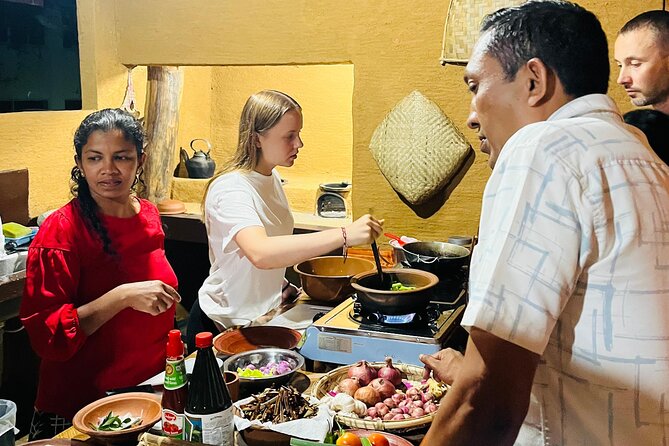
The class is not only a sequence of chopping and stirring. As you cook, the instructors explain the background and traditions linked to the recipes.
That storytelling is valuable because it gives each dish a place in daily life. You begin to see coconut sambol as more than a side dish, and dhal curry as more than a bowl of lentils. The food becomes part of a pattern of shared meals, family cooking, and local ingredients.
I would expect the cultural explanation to be informal rather than a formal lecture. That is a benefit for many people, since you can ask questions while working. If you prefer a tightly scripted culinary lesson with exact measurements and professional kitchen equipment, this may feel more relaxed than a Western-style cooking school.
The private setup should make conversation easier. Your group can ask about ingredients, preparation, and local habits without worrying about holding up a large class. Families may find this especially helpful, since children can take part at their own pace.
Sitting down to eat what you prepared
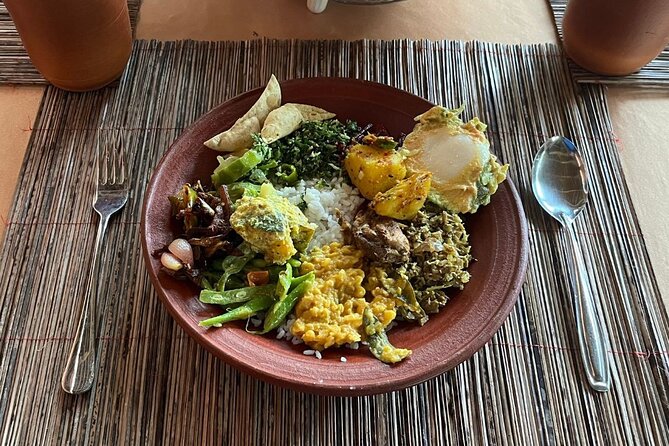
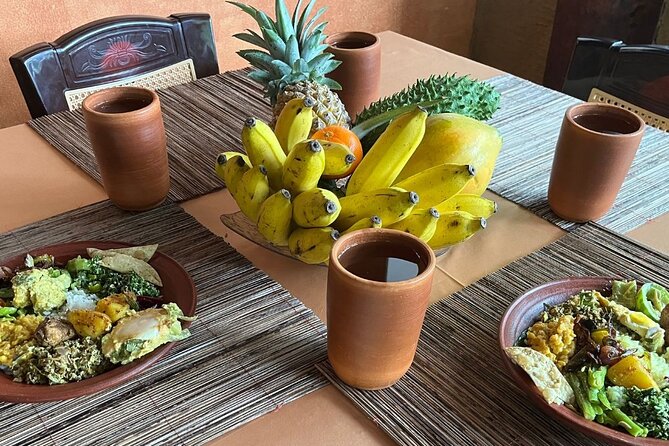
After the cooking, you sit down and share the food in a friendly, home-style setting. Traditional tea and local sweets are also part of the experience.
This final meal is more than a reward. It lets you see how the separate dishes work together. Rice, curry, sambol, and other sides are designed to be eaten in combination, with each item adding a different taste or texture.
The meal also gives you a chance to compare your own work with the instructor’s guidance while the details are still fresh. If you have questions about adjusting spice, texture, or coconut, this is the best time to ask.
Because the food is prepared by your group, the meal has a shared, social quality. It may be a good fit if you want an activity that brings a family or small group around one table. It is less suited to someone who wants a quiet, formal tasting with no participation.
A private class with useful take-home value
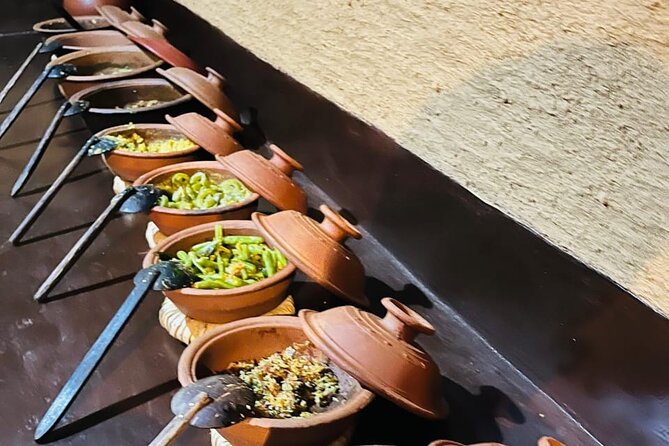
Only your group participates, which is one of the strongest features of this experience. Private classes can be more flexible and personal than large demonstrations, even when the cooking space itself remains simple.
The class also gives you recipes to take home. That makes the experience last beyond your time in Kandy. A photograph of a curry can remind you of a meal, but a recipe gives you a real chance to make it again.
I would bring a phone for notes or photographs if the instructors allow it, though the supplied details do not promise a printed recipe booklet or specify the recipe format. Write down the names of dishes and any advice about ingredient substitutions while you are there.
The cooking class is particularly well suited to:
- Couples looking for a shared activity away from sightseeing stops.
- Families who enjoy making and eating food together.
- First-time visitors who want a friendly introduction to Sri Lankan cuisine.
- Home cooks interested in curries, coconut-based dishes, and spice combinations.
- Private groups who prefer direct contact with local hosts.
It may be less suitable for someone with only a short window in Kandy, since the session lasts about two and a half hours. It may also disappoint anyone expecting a full market tour, since that part is optional and its precise timing is not provided.
Timing, booking, and cancellation details
The experience runs daily within the listed opening hours of 9:00 AM to 10:00 PM. Your booking confirmation will provide the details for your selected time, and confirmation is received at the time of booking.
The activity is private, and it ends back at the meeting point. Public transportation is nearby, but the information provided does not specify a pickup service, so you should plan to reach Kandyan Hut at No. 662/3A Peradeniya Road on your own.
Free cancellation is available if you cancel at least 24 hours before the start time. Cancellations made less than 24 hours ahead are not refundable, and changes inside that same period are not accepted. The cut-off follows local time in Kandy.
Should you book the Kandyan Hut Cooking Class?
I would book this class if you want an active, personal introduction to Sri Lankan food rather than another restaurant meal. The strongest reasons are the private format, patient local instruction, fresh ingredients, practical recipes, and the chance to eat the dishes you prepare.
Choose the market option if shopping for produce and learning about ingredients is important to you. If your main goal is simply to sample food, the class may take more time and effort than you need.
At $22 per person, it is a fair buy for a two-and-a-half-hour private experience that includes cooking, food, tea, sweets, and recipes. Book it at least a day ahead if your plans are fixed, since the refund window closes 24 hours before the start time.
FAQ
Where does the Kandyan Hut Cooking Class take place?
The class begins at Kandyan Hut Cooking Class, No. 662/3A Peradeniya Road, Kandy 20000, Sri Lanka.
How long does the cooking class last?
The experience lasts approximately 2 hours and 30 minutes.
How much does the class cost?
The listed price is $22 per person.
Is the experience private?
Yes. Only your group participates in the activity.
Is a market visit included?
A local market visit is available as an option. Choose that version if you want to shop for seasonal produce with your host.
What dishes can you learn to prepare?
The class covers dishes such as egg hoppers, kottu roti, coconut sambol, dhal curry, coconut curries, and rice and curry combinations.
Does the class include a meal?
Yes. After cooking, you eat the meal prepared during the class. Traditional tea and local sweets are also included in the experience description.
Where does the activity end?
The activity ends back at the Kandyan Hut Cooking Class meeting point.
Can you cancel for a full refund?
Yes. You can receive a full refund by canceling at least 24 hours before the experience start time. Cancellations or changes made within 24 hours are not accepted for a refund.
Just added around Kandy
- Sri Lankan cooking class with Nilu Kandy( FREE PICKUP & Drop)★ 5.0 · 45 reviews
- Srilankan Cooking class by FFL kandy★ 5.0 · 50 reviews
- Private Market Visit and Cooking Class with Private Transfers from Kandy Hotels★ 5.0 · 3 reviews
- Kandy Budget Cooking Class★ 5.0 · 7 reviews
- Authentic Sri Lankan Cooking Class in Kandy with Local Family★ 5.0 · 44 reviews
- Authentic Sri Lankan Cooking Experience★ 5.0 · 12 reviews
- Private Kandy Authentic Cooking Class★ 5.0 · 65 reviews
- Sri Lankan Cookery with Nilu★ 5.0 · 34 reviews
Cooking Classes, compared.
Half-Day Thai Cooking Class at Organic Farm in Chiang Mai
Read our review →
Florence: Pasta Cooking Class with Unlimited Wine
Read our review →
3 in 1 Cooking Class near Navona: Fettuccine, Ravioli & Tiramisu
Read our review →
Hanoi Cooking Class: Culture, Local Market & Meaning CSR Impact
Read our review →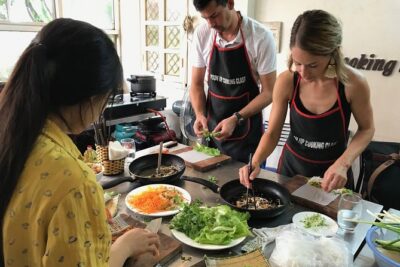
5 Traditional Dishes Hanoi Cooking Class with Market Trip
Read our review →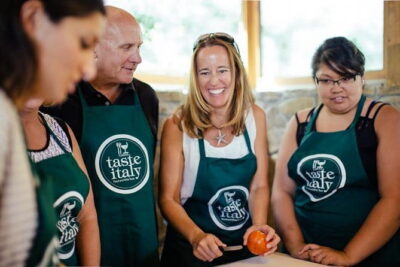
Cooking Class and Lunch at a Tuscan Farmhouse with Local Market Tour from Florence
Read our review →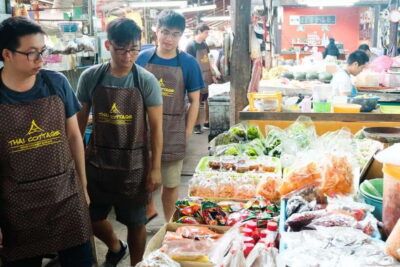
Chiang Mai: Cooking Class, Market & Thai Herbs Garden Tour
Read our review →Browse the lists this tour appears in