
Review · KANDY
Cooking With Village Family
The best part of this Kandy experience is that you do not simply watch a chef prepare Sri Lankan food. You choose ingredients, work through each step yourself, and finish with a home-cooked lunch or dinner in a local family setting. The lesson lasts about three and a half hours, giving you time to cook at a calm pace.
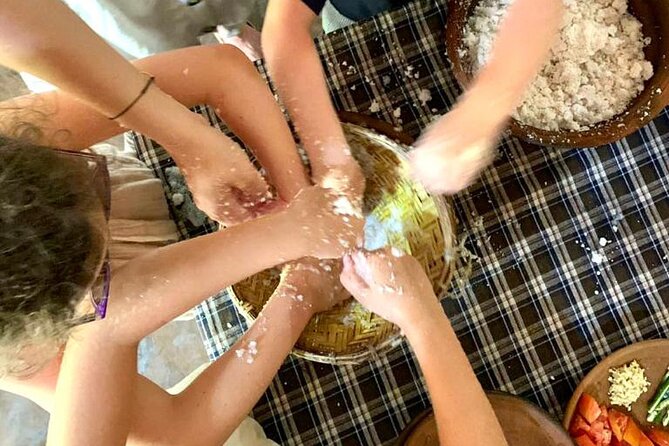
I like the hands-on format, especially the chance to learn how to make coconut milk rather than treating it as a mysterious ingredient from a tin. I also like the personal scale: this is a private activity, so your group gets the family’s attention instead of sharing a crowded classroom.
The main consideration is that you are expected to do the cooking yourself. The host guides you, but this is not a polished demonstration where you sit back and take notes. Ingredient choices, transport arrangements, and the exact dishes depend on the booking, so ask questions before you set out.
Key points to know before booking
- You cook the meal yourself: The family guides you through preparation, but you take an active role from start to finish.
- Nandi teaches traditional basics: You can learn how to prepare coconut milk, rice, daal, and several vegetable curries.
- The lesson is private: Only your group participates, making it a good fit for couples, families, and small groups.
- You choose the ingredients: The meal is assembled around the ingredients you select for lunch or dinner.
- Tea, coffee, water, and a meal are included: Alcohol costs extra and is not included.
- Kandy City Centre is the listed meeting point: Pickup is offered in the tour details, but private transportation is not included, so confirm the arrangement.
From Kandy City Centre to a family kitchen
This experience begins at Kandy City Centre, a practical meeting point in the middle of town and close to public transportation. The activity ends back at the meeting point, although the details also mention pickup. Because private transportation is not included, I would confirm before booking exactly where the pickup happens and whether you need to reach the city centre yourself.
The outing takes you away from the city centre to a village setting near Kandy. That change matters. You are not in a restaurant kitchen built for visitors. You are stepping into a family-led cooking session, where the food is the reason for the visit and the meal is part of the lesson.
Start with a cup of tea or coffee. It is a small touch, but it gives you a chance to settle in before choosing what to prepare. Bottled water is also included, which is useful during a warm cooking session.
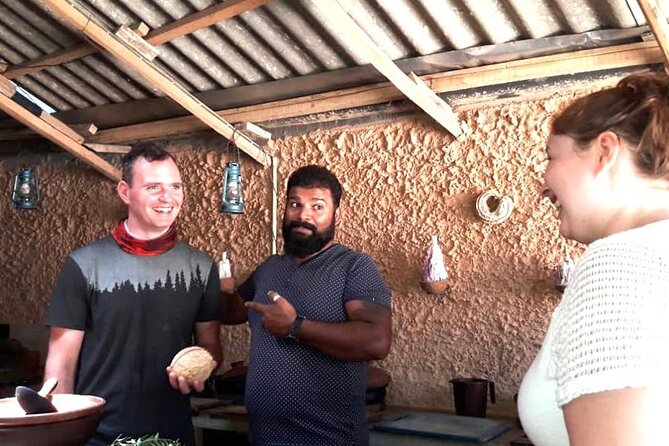
The family hosting the class includes Nandi, who has been described as the matriarch and teacher, and Sudesh, who is connected with the pickup arrangements. Nandi’s role is especially important because she does more than hand you a printed recipe. She shows you the practical methods behind the food, including how to make coconut milk.
More Farm Cooking Classes in Sri Lanka
- Organic cooking class sigiriya (kumara & family)
★ 5.0 · 650 reviews - Kandy Village Cooking Class
★ 5.0 · 536 reviews - Organic Cooking Class sigiriya home Kitchen(Kumara & family)
★ 5.0 · 116 reviews
Choosing ingredients for lunch or dinner
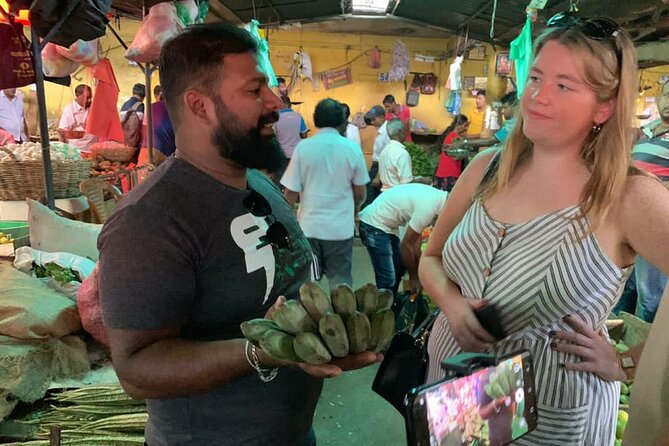
Rather than assigning every participant the same fixed menu, the class lets you select the ingredients for your meal. That gives the experience a personal feel and lets you focus on foods you want to understand and recreate at home.
The trade-off is that the exact menu is not fixed in the information provided. You should not book this expecting a guaranteed list of named dishes beyond the examples associated with the class. Instead, think of it as a guided Sri Lankan meal workshop shaped around your choices.
This format can work well if you have dietary preferences or simply want to learn more about a certain type of dish. Still, tell the host about allergies or restrictions when booking. The available information confirms ingredient selection, but it does not promise a separate vegetarian, vegan, gluten-free, or allergy-specific menu.
The process also gives you useful context about Sri Lankan cooking. Rice, daal, and vegetable curries may sound simple, but the character of the meal comes from how they are prepared and balanced. Learning where coconut milk fits into the process is more useful than receiving a list of ingredients without seeing how they behave in the kitchen.
Making coconut milk, rice, daal, and vegetable curry
The cooking begins once you have selected your ingredients. Nandi explains what to do, then you handle the preparation under her direction. The family’s approach is practical: you learn by doing, correcting each step as you go.
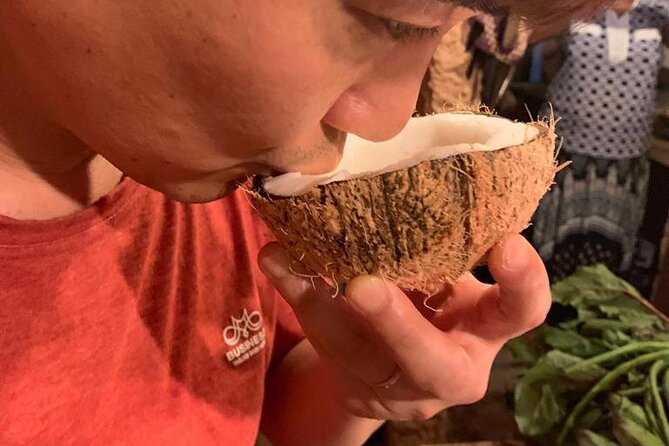
The coconut milk lesson is one of the most distinctive parts. Coconut is central to many Sri Lankan dishes, and learning how to extract and use coconut milk connects the finished curry to the ingredient itself. At home, you may use packaged coconut milk for convenience, but knowing the traditional method helps you understand the texture and flavor the recipe is aiming for.
Rice provides the meal’s foundation. Daal adds another familiar part of Sri Lankan home cooking, while the vegetable curries give you a chance to see how several side dishes work together. The class is not just about producing one main course. It shows you how a Sri Lankan meal can be built from several modest dishes that complement each other.
I like this approach because it gives you more than a single recipe to copy. You can take away methods: how to work with coconut, how to prepare a lentil dish, how to cook rice, and how to assemble vegetable curries. The exact meal may vary, but the techniques can travel home with you.
Do not expect a rushed cooking show. Since the session lasts around three hours and 30 minutes, you have time for instruction, preparation, cooking, and eating. That length is useful for beginners, though anyone seeking a quick activity between sightseeing stops may find it takes a large part of the day.
Why the private format matters
Only your group participates. This is a major difference from a large cooking class, where the instructor must divide attention among many people and the pace is often set for the slowest or fastest participant.
Here, you can ask for a step to be repeated, spend more time on a technique, or move ahead if you are comfortable. You also have more room to discuss ingredients and cooking choices with the family. That personal contact is the real value of the class.
The private setup is particularly helpful for families and couples. Children who like hands-on activities can take part, although the cooking still requires normal attention around hot surfaces and utensils. The supplied information says most people can participate, but it does not give detailed accessibility information, so anyone with mobility or kitchen-related needs should check in advance.
Solo participants can also book the activity. One available account describes a solo cooking session with Nandi, while Sudesh assisted with pickup. A private class for one person costs more per head than joining a large group would, but it also removes the awkwardness of being placed with strangers and gives you direct instruction throughout.
Same place, a different menu:
- Ella: Traditional Sri Lankan Cooking Class
★ 4.9 · 788 reviews - Sri Lanka Cooking Class with Granny
★ 5.0 · 587 reviews - Sea waves sri lankan cooking class
★ 5.0 · 467 reviews - Ella: Sri Lankan Cooking Class with Neranji at Homestay
★ 5.0 · 276 reviews
The meal at the end
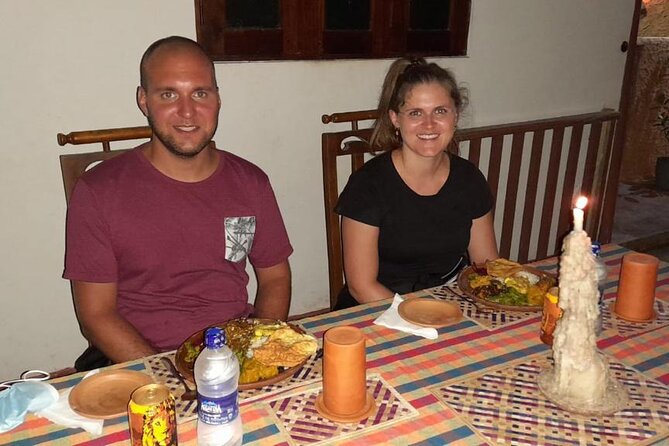
After the cooking, you eat the lunch or dinner you helped prepare. This is not a token snack added to a class. It is the natural finish to the activity, and it gives you a chance to see how the separate dishes work together on the plate.
I find this ending more useful than being handed a recipe and sent away. You can taste the result while the instructions are still fresh, and you can ask about anything that came out differently from what you expected. The meal also gives the visit a social quality that a standard restaurant meal cannot match.
Lunch or dinner is included, along with tea or coffee and bottled water. Alcohol is not included. If you want a drink beyond the supplied options, plan to arrange and pay for it separately, if available.
The menu depends on the ingredients you choose, so the final meal may not match another booking. That is part of the appeal, but it also means you should treat this as a flexible home-cooking session rather than a fixed tasting menu.
What $30 gets you
At $30 per person, the price covers about three and a half hours of private instruction, a family-hosted setting, the ingredients you select for the meal, lunch or dinner, tea or coffee, and bottled water. I consider that good value if you want active instruction rather than a short demonstration.
The value is less obvious if you only want to eat Sri Lankan food. Kandy has restaurants where you can order a meal more quickly and often for less. This activity earns its price through the teaching, the private format, and the chance to make the dishes yourself.
You are also paying for the time and attention of a local family. That is different from paying for a commercial kitchen class with a standard schedule and uniform menu. The setting may feel less polished, but it is closer to how food is actually taught and prepared in a home environment.
Keep in mind that private transportation is not included. The meeting point is Kandy City Centre, and pickup is offered in the tour details, but you should confirm the exact arrangement before you count transport as part of the $30 price.
Timing, weather, and practical planning
The activity is usually booked around 20 days ahead. That does not guarantee every date will sell out, but it is a useful sign that you should reserve early if the class is important to your Kandy schedule.
The experience depends on good weather. If poor weather forces a cancellation, you can receive a different date or a full refund. The activity also requires a minimum number of participants, so a cancellation for that reason comes with the option of another date, a different experience, or a full refund.
You can cancel for a full refund up to 24 hours before the start time. Changes or cancellations made inside that 24-hour window are not accepted for a refund, and the cutoff follows local time.
Wear something comfortable for cooking and keep your schedule flexible. The supplied information does not specify a dress code, equipment list, or exact village address, so ask about those details if they matter to you. Most people can take part, and the meeting area is near public transportation.
Who will enjoy this Kandy cooking class
I would choose this experience if you want contact with a local family and prefer learning a few useful techniques over collecting a long list of sightseeing stops. It suits visitors who enjoy cooking, food-focused travelers, couples, families, and anyone who wants a slower activity outside the city centre.
It is also a good option for a solo visitor who wants a private setting. The class can be adjusted through ingredient selection, and direct guidance is useful when you are working with unfamiliar methods such as making coconut milk.
I would be more cautious about booking it if you dislike hands-on work or expect a formal chef demonstration. The host guides you, but you do the preparation yourself. The menu is flexible rather than fully published, and transport details need to be clarified.
The experience also works best when you have enough time in Kandy. At roughly three and a half hours, it is not a quick add-on between a morning temple visit and an afternoon train. Give yourself room to reach the meeting point, cook without rushing, eat, and return.
Should you book Cooking With Village Family?
Book it if you want to understand Sri Lankan food through your own hands. The private format, ingredient choice, coconut milk lesson, and shared meal give this experience more substance than a simple cooking demonstration.
Skip it if your priority is a fixed menu, a short activity, or a fully arranged transport package. For everyone else, $30 is a fair price for several hours of instruction and a complete meal with a local family, provided you confirm the pickup details and any dietary needs before booking.
FAQ
Where does the cooking experience begin?
The listed meeting point is Kandy City Centre in Kandy, Sri Lanka. The activity ends back at the meeting point.
How long does the cooking class last?
The experience lasts approximately three hours and 30 minutes.
Is this a private cooking class?
Yes. Only your group participates in the activity.
What food will I learn to cook?
The class can include rice, daal, vegetable curries, and coconut milk preparation. You choose the ingredients for your lunch or dinner, so the exact menu can vary.
Is a meal included?
Yes. Lunch or dinner is included, along with coffee or tea and bottled water.
Is transportation included?
Private transportation is not included. Pickup is offered in the activity details, but the exact arrangement should be confirmed before booking.
Can I cancel for a full refund?
Yes. You can cancel at least 24 hours before the experience start time for a full refund. Cancellations or changes made less than 24 hours in advance are not accepted for a refund.
Just added around Sri Lanka
- cooking lesson★ 5.0 · 7 reviews
- Sri Lankan Cookery with Nilu★ 5.0 · 34 reviews
- Sri Lanka: Cooking Class★ 4.4 · 6 reviews
- Private Traditional Sri Lankan Cooking Class in Kandy★ 5.0 · 7 reviews
- Private cooking class – Personalized classic menu★ 5.0 · 5 reviews
- Nilaveli: Sri Lankan Cooking Class with a Local Family★ 5.0 · 16 reviews
- Mirissa: Cooking Class with Beer and Meal★ 3.3 · 4 reviews
- Kandy: Village Cooking Class 12 Dishes with Market Tour★ 5.0 · 6 reviews
Farm & Countryside Cooking Classes, compared.
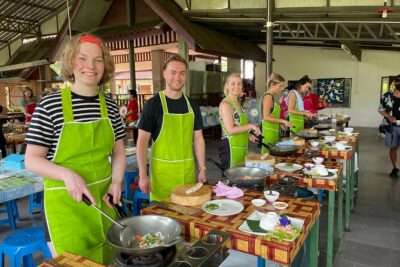
Half-Day Thai Cooking Class at Organic Farm in Chiang Mai
Read our review →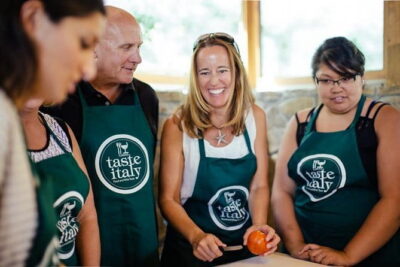
Cooking Class and Lunch at a Tuscan Farmhouse with Local Market Tour from Florence
Read our review →
Chiang Mai: Authentic Cooking Class with Market & Farm Visit
Read our review →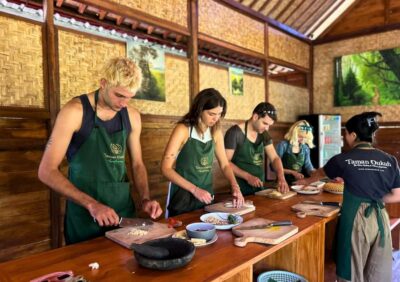
Ubud: Balinese Cooking Class at an Organic Farm
Read our review →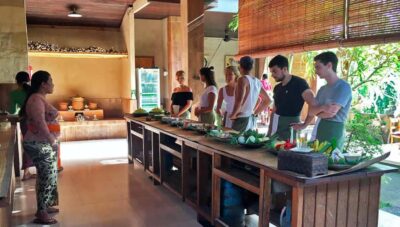
Ubud: Authentic Cooking Class in a Local Village
Read our review →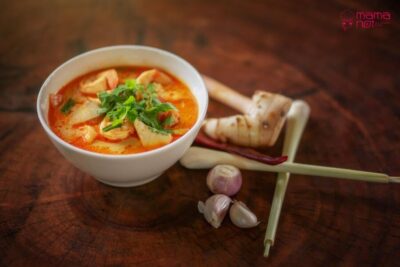
Chiang Mai: Cooking Class with Organic Farm at Mama Noi
Read our review →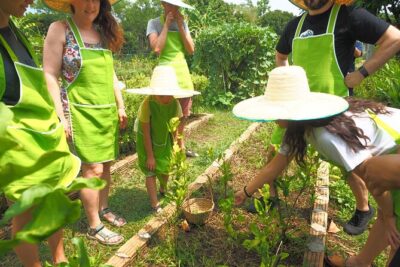

Hands-On Cooking Class & Farmhouse Tour on the Amalfi Coast
Read our review →Browse the lists this tour appears in