
Review · SRI LANKA
Cook with Wasantha
The best part of Cook with Wasantha is that the lesson begins before you reach the kitchen. You ride by tuk-tuk to local vegetable and fish markets, choose ingredients, and learn what to look for before cooking five Sri Lankan curries from scratch.
I like the market visit and the family setting most. Sam helps with the shopping and local context, while Wasantha and her family guide the cooking. You also receive recipes to try at home, which gives the $30 price real value.
One point deserves attention: this is not always a hands-on cooking school. Some sessions are closer to a demonstration, with guests cutting vegetables and helping at selected stages while Wasantha handles much of the cooking. If you want constant knife-and-pan work, ask about participation when booking.
Key points to know before you book
- Market shopping comes first: Visit the Dutch Market and a fish market, then select vegetables and tuna or chicken for the meal.
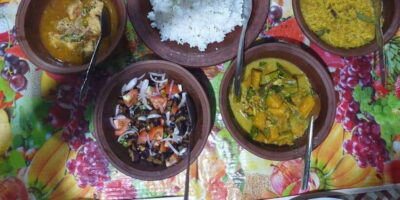
- The menu is generous: Expect rice, four vegetable curries, a fish or chicken curry, and possibly extras such as coconut sambol.
- Coconut milk is made fresh: You learn a basic Sri Lankan technique that shapes the flavor of many island dishes.
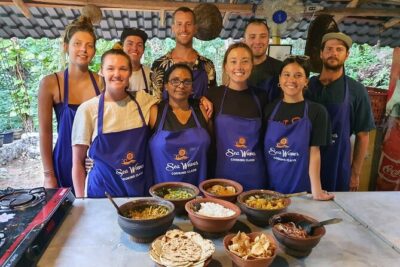
- The family leads the experience: Wasantha, her husband Sam, daughter Sasa, and other family members may take part.
- The group is small: Numbers are capped at 10, making it easier to ask questions and follow the cooking.
- Plan for a large lunch: The finished dishes are served buffet style, eaten with your fingers in the local manner.
From Unawatuna to Galle’s markets
The experience starts at 10 a.m. at Wasantha’s Sri Lanka Cuisine, at 180/A Yaddehimulla Road in Unawatuna. The activity ends back at this same meeting point, so you do not need to arrange a separate ride after lunch.
The market portion gives the class a useful beginning. Instead of arriving to find ingredients already measured and waiting in bowls, you see where the meal starts. The route includes the Dutch Market and a fish market near Galle. Transport by tuk-tuk is included, which is helpful in the heat and keeps the morning moving.
Sam, Wasantha’s husband, often helps with the market visit. Sasa, their daughter, has also led the market and cooking session. The exact family member guiding you may vary, but the format remains personal rather than formal.
At the vegetable market, you choose produce for the meal. This may include familiar items such as aubergine, pumpkin, pineapple, onion, and dhal, along with fruits and vegetables less common in European or North American kitchens. The point is not simply to buy food. You learn to connect an ingredient with the dish it will become.
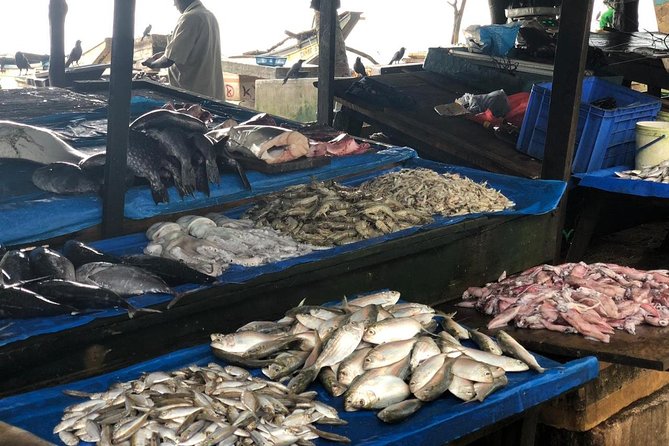
The fish market adds another layer. You may choose fresh tuna for the main curry, or chicken if that is your preference. The activity description gives tuna or chicken as the protein choice, so mention dietary preferences and menu choices when you book.
Other cooking classes people book around Sri Lanka:
- Ella: Traditional Sri Lankan Cooking Class
★ 4.9 · 788 reviews - Organic cooking class sigiriya (kumara & family)
★ 5.0 · 650 reviews - Sri Lanka Cooking Class with Granny
★ 5.0 · 587 reviews
What the market visit teaches you
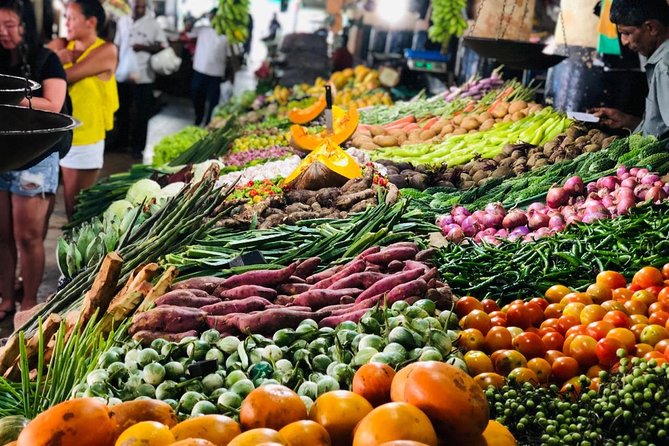
A market tour can easily become a quick shopping errand, but here it has a practical purpose. You see how the ingredients for Sri Lankan home cooking are selected, and you get a clearer sense of the range of vegetables used in everyday curries.
I like that each person may choose a vegetable to include. This turns lunch into a personal tasting menu. You could end up cooking dishes based on foods you would not normally find at home, rather than simply repeating a standard restaurant meal.
The market stop also adds context to the spices and produce used later. You see the raw ingredients before they are cut, seasoned, and cooked. That makes the final meal easier to understand, especially if Sri Lankan food is new to you.
The drawback is that the market commentary can vary depending on who leads the outing and the pace of the group. Some sessions may feel lively and informative, while others may offer less explanation. I would treat the market visit as an important part of the experience, but not as a full guided tour of Galle.
Back in the kitchen with Wasantha
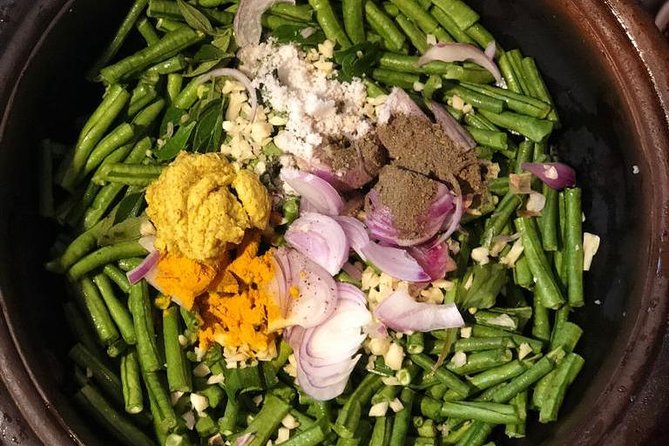
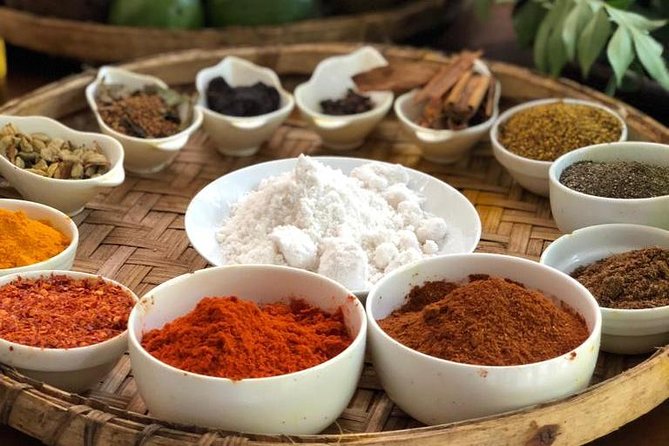
After the markets, you return to the family restaurant and kitchen in Unawatuna. This is where the main lesson takes place. Wasantha teaches how to blend herbs and spices, prepare coconut milk, and cook rice so it comes out fluffy rather than sticky.
The coconut milk lesson is one of the most useful parts. Fresh coconut milk is central to many Sri Lankan dishes, yet it is often treated as a packaged ingredient in cooking classes elsewhere. Seeing how it is prepared helps explain the texture and gentle sweetness of the curries.
Rice also gets proper attention. Rice is the foundation of the meal, and getting it right matters. Wasantha shows the local method rather than assuming that everyone knows how to produce separate, fluffy grains.
The curry menu changes according to the produce selected, but the class prepares four vegetable curries and one tuna or chicken curry. Dishes named in the experience include pineapple, dhal, aubergine and onion, pumpkin, and tuna. An avocado curry and coconut sambol may also appear, depending on the session and the ingredients available.
That variety is a major strength. You do not spend four hours making a single dish. You see how different vegetables respond to seasoning, coconut, heat, and cooking time. The meal becomes a lesson in balance, not just a recipe demonstration.
A class that may be hands-on, or may be more of a demonstration
The phrase cooking class suggests that you will cook every dish yourself. That is not always how this experience works. You may chop vegetables, prepare ingredients, and help with selected tasks, but Wasantha often handles the key cooking stages while explaining what she is doing.
For some people, this is exactly right. You can watch a skilled home cook manage several dishes, smell the spices as they toast, and ask questions without worrying about ruining lunch. Wasantha is described as patient and clear, and her long experience gives the demonstration authority.
For others, the limited participation may disappoint. If you want to measure every spice, stir every curry, and control the stove yourself, this class may feel too passive. I would book it as a traditional cooking demonstration with hands-on elements, not as a professional-style practical course.
The small maximum of 10 people helps. A group of this size gives you a better chance to see the work and ask for help. It also keeps the meal personal, although participation can still depend on the group and the family member leading that day.
Same place, a different menu:
- Kandy Village Cooking Class
★ 5.0 · 536 reviews - Sea waves sri lankan cooking class
★ 5.0 · 467 reviews - Ella: Sri Lankan Cooking Class with Neranji at Homestay
★ 5.0 · 276 reviews - Ella : Cooking class with amazing Spice Garden Tour
★ 5.0 · 239 reviews
The meal is the real payoff
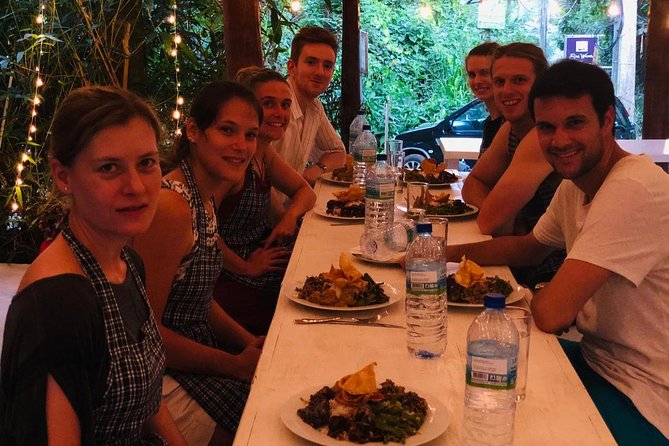
Once the cooking is complete, the group sits down to eat the food together. The meal is served buffet style, so you can sample each curry and compare the different flavors on the same plate.
Eating with your fingers is part of the experience. This is not a decorative detail. Sri Lankan rice and curry is naturally suited to being mixed by hand, allowing you to combine a little rice with different curries and sambol in each bite.
Expect a substantial lunch. The combination of rice, five curries, and possible extras such as coconut sambol makes this much more than a small tasting. One useful practical tip is to avoid scheduling an ambitious dinner afterward.
The family atmosphere is central to the meal. Wasantha’s mother, children, husband, and other relatives may contribute, creating a setting closer to a home visit than a restaurant lesson. That warmth is one reason this experience feels different from a class held in a commercial culinary studio.
It can also mean that the day feels informal. If you prefer strict timing, polished presentation, and a fixed menu, the family style may seem less structured. I see that as part of the trade-off: you gain personal contact, but you may not get a perfectly standardized lesson.
Recipes, dietary needs, and what you take home
A particularly useful feature is the collection of recipes shared after the class. One session included 21 recipes, giving you more to work with than the dishes prepared during the morning.
That turns the experience into something you can continue after Sri Lanka. You can try the curries at home and contact Wasantha with questions about recreating them. For a food-focused visitor, this adds value that a single restaurant meal cannot provide.
Dietary adjustments may be possible. One cooking session accommodated food intolerances, but the provided information does not promise a fixed range of substitutions. Tell the provider about allergies or restrictions before the class and confirm what can be changed.
The menu includes tuna or chicken, so people who avoid fish may have an alternative. Vegetarian participants can also expect several vegetable curries, but you should confirm the exact protein and any cross-use of ingredients in advance.
Is $30 good value?
At $30, I consider this strong value if you want a full morning activity rather than a short recipe lesson. The price includes the market visits, tuk-tuk transport connected with the activity, instruction, the cooked meal, and recipes to use later.
The experience lasts about four hours. That gives you time for two markets, shopping, preparation, cooking, and lunch. If you paid separately for transport, a large meal, and a private food lesson, the total would likely exceed the cost here, though the class is not presented as a private tour.
The value depends on what you want from the word cooking. If you mainly want to eat local food and learn how the dishes are made, the price is excellent. If you want a fully practical course in which you personally cook each curry, the value is less clear because the session may be demonstration-led.
The group cap of 10 matters too. A small group usually makes it easier to see the cooking and speak with the host, while keeping the family atmosphere intact.
Who will enjoy this most?
I would recommend Cook with Wasantha to people who want food, family contact, and a look at ordinary Sri Lankan cooking. It suits first-time visitors who want an approachable introduction to spices, coconut milk, rice, and vegetable curries.
It is also a good choice for families. Children can take part in selecting produce and preparing vegetables, although the exact level of involvement depends on the session. The family setting may feel more relaxed than a formal culinary school.
Food lovers will appreciate the range of dishes. You may learn how pineapple, pumpkin, aubergine, dhal, tuna, or avocado can each become a different curry, rather than seeing Sri Lankan food reduced to one generic sauce.
I would be more cautious if you need guaranteed wheelchair access, a strictly timed schedule, or a fully hands-on professional course. The information confirms service animals are allowed and that the meeting point is near public transportation, but it does not provide detailed accessibility information.
Book with weather in mind. The activity requires good weather, and a cancellation caused by poor conditions should result in a different date or a full refund.
Should you book Cook with Wasantha?
I would book this experience if you want to understand Sri Lankan food through the people who cook it every day. The markets, fresh coconut milk, rice lesson, five-curry meal, and family setting give you much more than a recipe card.
Go in expecting a warm, informal demonstration with some preparation work, not four hours of nonstop cooking. Confirm the level of participation, protein choice, and dietary needs before you arrive.
For $30, this is a sensible pick for a half-day in Unawatuna or Galle, especially if you value local contact and a generous meal. The recipes give it lasting value, while the market visit helps you recognize the ingredients when you see them again.
FAQ
Where does Cook with Wasantha begin?
The experience begins at Wasantha’s Sri Lanka Cuisine, 180/A Yaddehimulla Road, Unawatuna, Sri Lanka.
What time does the activity start?
The stated start time is 10 a.m.
How long does the experience last?
The activity lasts approximately four hours.
Does the tour include transportation?
Yes. The market visits use tuk-tuk transport, and the transport connected with the activity is included in the price.
How many people can join?
The group is capped at a maximum of 10 people.
What food will I cook?
You will learn to make fresh coconut milk, cook rice, and prepare four vegetable curries plus a tuna or chicken curry. Dishes can include dhal, pineapple, aubergine and onion, pumpkin, and tuna.
Can I cancel for a refund?
Yes. You can cancel at least 24 hours before the start time for a full refund. Cancellations or changes made less than 24 hours in advance are not refunded or accepted. If poor weather forces the activity to close, you will be offered another date or a full refund.
Just added around Sri Lanka
- cooking lesson★ 5.0 · 7 reviews
- Sri Lankan Cookery with Nilu★ 5.0 · 34 reviews
- Sri Lanka: Cooking Class★ 4.4 · 6 reviews
- Private Traditional Sri Lankan Cooking Class in Kandy★ 5.0 · 7 reviews
- Private cooking class – Personalized classic menu★ 5.0 · 5 reviews
- Nilaveli: Sri Lankan Cooking Class with a Local Family★ 5.0 · 16 reviews
- Mirissa: Cooking Class with Beer and Meal★ 3.3 · 4 reviews
- Kandy: Village Cooking Class 12 Dishes with Market Tour★ 5.0 · 6 reviews
Sri Lanka Cooking Classes, compared.
Organic cooking class sigiriya (kumara & family)
Read our review →
Ella: Sri Lankan Cooking Class with Neranji at Homestay
Read our review →
Ella : Cooking class with amazing Spice Garden Tour
Read our review →
Browse the lists this tour appears in