
Review · SRI LANKA
Sajee’s Place Cooking Class
Sri Lankan cooking is built around layers of spice, coconut, and patience, and Sajee’s Place lets you work through those layers yourself. Sajeeva and his wife, Suzy, guide you through traditional dishes, from washing rice and lentils to making fresh coconut milk and preparing as many as seven curries. I like the hands-on format and the clear focus on methods you can repeat at home.
I also like the friendly, small-group setting, with no more than 10 people and plenty of room to adjust dishes for meat eaters, vegetarians, and different spice preferences. The main consideration is time: three hours can feel long if you only want a quick demonstration, and the menu may include several dishes rather than one simple recipe.
Key points at a glance
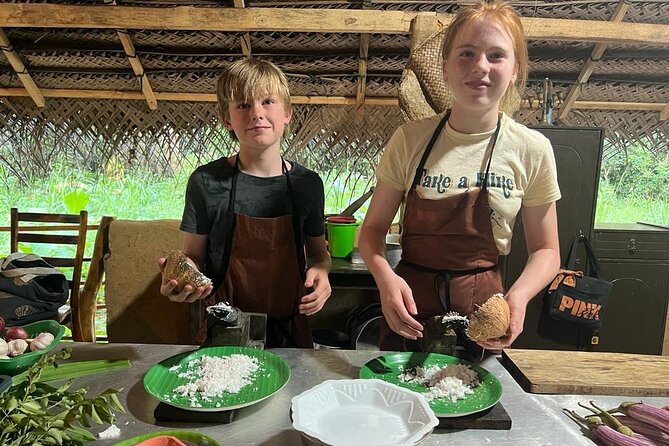
- Fresh coconut milk from scratch: You may grate or work with coconut as part of the process, rather than relying only on canned milk.
- Several curries in one class: The meal can include six or seven dishes, often with vegetables, lentils, chicken or fish, rice, and sambol.
- Spices explained properly: Sajeeva and Suzy cover origins, benefits, aroma, flavor, and practical ways to use each spice.
- Suitable for beginners and families: The class is designed to explain each step clearly, and children as young as 10 have taken part successfully.
- Small maximum group: The class is limited to 10 people, which matters when you need help with chopping, seasoning, or cooking times.
- A meal you prepare yourself: The class ends at the same place with you eating the Sri Lankan food you helped make.
A Sri Lankan kitchen lesson, not just a cooking demonstration
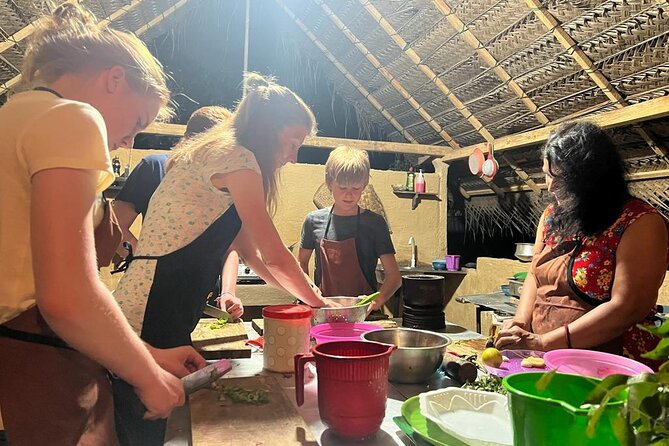
The appeal here is simple: you do not merely watch someone cook curry while taking notes. You take part in the work that gives Sri Lankan food its character.
Sajeeva and Suzy explain the ingredients as you go. You learn what different spices are, where they come from, what they add to a dish, and how to use them at home. The useful part is the direct comparison. You may smell or taste spices before they are mixed into a curry, giving you a better sense of how aroma changes during cooking.
This is especially helpful if you are new to Sri Lankan food. The cooking style can seem complicated at first because several curries may appear on the table at once. In practice, each dish uses a different combination of spice, coconut, vegetables, lentils, or meat. The class helps separate those ideas into manageable steps.
I would not expect a polished restaurant kitchen or a formal culinary-school lesson. This is a local, home-style experience. That means the pace and presentation may feel informal, but it also keeps the focus on food you could realistically prepare in your own kitchen.
More Hands-On Workshops in Sri Lanka:
- Ella: Traditional Sri Lankan Cooking Class
★ 4.9 · 788 reviews - Organic cooking class sigiriya (kumara & family)
★ 5.0 · 650 reviews - Sri Lanka Cooking Class with Granny
★ 5.0 · 587 reviews
What you prepare during the three hours
The class centers on a traditional Sri Lankan rice and curry meal. The exact vegetables depend on what is seasonal, but the dishes can include potato, carrot, pumpkin, lentils, green beans, and a zucchini-like vegetable. You may also prepare either chicken or fish, depending on the chosen menu and your preference.
A typical session includes several curries rather than one main dish. Past menus have included as many as seven curries, with most of them vegetarian. That balance is useful even if you eat meat, because Sri Lankan rice and curry is meant to be enjoyed as a collection of smaller dishes, each with its own texture and flavor.
You also prepare coconut sambol, a fresh side dish that brings heat and brightness to the plate. Another particularly worthwhile step is making coconut milk yourself. This shows you how coconut supports Sri Lankan cooking, not just as a garnish but as a base for sauces and curries.
The process can include washing rice and lentils, handling spices, preparing vegetables, making coconut milk, and following the cooking stages for each dish. Since many curries need separate seasoning and cooking times, the class gives you a practical lesson in organizing a larger meal.
That is one reason I would allow the full three hours. You are not only collecting recipes. You are learning how several dishes come together at roughly the same time.
Why the spice lesson matters
Sri Lankan food is often described as spicy, but heat is only one part of the picture. The more important lesson is how spices are combined and added at different stages.
Sajeeva and Suzy explain the spices and let you experience them directly through smell and taste. That matters because written recipes often say to add curry powder, chili, or other seasonings without explaining what each one contributes.
You should come away with a better sense of how to control the food. The level of spiciness can be considered, along with preferences such as vegetarian or meat-based cooking. This is a practical advantage for anyone who wants to repeat the recipes at home without producing a dish that is too hot or too mild.
The class also covers the benefits and origins of spices. I would treat that as useful cultural context rather than a formal nutrition lecture. The real value is learning why particular ingredients are used and how they fit into everyday Sri Lankan cooking.
The coconut milk and sambol make the meal memorable
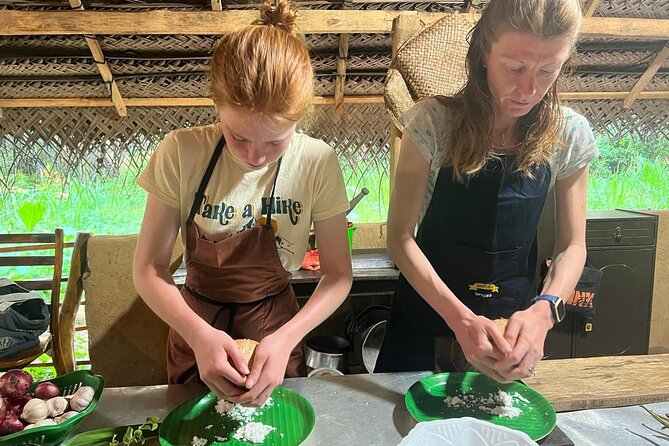
Many cooking classes focus on a main dish and rush through the sides. Here, the coconut-based elements receive proper attention.
Making coconut milk yourself gives you a clear connection to the food on your plate. You see how a basic local ingredient becomes part of a curry sauce, and the method is simple enough to remember. It is also one of the more distinctive tasks compared with a standard western cooking class.
Coconut sambol offers a contrast to the cooked curries. It adds a fresh, spicy side element and helps you understand how Sri Lankan meals balance rich sauces with sharper flavors. Together, the sambol and coconut milk show two different ways the same ingredient can shape a meal.
The class may involve a fair amount of preparation. If you prefer to sit back and eat, this could feel like work. If you enjoy learning by handling ingredients, it is one of the strongest parts of the experience.
A few more cooking classes around Sri Lanka worth a look
- Kandy Village Cooking Class
★ 5.0 · 536 reviews - Sea waves sri lankan cooking class
★ 5.0 · 467 reviews - Ella: Sri Lankan Cooking Class with Neranji at Homestay
★ 5.0 · 276 reviews - Ella : Cooking class with amazing Spice Garden Tour
★ 5.0 · 239 reviews
Cooking with Sajeeva and Suzy
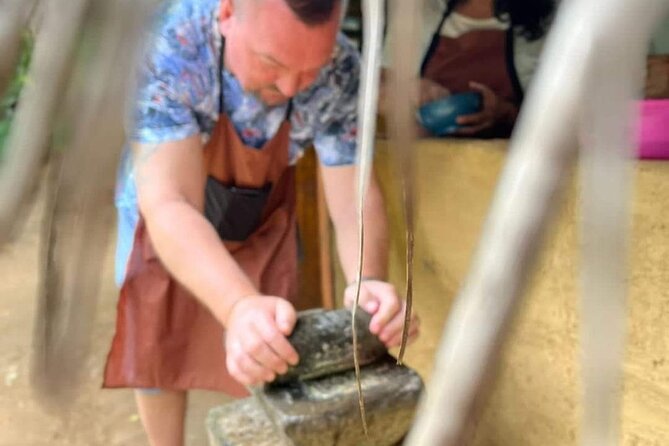
Sajeeva and Suzy lead the class together, and the experience is built around direct instruction rather than a large commercial operation. You can ask about the ingredients, the cooking methods, and how to adapt the recipes outside Sri Lanka.
The teaching is aimed at beginners, so you do not need advanced kitchen skills. The steps are explained as you work, which is useful when several dishes are being prepared at the same time. You may still want to take notes or photographs of the ingredients and techniques, especially if you hope to recreate the meal later.
The class has also worked well for families. Children aged 10 and 13 have taken part without becoming bored, including the preparation of coconut milk, rice, and lentils. That suggests the hands-on tasks keep younger participants involved better than a long lecture would.
Still, family groups should remember that this is a three-hour cooking session. Younger children may need help with some preparation, and the pace may be more suitable for children who enjoy practical activities.
The meal at the end is part of the lesson
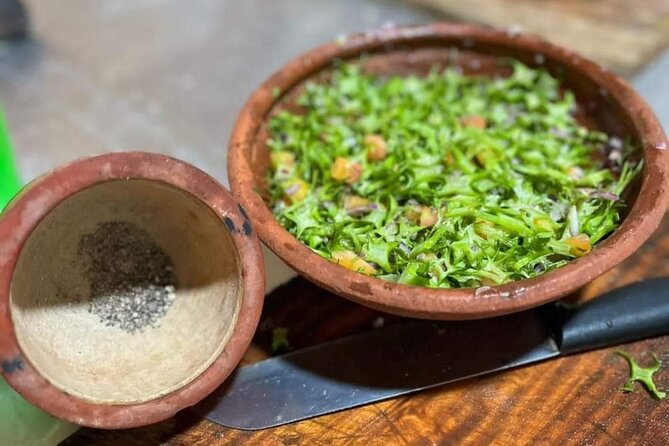
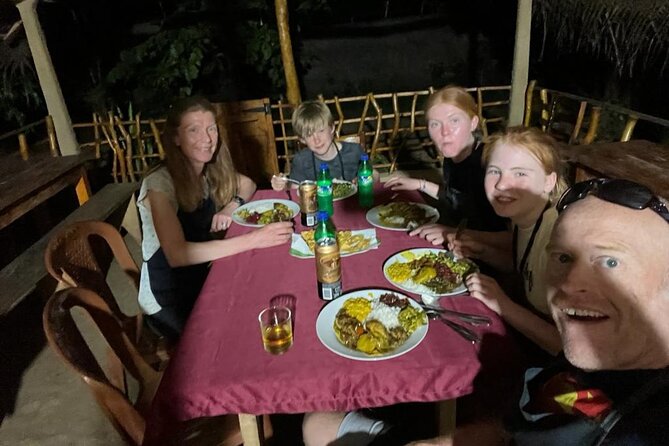
After the cooking, you eat the food you prepared at Sajee’s Place. This is more than a free meal added to the booking. It lets you taste how the separate curries work together with rice, coconut sambol, and the other sides.
The large number of dishes can make the meal feel generous for the price. You might sit down to a spread of vegetable curries, lentils, chicken or fish, rice, and sambol rather than a single plate. Most dishes may be vegetarian, so meat eaters should not expect the meal to center on chicken or fish.
This is also the point when the earlier explanations make sense. You can compare the mild and spicy dishes, notice the effect of coconut, and see why Sri Lankan cooking is served as several complementary preparations.
If you have dietary preferences, discuss them when booking or before cooking begins. The class can take meat eaters, vegetarians, and different spice preferences into account, but the precise menu is seasonal and may change.
Is $35 good value in Sigiriya?
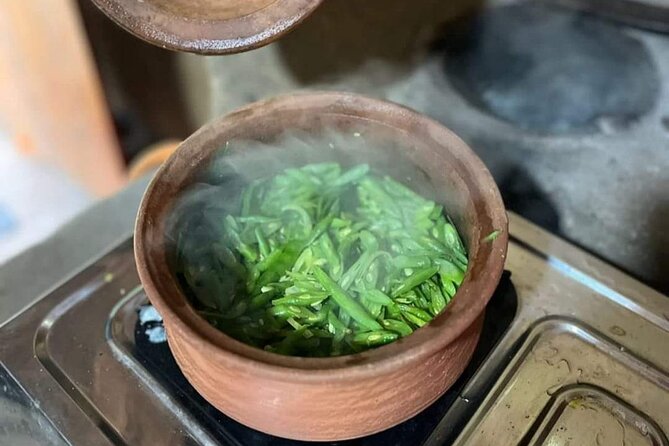
At $35 per person, the class offers solid value if you want both instruction and a substantial meal. You receive about three hours of guided cooking, a lesson on spices and methods, several dishes, and the food you prepare at the end.
The value is strongest for people who want to carry the experience home. A quick restaurant meal may cost less, but it will not teach you how to make coconut milk, season several curries, or organize a Sri Lankan rice and curry spread.
The price is less compelling if your only goal is to sample local food. In that case, a restaurant is faster and requires no preparation. Sajee’s Place makes sense when you want a cultural activity that happens to end with dinner or lunch.
Group discounts are available, which may make the class more appealing for families or friends booking together. The group is capped at 10 people, so you are not signing up for a large food tour with a crowd around one demonstration table.
Location, timing, and practical details
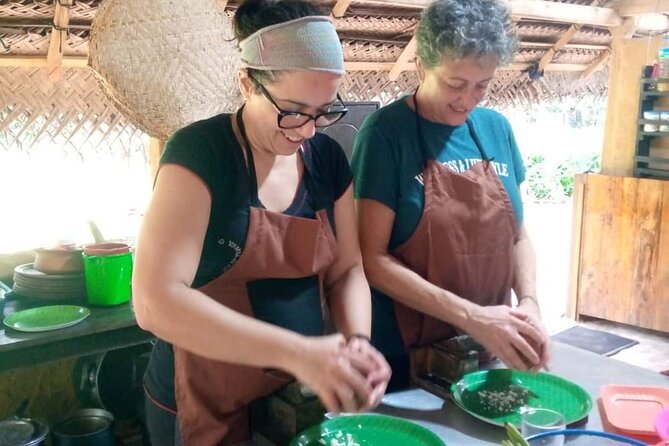
Sajee’s Place Cooking Class is at No. 92, Fourth Mile Post, Sigiriya 21120. The activity starts and ends at this meeting point, and it is near public transportation.
The class lasts approximately three hours. Plan your day around that full period rather than treating it as a short stop between major sights. Since the cooking includes several dishes, rushing away early would mean missing part of the meal or preparation.
A mobile ticket is available, and booking confirmation is provided at the time of booking. For direct information, the listed WhatsApp number is 0094767419738.
You can cancel for a full refund if you do so at least 24 hours before the scheduled start time. Cancellations or changes made within 24 hours are not accepted for a refund. Cut-off times use local time in Sri Lanka, so check the time carefully if you are changing plans.
Who should book this cooking class?
I would choose this class if you want a personal introduction to Sri Lankan food and prefer doing something active. It suits first-time cooks because the methods are explained from the beginning, and it suits keen home cooks who want ideas they can repeat after returning home.
Families can also find a good fit here, especially with children who like chopping, mixing, washing ingredients, and seeing a meal come together. The small group limit helps keep the session manageable.
Vegetarians should find plenty to enjoy because the menu can contain several vegetable curries and lentils. Meat eaters can request chicken or fish, but they should expect the meal to include much more than one meat dish.
I would hesitate only if you dislike group activities, have limited time, or want a quiet meal with no preparation. The class is social and hands-on, and three hours is a meaningful part of a day in Sigiriya.
Should you book Sajee’s Place?
Book it if you want to understand how Sri Lankan rice and curry is made, not just taste it. The strongest reasons are the fresh coconut milk, the several curries, the spice guidance from Sajeeva and Suzy, and the chance to adjust the food around vegetarian, meat, and spice preferences.
At $35, the class gives you a meal plus practical instruction in a small setting. It will not suit someone looking for a quick demonstration, but for a family, couple, or curious food lover with three hours to spare, it is a worthwhile use of time in Sigiriya.
FAQ
Where does Sajee’s Place Cooking Class take place?
It takes place at No. 92, Fourth Mile Post, Sigiriya 21120, Sri Lanka.
How long does the cooking class last?
The experience lasts approximately three hours.
What food will I prepare?
You can prepare seasonal vegetable curries, coconut sambol, and either a chicken or fish curry. The meal may also include rice, lentils, and several additional curries.
How many curries can be included?
The class may include six or seven different curries, depending on the menu.
Is the class suitable for beginners?
Yes. Sajeeva and Suzy explain traditional cooking methods for people who are new to cooking as well as for more experienced home cooks.
Can vegetarians join the class?
Yes. The menu can include several vegetarian dishes, and food preferences can be considered during the class.
Can the spice level be adjusted?
Different spice preferences can be taken into consideration. Discuss your preference with Sajeeva and Suzy.
What is the maximum group size?
The class accepts a maximum of 10 people.
Can I cancel for a refund?
Yes. You can receive a full refund if you cancel at least 24 hours before the start time. Cancellations within 24 hours are not refunded.
Just added around Sri Lanka
- cooking lesson★ 5.0 · 7 reviews
- Sri Lankan Cookery with Nilu★ 5.0 · 34 reviews
- Sri Lanka: Cooking Class★ 4.4 · 6 reviews
- Private Traditional Sri Lankan Cooking Class in Kandy★ 5.0 · 7 reviews
- Private cooking class – Personalized classic menu★ 5.0 · 5 reviews
- Nilaveli: Sri Lankan Cooking Class with a Local Family★ 5.0 · 16 reviews
- Mirissa: Cooking Class with Beer and Meal★ 3.3 · 4 reviews
- Kandy: Village Cooking Class 12 Dishes with Market Tour★ 5.0 · 6 reviews
Cooking Classes, compared.
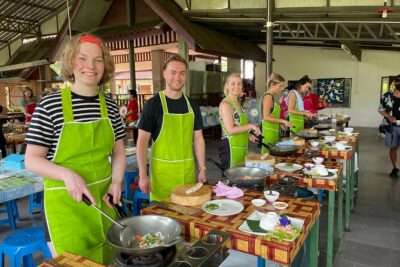
Half-Day Thai Cooking Class at Organic Farm in Chiang Mai
Read our review →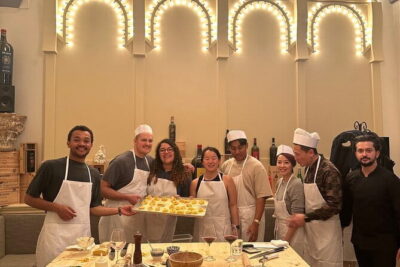
Florence: Pasta Cooking Class with Unlimited Wine
Read our review →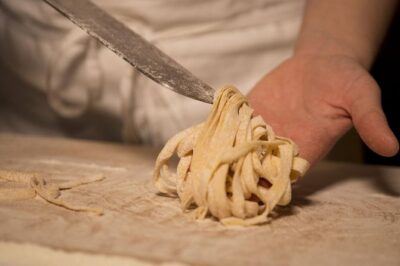
3 in 1 Cooking Class near Navona: Fettuccine, Ravioli & Tiramisu
Read our review →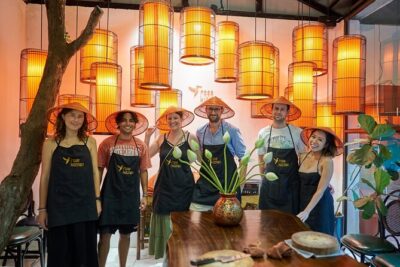
Hanoi Cooking Class: Culture, Local Market & Meaning CSR Impact
Read our review →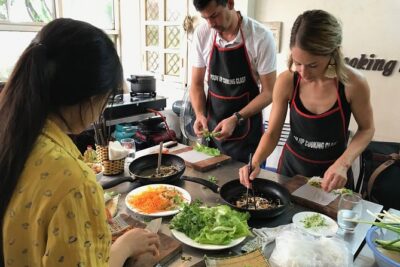
5 Traditional Dishes Hanoi Cooking Class with Market Trip
Read our review →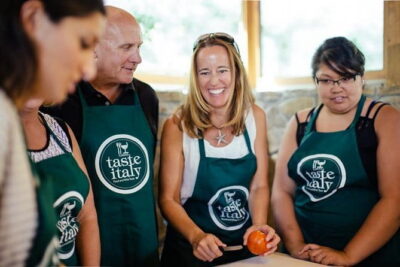
Cooking Class and Lunch at a Tuscan Farmhouse with Local Market Tour from Florence
Read our review →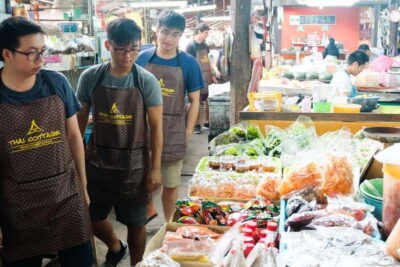
Chiang Mai: Cooking Class, Market & Thai Herbs Garden Tour
Read our review →Browse the lists this tour appears in