
Review · ITALIAN
Cooking class: Cooking Sicilian dishes
At Tenute Baglio Passofondo, a converted rural baglio near Alcamo, you spend four hours cooking the food Sicily does best: fresh pasta, tomato sauce, fish, meat, vegetables, and almond sweets. I like the hands-on pasta making and the way the class connects food with the countryside around Trapani and Palermo.
I also like the warm, social format. You may begin with prepared Sicilian vegetables and antipasti, then cook several dishes with Guido and two experienced chefs before sitting down to eat. Local wine is paired with the food, and the cooking kit includes useful take-home items such as an apron, chef’s hat, and recipe notebook. The main consideration is transport: the price is $106 per person, but nothing outside the listed inclusions is covered, so you should confirm how you will reach the property.
Key points to know before booking
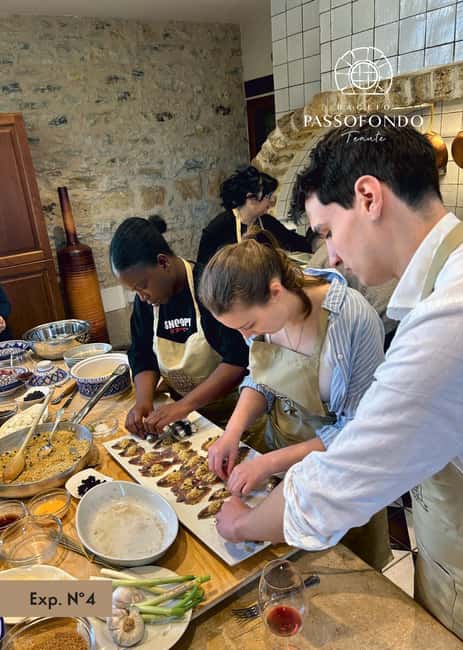
- Fresh pasta is made by hand: You knead and shape pasta rather than simply watching a demonstration.
- Guido helps set the scene: He introduces the converted baglio and explains the property and surrounding area.
- The menu can cover several Sicilian staples: Depending on the class plan, you might prepare tomato sauce, fish, meat, eggplant, sardines, pork, stuffed vegetables, macaroni, and almond cookies.
- Wine comes with the meal: Local wines are tasted alongside the dishes you prepare.
- The setting is rural and peaceful: The class takes place in the Alcamo countryside, a few kilometers from Trapani and Palermo.
- The four-hour length gives the meal room to unfold: This is not a quick pasta lesson. It is a full cooking and dining session.
A Sicilian cooking class in a converted baglio
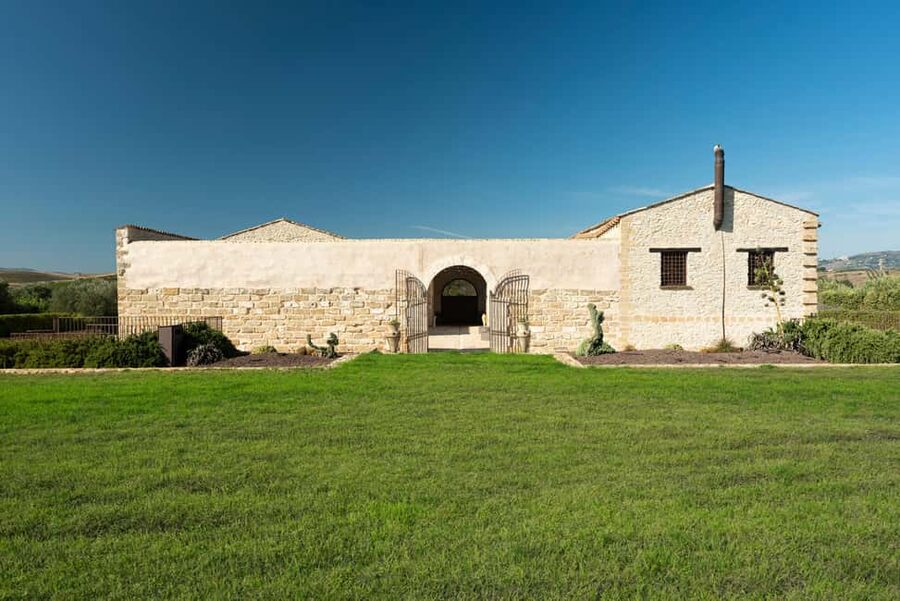
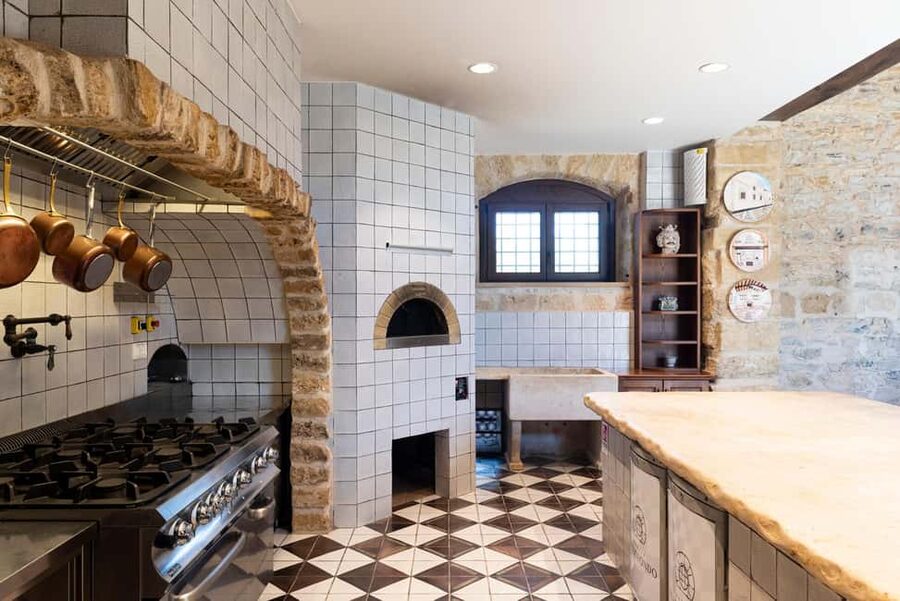
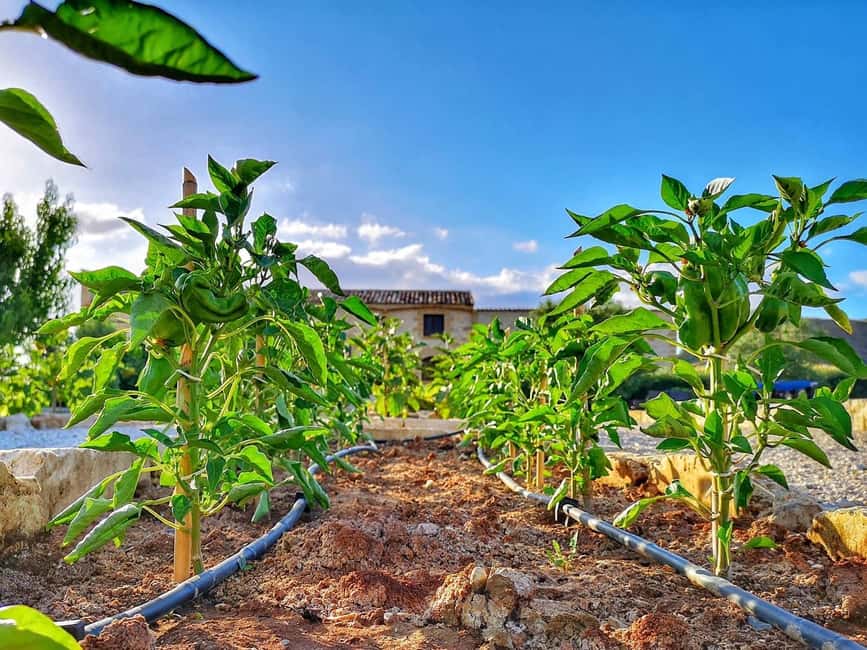
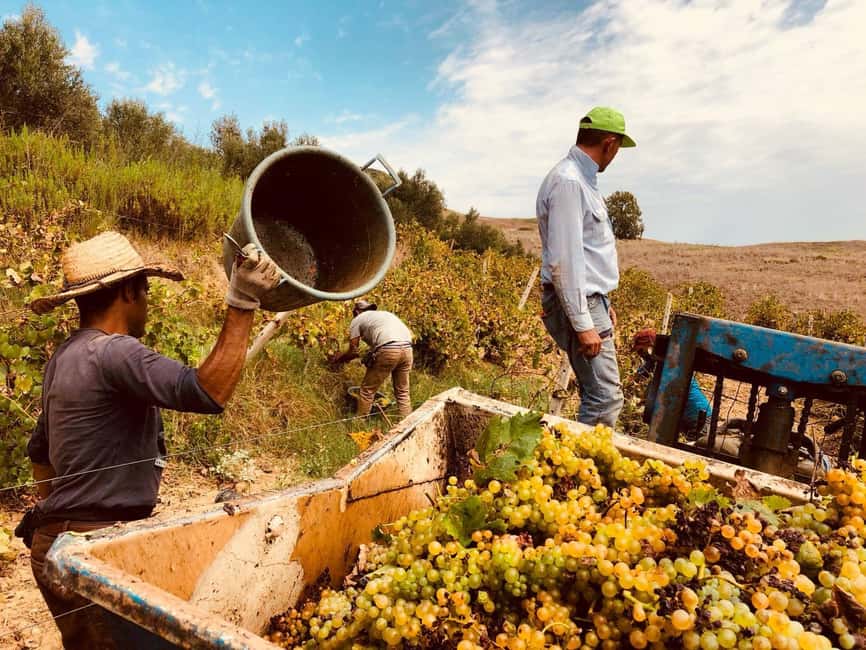
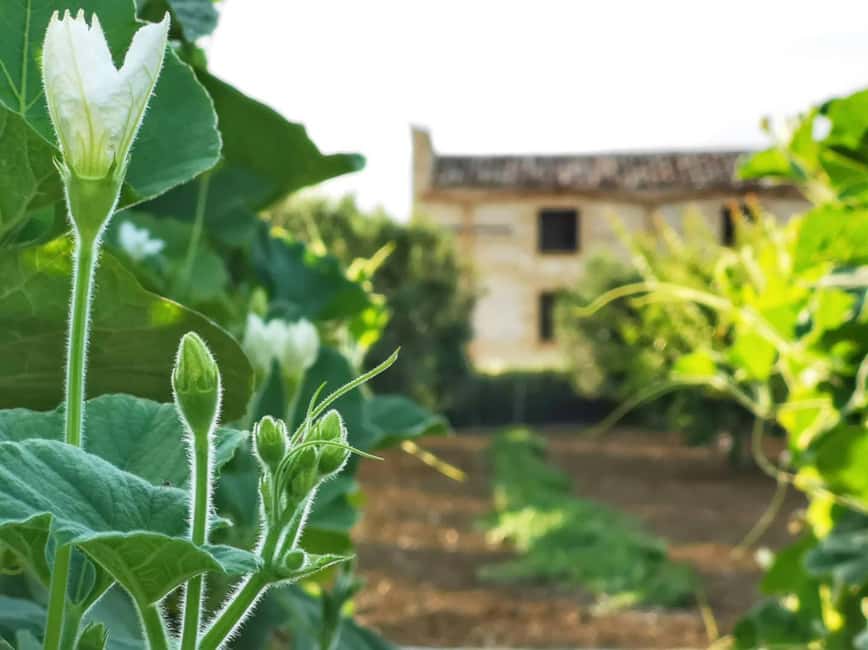
The setting matters here. Tenute Baglio Passofondo is a converted baglio, the kind of rural estate closely linked with Sicilian farm life. Instead of taking a cooking lesson in a city kitchen, you head into the Alcamo countryside, where the property provides a quiet backdrop for the class.
The activity is built around old-fashioned Sicilian cooking. You work with basic ingredients and traditional methods, including hand-kneaded dough, tomato sauce, breaded meat, rolled fish, and stuffed vegetables. That gives the lesson more value than a single recipe demonstration. You get a look at how several parts of a Sicilian meal fit together.
The rural location is also useful if you are spending time in the Trapani or Palermo area and want a break from churches, traffic, and busy town centers. The description places the property a few kilometers from both cities, though the exact distance and meeting arrangements should be confirmed before you book. Since transport is not listed as included, do not assume a transfer is provided.
More Italian Cooking Classes in Italy:
- Cooking Class and Lunch at a Tuscan Farmhouse with Local Market Tour from Florence
★ 5.0 · 4,831 reviews - Naples: Neapolitan Pizza and Tiramisù Making Class
★ 4.8 · 839 reviews - Tuscan Cooking Class and Dinner in Florence
★ 4.5 · 732 reviews
How the four hours unfold
The exact menu can vary, since you can choose among different kinds of preparation. The broad plan is clear: a short introduction to the property, hands-on cooking, tasting, and a shared meal.
The session may begin with a tour of the estate. Guido introduces the converted baglio and talks about the property and nearby area. This is a small but worthwhile opening because it gives the meal a sense of place. You are not just learning to make pasta in an anonymous kitchen. You are learning in a working Sicilian setting with the countryside around you.
Prepared vegetables and antipasti may already be waiting when you arrive. These are not necessarily dishes you make from start to finish, but they help you begin tasting Sicilian flavors right away. This also gives the kitchen a relaxed start while the chefs organize the cooking.
Next comes the central lesson: the dough. You may knead, roll, and shape fresh pasta by hand. Macaroni has been included in one version of the class, and the hands-on work is one of the clearest reasons to choose this activity. Pasta making is tactile and easy to understand once your hands are in the dough. It is also more memorable than watching someone else do the work.
The class can then move to sauces and savory dishes. You might prepare tomato sauce, eggplant involtini, sardine preparations, pork, fish, or other meat dishes. Stuffed sun-dried tomatoes have also been part of the menu, along with a range of Sicilian-style vegetables.
This variety is important. A class focused only on pasta would be simpler and possibly easier for beginners, but this one gives you a broader sense of Sicilian cooking. You see how vegetables, seafood, meat, pasta, and sweets can appear in one long meal. The tradeoff is that you may not spend a long time perfecting one signature recipe. The pleasure comes from making and tasting several things.
Dessert finishes the cooking portion. Almond cookies, called dolcini di mandorle, have been prepared in the class. They offer a simple ending after the pasta and savory dishes, and they introduce you to the importance of almonds in Sicilian sweets.
What you actually get to cook
The wording allows some flexibility, so you should not book expecting a fixed menu of every dish listed below. The class may focus on fresh pasta, a main course, and a Sicilian dessert, or it may include several smaller preparations.
Possible dishes and tasks include:
- Kneading and shaping fresh pasta
- Making macaroni from scratch
- Preparing tomato sauce
- Making eggplant involtini
- Working with sardines
- Preparing pork or other meat
- Preparing fish
- Making stuffed sun-dried tomatoes
- Tasting Sicilian vegetables and antipasti
- Baking almond cookies
That range makes the class appealing if you want more than a basic pasta workshop. You will likely spend time moving between tasks, asking questions, tasting ingredients, and helping assemble the meal.
The food also reflects Sicily’s mix of land and sea. Fish and sardines point to the island’s coastal cooking, while eggplant, pork, tomatoes, almonds, and pasta bring in the flavors of the interior. You get a useful picture of Sicilian food without needing a formal lecture about it.
Learning from Guido and the kitchen team
Guido is the host named for this activity. He introduces the property and its story, then works with two experienced chefs who lead the cooking. That division is helpful because one person can explain the setting and guide the group while the chefs focus on technique.
Instruction is available in Italian and English. If you are not comfortable with culinary vocabulary, the class has enough practical work that you can follow by watching and doing, but English support is available. Some content may appear in its original language, so this is not necessarily a fully translated, highly scripted lesson at every moment.
The atmosphere is intended to be social. You cook alongside the staff, ask questions, and sit down together to eat. For me, this is one of the strongest parts of the format. Food becomes a shared activity rather than a demonstration followed by a quick tasting.
A cooking class also gives you a better chance to ask about ordinary food habits. You can ask why a sauce is prepared a certain way, how dough should feel, or which ingredients are common in the region. The supplied information does not promise a printed cookbook, but one version of the class provides a notepad for writing down recipes. An apron and chef’s hat may also be provided as part of the cooking kit.
More Hands-On Workshops in Italy:
- Florence: Pasta Cooking Class with Unlimited Wine
★ 4.9 · 10,285 reviews - 3 in 1 Cooking Class near Navona: Fettuccine, Ravioli & Tiramisu
★ 5.0 · 7,376 reviews - Florence: Pasta & Tiramisu Cooking Class with Unlimited Wine
★ 4.9 · 6,708 reviews - Florence: Pasta Cooking Class with Unlimited Wine
★ 5.0 · 6,413 reviews
The wine and shared meal
The dishes you prepare are not simply placed in a box for you to take away. You taste the results during the class and sit down for a shared meal. Local wines are served with the food, including different wines matched with different dishes.
That pairing adds real value to the $106 price. You are paying for instruction, ingredients, tasting, the setting, and a meal with wine, not just for access to a kitchen. The wine element also helps you understand how Sicilian food is meant to be enjoyed at the table.
The final meal is likely to be leisurely. You may eat prepared antipasti first, then pasta and savory dishes, followed by almond sweets. This is useful for anyone who likes long meals and conversation, but less suited to someone looking for a quick activity between sightseeing stops.
The class lasts four hours, so keep your schedule open. A late afternoon start can carry into the evening, as one class format has done. That timing works well if you want a food-centered evening, but check the starting time before booking and allow extra time for transport.
Is $106 a fair price?
At $106 per person, this is not a bargain if you compare it with a short pasta lesson or a simple market tasting. It becomes more reasonable when you count the four-hour duration, instruction from multiple kitchen staff, ingredients, the full tasting, wine, and the rural setting.
The value is strongest for people who want a complete food activity rather than a single skill. You can learn pasta, help prepare several Sicilian dishes, sample local wines, and eat the meal in the same place. The included cooking kit adds a practical souvenir, especially if it includes the apron, hat, and recipe notes described for the class.
The price is less attractive if you mainly want to learn one precise recipe and leave quickly. You may also need to budget for your own transport, since transfers are not listed. Check that cost before booking, especially if you are staying in Trapani or Palermo and do not have a car.
Free cancellation up to 24 hours before the activity lowers the risk of booking. You can also reserve now and pay later, which is useful if your Sicily schedule is still changing.
Who will enjoy this most?
I would recommend this class to couples, families, and small groups who enjoy eating as much as cooking. It works particularly well for anyone who wants a countryside setting and a social meal rather than a formal chef school.
It is also a good choice if you have already seen the main sights in Palermo or Trapani and want a slower half-day. The rural setting gives you a change of pace, while the food keeps the activity firmly tied to Sicily.
Beginners should feel comfortable. The central tasks are practical: kneading dough, shaping pasta, preparing fillings, cooking sauce, and tasting the results. You do not need to arrive with advanced culinary skills.
The class may be less suitable if you have strict dietary needs, but the supplied information does not explain how dietary requests are handled. Ask the provider before paying if allergies or dietary restrictions are important to you.
Wheelchair access is listed as available. Still, you should confirm the exact route through the property and kitchen if you need detailed accessibility information, since the general listing does not describe surfaces, restrooms, or transfer arrangements.
What to clarify before you go
A few details are worth checking directly. First, ask which dishes are planned for your date. The activity description allows you to choose among fresh pasta, a main course, and dessert, while the more detailed cooking format includes several possible dishes. Knowing the menu will help you decide if it suits your interests.
Second, confirm the meeting point and transport. The property is described as being in the Alcamo countryside, a few kilometers from Trapani and Palermo, but the information does not list transportation as included. A taxi or private car may be needed, and you should not build a tight connection around the four-hour schedule.
Third, ask about the class language if you need full English instruction. Italian and English are available, but some content may remain in its original language. That should not prevent you from following the cooking, yet it is worth knowing in advance.
Finally, plan to eat. This is not a light demonstration. You will taste the dishes being prepared, enjoy local wines, and share a meal. A large lunch just before the class would be poor planning.
Should you book this Sicilian cooking class?
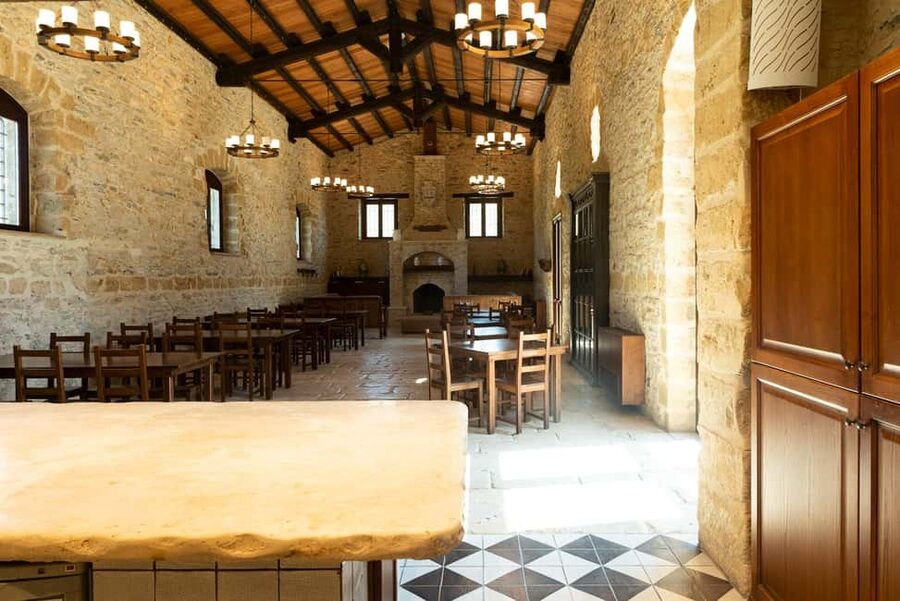
Book it if you want a full Sicilian food experience with hands-on pasta, several savory dishes, dessert, wine, and time in the countryside. The combination of Guido’s introduction, the two chefs, the converted baglio, and the shared meal gives the activity a strong local character.
I would skip it only if you want a short lesson, need guaranteed transport, or require a fixed menu that is not confirmed in advance. For most food-minded visitors staying near Trapani, Palermo, or Alcamo, $106 is fair when you use the full four hours and count the meal and wine. Confirm the menu, meeting point, and transport, then arrive hungry.
FAQ
Where does the cooking class take place?
The class takes place at Tenute Baglio Passofondo in the Alcamo countryside of Sicily, a few kilometers from Trapani and Palermo.
How long does the activity last?
The cooking class lasts four hours.
How much does the cooking class cost?
The listed price is $106 per person.
What food can I learn to prepare?
You may learn to make fresh pasta, tomato sauce, fish, meat, Sicilian vegetables, and a Sicilian dessert. Specific preparations can include macaroni, eggplant involtini, sardines, pork, stuffed sun-dried tomatoes, and almond cookies.
Is wine included?
Wine tasting is part of the experience. Local wines are served with the dishes prepared during the class.
Is the meal included?
You taste the dishes you prepare during the class. A shared meal is part of the cooking format.
Who teaches the class?
Guido introduces the property and surrounding area, and two experienced chefs lead the cooking. Instruction is available in Italian and English.
Is the class available in English?
Yes. The listed languages are Italian and English, though some content may appear in its original language.
Is the activity wheelchair accessible?
Yes, the activity is listed as wheelchair accessible.
Can I cancel the booking?
You can cancel up to 24 hours in advance for a full refund. Reserve now and pay later is also available.
Just added around Italy
- Cooking Class and Wine Pairing in Capri★ 5.0 · 57 reviews
- Lezione di Cucina : Pasta Fresca★ 5.0 · 12 reviews
- Private Cooking Class at a Cesarina’s Home in Reggio Calabria★ 5.0 · 9 reviews
- Private Cooking Class Experience in Reggio Calabria★ 5.0 · 5 reviews
- Homemade fresh pasta cooking class★ 5.0 · 34 reviews
- Cesarine: Home Cooking Class & Meal with a Local in Brindisi★ 5.0 · 7 reviews
- Small Group Market tour and Cooking class in Brindisi★ 4.5 · 8 reviews
- Apulian cooking class and typical dinner★ 4.5 · 5 reviews
Italian Cooking Classes, compared.
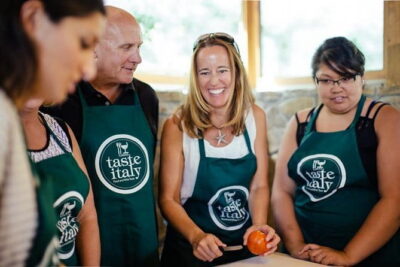
Cooking Class and Lunch at a Tuscan Farmhouse with Local Market Tour from Florence
Read our review →
Naples: Neapolitan Pizza and Tiramisù Making Class
Read our review →
Rome Pasta Making Class with Italian Sauces and Wine Included
Read our review →
Milan: Italian Cooking Class with Food and Wine
Read our review →
Florence: Cooking Class at a Tuscan Farm & Local Market Tour
Read our review →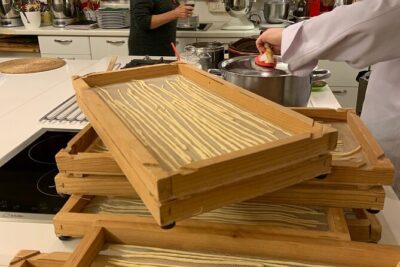
Browse the lists this tour appears in