
Review · ITALIAN
Cooking Class: Italian Authentic Recipes with Lunch
The best part of this Tuscan experience is that lunch starts with your own hands. You make homemade pasta and sauce with an Italian chef, then sit down to eat it alongside local meats, cheese, steak, potatoes, and dessert. The wine tasting gives the class a second focus, with a wine expert explaining how Chianti fits into local culture.
I like the hands-on format, since you are not simply watching a chef work. I also like the generous tasting menu, which includes five wines, three olive oils, two balsamic vinegars, and a full meal. The main consideration is that the estate and winery tour are not included, so this is a food-and-wine session rather than a broader vineyard visit.
Key points at a glance
- Make and eat homemade pasta: Your class centers on fresh pasta and the sauce prepared during the lesson.
- Taste five wines: The lineup includes two spumante wines, Chianti Classico, Chianti Riserva, and a Supertuscan.
- Enjoy a full Tuscan meal: Appetizers, your pasta, tagliata di manzo with roasted potatoes, and dessert are included.
- Try flavored olive oils and vinegars: Tastings include white truffle oil, chili pepper oil, onion balsamic, and Modena balsamic.
- Learn from two specialists: An Italian chef handles the cooking, while a wine expert leads the tasting and cultural discussion.
- Plan your own transport: Pickup and drop-off are not included, and the estate or winery tour is separate.
A Tuscan cooking class built around lunch
At $91 per person, this is not a quick pasta lesson followed by a small sample. The three-hour session combines cooking instruction, a substantial meal, wine tasting, olive oil, and balsamic vinegar.
That makes the format especially useful if you want one organized activity that covers several parts of Tuscan food culture. You get a practical cooking lesson, a seated lunch, and an introduction to wines from the Chianti area without booking separate experiences.
The setting is a Chianti winemaking estate operated by Poggio Ai Laghi. You should think of the visit as a food and tasting experience at the estate, not as a full winery tour. The estate, vineyard, and winery tour are specifically excluded, so anyone hoping to walk through production areas should plan another activity.
The guides speak English, French, and Spanish. A live guide is provided, with the Italian chef leading the cooking and a wine expert handling the tasting. Specific guide names are not provided, so you should not expect to book around a particular instructor.
More Cooking Classes with Lunch in Italy
- Pasta Making & Wine Tasting with Dinner in Frascati from Rome
★ 5.0 · 1,326 reviews - Palermo: Pizza and Gelato Cooking Class with Dinner and Wine
★ 4.9 · 951 reviews - Authentic Cooking with Locals: Meal, Wine & Scenic Views
★ 5.0 · 396 reviews
What happens when you arrive
The session begins with a welcome drink, Arella Spumante. This gives you a light opening before the cooking starts and introduces one of the estate’s sparkling wines at the same time.
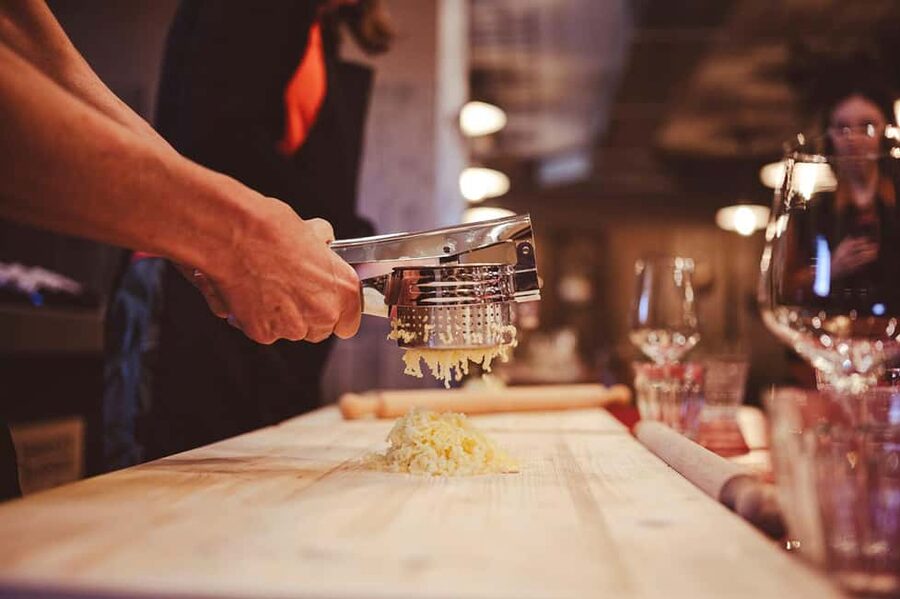
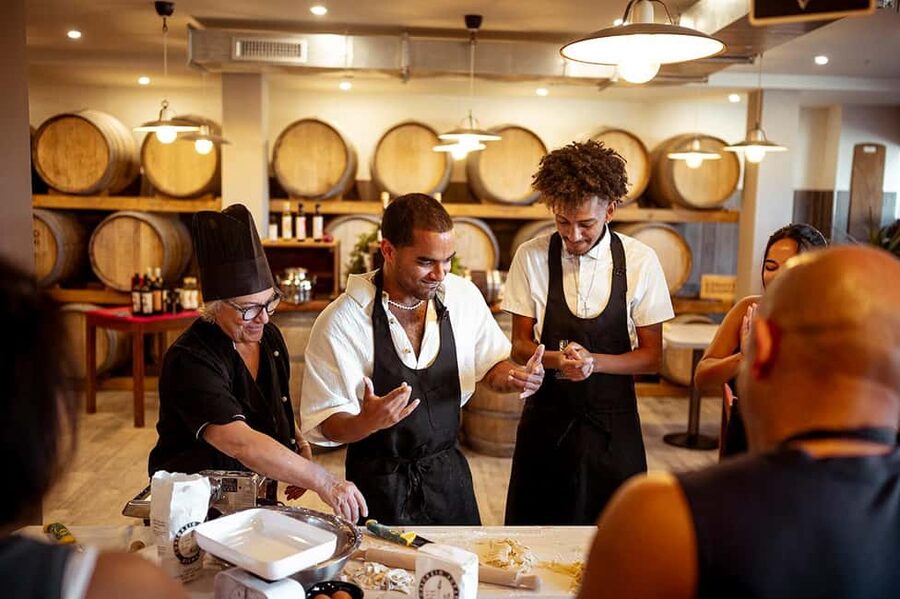
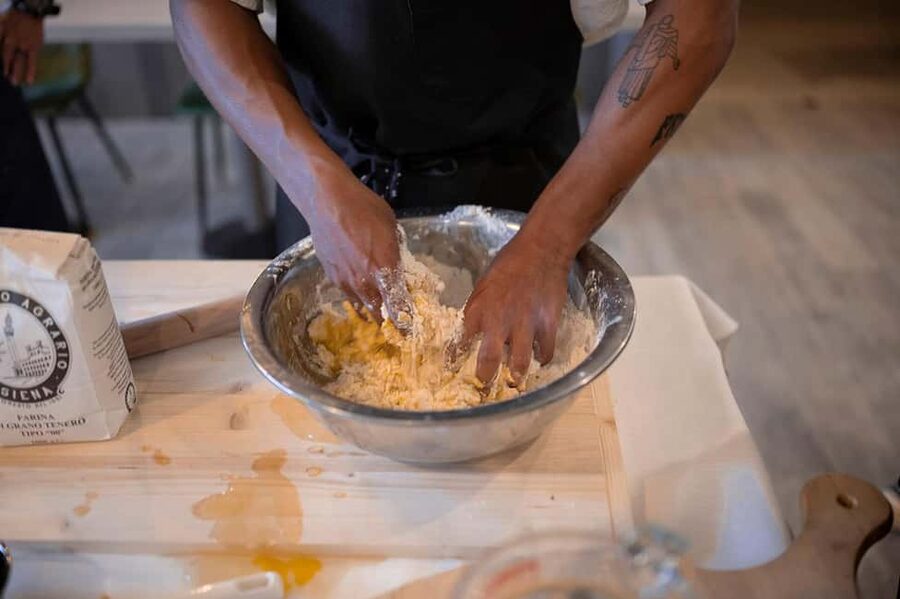
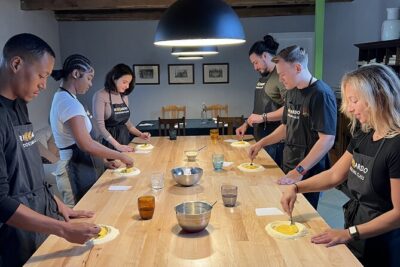
The first part of the class is practical. You work with an Italian chef to prepare homemade pasta and a sauce using local products. The supplied details allow for pasta or other Tuscan recipes, while the reported session included two types of pasta and a classic tiramisu. Since the advertised dessert is cantuccini with Vinsanto, the exact recipes may vary by date or class format.
That small difference is worth noting. If making tiramisu is a major reason for booking, confirm the day’s menu before you go. The central promise remains the same: you prepare food with the chef and later eat the pasta you made.
You will likely get the most from this class if you enjoy participating rather than taking photos from the sidelines. Fresh pasta has a simple ingredient list, but the work matters. Mixing, shaping, and preparing the sauce gives you techniques you can repeat at home with ordinary kitchen equipment.
The class is also suitable for beginners. The activity is framed around simple Tuscan recipes, not advanced restaurant cooking. You do not need to be a wine expert either, since the wine portion begins with basic tasting information.
The tasting starts before the meal
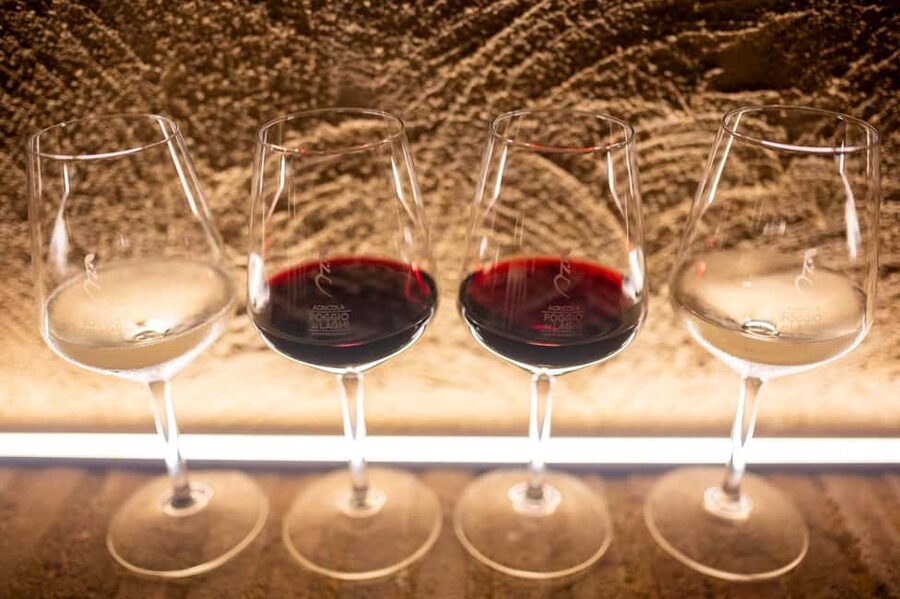
While the food is being prepared, the wine expert introduces the wines and explains how wine fits into the culture of the area. This is a useful pairing with the cooking lesson. You are not only tasting bottles at the end of the visit, but connecting the wines to the food being prepared.
The wine list includes:
- Arella Spumante Cuvèe Extra Dry Oletta
- Firmina Spumante Rosé Extra Dry
- Lucilla Chianti Classico DOCG
- Oletta Chianti Riserva DOCG
- Aranda Supertuscan IGT
The two spumante wines offer a bright start, while the Chianti wines bring the tasting toward the red wines most closely linked with the area. The Supertuscan adds a different style to the lineup and gives the expert a chance to compare wines beyond the standard Chianti classifications.
You should not expect a formal wine certification course. This is an accessible introduction, with basic information and guided tasting rather than technical study. That suits couples, families, and first-time wine tasters better than a serious industry-focused seminar.
A good tip is to pace yourself. Five wines may not sound like much, but they are served with a full lunch and additional oil and vinegar tastings. Take notes if you find a bottle you particularly like, since the names can blur once the food arrives.
Why the oil and vinegar tasting matters
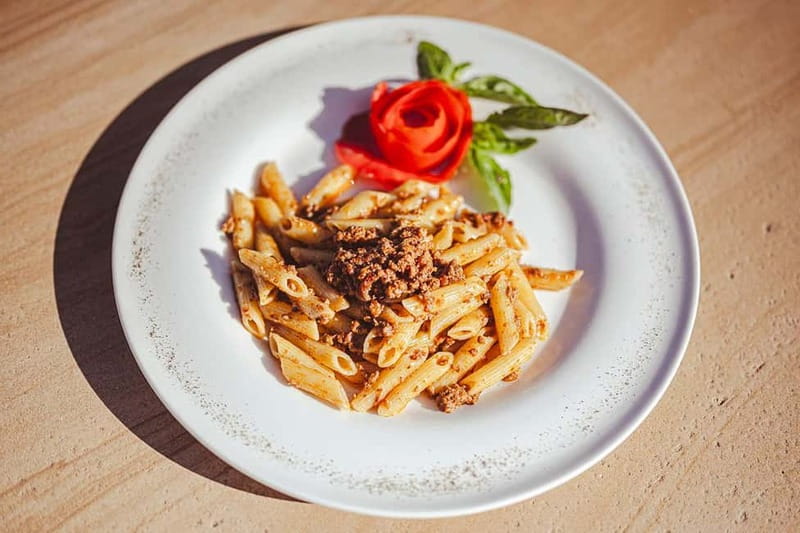
The extra tastings are more than filler between wine pours. Tuscan food often depends on a few strong ingredients used well, and olive oil and vinegar are central to that style of cooking.
You taste three olive oils:
- Extra virgin olive oil
- Extra virgin olive oil with white truffle
- Extra virgin olive oil with chili pepper
You also taste two vinegars:
- Aceto Balsamico di Modena IGP Oro
- Aceto Balsamico di Cipolla Lacrime Viola, a Tuscan specialty
The plain extra virgin olive oil gives you a reference point before the flavored versions. The truffle oil brings a pronounced earthy note, while the chili oil adds heat. The onion balsamic gives you a less familiar flavor than standard balsamic and helps show how regional products can change a simple dish.
These samples are served with antipasti, including bruschetta with fresh tomato and basil and toasted bread with extra virgin olive oil. That matters because you are tasting the products in a food setting, not from a spoon alone.
If you are interested in buying food products during your trip, this portion can help you identify flavors you actually enjoy. Still, the supplied information does not state that purchases are included or that a shop visit forms part of the class.
More Italian Cooking Classes in Italy:
- Cooking Class and Lunch at a Tuscan Farmhouse with Local Market Tour from Florence
★ 5.0 · 4,831 reviews - Naples: Neapolitan Pizza and Tiramisù Making Class
★ 4.8 · 839 reviews - Tuscan Cooking Class and Dinner in Florence
★ 4.5 · 732 reviews - Rome Pasta Making Class with Italian Sauces and Wine Included
★ 5.0 · 645 reviews
The antipasti spread is a meal of its own
Before the pasta, the table includes a substantial collection of Tuscan starters:
- Tuscan salami
- Finocchiona
- Tuscan prosciutto crudo
- Pecorino
- Bruschetta with fresh tomato and basil
- Toasted bread with extra virgin olive oil
Finocchiona is a Tuscan salami seasoned with fennel, so it gives the platter a flavor distinct from ordinary salami. Pecorino adds a firm sheep’s milk cheese to the spread, while prosciutto and salami provide the salty cured meats commonly found at a Tuscan table.
This course is useful for anyone who wants a broad first taste of local food without ordering several separate dishes. It also means you should arrive hungry. The pasta is only the first proper course, and the meat and dessert still follow.
The presentation is likely less important than the social rhythm. You begin with shared foods, taste the oils and wines, and then move into the dish you helped prepare. That progression makes the cooking feel connected to lunch rather than treated as a stand-alone lesson.
Eating the pasta you prepared
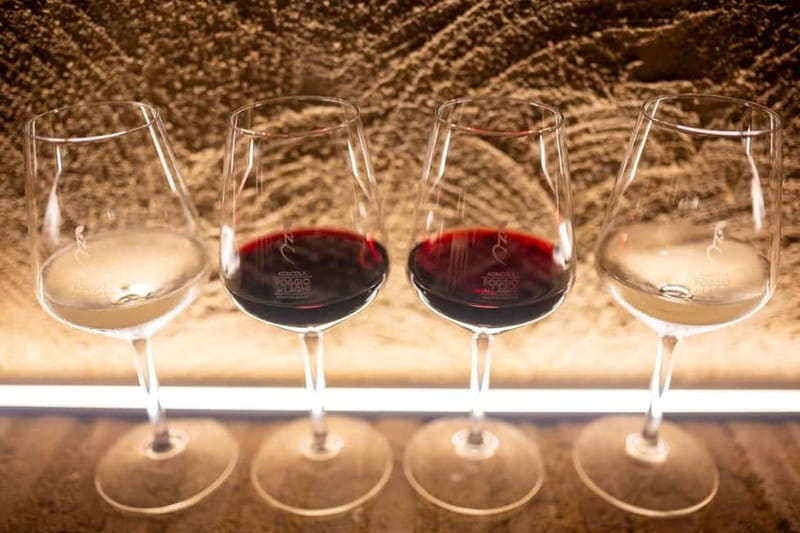
The first course is the homemade pasta and sauce made during the class. This is the emotional center of the experience because the dish has a clear connection to your work at the counter or table.
A plate of handmade pasta can also be a useful reality check. You see how much effort goes into a food that often arrives at a restaurant with little explanation. The lesson should leave you with a better sense of dough texture, preparation, and the role of sauce.
The exact sauce is not fixed in the information provided. The meal may include ragù or another Tuscan sauce, so do not book expecting a particular recipe unless the provider confirms it.
The class account included two pasta shapes, which suggests that some sessions offer more than one preparation. That is a welcome detail for anyone keen to practice several techniques, but it should be treated as a possible class feature rather than a guaranteed daily schedule.
The second course brings a hearty Tuscan finish
After the pasta comes tagliata di manzo with roasted potatoes. Tagliata is sliced beef, usually served in pieces rather than as one whole steak. With roasted potatoes, this makes the meal much more substantial than a light cooking demonstration lunch.
This course also changes the focus from what you make to what the kitchen serves. That is a practical choice. You get to enjoy the pasta lesson without spending the entire three hours preparing every part of the meal.
The menu suits diners who enjoy meat. The supplied information does not identify a vegetarian substitute, so you should ask before booking if you do not eat beef. The class also includes cured pork, prosciutto, and cheese, making it important to raise dietary needs in advance rather than assume substitutions.
Dessert and the final taste of Tuscany
The published meal includes cantuccini and Vinsanto. Cantuccini are crisp almond biscuits traditionally served with the sweet dessert wine, so this ending is closely tied to Tuscan dining customs.
The class account also included a tiramisu prepared during the cooking portion. Since the two dessert details do not match exactly, the menu may change. Ask what will be prepared on your date if dessert is a deciding factor.
Either ending works well for the format. Cantuccini and Vinsanto offer a classic regional finish, while tiramisu would add another hands-on recipe to the lesson. Just make sure your expectations match the menu being offered.
Is $91 a fair price?
I consider $91 a reasonable price for three hours if you value food, wine, and participation more than a formal vineyard tour. The cost covers the chef-led lesson, your prepared pasta, a full multi-course lunch, five wines, three olive oils, two vinegars, and a wine expert.
A similar meal alone could take up much of that amount in a popular Tuscan setting. Here, the meal is paired with instruction and tastings, so the price is doing several jobs at once.
The value is weaker if you mainly want to see the estate or walk among vineyards. Those elements are not included, and transport is also your responsibility. You are paying for a structured culinary session, not a complete day in the Chianti countryside.
The three-hour length is well judged for this menu. It gives enough time for the pasta lesson, guided tasting, and lunch without turning the activity into a full-day commitment. Check available start times carefully, since the exact schedule is not fixed in the supplied details.
Who should book this experience
I would recommend it to you if you want a social, food-focused activity with clear participation. It suits couples, families, and small groups who like to eat well but do not need a highly technical cooking course.
It is also a good choice for a mixed group. One person can be interested in wine, another in pasta, and another in local food, with all three getting something substantial from the same three-hour session.
The class may be less suitable if you want a quiet tasting with little activity. You will be handling food and taking part in the cooking, so it is not simply a seated lunch. It may also disappoint anyone expecting a guided tour of the vineyard, estate, or winery.
Wheelchair access is listed, which is useful for planning, though you should still confirm any personal access requirements directly with the provider.
Cancellation is free up to 24 hours before the activity for a full refund. You can also reserve now and pay later, which helps if you are still arranging a larger Tuscany itinerary.
Should you book it?
Book this class if you want to make pasta, eat a full Tuscan lunch, and compare local wines and oils in one organized visit. The strongest reasons are the hands-on cooking, the generous food, and the range of tastings led by a wine expert.
Skip it if your priority is a winery tour, vineyard walk, or hotel pickup. Those are not part of the $91 price. For most food-minded visitors, though, Poggio Ai Laghi offers a solid three-hour introduction to Tuscan cooking and drinking, with enough practical detail to bring the experience home.
FAQ
Where does the cooking class take place?
The class takes place at the Poggio Ai Laghi winemaking estate in Tuscany, in the Chianti area.
How long does the experience last?
The cooking class and tasting last three hours.
How much does the experience cost?
The price is $91 per person.
What language is the class offered in?
The live tour guide service is available in English, French, and Spanish.
What food will I prepare?
You will learn to make homemade pasta and a sauce using local products. The class may also include other Tuscan recipes.
What food is served for lunch?
Lunch includes Tuscan cured meats, finocchiona, prosciutto, pecorino, bruschetta, toasted bread with olive oil, the homemade pasta and sauce, tagliata di manzo with roasted potatoes, and dessert.
Which wines are included?
The tasting includes two spumante wines, two Chianti red wines, and one Supertuscan red wine.
Are olive oil and balsamic vinegar tastings included?
Yes. You will taste extra virgin olive oil, white truffle olive oil, chili pepper olive oil, Modena balsamic vinegar, and onion balsamic vinegar.
Is transportation or a winery tour included?
No. Pickup and drop-off are not included, and the estate, vineyard, and winery tour are also separate from this activity.
More Hands-On Workshops in Italy
- Florence: Pasta Cooking Class with Unlimited Wine
★ 4.9 · 10,285 reviews - 3 in 1 Cooking Class near Navona: Fettuccine, Ravioli & Tiramisu
★ 5.0 · 7,376 reviews - Florence: Pasta & Tiramisu Cooking Class with Unlimited Wine
★ 4.9 · 6,708 reviews - Florence: Pasta Cooking Class with Unlimited Wine
★ 5.0 · 6,413 reviews
More Lunch Experiences in Italy
- Palermo: Market Tour and Sicilian Cooking Class with Lunch
★ 4.9 · 229 reviews - Genoese cooking lesson in the with lunch in the terrace
★ 5.0 · 189 reviews - Sorrento: Pasta and Tiramisu Cooking Class with Lunch and Wine
★ 4.5 · 165 reviews - Cooking lesson in Catania with lunch or dinner
★ 5.0 · 154 reviews
Just added around Italy
- Cesarine: Home Cooking Class & Meal with a Local in Brindisi★ 5.0 · 7 reviews
- Small Group Market tour and Cooking class in Brindisi★ 4.5 · 8 reviews
- Apulian cooking class and typical dinner★ 4.5 · 5 reviews
- Dining Experience at a local’s Home in Martina Franca with Show Cooking★ 4.5 · 7 reviews
- Cooking class in a garden: handmade pasta★ 5.0 · 4 reviews
- 3 Hour Private Italian Tradition Cooking Class in Brescia★ 5.0 · 21 reviews
- Dining experience at a local’s home in Brindisi with show cooking★ 4.0 · 6 reviews
- Italian Pasta Cooking Course★ 5.0 · 27 reviews
Italian Cooking Classes, compared.
Cooking Class and Lunch at a Tuscan Farmhouse with Local Market Tour from Florence
Read our review →
Naples: Neapolitan Pizza and Tiramisù Making Class
Read our review →
Rome Pasta Making Class with Italian Sauces and Wine Included
Read our review →
Milan: Italian Cooking Class with Food and Wine
Read our review →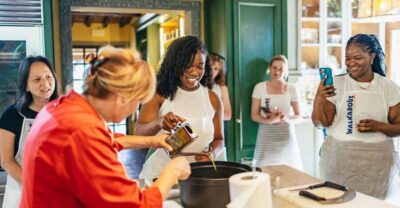
Florence: Cooking Class at a Tuscan Farm & Local Market Tour
Read our review →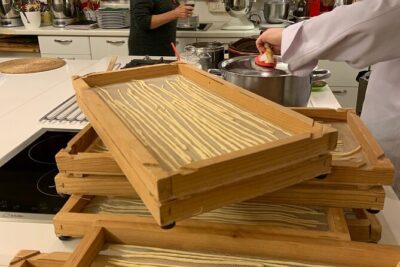
Browse the lists this tour appears in