
Review · CRETE
Cretan Traditional Cooking Lessons
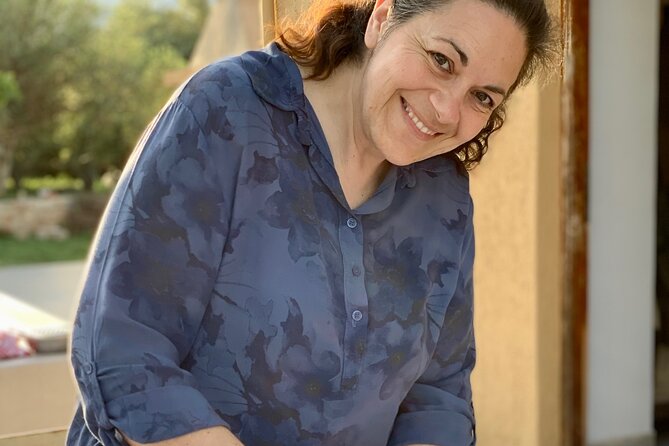
The best part of this five-hour experience is that you are not simply shown a recipe and sent home. Eleni and her mother, Chrisoula, welcome you into their family setting, take you around their small farmhouse, and cook beside you. I like the farm-grown ingredients and the chance to learn how olive oil fits into daily Cretan food. I also like that the evening ends with a shared meal, not a rushed taste at the kitchen counter.
The main drawback is the fixed late-afternoon start at 4:30 pm. With pickup, cooking, dinner, and the ride back, this becomes a full evening commitment. The menu also centers on familiar Cretan home dishes rather than restaurant-style showpieces, so you should book it for local food and company, not for a polished culinary performance.
Key points to know before booking
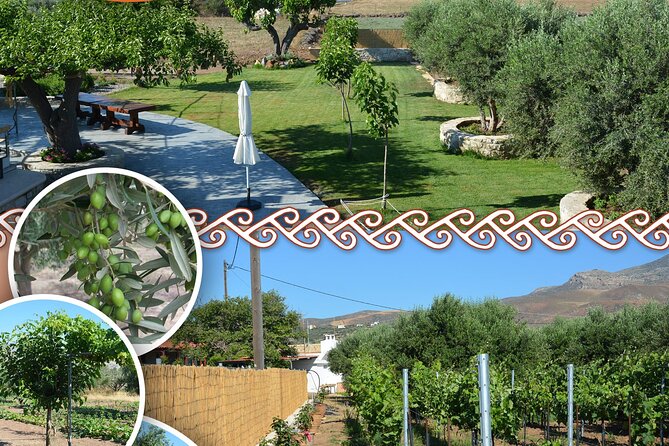
- Family farmhouse setting: You meet Eleni and her mother, Chrisoula, and cook at their Metochi farmhouse near Chania.
- A full Cretan menu: Prepare boureki, gemista, stifado, ntolmadakia, dakos, tzatziki, kalitsounia, and greens-filled pastries.
- Farm and olive oil context: The visit includes a look around the property and useful insight into olive oil, wine, and the Cretan diet.
- Shared dinner included: You eat the dishes made during the class, turning the lesson into a social evening.
- Small group size: The activity accepts no more than 14 people, which keeps the setting more personal than a large cooking show.
- Pickup near Chania: Hotel or house pickup can be arranged in an air-conditioned vehicle, with the activity ending back at the farmhouse meeting point.
Why this cooking class feels personal
Many cooking classes are built around a demonstration. You watch, copy a few steps, and leave with a recipe card. This one is framed more like a visit to a Cretan family home. Eleni and Chrisoula are the hosts, and the setting gives the food a clear connection to family routines, farming, and local customs.
That matters because Cretan cooking is often less about elaborate technique than about good ingredients, patient preparation, and knowing how to balance vegetables, cheese, herbs, olive oil, and meat. You will learn useful information about the Cretan diet while preparing food, so the lesson reaches beyond the individual dishes.
The maximum group size is 14. That is not a private class, but it is still small enough to feel manageable. Your experience will depend partly on the final group, yet the format should allow more contact with the hosts than a crowded demonstration.
The activity is offered in English. That makes it a practical choice if you want to ask questions about the ingredients, family traditions, and cooking methods as you work.
More Hands-On Workshops in Crete:
- Chania: Authentic Cooking Class in the White Mountains
★ 4.9 · 529 reviews - Chania Cooking Class-The Authentic Enjoy traditional Cretan meal
★ 5.0 · 339 reviews - Cretan Cooking Class and Olive Oil Tasting
★ 5.0 · 178 reviews
Arriving at Metochi farmhouse near Chania
The meeting point is Metochi farmhouse in Trachilos, Chania 734 00. If you are staying at a hotel or rental house, send the provider the name or address so they can find the best pickup arrangement. Pickup is offered in an air-conditioned vehicle, which is useful if you are based away from the farmhouse or do not want to arrange your own transport.
The class starts at 4:30 pm. That timing sets the tone: this is an afternoon-to-evening food visit, not a quick lunchtime activity. You can expect the cooking to lead naturally into dinner, with no need to rush through the meal before heading back.
The return point is the farmhouse meeting point. If pickup is arranged, confirm the exact return plan when you book, especially if your accommodation is outside the immediate Chania area. The available information confirms pickup and return to the meeting point, but does not give a fixed transfer schedule or list of pickup zones.
Touring the farm and learning about Cretan food
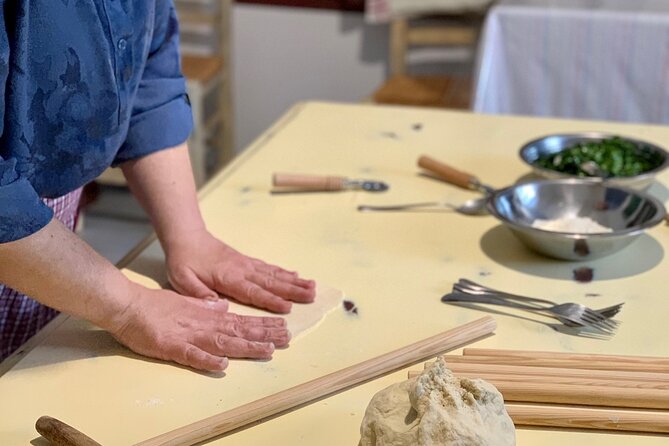
Before or during the cooking session, you get to know the family and see the small farm setting. This part gives the dishes a useful frame. Ingredients are not presented as anonymous items from a supermarket. The food is tied to the property and to the family’s way of preparing meals.
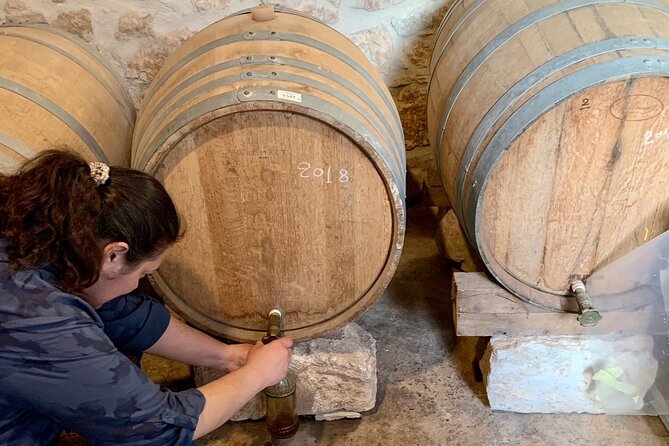
The experience includes an explanation of olive oil and the Cretan diet. You may also hear about the processes used to make the family’s olive oil and wine. That is one of the most valuable parts of the evening for me, because olive oil is not a minor garnish in Crete. It shapes the flavor and texture of many dishes, and understanding how it is produced helps you read the whole menu differently.
An olive oil tasting is included in the visit. It is a small detail, but a useful one. You can pay attention to the oil as a food in its own right, rather than treating it as something poured automatically into a pan or over a salad.
The farm visit also adds a sustainable side to the class. Much of the cooking uses ingredients from the property, and the hosts explain their practices. You should not expect a formal agricultural tour with a long technical presentation. The strength is the direct connection between the land, the family, and the meal.
Cooking boureki, gemista, and stifado
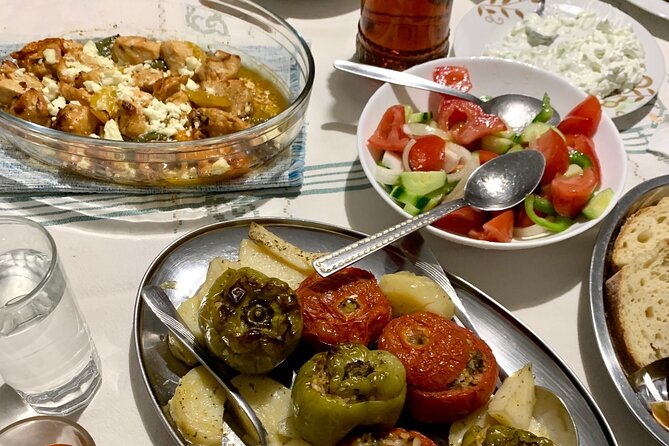
The main cooking work includes three hearty Cretan dishes. Boureki combines zucchini, potatoes, and cheese, then cooks in the oven. It shows how a few simple ingredients can form a satisfying centerpiece without complicated preparation.
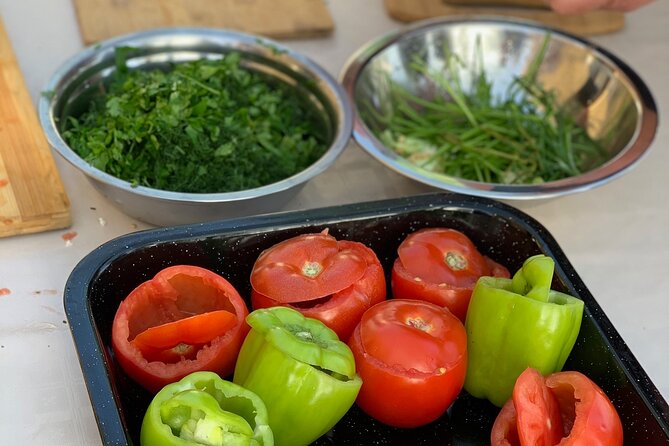
Gemista consists of stuffed tomatoes and peppers. This is a classic example of the Cretan habit of making vegetables the main event. You will see how the filling works with the shape and moisture of the vegetables, and the finished dish adds color and sweetness to the meal.
Stifado brings pork, onions, and tomato sauce to the table. Compared with the vegetable dishes, this is the richer main course. The large amount of onions is part of its character, giving the sauce body and a sweet edge as it cooks.
You will not prepare only one signature recipe. Instead, the class builds a whole table of food. That is a better fit if you want to understand how a Cretan meal works as a group of shared dishes, rather than learn a single item in isolation.
Because the available details do not give exact cooking times or the precise division of tasks, do not expect a formal lesson plan with a timed schedule for every recipe. The focus is on cooking together with the hosts and learning practical information along the way.
A few more cooking classes around Crete worth a look
- The Real Cretan Cooking Experience
★ 5.0 · 528 reviews - Moires: Cooking Class and Olive Oil Tasting at a Family Farm
★ 5.0 · 93 reviews - Crete: Sightseeing Day Trip with Cooking Lesson and Lunch
★ 4.8 · 77 reviews - Heraklion: Cretan Cooking Lesson with Lunch in Arolithos
★ 4.9 · 54 reviews
Filling vine leaves and preparing the starters
The starters make the meal feel distinctly Cretan. Ntolmadakia are vine leaves rolled around rice. They require a little care, since the leaves must hold their filling without breaking, but the technique is the sort of useful kitchen skill that can be repeated at home.
Dakos uses a rusk with local cheese and tomato. It is a good reminder that Cretan food does not need a long ingredient list. The rusk gives structure, while tomato, cheese, and olive oil carry the flavor.
Tzatziki adds a cool, creamy element to the table. The menu also includes kalitsounia with greens, small pastries that show another side of Cretan home cooking. These are not just decorative additions. Together, the starters give you a broad look at the island’s use of bread, grains, vegetables, dairy, and herbs.
The menu is substantial. You are not leaving after a small tasting, so arrive ready for a long meal. If you have allergies or strict dietary needs, contact the provider before booking. The supplied information does not promise substitutions or a specialized menu.
Ending with kalitsounia and a shared dinner
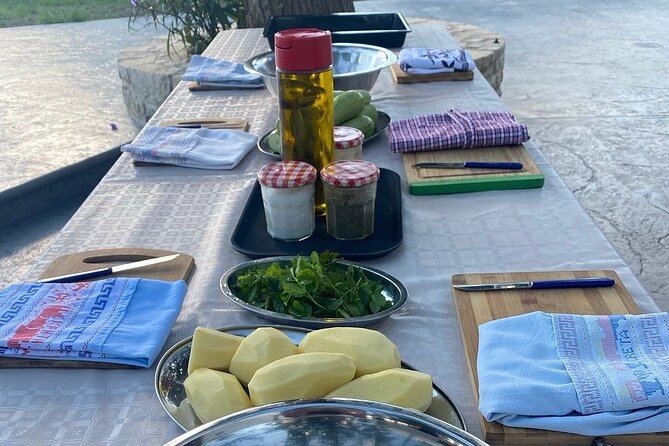
Dessert is kalitsounia, small cheese pastries served with honey. The same name also appears in the savory version with greens, so you get to see how one pastry tradition can move between sweet and savory preparations.
Once the dishes are ready, you sit down and eat what you made. This is the point where the class shifts from instruction to hospitality. You can talk with Eleni, Chrisoula, and the other people in the group while trying the food in the setting where it was prepared.
That shared table is a major reason to choose this activity over a standard restaurant meal. You get dinner, but you also learn how the dishes came together and hear about the family’s history and traditions. The evening is as social as it is culinary.
The format may not suit you if you prefer to eat privately or if you want a highly structured class with advanced chef instruction. It works best for someone who enjoys conversation, a family setting, and a meal that takes its time.
What the price includes in practical terms
The listed price is $132.17 per person. That is not a low-cost meal, but you are paying for more than dinner. The price covers an approximately five-hour activity with transport pickup offered, a farm visit, an olive oil tasting, instruction, several dishes, and the final meal.
The value is strongest if you would otherwise pay separately for a cooking class, an organized food experience, and a local dinner. You also get access to a family setting that is difficult to reproduce through a restaurant booking.
The value is weaker if your main goal is simply to eat Cretan food as cheaply as possible. A tavern meal will likely take less time and cost less. Here, the extra money buys context, participation, and personal contact with the hosts.
Group discounts are available. Since the class accepts up to 14 people, ask about the current group rate if you are booking with family or friends. The exact discount is not specified.
Who will enjoy this five-hour evening
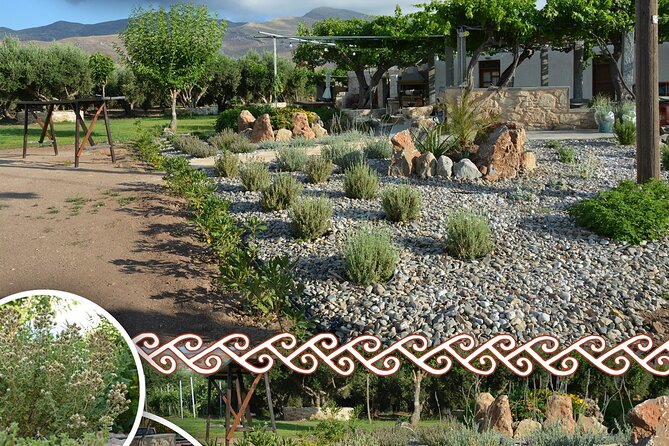
I would recommend this experience to you if you want food to be a way into local culture. It suits couples, families, and small groups who enjoy cooking together and sharing a long meal. It is also a good choice for anyone who wants to understand olive oil and the Cretan diet through actual food rather than a museum-style explanation.
The activity can work well for first-time visitors to Crete because the menu covers many familiar island staples in one sitting. You sample vegetables, rice, pork, cheese, tomato, rusks, vine leaves, pastries, honey, and olive oil. That gives you a broad first taste of Cretan home cooking.
You should think twice if you need a short activity, a guaranteed private class, or a menu tailored to dietary restrictions. The start time is fixed, the full program lasts about five hours, and the group can reach 14 people.
Service animals are allowed. The supplied information does not provide further accessibility details, so ask the provider about the farmhouse setting and transport if you have mobility concerns.
Booking, confirmation, and cancellation details
Confirmation is sent within 48 hours of booking, subject to availability. The activity is often booked well ahead, with an average booking time of 27 days before the date, so it makes sense to reserve early if the 4:30 pm schedule fits your plans.
You can cancel for a full refund up to 24 hours before the start time. Changes or cancellations made less than 24 hours before the activity are not accepted for a refund. Cutoff times use local time in Crete.
The experience requires a minimum number of participants. If that minimum is not reached and the activity is canceled, you are offered another date or experience, or a full refund.
Should you book Cretan Traditional Cooking Lessons?
Book it if you want a warm, food-centered evening with real participation. The combination of Eleni and Chrisoula, the farmhouse setting, farm ingredients, olive oil tasting, and shared dinner gives the class more character than a basic cooking demonstration.
The strongest reasons to go are the range of dishes and the family connection. You will prepare food that covers much of the Cretan table, then sit down and eat it with the people who taught you. That makes the $132.17 price easier to justify for someone who values local contact and a full evening activity.
Skip it if you want a fast lesson, a private chef, or a tightly timed professional kitchen session. For everyone else, especially food lovers staying near Chania, this is a thoughtful way to spend an evening and take home more than a recipe.
FAQ
Where does the cooking class take place?
The activity takes place at Metochi farmhouse in Trachilos, Chania 734 00, Greece.
What time does the experience start?
The start time is 4:30 pm.
How long does the cooking experience last?
It lasts approximately five hours.
Is hotel pickup available?
Yes. Pickup is offered in an air-conditioned vehicle. You should provide the name of your hotel or the address of your house so the provider can find the best pickup option.
Who leads the cooking experience?
Eleni and her mother, Chrisoula, host the experience at their family farmhouse.
What dishes will you prepare?
The menu includes boureki, gemista, stifado, ntolmadakia, tzatziki, kalitsounia, kalitsounia with greens, and dakos.
How many people can join the activity?
The maximum group size is 14 people.
Can I cancel for a full refund?
Yes. You can cancel at least 24 hours before the start time for a full refund. Cancellations or changes made less than 24 hours before the start time are not refunded.
Just added around Crete
- Authentic Cretan Cooking Class in Ozlem’s Home in Crete★ 5.0 · 11 reviews
- Cretan Delights – Wine, Olive Oil & Cooking Workshop from Chania★ 5.0 · 25 reviews
- Chania Area: Cooking Class at a Farm in Stylos Village (organic)★ 5.0 · 19 reviews
- Heraklion: Cretan private cooking lesson with lunch in Arolithos★ 5.0 · 12 reviews
- Greek Home Cooking Class at a Seaside Villa in Crete with Mary★ 4.5 · 5 reviews
- Cooking Lesson in Heraclion★ 5.0 · 32 reviews
- Cook with Locals | Cretan cooking Class at Archanes Village★ 4.5 · 25 reviews
- Cooking experience in the most beautiful garden near Rethymno★ 4.5 · 19 reviews
Cooking Classes, compared.
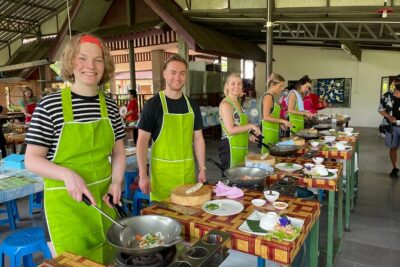
Half-Day Thai Cooking Class at Organic Farm in Chiang Mai
Read our review →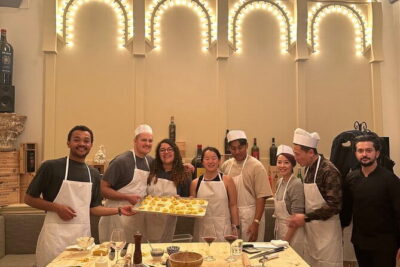
Florence: Pasta Cooking Class with Unlimited Wine
Read our review →
3 in 1 Cooking Class near Navona: Fettuccine, Ravioli & Tiramisu
Read our review →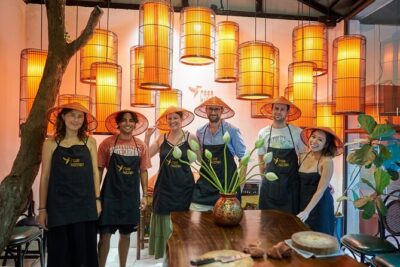
Hanoi Cooking Class: Culture, Local Market & Meaning CSR Impact
Read our review →
5 Traditional Dishes Hanoi Cooking Class with Market Trip
Read our review →
Cooking Class and Lunch at a Tuscan Farmhouse with Local Market Tour from Florence
Read our review →
Chiang Mai: Cooking Class, Market & Thai Herbs Garden Tour
Read our review →Browse the lists this tour appears in