
Review · MOROCCAN
Essaouira : Moroccan Cooking Workshop
The best part of this Essaouira cooking class is that it connects the souk to your plate. You begin with a guided walk through the food and spice market, then return to l’Atelier Essaouira to prepare a traditional Moroccan meal before sitting down to eat it.
I like the daily use of local, seasonal ingredients, and I like that you can often choose the dish that interests you, from a kefta tajine to seafood pastilla. The main consideration is timing: the class starts at 10:30 and finishes around 15:00, so it takes up most of your day and is not suitable for children under 12.
Key points
- A market visit comes first: Learn how spices and aromatics fit into Moroccan cooking before you start chopping and seasoning.
- Menus change daily: Seasonal produce and the fishermen’s catch can shape what you prepare.
- You make a full meal: The class includes a starter, a main dish, lunch, and drinks except alcohol.
- Small groups help: With no more than eight participants, you should have room to follow the cooking closely.
- Several languages are available: Instruction is offered in English, French, or Arabic.
- You leave with recipes: The recipes are available on the workshop’s website for cooking at home.
Why this class works better than a quick cooking demonstration
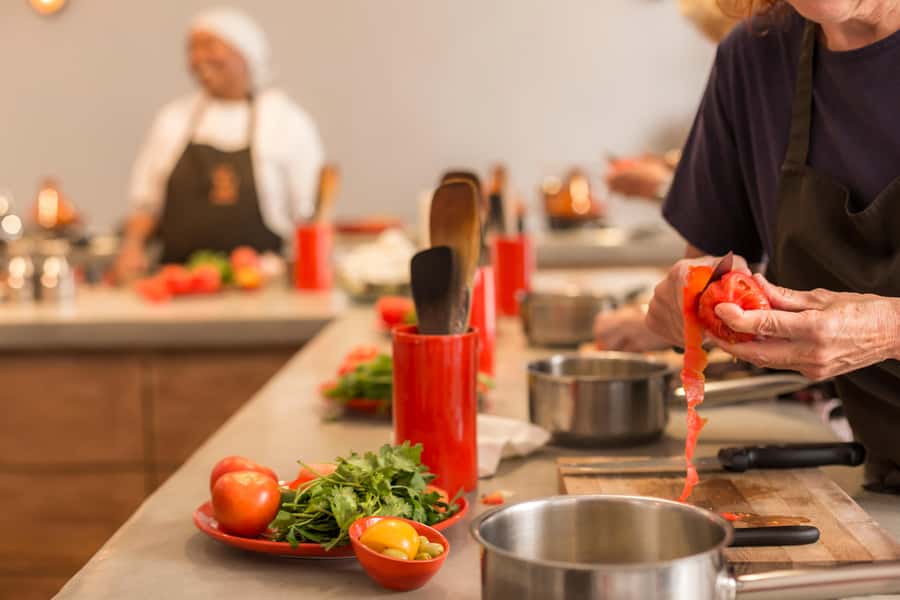
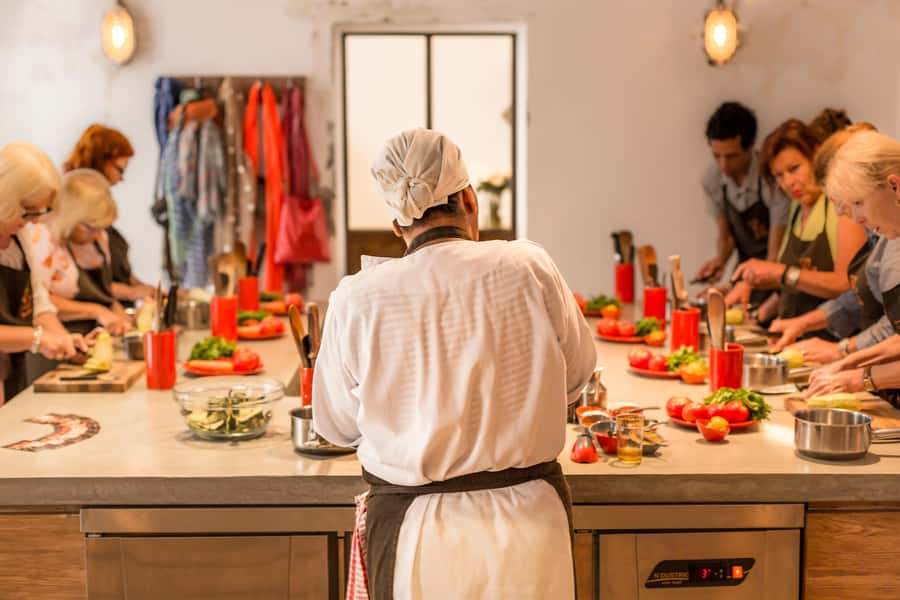
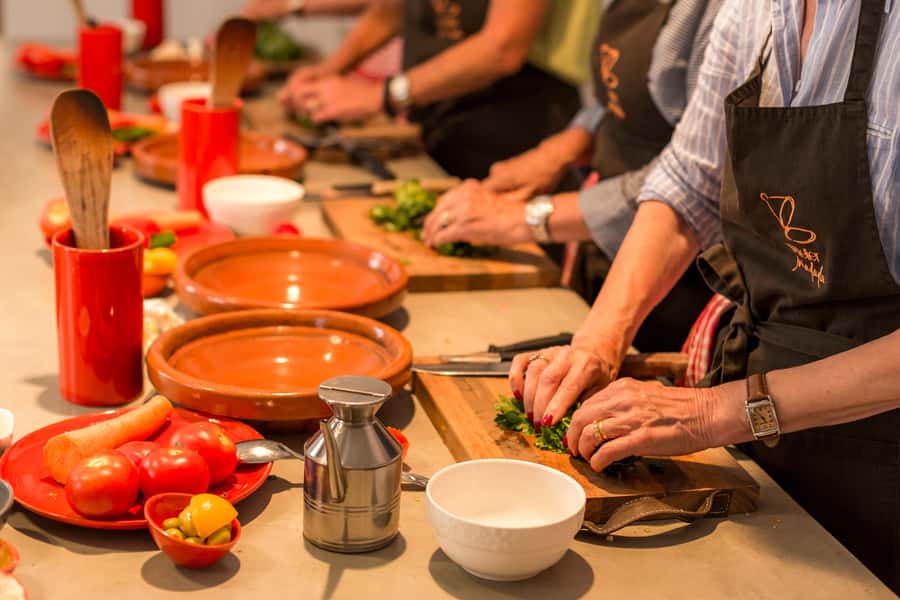
This is not simply a chef preparing food while you watch. You take part in making a traditional Moroccan meal, then eat the finished dishes in the café’s private dining room. That difference matters. You learn the basic method, see the ingredients before they are prepared, and taste the result while the process is still fresh.
The experience is based at l’Atelier Essaouira, a cooking school, café, and store. The setting has been described as clean, well prepared, and professional, with the kitchen arranged so you have the equipment needed to make your own tajines. That practical setup is useful if you want more than a pleasant lunch.
The class is limited to eight people. That is small enough to make questions possible, though the amount of hands-on time can still depend on the size of the group and the day’s menu. You should expect guidance rather than a private lesson.
More Moroccan Cooking Classes in Morocco:
- Marrakech: Moroccan Cooking Class with Pickup
★ 4.6 · 1,862 reviews - Marrakech: Traditional Moroccan Cooking Class & Market Visit
★ 4.8 · 1,861 reviews - Marrakesh: Moroccan Dishes Cooking Class with a Local Chef
★ 5.0 · 1,615 reviews
The souk visit puts the spices in context
The day begins at 10:30 with a stroll through the food and spice market. This is one of the smartest parts of the experience because Moroccan cooking can look spice-heavy on a menu without explaining how those flavors are used.
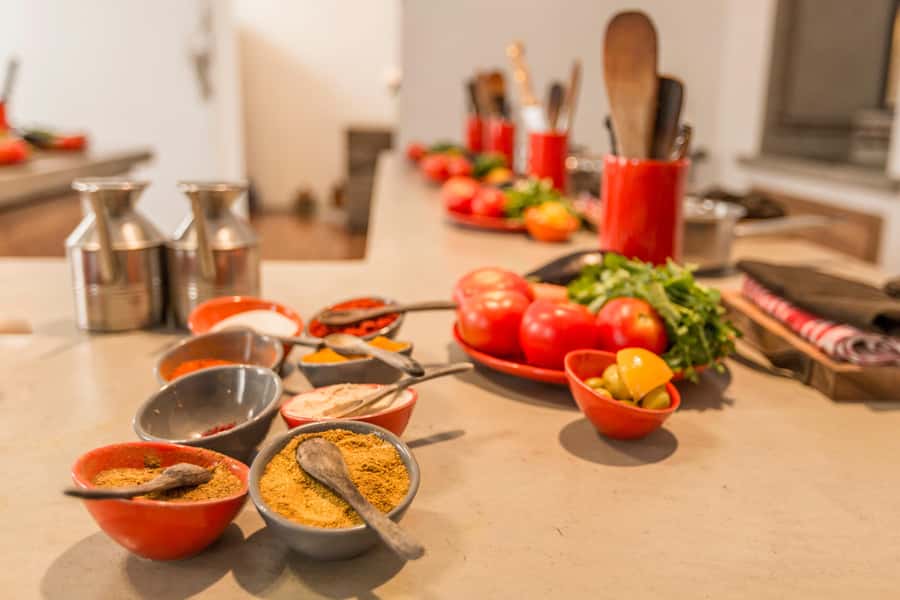
At the market, you discover the spices and aromatics that appear in the recipes. The visit may include a stop at an herbalist’s shop, where the range of herbs and spices is explained. You are not just handed a premixed blend and told to copy a recipe. You get some sense of the ingredients before they reach the cooking table.
This also gives you a useful introduction to Essaouira’s medina. The walk is tied directly to the meal, so it has a clear purpose rather than feeling like a separate sightseeing stop. If you have already spent time in the souk, the market portion may be familiar, but the food focus gives it a new angle.
One practical point: the class is held in Essaouira, not central Marrakesh, despite the wider Marrakesh-Safi regional designation. Hotel pickup is not included, so you need to arrange your own way to the workshop.
Choosing between zaalouk, harira, and briouates
The first part of the meal is a Moroccan starter. The possible choices cover cooked salads, soup, small pastries, and simple pulses. This lets you choose a dish that matches your interests, though the exact menu depends on the ingredients available that day.
Possible starters include:
- Zaalouk, a cooked eggplant salad
- Tchakchouka, a cooked pepper salad
- Harira soup
- Courgettes with chermoula
- Briouates
- Grated carrots with chermoula
- Lentil salad
- Bissara, a broad bean purée
- Marinated bean salad, a winter dish
- Bakkoula, a mallow salad that is also seasonal
These dishes are useful teaching choices because they show how Moroccan food builds flavor without relying on one large piece of meat. Zaalouk and tchakchouka focus on cooked vegetables and seasoning. Chermoula introduces a fresh herb and spice mixture that also appears with fish. Harira and bissara offer a look at Morocco’s soups and purées.
You can suggest what you would prefer to learn, but the kitchen may change the starter so the class works properly with the day’s ingredients. Seasonal choices are a benefit if you want food that reflects the time of year, but they also mean you should not arrive expecting one fixed menu.
Tajine choices cover both land and sea
The main dish is where the workshop offers its widest range. You might prepare a beef or lamb tajine with almonds and dates, caramelized carrots and tomatoes, apricots and dried figs, or seasonal fruit and vegetables. The apples and quinces option is associated with autumn, while peas and artichokes are listed as a winter choice.
Other meat options include kefta tajine with eggs and several chicken tajines. Chicken may be paired with olives and preserved lemons, caramelized carrots and tomatoes, or raisins and sweet onion. Each combination gives you a different lesson in the balance of salty, sweet, sharp, and savory flavors.
If you are interested in Morocco’s famous slow-cooked dishes, a tajine is the obvious choice. You prepare the ingredients, season them, and allow the covered dish to cook while the group continues with other parts of the experience. One professional class setup had all the needed equipment ready, which is reassuring if you have never used a tajine before.
The menu is not limited to meat. You may instead learn seven-vegetable and tfaya couscous, chicken pastilla, or chicken seffa with vermicelli. Pastilla and seffa offer a different texture and presentation from a tajine, so it is worth asking about these if you want something less familiar.
More Hands-On Workshops in Morocco:
- Moroccan Cooking Class & Marrakech Market Visit with Chef Khmisa
★ 5.0 · 1,504 reviews - Half-Day Cooking Class with Local Chef Laila in Marrakech
★ 5.0 · 952 reviews - Marrakech: Moroccan Cooking Class with a Local Family
★ 4.9 · 668 reviews - Marrakech: Moroccan Cuisine Cooking Class in Local Home
★ 4.8 · 508 reviews
Seafood makes this especially suited to Essaouira
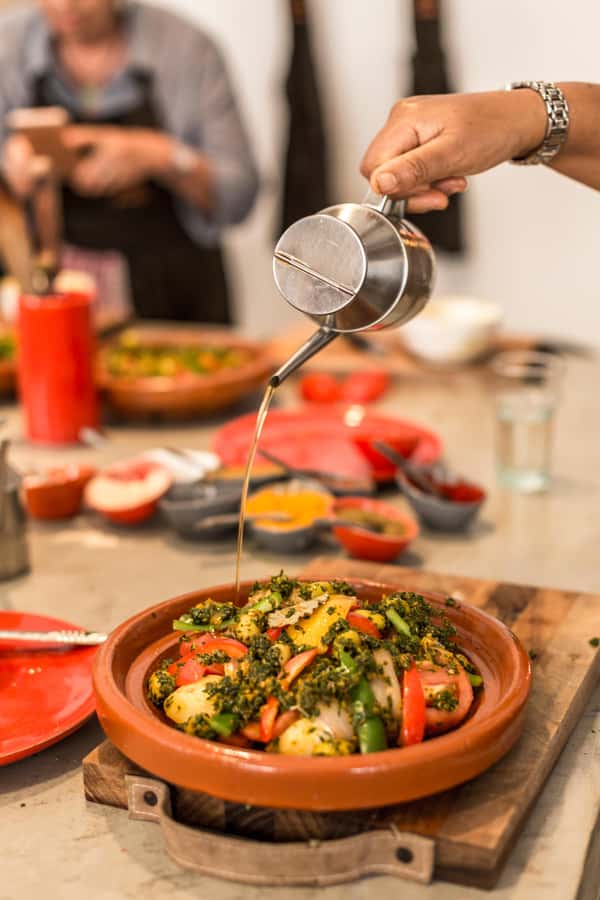
Essaouira’s coastal setting shows up in the seafood options. Depending on the catch, the workshop may prepare sea bream and vegetable tajine, a Souiri tajine with sardine balls, squid tajine, or seafood pastilla.
These dishes are marked as seasonal or dependent on what fishermen bring in. That uncertainty is worth accepting here. A fixed seafood menu would be easier to advertise, but a catch-based choice connects the class more closely to local food conditions.
A fish tajine is also a good option if you have already eaten several meat tajines in Morocco. It introduces the same cooking tradition through a coastal ingredient. One especially well-received session included a fish tajine and a spice-shop visit, with the dish cooking while the group explored the market. That sequence makes good use of the waiting time.
If you strongly want one particular seafood dish, ask when booking or at the start of the class. The options are not guaranteed every day.
Cooking lasts two and a half to three hours
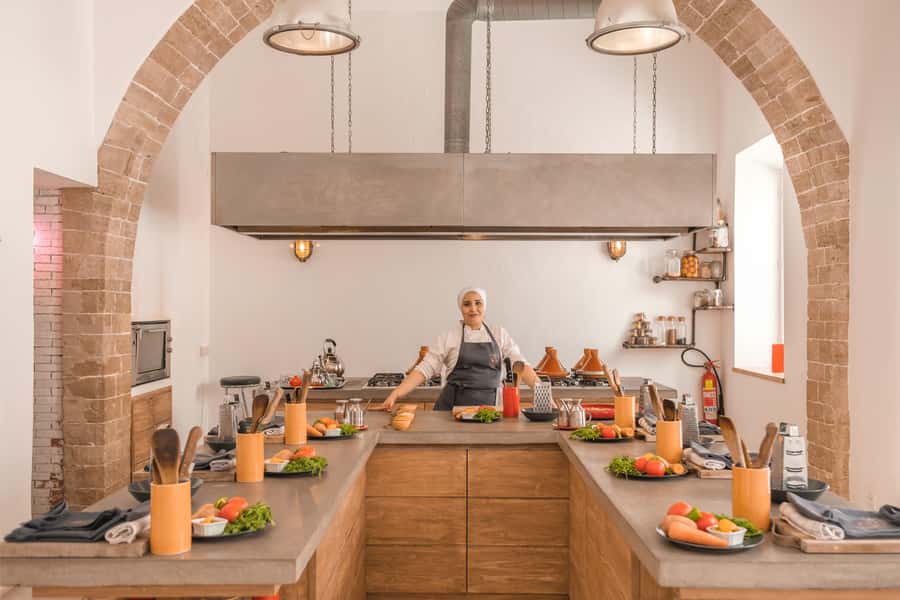
The hands-on course takes about two and a half to three hours, followed by lunch. The full experience finishes at approximately 15:00. That makes it a substantial half-day activity, not a quick morning lesson squeezed between sightseeing stops.
The pace should give you time to understand the steps rather than rush through a recipe. You can expect the cooking to cover the selected starter and main dish, with the market visit forming part of the larger food lesson. The exact rhythm will depend on what the group prepares and how long the dishes need to cook.
The cooking space is described as professional, clean, and well organized. That matters more than flashy decoration. You want clear work surfaces, suitable utensils, and a place where you can follow the instructor without guessing what to do next.
Instruction is available in English, French, and Arabic. Since no individual instructor names are provided, you should judge the class by the language you select and confirm any specific communication needs before arrival.
Lunch is part of the price, not an extra stop
Once the food is ready, you eat in the café’s private dining room. This is a comfortable finish because you are not sent elsewhere to find lunch after doing the work.
The price is listed as $68 per person, with the local price given as 600 Moroccan dirhams. Exchange rates can change, so check the amount shown at booking. The fee includes the cooking course, the market tour, lunch, and all drinks except alcohol.
For the price, I see reasonable value if you want a complete food activity. A separate market walk, cooking class, and lunch could easily take more planning, and here they are tied together in one four-hour program. The value is weaker if you only want a short demonstration or if you do not care about cooking your own meal.
The private dining room also gives the class a clear payoff. You sit down with the food you helped prepare, rather than leaving with only notes and a small sample.
What the changing menu means for you
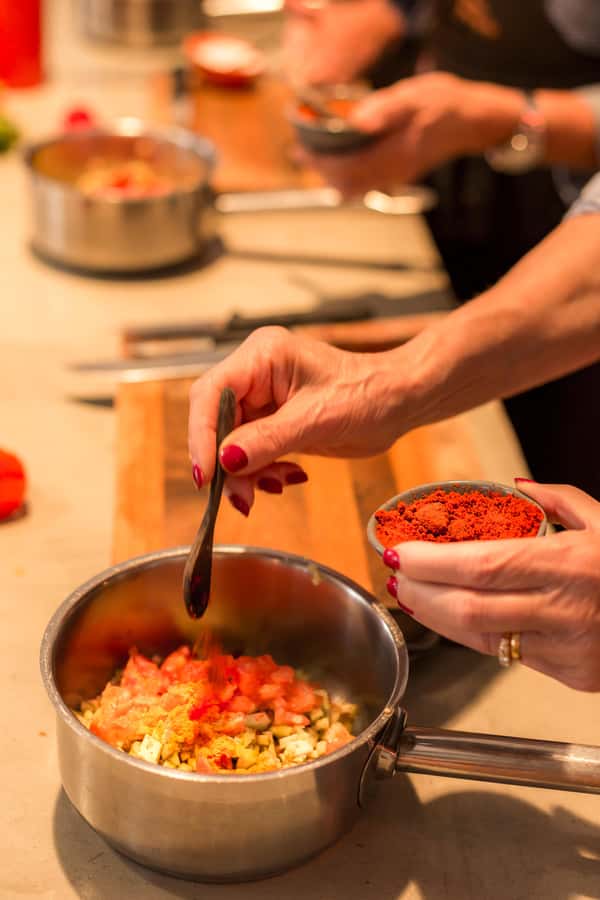
The daily menu is a strength, but it requires a flexible attitude. The workshop uses local and seasonal products, so the exact dishes can change. Fruit-based tajines, winter vegetables, mallow, some seafood, and certain bean salads are not available all year.
You can send a preferred dish from the menu list, and the team will try to shape the class around what interests you. Still, a request is not a promise. Ingredient availability and the needs of the class may lead to a different starter or main dish.
I would choose a broad preference instead of one rigid demand. For example, ask for a seafood dish, a tajine, or a pastry if that is what you want to learn. This gives the kitchen some room to work with the market.
The recipes are available on the workshop’s website after you return home. That is a small but important benefit. You can repeat the dish later instead of relying on memory, especially for spice amounts and cooking times.
Who should book this Essaouira cooking workshop
I would recommend this class if you enjoy food, want a structured introduction to Moroccan cooking, or prefer an activity that combines local shopping with a meal. It also suits you if you want to understand more than the standard tourist menu of couscous and tajine.
The small group is helpful for solo visitors, couples, and friends who want some personal instruction without paying for a private class. The range of languages makes it easier to follow, and the food choices offer room for different interests.
The class is less suitable if you have only a short time in Essaouira, dislike changing menus, or want a child-friendly activity. Children under 12 are not accepted. It is also not a good choice if you need hotel pickup, since transportation is not included.
The four-hour timing deserves attention. Starting at 10:30 and ending around 15:00 means you should avoid booking another fixed activity too close to it. You will want enough time to enjoy lunch rather than watch the clock.
Final call: book it if food is part of your trip
Book this workshop if you want a practical, small-group food experience with a real connection to Essaouira’s market. The strongest features are the guided spice tour, the seasonal menu, the professional cooking space, and the chance to eat a full meal you helped prepare.
I would be comfortable recommending it at the listed price for anyone who values instruction and local ingredients. Just keep your menu choice flexible, arrange your own transport, and plan around the 10:30 to 15:00 schedule. If those details fit your day, this is a useful and tasty way to understand Moroccan cooking from market stall to dining table.
FAQ
Where does the Moroccan cooking workshop take place?
The workshop takes place in Essaouira, in Morocco’s Marrakesh-Safi region, at l’Atelier Essaouira.
What time does the class start and finish?
The course starts at 10:30 in the morning and the full experience finishes at approximately 15:00. The cooking portion lasts around two and a half to three hours, followed by lunch.
What is included in the price?
The price includes the cooking course, the guided food and spice market tour, lunch, and all drinks except alcohol.
Which languages are available?
Instruction is available in English, French, and Arabic.
Can I choose the dish I learn?
You can indicate which dishes interest you from the listed menu. The starter may be changed, and seasonal ingredients or the fishermen’s catch can affect the final menu.
Are children allowed to join?
The activity is not suitable for children under 12 years old.
Just added around Morocco
- Private Moroccan Cooking Class in Casablanca with a Local Expert★ 5.0 · 12 reviews
- cooking with rabab Tagahzout★ 5.0 · 11 reviews
- Moroccan Cooking Class and Eco-Farm Visit – Full day★ 5.0 · 13 reviews
- Cooking the Moroccan Way, Tamraght★ 5.0 · 37 reviews
- Agadir Cooking Class with Locals★ 4.5 · 6 reviews
- Agadir Cooking class (tajin+msemen+thé)with 1h camel ride★ 5.0 · 8 reviews
- Cooking Class and 2 hours Camel Ride★ 5.0 · 7 reviews
- Taghazout: Authentic Moroccan Botanical Garden Cooking Class★ 4.1 · 5 reviews
Moroccan Cooking Classes, compared.
Marrakech: Moroccan Cooking Class with Pickup
Read our review →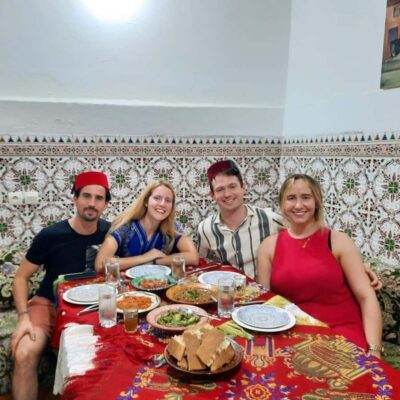
Marrakech: Traditional Moroccan Cooking Class & Market Visit
Read our review →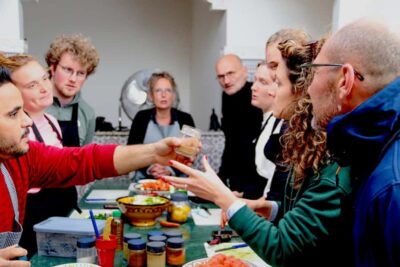
Marrakesh: Moroccan Dishes Cooking Class with a Local Chef
Read our review →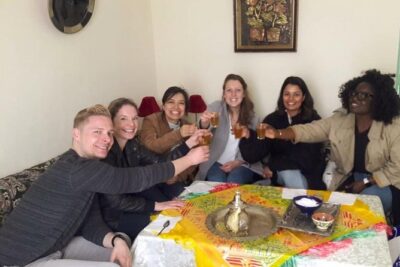
Moroccan Cooking Class & Marrakech Market Visit with Chef Khmisa
Read our review →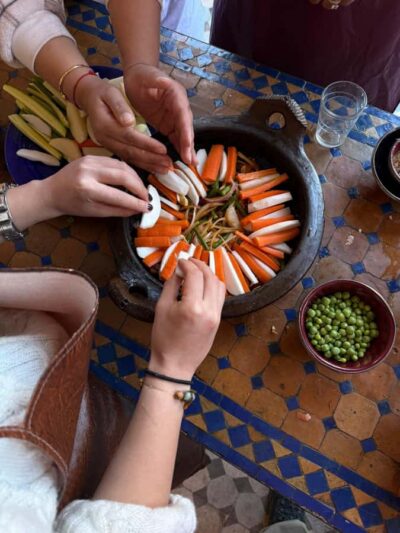
Marrakech: Moroccan Cooking Class with a Local Family
Read our review →
Marrakech: Moroccan Cuisine Cooking Class in Local Home
Read our review →
Marrakech: Moroccan Cooking Workshop at La Maison Arabe
Read our review →
Marrakech: Tajine Cooking Class in a Traditional Riad
Read our review →Browse the lists this tour appears in