
Review · PARIS
French Baking Class in a Local Montmartre Bakery
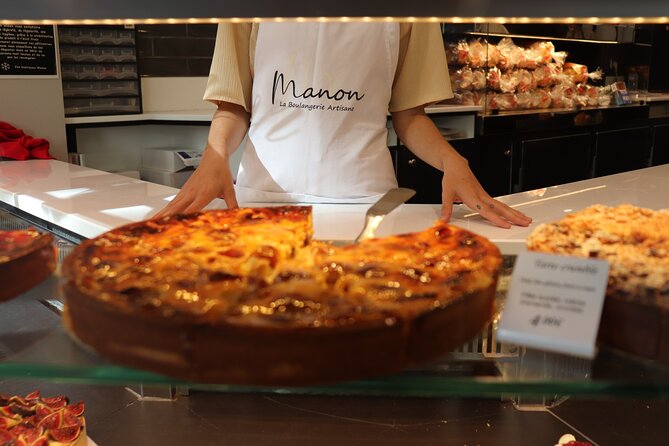
The best part of this Montmartre class is that you work inside a real neighborhood bakery, not a polished cooking school. You shape baguettes and croissants, help prepare financiers, and watch fresh bread come from the oven. I like the small maximum of six people, and I like that your work ends with food to take home.
I also like the practical French food lesson. You hear how a working boulangerie operates, learn why shaping matters, and get recipes and techniques to repeat at home. The trade-off is space: the bakery area is tight, and the dough for the main bread has already been mixed, kneaded, and proofed.
- Working Montmartre bakery: You learn amid the daily production of a bakery that makes about 600 baguettes a day.
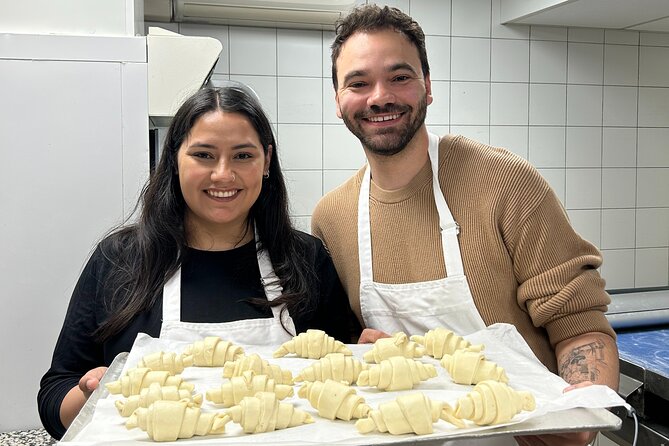
- Hands-on shaping: Expect to shape baguettes and croissants rather than simply watch a demonstration.
- Financiers included: You prepare these small French cakes and taste them fresh.
- Small group setting: The stated maximum is six people, though a smaller class gives you more room and attention.
- Fresh food to take home: Croissants and baguette are included, with financiers sometimes added depending on the session.
- Plan for flour and tight quarters: Wear layers, with a short-sleeved shirt underneath, and do not expect a large classroom or guaranteed restroom access.
A Working Bakery Instead of a Cooking School
Your meeting point is Bistrot baguette at 22 Rue Caulaincourt in the 18th arrondissement. This puts you in Montmartre, but the focus here is not a sightseeing walk up to Sacré-Cœur. You are meeting at a functioning bakery and heading into the production side of the business.
That distinction matters. A school kitchen would give you more space, cleaner workstations, and a setup designed for teaching. Here, you get the hum of a bakery that is making bread for its own customers. You may see the tools, pace, and constraints of a real shop rather than a staged lesson.
I find that setting far more useful if you want to understand French baking as daily work. The bakery produces around 600 baguettes each day, so the class takes place in a business with a genuine production rhythm. The downside is clear: the baking area is small, and you should not expect every person to have a full workbench.
The activity ends back at the meeting point. It is near public transportation, which makes it practical to pair with another Montmartre outing, though the baking itself is the reason to come.
What Happens During the 90-Minute Class
The listed duration is about one hour and 30 minutes. One account describes a session lasting closer to two hours, so allow some flexibility rather than scheduling a tight connection immediately afterward. The pace can also depend on the group size and how much time goes to questions.
Your instructor explains French bread and pastry traditions, the bakery’s work, and the role of items such as baguettes, croissants, and financiers. David has been especially good at answering detailed questions and explaining the background of each item. Igor has also led sessions, bringing a humorous, family-friendly tone.
The teaching style includes a fair amount of talking. That is a benefit if you want context about French baking, but it may frustrate you if you expect nonstop work with dough. One poorly organized session ran short on time and produced only two of the three expected pastries. For that reason, I would treat the class as a combination of demonstration, baking practice, and food culture lesson, not as a full professional pastry course.
You should receive guidance throughout, with time to ask questions. The group limit of six is important here. With six people, the space will feel close, but it gives the instructor a workable number of hands to supervise. If your group is smaller, you are more likely to get repeated turns and direct help.
More Baking Classes in France
- Paris Croissant Small-Group Baking Class with a Chef
★ 5.0 · 910 reviews - Paris: French Croissant Baking Class with a Chef
★ 4.9 · 712 reviews - Paris: Baking Insider Experience
★ 4.7 · 397 reviews
Baguettes, Croissants, and the Dough You Do Not Knead
The hands-on work is real, but it has a specific focus. The dough used for the baguette has already been mixed, kneaded, and proofed before you arrive. You will not learn the complete process from flour and water through fermentation.
Instead, you work on shaping. That may sound like a small detail, but shaping is a key part of a baguette’s final form. You learn how to handle the dough without flattening it, form a demi-baguette, and prepare it for baking. You also shape croissants under instruction.
This makes the workshop suitable for a first introduction, especially if you want to gain confidence with French forms and techniques. If your main goal is to master yeast ratios, kneading, proofing, or fermentation schedules, the class will not cover enough of those steps on its own.
The baking environment helps put the work in context. You are not shaping dough in isolation. You can see how the bread fits into a shop that turns out hundreds of baguettes, and you get a better sense of why professional bakers prepare much of the dough before a teaching session begins.
At some point, the shaped food goes into the bakery’s oven. A hot baguette fresh from the oven is one of the simple pleasures of the class. You are not only learning a shape from a photograph. You see the result, taste it, and compare the finished item with the dough you handled.
Making Financiers, the Small French Cakes
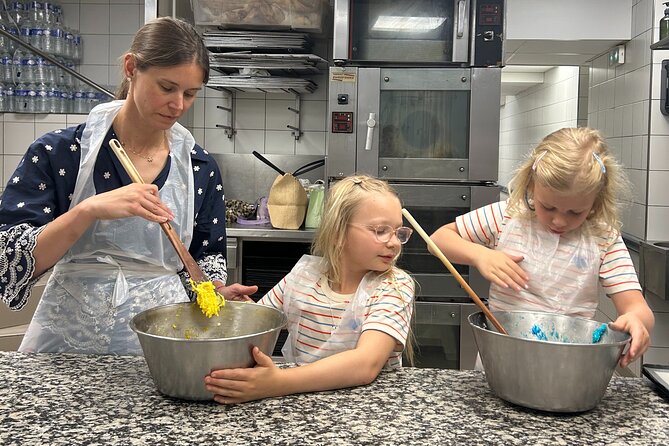
The financiers may be the most complete baking project in the session. Unlike the baguette dough, the financiers are prepared during the class, giving you a closer look at the process from mixture to finished cake.
A financier is a small French cake, traditionally associated with almond flour and a compact, tender texture. The class uses these little cakes to show a different side of French baking. The baguette calls for handling and shaping, while the financier gives you a chance to make a sweet item from its ingredients.
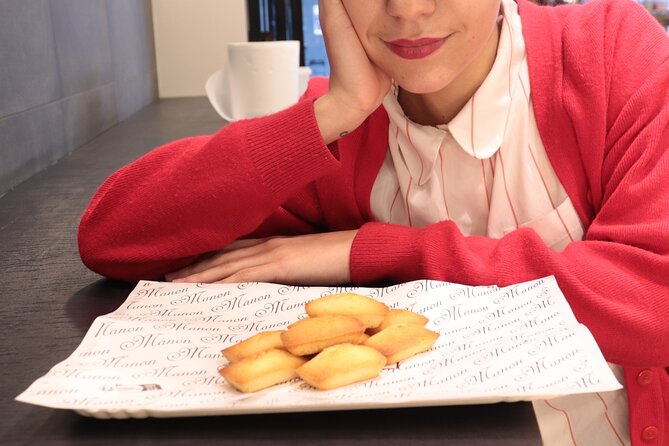
The finished financiers have received particular praise for their flavor. You can eat them during the class, and depending on the group and production, you may leave with a bag of them along with the bread.
Be aware of the almond issue if you have allergies or dietary restrictions. French pastry often depends heavily on almond flour. An alternative has been prepared for at least one participant, but it was not enjoyed, and communication about the allergy was not handled well. Contact the provider before booking and make your needs clear, but do not assume that every substitution will work or that the bakery can meet all dietary requirements.
Tasting Fresh Bread and Taking Food Home
The tasting element is modest but worthwhile. You will sample classic breads and cakes, including a piece of baguette, financiers, and items made during the workshop. The baguette tasting may be a small piece of bread baked earlier, rather than a large bakery tasting spread.
The strongest food moment comes when the hot baguette leaves the oven. Fresh bread needs no sales pitch. It is warm, crisp, and difficult to keep intact while walking back to the Metro.
The included take-home food is croissants and baguette. Some sessions also produce enough financiers for participants to take a bag home. The exact amount can depend on how many people attend and how much is made.
Bring a bag with room for baked goods. This is not just a cute souvenir. A fresh baguette is long, delicate, and awkward to carry through the rest of your day. If you plan to visit museums or climb Montmartre’s hills afterward, you may want to return to your lodging first.
More Baking Classes in Paris
- Paris Macarons Small-Group Baking Class with a Chef
★ 5.0 · 316 reviews - Paris: Macaron Baking Class for Families and Kids
★ 4.7 · 270 reviews - Paris: Macaron Baking Class in Central Paris
★ 5.0 · 208 reviews - Paris Baking Insider Experience near Notre-Dame
★ 5.0 · 206 reviews
The Small Group Question
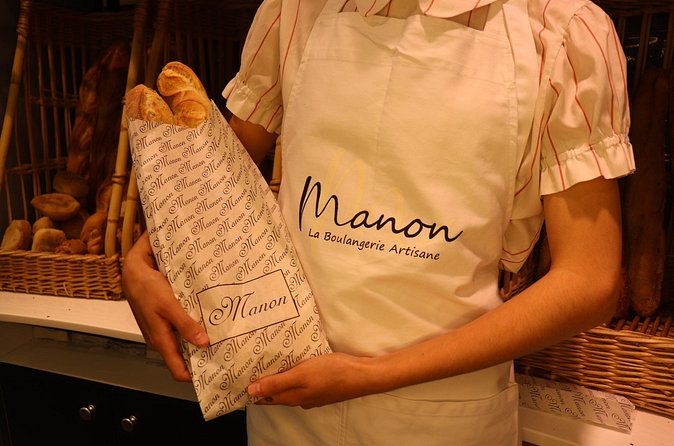
The class has a maximum of six people, but the room can feel crowded even before it reaches that number. A working bakery is not designed like a classroom, and there may not be enough room for everyone to work at once with complete freedom.
I would book this more confidently for one or two people than for a full group of six. A couple who attended with no other participants had more turns, more space, and plenty of time for questions. They also left with a generous amount of baked food.
With a larger group, you may need to share work areas and take turns. That does not cancel out the value of the class, but it changes the experience. You are paying for access to a real bakery and an instructor, not for a private workstation.
The small-group format also makes the instructor’s personality matter. David has been described as patient and willing to explain details. Igor has been warm and funny with families. Since guides can vary, your class may feel more lecture-based or more playful.
What to Wear and What to Expect in the Room
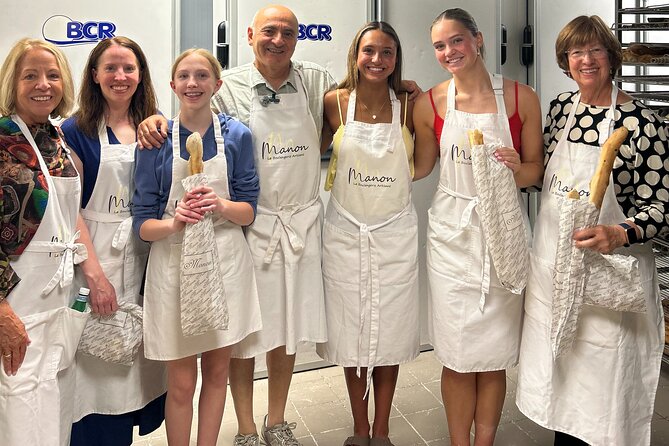
Wear clothes you do not mind covering with flour. Layers are helpful, with a short-sleeved shirt underneath, since the bakery can be warm and you may need to move around while working.
The space is below street level or partly below floor level in at least one session, and it is notably compact. A restroom was temporarily unavailable during one class because of a technical problem. That may not be a permanent condition, but I would use a bathroom before the activity and avoid assuming facilities will be available during the lesson.
This is also not the right pick if you need a highly controlled environment. You are working around a functioning bakery, its equipment, and its daily demands. The setting gives the activity character, but it also brings noise, limited room, and less control than you would find in a dedicated school kitchen.
Is $114.89 a Fair Price?
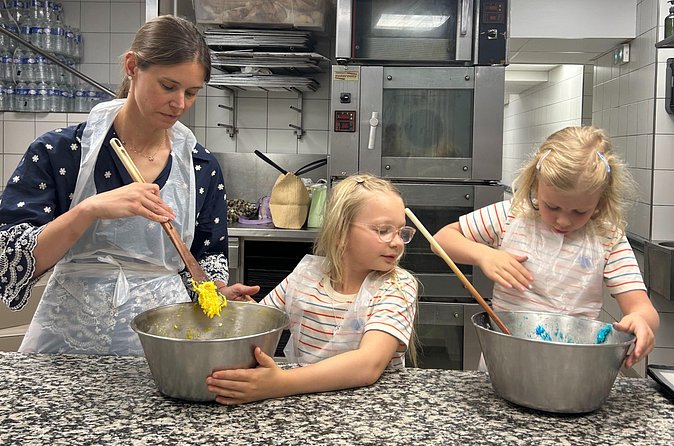
At $114.89 per person, this is not a cheap pastry tasting. The value depends on what you want from the hour and a half.
If you want a full technical course with every dough made from the beginning, the price will feel high. You do not knead and proof the baguette dough yourself, and the amount of individual workspace may be limited.
If you value the setting, instructor access, fresh food, and a small group, the price is easier to defend. You are getting a working bakery visit, instruction on baguette and croissant shaping, a financier activity, tastings, and food to take home. You also get a personal connection to French baking that a standard bakery visit cannot provide.
The experience is best value for someone who would otherwise spend money on a food tour or baking demonstration and wants to participate rather than only watch. It is less compelling for a serious home baker who needs detailed instruction on fermentation, dough temperature, or recipe scaling.
The very high 4.9 rating from 116 reviews and 97 percent recommendation suggest that the format works well for most people. Still, the less positive experiences point to real risks: late starts, changes in timing or location, unclear allergy handling, a small room, and less hands-on time than expected.
Who Should Book This Class?
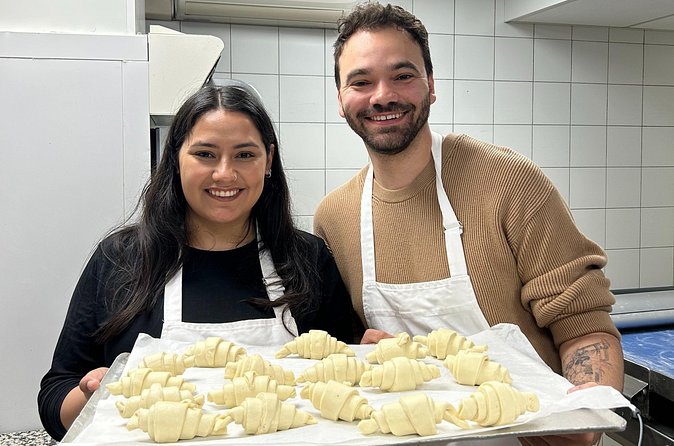
I would recommend it to families, couples, and curious first-time bakers who want an informal look at French bakery work. Children and adults can take part, and the activity gives everyone something physical to do.
It also suits visitors who care more about local food culture than polished presentation. The bakery’s daily output, compact workspace, and working rhythm are part of the lesson.
You may want to skip it if you dislike cramped spaces, need firm timing, or have serious dietary restrictions. You should also choose another class if kneading, proofing, and making every recipe from the first ingredient are your main goals.
Book at least a little ahead if your dates are fixed. The activity is often reserved about 48 days in advance, and the six-person limit keeps the supply of places small. Free cancellation is available if you cancel at least 24 hours before the start time. Changes or cancellations inside that window are not refunded.
My Take: A Good Fit for Hands-On Food Lovers
I would book this class if I wanted a short, genuine bakery experience in Montmartre and did not need a formal pastry-school setup. The strongest reasons are the working bakery, the chance to shape baguettes and croissants, the financiers, and the food you carry home.
Go in with the right expectations. You are not learning every stage of bread production, and the room may be tight. You are getting a lively introduction to French baking, guided by an instructor such as David or Igor, with enough practical work to continue at home.
If that sounds like your kind of Paris activity, the price is reasonable for the access and food. Wear washable clothes, allow extra time, clarify allergies before booking, and be ready to leave with flour on your sleeves and a baguette under your arm.
FAQ
Where does the French baking class begin?
It begins at Bistrot baguette, 22 Rue Caulaincourt, 75018 Paris, France.
Where does the activity end?
The class ends back at the meeting point.
How long does the baking class last?
The listed duration is approximately one hour and 30 minutes. One session was described as lasting about two hours, so allow some extra flexibility.
What foods will I work with?
You can expect to work with baguettes, croissants, and financiers. The baguette dough has already been mixed, kneaded, and proofed, so the main bread activity focuses on shaping.
What food is included to take home?
Croissants and baguette are included to take home. Financiers may also be available to take home, depending on the session.
How many people can join?
The stated maximum is six travelers.
Can I cancel for a full refund?
Yes. You can cancel at least 24 hours before the experience start time for a full refund. Cancellations or changes made less than 24 hours in advance are not refunded.
More Hands-On Workshops in Paris
- Paris Cooking Class and Lunch with Wine plus Market Visit Option
★ 5.0 · 1,024 reviews - Paris Cooking Class: Learn How to Make Macarons
★ 5.0 · 634 reviews - Paris: French Macaron Culinary Class with a Chef
★ 4.9 · 591 reviews - Paris Evening Cooking Class French Dinner and Market Visit Option
★ 5.0 · 430 reviews
Just added around Paris
- Private French Home Cooking Class in Paris with Local Chef Ioana★ 5.0 · 3 reviews
- Hands-On Cooking Class in the Heart of Les Batignolles, Paris★ 5.0 · 90 reviews
- Private Market Tour and Classic French Cooking Class in Paris★ 5.0 · 7 reviews
- French Cooking Class & Château Tour near Paris with Caroline★ 5.0 · 5 reviews
- Paris Small Group French Christmas Cooking Class★ 5.0 · 4 reviews
- Macaron Baking Class – near Eiffel Tower★ 5.0 · 10 reviews
- Croissants Baking Class near Eiffel Tower★ 4.5 · 6 reviews
- Paris French Macarons Small Group Baking Class with a Chef★ 5.0 · 130 reviews
Baking & Bread Classes, compared.
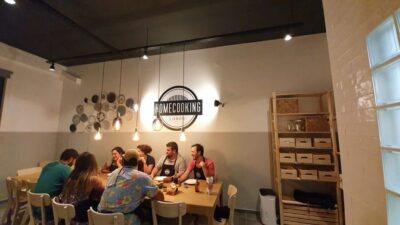

Group Tour: Garni, Symphony of Stones, Geghard, Lavash Baking
Read our review →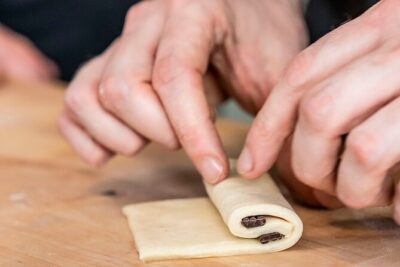
Paris Croissant Small-Group Baking Class with a Chef
Read our review →
Garni & Geghard Small-Group Day Trip with Lavash Baking
Read our review →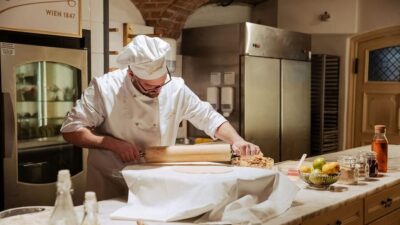
Vienna: Gerstner KuK Hofzuckerbäcker Baking Show & Tasting
Read our review →
Yerevan: Garni, Geghard, Symphony of Stones & Lavash Baking
Read our review →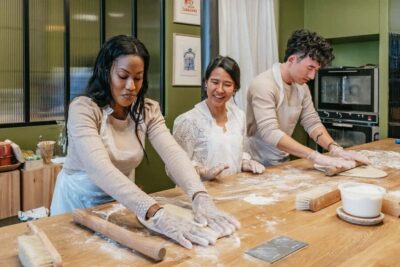
Paris: French Croissant Baking Class with a Chef
Read our review →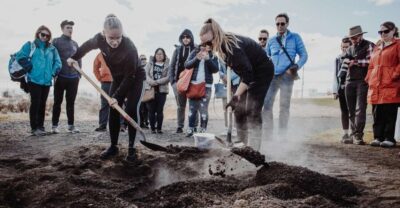
Laugarvatn Fontana: Geothermal Bread-Baking Experience
Read our review →Browse the lists this tour appears in