
Review · HO CHI MINH CITY
Ho Chi Minh: Local Cooking Class At Auntie’s Home
The best part of this four-hour experience is not simply the cooking. You walk through District 6 back alleys, shop in a market used by local residents, then enter Auntie Tu’s ordinary home kitchen to prepare lunch. It gives you a look at daily Saigon life that a restaurant class in the center cannot provide.
I like the market visit and the chance to cook nearly half the meal yourself. I also like the personal scale: guides such as Bao and Kevin explain food and customs in English, while Auntie Tu teaches from her own kitchen. The main drawback is that the setting is basic, and the narrow streets, scooter rides, heat, and limited space may not suit everyone.
Key points to know before booking
- You leave the tourist center: The experience takes place in District 6, with pickups available in Districts 1, 3, 4, and 5.
- The market is part of the lesson: You help shop for ingredients and learn useful Vietnamese words connected with daily food buying.
- Auntie Tu teaches in her own home: This is a working local kitchen, not a purpose-built cooking school.
- You prepare five dishes: The standard menu includes meat, fish, egg, garlic spinach, and sour soup, with a separate vegetarian menu.
- Transport may be by scooter: Small bookings of one or two people may involve riding behind the guide, so ask about arrangements if this concerns you.
- The meal is the payoff: You eat the food you helped prepare, and recipes and photos may be sent afterward.
Why this cooking class feels different from a central Saigon food tour
Many cooking classes in Ho Chi Minh City are built for visitors. They may have polished kitchens, fixed workstations, and a carefully staged market visit. This experience takes another route. You travel away from the central districts and spend time in a residential part of the city where daily errands continue around you.
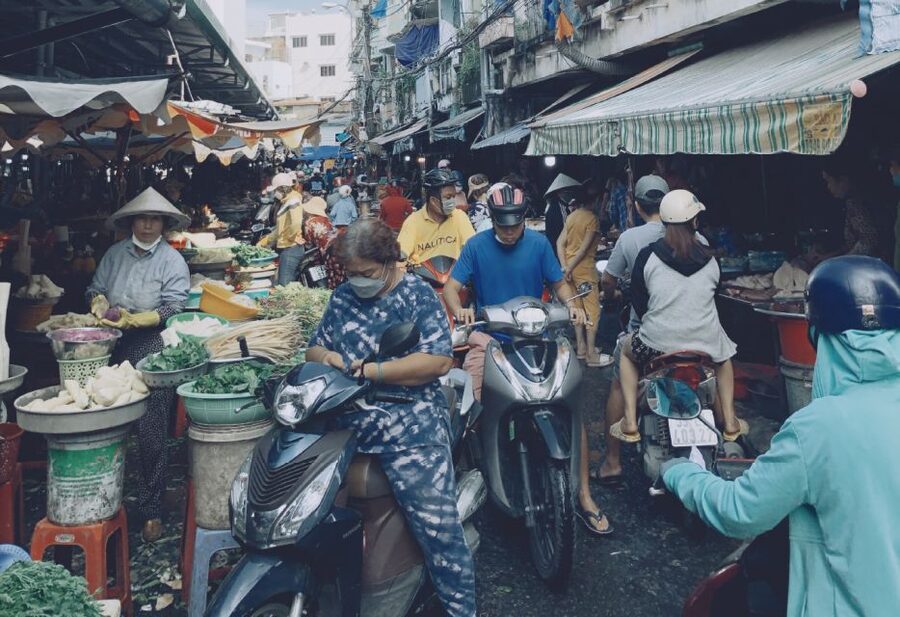
The walk through the back alleys is a key part of the experience. You see people moving through narrow lanes, carrying groceries, preparing food, and handling ordinary tasks. The alleys are not presented as a grand attraction. That is precisely their value. You get a closer look at how a neighborhood works.
The pace also matters. You are not rushing from one famous sight to another. The guide has time to explain ingredients, food customs, and local routines. Bao is praised for explaining Vietnamese food and culture clearly, while Kevin is noted for answering questions about customs and traditions in strong English.
This is best understood as a food and neighborhood experience together. If you want a formal cooking school with professional equipment, this may feel too informal. If you want to see how a Vietnamese family kitchen works, the plain setting is a major advantage.
More Hands-On Workshops in Ho Chi Minh City:
- Cai Be Mekong Delta Tour: Cooking Class, Cycling & Craft Villages
★ 5.0 · 1,881 reviews - Chef Vu Cooking Class Plus Market Trip in Saigon Center (Pick up by Cyclo)
★ 5.0 · 477 reviews - Immersive Cooking Class & Market Tour By Local Chef+Cookbook
★ 4.8 · 426 reviews
Walking from the alleys to the local market
The experience begins with pickup from District 1, 3, 4, or 5, depending on the arrangement. From there, private transportation takes you toward the local area in District 6. The exact start time varies, so you need to check availability when booking.
The walk itself is not filler. You move through narrow back lanes and watch the neighborhood at close range. You may find the route more interesting than a standard sightseeing loop because it focuses on small details rather than monuments. The guide can explain what you are seeing and help connect it to Vietnamese food and home life.
The route leads to the market identified in the schedule as Bình Tây Market. The description also refers to a local wet market, where residents buy produce, meat, fish, and other cooking supplies. You see the colors, sounds, and quick exchanges of a working food market, then use the visit to gather ingredients for the class.
One useful feature is the language element. You learn Vietnamese words connected with grocery shopping, which gives the market visit a practical purpose. You are not just looking at food. You are learning how an everyday purchase is made.
Wear covered shoes for this part. One person specifically advised against open footwear, and that is sensible for a market and alley walk. Sunglasses and sunscreen are also listed as useful items. A conical hat is provided while walking in the sun, which is a nice practical touch.
The market can feel crowded and energetic. That is part of its character, but it can also be tiring in heat or rain. The walk may be difficult for anyone who needs smooth, wide paths, and the activity is not suitable for wheelchair users.
Riding through Saigon traffic
Transportation deserves a clear note because the experience may include scooters. When only one or two people take part, guides may collect you by motorbike and drive you through the city. That ride can be an exciting part of the day, especially if you want to experience Saigon traffic from street level.
It can also be a concern. You are riding as a passenger in busy city conditions, and rain may occur. One participant described a rainy return ride as part of the adventure, but you should decide for yourself if that kind of transport suits you.
The supplied details also describe private transportation, with pickup and drop-off in Districts 1, 3, 4, and 5. Because the vehicle arrangement may depend on group size, ask the operator before booking if you specifically want a car rather than a motorbike.
Cooking in Auntie Tu’s home kitchen
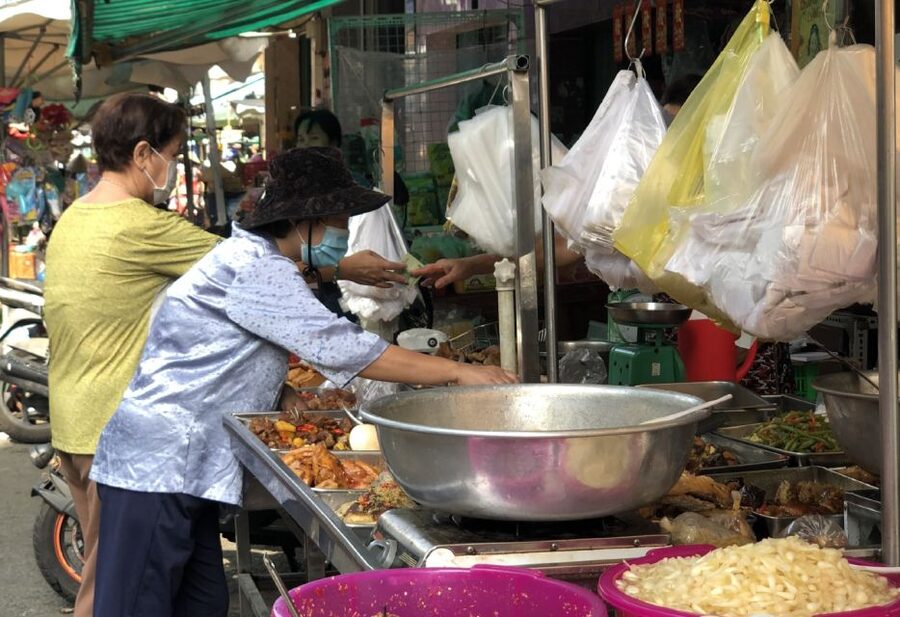
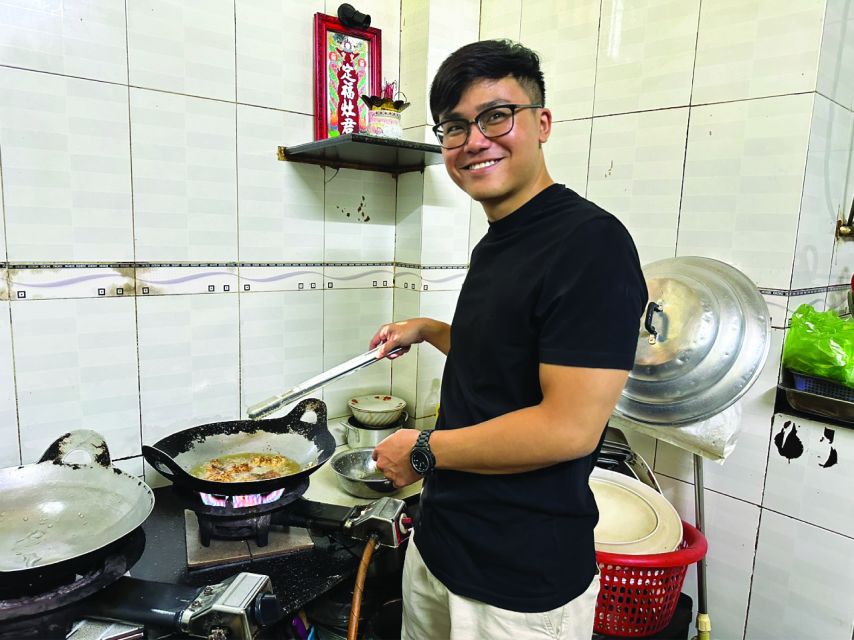
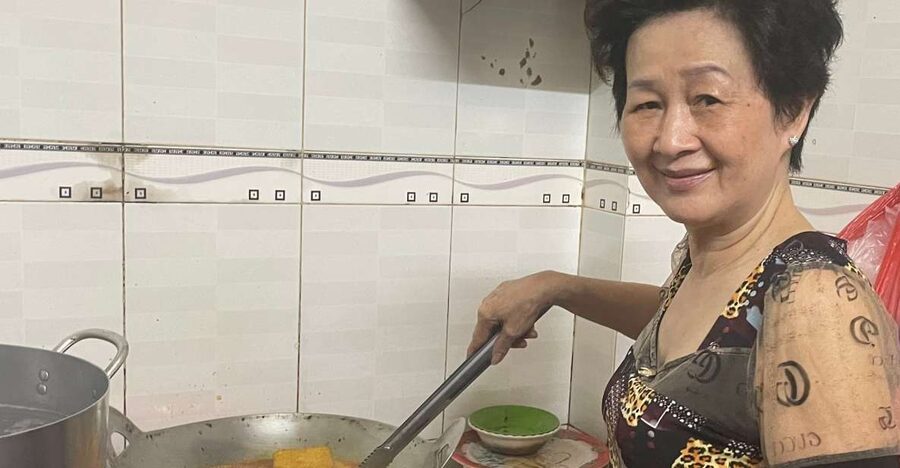
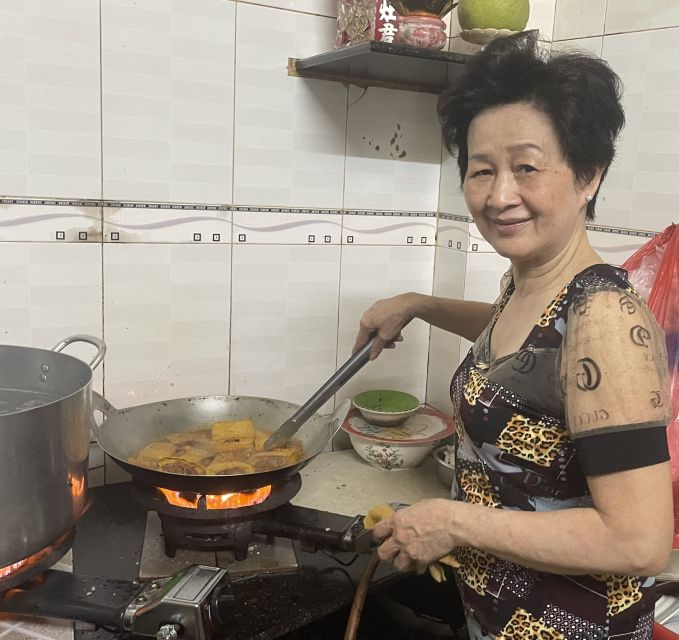
After shopping, you go to Auntie Tu’s home for the main lesson. This is not a restaurant kitchen or a hotel cooking studio. It is a small local kitchen, and Auntie Tu continues to operate a catering business from the space.
That setting gives the class its strongest sense of place. You see where the food is prepared and how a local kitchen functions. The tradeoff is comfort. Space may be tight, and Auntie Tu does not speak English, so one of the guides translates the instruction.
The class follows a step-by-step format. Auntie Tu demonstrates the methods, and you take part in preparing much of the meal. The guides help explain what is happening, including the purpose of ingredients and the order of each task.
The standard menu includes:
- Poached meat with pepper
- Fried egg with minced meat
- Fried red tilapia
- Sauteed garlic spinach
- Sour soup
The vegetarian menu replaces the meat and fish dishes with stewed vegetables and fried salted tofu with lemongrass. It also includes fried egg with onion, garlic spinach, and vegetarian sour soup.
The menu offers a good spread of Vietnamese home cooking. You work with meat, fish, eggs, vegetables, tofu, soup, and common seasonings. It is not a single specialty lesson, so you leave with several techniques rather than one dish.
Auntie Tu’s secret recipe is part of the appeal, though you should not expect a restaurant formula with exact measurements for every step. Home cooking often depends on taste, timing, and adjustment. The guide’s translation helps turn those methods into something you can understand and repeat.
A few more cooking classes around Ho Chi Minh City worth a look
- Mekong Delta 4 Islands, TukTuk, Boat, Try Khot Cake Local Cooking
★ 5.0 · 1,148 reviews - Immersive Cooking Class & Wet Market Tour by Local Chef +Cookbook
★ 5.0 · 367 reviews - From HCMC: Cu Chi Tunnels Tour with Cooking Experience
★ 4.7 · 172 reviews - Hands-On Vietnamese Cooking Lesson in Small Group
★ 4.9 · 102 reviews
Eating the lunch you helped prepare
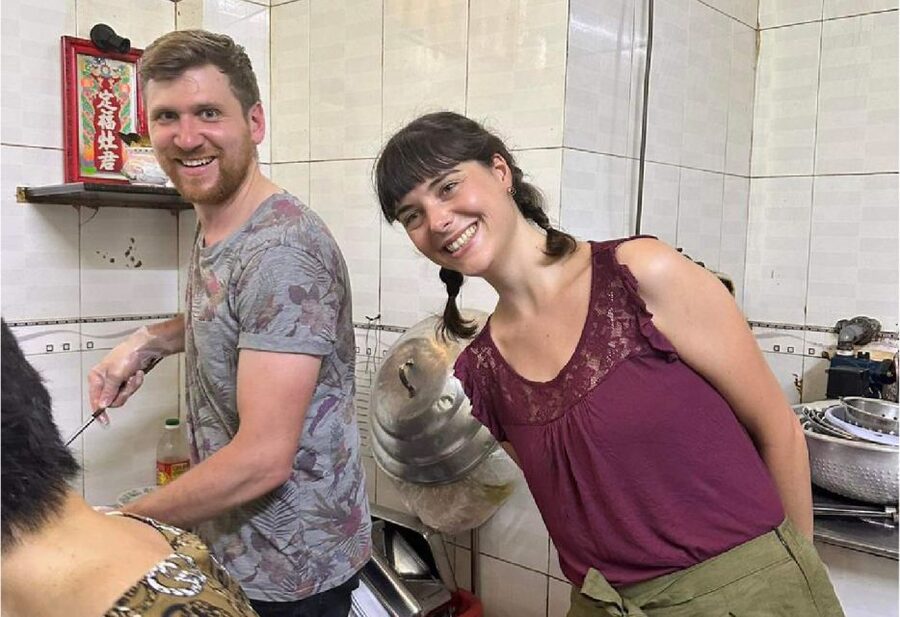
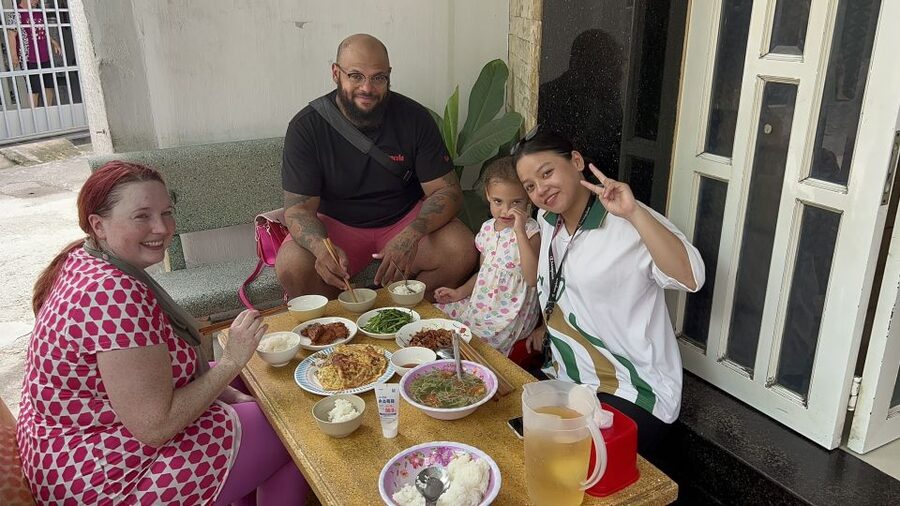
The cooking ends with lunch or dinner, depending on the start time. You eat the dishes you prepared with the guide and host. This makes the meal more satisfying than a tasting stop because you have followed the ingredients from market purchase to finished plate.
The food is also a useful test of the class. You can see how the separate dishes work together: a main protein, egg, greens, and soup. The sour soup gives the meal a fresh, sharp element, while garlic spinach and tofu add simpler home-style dishes.
The meal is included, along with food and drinks. Tea and local snacks may also form part of the experience. If you have dietary needs, the vegetarian menu is clearly provided, but it is still wise to confirm your requirements when booking.
Recipes may be emailed afterward, and photos are included. That is especially helpful here because the kitchen lesson uses techniques that may be hard to remember after a busy day of walking and cooking. The photos also give you a record of the visit without requiring you to spend the class taking pictures.
What the $56 price buys you
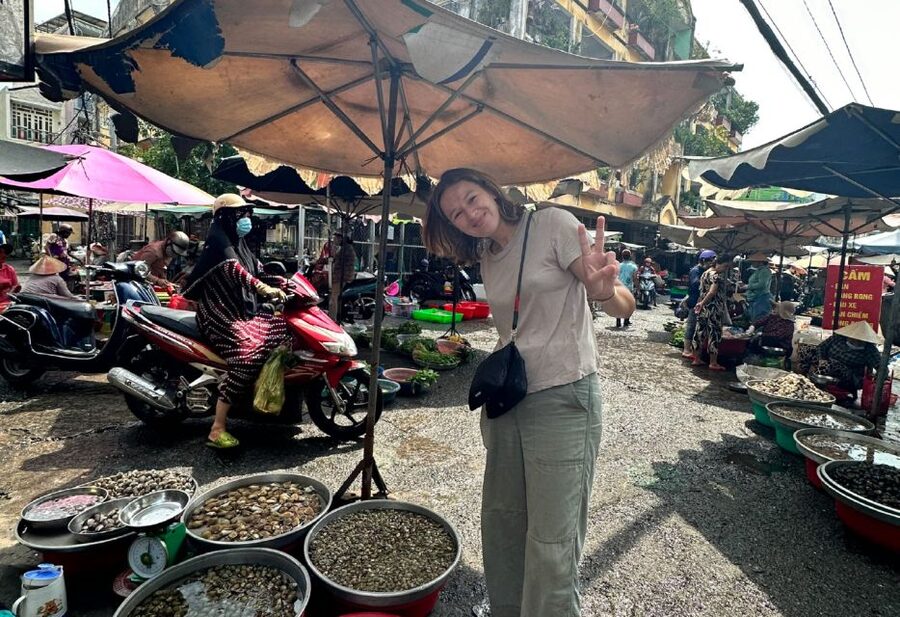
At $56 per person, this costs more than simply eating lunch in Ho Chi Minh City. You are paying for more than food. The price includes transportation, an English-speaking guide, a cooking host, the market walk, ingredients, food and drinks, a conical hat, photos, and the class itself.
The value depends on what you want from a cooking class. If your main goal is to eat cheaply, this is not the best use of your money. If you want a four-hour introduction to a local neighborhood, market shopping, home cooking, translation, and transport, the price is easier to justify.
Private or small-group availability matters here. A small group allows more room for questions and hands-on preparation, though the kitchen may still be physically cramped. A private booking could be especially useful if you want to ask many questions about ingredients or cooking methods.
The activity also saves you the trouble of arranging transport to District 6 and finding a local home kitchen on your own. That practical help is part of the value. You get a guided introduction instead of trying to manage market etiquette, language, and directions alone.
The practical drawbacks to consider
This experience has a few limits that are easy to overlook.
First, the setting is not designed for luxury. Auntie Tu’s kitchen is small and part of a real home. That means an honest local atmosphere, but not a polished cooking studio with lots of counter space.
Second, the guide may need to translate between you and Auntie Tu. The guide’s English is described as strong, but the lesson may not move as quickly as a class taught directly in English.
Third, walking through alleys and markets can be hot, noisy, and uneven. Bring sunscreen and sunglasses, wear covered shoes, and be ready for a little mess. The activity is not suitable for wheelchair users.
Fourth, transport may involve a motorbike for one or two participants. Confirm this if you are uncomfortable riding behind a guide.
Finally, alcohol and drugs are not allowed. The focus is food, conversation, and neighborhood life, not nightlife.
Free cancellation is available up to 24 hours before the activity for a full refund, and you can reserve now and pay later. Those terms help if your Saigon schedule is still changing.
Who should book this District 6 experience?
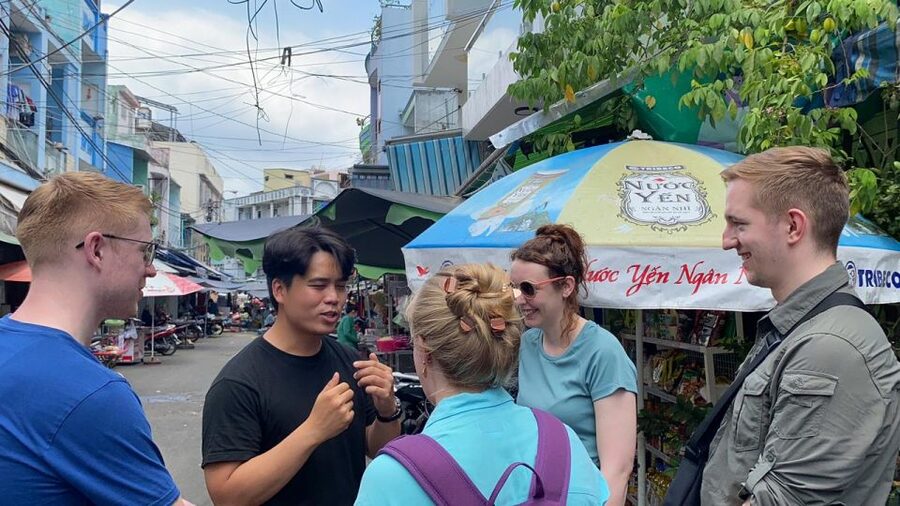
I would choose this for someone who wants food tied to everyday life. It suits curious first-time visitors, home cooks, people interested in Vietnamese culture, and anyone who prefers a small local setting to a large class.
It is also a good choice if you have already seen the central sights and want a different side of the city. The back alleys, market shopping, scooter ride, and home kitchen create a useful contrast with restaurants and organized sightseeing in the center.
Families with older children may enjoy the market and hands-on cooking, though the small kitchen and scooter transport require careful judgment. Couples and solo visitors can benefit from the private or small-group format.
I would hesitate if you need step-free access, dislike motorbikes, want a spacious professional kitchen, or prefer a tightly scheduled food tour with little walking. This is a local home experience, and its rough edges are part of the bargain.
Should you book Auntie Tu’s cooking class?
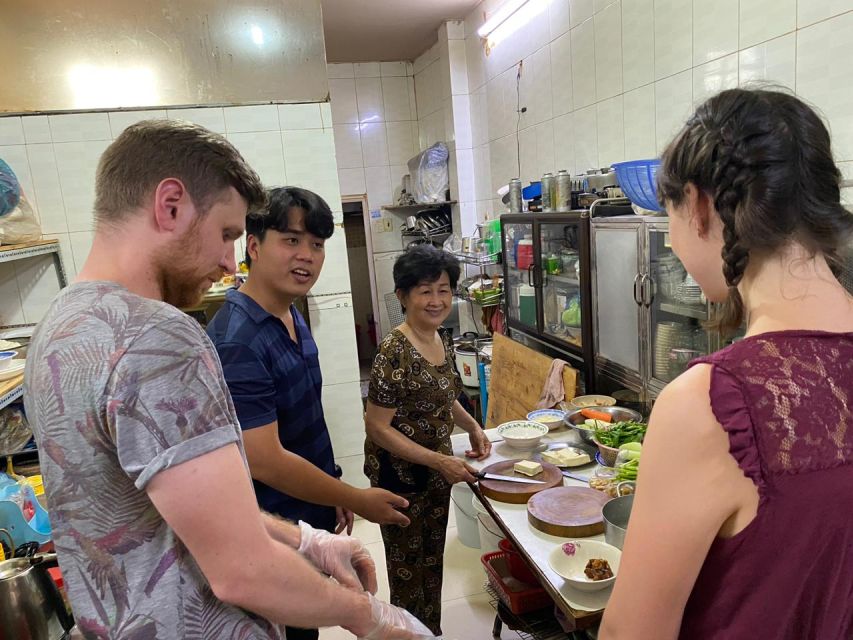
Book it if you want to understand Vietnamese food through the people who buy, prepare, and eat it. The strongest parts are the market visit, the personal guidance from Bao, Kevin, or another English-speaking guide, and the chance to cook in Auntie Tu’s own kitchen.
You should accept that the experience may be hot, crowded, informal, and physically basic. For $56, the value is not the cost of five dishes alone. It is the access to District 6, the translation, transport, local shopping, cooking instruction, and shared meal.
For a polished culinary workshop, choose another class. For a friendly look at everyday Saigon life with food at the center, this is a strong pick.
FAQ
How long does the cooking experience last?
The activity lasts four hours. Starting times vary, so you need to check availability for the date you want.
Where does the experience take place?
The experience takes you to District 6 in Ho Chi Minh City, including local back alleys, a wet market identified as Bình Tây Market, and Auntie Tu’s home.
Where can pickup and drop-off be arranged?
Pickup is available from Districts 1, 3, 4, and 5. Drop-off is available in Districts 1, 3, 4, and 5.
Is transportation included?
Yes. Private transportation is included. For bookings of one or two people, the transport may involve riding on the back of a motorbike driven by the guide.
What dishes are included in the cooking class?
The standard menu includes poached meat with pepper, fried egg with minced meat, fried red tilapia, sauteed garlic spinach, and sour soup. A vegetarian menu includes stewed vegetables, fried salted tofu with lemongrass, fried egg with onion, sauteed garlic spinach, and vegetarian sour soup.
Is a vegetarian menu available?
Yes. A separate vegetarian menu is provided. You should still confirm your dietary needs when arranging the activity.
Is the activity suitable for wheelchair users?
No. The experience is not suitable for wheelchair users because it includes walking through narrow back alleys and a local market.
Just added around Ho Chi Minh City
- Top Home Cooking Class with Stunning River View AC Kitchen★ 5.0 · 25 reviews
- Street Food Walking Tour with a Cooking Instructor★ 5.0 · 5 reviews
- M.O.M COOKING CLASS★ 4.8 · 6 reviews
- Mama Lan’s Home Cooking Class with 30+ Years of Experience★ 5.0 · 3 reviews
- MY Kitchen – Vietnamese Home Cooking Class in Hoi An★ 5.0 · 6 reviews
- Ho Chi Minh City: Vietnamese Homestyle Cooking Class★ 4.9 · 91 reviews
- Farm-To-Table Healthy Cooking Class: Half-Day Tour★ 4.8 · 41 reviews
- HCM: 2-Day Mekong Floating Market with Cooking & Bike Ride★ 4.6 · 68 reviews
Cooking Classes, compared.
Half-Day Thai Cooking Class at Organic Farm in Chiang Mai
Read our review →
Florence: Pasta Cooking Class with Unlimited Wine
Read our review →
3 in 1 Cooking Class near Navona: Fettuccine, Ravioli & Tiramisu
Read our review →
Hanoi Cooking Class: Culture, Local Market & Meaning CSR Impact
Read our review →
5 Traditional Dishes Hanoi Cooking Class with Market Trip
Read our review →
Cooking Class and Lunch at a Tuscan Farmhouse with Local Market Tour from Florence
Read our review →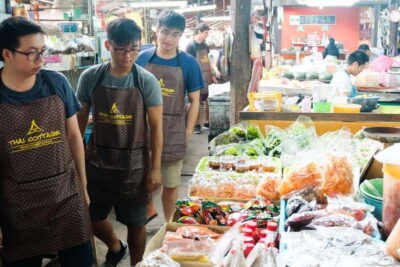
Chiang Mai: Cooking Class, Market & Thai Herbs Garden Tour
Read our review →Browse the lists this tour appears in