
Review · HOI AN
Hoi An: Tra Que Herb Village Cooking Class
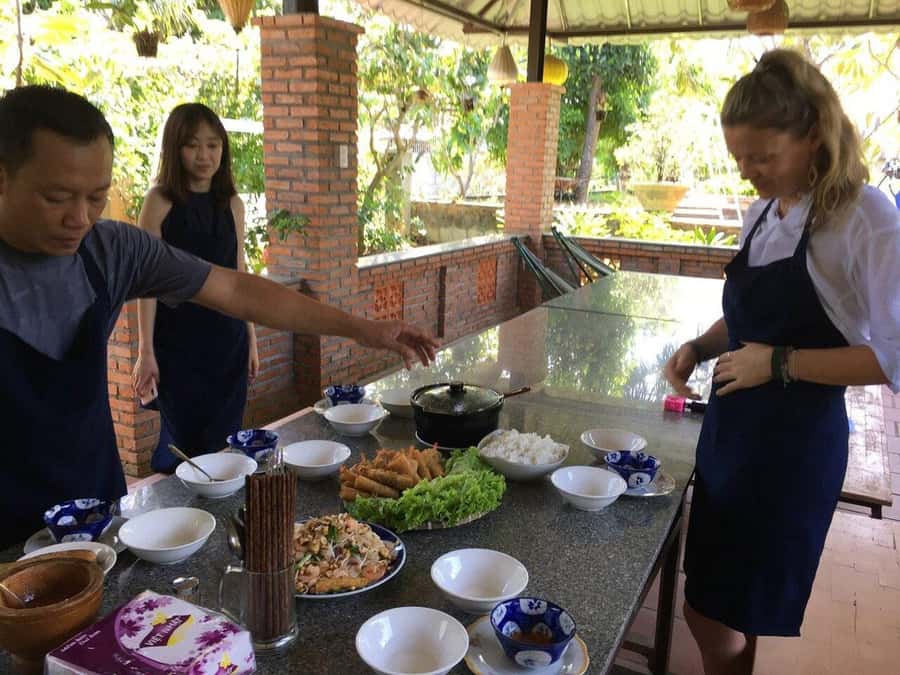
Tra Que Herb Village is a fine place to learn Vietnamese cooking because the setting does half the teaching. You begin among herb beds and vegetable plots, then sit down with a local chef to prepare four dishes, including Hoi An spring rolls and Vietnamese pancakes. The garden setting gives this $28 class a stronger sense of place than a kitchen in town.
I like the relaxed pace and the chance to eat the food you make, not just watch a chef work. I also like the friendly, small-class feel reported with instructors such as Sophia, Thanh, and Trang, who take time to answer questions and adjust dishes for vegetarian, vegan, gluten-free, and garlic-free needs. The main drawback is finding the correct kitchen in Tra Que, so leave extra time and expect the menu to change with ingredient availability.
Key points to know before you book
- Four local dishes in about 150 minutes: You cook Hoi An spring rolls, Vietnamese pancakes, and other village-style dishes, then eat the full meal.
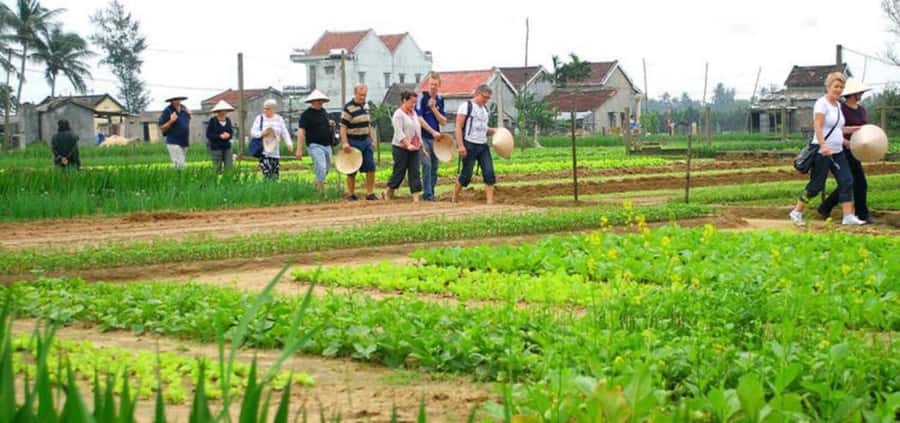
- A garden instead of a city kitchen: The class takes place in Tra Que Herb Village, with herbs and vegetables growing around you.
- Patient English-speaking instruction: Sophia, Thanh, and Trang Le have led classes praised for clear explanations and a calm pace.
- Good flexibility with food needs: Vegetarian, vegan, gluten-free, and garlic-free adjustments have been handled successfully.
- Bring extra time for the meeting point: Several people found the cooking school difficult to locate among the village paths and kitchens.
- $28 buys a meal and a lesson: The price includes the instructor, welcome drink, ingredients, and recipes, but not drinks beyond the welcome beverage or hotel transport.
Why Tra Que makes the cooking class special
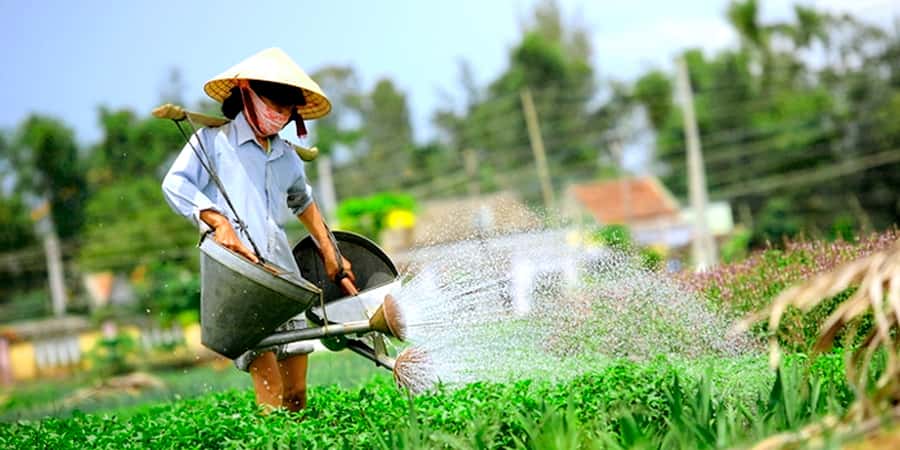
Hoi An has no shortage of cooking schools, but Tra Que Herb Village gives this one a useful advantage. You are not simply placed at a table beneath fluorescent lights. You meet in an area known for growing herbs and vegetables, with the cooking lesson set inside a rural garden.
The setting matters because Vietnamese food depends heavily on fresh greens, herbs, dipping sauces, and careful balance. Even when the class does not have you pick every ingredient yourself, seeing the plants growing nearby helps connect the finished dishes to the village around you.
You start with a welcome drink before the cooking begins. This is a small touch, but it gives you a moment to settle in, meet the chef, and look around. If you arrive early, allow time to walk around the herb and vegetable plots rather than rushing straight to the table.
The setting is pretty and peaceful, though it is not the easiest place to find. Tra Que contains several kitchens and meeting points, and more than one person arrived late or was first sent to the wrong location. Follow the exact meeting instructions for Tra Que Rural Charm Cooking Class, and leave extra time for the final approach.
More Farm Cooking Classes in Hoi An
- Cocolocal Farm Cooking Class with market tour and basket boat
★ 5.0 · 231 reviews - Full Experience Tour: Cooking Class & Basket Boat at Eco-Village
★ 5.0 · 187 reviews - Hoi An Local Market and Vegetable Village Cooking Class
★ 5.0 · 93 reviews
A 150-minute lesson with a generous meal
The class lasts about two and a half hours. That is long enough to learn several recipes without turning the activity into an all-day commitment.
A local chef prepares some ingredients in advance. This makes sense for a short class. Vietnamese cooking can involve washing herbs, chopping vegetables, preparing fillings, mixing sauces, and handling rice products. If every step were done from scratch, you would spend much of the lesson waiting or chopping rather than learning the key techniques.
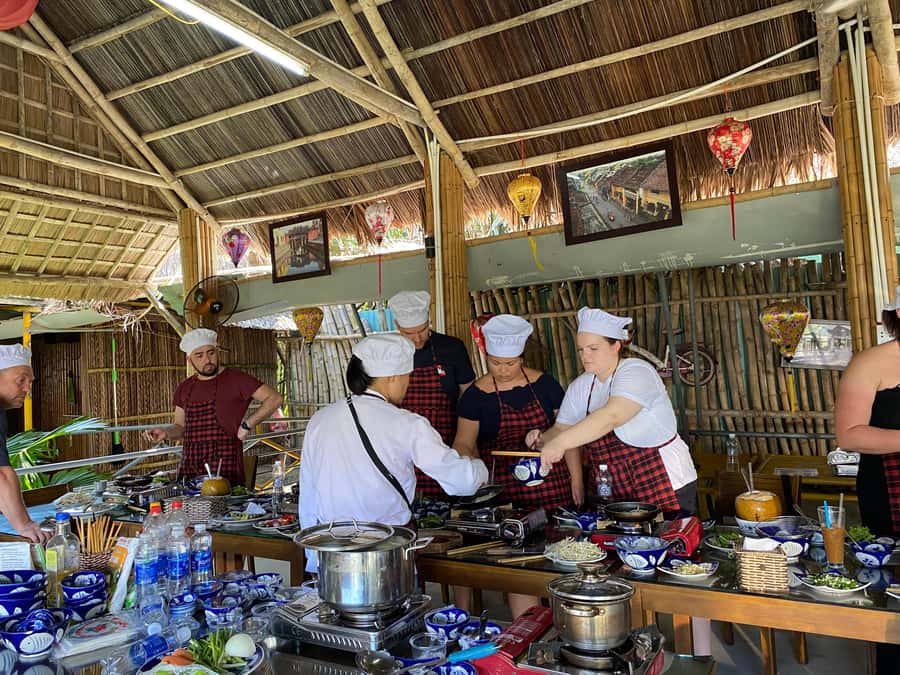
You still take part in the important work. The chef shows you how the ingredients come together, explains the cooking process, and guides you through each dish. Instructors such as Thanh have been praised for patience and for answering questions, while Sophia has been described as lively and informative. Trang Le is another instructor who has led classes in clear, friendly English.
Do not expect a formal cooking demonstration where you sit quietly and take notes. The point is to work alongside the instructor and the other people in your group. You can ask questions, compare your results, and have a bit of fun while you cook.
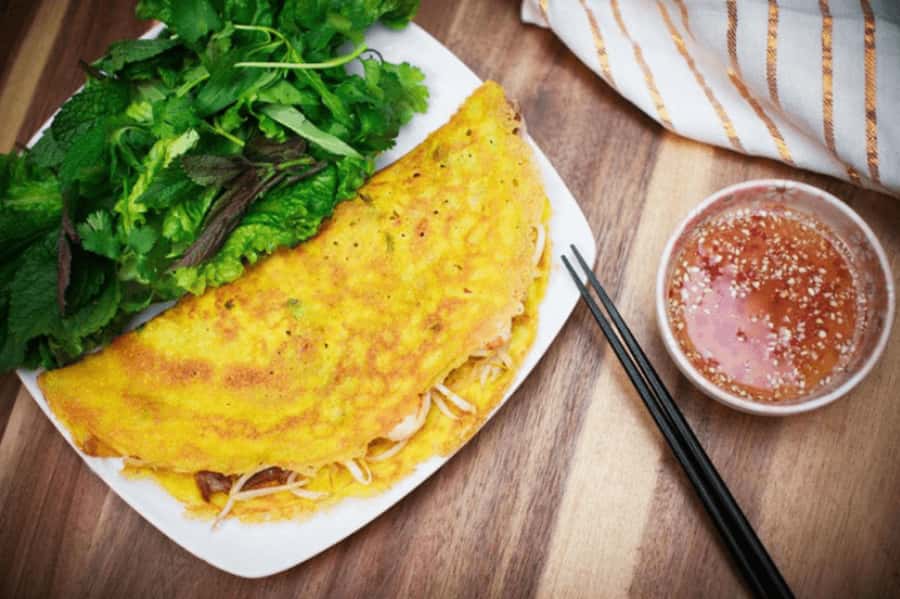
The class commonly covers four dishes. Hoi An spring rolls and Vietnamese pancakes are specifically included, along with a special dish connected with the vegetable village. The exact menu can change when ingredients are not available. One class may include a fifth classic dish, while another may stick to four, so book this for the hands-on experience rather than for a fixed menu.
The dishes and what you actually learn
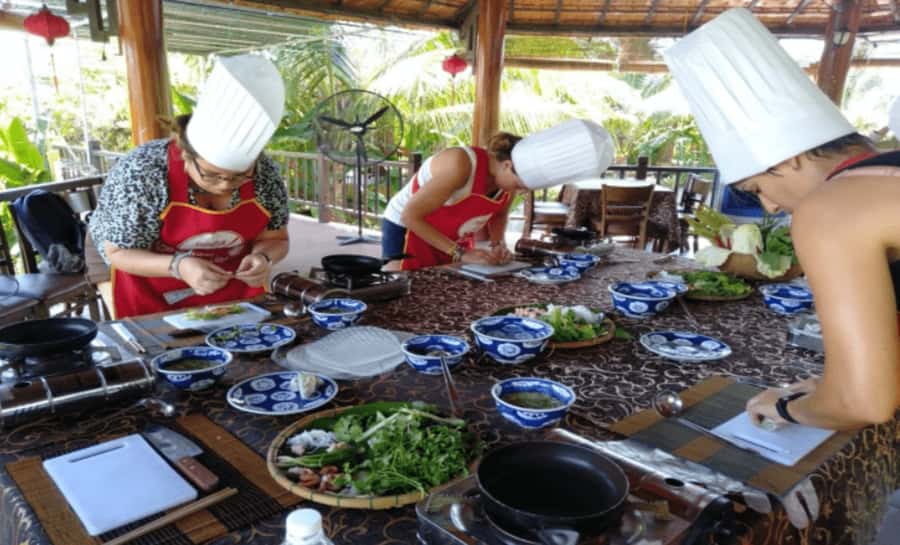
The menu gives you a useful introduction to familiar Vietnamese flavors without requiring advanced kitchen skills. Spring rolls teach you about filling, wrapping, and texture. The pancakes show how a simple batter becomes a crisp shell for savory ingredients and fresh accompaniments.
You also prepare a dish associated with the village and work with the herbs and vegetables that make Tra Que a fitting location. The recipes are supplied, so you can try them again at home instead of relying on memory.
The chef handles some preparation before you arrive, but the lesson still gives you a practical look at how Vietnamese dishes are assembled. Pay attention to the sauces and fresh greens. They often make as much difference as the main cooked item.
The food portions are generous. You are expected to eat what you prepare at the end, and four dishes can make a substantial meal. I would not eat a large lunch beforehand. One person specifically found there was a lot of food, and that is a useful warning if you have a late afternoon booking.
Food restrictions are worth raising when you book or at the start of the class. Vegetarian and vegan changes have been made successfully, and a gluten-free and garlic-free request was also accommodated. The information does not promise every possible substitution, so explain your needs clearly rather than assuming the standard menu will suit you.
Sitting down to eat what you made
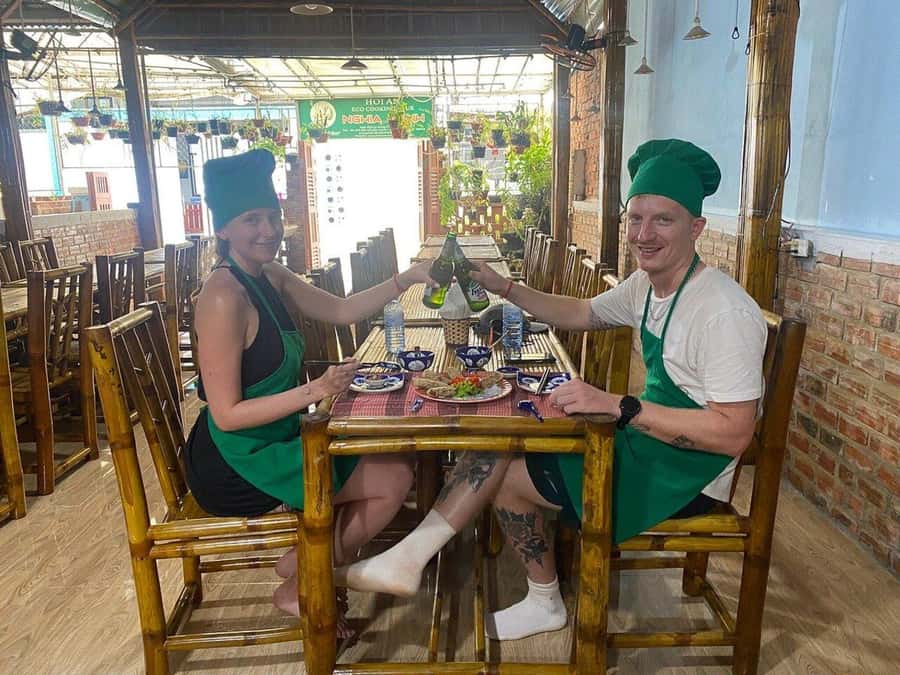
The best part comes after the cooking. You sit down, relax, and eat the dishes you have prepared. This turns the class into both a meal and a social activity.
You are not rushing away after the final pan is cleared. There is time to talk with the chef and the people in the class, compare dishes, and ask about the recipes. The meal also lets you see how your work turned out, which is more useful than leaving with a box of food made by someone else.
Some classes are very small. A few have had only two or three people, creating something close to a private lesson. That is not guaranteed, but the format can feel personal when the group is small.
The social side works well for couples, friends, and families. You have a shared task, so conversation comes easily even when people arrive from different countries. Solo visitors can also fit in without feeling stranded at a table.
After the meal, you return to your hotel independently. Hotel pickup and drop-off are not included, so you need to arrange your own way to Tra Que and back to Hoi An.
More Farm Cooking Classes in Vietnam
- Rural Cycle, Market Tour, Basket Boat & Organic Farm Cooking
★ 5.0 · 64 reviews - From Hoi An: Cooking Class at Organic Farm
★ 5.0 · 40 reviews - Hoi An countryside biking – Basket Boat – Vegetable village – Local home Cooking
★ 5.0 · 37 reviews - Hoi An : Vegetarian Cooking Class W Optional Coconut Village
★ 4.9 · 28 reviews
Timing, meeting point, and the route to Tra Que
You choose a morning, afternoon, or evening start time when booking. Each option has a different feel, but the activity details do not promise a specific garden view, weather condition, or menu for a particular time.
The meeting point is Tra Que Rural Charm Cooking Class in Tra Que Herb Village. This is the detail to take seriously. The village has multiple kitchens and paths, and the correct cooking school may not be obvious when you first arrive.
Leave more time than your map app suggests. One person arrived late after struggling to locate the kitchen, while another was initially directed elsewhere and waited about 15 minutes for the teacher. The class itself was considered worthwhile, but the arrival confusion can take the shine off the first few minutes.
You do not need to arrange a transfer through this activity. That keeps the price down, but it also means you are responsible for reaching the meeting point. If you are cycling, riding, or taking a taxi from Hoi An, aim to arrive early and keep the meeting name handy.
Is $28 good value?
At $28 per person, the class is fairly priced for a 150-minute activity that includes a welcome drink, ingredients, an English-speaking instructor, recipes, and a full meal. You are paying for food you would have purchased anyway, plus instruction and a setting that gives the experience a local connection.
The value improves if you care about learning recipes you can repeat at home. It is less compelling if you only want to eat Vietnamese food, since Hoi An has plenty of restaurants where someone else will do the cooking.
The price does not include hotel transport or additional drinks. There is also a 100,000 VND per person cash surcharge on public holidays. Factor that in before booking a holiday date.
The class receives a 4.5 rating from 102 reviews, with especially strong praise for the food, the garden setting, the patience of the chefs, and the small-group atmosphere. The weaker points are practical rather than culinary: finding the kitchen, occasional waits, and the fact that ingredients and dishes may change.
What to expect from the chefs
The instructors are local English-speaking guides, but the exact chef depends on the session. Sophia has led classes described as patient, lively, and informative. Thanh has been praised for making the lesson fun while answering questions carefully. Trang Le has received similar praise for her friendliness, English, and clear explanations.
You should expect a hands-on class rather than a lecture. The chef demonstrates, you prepare the food, and the instructor corrects or guides you as needed. The pace can be especially comfortable in a small group, where you have more time to ask about ingredients and cooking methods.
English is the listed tour language. Several people found communication easy enough to follow the recipes, though the exact level of explanation can vary with the individual instructor.
The atmosphere is casual. This is a good fit if you like learning by doing and sharing a meal. It may frustrate you if you want a highly polished culinary school with a fixed menu, exact measurements, and professional kitchen equipment.
Who should book this experience?
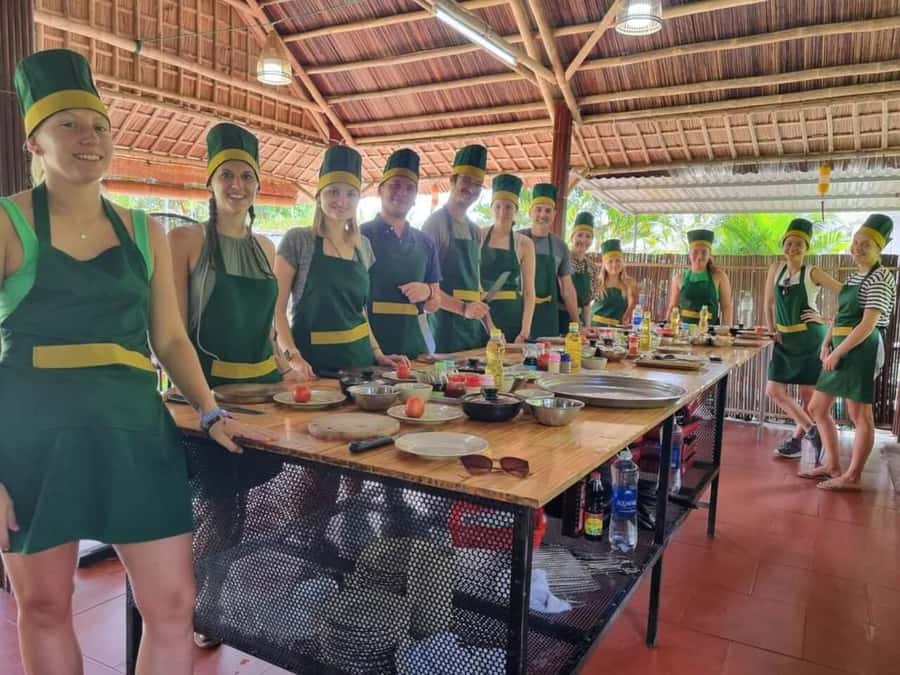
I would recommend it to first-time visitors who want a gentle introduction to Vietnamese food, couples looking for a shared activity, and families who enjoy making something together. The short length also fits neatly into a Hoi An day without taking over your schedule.
It suits vegetarians and vegans better than many standard cooking classes, based on the successful menu changes described by past participants. Still, state your restrictions clearly before the cooking starts.
The class also works well on a rainy day. The garden setting may be less appealing in wet weather, but the cooking itself gives you a useful indoor activity, and one small class continued successfully during rain.
It is less suitable for wheelchair users, who are specifically excluded from the activity. It is also not suitable for people who want hotel pickup, a guaranteed menu, or a fully accessible meeting point.
Pets are not allowed.
Practical tips for a smoother class
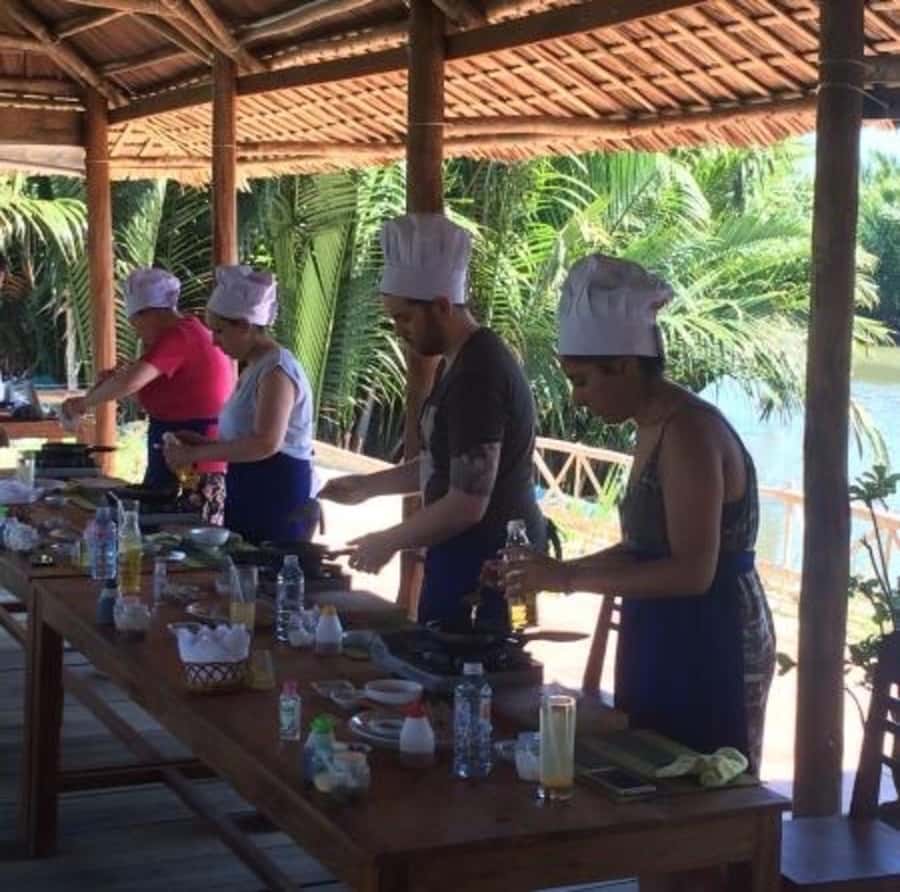
- Arrive early: The kitchen can be hard to find, even within Tra Que Herb Village.
- Eat lightly beforehand: Four dishes can add up to a large meal.
- Tell the chef about dietary needs: Vegetarian, vegan, gluten-free, and garlic-free adjustments have been possible.
- Bring the recipe home: The recipes are included, so keep them safe for your next attempt.
- Expect menu changes: Ingredient availability can affect the dishes.
- Carry cash for holidays: A 100,000 VND per person surcharge applies on public holidays.
- Plan your return: Hotel drop-off is not included, so arrange your own transport after the meal.
Should you book the Tra Que cooking class?
Book it if you want more than a restaurant meal and like the idea of cooking in a village herb garden. The strongest reasons are the fresh setting, the generous meal, the friendly instruction, and the chance to take home recipes you can use again.
Skip it if you need wheelchair access, hotel transfers, or a fixed menu. Also, do not book it back-to-back with an important evening plan unless you leave plenty of time for finding the meeting point and getting back.
For most visitors, the $28 price is a good deal. You receive a meal, a lesson, and a genuine connection to one of Hoi An’s food-growing areas. Just treat the meeting point as part of the adventure, arrive early, and come hungry.
FAQ
Where does the cooking class take place?
The class meets at Tra Que Rural Charm Cooking Class in Tra Que Herb Village, near Hoi An.
How long does the activity last?
The cooking class lasts 150 minutes, or about two and a half hours.
What dishes will I cook?
The class includes four local dishes, including Hoi An spring rolls, Vietnamese pancakes, and a special dish from the vegetable village. The menu can change based on ingredient availability.
Is the class taught in English?
Yes. The activity has a live English-speaking tour guide and instructor.
Is food included in the price?
Yes. Cooking ingredients are included, and you eat the food you prepare at the end of the class.
Are drinks included?
A welcome drink is included. Other drinks are not included.
Is hotel pickup or drop-off included?
No. You must make your own way to the meeting point and arrange your own return to your hotel.
Can the menu accommodate dietary restrictions?
Vegetarian, vegan, gluten-free, and garlic-free changes have been accommodated in past classes. Tell the chef about your needs before cooking begins.
Is there an extra charge on public holidays?
Yes. There is a surcharge of 100,000 VND per person, payable in cash, when the lesson takes place on a public holiday.
More Hands-On Workshops in Hoi An
- Cooking Class Hoi An:Local Market, Basket Boat, Fishing & Cooking
★ 5.0 · 3,660 reviews - Hoi An Cooking Class(Market,BasketBoat Crabfishing&Cooking Class)
★ 5.0 · 3,386 reviews - From Hoi An: Market Tour, Basket Boat Ride and Cooking Class
★ 4.8 · 2,208 reviews - Hoi An: Basket Boat with Lantern-Making & Cooking Class Tour
★ 4.9 · 1,444 reviews
Just added around Hoi An
- Rural Cycle, Market Tour, Basket Boat & Organic Farm Cooking★ 5.0 · 64 reviews
- Private cooking class tour with Master Chef★ 5.0 · 5 reviews
- Market Tour – Cooking Class – Coconut Boat Riding★ 4.4 · 43 reviews
- Mad Monkey Hoi An Cooking Class & Bamboo Boats★ 4.5 · 6 reviews
- Hoi An :Lantern Making – Cooking Class -Coconut Basket Boat★ 4.9 · 17 reviews
- Hoi An : Lantern Making & Cooking Class With Local Family★ 5.0 · 3 reviews
- Hoian/Da Nang: Fishing, basket riding and cooking class★ 3.3 · 5 reviews
- Hoian/Danang: Eco Cooking Class, Cruise Trip, Basket Boat★ 4.9 · 46 reviews
Farm & Countryside Cooking Classes, compared.
Half-Day Thai Cooking Class at Organic Farm in Chiang Mai
Read our review →
Cooking Class and Lunch at a Tuscan Farmhouse with Local Market Tour from Florence
Read our review →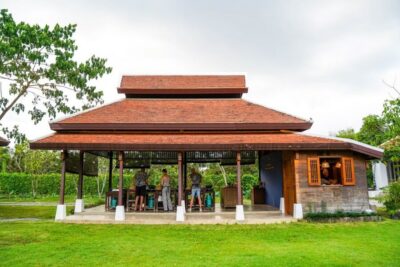
Chiang Mai: Authentic Cooking Class with Market & Farm Visit
Read our review →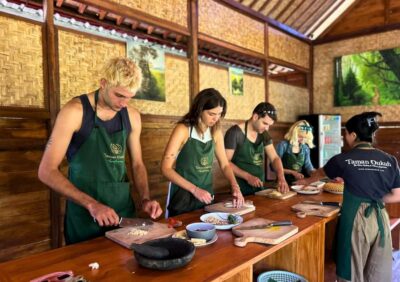
Ubud: Balinese Cooking Class at an Organic Farm
Read our review →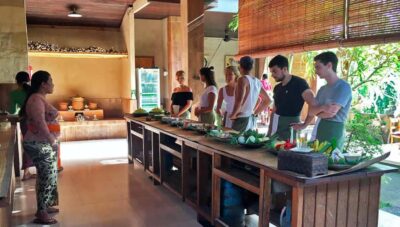
Ubud: Authentic Cooking Class in a Local Village
Read our review →
Chiang Mai: Cooking Class with Organic Farm at Mama Noi
Read our review →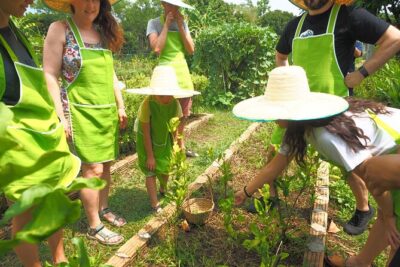
Hands-On Cooking Class & Farmhouse Tour on the Amalfi Coast
Read our review →Browse the lists this tour appears in