
Review · ISTANBUL
Istanbul Turkish Home Cooking Class with a Local
The best part of this Istanbul experience is its scale. You cook in Özge’s home, not in a large culinary studio, and the group is limited to four people. That leaves room for conversation, questions, and the small details that make Turkish home cooking feel personal.
I like two things here: the food is practical enough to repeat at home, and Özge sends the recipes afterward. I also like the warm domestic touch, including Penny and Theo, her friendly cat and dog. The main consideration is that this is a home visit, so it may not suit you if you want a polished restaurant-style class or a busy sightseeing tour.
Key points to know
- Smallest of small-group classes: The experience has a maximum of four people, giving you plenty of contact with Özge.
- A full Turkish meal: You prepare karniyarik, sigara böreği, zucchini tarator, seasonal salad, and semolina dessert.
- Recipes to take home: Özge sends the recipes afterward, so the class can continue in your own kitchen.
- Beşiktaş setting: The meeting point is in the Abbasağa area, near public transportation.
- More than cooking: The afternoon includes conversation, Turkish food traditions, coffee, dessert, and optional fortune reading from coffee grounds.
- Easygoing home atmosphere: Penny and Theo, Özge’s cat and dog, may stop by during the meal.
Cooking Turkish food in Özge’s Beşiktaş home
Many Istanbul food classes focus on markets, restaurant kitchens, or formal demonstrations. This one takes a simpler route: you enter a local home and cook the food people might actually serve around a family table.
That difference matters. Turkish home cooking is not just a list of dishes. It is a way of welcoming people, passing on family recipes, and putting several small plates on the table at once. Here, you are not only watching someone prepare food. You are chopping, shaping, seasoning, and asking why a dish is made in a certain way.
Özge leads the class in English, and the tone is friendly and patient. The small group size makes this especially useful for anyone who wants hands-on guidance rather than a seat at the back of a demonstration. You can ask about ingredients, cooking methods, and Turkish food customs as you work.
The setting also gives the experience a homely feel. Penny and Theo may wander in to say hello, which adds charm but also makes clear that this is a real home rather than a staged cooking venue. If you enjoy informal cultural exchanges, that is a strength. If you prefer a spotless, professional teaching kitchen with no household distractions, keep the difference in mind.
More Home Cooking Classes in Turkey
- Traditional Home Cooking with a Local in İstanbul City Center
★ 5.0 · 82 reviews - Traditional Home Cooking with a Local in İstanbul Center
★ 4.9 · 78 reviews - Authentic Turkish Cooking at a Local’s Home in Istanbul
★ 4.9 · 24 reviews
What goes into the Turkish meal
The menu gives you a good spread of Turkish flavors and textures. You begin with several dishes rather than spending three hours on one complicated recipe.
Karniyarik, the main dish
The centerpiece is karniyarik, roasted eggplant filled with a savory mixture of ground meat. It is a classic Turkish home dish, and it shows how a few familiar ingredients can become a generous main course.
Eggplant can be tricky for a first-time cook. Its texture changes a lot depending on how it is prepared, so learning the method from someone who cooks it regularly is more useful than simply tasting it in a restaurant. Özge’s guidance helps connect the recipe to ordinary home cooking, where the goal is good food rather than elaborate presentation.
This is also one of the more satisfying dishes to recreate later. The ingredients are not described as requiring special equipment, and one of the strongest takeaways from the experience is that Turkish food can be made in a normal kitchen. That makes the class a better value for you if you want recipes you will actually use.
Sigara böreği, crisp pastry rolls
Sigara böreği consists of thin pastry rolled around creamy feta cheese and herbs, then cooked until crisp and golden. It is a familiar Turkish starter and a pleasant contrast to the softer eggplant dish.
The shape and handling of the pastry give you something practical to learn. Small technique points can affect whether the rolls hold together and stay crisp. A home-based class gives you the chance to ask about those details as you prepare them, rather than trying to copy a finished plate from a distance.
Same place, a different menu:
- Farmers Market visit & Turkish Cooking Class
★ 5.0 · 60 reviews - Bodrum: Market Visit and Cooking Class
★ 4.9 · 41 reviews - Cooking Class in Authentic Etrim Village
★ 4.5 · 23 reviews - Istanbul: Turkish Cooking Class with a Professional Chef
★ 4.8 · 23 reviews
Kabak tarator, cool zucchini meze
Kabak tarator brings a lighter element to the meal. This zucchini meze combines yogurt, garlic, and walnuts, creating a cool dish with a creamy texture and a Mediterranean flavor.
It is the sort of side dish that helps explain the balance of a Turkish table. You get warm food, crisp pastry, fresh salad, and cool yogurt-based meze in the same meal. If you are looking for a class that covers more than one familiar entrée, this spread gives you a useful introduction to how the dishes work together.
Seasonal salad
The salad changes with the season, so the exact ingredients are not specified. That is a small but meaningful sign of home cooking. You are not being promised a fixed restaurant menu with ingredients that never change.
The salad also keeps the meal from feeling too heavy. Along with the zucchini meze, it adds freshness beside the roasted eggplant and pastry.
İrmik tatlısı, semolina dessert
The meal ends with irmik tatlısı, a Turkish semolina dessert. Semolina is a common ingredient in Turkish sweets, and this provides a straightforward finish after the savory dishes.
Dessert is prepared as part of the full meal rather than treated as an afterthought. That gives you a broader look at Turkish cooking and makes the class feel like a complete afternoon at the table, not just a lesson followed by a quick snack.
Cooking, conversation, and the family table
The class lasts about three hours. That is long enough to prepare several dishes, sit down for the meal, and talk without turning the afternoon into a rushed production.
Özge’s style is a key part of the experience. She is described as polite, patient, welcoming, and fun, with clear explanations that help you feel able to repeat the dishes. You should expect conversation alongside the cooking, including stories about Turkish food, people, and everyday culture.
The group limit of four makes a real difference here. With a larger class, you might spend more time watching than doing. In this setting, you have a better chance to take part in each stage and ask questions that fit your own cooking ability.
The meal is served family-style. That means the class shifts naturally from work to conversation. You prepare food together, then sit down and eat what you made. The shared table is the cultural heart of the experience, and it is likely to appeal most to you if you enjoy getting to know a place through ordinary domestic rituals.
You should also know that the animals are part of the setting. Penny and Theo are described as sweet and friendly, but their presence may matter if you have allergies or simply prefer an animal-free environment. Service animals are allowed, according to the activity details.
Turkish coffee, dessert, and a playful final ritual
No Turkish meal feels quite finished without coffee, and this experience ends with freshly brewed Turkish coffee and dessert.
The optional coffee-ground fortune reading adds a bit of fun. It is not presented as a serious prediction, but as a playful Turkish tradition that gives the meal a memorable final touch. You can join in or simply enjoy the coffee and conversation.
This ending is one reason the class feels different from a standard cooking lesson. You are not rushed out as soon as the last dish is eaten. The meal has time to turn into a social visit, which is often where the most useful cultural details come up.
The coffee is also a practical cultural lesson. Turkish coffee is tied to hospitality and social customs, and sharing it after the meal gives you a chance to experience that tradition in context.
The Beşiktaş meeting point and listed palace stops
The meeting point is at Abbasağa, Çeşme Yokuşu No. 3, in Beşiktaş. The area is near public transportation, which helps if you are staying elsewhere in Istanbul.
Dolmabahçe Palace and Yıldız Palace Museum are listed as stops in the itinerary. Both names place the activity in an important part of Istanbul, where the Beşiktaş area connects palace grounds, neighborhoods, and the Bosphorus side of the city.
The available details do not state how much time is spent at either palace, nor do they explain whether transportation or entry tickets are included. Do not book this expecting a full palace sightseeing tour. The main description centers on the home cooking experience, and the activity ends back at the meeting point.
If you are already planning to visit Dolmabahçe or Yıldız Palace, the location may fit neatly into your day. If those sights are your main reason for booking, check the final schedule before paying so your expectations match what is actually provided.
What the 75 dollar price gives you
At $75 per person, this is not the cheapest way to eat in Istanbul. You can find a meal for less, and a simple market snack costs far less. The value here comes from the combination of instruction, food, a small group, and time with a local host.
You are paying for about three hours, several prepared dishes, the meal itself, coffee, dessert, and the chance to receive recipes afterward. The recipe follow-up is important. It turns the experience from a one-time meal into something you can use after returning home.
The price makes the most sense if you want personal contact and practical cooking skills. It is less compelling if your only goal is to eat Turkish food cheaply or visit major sights. A restaurant can feed you more quickly, and a palace tour will give you more structured sightseeing.
Group discounts are available, which can improve the value if you are booking with family or friends. Since the group is capped at four, a small private-feeling gathering is possible even when you are not booking a formal private tour.
Who will enjoy this class most
I would recommend this to you if you like food that connects to daily life. It is a good fit for home cooks, couples, solo visitors who enjoy conversation, and small groups looking for a relaxed afternoon away from the usual sightseeing route.
It also suits people who want a manageable introduction to Turkish cooking. The recipes are explained clearly, and the food can be made in an ordinary kitchen. You do not need to leave with professional techniques. You leave with dishes you can recognize, prepare, and serve together.
Families may also appreciate the informal setting, though the available information does not specify a child age range. Ask before booking if you have young children or particular needs.
This may not be right for you if you dislike entering someone’s home, have concerns about cats or dogs, or want a large class with many fellow participants. It is also not the best choice if you expect a detailed guided tour of Dolmabahçe and Yıldız Palace.
Timing, booking, and practical details
The experience is offered in English and comes with a mobile ticket. Confirmation is provided at booking, and the activity returns to the original meeting point.
The class is often booked well ahead, with an average booking time of 29 days before the experience. That does not guarantee a particular date will sell out, but it is a useful reason to reserve early if your Istanbul schedule is fixed.
Free cancellation is available when you cancel at least 24 hours before the start time. Cancellations or changes made less than 24 hours before the experience are not accepted for a refund, and the cut-off is based on Istanbul local time.
The activity is limited to four people. That is the detail I would pay closest attention to when comparing it with other cooking classes. A small group can make the price worthwhile because you receive more direct help and more room for conversation.
Should you book Özge’s Istanbul cooking class?
Book it if you want a warm, small-scale food experience rather than a formal culinary course. The strongest reasons are the limited group size, Özge’s patient teaching, the complete menu, and the recipes sent afterward. The chance to share coffee and dessert in a local home adds a human touch that a restaurant meal cannot provide.
Skip it if your main goal is palace sightseeing, a professional kitchen, or the lowest-cost meal in Istanbul. Also think twice if you are uncomfortable around household pets.
For most people who enjoy food and conversation, this is a smart three-hour choice in Beşiktaş. You cook recognizable Turkish dishes, eat what you make, and leave with recipes instead of only photographs.
FAQ
Where does the cooking class take place?
The class takes place at Özge’s home in the Abbasağa area of Beşiktaş, Istanbul. The meeting point is Abbasağa, Çeşme Yokuşu No. 3, 34353 Beşiktaş/İstanbul, Türkiye.
How long does the experience last?
The experience lasts approximately three hours.
How many people can join?
The activity has a maximum of four people.
Is the class offered in English?
Yes. The experience is offered in English.
What food will I prepare?
The menu includes karniyarik, roasted eggplant stuffed with ground meat; sigara böreği with feta and herbs; zucchini tarator with yogurt, garlic, and walnuts; seasonal salad; and irmik tatlısı, a semolina dessert.
Is Turkish coffee included?
Yes. The experience finishes with freshly brewed Turkish coffee and dessert.
Can Özge read my fortune from the coffee grounds?
Yes, coffee-ground fortune reading is available as an optional playful tradition.
Are Dolmabahçe Palace and Yıldız Palace Museum part of the itinerary?
Both Dolmabahçe Palace and Yıldız Palace Museum are listed as stops. The available details do not specify the amount of time spent at either location.
Does the activity end at the meeting point?
Yes. The activity ends back at the original meeting point.
Can I cancel for a full refund?
Yes, if you cancel at least 24 hours before the experience start time. Cancellations or changes made less than 24 hours before the start time are not eligible for a refund.
More Hands-On Workshops in Turkey
- Turkish Cuisine Cooking Class at Local Home with Family
★ 5.0 · 9 reviews - Istanbul: Vegan/Vegetarian Cooking Class with Locals at Home
★ 5.0 · 8 reviews - Bodrum Cooking Class with Local Couple
★ 5.0 · 6 reviews - Antalya: Turkish Cooking Class with a Local Host
★ 5.0 · 5 reviews
Just added around Turkey
- Farmers Market visit & Turkish Cooking Class★ 5.0 · 60 reviews
- Bodrum Cooking Class with Local Couple★ 5.0 · 6 reviews
- Cooking Class in Authentic Etrim Village★ 4.5 · 23 reviews
- Bodrum Cooking Class★ 5.0 · 3 reviews
- Turkish Cuisine Cooking Class at Local Home with Family★ 5.0 · 9 reviews
- Istanbul: Turkish Cooking Class with a Professional Chef★ 4.8 · 23 reviews
- Istanbul: Vegan/Vegetarian Cooking Class with Locals at Home★ 5.0 · 8 reviews
- Bodrum: Market Visit and Cooking Class★ 4.9 · 41 reviews
Home Cooking Classes, compared.
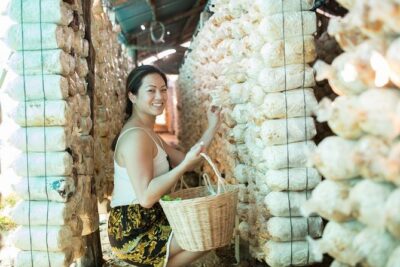
Khmer Cooking Class at a Local’s Home in Krong Siem Reap
Read our review →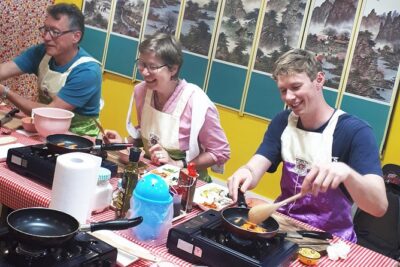
Local Home Korean Cooking Class & Market Adventure in Seoul
Read our review →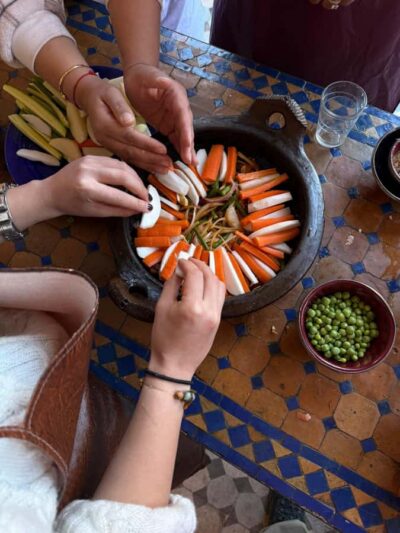
Marrakech: Moroccan Cooking Class with a Local Family
Read our review →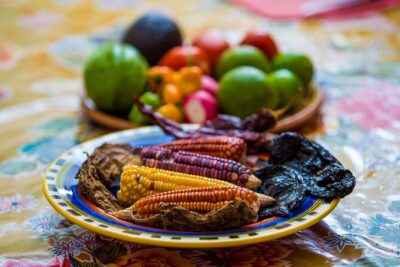
Mexican Cooking from Scratch in a Local Home in Tulum
Read our review →
Pastamama, Home Cooking Classes at Grace’s Home
Read our review →
Marrakech: Moroccan Cuisine Cooking Class in Local Home
Read our review →
Hoi An: Traditional Cooking Class & meal with Local Family
Read our review →
Browse the lists this tour appears in