
Review · JAIPUR
Jaipur: Cooking Class with a Local Family
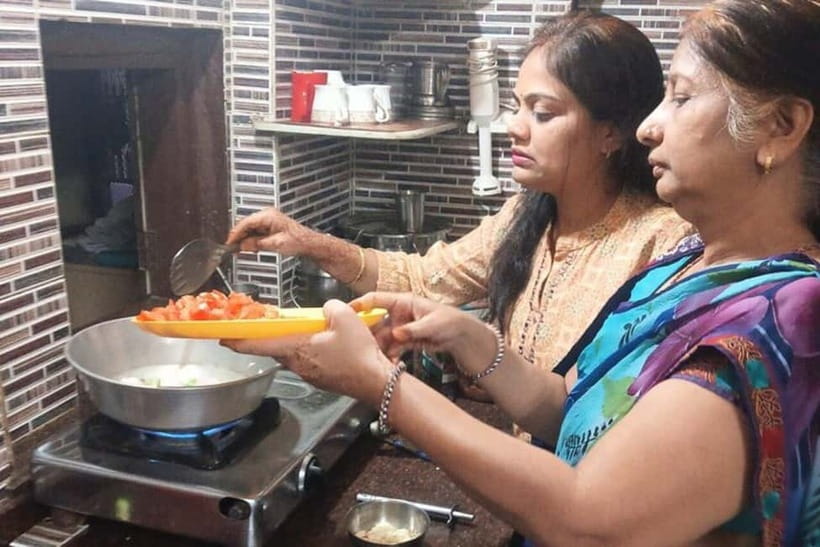
The best part of this Jaipur class is not simply learning to cook dal or roll chapatis. It is being welcomed into Swati’s family home, where cooking becomes a natural way to talk about Indian life, family customs, and daily food. You may make dal baati churma, ker sangri, or choose dishes that suit your tastes.
I like the personal scale, with no more than six people, and I like the practical follow-up: you receive recipes for the dishes you make. The family has also shown care with allergies, gluten-free menus, food hygiene, and even mineral water for cooking.
The main consideration is that you must arrange your own transport to the meeting point in Johari Bazar, and the menu can vary. If you want a fixed restaurant-style demonstration, this may feel informal. If you want to cook, chat, and eat in a real home, that informality is the point.
Key points before you book
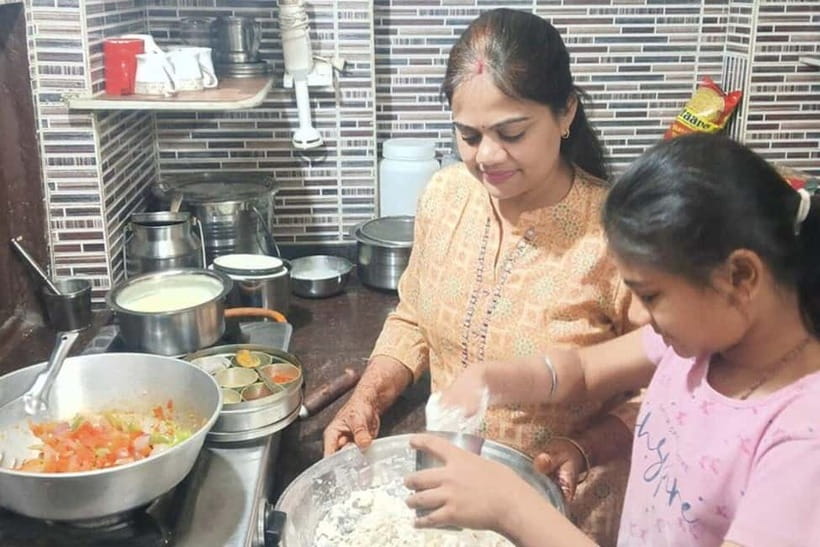
- Swati and her family host the class: You cook in a Jaipur home rather than in a formal cooking school.
- The menu can be flexible: Depending on your interests and dietary needs, you may prepare dal, chapati, paratha, dosa, palak paneer, vegetable biryani, rice, pakora, or Rajasthani specialties.
- Chai starts the visit: You make masala chai, then sit and talk before moving into the main cooking session.
- The class is genuinely hands-on: You can make chapatis, parathas, curries, and other dishes instead of only watching a chef work.
- The group is small: A maximum of six people makes it easier to ask questions and get help with unfamiliar techniques.
- Recipes come afterward: You receive electronic recipes for the dishes prepared, giving you a fair chance to repeat them at home.
Cooking in Swati’s Jaipur home
This is a three-hour visit to a family home at 3664, Motisingh Bhomiyon Ka Rasta, fourth crossing, Johari Bazar, Jaipur 302003. The address places you in a central part of the Pink City, but transport is not included, so allow time to reach the meeting point and confirm the exact directions before setting out.
You meet Swati and members of her family, then settle in with a welcome drink. The class is offered in English and Hindi. The teaching style is conversational and flexible rather than highly scripted, which matters if you have a particular dish you want to understand or a food you cannot eat.
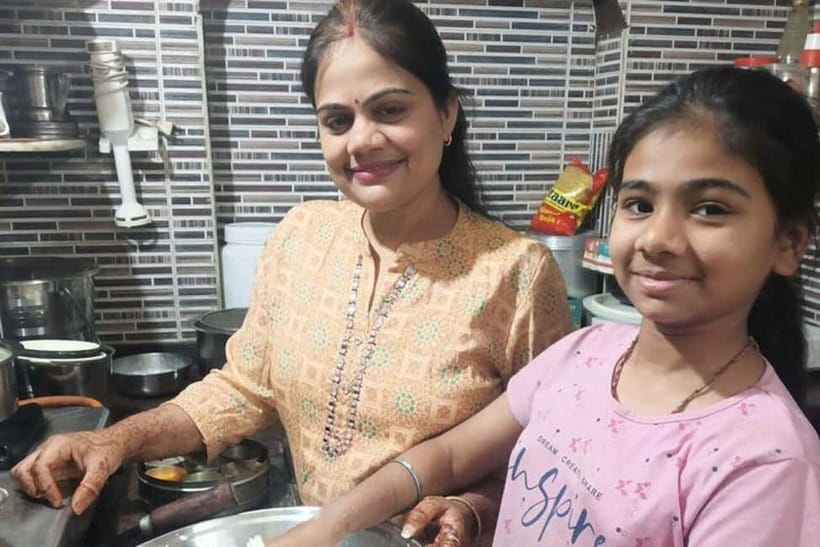
The family atmosphere is a major part of the visit. You may chat with Swati’s mother-in-law and daughters, look at family photographs, or take part in small cultural touches such as henna. These details are not guaranteed as a formal part of the program, but they help explain why this feels different from a standard lesson in a commercial kitchen.
I would allow yourself to be a little sociable here. You are not just arriving, cooking, and leaving. The value comes from the exchange around the food, so bring questions about spices, meal habits, family recipes, and what you are seeing.
More Home Cooking Classes in India
- Indian Cooking Class in an Authentic Local Home – Learn 6 Dishes
★ 5.0 · 195 reviews - Jaipur Market Tour & Vegetarian Rajasthani Home Cooking Class
★ 5.0 · 113 reviews - Interactive Cooking Class with a Local Family in Jaipur
★ 5.0 · 90 reviews
Masala chai and the first taste of home cooking
The class often begins with masala chai. You prepare the tea and adjust it to your taste, then drink it while talking with the family. It is a useful opening because it lets you settle in before handling ingredients and gives you a chance to explain your food preferences.
Chai also shows how Indian cooking is rarely just a matter of following a printed recipe. The balance of tea, milk, sweetness, and spice can be adjusted. Swati explains what each ingredient does, not only what to add. That approach continues through the rest of the class.
You may also taste items such as jaggery, chikki, poppadoms, or homemade lemon pickle. These small samples add context to the meal and show how Indian food includes far more than the main curry and rice. The exact selection depends on the day and the menu.
Spices explained by purpose, not just by name
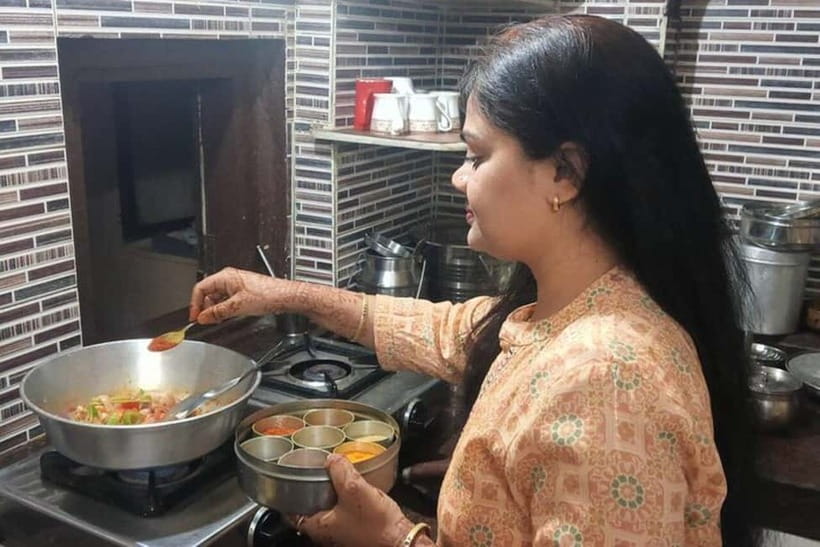
A good cooking lesson should help you cook better at home, and this one focuses on the reason behind each spice. Swati explains combinations and techniques passed through her family, so you can begin to understand when a spice adds heat, aroma, color, sweetness, or depth.
That practical explanation is useful if Indian cooking seems confusing. Instead of memorizing a long list of ingredients, you learn how spices work together. You also get a closer look at the difference between everyday home cooking and dishes ordered in a restaurant.
Fresh ingredients are an important part of the lesson. The family uses good-quality produce, and Swati has made her own paneer and ghee for some classes. These details matter because they affect the final taste, but they also show the work that can sit behind a simple-looking plate of food.
Do not expect every class to follow the same menu. Past menus have included dal tadka, vegetable curry, aloo gobi, palak paneer, cumin rice, vegetable biryani, dosa, vegetable pakora, bindi, mashed potato, and different kinds of bread. You might also prepare traditional Rajasthani foods such as dal baati churma and ker sangri.
Rolling chapatis and making the meal yourself
The hands-on work is one of the strongest reasons to book. You learn to prepare chapatis, and some sessions include parathas or lachha paratha. These breads look simple, but shaping, rolling, and cooking them takes practice. Swati can correct your technique as you work.
You may also prepare vegetable curries and dal from scratch. The class gives you a chance to see how ingredients change during cooking, when to add spices, and how to judge texture. Those are the skills that are hard to pick up from a cookbook alone.
Dosa has also appeared on flexible menus, along with rice dishes and pakora. This range is useful if you want to explore beyond one familiar curry. At the same time, a three-hour class cannot teach every regional style of Indian food. The strength is focused practice and conversation, not a full survey of the country’s cuisine.
If you have a short list of foods you want to learn, share it before the class or when you arrive. The family has adapted menus for preferences, allergies, intolerances, and a fully gluten-free meal. Still, you should explain your needs clearly in advance, especially if cross-contact is a serious medical concern.
Same place, a different menu:
- Pink City Cooking Class
★ 5.0 · 452 reviews - Five Course Cooking Class & Meal
★ 5.0 · 250 reviews - AI Tour – Cook, Talk, Dine & more with locals at their Delhi Home
★ 5.0 · 238 reviews - Veg and Non veg : Private Cooking Class in Delhi home (7 meal)
★ 5.0 · 226 reviews
Rajasthani dishes with a story behind them
The advertised focus includes dal baati churma and ker sangri, two foods that help connect the class to Rajasthan. Dal baati churma combines lentils with baked wheat balls and a sweet crumbly element. Ker sangri uses local desert plants and has a distinctive place in Rajasthani food culture.
These dishes are valuable because they move the class beyond generic Indian cooking. Jaipur has its own food traditions, shaped by the ingredients available in Rajasthan and by long-established household methods. If the final menu includes these foods, ask Swati about when her family serves them and how the preparation changes from one home to another.
The menu is not guaranteed to include every advertised dish in one session. The class may instead focus on what you want to eat, what ingredients are available, or what fits your dietary needs. That flexibility is a benefit for most people, but it means you should not book expecting a precise, fixed recipe list.
Sitting down to eat what you made
After the cooking, you sit down to eat the meal. Dessert is included, and past menus have featured gulab jamun, along with sweets such as chikki and jaggery during the session. Homemade lemon pickle may also appear alongside the savory dishes.
This final meal gives you a chance to notice the difference between watching a recipe and making it. A chapati that took several attempts to roll or a curry whose spice balance you adjusted yourself becomes easier to remember. You also leave with a clearer idea of which dishes you can realistically cook in your own kitchen.
The family’s hospitality is central here. You may spend time talking with the wider family, and the visit can feel personal rather than transactional. That warmth is a strength, though people who prefer quiet instruction or a strictly timed lesson may find the conversation takes attention away from the cooking.
Why the small group matters
The maximum group size is six. That is small enough for Swati to watch your technique, answer questions, and adjust the pace. It also makes it easier to discuss allergies or preferences without trying to explain them in a large class.
A small group does not mean private instruction. Other people may be cooking with you, and the balance of demonstration, hands-on work, and conversation can change with the group. If you want a private class, confirm that arrangement directly before booking.
The class is wheelchair accessible according to the activity information. Since this takes place in a private home, I would still contact the host ahead of time with any specific mobility needs and ask about the route from the entrance to the cooking area.
The practical value at $19
At $19 per person, this is a strong value if you care about food and personal contact. You receive welcome drinks, the class, an introduction to spices and ingredients, hands-on cooking, dessert, and electronic recipes. You also get a meal and three hours of time with a local family.
The price does not include transport or personal cooking equipment. The equipment point is worth clarifying if you have a particular tool in mind, but you should not assume that a ride to or from Johari Bazar is part of the booking. The meeting point is central enough to plan around, yet Jaipur traffic and narrow market streets can make a simple route take longer than expected.
The real value is the knowledge you can carry home. Learning how to roll a chapati, balance a dal, or use a spice combination is more useful than collecting another restaurant meal. The recipe files also help turn the visit into something you can repeat after your trip.
Who will enjoy this Jaipur class
I would choose this experience if you want food to open the door to conversation. It suits solo visitors, couples, families, and small groups who enjoy asking questions and trying unfamiliar tasks.
It is especially useful for:
- People who want authentic home-style Indian cooking rather than a restaurant tasting
- Anyone who wants to learn chapati, paratha, dal, curry, chai, or rice techniques
- People with food preferences or intolerances who need a flexible menu
- Families looking for a personal cultural activity
- Cooks who want recipes they can use at home
- Visitors with only a few hours to spare in Jaipur
It may be less suitable if you want a polished professional kitchen, a guaranteed menu, or a sightseeing tour combined with cooking. There is no transportation included, and the visit centers on food and family contact rather than Jaipur monuments.
Planning your three hours
Check the available start time when booking. Classes have been held in the morning, at lunchtime, and in the evening, so you may be able to fit one around visits to Jaipur’s forts and palaces.
Wear clothing you are comfortable cooking in. The supplied information does not specify an equipment list, so ask the host if you are unsure about anything you need to bring. Pets are not allowed.
The host can communicate in English or Hindi. WhatsApp contact has been useful for directions, schedule changes, and recipe delivery. If your plans change, free cancellation is available up to 24 hours before the activity, and the reserve-now, pay-later option can help if your Jaipur schedule is still moving.
Should you book it?
I would book this class if you want to meet a family, cook with your hands, and leave Jaipur with recipes rather than only photographs. Swati’s care with allergies, flexible menus, fresh ingredients, and clear explanations adds practical value to the warm setting.
I would skip it only if you need a fixed menu, formal culinary training, or included transport. For $19 and a group capped at six, this is one of the more personal ways to connect food with everyday life in Jaipur. Share your dietary needs early, ask about the dishes you most want to make, and arrive ready to spend time at the table as well as beside the stove.
FAQ
Where does the cooking class take place?
The class takes place in a local family home at 3664, Motisingh Bhomiyon Ka Rasta, fourth crossing, Johari Bazar, Jaipur 302003.
How long does the class last?
The experience lasts three hours.
How much does it cost?
The listed price is $19 per person.
Who teaches the class?
Swati teaches the cooking class with help from members of her family. Instruction is available in English and Hindi.
What food can I learn to cook?
The class can include dal baati churma, ker sangri, chapatis, vegetable curries, dal, parathas, dosa, palak paneer, aloo gobi, vegetable biryani, cumin rice, and other dishes depending on the menu.
Is food included?
Yes. Welcome drinks, the food prepared during the class, and an Indian dessert are included.
Can I request dishes or explain dietary requirements?
Yes. The menu can be adapted to food preferences, allergies, and intolerances. You can also discuss which dishes you want to learn.
Are recipes provided after the class?
Yes. You receive electronic recipes for all the dishes cooked during your session.
Is transportation included?
No. You must arrange your own transportation to and from the activity.
More Hands-On Workshops in India
- Authentic Indian Cooking Classes at Palolem Beach Road Goa
★ 5.0 · 132 reviews - Cooking Class in Jaipur – Family Experience with Meal & Transport
★ 5.0 · 101 reviews - Delhi: AI Cooking Class and Much More in a Local Family Home
★ 5.0 · 85 reviews - New Delhi: Indian Cooking Class in a Local Home
★ 5.0 · 65 reviews
Just added around India
- Discover Bangalore’s Cuisine: Private Half-Day Cooking Experience★ 5.0 · 3 reviews
- Traditional Gowda Cooking Class and Meal in a Bangalore Home★ 5.0 · 31 reviews
- Private South Indian Cooking Class in Bangalore with a Local★ 5.0 · 11 reviews
- Private Cooking and Dining Experience in Bengaluru★ 5.0 · 35 reviews
- Cooking experience in Bangalore, a half day tour★ 5.0 · 5 reviews
- Bangalore: Traditional Cooking Classes & Dinner with Chef Family★ 3.5 · 4 reviews
- Agra Cooking Classes (Pick up and Drop available)★ 5.0 · 34 reviews
- Talk & Enjoy with Delhi locals at their home while Cooking★ 5.0 · 19 reviews
Home Cooking Classes, compared.
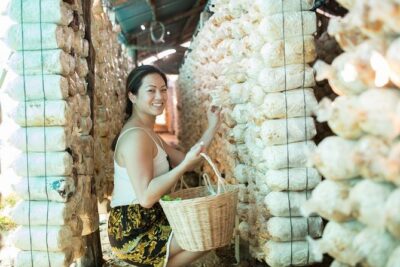
Khmer Cooking Class at a Local’s Home in Krong Siem Reap
Read our review →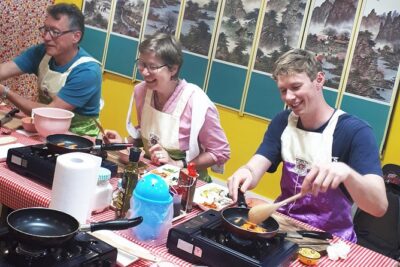
Local Home Korean Cooking Class & Market Adventure in Seoul
Read our review →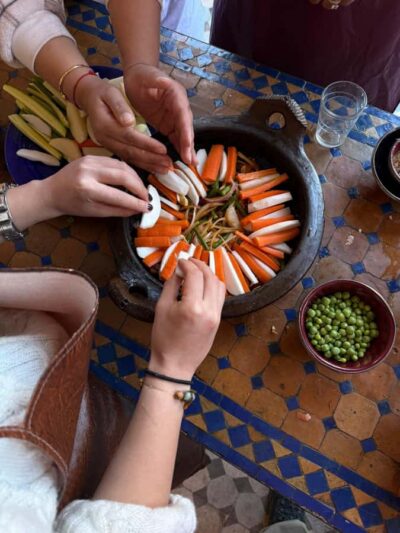
Marrakech: Moroccan Cooking Class with a Local Family
Read our review →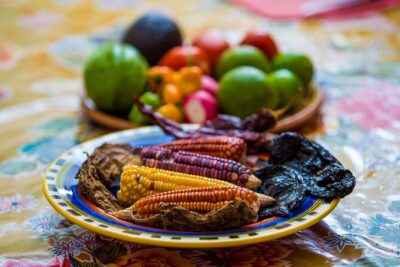
Mexican Cooking from Scratch in a Local Home in Tulum
Read our review →
Pastamama, Home Cooking Classes at Grace’s Home
Read our review →
Marrakech: Moroccan Cuisine Cooking Class in Local Home
Read our review →
Hoi An: Traditional Cooking Class & meal with Local Family
Read our review →
Browse the lists this tour appears in