
Review · INDIA
Kerala Traditional village cooking class (Munnar)
Munnar’s best food lesson may begin far from a classroom. Raveendra Kumar and Selvi welcome you into their home, where a market visit, local produce, kitchen work, and a shared meal give you a close look at everyday Kerala cooking. You may also see garden ingredients, local fruits, vegetables, spices, and the family’s approach to medicinal food supplements.
I especially like the market stop before cooking, since it gives the meal a real sense of place, and the chance to choose a vegetarian menu or request dishes such as fish curry, appam and stew, avial, puttu, and kadala curry. The main caution is timing: four hours is the planned length, but a menu of six to eight dishes can take an extra hour or more.
Key points to know
- A home-based class since 2001: Raveendra and Selvi have been serving food and sharing local cooking traditions for many years.
- Market visit included: You can see Munnar produce, spices, and daily shopping before the cooking begins.
- Vegetarian menus work especially well: One class prepared seven or eight vegetable dishes, showing how much variety Kerala cooking offers without meat.
- Cooking is followed by a full meal: Snacks, masala tea, and the dishes prepared during class are included.
- Pickup needs checking: Pickup and return are free within two kilometers of Munnar town, while farther hotels cost extra.
- Private and language-friendly: The class is for a private group, with instruction in English, Tamil, or Malayalam.
A Munnar cooking class that starts at the market
This experience is less about learning one famous recipe and more about seeing how a Kerala household builds a meal. You begin with an introduction to local ingredients and, when included in your arrangement, a walk through the Munnar market.
That market visit matters. It helps you connect the finished food with the raw ingredients: coconut, curry leaves, mustard seeds, turmeric, coriander, cumin, vegetables, fruits, and other spices. Instead of hearing a short list of ingredients in a kitchen, you get a chance to see the produce in the setting where local shopping happens.
The market also gives the outing a useful social edge. You are not being led only between tourist sights. You are seeing part of ordinary Munnar life before returning to the family home.
Some arrangements include produce gathered from Selvi’s garden as well. That detail makes the meal feel more personal, though the exact ingredients will depend on the season and the menu chosen in advance.
More Farm Cooking Classes in India:
- Half-Day Thai Cooking Class at Organic Farm in Chiang Mai
★ 5.0 · 19,087 reviews - Cooking Class and Lunch at a Tuscan Farmhouse with Local Market Tour from Florence
★ 5.0 · 4,831 reviews - Chiang Mai: Authentic Cooking Class with Market & Farm Visit
★ 4.9 · 4,546 reviews
Meeting Raveendra Kumar and Selvi at home
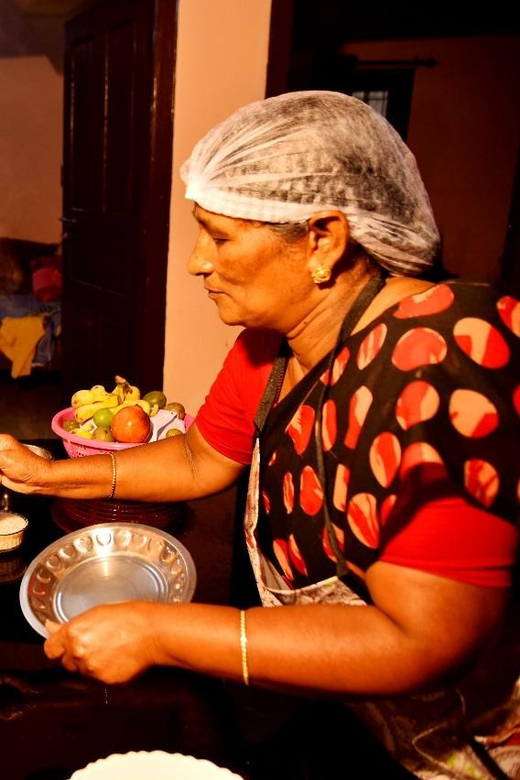
The hosts are an older married couple, Raveendra Kumar and Selvi. They have been serving food from their home since 2001, and the class is built around their experience with traditional Munnar village dishes.
Raveendra often helps with transport, guidance, and translation during the cooking session. Selvi leads much of the kitchen work, with help from other family members on some occasions. Names appearing in the experience include Indira and Simla, so you may meet more than two people in the household kitchen.
The home setting is a major part of the appeal. You can see how the kitchen functions, ask questions about ingredients, and watch food being prepared in a family environment rather than in a polished cooking studio. That means the experience may feel less structured than a professional culinary school, but it also gives you a more direct look at local life.
The hosts are described as patient and warm, which is useful when several dishes are being prepared at once. Raveendra can also offer advice on other Munnar activities, including tea plantation walks and visits to spice gardens. Treat that as an added benefit rather than the main purpose of the class.
Choosing the menu at least 12 hours ahead
The menu must be finalized at least 12 hours before the class. This is important because Kerala meals can involve several separate preparations, and the hosts need time to organize ingredients.
You can request a vegetarian or non-vegetarian menu. Vegetarian cooking received particularly strong praise, with one group preparing around seven or eight different dishes and seeing how Kerala cooks use a wide range of vegetables. If you prefer meat or seafood, fish curry is one possible choice.
Possible dishes include:
- Appam and stew
- Fish curry
- Avial
- Puttu and kadala curry
- Snacks
- Welcome drinks
- Dessert
The final selection may differ, so do not assume every dish will be served in one class. Tell the host your preferences when booking, then confirm them again at least 12 hours before arrival.
I like the menu system because it lets you shape the class around your appetite. A vegetarian who wants to focus on vegetables can do so, while someone interested in Kerala seafood may ask for fish curry. The trade-off is that a custom menu requires planning. Last-minute changes may not be possible.
From masala tea to the main meal
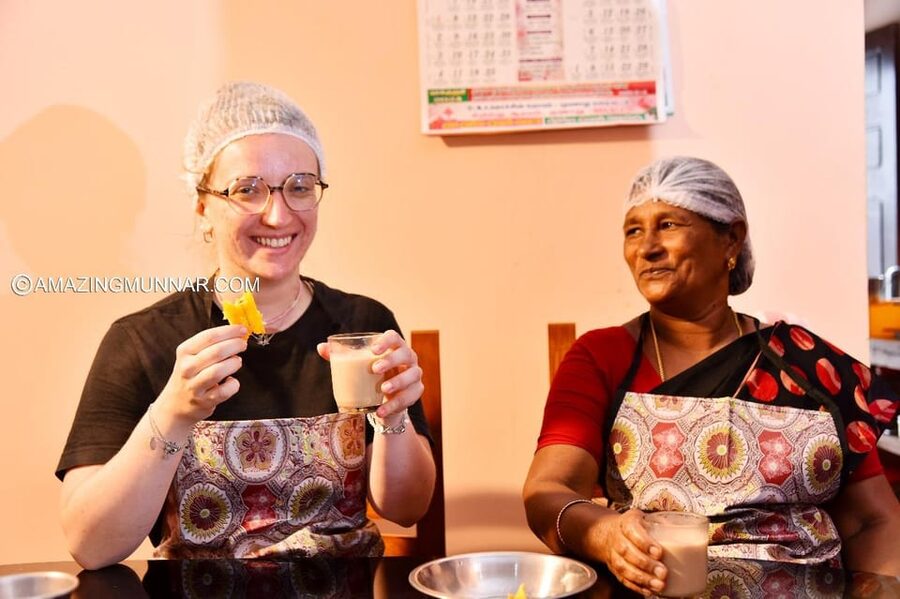
The class often begins with a welcome drink or snack. Masala tea and fried banana are two examples, and they make a pleasant introduction while the hosts explain the day’s plan.
The banana snack is a small but useful preview of Kerala cooking. It shows how a simple local ingredient can become a crisp, sweet treat, while the tea introduces the spice-led flavors that appear throughout the region.
After that, the cooking moves through the selected dishes. The hosts explain ingredients, preparation steps, the order in which items go into the pan, and ways to build familiar Kerala flavors. Coconut milk, curry leaves, mustard seeds, turmeric, coriander, and cumin are among the ingredients discussed.
The lesson is not just about copying a recipe. You learn why an ingredient is used and how the flavor changes as the dish cooks. That kind of explanation is especially useful if you want to recreate the meal at home, where you may need to adjust spice levels or find substitutes for local produce.
More Hands-On Workshops in India:
- Pink City Cooking Class
★ 5.0 · 452 reviews - Five Course Cooking Class & Meal
★ 5.0 · 250 reviews - Veg and Non veg : Private Cooking Class in Delhi home (7 meal)
★ 5.0 · 226 reviews - Indian Cooking Class in an Authentic Local Home – Learn 6 Dishes
★ 5.0 · 195 reviews
Watching first, then taking the knife
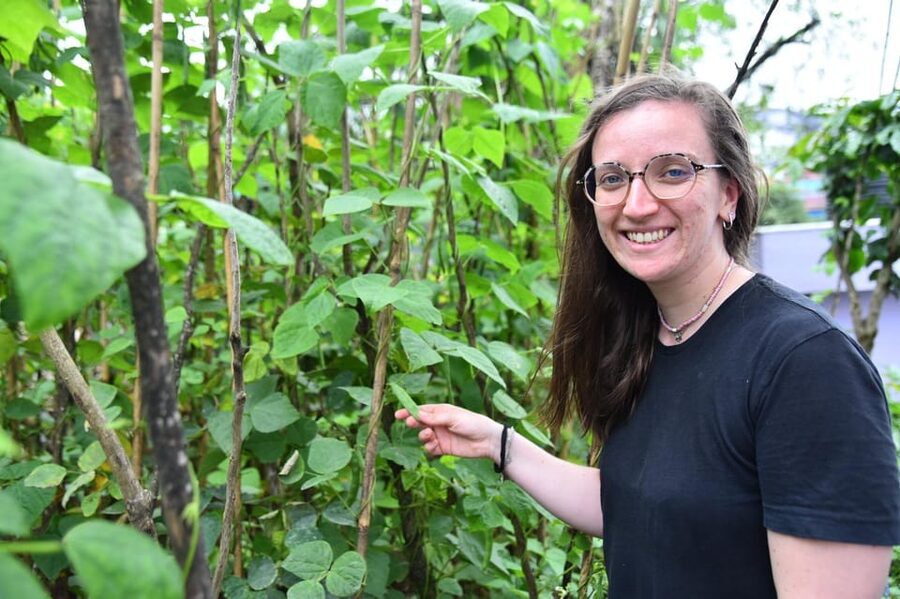
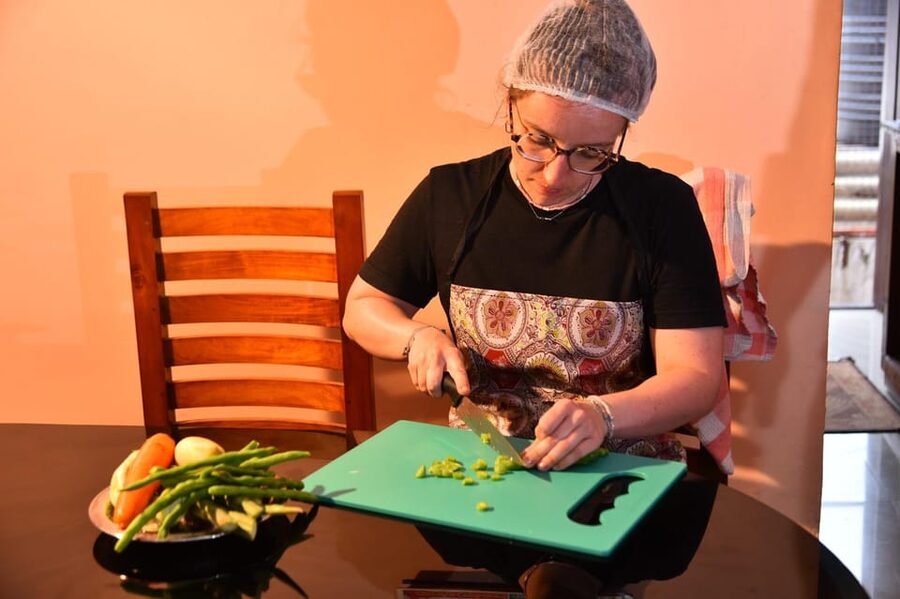
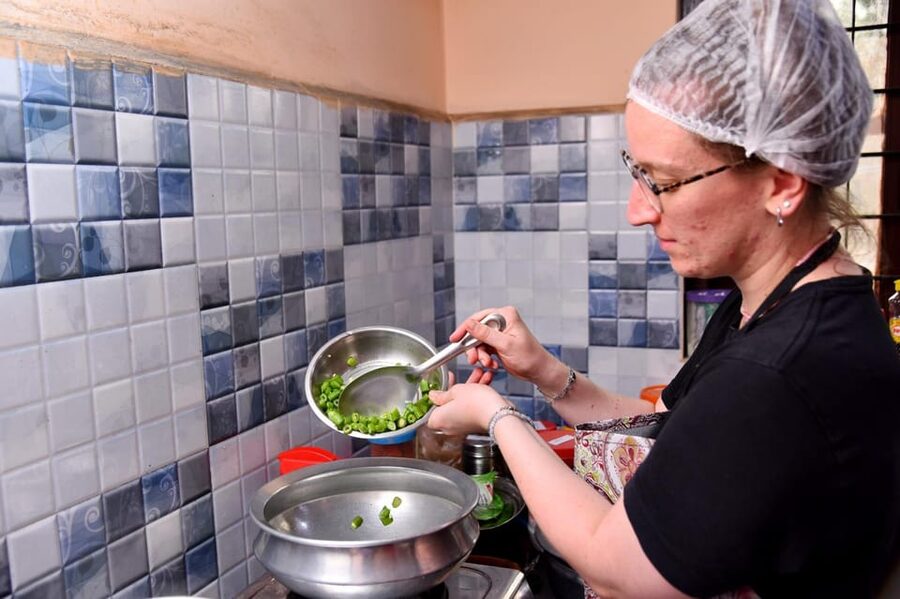
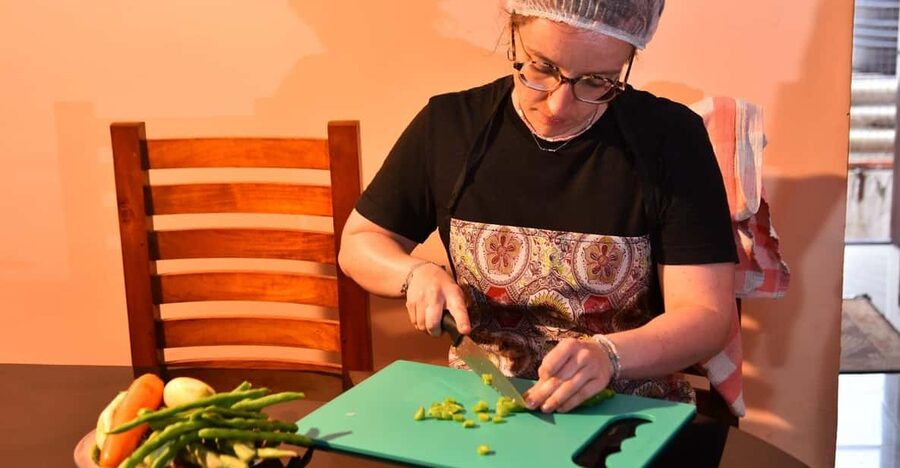
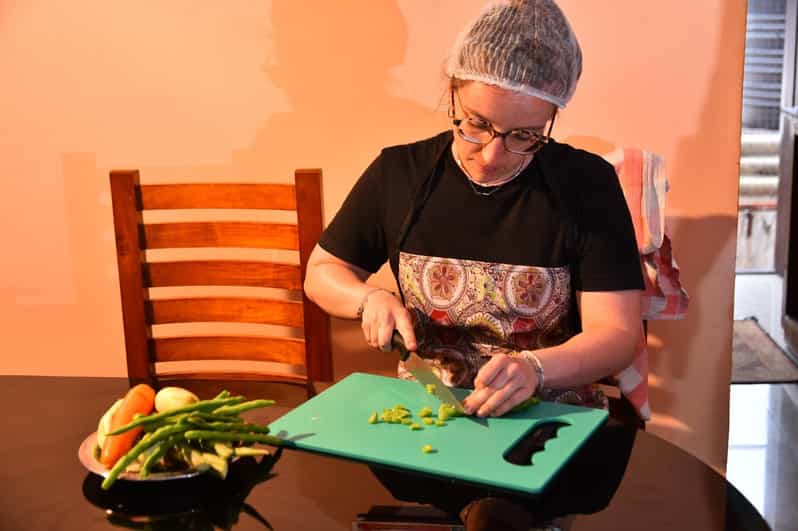
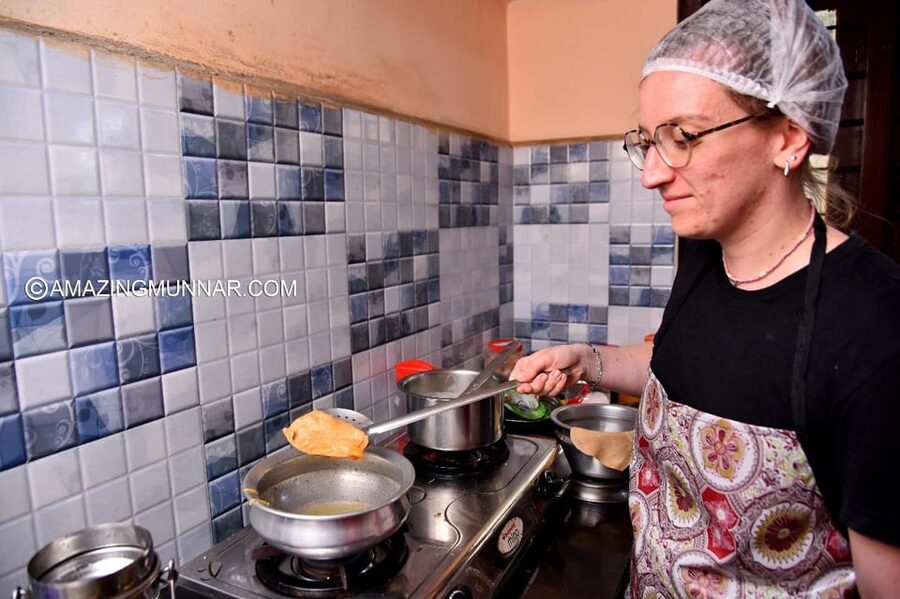
The format combines demonstration with hands-on cooking. First, the hosts prepare the dishes step by step. Then you get a chance to work with the ingredients yourself, using the provided knife, apron, and cutting board.
A private group format makes this more comfortable than a large class. You can ask questions as you go, and the hosts can offer individual help when needed. The class also includes pen and paper, so you can write down recipes or useful cooking notes.
The practical tools are simple, not fancy. That suits the setting. You are learning in a working home kitchen, where the focus is on technique and food rather than equipment.
Expect a busy session if you choose many dishes. Preparing six to eight courses creates variety, but it also means that some parts of the lesson may move quickly. If one technique matters most to you, tell the hosts early so you get enough time to practice it.
The tasting table is the real finish
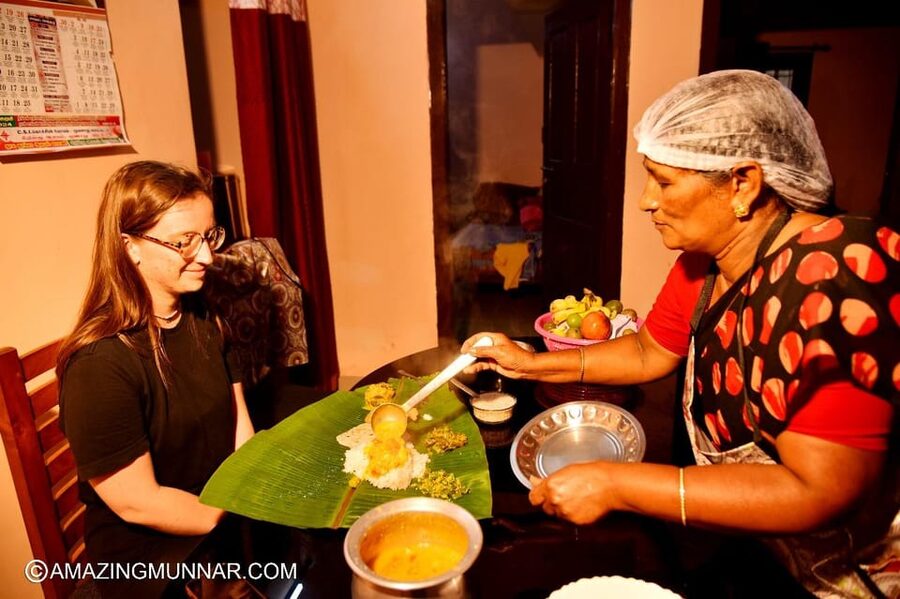
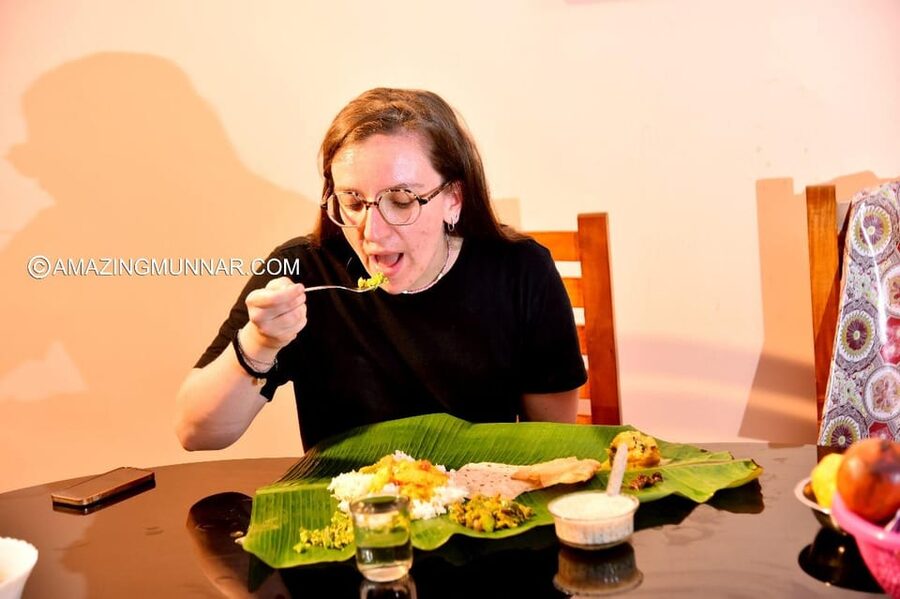
Once the cooking is done, you sit down to eat the food prepared during the class. The meal and snacks are included, along with bottled water.
This shared meal is where the separate lessons make sense. You can compare the textures of different dishes, notice how coconut and spices appear in more than one preparation, and discuss what worked well. The hosts also invite questions and feedback at the end.
The food is prepared with the group’s chosen menu in mind, so this is not simply a sample platter made in advance. Your cooking helps create the meal. That gives the final sitting more value than a standard restaurant lunch, even if the results are not perfect.
The generous portions are part of the experience, but they also explain the flexible timing. A meal with a welcome snack, tea, several courses, and dessert cannot always fit neatly into four hours. Keep an extra hour available, especially if you have a later train, tour, or airport transfer.
What the $21 price really covers
At $21 per person, the experience offers good value if you want more than a meal. The price includes the lecture and demonstration, hands-on cooking equipment, the market visit, snacks, the finished meal, bottled water, and basic travel guidance.
You are also paying for time in a local home. The hosts spend several hours explaining ingredients, helping with preparation, answering questions, and serving the food. That is a different kind of value from a quick restaurant meal or a short demonstration.
Pickup needs careful attention. Free pickup and drop-off are offered within a two-kilometer radius of Munnar town. If your hotel is farther away, an extra charge applies. One booking became confusing because the agreed meeting point was not the point where the group ultimately met, so I would confirm the exact pickup location and any added transport cost through WhatsApp before the day.
The booking terms are flexible. You can reserve now and pay later, and cancellation is free up to 24 hours in advance for a full refund. That helps if your Munnar plans are still shifting.
Who will enjoy this most
I would choose this class if you like food, local homes, and conversation more than a polished tourist production. It suits couples, families, and small private groups who want to spend a half-day doing one activity at an easy pace.
It is also a strong choice for vegetarians. Kerala’s vegetable cooking can be varied and filling, and the hosts can shape the menu around that preference. Non-vegetarians can request dishes such as fish curry.
The experience works well for people who want extra help planning Munnar. Raveendra offers travel guidance, and some participants have combined the cooking class with tea plantation walking or a spice garden visit. Those additions are separate arrangements, so confirm the price and timing before adding them.
This is not the best fit if you need a strictly fixed schedule. The class may run an hour or more over the planned four hours, depending on the dishes. It is also not suitable for people with visual or hearing impairments, according to the activity information.
Pets, intoxication, alcohol, drugs, fireworks, explosives, alcoholic drinks in the vehicle, and nudity are not allowed. Those rules are straightforward and fit the family-home setting.
Language, access, and group details
Instruction is available in English, Tamil, and Malayalam. Raveendra may also help translate during the kitchen work, which is useful if the group includes people with different language needs.
The class is listed as wheelchair accessible, but you should still confirm the exact pickup point and home access arrangements before booking if you use a wheelchair. The information also says the activity is not suitable for visually impaired or hearing-impaired participants.
The group is private, which means you are not sharing the kitchen with a large public class. That gives you more freedom to ask questions and choose dishes, but the experience remains a home visit rather than a purpose-built teaching kitchen.
Practical tips before you book
Send your menu request early. The final selection is due at least 12 hours before the start, and this is the best time to state vegetarian preferences, interest in fish, allergies, or a particular Kerala dish.
Confirm three points in writing:
- The exact meeting or pickup location
- Whether your hotel falls within the free two-kilometer pickup area
- The likely menu and expected finish time
Wear comfortable clothing suitable for kitchen work. An apron is provided, but you will be cutting, preparing, and eating several dishes, so casual clothes make sense.
If you are combining this with sightseeing, place the class on a day when you can stay flexible. The market, cooking, and meal are the main event, and rushing away before the final tasting would undercut much of the experience.
Should you book the Munnar village cooking class?
Book it if you want a personal food experience built around a real home, a local market, and a meal you help prepare. The strongest reasons are the welcoming hosts, the choice of vegetarian or non-vegetarian dishes, the market visit, and the chance to learn about Kerala ingredients in context.
Skip it if your schedule is tight or you want a short, highly standardized lesson. The four-hour plan can stretch, pickup outside central Munnar costs extra, and the home setting may feel informal compared with a culinary school.
For $21 per person, I think the value is very good. You receive food, instruction, equipment, a market outing, and time with a family that has been sharing its cooking since 2001. Confirm the transport details and menu in advance, then allow the afternoon to run at its own pace.
FAQ
How long does the Munnar cooking class last?
The planned duration is four hours, but the activity may run one hour or more longer depending on the number and type of dishes prepared.
What food can I learn to cook?
Possible dishes include appam and stew, fish curry, avial, puttu and kadala curry, snacks, welcome drinks, and dessert. The final menu must be confirmed at least 12 hours before the class.
Can I request a vegetarian menu?
Yes. The menu can be arranged as vegetarian or non-vegetarian, so state your preference when booking and confirm it before the class.
Is hotel pickup included?
Free pickup and drop-off are offered within a two-kilometer radius of Munnar town. Pickup from hotels farther away requires an additional charge.
What does the price include?
The $21 price includes the lecture and demonstration, meal and snacks, bottled water, a market visit, travel guidance, a knife, apron, cutting board, pen, and paper.
Which languages are available?
The class is offered in English, Tamil, and Malayalam.
Can I cancel the booking?
You can cancel up to 24 hours in advance for a full refund. The reserve-now, pay-later option is also available.
Just added around India
- Discover Bangalore’s Cuisine: Private Half-Day Cooking Experience★ 5.0 · 3 reviews
- Traditional Gowda Cooking Class and Meal in a Bangalore Home★ 5.0 · 31 reviews
- Private South Indian Cooking Class in Bangalore with a Local★ 5.0 · 11 reviews
- Private Cooking and Dining Experience in Bengaluru★ 5.0 · 35 reviews
- Cooking experience in Bangalore, a half day tour★ 5.0 · 5 reviews
- Bangalore: Traditional Cooking Classes & Dinner with Chef Family★ 3.5 · 4 reviews
- Agra Cooking Classes (Pick up and Drop available)★ 5.0 · 34 reviews
- Talk & Enjoy with Delhi locals at their home while Cooking★ 5.0 · 19 reviews
Farm & Countryside Cooking Classes, compared.
Half-Day Thai Cooking Class at Organic Farm in Chiang Mai
Read our review →
Cooking Class and Lunch at a Tuscan Farmhouse with Local Market Tour from Florence
Read our review →
Chiang Mai: Authentic Cooking Class with Market & Farm Visit
Read our review →
Ubud: Balinese Cooking Class at an Organic Farm
Read our review →
Ubud: Authentic Cooking Class in a Local Village
Read our review →
Chiang Mai: Cooking Class with Organic Farm at Mama Noi
Read our review →

Hands-On Cooking Class & Farmhouse Tour on the Amalfi Coast
Read our review →Browse the lists this tour appears in