Review · COOKING CLASSES
Makati: Hands on Manila Cooking Class
Filipino cooking makes a fine antidote to the usual sightseeing routine. In two hours, you prepare pancit noodles, lumpia spring rolls, and sweet turon, then sit down to eat what is billed as a snack but can easily fill you like two meals. Instructor Chyl keeps the lesson calm, practical, and personal, adding stories about family life and Filipino food customs as she works.
I like the small groups of up to four, which gives you room to handle the knife, pan, and hotplate instead of standing behind a demonstration. I also like that the recipes use familiar ingredients and are realistic to repeat at home. The main consideration is value: at $60 per person, this costs more than a simple meal, and the outdoor setting may be affected by rain.
Key points at a glance
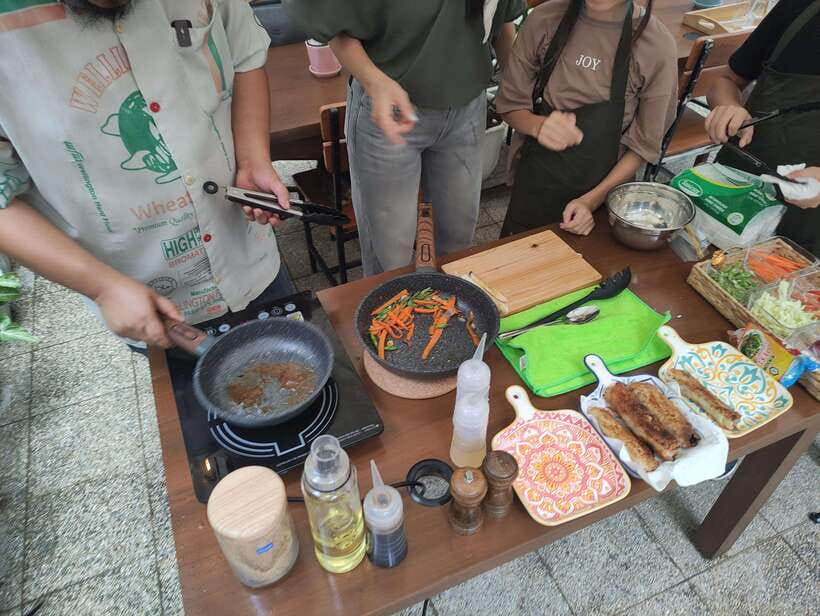
- Three substantial Filipino snacks: Make pancit, lumpia, and turon, with savory dishes followed by a sweet finish.
- Chyl’s family stories: The food lesson includes background on Filipino homes, celebrations, and everyday eating.
- Up to four people: The small format allows personal help and plenty of hands-on cooking.
- A useful two-hour plan: You cook, eat, and learn without giving up an entire afternoon.
- Open-air Makati setting: The class is near the Peninsula Hotel and Greenbelt Mall, though the meeting spot can take some care to find.
- A filling meryenda: Come hungry. The portions may be far more than you expect from the word snack.
Why this short class works so well
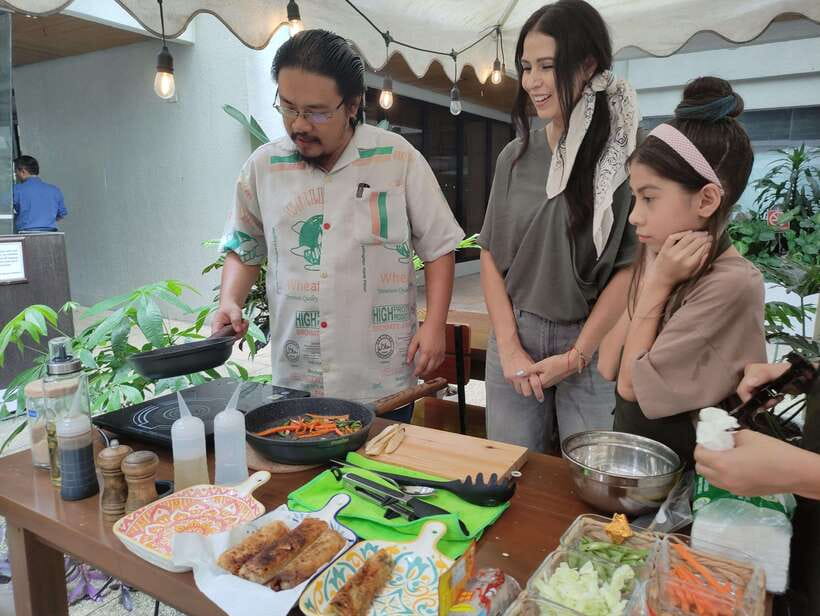
Cooking classes can go wrong in two ways. You either watch someone else do all the work, or you get buried under a long list of ingredients and complicated instructions. This class aims for the middle ground. The recipes are approachable, yet the food still gives you a real taste of the Philippines.
The menu is a smart choice. Pancit introduces you to the country’s fondness for noodle dishes. Lumpia teaches a basic filling and the handling of spring-roll wrappers. Turon, made with bananas wrapped and fried, brings in the sweet side of Filipino snack culture.
The food also has a useful social role. Meryenda means a snack or light meal, but the class treats it as a generous spread. You are not simply making one small bite and moving on. You prepare three dishes, then eat them together at the end.
That makes the class especially useful early in a Manila stay. You get food you can recognize later in markets and restaurants, plus recipes you can try once you get home. I would not book it only for a quick taste of Filipino cuisine. Book it if you want to understand how ordinary ingredients become food tied to family, habit, and celebration.
More Hands-On Workshops in the world:
- Half-Day Thai Cooking Class at Organic Farm in Chiang Mai
★ 5.0 · 19,087 reviews - Florence: Pasta Cooking Class with Unlimited Wine
★ 4.9 · 10,285 reviews - 3 in 1 Cooking Class near Navona: Fettuccine, Ravioli & Tiramisu
★ 5.0 · 7,376 reviews
Meeting Chyl and setting up your station
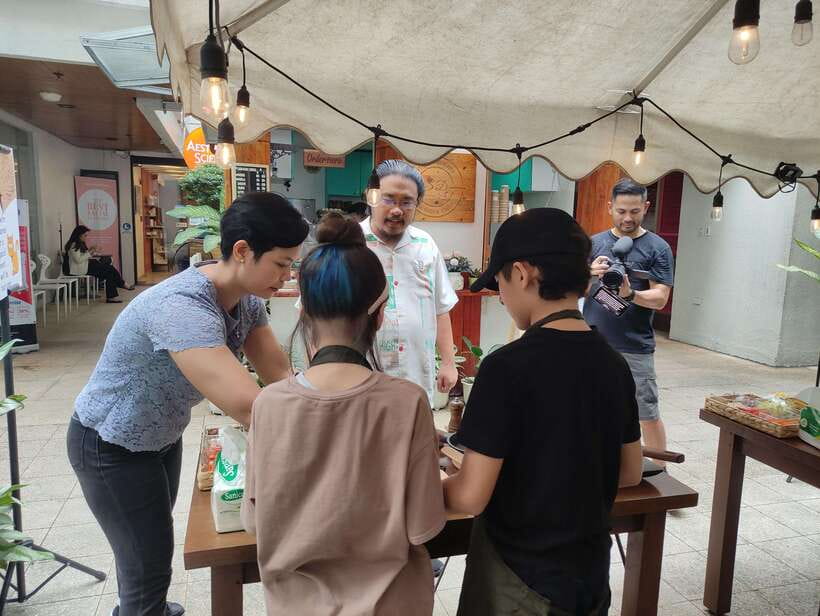
The class meets in an outdoor courtyard in front of a coffee kiosk. Look for the instructor there. The setting has been described as close to the Peninsula Hotel and Greenbelt Mall, with tables laid out for the class.
Each participant has a cooking station with ingredients and utensils ready to go. That preparation matters in a two-hour class. You are not spending the first half of the session waiting for supplies to appear or trying to divide a small pile of vegetables among several people.
The equipment includes a cooker and pans, and the class provides the ingredients, cooking tools, and a non-alcoholic drink. A cold lemonade has been served at the beginning, which is a welcome touch in Manila’s heat.
The courtyard has an easy, informal feel, but it is not fully protected from the weather. Rain caused some disruption during one session, with tables and equipment needing to be moved and dried. If the forecast looks poor, contact the organizer before setting out and allow a little extra patience.
Finding the meeting point may also require attention. One person found the venue hard to locate without contacting the organizer first. Use the meeting instructions, and make sure you know the exact spot before leaving your hotel.
Pancit, lumpia, and turon from start to finish
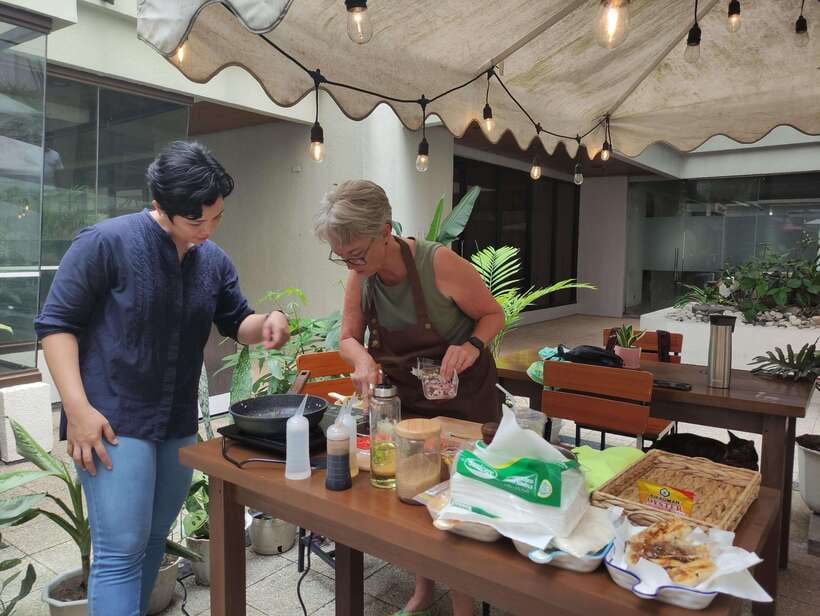
The cooking follows a sensible order, although the precise timing can vary with the group. You begin by preparing ingredients and learning what each dish contributes to the final meal. Chyl guides you through the process rather than simply cooking in front of you.
Pancit noodles
Pancit is a good first dish because it shows how Filipino home cooking can turn a straightforward stir-fry into a complete, satisfying plate. You work with noodles and other prepared ingredients, then cook them together at your own station.
This is where you learn the rhythm of the class: prepare first, cook with care, and adjust as needed. The recipe is not presented as a rigid performance. You have a chance to ask questions and, in some sessions, take the lead in the cooking.
If you already cook often, the class should still give you something to think about. You can ask about technique, ingredient choices, and how to adapt the dish at home. If you are new to cooking, Chyl’s patient pace makes the hotplate less intimidating.
A few more cooking classes around the world worth a look
- Florence: Pasta & Tiramisu Cooking Class with Unlimited Wine
★ 4.9 · 6,708 reviews - Florence: Pasta Cooking Class with Unlimited Wine
★ 5.0 · 6,413 reviews - Hanoi Cooking Class: Culture, Local Market & Meaning CSR Impact
★ 5.0 · 5,147 reviews - 5 Traditional Dishes Hanoi Cooking Class with Market Trip
★ 5.0 · 4,890 reviews
Lumpia spring rolls
Next comes lumpia, one of the most familiar Filipino foods outside the country. You prepare the filling, work with the wrappers, and cook the rolls until crisp.
The hands-on part is important here. You need to handle the wrappers yourself, rather than merely watch a prepared roll go into a pan. Chyl helps with the practical details and keeps an eye on different skill levels.
Lumpia also gives the class a satisfying contrast to pancit. The noodles are soft and filling, while the spring rolls add crunch. Together, they make the meal feel generous even before dessert arrives.
Turon for dessert
Turon provides the sweet finish. Bananas are wrapped and fried, creating the kind of simple treat that looks easy until you try to keep the wrapper neat and the filling in place.
The dish also carries a useful cultural lesson. Chyl connects Filipino food with family kitchens and the way everyday recipes change over time. A basic banana snack becomes a way to talk about home cooking, work, and the foods people grow up eating.
For me, that is where this class offers more than a recipe card. You are not only learning what to do with a banana and wrapper. You are hearing why a modest snack matters to Filipino families and why it remains so common.
The food and the stories are the real lesson
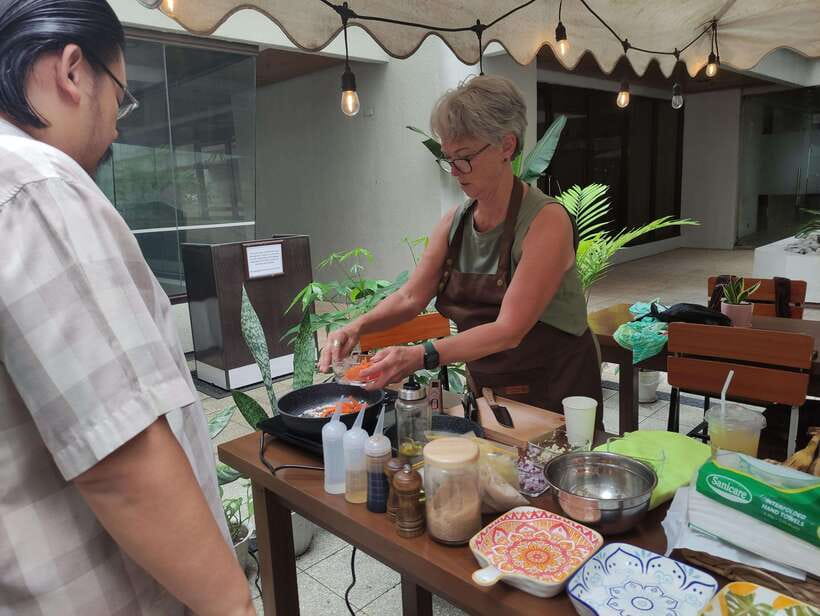
Chyl receives the strongest praise for her manner of teaching. She is described as calm, friendly, patient, and clear. Those qualities matter more here than a flashy demonstration because you are handling the ingredients yourself.
Her stories cover Filipino food culture, family life, food at celebrations, and the origins of the dishes. She also explains how ingredients and cooking methods can reflect local values. The lesson stays connected to the food on the table, so the cultural information does not feel like a separate lecture.
The class is conducted in English. That makes it easy to ask questions as you cook, including questions about substitutions or methods you might use in your own kitchen.
You can expect a warm social setting, but the format also works well for solo participants. One-person sessions have gone ahead with the same two-hour structure, giving the participant even more time to ask questions. Couples, siblings, and small groups of friends can share the work without losing individual attention.
Families should note the age rule. Children under nine are not accepted. The class is suitable for older children who can manage the pace and cooking tasks, but the activity is not designed for people with visual impairments. It is wheelchair accessible.
How much food do you actually get?
Plan to arrive hungry. The class calls the menu a meryenda, but several portions have been described as enough for two meals, with leftovers for dinner or breakfast.
That is good news if you want a hearty activity, but it may be too much if you have a large lunch beforehand. The three dishes also make the experience feel like a proper meal rather than a quick tasting.
You eat what you cook at the end, which gives the session a clear payoff. Each person can compare the final results, and small differences in folding, seasoning, or cooking time become part of the fun.
The menu is not a survey of every Filipino region. It focuses on three accessible snacks. If you want foods such as dinuguan or other more specialized regional dishes, this is not the class for that. Its strength is its approachable starting point.
Is $60 a fair price?
At $60 per person, this is not a bargain meal. You could eat Filipino food for much less in Manila. The price makes sense only if you value the instruction, ingredients, equipment, cultural background, and time spent cooking.
The small group helps justify the cost. With no more than four participants, you should receive direct guidance instead of waiting for your turn. Ingredients and equipment are included, as is a non-alcoholic drink, and you finish with a large meal.
I would call it fair for someone who wants an activity, not simply lunch. It is also a useful choice if you want recipes you can repeat at home. For a food-focused visitor, the class gives you a skill and a story to take away, not just another restaurant receipt.
The price may feel high for a family with several paying participants. It is easier to recommend for a solo visitor, couple, or small group that wants a relaxed afternoon and values personal instruction.
Timing, transport, and practical details
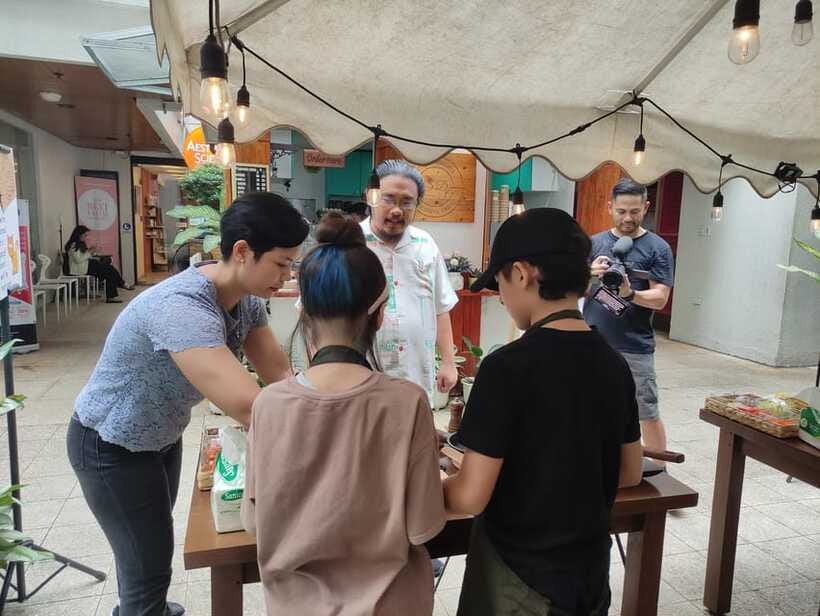
The class lasts two hours, with starting times based on availability. That length is about right. A shorter session would feel rushed once you include preparation, cooking, and eating. A much longer one might test the patience of beginners.
Hotel pickup and drop-off are not included. Use Grab, the local ride-hailing app, to reach the area more easily. Makati traffic can slow even a short journey, so do not cut your arrival too close to the start time.
Wear comfortable clothes. You will be preparing food and working around cooking equipment, so practical clothing is more useful than anything formal.
The activity offers free cancellation up to 24 hours before the start for a full refund. You can also reserve now and pay later, which helps if your Manila schedule is still shifting.
One detail needs checking before you book: the supplied location information lists Nueva Vizcaya, while the activity description and meeting details place the class in Makati, Manila. Since the meeting instructions refer to Makati landmarks, confirm the exact address with Explore Manila Tours before traveling.
Who should book this cooking class?
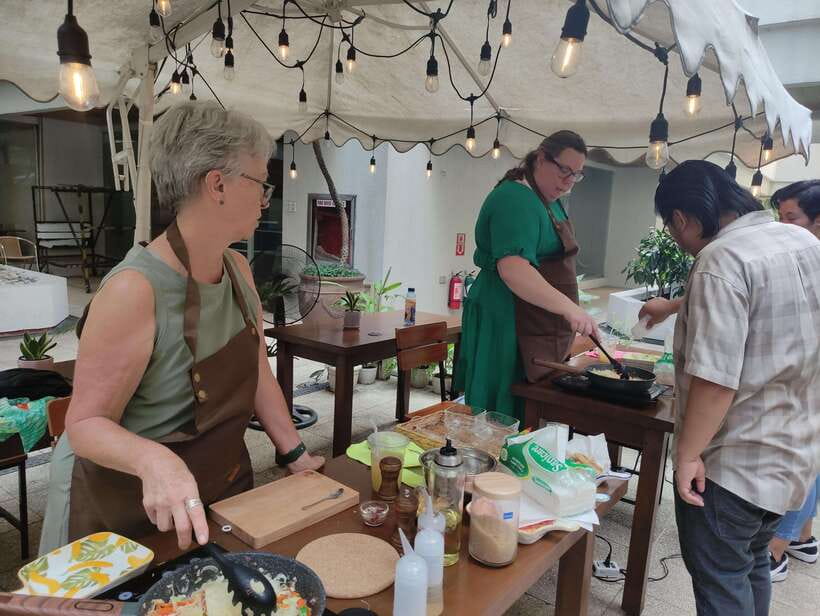
I would recommend it to solo visitors, couples, friends, and families with children aged nine and older who want a compact food activity. It suits beginners especially well, but confident home cooks can use the small group to ask more detailed questions.
It is also a good rainy-day backup, with one caution: the setting is outdoors and may need rearranging in wet weather. Check the forecast and confirm the venue if conditions look uncertain.
You should skip it if you want a broad regional survey of Filipino cuisine, a large professional kitchen, or a low-cost way to eat lunch. This is a friendly introduction built around three familiar snacks and a personal teacher.
Should you book it?
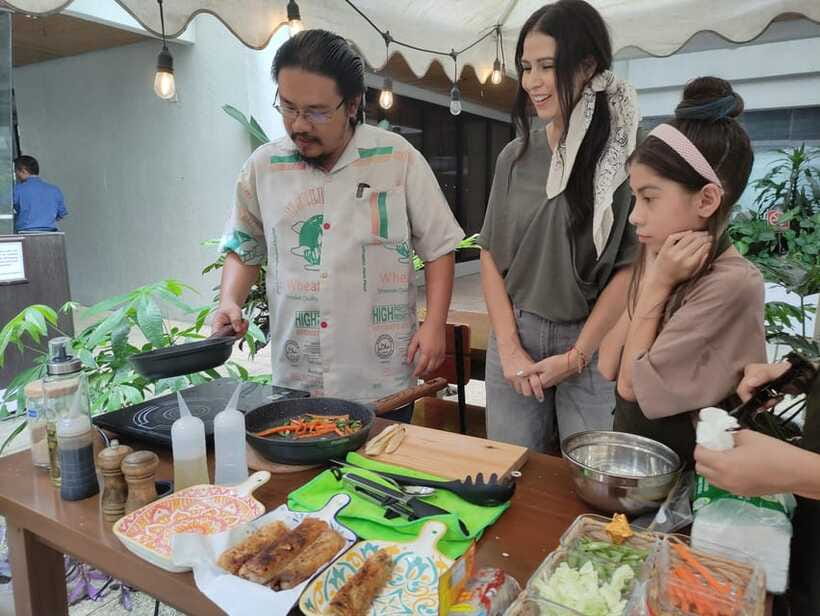
Book this class if you want to do the cooking yourself, learn dishes that are realistic at home, and hear how food fits into Filipino family life. Chyl’s calm teaching style, the four-person limit, and the generous final meal give the session real value.
Think twice if $60 feels steep for a two-hour activity or if you dislike outdoor cooking spaces. For most food-curious visitors in Makati, though, pancit, lumpia, and turon make a useful and tasty introduction to Filipino home cooking.
FAQ
Where does the cooking class take place?
The class is offered in the heart of Makati, in an outdoor courtyard in front of a coffee kiosk. The area is close to the Peninsula Hotel and Greenbelt Mall. Confirm the exact address before going because the supplied location information also lists Nueva Vizcaya.
How long does the class last?
The cooking class lasts two hours. Check availability for the specific starting time.
What dishes will I make?
You prepare pancit noodles, lumpia spring rolls, and turon, a sweet banana-based snack. Together, these make a substantial Filipino meryenda.
Is the food included?
Yes. Ingredients are included, and you eat the dishes you prepare during the class. A non-alcoholic drink is also provided.
Who teaches the class?
The instructor is Chyl. The class is conducted in English.
How many people can join?
The class is limited to four participants. A small group allows you to work directly with the ingredients and receive individual help.
Is the class suitable for children?
Children under nine are not permitted. The activity may suit older children who can take part in the cooking.
Is the experience wheelchair accessible?
Yes, the activity is listed as wheelchair accessible. It is not suitable for visually impaired participants.
Is hotel transportation included?
No. Hotel pickup and drop-off are not included. The local Grab app is recommended for arranging transportation.
Can I cancel or pay later?
You can cancel up to 24 hours in advance for a full refund. Reserve now and pay later is also available.
Just added around the world
- Private Cape Malay Cooking Class in Cape Town with a Local Family★ 5.0 · 24 reviews
- Private Moroccan Cooking Class in Casablanca with a Local Expert★ 5.0 · 12 reviews
- Cooking Class and Wine Pairing in Capri★ 5.0 · 57 reviews
- South African Cooking in Cape Town with Local Chef Richard★ 4.5 · 10 reviews
- Langa Township and Bokaap Cooking Class Half Day Tour★ 5.0 · 4 reviews
- Private Authentic Cape Malay Cooking Class in Manenberg with Locals★ 5.0 · 5 reviews
- Cape Town Shore Excursion| South African Cooking & Port Transfers★ 5.0 · 3 reviews
- Private Authentic Mexican Cooking Class in Cancun with Alberto★ 5.0 · 3 reviews
Cooking Classes, compared.
Half-Day Thai Cooking Class at Organic Farm in Chiang Mai
Read our review →
Florence: Pasta Cooking Class with Unlimited Wine
Read our review →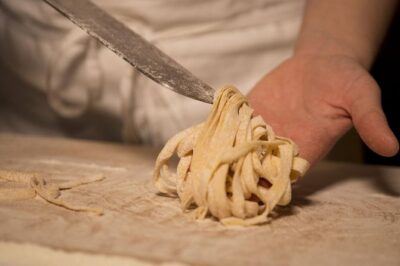
3 in 1 Cooking Class near Navona: Fettuccine, Ravioli & Tiramisu
Read our review →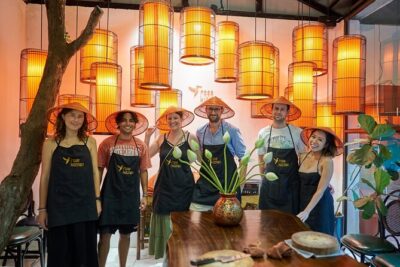
Hanoi Cooking Class: Culture, Local Market & Meaning CSR Impact
Read our review →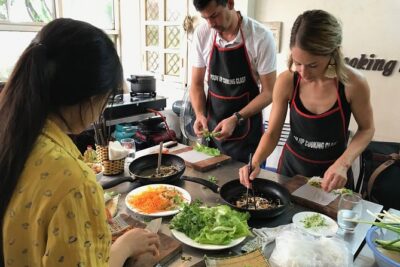
5 Traditional Dishes Hanoi Cooking Class with Market Trip
Read our review →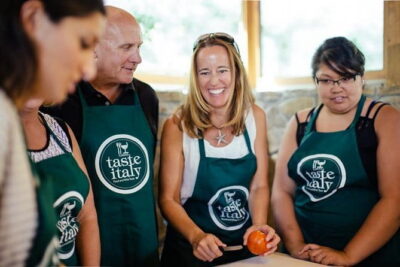
Cooking Class and Lunch at a Tuscan Farmhouse with Local Market Tour from Florence
Read our review →