
Review · COOKING CLASSES
Montreal: Cooking Class & Lunch with Michelin-Trained Chef
The best part of this Old Montreal experience is that you do not simply watch Chef Rob cook. You help build one of the courses, then sit down to eat the full three-course menu. Sauces and flavor-building are the main lessons, with practical tips on searing, pan-roasting, oven poaching, cutting, and plating.
I like the private setting and Chef Rob’s relaxed teaching style. I also like that the menu follows Montreal’s many food cultures instead of sticking to a narrow French formula. The main drawback is the shifting start time: farm and fish deliveries can move the class between 12:30 and 1:30 p.m., with final confirmation only 24 to 48 hours ahead.
Key Things to Know
- Chef Rob teaches the why behind the food: You learn ratios for sauces, how flavors fit together, and how professional cooks balance a plate.
- You prepare part of the meal: This is not a hands-off demonstration. Each person collaborates on a course using techniques such as searing, pan-roasting, oven poaching, or careful plating.
- The menu changes with ingredients: Expect food inspired by Caribbean, Asian, Persian, French, and Quebecois cooking, with produce and seafood affected by farm and fish deliveries.
- The three-course tasting comes after the work: Once the cooking is complete, you sit down to enjoy the finished meal.
- The class is private and in English: The experience lasts 2.5 hours and takes place at 375 Rue Saint-Paul East in Old Montreal.
- Drinks cost extra: Wine, adult beverages, and unusual non-alcoholic pairings have appeared with the meal, but drinks are not included in the listed price.
Cooking Montreal Through Several Food Cultures
Montreal is a city where French technique meets food traditions from around the world. This class uses that mix as its starting point. Instead of teaching one fixed national cuisine, Chef Rob builds a meal around several influences, which may include Caribbean, Asian, Persian, French, and Quebecois flavors.
That approach gives the class a useful local angle. You are not simply learning a French sauce in a generic cooking studio. You are looking at how Montreal’s food culture combines ingredients, methods, and ideas from many communities.
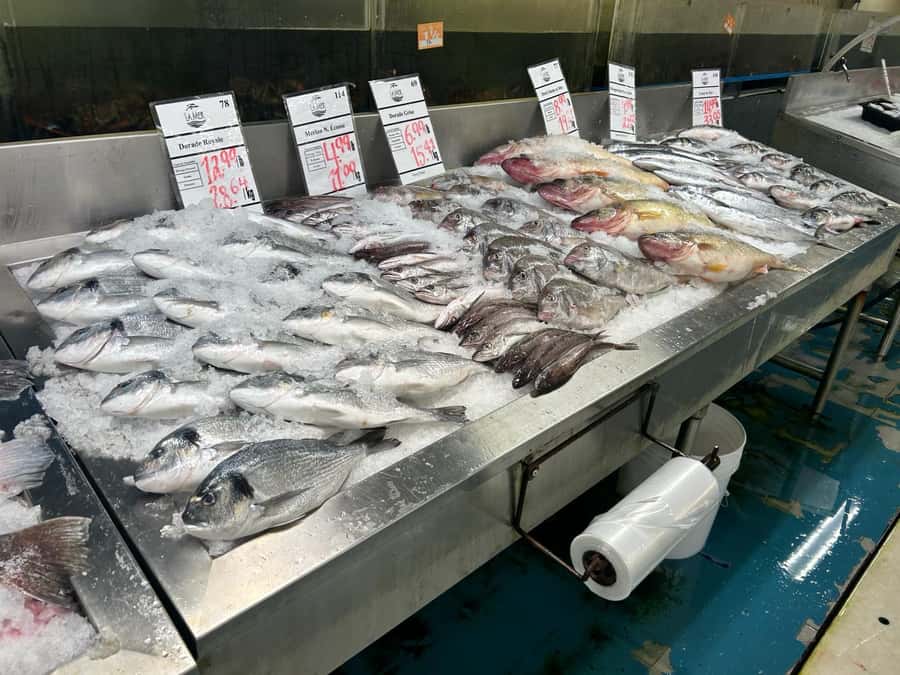
The exact menu is not fixed. Farm and fish deliveries affect the start time and, by extension, the ingredients available for the meal. That can be a plus if you enjoy food that responds to the season. It also means you should not book this expecting a guaranteed dish list.
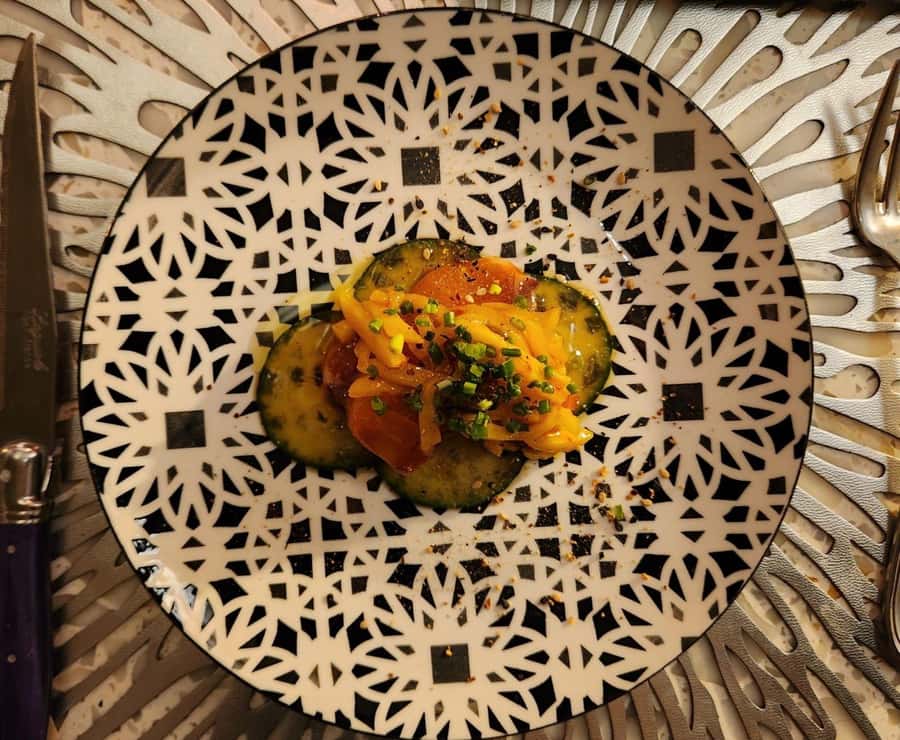
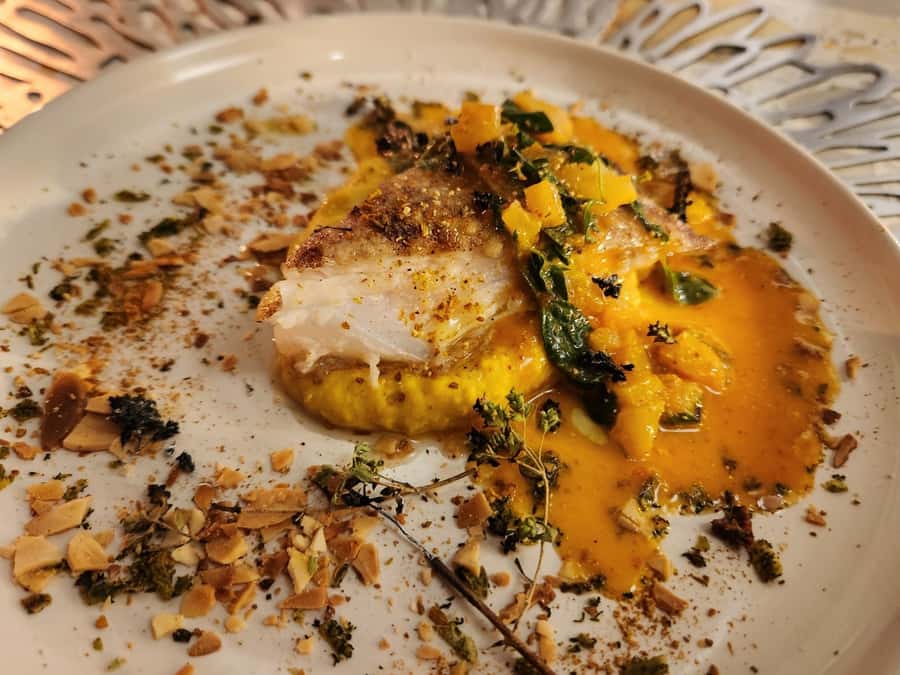
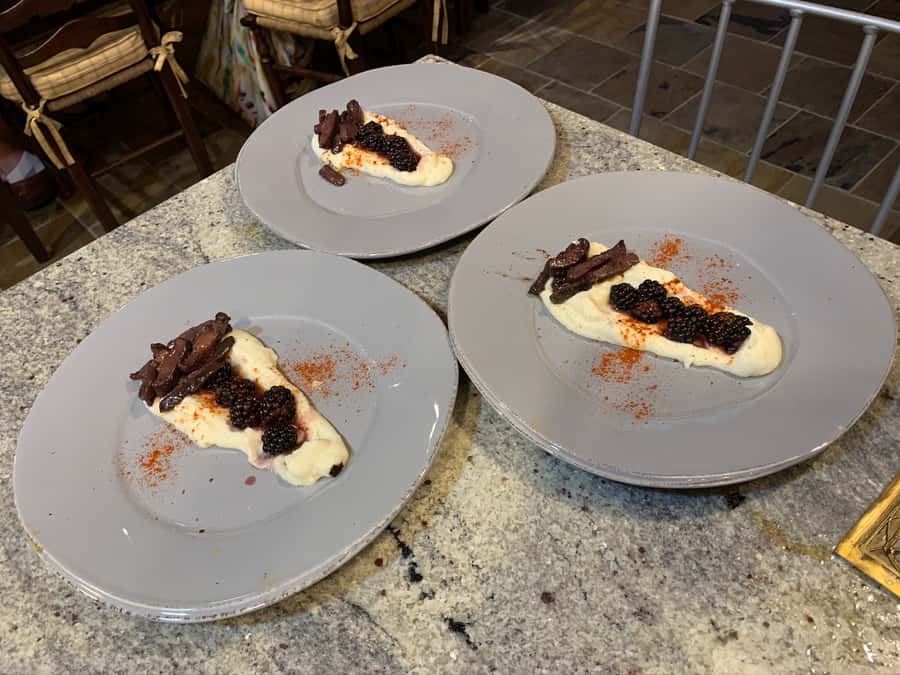
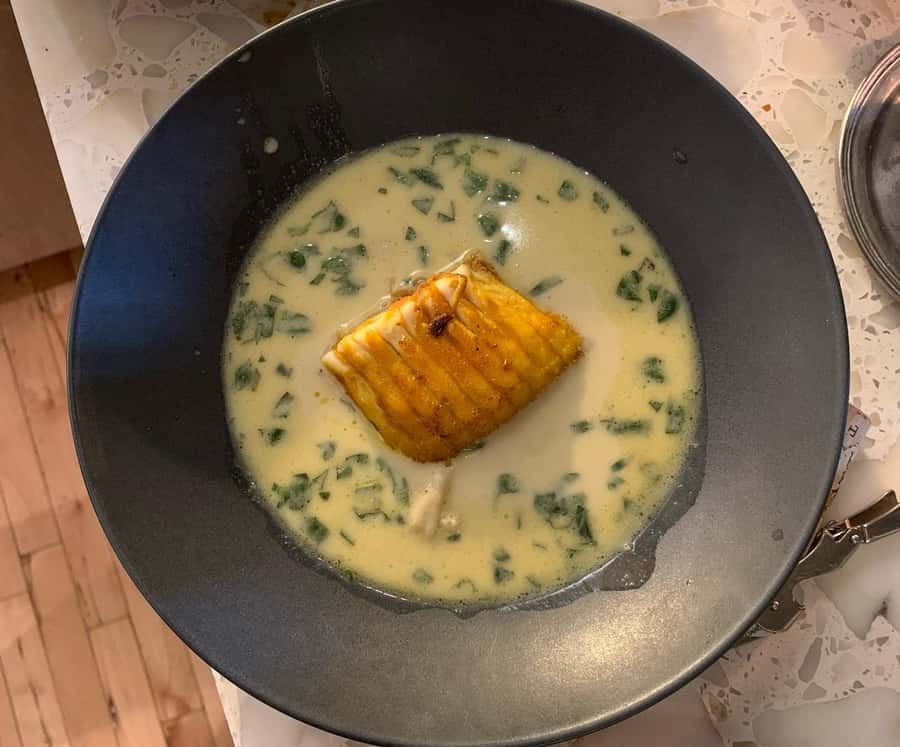
The three courses tell separate parts of the meal’s story. One course might focus on seafood, another on a sauce or vegetable preparation, and another on meat or a more substantial combination. Past dishes have included salmon with unusual sauces, duck prepared with less familiar techniques, and smoked pork belly served with cucumber, mango, and Caribbean spices.
These examples show the range of the cooking. You may work with familiar ingredients in unfamiliar ways, such as pairing scallions with salmon or using fruit and spice to cut through pork belly. The goal is not to follow a rigid recipe. It is to learn how to make sound choices when you cook at home.
More Lunch Experiences in the world:
- Cooking Class and Lunch at a Tuscan Farmhouse with Local Market Tour from Florence
★ 5.0 · 4,831 reviews - Paris Cooking Class and Lunch with Wine plus Market Visit Option
★ 5.0 · 1,024 reviews - Austrian Apple Strudel Cooking Class including Lunch in Salzburg
★ 5.0 · 929 reviews
Entering Chef Rob’s Old Montreal Kitchen
The meeting point is 375 Rue Saint-Paul East. Text when you are downstairs and buzz number 5. The directions also ask you to keep quiet in the hallways as you walk upstairs, so this is a residential-style setting rather than a large public cooking school.
That setting shapes the mood. The class takes place in Chef Rob’s home, with a private group and a relaxed pace. You are closer to a small dinner gathering with instruction than to a busy workshop where several teams work at separate stations.
Chef Rob brings experience as a Michelin-trained chef and food writer. His lessons focus on professional habits that are easy to miss when a chef simply demonstrates a finished dish. You get explanations of why an ingredient is used, how a sauce should behave, and what a plate needs before it reaches the table.
The class is conducted in English. Since the group is private, Chef Rob can spend time responding to individual questions and adjusting his explanations. That matters if you want more than a quick demonstration, especially when you are trying a technique for the first time.
The First Lessons: Ratios, Seasoning, and Cutting
The most useful skill in this class is likely sauce-making. Chef Rob teaches ratios that help you understand how sauces are built, rather than handing you a recipe that only works under one set of conditions.
That distinction is important. At home, you may not have the exact fish, stock, herbs, or vegetables called for in a recipe. Knowing how fat, acid, seasoning, and other components work together gives you a way to adjust the dish without losing its balance.
Flavor-building is another core lesson. Chef Rob explains how ingredients support or sharpen one another, and why a dish can taste flat even when it contains good ingredients. You may work with spices, herbs, fruit, seafood, meat, or vegetables, depending on the menu supplied that day.
Cutting skills also enter the class. One past preparation included a lesson on cutting cherry tomatoes without losing their juices. That sounds small, but it is exactly the sort of practical detail that changes the texture and appearance of a finished plate.
The class can also challenge food habits. A salmon preparation once paired scallions with the fish in a way that surprised a diner who normally avoids onions and scallions. That kind of pairing is useful because it shows you how preparation and balance can change your view of an ingredient.
Helping Prepare the Three Courses
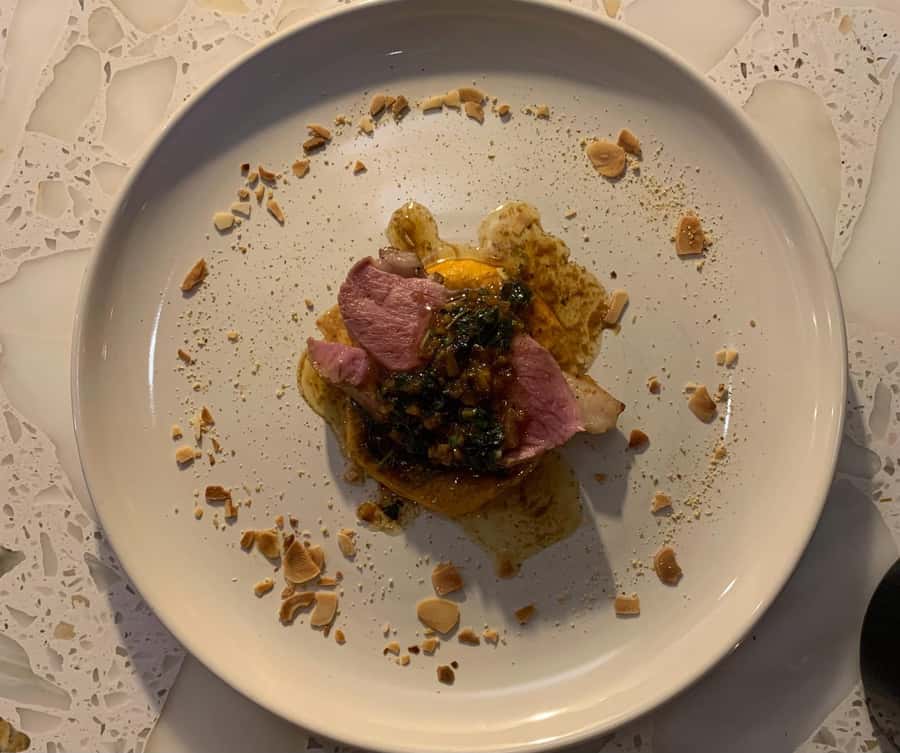
You take part in one course rather than cooking the entire meal from start to finish. Chef Rob guides you through a technique, explains the reason behind it, and helps you prepare the dish for the table.
The available techniques include searing, pan-roasting, oven poaching, and plating. Each one teaches a different part of professional cooking. Searing is about heat and timing. Pan-roasting shows how to develop color while continuing to cook the food. Oven poaching calls for control and care. Plating brings the visual and practical parts together.
The work is collaborative, not a test. You are not expected to perform like a trained chef. The point is to understand the steps and make better decisions the next time you cook.
Past menus have included salmon, duck, and smoked pork belly. A pork belly course with cucumber, mango, and Caribbean spices shows how the class may combine richness, freshness, sweetness, and heat on one plate. A salmon course may put more attention on slicing, sauces, and delicate pairings.
Because the menu responds to available ingredients, you should treat these dishes as examples rather than promises. The changing menu is part of the appeal, but it is also the reason to tell the provider about dietary needs before booking if that information is important to you. The supplied details do not promise specific substitutions.
More Hands-On Workshops in the world:
- Half-Day Thai Cooking Class at Organic Farm in Chiang Mai
★ 5.0 · 19,087 reviews - Florence: Pasta Cooking Class with Unlimited Wine
★ 4.9 · 10,285 reviews - 3 in 1 Cooking Class near Navona: Fettuccine, Ravioli & Tiramisu
★ 5.0 · 7,376 reviews - Florence: Pasta & Tiramisu Cooking Class with Unlimited Wine
★ 4.9 · 6,708 reviews
Sitting Down to the Three-Course Tasting
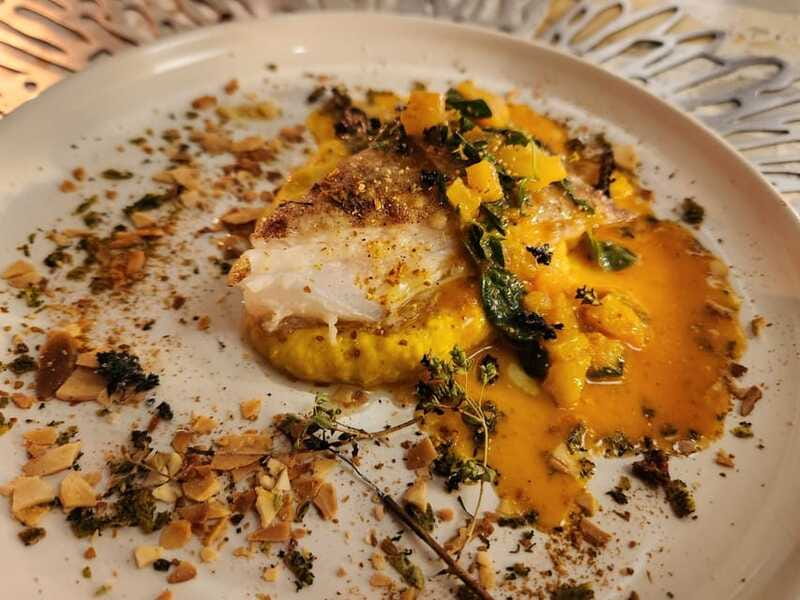
After the preparation, the cooking gives way to lunch. You sit down to enjoy a three-course tasting built around the techniques and ingredients introduced during the class.
This final meal gives the lessons a clear purpose. You can taste the difference a properly balanced sauce makes, see how cutting affects a dish, and judge how the separate parts of a plate work together. It is easier to remember a technique when you have just eaten the result.
The meal is also a chance to notice the structure of the food. A sauce may provide acidity or richness. A vegetable or fruit component may add contrast. A spice blend may connect a dish to one of Montreal’s wider food traditions. Chef Rob’s teaching links those choices to the finished plate.
The class has a tasting-menu format, so you should expect smaller, composed courses rather than a large casual lunch. At $128 per person, the price covers both instruction and the meal. For someone who wants a serious cooking lesson followed by a chef-prepared tasting, that is a fair use of an afternoon. It is less appealing if your main goal is simply to eat a cheap lunch.
Drinks are not included. Wine pairings, adult beverages, and unusual non-alcoholic tea pairings have been part of past experiences, but you should budget separately and confirm what is available. One non-alcoholic pairing featured rare flavors that were new to the diners who tried it, so non-drinkers are not necessarily left with a dull alternative.
What Makes the Private Format Worthwhile
A private group changes the feel of the class. You can ask questions without holding up a large room, and Chef Rob can spend more time on details that interest you. If sauces, knife work, or plating are your main reasons for booking, that personal attention has real value.
The small setting also makes the meal more social. One afternoon brought together several couples, including people from Montreal and visitors from the United States. The cooking gave them a shared activity, while the meal created time to talk afterward.
The format suits home cooks who want ideas they can use again. The class does not focus only on producing one perfect dish. It gives you tools for making sauces, combining flavors, choosing garnishes, and presenting food with more care.
It may be less suitable if you want a large class with lots of fellow participants, a fixed menu, or a highly polished cooking-school setup. The home setting is part of the experience, and some people will prefer a purpose-built kitchen with formal workstations.
Timing, Location, and Practical Details
The class lasts 2.5 hours and is usually offered in the afternoon. The start time varies between 12:30 and 1:30 p.m. because the provider works with farmers and fishermen. You receive confirmation 24 to 48 hours before the class.
Build that uncertainty into your Montreal plans. Do not schedule a tight museum booking, train departure, or restaurant reservation immediately before or after the class. The time change is not a flaw in the cooking itself, but it can be inconvenient if your day is planned down to the minute.
Old Montreal is a sensible setting for this kind of meal. The meeting point is on Rue Saint-Paul East, in the historic Old Port area. You will need to text when you are downstairs and use buzzer number 5. Keep the hallway instruction in mind, since the activity is held in a home rather than a public storefront.
The experience is wheelchair accessible. It is conducted in English, and cancellation is free up to 24 hours in advance. You can also reserve now and pay later, which helps if your Montreal schedule is still taking shape.
Who Will Get the Most from This Class
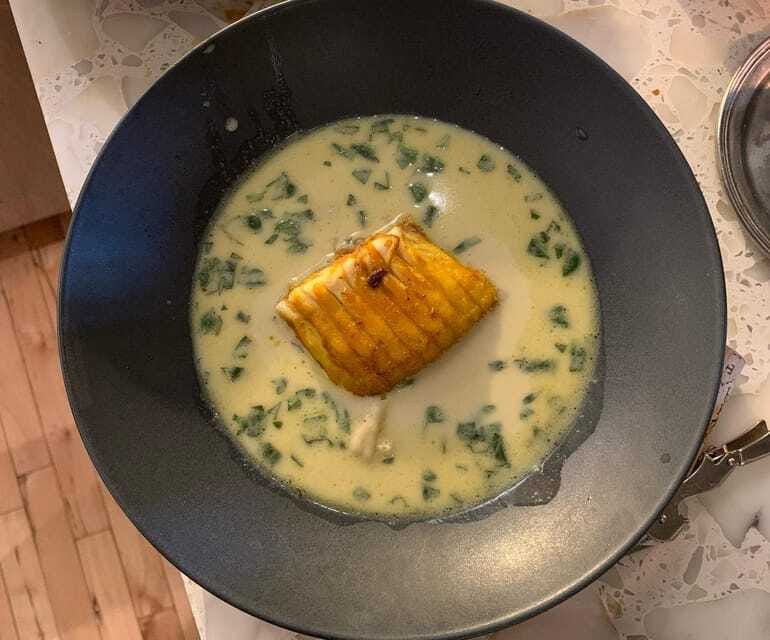
I would choose this for a curious home cook who wants technique, not just a pleasant meal. The strongest lessons are about sauce ratios, flavor combinations, cutting, cooking methods, and plating. You leave with ideas you can adapt instead of one recipe you may never make again.
It also suits couples, families, and small private groups who enjoy eating together. The pace allows time for conversation, and the food gives everyone something to discuss.
Food lovers interested in Montreal’s mix of cultures will find the menu more engaging than a standard French cooking lesson. Caribbean, Asian, Persian, French, and Quebecois influences give the meal a broader local context.
I would think twice if you dislike flexible plans or need to know the exact dishes in advance. I would also check the drink arrangements before booking if wine or a non-alcoholic pairing is central to your plans. Drinks are extra, and the menu changes.
Should You Book Chef Rob’s Cooking Class?
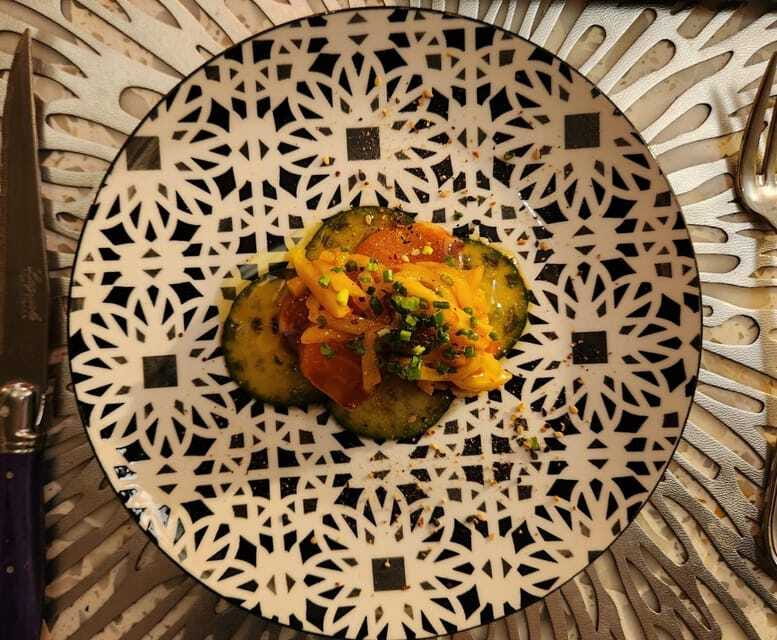
Book it if you want a private, hands-on afternoon that combines a serious lesson with a three-course meal. The strongest reasons are Chef Rob’s clear focus on sauces and flavor, the chance to help prepare a course, and the changing menu shaped by Montreal’s food cultures.
At $128 per person, the value comes from the combination of instruction, private access, and lunch. You are paying for more than a meal, but you should take advantage of the teaching by asking questions and paying attention to the ratios and methods.
Skip it if you want a quick restaurant lunch, a fixed menu, or a class with a fully predictable start time. For everyone else, this is a thoughtful way to spend an afternoon in Old Montreal, especially if you want to return home with better cooking instincts.
FAQ
Where does the cooking class take place?
The meeting point is 375 Rue Saint-Paul East in Old Montreal. Text when you are downstairs and buzz number 5. You are asked to keep quiet in the hallways while walking upstairs.
How long does the experience last?
The activity lasts 2.5 hours and is usually available in the afternoon.
What time does the class start?
The start time varies between 12:30 and 1:30 p.m. It is confirmed 24 to 48 hours before the class because of farm deliveries and fish deliveries.
Who teaches the class?
Chef Rob leads the cooking class. He is Michelin-trained and also works as an award-winning food writer.
What will I learn?
The class includes instruction on sauce ratios, flavor-building, plating, searing, pan-roasting, oven poaching, and cutting techniques.
What food cultures influence the menu?
The three-course menu may draw from Caribbean, Asian, Persian, French, and Quebecois food cultures.
Is lunch included?
Yes. After the cooking, you enjoy a three-course tasting menu prepared through the class.
Are drinks included?
No. Drinks are not included. Wine, adult beverages, and non-alcoholic pairings may be available separately.
Is the class private and wheelchair accessible?
Yes. The experience is offered as a private group and is wheelchair accessible.
Just added around the world
- Private Cape Malay Cooking Class in Cape Town with a Local Family★ 5.0 · 24 reviews
- Private Moroccan Cooking Class in Casablanca with a Local Expert★ 5.0 · 12 reviews
- Cooking Class and Wine Pairing in Capri★ 5.0 · 57 reviews
- South African Cooking in Cape Town with Local Chef Richard★ 4.5 · 10 reviews
- Langa Township and Bokaap Cooking Class Half Day Tour★ 5.0 · 4 reviews
- Private Authentic Mexican Cooking Class in Cancun with Alberto★ 5.0 · 3 reviews
- Private Authentic Cape Malay Cooking Class in Manenberg with Locals★ 5.0 · 5 reviews
- Cape Town Shore Excursion| South African Cooking & Port Transfers★ 5.0 · 3 reviews
Cooking Classes, compared.
Half-Day Thai Cooking Class at Organic Farm in Chiang Mai
Read our review →
Florence: Pasta Cooking Class with Unlimited Wine
Read our review →
3 in 1 Cooking Class near Navona: Fettuccine, Ravioli & Tiramisu
Read our review →
Hanoi Cooking Class: Culture, Local Market & Meaning CSR Impact
Read our review →
5 Traditional Dishes Hanoi Cooking Class with Market Trip
Read our review →
Cooking Class and Lunch at a Tuscan Farmhouse with Local Market Tour from Florence
Read our review →
Chiang Mai: Cooking Class, Market & Thai Herbs Garden Tour
Read our review →Browse the lists this tour appears in