
Review · MUMBAI
Mumbai: Indian Cooking Class & Cultural Delights
Mumbai’s best food lessons often happen away from restaurant tables. This three-hour class takes you from a local market to a home-style kitchen, where you learn several Maharashtrian dishes by watching a demonstration and then cooking the food yourself. Guide Dinesh and cook Trupti help turn unfamiliar spices and techniques into manageable steps.
I like the small group of up to six, which gives you room to ask questions and work at the stove. I also like the market visit and the chance to leave with recipes, not just a full stomach. The main consideration is that transportation is not included, so you must make your own way to the entrance of Star Anise patisserie.
Key points
- Market first: See the produce and ingredients used in the class during a short local market visit.
- Cook several dishes: Prepare a multi-course meal, with past classes making around five dishes and, in some sessions, chapati or paratha.
- Learn by doing: Trupti demonstrates each recipe, then you cook it yourself with help from the team.
- A meal at the end: Sit down together and eat the thali or feast made during the class.
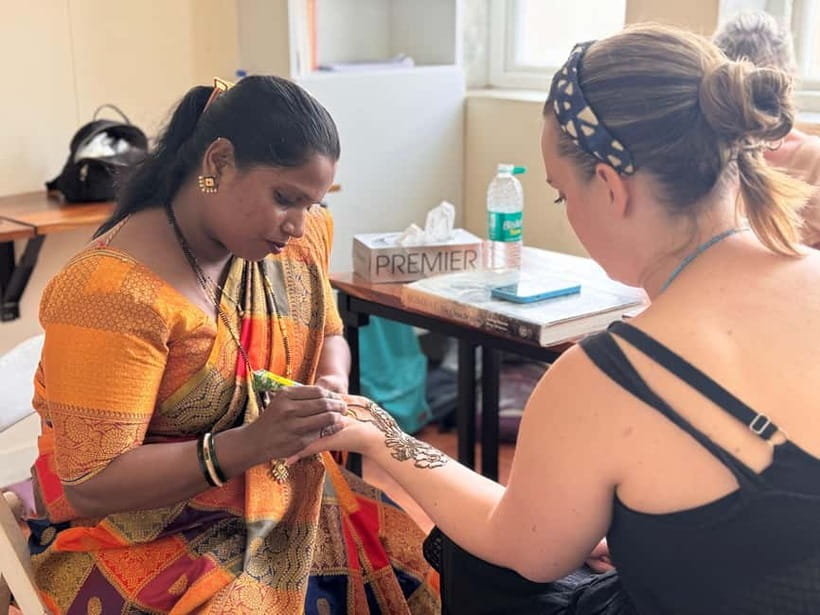
- More than food: Expect conversation about Indian cuisine, local life, colonial Bombay, and cultural activities such as henna.
- Easy for beginners: No cooking background is needed, and the English-speaking team guides you through each step.
A Mumbai cooking class that begins at the market
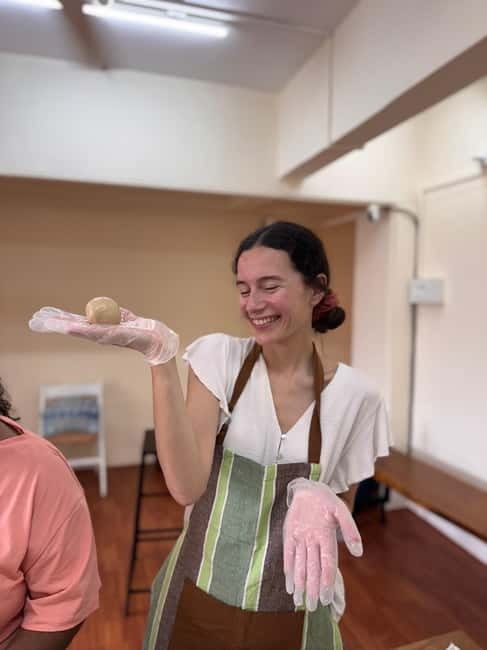
The experience starts at the entrance of Star Anise patisserie. From there, you join the guide for a walk around a local market, where you can see the sort of vegetables, fruit, spices, and other ingredients used in Maharashtrian cooking.
This short visit gives the class a useful setting. Indian food is easier to understand when you can connect a finished dish with the raw ingredients that went into it. The market also adds a local-life element that a cooking lesson in a sealed studio would miss. One session included local chai, and another included a walk through vegetable and fish stalls.
The exact rhythm may vary. Some accounts describe the market before the cooking, while one describes visiting it afterward. The important point is that the market visit is part of the experience, not an optional extra. Plan for a food-focused walk before or around the kitchen portion.
This is not a market tour designed for long shopping time. It is a short introduction to the food of the area and a chance to understand what the cook is using. If you want a detailed market photography tour or a long stop at every stall, this class may feel too brief. If you want context before handling the ingredients, it fits well.
More Indian Cooking Classes in India:
- Indian Cooking Class in an Authentic Local Home – Learn 6 Dishes
★ 5.0 · 195 reviews - Authentic Indian Cooking Classes at Palolem Beach Road Goa
★ 5.0 · 132 reviews - New Delhi: Indian Cooking Class in a Local Home
★ 5.0 · 65 reviews
Meeting Trupti and learning home-style Indian cooking
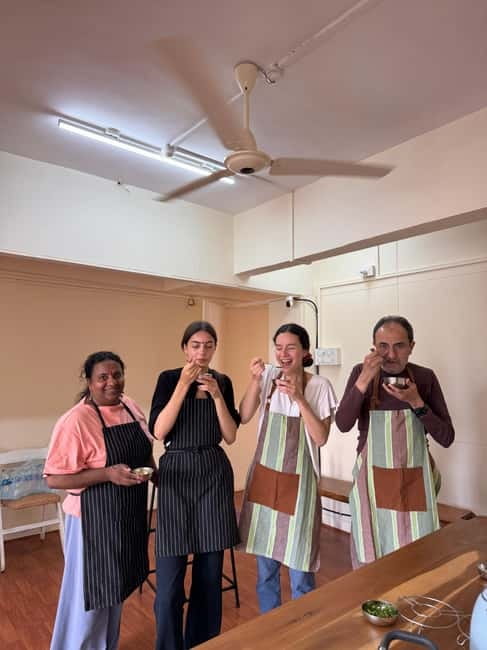
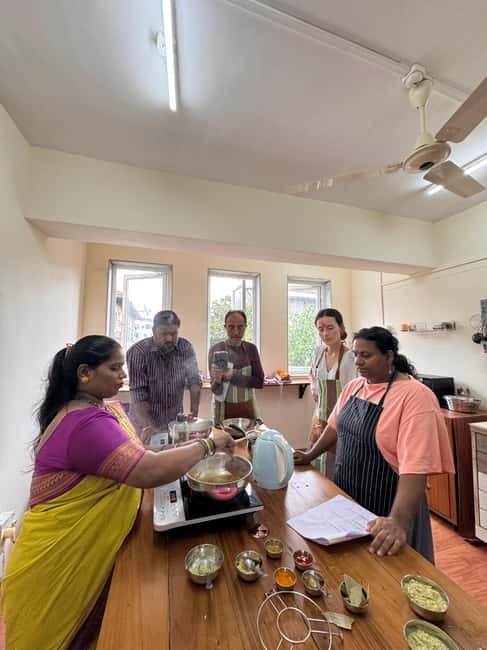
The cooking takes place with a local cook, identified in several sessions as Trupti, who demonstrates the dishes before you try them. Dinesh explains the cultural and culinary background, answers questions, and helps keep the class moving.
That pairing works well for a first lesson. You get the practical instruction from the cook and the wider explanation from the guide. The class is not only a matter of copying movements. You can ask why a spice is used, how a dish fits into a meal, or how Indian cooking differs from the ideas many first-time cooks bring with them.
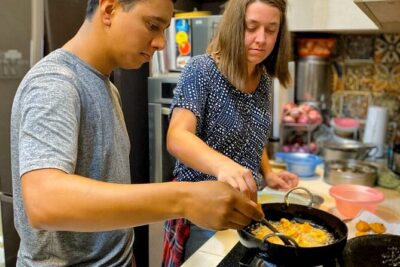
The teaching style is hands-on. First, you watch a demonstration. Then you repeat the process yourself. You may chop, season, mix, cook, and help assemble the final meal. The staff remains available, so you are not left guessing if a dough feels wrong or a pan needs attention.
That matters because Indian food can appear complicated from the outside. Several spices may be used in one dish, but the class shows how to build flavor in clear steps. One lesson also challenged the common assumption that Indian cooking must rely on heavy cream or grease. You learn how spices and careful cooking can do much of the work.
You do not need to be a confident cook. Beginners are welcome, and the instructions are designed to be followed as you go. If you already cook Indian food at home, you can use the class to ask more focused questions about technique, seasoning, chapati, paratha, or regional dishes.
What you actually cook during the three hours
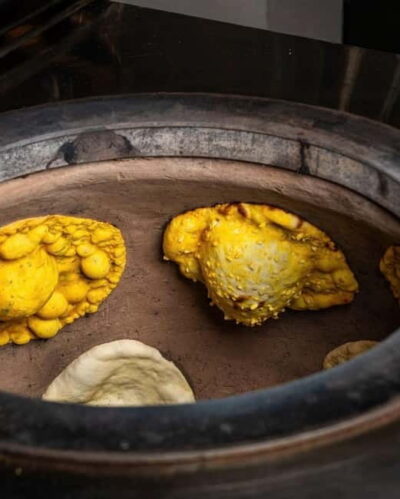
The menu can vary, so you should not book expecting one fixed list of dishes. The class prepares a multi-course meal, with several sessions making about five dishes. Chapati appeared in one session, and paratha was added for a group that specifically wanted to learn it.
This flexibility is useful. It means the class can respond to the group’s interests, but it also means the exact menu is not guaranteed in advance. If you have a particular goal, such as learning flatbreads, mention it when arranging the activity rather than assuming it will be included.
The food is prepared in stages, with a demonstration for each recipe. You then take your own turn. The process gives you a better sense of texture and timing than a standard demonstration class, where you only watch the chef.
One account describes four cooking stations and a calm setting. That setup can make a difference in a small class. You have a place to work rather than simply standing behind someone else, although the number of stations and the precise arrangement may depend on the session.
The recipes are not treated as museum pieces. The point is to give you methods you can use at home. You receive recipe sheets in at least some sessions, and several people used the class as a way to improve their own cooking after returning home.
Sitting down to eat your own thali
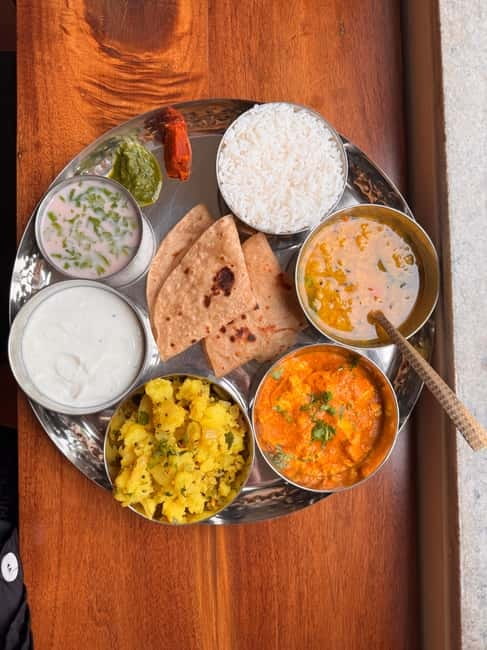
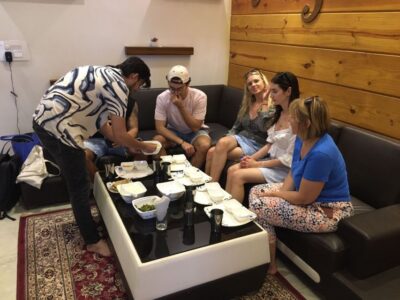
After the cooking, everyone sits down for lunch and eats the food prepared during the class. Some sessions describe this as a thali, while others call it a shared feast. Either way, the final meal is part of the lesson’s appeal.
You can taste the difference between watching a recipe and making it yourself. A dish that seemed unfamiliar a few hours earlier becomes something you recognize by smell, texture, and preparation. The shared table also gives the group time to talk with the cook, guide, and other participants.
The food is the strongest part of the value here. For $27 per person, you are receiving a three-hour class, a market visit, cultural activities, and a substantial meal. Mumbai has plenty of inexpensive food, but this price buys instruction and personal contact as well as lunch.
The meal may be especially useful for people with dietary questions, since you can ask about ingredients during preparation. Still, the supplied information does not promise a specific dietary menu, so tell the provider about any needs before booking rather than waiting until the class begins.
More Hands-On Workshops in India:
- Pink City Cooking Class
★ 5.0 · 452 reviews - Five Course Cooking Class & Meal
★ 5.0 · 250 reviews - Veg and Non veg : Private Cooking Class in Delhi home (7 meal)
★ 5.0 · 226 reviews - Jaipur Market Tour & Vegetarian Rajasthani Home Cooking Class
★ 5.0 · 113 reviews
Cultural details beyond the cooking
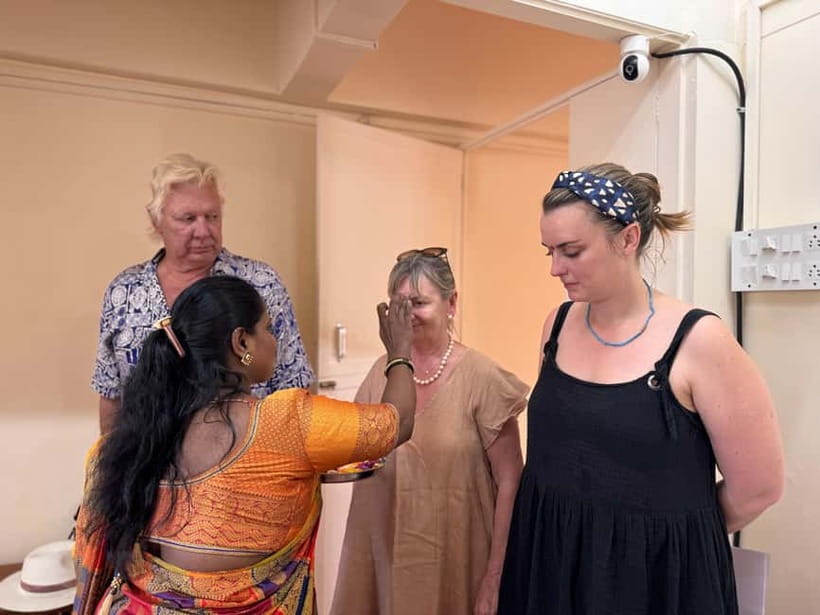
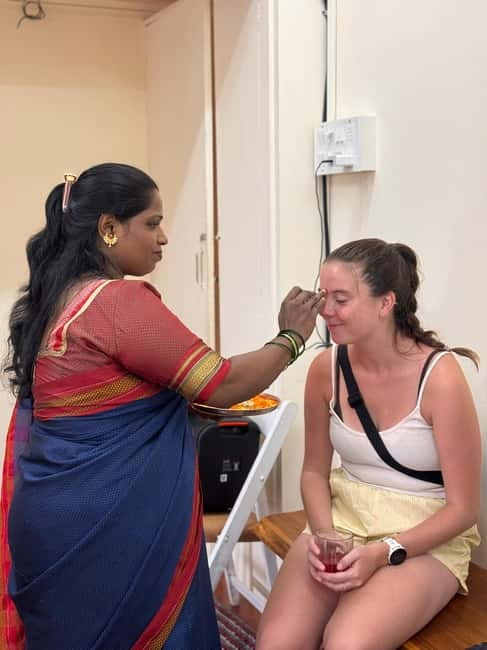
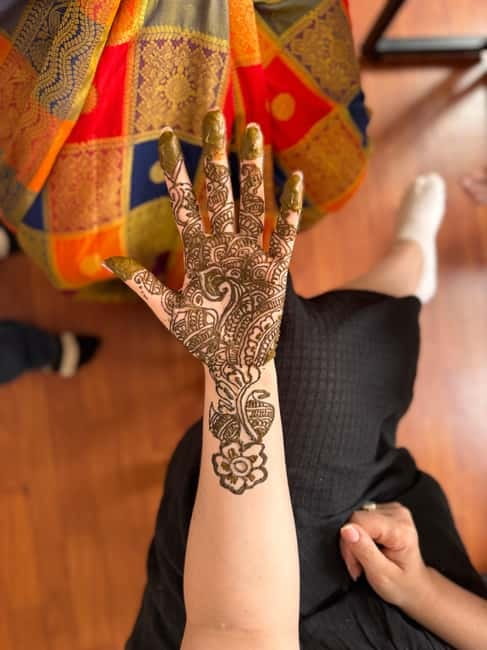
The class adds cultural activities that help place the food in daily life. The guide discusses Indian cuisine and local history, including colonial Bombay in one session. You may also receive henna, known locally as Mehndi, on your hand.
These additions are not the main event, and that is a good thing. The cooking remains the center of the experience, while the conversation and activities help explain the world around the meal. You get a taste of how food, family hospitality, and local customs connect.
The welcoming style also matters. Several sessions included a traditional welcome ritual, and some participants described the setting as feeling like a family home. That does not mean the experience is a private family dinner, but the format aims for a personal, home-style atmosphere rather than a formal culinary school.
The guide’s background knowledge is useful here. Dinesh has been described as able to explain food history, Indian cuisine, and the local area. His role is more than translation between steps. He gives the meal a setting, which helps you understand why the class focuses on Maharashtrian food in Mumbai.
Group size, pace, and accessibility
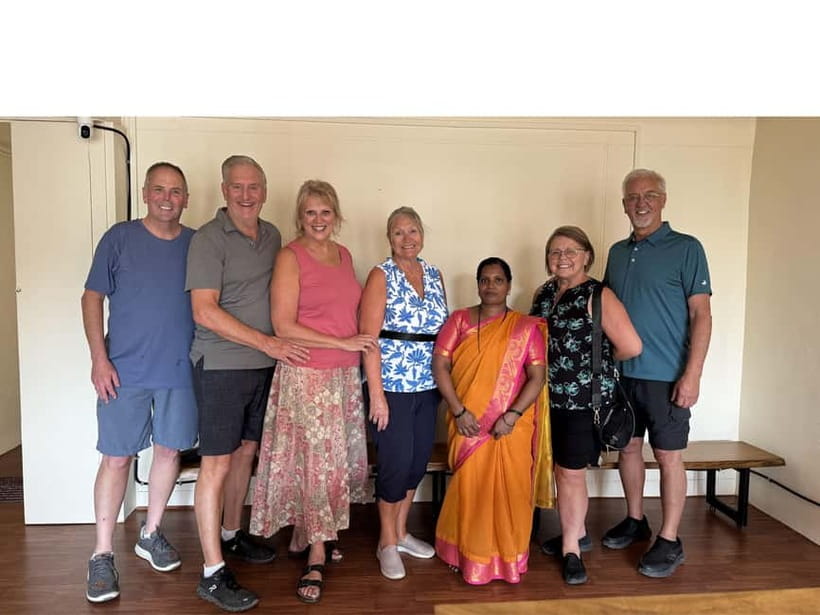
The group is limited to six people. That is small enough for direct help and conversation, while still giving the session a social feel. If fewer people book, the experience may become even more personal. One session had a single participant, while another had four cooking stations.
A three-hour schedule gives you enough time for the market, demonstrations, cooking, cultural conversation, and lunch without making the class an all-day commitment. You will still need to stay engaged. This is a hands-on class, not a passive tasting.
The pace should suit most beginners, but cooking several dishes in three hours means the session will have structure. You may not spend long on each recipe, and there may be little time for unrelated sightseeing. Treat the class as a focused food experience.
The activity is wheelchair accessible according to the supplied information. Transportation is not included, so you need to reach the meeting point independently. Allow enough time to find the entrance of Star Anise patisserie and arrive ready for the group to begin.
The tour is conducted in English. Dinesh and the cooking team explain the steps as you work, making this a practical choice for English-speaking visitors who want to ask questions rather than simply follow a printed recipe.
How the $27 price compares
At $27, this is a strong-value activity if you want more than lunch. You receive a market visit, instruction from a local cook, several dishes, cultural conversation, and the meal you help prepare. Recipe sheets in some sessions add another useful take-home benefit.
The value is strongest for people who will use what they learn. If you enjoy cooking, the techniques and recipes can continue paying off after you leave Mumbai. If you dislike kitchen work or only want to sample food, a restaurant meal may be a better fit.
The price does not include transportation or personal expenses. That is a small but important planning point. You also should not assume every extra mentioned in a past session, such as chai, henna, chapati, or paratha, appears every time. Those details can depend on the group and the day.
The small-group format adds value. A cheaper, larger demonstration might offer less chance to handle the ingredients or ask questions. Here, the point is to cook the dishes yourself, which makes the price feel reasonable for a three-hour Mumbai activity.
Who will enjoy this experience most
I would recommend this class to first-time visitors who want a more personal look at Mumbai food culture. It also suits couples, solo visitors, and small groups who prefer meeting local people to moving from one major sight to another.
It is a good choice for:
- New cooks: You receive demonstrations, patient guidance, and simple steps.
- Food-focused visitors: You see the market ingredients, prepare several dishes, and eat the final meal.
- Returning Indian food fans: You can ask about spices, flatbreads, preparation methods, and regional cooking.
- Solo visitors: The small group gives you an easy way to meet people.
- Families or mixed-skill groups: The class welcomes people without cooking experience, though all participants should be ready for hands-on work.
I would think twice if your schedule is so tight that a three-hour commitment feels stressful. I would also look elsewhere if you want a fixed menu, a professional culinary-school setting, or a long guided market tour. The charm here is the home-style approach and the chance to learn by doing.
Practical tips before you book
Meet at the entrance of Star Anise patisserie, not at a general landmark. Since transport is not included, check your route before the start time.
Wear something comfortable for cooking and walking through the market. The class includes active participation, so you will be handling ingredients rather than sitting through a lecture.
If chapati or paratha is high on your list, ask about it ahead of time. Those flatbreads were included or added in some sessions, but the menu can change.
Keep your questions ready. Dinesh’s role includes explaining Indian food and local culture, and the cook demonstrates each dish before you try it. You will get more from the class if you ask about spice combinations, texture, and methods you want to repeat at home.
Cancellation is free up to 24 hours before the activity for a full refund. You can also reserve now and pay later, which helps if your Mumbai plans are still shifting.
Should you book the Mumbai cooking class?
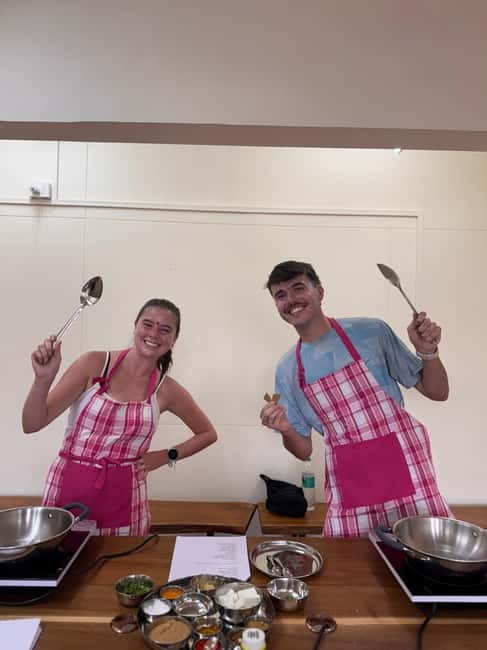
Book it if you want to cook a real meal, meet a local cook, and connect a Mumbai market with the food on your plate. The class earns its $27 price through the small group, direct instruction, shared lunch, recipe help, and cultural details such as the welcome ritual, local history, chai, and possible henna.
The best reason to choose it is simple: you do not just watch Indian cooking. You practice it, eat it, and take the method home. Skip it only if you want a quick tasting or a guaranteed menu. For curious eaters and beginner cooks, this is one of the more useful three-hour activities you can add to a Mumbai visit.
FAQ
How long does the Mumbai cooking class last?
The activity lasts three hours.
What is included in the experience?
The price includes an authentic Maharashtrian cooking class, a market visit, cultural activities, and preparation of a multi-course meal.
Where is the meeting point?
Meet at the entrance of Star Anise patisserie.
Is transportation included?
No. Transportation to and from the activity location is not included.
Is cooking experience required?
No. Participants without cooking experience can join, and the class includes demonstrations followed by hands-on cooking.
What language is the class conducted in?
The live guide and activity are in English.
How many people can join the group?
The class is a small-group activity limited to six participants.
Just added around India
- Discover Bangalore’s Cuisine: Private Half-Day Cooking Experience★ 5.0 · 3 reviews
- Traditional Gowda Cooking Class and Meal in a Bangalore Home★ 5.0 · 31 reviews
- Private South Indian Cooking Class in Bangalore with a Local★ 5.0 · 11 reviews
- Private Cooking and Dining Experience in Bengaluru★ 5.0 · 35 reviews
- Cooking experience in Bangalore, a half day tour★ 5.0 · 5 reviews
- Bangalore: Traditional Cooking Classes & Dinner with Chef Family★ 3.5 · 4 reviews
- Agra Cooking Classes (Pick up and Drop available)★ 5.0 · 34 reviews
- Talk & Enjoy with Delhi locals at their home while Cooking★ 5.0 · 19 reviews
Indian Cooking Classes, compared.
Indian Cooking Class in an Authentic Local Home – Learn 6 Dishes
Read our review →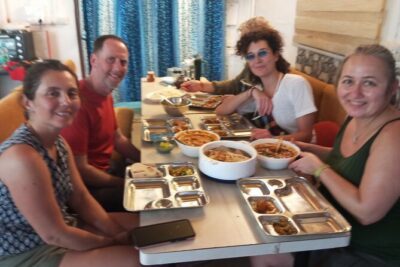
Authentic Indian Cooking Classes at Palolem Beach Road Goa
Read our review →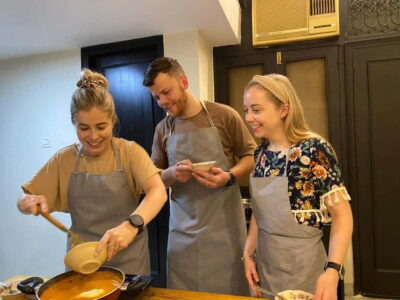
New Delhi: Traditional Indian Cooking Class & Market Visit
Read our review →
Private South Indian Tamil Cooking Class in Chennai with Srividya
Read our review →
Browse the lists this tour appears in