
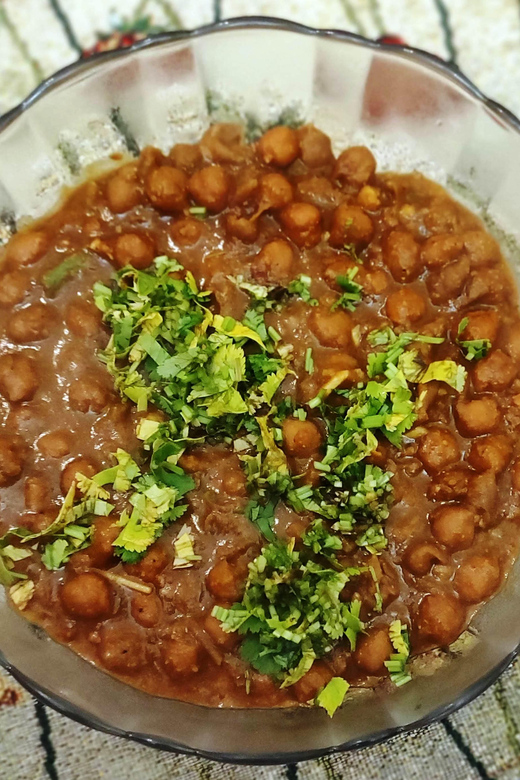
Review · NEW DELHI
New Delhi: Traditional Indian Cooking Class & Market Visit
The best part of this Delhi experience is that it begins before you reach the kitchen. Lubna takes you to a nearby market, about a 10-minute ride from the usual tourist sights, then brings you home for chai, cooking, and a family meal. I like the market-to-table flow and the chance to choose dishes that match your interests.
I also like the personal scale. You cook in Lubna’s home, not a large teaching studio, and she can adjust recipes for vegetarian diets and other food needs. The main consideration is that this is a three-hour session with a busy kitchen, so you should message her before arrival and agree on the menu, timing, and transport details.
Key points to know before booking
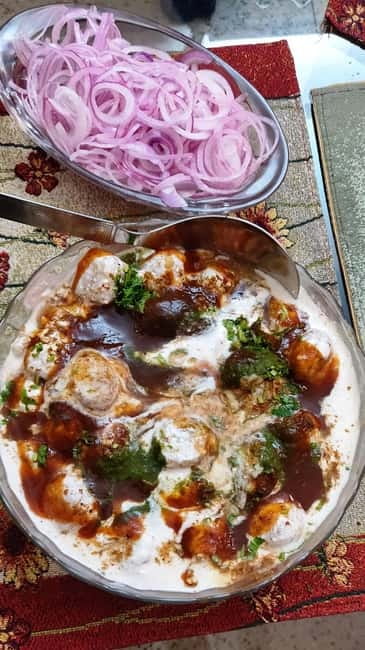
- Shop with Lubna at a local Delhi market: See everyday produce, spices, groceries, and possibly street food away from the main sightseeing route.
- Choose dishes before you arrive: Menus can include Rogan Josh, kebabs, paneer dishes, dhal, biryani, samosas, bread pakora, and regional breakfast foods.
- Learn in a real family home: Lubna’s house has traditional haveli-style architecture from 1974, a leafy garden feel, and a relaxed dining room.
- Get practical spice and bread lessons: The class covers spice mixes, oils, cooking methods, chapati, roti, paratha, and other Indian breads.
- Eat what you make: The package includes the ingredients, cooking instruction, tea or water, and the finished meal.
- Plan around the two start times: Classes begin at 11 AM or 4 PM, and a breakfast version may replace the market visit.
From Ashram Metro to Lubna’s Kitchen
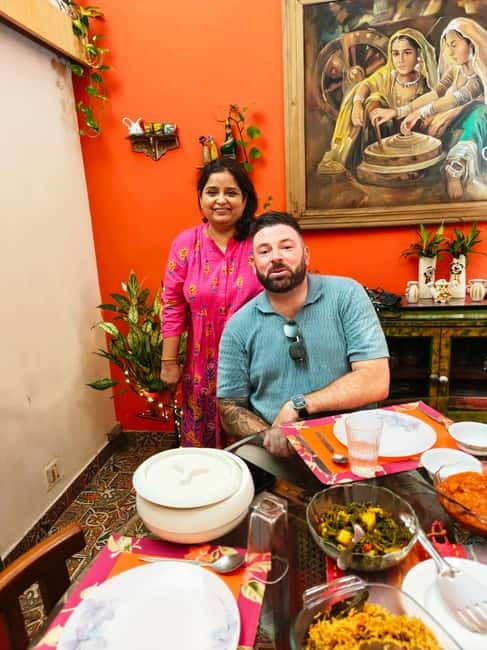
The meeting point is easy to identify once you have the right details. Search for Delhi Bed and Breakfast and check that the address reads A-6 Friends Colony East, New Delhi 110065. The house is behind the HP petrol pump, about a three-minute walk from Ashram metro station, Gate No. 3.
Look for a white house with a red sloping roof on a quiet dead-end street. That is useful in a city where a vague meeting point can turn a pleasant morning into a hunt for the right gate.
This is a private group activity, conducted in English, and the home is wheelchair accessible. The price is $43 per person, which includes the hostess, ingredients, three main dishes, three types of bread, one rice dish, and the meal you prepare. Tea and water are included as well.
For a private cooking class in Delhi, that is a fair price. You are paying not just for instruction, but also for a market outing, a substantial lunch or dinner, and time in a local home. It becomes especially good value if you are interested in taking the recipes home and cooking them again.
Transport needs a little care. The market is a short ride away, but hotel pickup and drop-off are not included, and costs such as tuk-tuk fares, metro fares, ride-hailing, and snacks are your responsibility. Confirm the transport plan with Lubna before you set out.
More Market Tour Cooking Classes in India
- Jaipur Market Tour & Vegetarian Rajasthani Home Cooking Class
★ 5.0 · 113 reviews - Spice Knight (Cooking Class -> Meal -> Local Market walk)
★ 5.0 · 59 reviews - Pondicherry: Indian Cooking Class with Market Visit
★ 4.7 · 18 reviews
A Delhi market before the cooking begins
The market visit gives the class a useful setting. Instead of hearing a list of spice names in a kitchen, you first see the ingredients as Delhi shoppers buy them. Expect stalls with fresh produce, spices, and groceries, along with the colors and smells that make Indian markets such an important part of daily life.
Lubna can point out ingredients you may have walked past on your own. She can also help you find spices that are difficult to buy overseas. At times, a street-food stall may be open, giving you the chance to try a snack before the cooking begins. That possibility depends on the market and the day, so treat it as an extra rather than a promised part of the tour.
The market is about 10 minutes from common tourist areas, which matters. You get a glimpse of ordinary Delhi without spending half the day crossing the city. If you are curious about Indian food beyond restaurant menus, this short stop may be more useful than another formal food demonstration.
It also gives you a chance to ask direct questions. You can ask which spices work together, how to recognize a particular vegetable, or what you might look for in an Indian grocery store at home. Those answers can make your later cooking feel connected to a real place.
Chai, plants, and a traditional Delhi home
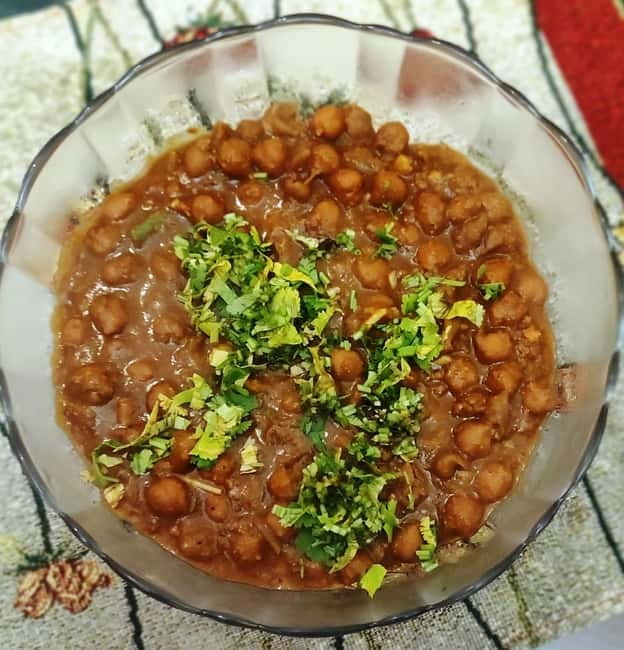
Back at the house, Lubna welcomes you with hot chai. It is a simple start, but it sets the tone for the class. You have time to settle in, discuss the menu, and look around before chopping and cooking begin.
The house is a bed and breakfast as well as a cooking venue. It was built in 1974 in a traditional Indian haveli style, and the property is filled with plants. The setting provides a quiet contrast to the traffic and noise outside.
You are not entering a restaurant kitchen built for demonstrations. You are working in a family home, and that affects the experience in both good and practical ways. The atmosphere is personal and informal, but the kitchen can feel small when several people are helping at once.
I would think of this as a hands-on home visit with cooking at its center, not a polished culinary school. If you want a staged presentation with every ingredient measured in advance, this may feel loose. If you want to see how Indian food is actually made at home, the setting is a strong part of the value.
If your schedule allows, you can take a short walk through the neighborhood after or before the class. It is off the main tourist route and gives you another look at local Delhi life.
Choosing your menu with Lubna
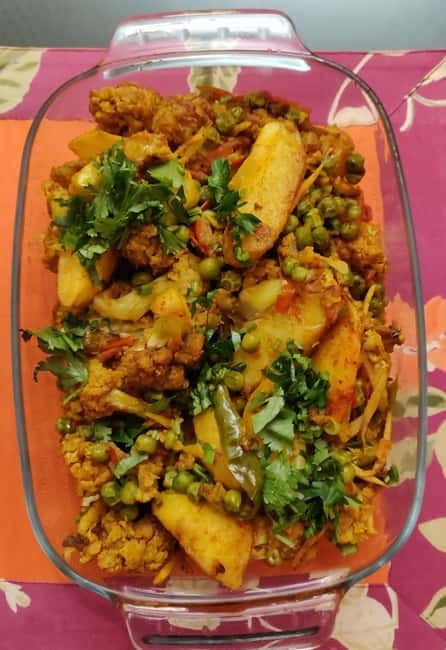
One of the strongest features is the chance to discuss the menu before the class. Lubna uses WhatsApp to ask about your food interests, dietary needs, and favorite dishes. Use that opportunity. A little planning means you are more likely to learn food you genuinely want to recreate.
Possible dishes range from familiar favorites to less common home-style choices. Depending on your request, the menu may include:
- Rogan Josh or mutton stew
- Chicken biryani
- Paneer masala, paneer makhani, or paneer nihari
- Dhal and kadhi pakoda
- Vegetable or chicken kebabs
- Aloo chaat, cauliflower dishes, or potato patties
- Green chutney, raita, and dosa masala
- Samosas and bread pakora
- Chapati, roti, paratha, or other breads
- Indian breakfast dishes and snacks
The exact selection is not fixed in the same way as a restaurant tasting menu. That flexibility is a plus, but it also means you should not assume every dish listed above will appear in your class.
Lubna draws on family recipes, including recipes from her mother-in-law. She also adapts dishes for different needs. One particularly useful example involved a visitor who could not eat wheat, dairy, or citrus. Lubna created dishes using oats as the main ingredient. That does not mean every restriction can automatically be handled, but it shows why you should explain your needs clearly before booking.
Vegetarian cooking is available, and specific dishes can be requested. If you want breakfast rather than lunch or dinner, ask about converting the 11 AM class. The breakfast option does not include the market visit, so you are choosing between an early meal-focused session and the full market-and-cooking format.
More Indian Cooking Classes in India:
- Indian Cooking Class in an Authentic Local Home – Learn 6 Dishes
★ 5.0 · 195 reviews - Authentic Indian Cooking Classes at Palolem Beach Road Goa
★ 5.0 · 132 reviews - New Delhi: Indian Cooking Class in a Local Home
★ 5.0 · 65 reviews - Mumbai: Indian Cooking Class & Cultural Delights
★ 5.0 · 38 reviews
What you actually learn at the stove
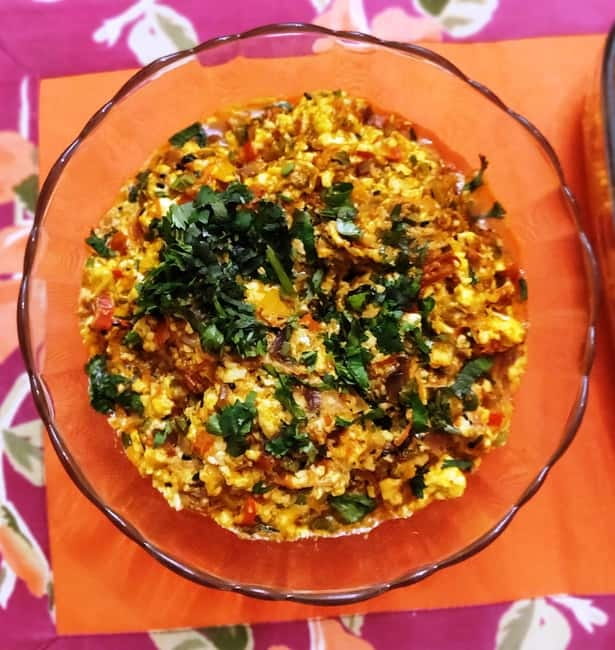
The class is built around doing the work, not simply watching Lubna cook. You help prepare the selected dishes, and she explains the spices, oils, mixtures, and cooking methods as you go.
For a first-time Indian cook, the spice lesson is likely to be the most useful part. Indian food is not just a matter of adding more chili. You learn how different spices shape aroma and flavor, how blends vary by dish, and how small changes in cooking time can affect the result.
If you already cook Indian food, the benefit is different. You can ask about home techniques that may not appear in a standard recipe. The class can focus on bread-making, family-style spice mixes, or dishes that are less common outside India.
Bread deserves special attention. The package includes three bread types, and the broader menu may include chapati, roti, and paratha. Bread-making gives you a physical skill to practice at home: handling dough, shaping it, and cooking it correctly. It can also be the part of the class where beginners need the most patience.
The included meal covers three main dishes and a rice dish, although the exact choices depend on your discussion with Lubna. This is more cooking than a quick demonstration. You will want to arrive ready to participate and with enough room in your schedule to enjoy the meal afterward.
Eating at the family table
Once the food is ready, you sit down and eat what you prepared. That changes the mood from lesson to shared meal, and it gives you a chance to taste the difference between a dish in progress and the finished version.
Lubna’s family may join you, including her husband Sheikh. The family presence is not a separate performance. It is part of the home setting, and conversation may continue well beyond the final dish.
This is where the experience feels most personal. You are not only collecting recipes. You are seeing how food fits into family life, hospitality, and conversation in Delhi. One class may end with a short meal, while another may stretch into a longer chat, depending on the group.
The meal is included, but extra snacks or street food from the market are not. If you want to taste something along the way, carry some cash and remember that those costs are separate.
Timing, group size, and the practical tradeoffs
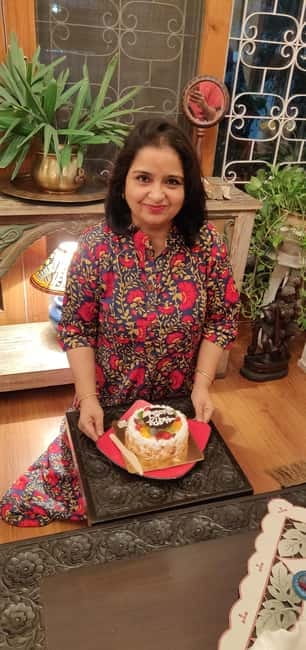
The class lasts three hours and begins at either 11 AM or 4 PM. The late start works well if you plan to spend the morning sightseeing, while the 11 AM option can lead into lunch. Tell Lubna your preferred time when you book.
Only one class is held each day. That helps keep the experience personal, but it also limits flexibility if you are visiting Delhi for only a short time. I would book it on a day when you can protect the full three-hour block rather than squeezing it between major sights.
The group is private, and the class is conducted in English. That makes it easier to ask questions and shape the session around your cooking level. It also means the price is best understood as a private experience rather than a budget group workshop.
The home is wheelchair accessible, but the kitchen itself may still feel compact when everyone is working. If you use a wheelchair or have specific mobility needs, confirm the practical kitchen arrangements in advance rather than relying only on the general accessibility label.
You can cancel up to 24 hours before the activity for a full refund, and you can reserve now and pay later. Those policies help if your Delhi schedule is still changing.
Who will get the most from this cooking class
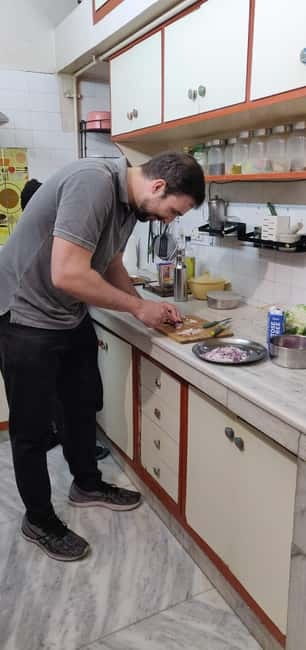
I would choose this experience if you want contact with daily Delhi life along with your food lesson. The market, metro location, neighborhood, and family home give the class a local frame that a hotel cooking demonstration usually cannot provide.
It suits couples, solo visitors, families, and anyone who wants a private session in English. It is also a good choice for vegetarians and for people who want to ask about adapting Indian dishes to their own kitchen.
Food lovers should use the menu planning to go beyond the most familiar dishes. Ask about regional recipes, breakfast foods, bread, or a dish you have tasted in India but never made yourself.
I would be less likely to choose it if you want a fast, highly structured class with a fixed menu and precise restaurant-style instruction. The home setting is part of the charm, but it also means the pace and menu have some flexibility.
Should you book Lubna’s Delhi cooking experience?
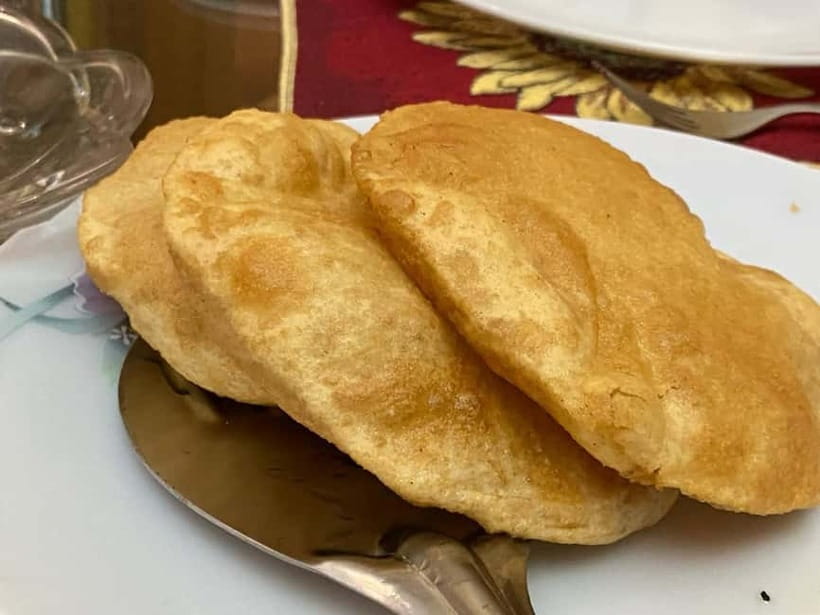
Book it if you want to shop for ingredients, cook in a real Delhi home, and sit down with the family to eat the result. The combination of a local market, flexible menu, spice instruction, bread-making, and private format gives you plenty for $43.
Before booking, send Lubna your preferred dishes, dietary requirements, and choice of 11 AM or 4 PM. Confirm whether you want the market visit or a breakfast-focused class, and plan for your own transport and any market snacks.
For me, the strongest reason to book is the practical connection between what you see in the market and what you cook in the kitchen. You leave with recipes, but also with a better sense of how Indian ingredients are chosen, combined, and served at home.
FAQ
How long does the Indian cooking class last?
The experience lasts three hours.
What time does the class start?
Classes start at either 11 AM or 4 PM. You should state your preferred time when booking.
Can I request vegetarian dishes or a specific menu?
Yes. Lubna asks you to share dietary needs and specific dish requests in advance, and the menu can be discussed with her through WhatsApp.
Is the market visit included?
Yes, the standard experience begins with a visit to a local market about a 10-minute ride from typical tourist areas. If you choose a breakfast-focused option, the market visit is not possible.
What food is included?
The experience includes all ingredients, three main dishes, three types of bread, one rice dish, tea or water, and the meal you prepare.
Where do I meet Lubna?
Meet at A-6 Friends Colony East, New Delhi 110065. The house is behind the HP petrol pump, about a three-minute walk from Ashram metro station, Gate No. 3. Look for the white house with a red sloping roof on a quiet dead-end street.
More Hands-On Workshops in India
- Pink City Cooking Class
★ 5.0 · 452 reviews - Five Course Cooking Class & Meal
★ 5.0 · 250 reviews - Veg and Non veg : Private Cooking Class in Delhi home (7 meal)
★ 5.0 · 226 reviews - Cooking Class in Jaipur – Family Experience with Meal & Transport
★ 5.0 · 101 reviews
More Shopping Trips in India
- Indian Cooking & Market Tour in Pondicherry with Manisha Ray
★ 5.0 · 12 reviews - Hanoi Cooking Class: Culture, Local Market & Meaning CSR Impact
★ 5.0 · 5,147 reviews - 5 Traditional Dishes Hanoi Cooking Class with Market Trip
★ 5.0 · 4,890 reviews - Cooking Class and Lunch at a Tuscan Farmhouse with Local Market Tour from Florence
★ 5.0 · 4,831 reviews
Just added around India
- Discover Bangalore’s Cuisine: Private Half-Day Cooking Experience★ 5.0 · 3 reviews
- Traditional Gowda Cooking Class and Meal in a Bangalore Home★ 5.0 · 31 reviews
- Private South Indian Cooking Class in Bangalore with a Local★ 5.0 · 11 reviews
- Private Cooking and Dining Experience in Bengaluru★ 5.0 · 35 reviews
- Cooking experience in Bangalore, a half day tour★ 5.0 · 5 reviews
- Bangalore: Traditional Cooking Classes & Dinner with Chef Family★ 3.5 · 4 reviews
- Agra Cooking Classes (Pick up and Drop available)★ 5.0 · 34 reviews
- Talk & Enjoy with Delhi locals at their home while Cooking★ 5.0 · 19 reviews
Indian Cooking Classes, compared.
Indian Cooking Class in an Authentic Local Home – Learn 6 Dishes
Read our review →
Authentic Indian Cooking Classes at Palolem Beach Road Goa
Read our review →
Mumbai: Indian Cooking Class & Cultural Delights
Read our review →
Private South Indian Tamil Cooking Class in Chennai with Srividya
Read our review →
Browse the lists this tour appears in